Posted on Leave a comment

Types of Fine Art: Guide for SA Collectors & Decorators 2025
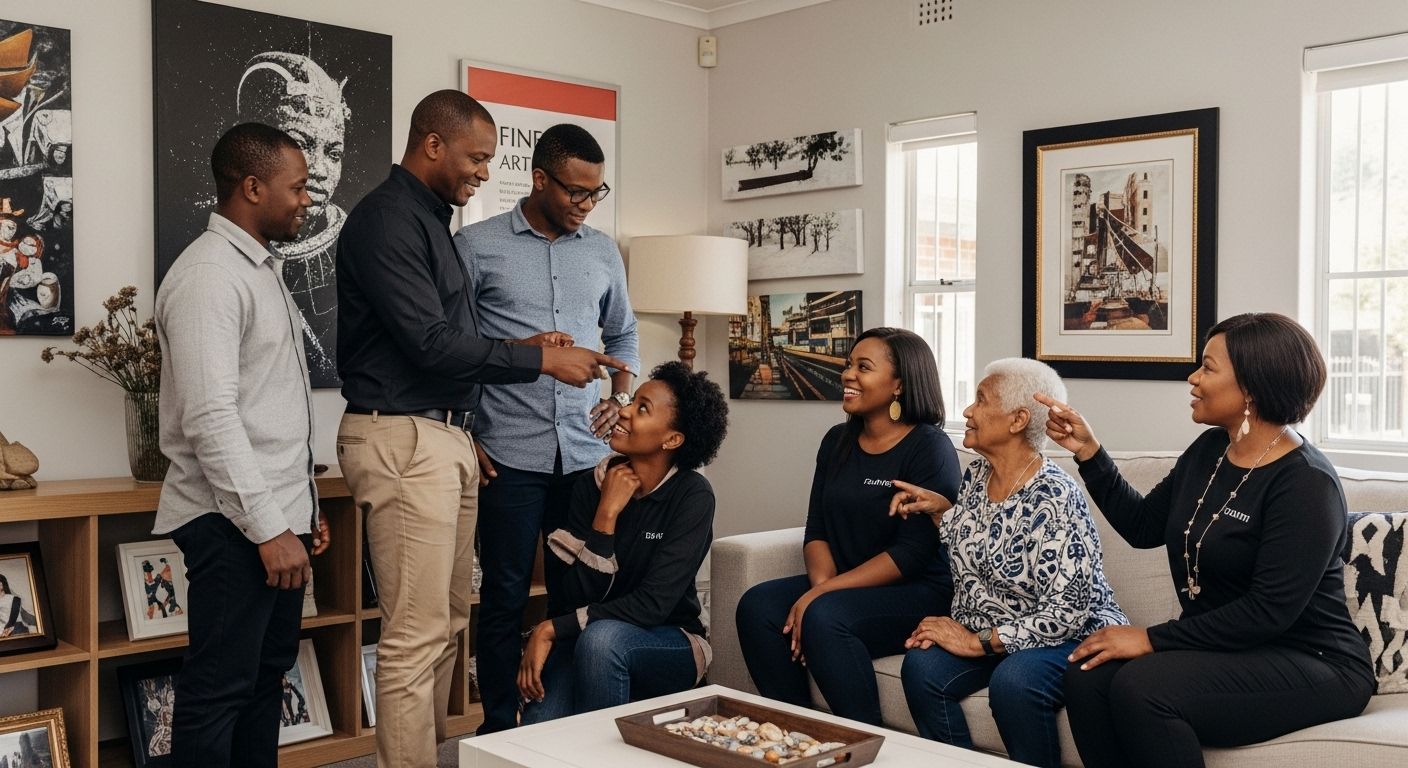
diverse fine art gallery home

Fine art is changing fast in South Africa. Collectors are now looking beyond just paintings on the wall and exploring styles from bold digital pieces to centuries-old Ndebele murals. That might sound like nothing new, but here’s the shocker: the global art market hit around $68 billion and South African artists under 45 are driving much of this interest. So, the best-kept secret is not only which art to buy, but how local talent and new technology are reshaping what belongs in a proudly South African home.

Table of Contents

Quick Summary

Takeaway Explanation
Fine art encompasses diverse media. Fine art includes painting, sculpture, printmaking, and digital mediums, reflecting various techniques and creative expressions.
Traditional art forms enrich South African decor. Indigenous art, like Ndebele and Litema, adds cultural significance and aesthetic value to home interiors.
Art selection balances aesthetics and value. When choosing art, consider personal resonance and its potential investment value through factors like authenticity and artist reputation.
Emerging artists present investment opportunities. Collecting works by lesser-known or emerging artists can offer affordable entry points with potential for future appreciation.
Technology expands artistic boundaries and experiences. Digital mediums and interactive installations are reshaping fine art, enabling immersive experiences and new forms of expression.

Understanding the Types of Fine Art

Fine art represents a profound form of creative expression that transcends mere visual representation. According to the College of Southern Idaho’s Art Overview, fine art encompasses diverse media and techniques that allow artists to communicate complex emotions, ideas, and cultural perspectives.

Classical Categories of Fine Art

Traditionally, fine art has been categorized into several fundamental disciplines. The UK government’s Research Review Series highlights these primary forms as painting, sculpture, drawing, printmaking, and more recently expanded to include photography, performance art, installation art, and digital media. Each discipline offers unique methods of artistic expression and communication.

Painting remains a cornerstone of fine art, with various styles ranging from realistic representations to abstract interpretations. Sculpture transforms three-dimensional materials into expressive forms, while drawing provides foundational skills for visual artists. Printmaking allows for multiple reproductions of artwork, democratizing artistic access.

Evolving Artistic Boundaries

Historically, Western art traditions established a hierarchy of genres that ranked artistic forms based on perceived intellectual value. History paintings depicting significant events were considered superior, followed by portraiture, genre painting, landscape art, animal painting, and still life. However, contemporary art has dramatically challenged these rigid classifications.
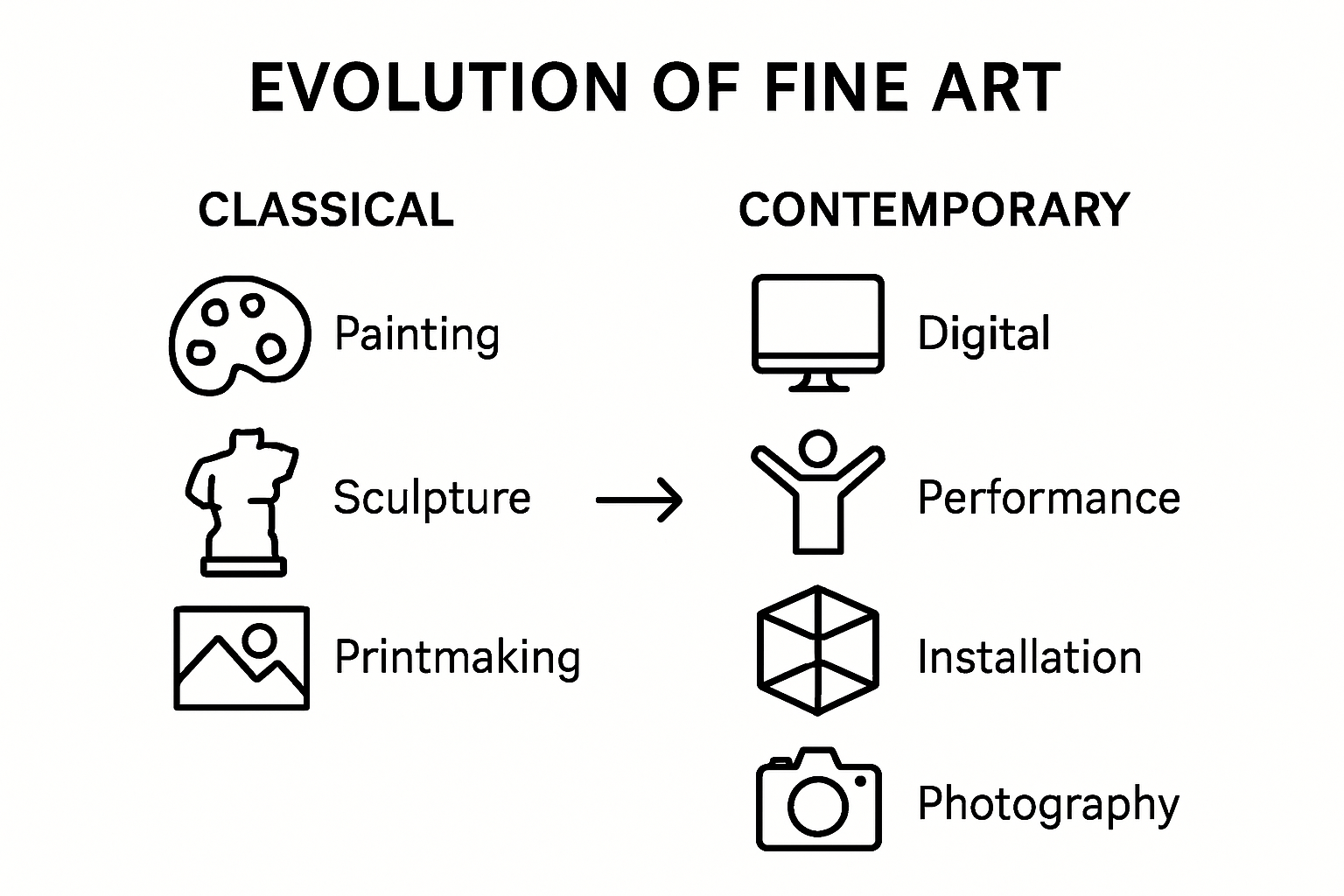
Infographic explaining traditional and modern types of fine art

Modern fine art practices blur traditional boundaries, encouraging interdisciplinary approaches and experimental techniques. Artists now seamlessly combine multiple media, creating hybrid forms that defy conventional categorization. Digital technologies have further expanded artistic possibilities, enabling new modes of creative expression that were unimaginable decades ago.

Contemporary Fine Art Perspectives

Today, fine art is understood as a dynamic, inclusive field that reflects cultural diversity and individual creativity. It encompasses not just visual techniques but also conceptual approaches that challenge viewers’ perceptions. Contemporary artists use fine art as a powerful medium for social commentary, personal exploration, and cultural dialogue.

For South African art collectors and decorators, understanding these nuanced types of fine art allows for more informed acquisition and appreciation. Explore our guide on painting values to delve deeper into the economic and artistic dimensions of different art forms.

The boundaries of fine art continue to expand, inviting viewers and creators alike to reimagine what art can be—a continual process of discovery, interpretation, and creative innovation.

Here is a summary table outlining the classical and expanded categories of fine art, as discussed above:

Category Description
Painting Creating art with pigments on surfaces such as canvas or wall
Sculpture Shaping three-dimensional objects from materials like stone or clay
Drawing Sketching images using pencils, charcoal, or ink on paper
Printmaking Producing multiple art copies through printing techniques
Photography Capturing images through cameras as an artistic practice
Performance Art Artistic expression through live actions and movements
Installation Art Creating immersive, site-specific environments
Digital Media Using digital technology or software in the creative process

Fine art in South African homes reflects a rich tapestry of cultural heritage, personal expression, and aesthetic diversity. The art choices of South African collectors and decorators reveal a nuanced approach to visual storytelling that goes beyond mere decoration.

Traditional and Indigenous Art Forms

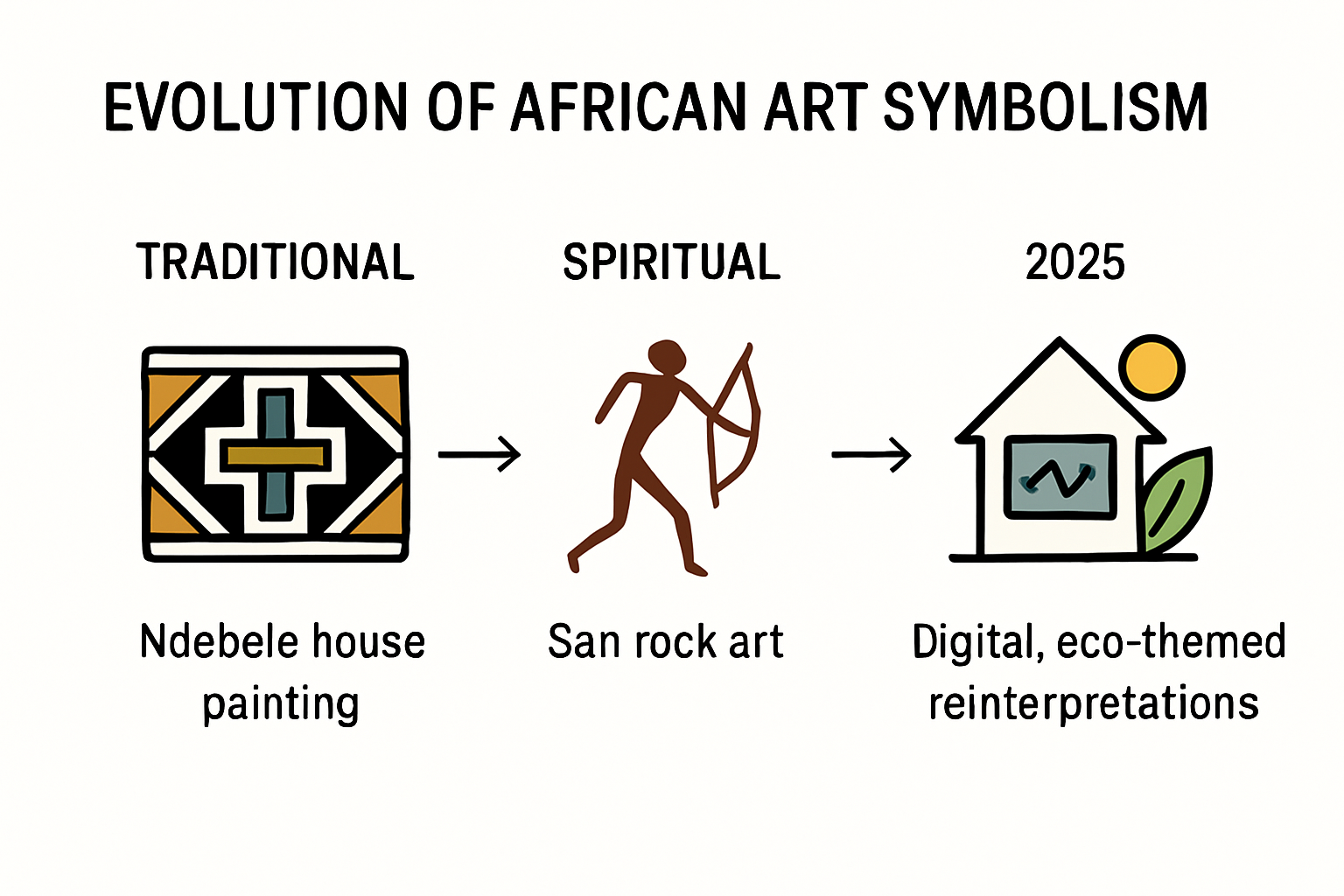
Indigenous art forms have profound significance in South African home decor. Ndebele house painting represents a remarkable tradition where geometric patterns and vibrant colors transform living spaces into artistic canvases. As Esther Mahlangu, a renowned South African artist, demonstrates, these traditional designs can be adapted to contemporary mediums, bridging historical artistic practices with modern aesthetic sensibilities.

Similarly, Litema, a traditional Basotho mural art form, showcases intricate geometric wall designs created using natural pigments. These artistic expressions are not just decorative elements but powerful representations of cultural identity and familial heritage.

Contemporary South African homes increasingly feature diverse art forms that reflect the country’s complex social landscape. Paintings and sculptures by local artists have become essential elements of interior design, serving as conversation pieces that capture the nation’s evolving narrative.

Abstract art, landscape paintings, and portraiture featuring African themes are particularly popular. These artworks often incorporate bold colors, dynamic compositions, and powerful storytelling elements that resonate with South African collectors. Explore our guide to notable South African artists to understand the depth and breadth of contemporary artistic talent.

Practical Considerations for Art Collectors

Selecting fine art for home spaces involves more than aesthetic appreciation. Collectors must consider factors like lighting, wall space, color harmony, and the emotional resonance of an artwork. South African decorators often seek pieces that not only complement their interior design but also tell a personal or cultural story.

Multimedia and mixed-media artworks are gaining popularity, offering versatility and dynamic visual interest. Photography, digital art, and innovative installations provide collectors with expansive options for personalizing their living spaces.

The art adorning South African homes is a testament to the country’s rich artistic heritage—a vibrant dialogue between tradition and innovation, personal expression and collective identity. Each artwork becomes a window into the complex, beautiful narrative of South African creativity.

How to Choose Fine Art for Decor and Value

Choosing fine art for your home involves a delicate balance between aesthetic appeal and potential investment value. As art collectors increasingly shape cultural narratives, understanding how to select meaningful and valuable artworks becomes crucial for South African collectors and decorators.

Aesthetic Considerations for Interior Design

When selecting fine art for home decor, visual harmony and personal connection are paramount. Consider the color palette, room lighting, and existing interior design elements. An artwork should complement the space while creating a focal point that reflects your personal style. Consider scale and placement carefully—a large statement piece can transform a room, while smaller works can create intricate visual dialogues within your living space.

Texture, composition, and emotional resonance play significant roles in art selection. Look for pieces that evoke a feeling or tell a story that connects with your personal experiences or design aesthetic. South African art offers particularly rich narratives that can add depth and cultural significance to your home.

Investment Value and Authenticity

Beyond decorative appeal, fine art represents a potential financial investment. Understanding the value of original African art requires careful consideration of several key factors. Authenticity, artist reputation, artwork condition, and provenance are critical elements that determine an artwork’s current and potential future value.

Emergent and established South African artists offer diverse investment opportunities. Research the artist’s background, exhibition history, and critical reception. Emerging artists might represent more affordable entry points with potential for significant appreciation, while works by well-known artists typically command higher prices and more stable values.

Expert Selection Strategies

Collectors should develop a strategic approach to art acquisition. Attend local art exhibitions, build relationships with galleries, and continuously educate yourself about South African artistic movements. Consider diversifying your collection across different styles, mediums, and artist generations.

Consult art professionals who can provide insights into market trends and potential investment opportunities. Pay attention to artists who are gaining international recognition or those representing important cultural narratives. Documentable provenance, limited edition works, and pieces that represent significant cultural moments often appreciate more consistently.

Choosing fine art is a personal journey that combines emotional connection, design sensibility, and potential financial consideration. Each artwork you select becomes more than a decorative element—it’s a narrative piece that reflects your taste, supports local artists, and potentially grows in cultural and monetary value over time.

Remember that the most valuable art is ultimately the art that speaks to you personally, creating a meaningful dialogue between your living space and the rich artistic heritage of South Africa.

Below is a comparison table to help collectors and decorators weigh key factors when evaluating potential fine art for acquisition:

Factor Aesthetic Value (Decor) Investment Value (Collector)
Colour Harmony Should suit or complement interior palette Less crucial, but can affect saleability
Size & Placement Must fit and enhance space proportion Can impact desirability and rarity
Artist Reputation Less important if chosen for personal fit Critical for value, resale and growth
Authenticity Desirable for original feel Essential for investment integrity
Personal Resonance Highly important Can add collector’s significance
Condition Needed for visual effect Key for long-term value
Provenance Sometimes secondary Vital for documentation and resale

The South African fine art landscape in 2025 is experiencing a dynamic transformation, characterized by innovative approaches, technological integration, and powerful cultural narratives. Contemporary African art market research indicates a remarkable growth trajectory, with art pieces by artists under 45 driving significant market value and global interest.

Artistic Media and Material Evolution

Contemporary South African artists are pushing boundaries by reimagining traditional art forms and exploring diverse material expressions. The Investec Cape Town Art Fair 2025 highlighted a resurgence of craft and materiality, with artists like Zehnlin Zhang, Georgina Maxim, and Mulamb6 creating powerful works that critique societal issues through painting, installation art, and textile techniques.

Ceramics and woven art are experiencing significant renaissance. Artists like Hylton Nel have gained international recognition, with collaborations extending beyond traditional art spaces—notably Nel’s partnership with Dior designer Kim Jones, signaling a growing intersection between fine art and fashion design.

Emerging Artistic Movements and Styles

Quasi-surrealist art is experiencing unprecedented popularity, with artists like Keith Alexander and Neil Rodger attracting substantial collector interest. This trend potentially links to the centenary of the Surrealist Manifesto and a renewed appreciation for artistic movements that challenge conventional representation.

Postcolonial identity exploration remains a critical theme, with artists using their work to deconstruct historical narratives and create nuanced cultural dialogues. Black artists in South Africa are at the forefront of these transformative artistic expressions, creating works that are both aesthetically compelling and socially significant.

Technology and Artistic Innovation

Digital technologies are increasingly integrated into fine art practices, with artists experimenting across virtual and physical mediums. Augmented reality, digital painting, and interactive installations are becoming more prevalent, offering collectors and viewers immersive experiences that transcend traditional artistic boundaries.

The global art market, valued at approximately $68 billion, is witnessing a significant shift with African artists gaining unprecedented international recognition. South African artists are not just participants but active innovators in this global artistic ecosystem, challenging and expanding traditional artistic paradigms.
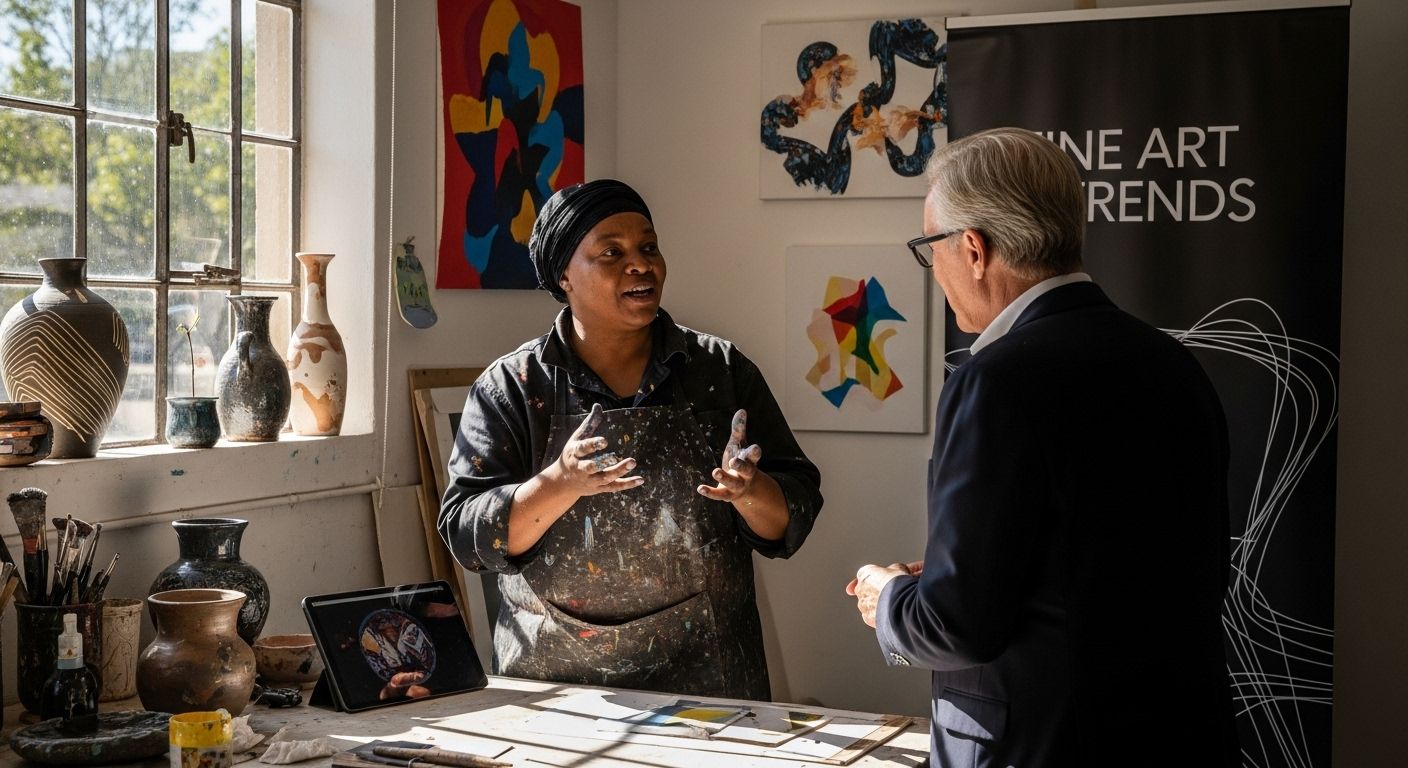
art studio fine art trends

These emerging trends reflect a vibrant, dynamic artistic landscape where tradition and innovation coexist, offering collectors and art enthusiasts unprecedented opportunities to engage with powerful, transformative creative expressions.

Frequently Asked Questions

What are the main types of fine art?

Fine art typically includes various media such as painting, sculpture, drawing, printmaking, photography, performance art, installation art, and digital media. Each type utilizes different techniques and materials for artistic expression.

How do I choose fine art for my home decor?

Selecting fine art involves considering color harmony, size, and emotional connection. Ensure the artwork complements your interior design and fits the space appropriately while also resonating with your personal style and story.

What factors affect the investment value of fine art?

The investment value of fine art is influenced by factors such as the artist’s reputation, authenticity, artwork condition, provenance, and market trends. Established artists typically maintain higher values, while works by emerging artists may present opportunities for appreciation over time.

Contemporary fine art trends in South Africa are increasingly characterized by the blending of traditional techniques with modern materials, the rise of digital art, and a focus on socio-political themes. Artists are pushing boundaries to create innovative works that resonate on both local and global stages.

Bring South African Fine Art Into Your Home With Confidence

Struggling to find authentic art that matches your personal style and holds real investment value? This guide has shown how overwhelming it can be when traditional and contemporary options, from Ndebele murals to digital installations, all seem worth collecting. You are not alone if you worry about authenticity, fit, or even supporting emerging and iconic South African artists. Every collector wants their walls to tell a story of local creativity, while making sure their choices hold long-term value.

https://art-online.co.za

Why wait to find art that truly resonates with you? Visit Art Online to browse South Africa’s largest online art gallery. Explore everything from original famous South African artists to new talents reshaping the scene. Let our curated collections help you select works with both aesthetic and investment value—so you can buy with confidence today.

Posted on Leave a comment

How to Find New Artists in South Africa: 2025 Guide

art gallery South Africa

People are searching for the freshest creative voices across South Africa and the art scene is growing faster than ever. You might think that gallery visits are enough to spot new talent but there is more to it than meets the eye. Over 70 percent of South Africans now discover artists through social media channels and that unexpected shift has completely changed the way collectors and decorators find the country’s next big names.

Table of Contents

Quick Summary

Takeaway Explanation
Explore major galleries actively Visit galleries like Goodman Gallery and Stevenson Gallery to discover emerging South African artists through curated exhibitions.
Engage with local art events Participate in events like the Cape Town Arts Festival to connect directly with artists and understand their creative processes.
Utilize social media for discovery Follow art-related hashtags and accounts on platforms like Instagram to discover and engage with emerging artists’ works.
Build sustainable artist networks Foster genuine relationships with artists by showing ongoing support, attending their exhibitions, and maintaining open communication.
Consider custom art commissions Collaborate with artists to create bespoke artworks that reflect individual tastes and enhance interior spaces in unique ways.

Exploring Galleries and Local Art Events

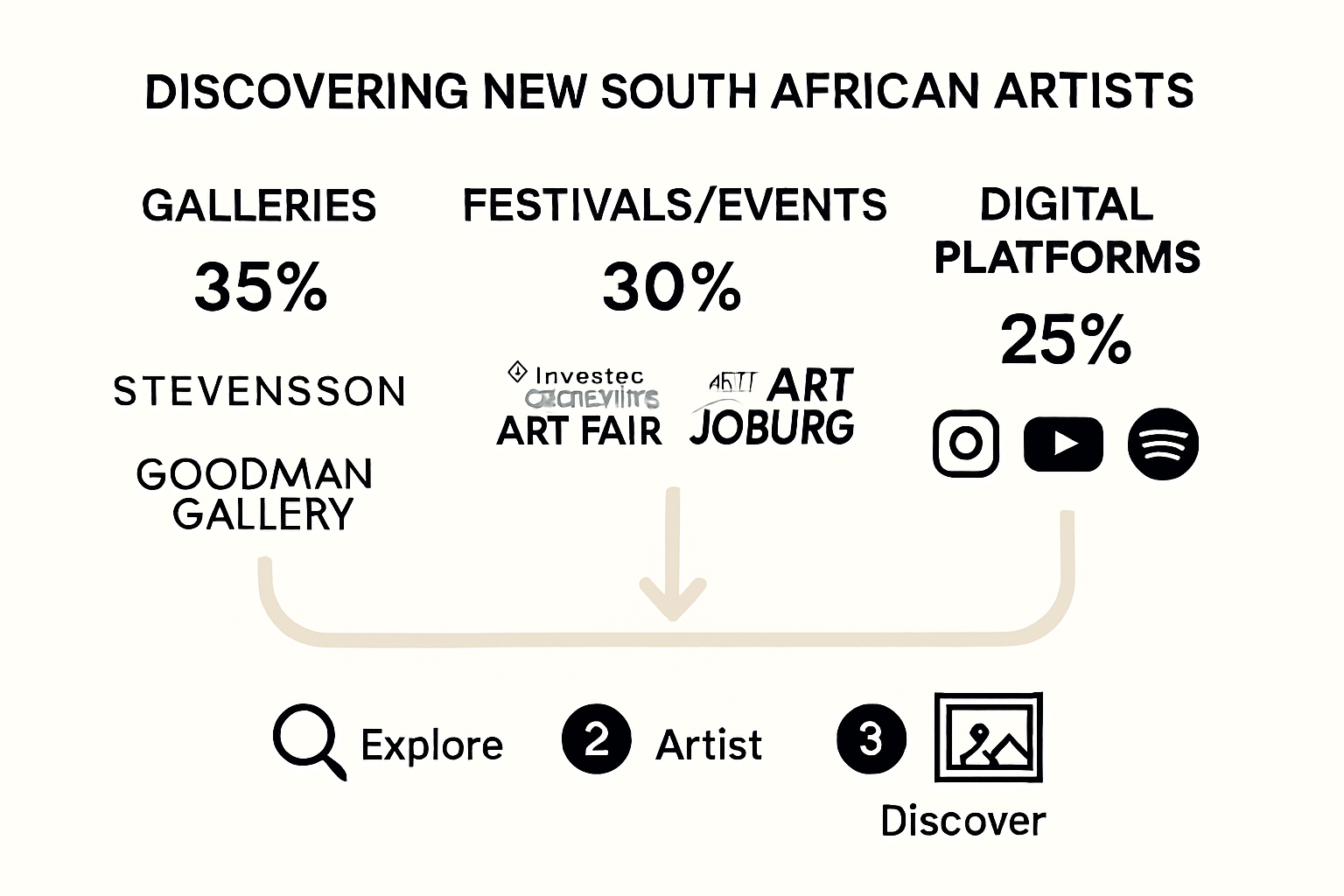
South African artist discovery pathways infographic

Discovering new artists in South Africa requires strategic navigation through the vibrant art ecosystem of galleries and local events. These platforms serve as critical pathways for art collectors and enthusiasts to connect with emerging and established talents across the country.

Major Art Galleries as Artist Discovery Platforms

South African art galleries represent pivotal spaces for how to find new artists. The Cape Town Art Scene offers multiple opportunities for art discovery. According to the South Africa Artguide, galleries like Goodman Gallery, WHATIFTHEWORLD, and Stevenson Gallery consistently showcase innovative contemporary artists. These institutions curate exhibitions that highlight emerging talents, providing direct exposure to collectors and art enthusiasts.

Galleries often host curated shows that feature collections from multiple artists, enabling visitors to explore diverse artistic styles and techniques. Emerging artists frequently use these platforms to debut their work, making gallery visits an essential strategy for discovering new talent. Professional curators carefully select artists, ensuring that the exhibited works represent high-quality and innovative artistic expressions.

Local Art Events and Festivals

Local art events dramatically expand opportunities for artist discovery. The Cape Town Arts Festival exemplifies this approach, launching platforms like the ‘Shine Visual Arts Exhibition’ that specifically support emerging artists. Such events provide immersive experiences where collectors can directly interact with artists, understand their creative processes, and acquire unique artworks.

Key events to explore include:

  • National Arts Festival (June 26 – July 6, 2025)
  • Cape Town Arts Festival Visual Arts Exhibition
  • Johannesburg Art Fair
  • Various regional art weekends and pop-up exhibitions

These events offer more than visual presentations. They create networking opportunities, allowing direct conversations with artists, curators, and fellow art enthusiasts. Collectors can gain insights into artistic motivations, techniques, and emerging trends while potentially discovering exceptional talents before they become widely recognized.

Digital Platforms and Community Connections

ArtsConnect represents an innovative approach to artist discovery, providing technology-enabled tools that support emerging art practitioners. These digital platforms complement traditional gallery experiences by offering virtual exhibitions, artist profiles, and community networking opportunities.

Collectors should leverage multiple channels. Attend physical gallery exhibitions, participate in art festivals, follow art-focused social media accounts, and engage with digital platforms. Each channel offers unique perspectives and access to South Africa’s rich and diverse artistic landscape. Persistent exploration and genuine engagement remain the most effective strategies for discovering exceptional new artists.

Remember that artist discovery is not just about finding talent but understanding the stories, techniques, and cultural contexts that shape their creative expressions. Each gallery visit, art event attendance, and digital platform exploration brings you closer to uncovering the next generation of South African artistic brilliance.

To help you compare different discovery methods, here’s a table summarizing the key features of each art discovery channel discussed above:

Discovery Channel Key Features Examples/Notes
Major Art Galleries Curated exhibitions, emerging talent exposure, professional curation Goodman Gallery, WHATIFTHEWORLD, Stevenson Gallery
Local Art Events & Festivals Direct artist interaction, immersive experience, networking National Arts Festival, Cape Town Arts Festival
Digital Art Platforms Virtual access, artist profiles, networking tools ArtsConnect, online galleries, virtual exhibitions
Social Media Real-time discovery, global reach, artist updates Instagram hashtags like #SouthAfricanArt, Facebook

Using Online Platforms and Social Media

Online platforms and social media have revolutionized how art collectors and enthusiasts discover new artists in South Africa. These digital channels provide unprecedented access to emerging talents, offering comprehensive insights into artistic styles, backgrounds, and creative journeys.

Strategic Social Media Artist Discovery

Social media platforms like Instagram and Facebook have become essential tools for finding new artists. According to the Young Creatives Programme, these platforms enable artists to showcase their portfolios and connect directly with potential collectors. Hashtags such as #SouthAfricanArt, #EmergingArtists, and #AfricanCreatives help streamline the discovery process.

Professional artists typically maintain curated profiles that highlight their artistic evolution. By following art-related accounts, collectors can track emerging talents, understand their creative processes, and engage with their work before traditional gallery representations. Instagram Stories and Reels provide dynamic insights into artists’ studios, work-in-progress shots, and personal inspirations.

Specialized Online Art Platforms

ArtsConnect represents a breakthrough in digital artist discovery. This technology-enabled platform supports emerging art practitioners by providing comprehensive resources for skill development, networking, and market access. Such platforms offer detailed artist profiles, virtual exhibitions, and direct communication channels between artists and potential collectors.

Other specialized platforms to explore include:

  • ArtAfrica Digital
  • South African Art Market
  • Online Gallery Platforms
  • Virtual Exhibition Spaces

These platforms go beyond simple image sharing. They provide contextual information about artists’ backgrounds, artistic philosophies, and career trajectories. Collectors can access comprehensive portfolios, artist statements, and even purchase artworks directly through these digital interfaces.

Networking and Community Engagement

Digital platforms are not just about passive observation but active community engagement. Professional networking sites like LinkedIn and art-focused community forums provide opportunities to connect with artists, curators, and fellow collectors. Webinars, online workshops, and virtual artist talks offer deeper insights into the contemporary South African art scene.

Effective online artist discovery requires a strategic approach. Follow reputable art institutions, curators, and gallery accounts. Engage with content through comments, shares, and direct messages. Many artists appreciate genuine interactions and are willing to discuss their work with interested collectors.

Remember that online platforms are tools, not substitutes for genuine artistic appreciation. While digital channels provide excellent initial contact points, serious collectors should complement online research with physical gallery visits, art event attendance, and direct artist interactions.

The digital landscape continues evolving, offering increasingly sophisticated methods for discovering and supporting emerging South African artists. By leveraging these online platforms intelligently, collectors can uncover exceptional talents and contribute to the growth of the country’s vibrant art ecosystem.

Building Networks with South African Artists

Building meaningful networks with South African artists requires strategic approaches that go beyond casual interactions. Successful connections demand genuine interest, professional respect, and a comprehensive understanding of the local art ecosystem.

Professional Networking Strategies

Networking with South African artists involves multiple sophisticated channels. According to research on artist connectivity, artists value connections that demonstrate authentic appreciation for their creative journey. Professional networking platforms like LinkedIn and specialized art forums provide structured opportunities for meaningful engagement.

Art collectors should approach networking with intentionality. This means researching artists’ backgrounds, understanding their artistic philosophies, and demonstrating genuine interest in their work. Attending artist talks, workshops, and panel discussions offers structured environments for establishing professional relationships. Prepare thoughtful questions that reveal your depth of understanding and respect for their artistic practice.

Academic and Institutional Connections

University art programs and cultural institutions represent powerful networking platforms. Exploring public art initiatives can connect collectors with emerging and established artists through academic collaborations. Many South African universities host exhibitions, residency programs, and symposiums that facilitate direct interactions between artists, academics, and collectors.

Key networking opportunities include:

  • University art department exhibitions
  • Artist residency programs
  • Academic symposiums and conferences
  • Cultural institution workshops
  • Professional artist associations

These institutional platforms provide structured environments for meaningful professional connections. They offer insights into artists’ theoretical foundations, creative processes, and professional development trajectories.

Building Sustainable Professional Relationships

Sustainable artist networks require ongoing engagement and mutual respect. Collectors should view relationships as collaborative partnerships rather than transactional interactions. This means supporting artists beyond purchasing artwork by promoting their work, providing constructive feedback, and creating opportunities for exposure.

Effective networking involves:

  • Regular communication
  • Attending their exhibitions
  • Sharing their work through professional networks
  • Offering mentorship or introductions
  • Understanding their artistic vision

Digital platforms complement traditional networking methods. Follow artists on professional social media, engage meaningfully with their content, and demonstrate consistent support for their artistic journey. Learning about famous South African artists can provide context and inspiration for building more nuanced professional relationships.

Remember that networking is an art form itself. It requires patience, authenticity, and a genuine commitment to understanding and supporting South African artistic talent. Each interaction represents an opportunity to contribute to the rich and dynamic landscape of South African contemporary art.

For a clearer overview, here’s a table outlining various professional networking opportunities and their key benefits for connecting with South African artists:

Networking Opportunity Description Key Benefits
University Art Department Exhibitions Campus exhibitions by emerging artists Early access to new talent, direct dialogue
Artist Residency Programs Temporary artist studios in creative environments Collaboration, studio visits, mentorship
Academic Symposiums & Conferences Theoretical discussions and artist presentations In-depth insights, professional contacts
Cultural Institution Workshops Hands-on artistic workshops Skills exchange, creative partnerships
Professional Artist Associations Membership-based formal artist networks Industry updates, referrals, collaboration

Custom Art for Interior Decorators and Collectors

Custom art represents a transformative approach for interior decorators and collectors seeking unique South African artistic expressions. This strategy goes beyond traditional art acquisition, allowing professionals to collaborate directly with artists and create bespoke pieces that reflect specific design visions and spatial narratives.

Commissioning Process and Artistic Collaboration

Commissioning custom art requires strategic understanding and professional communication. According to the Financial Times, there is growing global recognition of African modernist artists, making South African art an increasingly valuable investment. Interior decorators should approach artist collaborations with clear conceptual briefs that outline spatial requirements, color palettes, and thematic expectations.

Successful custom art commissions involve:

  • Detailed initial consultations
  • Clear artistic briefs
  • Transparent budget discussions
  • Regular progress reviews
  • Flexible creative interpretations

Effective communication ensures that commissioned artworks align with design objectives while respecting the artist’s creative autonomy. Professional decorators understand that custom art is a dialogue between vision and artistic expression.

Discovering Custom Art Opportunities

Exploring notable African art competitions provides strategic pathways for finding exceptional emerging artists. The Absa L’Atelier Art Competition, an annual award for visual artists aged 21 to 35, serves as an exceptional platform for discovering innovative talents capable of creating custom artworks.

Key opportunities for custom art discovery include:

  • Art competition exhibitions
  • Design conferences
  • University graduate shows
  • Specialized art networking events
  • Curated artist portfolio platforms

Events like Design Indaba offer comprehensive exposure to South African creative talents across multiple disciplines, providing interior decorators with unprecedented access to potential collaborators.

To help you identify the best custom art sourcing opportunities, here’s a table summarizing the types of events and platforms mentioned for discovering artists open to commissions:

Custom Art Opportunity Type Description Example Events/Platforms
Art Competition Exhibitions Showcases works of emerging talent Absa L’Atelier Art Competition
Design Conferences Interdisciplinary creative networking Design Indaba
University Graduate Shows Displays final projects by art students Major South African universities
Specialized Networking Events Gatherings for art professionals Curated portfolio showcases
Online Artist Platforms Digital artist directories, portfolios ArtsConnect, virtual exhibition spaces

Technical and Aesthetic Considerations

art commission discussion South African home

Custom art commissions require nuanced understanding of technical and aesthetic parameters. Interior decorators must consider spatial dynamics, lighting conditions, architectural elements, and client preferences when conceptualizing commissioned artworks. This demands sophisticated communication skills and a deep appreciation for artistic processes.

Considerations for successful custom art integration include:

  • Precise measurements and spatial analysis
  • Material compatibility
  • Color theory and visual harmony
  • Structural installation requirements
  • Long-term preservation strategies

Professional decorators approach custom art as a holistic design element, understanding that each piece contributes to a larger narrative of spatial experience. By fostering genuine collaborative relationships with South African artists, collectors and decorators can create transformative interior environments that celebrate artistic innovation and cultural richness.

Remember that custom art is more than a decorative choice. It represents an investment in artistic dialogue, cultural expression, and creative potential. Each commissioned piece tells a unique story, connecting interior spaces with the vibrant artistic landscape of contemporary South Africa.

Frequently Asked Questions

How can I find emerging artists in South Africa?

To discover emerging artists in South Africa, explore major art galleries, attend local art events and festivals, and utilize social media platforms to follow and engage with artists’ work.

What role do galleries play in artist discovery?

Galleries serve as crucial platforms for discovering new artists by hosting curated exhibitions that showcase their work, offering collectors a chance to experience diverse artistic styles and techniques.

How can social media be used to discover new artists?

Social media allows you to follow specific art-related hashtags, engage with artists’ profiles, and view their work in real time, thereby providing a space to discover and connect with emerging talents in the art community.

What strategies can I use to build networks with South African artists?

Building networks involves meaningful engagement through attending events, participating in discussions, showing genuine interest in artists’ work, and fostering long-term professional relationships based on mutual respect.

Discover South Africa’s Next Art Icons with Art Online

Are you struggling to keep up with the rapid changes in how people find emerging South African artists? This guide has shown how traditional gallery visits are no longer enough and that collectors now need both digital and in-person strategies. Yet, the search for authentic new voices can still feel overwhelming, especially if you want direct access to the country’s most promising talent.

https://art-online.co.za

Let Art Online make the search easier for you. Our platform gives you immediate access to South Africa’s largest collection of artwork from both established legends and breakthrough talents. Browse curated collections that highlight emerging artists and view their detailed stories, backgrounds, and portfolios in one central space. Looking for something tailor-made for your space? Start a conversation about commissioning custom pieces and collaborate directly with artists to capture your unique vision.

Opportunities to collect exclusive new art never last long. Visit Art Online now and experience first-hand how easy it is to discover and connect with the freshest creative voices in South Africa.

Posted on Leave a comment

Caring for Oil Paintings in South Africa: Expert Tips 2025

oil painting care

Looking after oil paintings in South Africa takes more than just keeping them out of the rain. Most people are shocked to hear that even a two-degree shift in room temperature or a ten percent rise in humidity can trigger paint cracking and warping. This means the real secret to preserving your art for years is not about where you hang it but about mastering the delicate balance of your home’s climate.

Table of Contents

Quick Summary

Takeaway Explanation
Maintain stable temperature and humidity Keep oil paintings in a climate range of 18-22°C and 45-55% humidity to prevent deterioration.
Use proper handling techniques Always wear clean cotton gloves and support the artwork’s edges to avoid damage during handling.
Protect from light exposure Minimise direct sunlight on artworks, using UV-filtering materials when displaying to avoid fading.
Invest in appropriate framing Use acid-free materials and ensure proper ventilation to support and protect the artwork.
Store vertically in climate-controlled conditions Position oil paintings vertically in a stable environment to avoid stress or damage when not on display.

Understanding the Basics of Oil Painting Care

Caring for oil paintings requires a nuanced approach that protects these delicate artworks from environmental threats and potential damage. Oil paintings are complex artistic expressions that demand specialized preservation techniques to maintain their aesthetic and historical value.

Environmental Considerations for Painting Preservation

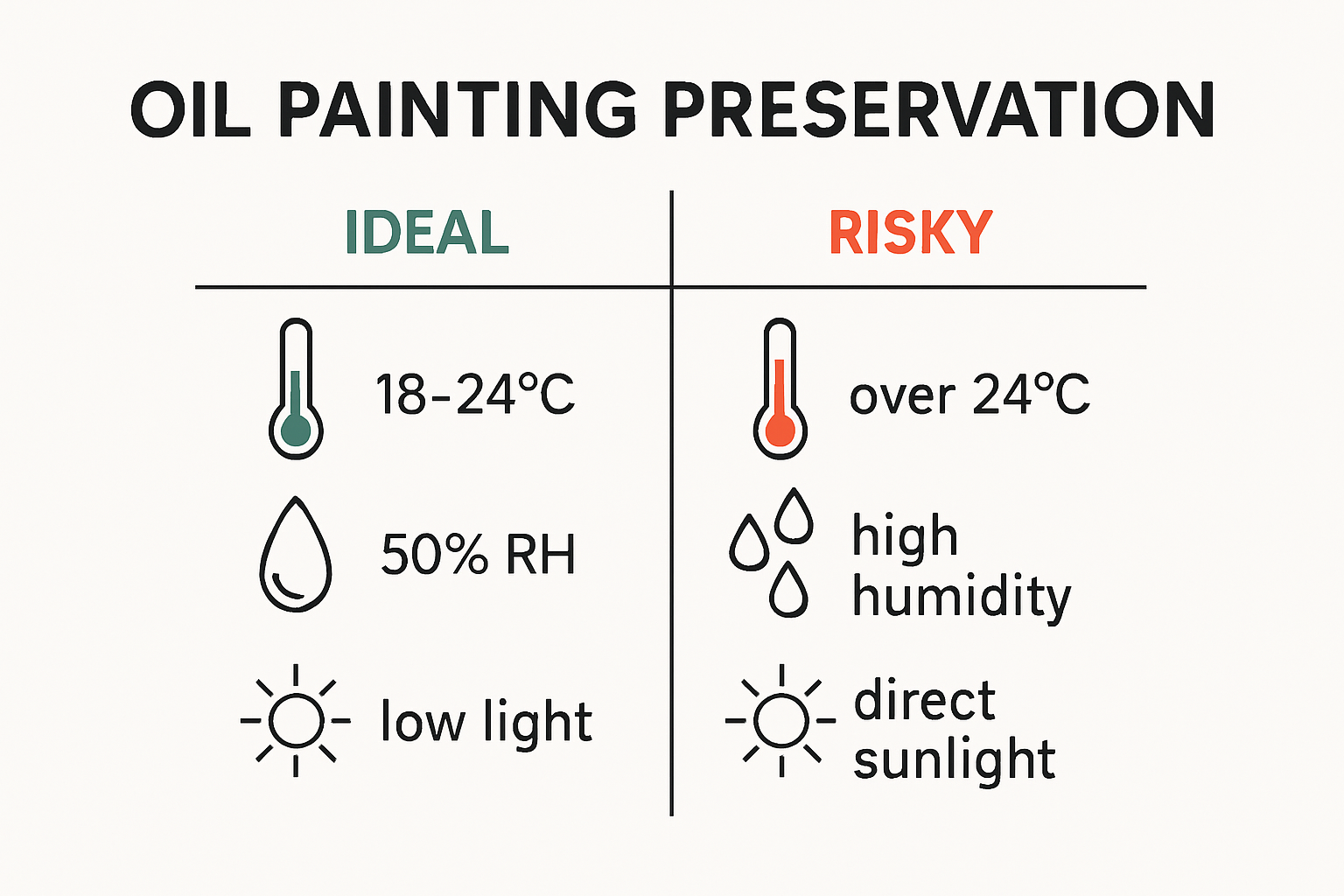
The stability of an oil painting’s environment plays a critical role in its long-term conservation. According to the Smithsonian Institution’s Museum Conservation Institute, temperature and humidity are paramount factors in preventing deterioration. Ideal storage and display conditions typically range between 18-22 degrees Celsius with relative humidity between 45-55 percent. Dramatic fluctuations can cause canvas warping, paint cracking, and structural weakening.

South African art collectors must be particularly attentive to local climate challenges. Regions with high humidity or extreme temperature variations require additional protective strategies. Direct sunlight exposure can be especially damaging, causing pigment fading and accelerated material degradation. Learn more about protecting your valuable artwork through strategic placement and conservation techniques.

Handling and Cleaning Protocols

Proper handling represents another crucial aspect of oil painting preservation. The British Association of Paintings Conservator-Restorers emphasizes that minimal physical contact is essential. When handling oil paintings, always use clean cotton gloves to prevent oil transfer from skin to canvas. Support the artwork from its structural edges, avoiding direct contact with the painted surface.

Cleaning requires extreme caution. Amateur cleaning attempts can cause irreversible damage. Professional conservators recommend against using household cleaning products or water. Dust removal should be performed gently using soft, clean brushes with minimal pressure. For comprehensive cleaning and restoration, consulting a professional art conservator is strongly advised.

Infographic shows temperature, humidity, and light risks for oil paintings.

Framing and Storage Strategies

Appropriate framing and storage are fundamental to protecting oil paintings. The Australian Institute for the Conservation of Cultural Material recommends using acid-free backing materials and ensuring adequate air circulation. Frames should provide structural support without placing excessive pressure on the canvas.

Storage recommendations include vertical positioning in climate-controlled environments, using protective coverings that allow breathability. Avoid storing paintings in attics, basements, or areas prone to temperature and humidity fluctuations. Consider investing in specialized art storage solutions that provide archival-grade protection against environmental degradation.

By understanding and implementing these preservation principles, South African art collectors can ensure their oil paintings remain vibrant, structurally sound, and valuable for generations. Thoughtful care transforms artwork preservation from a challenge into a rewarding commitment to cultural heritage.

To help readers quickly compare how different South African regional climates impact oil painting care—and which preservation action is most important—see the table below.

Region Primary Climate Challenge Key Preservation Focus
Cape Town (Coastal) High humidity, salt air Use dehumidifiers, inspect for mould
Johannesburg (Inland) Extreme temperature fluctuations Use climate control, avoid attics
Durban (Tropical) High humidity, warm temperatures Control humidity, avoid sunlight
Karoo (Arid Interior) Low humidity, dust Protect from dust, check for cracks

Protecting Oil Paintings From South African Climate

South Africa presents unique environmental challenges for oil painting preservation, with diverse climatic conditions ranging from coastal humidity to arid interior regions. Understanding and mitigating these regional climate risks is crucial for maintaining the integrity and longevity of valuable artworks.

Humidity and Temperature Management

The diverse South African climate demands sophisticated preservation strategies. According to Museums Galleries Scotland, controlling environmental factors is paramount in artwork conservation. South African art collectors must be particularly attentive to regional temperature and humidity variations that can cause significant damage to oil paintings.

Coastal regions like Cape Town experience high humidity levels that can promote mold growth and canvas deterioration. Inland areas such as Johannesburg encounter extreme temperature fluctuations, which can cause canvas expansion and contraction. Investing in climate control systems becomes essential. Dehumidifiers, air conditioning, and specialized art storage solutions help maintain stable environmental conditions between 18-22 degrees Celsius with relative humidity around 45-55 percent.

Light Exposure and UV Protection

South Africa’s intense sunlight poses significant risks to oil paintings. The Canadian Conservation Institute recommends minimizing direct light exposure to prevent pigment fading and material degradation. UV-filtering glass or acrylic protective covers can mitigate sunlight damage when displaying artworks.

Strategic placement is critical. Avoid hanging paintings near windows or in areas with direct sunlight. Use indirect lighting techniques and consider rotating artwork periodically to prevent prolonged exposure. Learn more about protecting your artwork’s display to ensure optimal preservation in challenging South African environments.

Regional Preservation Strategies

Different South African regions require tailored conservation approaches. The British Association of Paintings Conservator-Restorers emphasizes the importance of regular inspections and proactive maintenance. Coastal environments demand more frequent monitoring for salt-induced corrosion and moisture damage, while dry interior regions require protection against dust and potential structural stress.

Implement a comprehensive preservation strategy that includes:

  • Regular professional assessments
  • Controlled storage environments
  • Appropriate framing with archival-grade materials
  • Minimal handling and careful transportation

Professional art conservators can provide specialized guidance for managing artwork in South Africa’s challenging climatic conditions. By understanding regional environmental nuances and implementing targeted preservation techniques, collectors can protect their valuable oil paintings from potential climate-related deterioration, ensuring these artistic treasures remain vibrant and structurally sound for generations to come.

Cleaning and Handling Your Artworks Properly

Proper cleaning and handling represent critical aspects of preserving oil paintings, requiring meticulous care and specialized knowledge. South African art collectors must understand that improper techniques can cause irreversible damage to valuable artworks.

Professional Handling Techniques

Handling oil paintings demands extreme caution and precision. According to the Smithsonian Institution’s Museum Conservation Institute, professional conservators recommend several fundamental handling protocols. Always use clean cotton gloves to prevent direct skin contact, which can transfer oils and potentially damage delicate paint surfaces. When moving artwork, support the entire canvas frame from beneath, avoiding pressure on the painted surface.

Transportation requires additional considerations. Use specialized art transport cases that provide cushioning and climate control. Maintain a consistent vertical position to prevent canvas warping or structural stress. Learn more about artwork transportation techniques to ensure your valuable pieces remain protected during movement.

Dust Removal and Surface Maintenance

Dust accumulation can significantly compromise an oil painting’s appearance and longevity. The Canadian Conservation Institute strongly advises against amateur cleaning attempts. Specialized soft-bristled brushes designed for art conservation should be used with minimal pressure, gently sweeping away surface dust.

Never use household cleaning products, water, or commercial cleaning solutions. These can dissolve paint, damage pigments, or create irreversible chemical reactions. Compressed air or specialized art conservation tools provide safer alternatives for delicate surface maintenance. Professional conservators recommend periodic professional cleaning and assessment to maintain artwork integrity.

When to Seek Professional Intervention

Recognizing when professional intervention is necessary represents a crucial skill for art collectors. The British Association of Paintings Conservator-Restorers emphasizes that certain conditions require expert assessment. Signs indicating professional cleaning or restoration include:

  • Visible paint flaking or cracking
  • Discoloration or unusual surface changes
  • Structural frame damage
  • Mold or moisture-related deterioration
  • Accumulated environmental pollutants

Qualified art conservators possess specialized training and equipment to diagnose and address complex preservation challenges. They can provide targeted treatments that prevent further deterioration while maintaining the artwork’s original aesthetic and historical value.

By implementing these careful handling and maintenance strategies, South African art collectors can protect their oil paintings from potential damage. Understanding that preservation is an ongoing process requiring knowledge, patience, and professional expertise ensures these artistic treasures remain vibrant and structurally sound for future generations to appreciate.

Below is a checklist table outlining actions to keep oil paintings safe during handling and cleaning.

Action Recommended Practice (Yes/No)
Wear clean cotton gloves when handling Yes
Support painting from the frame’s edges Yes
Touch painted surface with bare hands No
Use household cleaning products No
Use soft art-specific brushes for dusting Yes
Attempt removal of flaking paint yourself No
Consult a professional for serious issues Yes

Best Storage and Display Practices For Longevity

Preserving oil paintings requires strategic storage and display techniques that protect artworks from environmental degradation and potential damage. South African art collectors must develop comprehensive approaches that safeguard their valuable artistic investments through careful placement and storage methodologies.

Optimal Display Environment

Creating an ideal display environment is crucial for oil painting preservation. According to the Canadian Conservation Institute, maintaining stable environmental conditions is paramount. Ideal display areas should maintain consistent temperature between 18-22 degrees Celsius and relative humidity around 45-55 percent.

Strategic placement becomes essential in preventing artwork deterioration. Avoid hanging paintings near windows, heating vents, air conditioning units, or areas with significant temperature fluctuations. Direct sunlight can cause irreversible pigment fading and material stress. Learn more about protecting your artwork’s display to ensure optimal preservation in challenging environments.

Storage Strategies for Art Preservation

The British Association of Paintings Conservator-Restorers emphasizes the importance of proper storage techniques. When not on display, oil paintings require specialized storage conditions that protect them from environmental risks. Use acid-free archival materials for wrapping, ensuring breathability and preventing moisture accumulation.

Vertical storage is recommended to minimize canvas stress. Specialized art storage racks or custom-designed storage systems provide ideal solutions. Maintain consistent environmental conditions in storage areas, avoiding basements, attics, or spaces prone to humidity fluctuations. Use climate-controlled storage units if home storage becomes challenging.

Advanced Protection Techniques

The Western Australian Museum recommends additional protective measures for long-term artwork preservation. Use UV-filtering glass or acrylic when framing paintings to reduce light damage. Consider rotating displayed artworks periodically to minimize continuous light exposure.

Implement these advanced protection strategies:

  • Use museum-quality hanging hardware
  • Install indirect lighting systems
  • Maintain a dedicated art storage environment
  • Conduct regular visual inspections for potential damage
  • Use professional art transportation services when moving pieces

Professional conservators can provide personalized guidance for managing art collections in South Africa’s unique climate. By understanding and implementing comprehensive storage and display practices, art collectors can ensure their oil paintings remain pristine, preserving their aesthetic and historical value for future generations.

The key to successful artwork preservation lies in consistent, knowledgeable care. Each carefully considered decision contributes to protecting these delicate artistic expressions against environmental challenges and potential deterioration.

art conservation storage

Frequently Asked Questions

What is the ideal temperature and humidity for preserving oil paintings in South Africa?

Maintaining a stable environment is crucial. The ideal temperature range is between 18-22°C with a relative humidity of 45-55% to prevent deterioration of oil paintings.

How can I effectively remove dust from oil paintings without damaging them?

Use soft-bristled brushes designed for art conservation. Gently sweep away surface dust without applying pressure, and avoid using household cleaning products or water.

What materials should I use for framing oil paintings to ensure their longevity?

Use acid-free backing materials and ensure the frame provides adequate ventilation. This can prevent moisture buildup and protect the artwork from environmental damage.

When should I seek professional help for my oil paintings?

If you notice visible paint flaking, cracking, discoloration, or any signs of mold or moisture damage, it’s crucial to consult a professional art conservator for assessment and restoration.

Your Oil Painting Deserves World-Class Care

If you feel overwhelmed by South Africa’s climate and the challenge of keeping your treasured oil paintings safe, you are not alone. The article highlighted real risks such as humidity, temperature shifts, and light exposure, which threaten the beauty and value of your collection. Let the expertise and solutions provided by Art Online, South Africa’s largest online art gallery, guide you to peace of mind.

https://art-online.co.za

You have invested in remarkable art, now secure its future. Visit Art Online for collector tips, recommendations on the best framing and storage materials, and professional support to help your artwork withstand local weather. Browse our guides about protecting valuable artwork or explore our insights on canvas vs framed art in South Africa to keep every piece in its best condition. Discover how Art Online helps your paintings outlast the climate. Take the next step and safeguard your collection today.

Posted on Leave a comment

What Is Portraiture Art? Guide for Collectors & Decorators 2025

modern portraiture gallery

Portraiture art digs much deeper than just showing a face on canvas or paper. While most people think of portraits as stiff formal depictions of rich or royal folks, the truth is that contemporary South African artists are using portraiture to explore bold themes like queer identity and social change, turning it into a form of visual activism. What might surprise you is that with new technology like AI, the very idea of what a portrait is has shifted completely, opening up wild new possibilities for both collectors and decorators.

Table of Contents

Quick Summary

Takeaway Explanation
Portraiture reflects cultural narratives. South African portraiture goes beyond likeness, capturing complex social identities and histories.
Contemporary techniques redefine portraiture. Artists are using innovative methods to challenge traditional representations and explore deeper social themes.
Select portraits for emotional resonance. Choose artworks that evoke specific feelings reflective of your personal or professional space’s purpose.
Technology reshapes portrait art. Recent advancements like AI and virtual reality are innovating how portraits are created and experienced.
Consider artworks’ storytelling potential. Look for pieces that convey significant narratives, enhancing their value and conversation-starting ability.

Defining Portraiture Art in South Africa

Portraiture art represents a profound visual narrative that transcends mere representation, capturing the essence of human identity and cultural complexity. In South Africa, portraiture emerges as a powerful medium of artistic expression, reflecting the nuanced social landscapes and personal experiences of diverse communities.

Historical Context and Cultural Significance

Portraiture in South Africa is not simply about creating a likeness but about telling complex stories of identity, resistance, and transformation. Research from the University of Pretoria reveals how contemporary artists challenge traditional portraiture by employing innovative techniques that question racial classifications and individual representation.

Traditionally, portraiture served multiple purposes beyond aesthetic appreciation. Artists used visual representations to document social dynamics, challenge political narratives, and assert individual and collective identities. The work of photographers and painters became a form of visual resistance, particularly during the apartheid era, where representation itself was a political act.

Contemporary Artistic Approaches

Modern South African portraiture has evolved dramatically, incorporating diverse mediums and conceptual frameworks. According to a critical analysis in ‘de arte’, contemporary artists like Zanele Muholi have transformed portraiture into a powerful tool of visual activism. Muholi’s work, for instance, represents black queer identities, challenging societal norms and creating visibility for marginalized communities.

Contemporary artists employ various techniques to deconstruct traditional portraiture: using masks, creating series that challenge individual representation, and exploring themes of racial, gender, and social identity. These approaches move beyond simple physical likeness to explore deeper psychological and social narratives.

Significance for Art Collectors and Decorators

For art collectors and interior decorators, South African portraiture offers more than aesthetic value. These artworks represent significant cultural documents that tell compelling stories. Each piece becomes a conversation starter, a window into complex social histories and personal experiences.

When selecting portraiture for collection or interior design, consider the narrative depth, the artist’s background, and the historical context. These artworks are not mere decorative elements but powerful statements of cultural identity and artistic expression. Read more about emerging South African artists who are redefining portraiture and pushing artistic boundaries.

Understanding portraiture in South Africa means recognizing art as a dynamic, evolving form of communication that speaks to individual and collective experiences, challenging viewers to look beyond surface representations and engage with deeper social narratives.

History and Styles of Portraiture Art

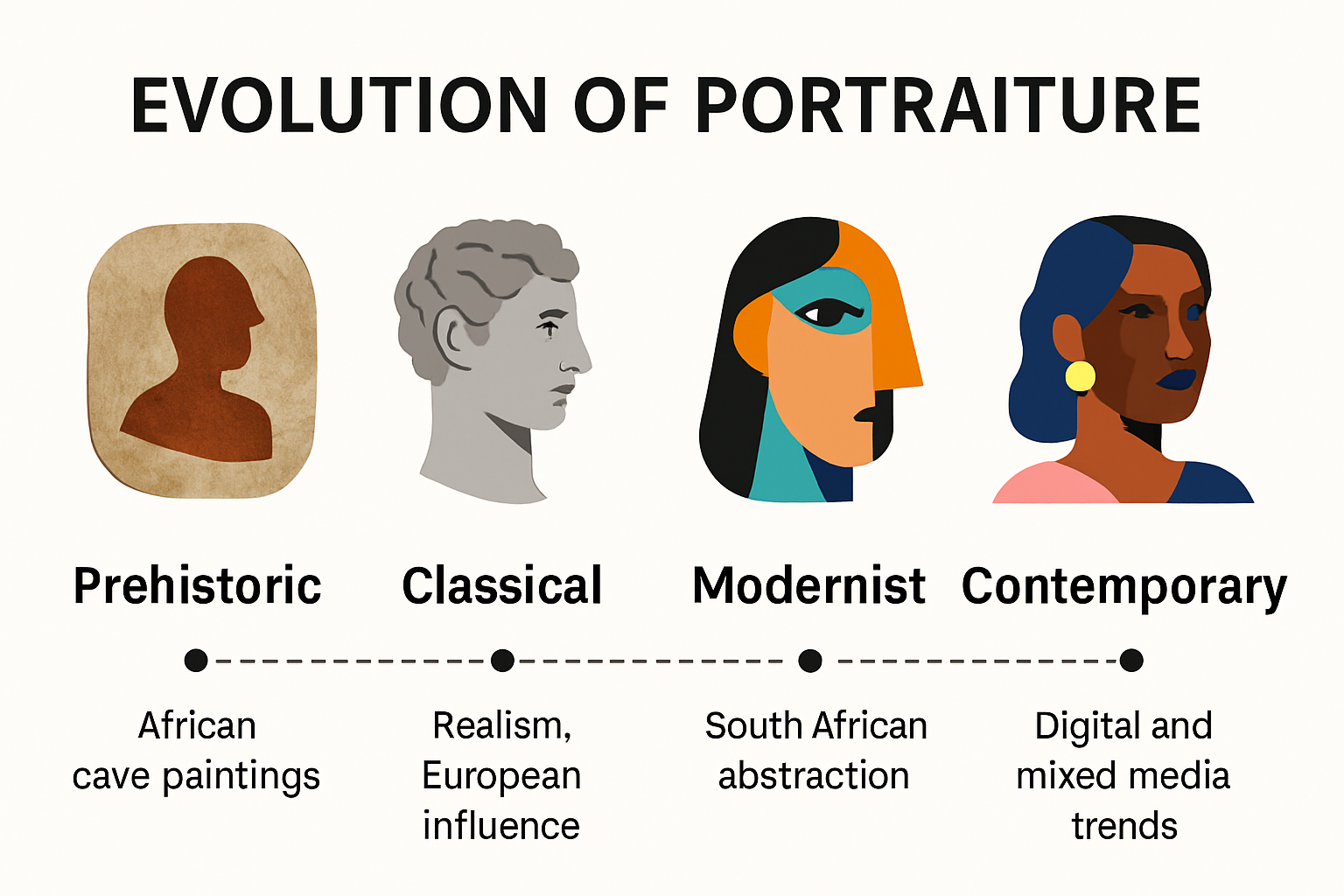
Portraiture art has a rich and complex history that reflects the evolving social, cultural, and technological landscapes of human expression. From ancient cave paintings to contemporary digital representations, portraiture has served as a powerful medium for capturing human essence, social dynamics, and individual identity.

Early Origins and Traditional Approaches

The origins of portraiture can be traced back to prehistoric times, where early humans created rudimentary representations of human figures. Archaeological research from the University of Cape Town suggests that early African rock art and cave paintings represented not just physical appearances but also social roles and spiritual connections.

Traditional portraiture styles were predominantly realistic, focusing on capturing physical likeness and social status. Royal and aristocratic portraits were particularly significant, serving as symbols of power, wealth, and social hierarchy. Painters used techniques like oil painting, watercolor, and detailed sketching to create intricate representations that highlighted the subject’s social standing and personal characteristics.

Evolving Artistic Techniques

As artistic techniques developed, portraiture expanded beyond simple representation. Research from the Wits Art Museum indicates that modernist movements significantly transformed portraiture, introducing abstract, expressionist, and conceptual approaches. Artists began exploring psychological depth, emotional landscapes, and social narratives through their work.

Key styles that emerged include:

  • Realist Portraiture: Focuses on precise, detailed representation
  • Impressionist Portraiture: Emphasizes emotional and atmospheric qualities
  • Cubist and Abstract Portraiture: Deconstructs traditional representation
  • Conceptual Portraiture: Uses the human form to explore complex social themes

Below is a summary table that highlights the key portraiture styles discussed and their main features.

Style Main Features
Realist Portraiture Detailed, precise representation
Impressionist Portraiture Focus on emotion and atmosphere
Cubist & Abstract Portraiture Deconstruction of traditional forms
Conceptual Portraiture Use of human form to explore social themes

Contemporary Portraiture in the Digital Age

The digital revolution has dramatically transformed portraiture, introducing new mediums and techniques. Contemporary artists now use photography, digital manipulation, mixed media, and interactive technologies to create complex, multilayered representations. Read more about innovative artistic techniques that are pushing the boundaries of traditional art forms.

Modern portraiture often challenges traditional notions of identity, representation, and perception. Artists use portraiture as a tool for social commentary, exploring themes of gender, race, sexuality, and cultural identity. The boundaries between photography, digital art, and traditional painting have become increasingly blurred, creating exciting new possibilities for artistic expression.

Timeline infographic of portraiture history

For art collectors and decorators, understanding the historical progression of portraiture provides deeper appreciation for these complex visual narratives. Each portrait represents not just an individual, but a moment in cultural and artistic evolution, offering a window into human experience and societal transformation.

Choosing the Right Portrait for Your Space

Selecting the perfect portrait for your living or working space requires careful consideration of artistic value, aesthetic harmony, and personal connection. The right artwork can transform a room, creating emotional depth and visual intrigue while reflecting your unique style and sensibilities.

Understanding Visual Harmony and Proportions

Interior design research from the Art of Design Magazine emphasizes the critical importance of artwork scale and placement. Successful portrait selection involves understanding how the piece interacts with your existing environment. Large portraits can serve as dramatic focal points in spacious rooms, while smaller pieces work beautifully in intimate spaces like studies or hallways.

Key considerations for visual harmony include:

  • Color Palette: Choose portraits that complement or intentionally contrast your room’s existing color scheme
  • Wall Space: Assess available wall dimensions to determine appropriate artwork size
  • Lighting: Consider how natural and artificial light will interact with the portrait’s texture and colors

Below is a table summarising practical tips and considerations for selecting the right portrait for your space.

Consideration Description
Colour Palette Complements or contrasts with room’s existing colours
Wall Space Proper sizing relative to available dimensions
Lighting Interaction of natural/artificial light with artwork
Emotional Impact Mood or feeling artwork brings to space
Personal Story Connection to the portrait’s narrative or subject
Long-Term Appeal Lasting visual and emotional attractiveness
Investment Value Potential for appraisal or collection value

Emotional and Thematic Resonance

Design experts from Decorilla suggest that artwork should evoke specific emotional responses aligned with each room’s purpose. A bedroom might benefit from serene, contemplative portraits that promote relaxation, while living areas could feature more dynamic, energetic compositions.

When selecting a portrait, consider these emotional dimensions:

  • Personal connection to the artwork’s narrative
  • The mood and atmosphere you wish to create
  • How the portrait reflects your personal or professional identity

Practical Selection Strategies

Beyond aesthetic considerations, practical strategies can guide your portrait selection. Interior design guidelines recommend evaluating artwork’s potential to enhance spatial perception and create visual interest.

Practical tips include:

  • Selecting pieces that create visual balance
  • Choosing portraits that tell a story or spark conversation
  • Considering the artwork’s long-term appeal and potential investment value

Explore our curated collection of distinctive art pieces that can transform your living spaces. Remember that the perfect portrait is more than a decorative element it is a personal statement that communicates your unique aesthetic sensibility and emotional landscape.

The portraiture art landscape is experiencing a dynamic transformation in 2025, characterized by technological innovation, social consciousness, and unprecedented artistic expression. Collectors are witnessing a fascinating convergence of traditional techniques and cutting-edge approaches that challenge conventional representations of human identity.

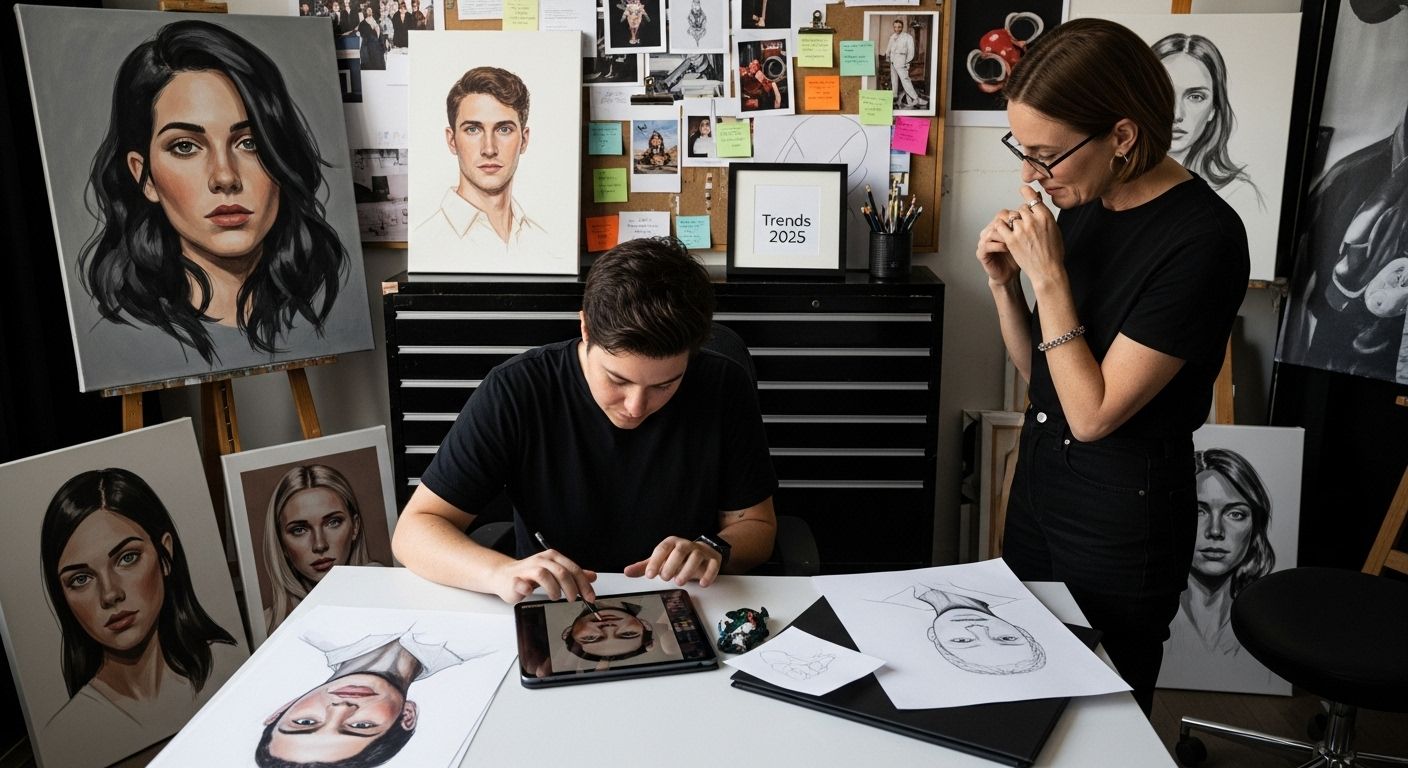
artist working portraiture trends

Technological Innovation in Portraiture

Art market experts highlight the revolutionary impact of artificial intelligence and virtual reality on portraiture. Artists are increasingly using AI algorithms to generate complex, multilayered portraits that blur the boundaries between human creativity and machine intelligence. These technological interventions create portraits that shimmer with algorithmic complexity, offering collectors unique pieces that represent the intersection of human emotion and digital perception.

Key technological trends include:

  • AI-Generated Portraits: Artworks created through machine learning algorithms
  • Virtual Reality Experiences: Immersive portrait installations
  • Digital Manipulation Techniques: Transforming traditional portraiture through advanced digital tools

Social and Cultural Narratives

Contemporary art research reveals a profound shift towards portraiture as a medium of social commentary. Artists are using portraits to explore complex themes of identity, resilience, and cultural representation. Discover emerging Black artists making significant contributions who are reshaping the narrative of portraiture through powerful, socially engaged works.

Contemporary portraiture now encompasses:

  • Explorations of gender and racial identity
  • Challenges to traditional representation
  • Narratives of personal and collective experience

Emerging Collector Considerations

For art collectors in 2025, the value of a portrait extends beyond its aesthetic appeal. Creative art experts suggest that collectors are now seeking artworks that tell compelling stories, challenge perceptions, and demonstrate technological or conceptual innovation.

Below is a summary table of collector considerations and key portraiture trends for 2025.

Collector Consideration 2025 Portraiture Trend
Artistic & Financial Value Long-term investment and uniqueness
Technological Innovation AI, VR, and digital creation techniques
Social/Cultural Significance Engagement with identity and community
Narrative Power Strong storytelling and conversation points
Artistic Approach Distinct conceptual or experimental methods

Key considerations for collectors include:

  • Potential for long-term artistic and financial value
  • Technological innovation in artistic creation
  • Social and cultural significance of the artwork
  • Artist’s unique perspective and creative approach

The portraiture art market in 2025 represents a dynamic ecosystem where technology, social consciousness, and artistic innovation converge. Collectors are no longer just acquiring visual representations but are investing in complex narratives that reflect the intricate human experience of our time. Each portrait becomes a conversation piece, a technological artifact, and a social document that transcends traditional artistic boundaries.

Frequently Asked Questions

What defines portraiture art in South Africa?

Portraiture art in South Africa transcends simple likeness to capture the essence of human identity and cultural complexity. It reflects diverse social narratives, identities, and experiences, often serving as a medium for visual activism.

How has contemporary portraiture evolved in recent years?

Contemporary portraiture has evolved by incorporating diverse mediums and techniques, including digital art, photography, and mixed media. Artists are challenging traditional representations to explore deeper social themes, including identity, resilience, and cultural representation.

What factors should I consider when selecting a portrait for my space?

When selecting a portrait, consider elements like visual harmony, emotional and thematic resonance, size and scale relative to your space, lighting, and the narrative or story the artwork conveys.

Key trends for collectors in 2025 include technological innovations such as AI-generated artworks, a strong focus on social and cultural narratives, and a preference for pieces that tell compelling stories and challenge traditional notions of identity.

Ready to Bring Powerful Portraiture into Your Space?

Are you struggling to find a portrait that resonates with your story or transforms your room the way true South African art can? The article has shown how modern portraiture is not just about faces. It’s about cultural identity, social change and personal connection. If you want your collection or interiors to be more than just beautiful, but also deeply meaningful, you need access to authentic, expertly curated artworks.

https://art-online.co.za

At Art Online, you can discover a vast selection of South Africa’s most striking portraits. Experience pieces that speak to you, whether for their emotional depth or unique style. Why wait? Tap into our latest offerings from renowned South African artists and start building a collection that truly matters. Take the next step and let your space reflect your story today.

Posted on Leave a comment

Gallery Wall Ideas 2025: Artful Displays for South African Homes

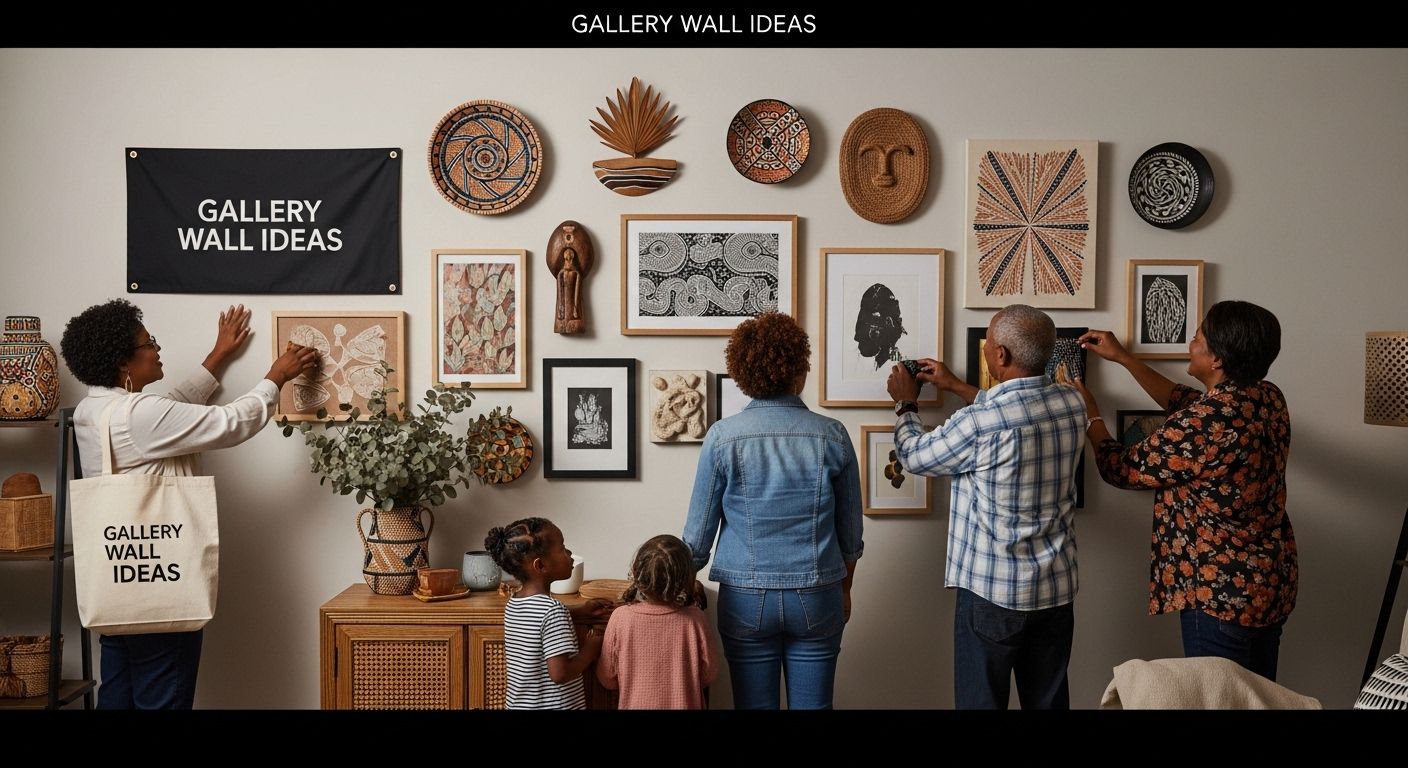
gallery wall living room

Gallery wall ideas are taking South African homes by storm with bold layouts and culture-rich displays that put personal stories front and centre. You might think it’s all about lining up photos in neat little rows. Not anymore. The real trend is a blend of vibrant traditions and modern touches where homes are mixing indigenous designs like Ndebele geometric patterns or Litema with contemporary art and three-dimensional objects, turning every wall into a living snapshot of who you are and where you come from.

Table of Contents

Quick Summary

Takeaway Explanation
Embrace cultural fusion in artwork Combine traditional and contemporary art to reflect your identity and storytelling.
Utilize innovative layouts for visual impact Experiment with asymmetry and diverse framing for dynamic gallery walls.
Select art that tells a personal story Choose pieces that have emotional significance and represent your journey or heritage.
Consider spatial dynamics when planning Assess architectural features and furniture placement to enhance the wall’s impact.
Curate local art to celebrate diversity Incorporate artworks from various regions and cultural backgrounds for an authentic representation.

Gallery walls have transformed from simple art displays into powerful personal statements that capture the essence of South African artistic expression. These curated collections go beyond mere decoration, becoming visual narratives that reflect cultural identity, personal journeys, and aesthetic sensibilities.

Cultural Fusion and Personal Storytelling

In 2025, South African gallery walls are moving far beyond traditional framed artwork. Homeowners are embracing a dynamic approach that blends traditional artistic elements with contemporary design. Explore South African artistic traditions reveals how contemporary gallery walls are incorporating indigenous art forms like Litema and Ndebele geometric patterns.

According to design experts at Creative Homes Magazine, the trend is moving towards mixed-media displays that tell a rich, personal story. This might include hand-stitched textile art by Billie Zangewa, traditional beadwork, contemporary photographs, and even three-dimensional objects that represent family heritage.

Innovative Layout and Composition Techniques

The contemporary South African gallery wall is defined by its bold experimentation with layout and composition. Gone are the days of rigid, symmetrical arrangements. Modern designers are creating dynamic visual landscapes that play with asymmetry, negative space, and unexpected juxtapositions.

Artists like Esther Mahlangu have inspired a trend of incorporating vibrant, geometric elements that break traditional framing constraints. Homeowners are now mixing different frame sizes, using floating shelves, integrating sculptural elements, and creating visual rhythms that reflect the diverse and complex nature of South African cultural identity.

Key characteristics of trending gallery wall designs include:

  • Eclectic Mix: Combining traditional and contemporary art pieces
  • Cultural Narrative: Incorporating elements that tell a personal or collective story
  • Texture and Dimension: Using varied materials and three-dimensional objects
  • Bold Color Palettes: Drawing inspiration from indigenous color traditions

The gallery wall has become more than a decorative element it is a powerful medium of personal and cultural expression, transforming living spaces into dynamic visual journals that celebrate South Africa’s rich artistic heritage.

Choosing the Right Artwork and Frames

Creating a compelling gallery wall requires strategic artwork selection and thoughtful frame curation. The right combination transforms a simple wall display into a powerful visual narrative that reflects personal style and cultural resonance.

Art Selection: Telling Your Unique Story

Selecting artwork goes beyond aesthetic appeal it is about creating a meaningful collection that speaks to your personal journey. Discover South African art collections helps art enthusiasts understand the importance of curating pieces with emotional and cultural significance.

According to MasterClass design experts, successful art selection involves creating a cohesive theme while maintaining visual diversity. This might mean choosing works that share complementary color palettes, similar artistic styles, or narrative connections. For South African homes, this could translate to incorporating traditional textile art, contemporary photography, indigenous beadwork, and local landscape paintings.

Frame Harmony and Technical Considerations

Below is a table summarizing the main considerations and recommendations for selecting frames for your gallery wall, as mentioned in the article:

Frame Factor Description Recommendation
Material Finish and build of the frame Use similar finishes (wood, metal, black) for unity
Size Variation Differences in frame sizes Mix sizes for dynamic interest
Colour Coordination Frame colours in relation to art & decor Choose frames that complement art and the room
Preservation Technique Methods for protecting valuable artworks Use archival quality materials

Frames are not mere boundaries they are integral design elements that can elevate or diminish artwork’s impact. Homes & Gardens design guidance suggests creating visual rhythm through frame selection by considering factors like material, color, and texture.

Professional designers recommend a balanced approach:

  • Consistent Material: Choose frames in similar finishes (wood, metal, black) to create visual unity
  • Size Variation: Mix frame sizes to add dynamic interest
  • Color Coordination: Select frames that complement both artwork and room decor
  • Preservation Techniques: Use archival quality materials to protect valuable artworks

Layout and Arrangement Strategies

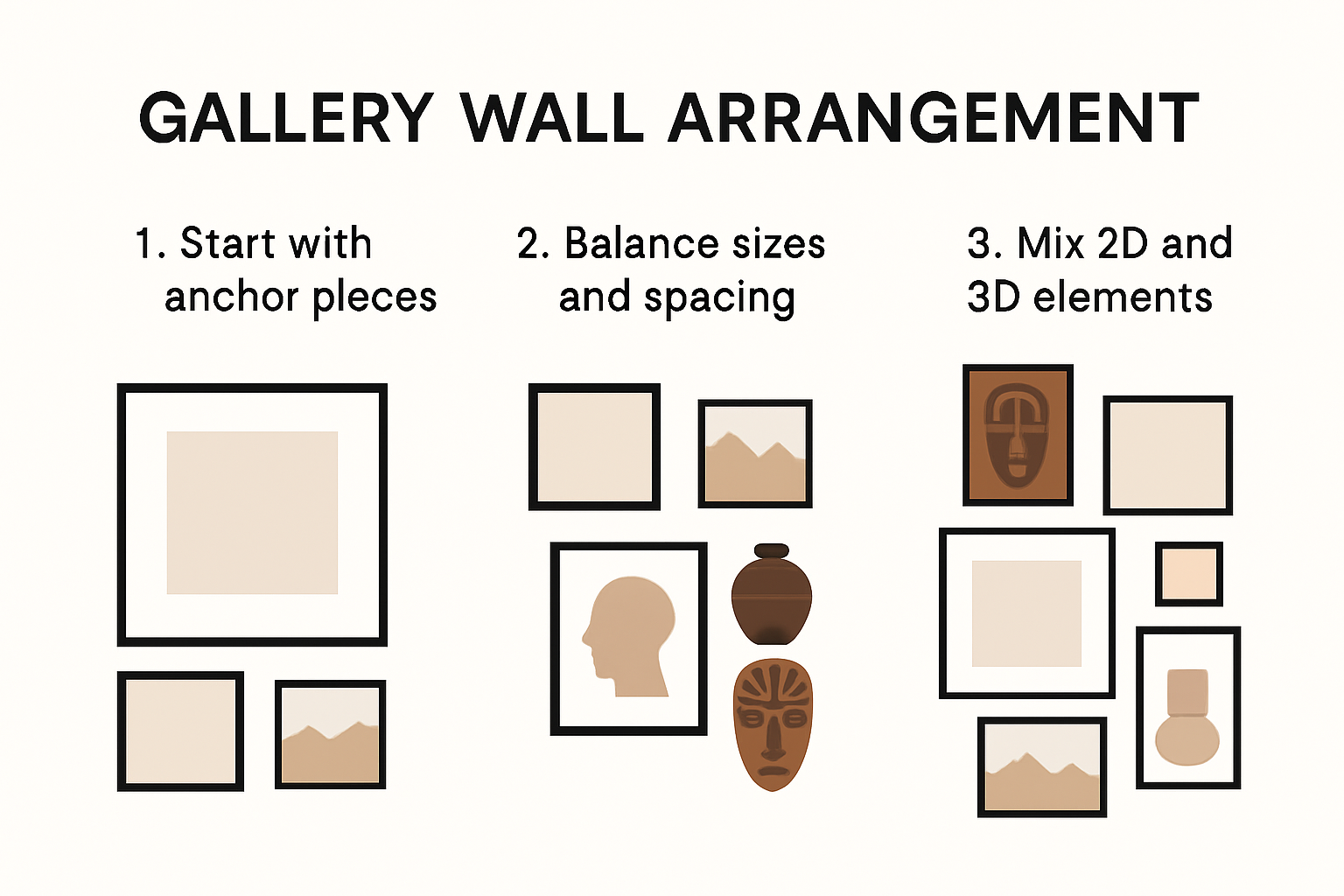
Infographic showing best practices for arranging a dynamic gallery wall

Schoolhouse design principles emphasize creating organic, flowing arrangements that feel intentional yet relaxed. Start with larger statement pieces as visual anchors, then build around them with smaller artworks and objects.

Key layout techniques include:

  • Visual Weighting: Balance larger pieces with smaller complementary works
  • Spacing Consistency: Maintain uniform gaps between frames for a polished look
  • Vertical and Horizontal Flow: Create visual movement across the gallery wall
  • Unexpected Elements: Incorporate three-dimensional objects or sculptural pieces

Below is a checklist table summarizing the essential layout and arrangement strategies for a successful gallery wall:

Strategy Used/Considered?
Visual Weighting
Spacing Consistency
Vertical and Horizontal Flow
Unexpected Elements

Ultimately, a successful gallery wall is a personal museum that captures individual creativity, cultural heritage, and aesthetic sensibility. Each carefully chosen piece contributes to a larger narrative of personal and collective identity.

Layout Tips for South African Spaces

Designing a gallery wall in South African homes requires a nuanced approach that respects architectural diversity, cultural heritage, and individual design sensibilities. The layout becomes more than a decorative strategy it is a visual dialogue between space, art, and personal narrative.

Architectural Considerations and Space Dynamics

South African homes present unique architectural landscapes ranging from modern urban apartments to traditional rural dwellings. Explore South African interior design trends highlights the importance of understanding spatial characteristics before creating a gallery wall.

According to Interior Design Magazine, successful gallery wall layouts consider three critical elements:

  • Room Proportions: Analyze wall height, width, and natural light
  • Architectural Features: Work with existing elements like windows, doorways, and architectural moldings
  • Furniture Placement: Ensure gallery wall complements existing furniture arrangements

Cultural Narrative and Visual Storytelling

Gallery walls in South African spaces are potent storytelling platforms. They transcend mere decoration, becoming visual narratives that reflect personal and collective histories. Architectural Digest suggests incorporating elements that represent cultural identity and personal journeys.

Strategic layout techniques include:

  • Ancestral Representation: Include family photographs, traditional artifacts
  • Regional Art: Showcase works from different South African regions
  • Generational Dialogue: Mix contemporary and traditional artistic expressions

Technical Execution and Precision

Precision is paramount when executing gallery wall layouts. Professional designers recommend methodical approaches to ensure visual harmony and structural integrity.

Key technical considerations:

  • Vertical Alignment: Maintain consistent vertical spacing between artworks
  • Horizontal Balance: Create visual weight distribution across the wall
  • Anchor Points: Use larger pieces as visual stabilizers
  • Digital Planning: Utilize digital layout tools for preliminary planning

The most compelling gallery walls emerge from a delicate balance between intentional design and organic storytelling. They transform walls into dynamic canvases that celebrate South Africa’s rich artistic and cultural diversity.

Curating a personalized gallery wall with local art transforms spaces into intimate narratives that celebrate South African creativity, cultural diversity, and individual expression. This approach goes beyond decorative aesthetics, creating meaningful visual experiences that reflect personal histories and collective identities.

Discovering Local Artistic Treasures

Explore South African artist profiles provides insight into the rich tapestry of local artistic talent. According to Architectural Digest, successful personalized gallery walls tell a compelling story through carefully selected artworks.

The following table summarises the different methods for discovering local art and what each involves:

Method Description
Art Galleries & Exhibitions Attend local art shows and view works by emerging artists
Community Art Networks Connect with local collectives and artist studios
Regional Art Markets Explore markets offering art from different provinces
Online Platforms Use digital resources showcasing local talent

Key strategies for discovering local art include:

  • Art Galleries and Exhibitions: Attend local art shows and emerging artist exhibitions
  • Community Art Networks: Connect with local artist collectives and studios
  • Regional Art Markets: Explore markets showcasing works from different South African provinces
  • Online Platforms: Utilize digital platforms that highlight local artistic talent

Narrative and Cultural Representation

Research from a groundbreaking study on art curation suggests that art recommendation systems can help create more equitable and representative art displays. For South African homes, this means creating gallery walls that reflect diverse cultural experiences and regional artistic traditions.

Consider incorporating artworks that represent:

  • Regional Diversity: Pieces from different South African provinces
  • Cultural Heritage: Traditional and contemporary indigenous art forms
  • Personal Connections: Artworks that resonate with family history
  • Generational Dialogue: Mix of established and emerging artists

Technical Approach to Personalized Curation

Curating a personalized gallery wall requires a strategic approach that balances emotional resonance with visual harmony. Contextual art recommendation research highlights the importance of understanding artwork metadata and visual characteristics.

Technical considerations for personalized curation:

  • Thematic Coherence: Develop a subtle narrative thread connecting artworks
  • Visual Balance: Consider color palettes, artistic styles, and visual weights
  • Emotional Significance: Prioritize pieces with personal or cultural meaning
  • Ongoing Evolution: Design a gallery wall that can grow and change

A truly personalized gallery wall is a living document of artistic expression, cultural identity, and individual journey. It celebrates the richness of South African creativity while providing a deeply personal visual experience that evolves with the homeowner’s story.

personalised gallery wall

Frequently Asked Questions

Gallery wall ideas for 2025 are focused on cultural fusion, combining traditional South African art like Ndebele patterns with contemporary pieces. Homeowners are experimenting with mixed-media displays and dynamic layouts that reflect personal stories and heritage.

Selecting the right artwork involves telling your unique story. Choose pieces that hold personal significance and share a cohesive theme, whether through color palettes, artistic styles, or cultural connections, to create a harmonious display.

Effective layout strategies include balancing visual weight between larger and smaller pieces, maintaining consistent spacing between frames, and using vertical and horizontal alignment to create flow. Incorporating three-dimensional objects can also add depth.

To incorporate local art, explore regional art markets, attend exhibitions, and connect with community art networks. Look for pieces that represent diverse cultural expressions, regional heritage, and personal connections to create a meaningful narrative.

Tired of blank walls that fail to tell your unique story? As highlighted in our article, South Africans are craving gallery walls that blend personal memories, local heritage and bold artistic statements. Yet many struggle to find authentic artworks that truly reflect their journey or to source diverse pieces that capture South Africa’s vibrant culture. Finding the right mix of traditional, contemporary and three-dimensional art can feel impossible without the right guidance or selection.

https://art-online.co.za

This is your moment to turn inspiration into reality. Visit Art Online, South Africa’s largest online art gallery, where you can discover works from renowned South African artists that match every aspect of your gallery wall vision—from Ndebele patterns to modern photography. Start exploring today and let your gallery wall become a living showcase of heritage and creativity. The perfect artwork for your home is waiting for you, but the best collections are claimed quickly. Begin your artful transformation with Art Online now.

Posted on Leave a comment

What is Realism in Art? Guide for South African Collectors 2025

Realism in Art

Realist art stands out for its powerful honesty and detail. In fact, realist paintings can capture such technical accuracy that viewers often mistake them for photographs. Most people expect art to beautify or exaggerate reality, making it larger than life. But realism flips this idea and celebrates the raw, everyday scenes we tend to overlook, turning the ordinary into something deeply meaningful.

Table of Contents

Quick Summary

Takeaway Explanation
Realism emphasizes authentic representation Realism focuses on depicting subjects as they are, without romantic embellishments or idealization.
Historical significance in South Africa Realist art serves as a critical documentation of South African culture, reflecting social experiences and historical events.
Technical skill is paramount in execution Artists employ meticulous techniques like detailed observation and natural color palettes to evoke emotional truths.
Art can transform spaces Realist artworks create emotional connections and enhance the atmosphere in homes and businesses by reflecting genuine human experiences.
Consider narrative depth when collecting Collectors should prioritize artworks that have significant social commentary, historical importance, and emotional resonance.

Defining What is Realism in Art

Realism emerges as a profound artistic movement that fundamentally transformed how artists represent the world around them. Realism represents more than just a visual style it represents a philosophical approach to capturing human experience with uncompromising authenticity and precision.

The Philosophical Core of Artistic Realism

At its essence, realism is an art movement dedicated to depicting subjects exactly as they appear, stripping away romantic idealization and presenting life in its raw, unembellished state. According to Encyclopaedia Britannica, realism emerged in the mid-19th century as a deliberate rejection of the preceding Romantic period’s tendency to dramatize and idealize subjects.

The movement’s core philosophy centers on representing subjects with unflinching honesty. Artists practicing realism sought to portray everyday people, scenes, and experiences without artificial embellishment. This approach meant capturing the mundane, the imperfect, and the genuine moments of human existence that previously might have been considered too ordinary or unworthy of artistic representation.

Historical Context and Artistic Evolution

Research from the Jerwood Visual Arts reveals that realism was not merely an artistic style but a profound social statement. Artists of this movement used their work to highlight social conditions, challenge prevailing aesthetic norms, and give visibility to subjects often marginalized in traditional art.

The realist approach transcended mere visual representation. It became a powerful tool for social commentary, allowing artists to explore complex human experiences with unprecedented directness. Painters began focusing on laborers, peasants, urban workers, and scenes from daily life that previous artistic movements might have overlooked.

Key characteristics of realist art include:

  • Objective Observation: Depicting subjects with scientific precision and emotional neutrality
  • Social Authenticity: Representing individuals and environments without romanticization
  • Detailed Precision: Capturing intricate details that reveal the true nature of subjects

For art collectors and enthusiasts, understanding realism means appreciating an artistic approach that values truth over beauty, substance over superficial aesthetics. It represents a transformative moment in art history where artists began seeing their role not just as creators of beauty but as documentarians of human experience.

Realism challenged viewers to confront unvarnished representations of life, making it a revolutionary movement that continues to influence artistic practices today. By prioritizing authenticity and rejecting artificial idealization, realist artists opened new pathways for artistic expression and social understanding.

Whether examining a realistic portrait, a street scene, or a landscape, viewers are invited to engage with art that speaks directly to the human condition—unfiltered, unadorned, and profoundly honest.

Key Features and Artistic Techniques

Realist art emerged as a revolutionary approach to visual representation, characterized by its commitment to capturing subjects with extraordinary precision and emotional authenticity. Artistic techniques in realism go far beyond simple visual mimicry, representing a nuanced philosophy of representation that challenges viewers to engage with unfiltered human experiences.

Observational Precision and Technical Mastery

According to The Metropolitan Museum of Art, realist artists developed remarkable technical skills focused on accurate observation and meticulous rendering. These artists rejected idealized representations, instead dedicating themselves to capturing subjects exactly as they appeared, with all their inherent complexity and imperfection.

Key observational techniques included:

  • Detailed sketching from live subjects
  • Careful study of light and shadow interactions
  • Precise color matching and texture representation
  • Working directly in natural environments to capture authentic conditions

Color, Composition, and Emotional Depth

Research from Smarthistory highlights that realist artists employed sophisticated color palettes and compositional strategies to communicate deeper emotional truths. They deliberately used natural, muted tones that reflected the genuine atmosphere of a scene, avoiding artificial or dramatic color treatments.

Composition in realist art was intentionally understated. Artists positioned subjects to reveal authentic human experiences, often choosing unconventional angles and everyday settings that challenged traditional aesthetic norms. This approach transformed ordinary moments into powerful visual narratives.

For collectors interested in understanding the nuanced world of realist art, our comprehensive guide to contemporary South African artists offers deeper insights into how local artists have embraced and reimagined these techniques.

Realist artists viewed their work as a form of visual documentation, using technical skill to reveal profound social and emotional realities. Their paintings were not merely images but complex statements about human experience, social conditions, and the intrinsic beauty found in unembellished truth.

The power of realist art lies in its unflinching commitment to authenticity. By rejecting romantic idealization and embracing meticulous observation, these artists created a transformative visual language that continues to challenge and inspire viewers, inviting them to see the world with renewed clarity and empathy.

Below is a table summarising the key artistic techniques and features that define realism in art:

Feature or Technique Description
Detailed Observation Studying subjects with scientific care for accuracy
True-to-life Colour Palette Using natural, muted tones to reflect authentic atmospheres
Precise Texture Rendering Replicating surface qualities as seen in reality
Focus on Everyday Subjects Portraying ordinary people and daily life scenes
Emotional Neutrality Avoiding dramatization; presenting scenes as they truly are
Understated Composition Employing simple, direct arrangements to enhance authenticity
Direct Study from Life Working in natural settings for genuine representation

Realism’s Impact in South African Collections

Infographic showing history and impact of South African realist art
Realism in South African art collections represents more than an aesthetic choice it embodies a profound narrative of cultural expression, social documentation, and artistic resistance. The integration of realist artworks into national and private collections reveals a complex dialogue between artistic representation and societal transformation.

Historical Context and Artistic Representation

According to the Iziko South African National Gallery, the national collection reflects a nuanced journey of artistic representation. Realist artworks have played a critical role in documenting the multifaceted experiences of South African communities, providing visual testimony to historical moments and social dynamics.

The collection demonstrates how realist artists captured the raw authenticity of South African life, moving beyond mere visual documentation to create powerful social statements. These artworks serve as historical records, preserving moments of struggle, resilience, and transformation with unflinching honesty.

Collecting and Preserving Cultural Narratives

Research from the National Institute for Humanities and Social Sciences highlights the significance of realist art in understanding South Africa’s complex cultural landscape. Collectors and institutions have recognized these artworks not just as aesthetic objects but as critical historical documents that narrate untold stories.

Key considerations for South African art collectors include:

  • Historical Significance: Artworks that document social experiences
  • Artistic Technique: Precise representation and emotional depth
  • Cultural Context: Works that reflect specific historical moments
  • Preservation of Narrative: Artworks that tell profound social stories

For collectors seeking deeper insights into the rich landscape of South African artistic expression, our comprehensive guide to contemporary South African artists provides extensive background on the evolution of realist art in the region.

The table below outlines important factors South African collectors consider when acquiring realist artworks, and why these criteria matter:

Collector Consideration Importance
Historical Significance Preserves documentation of social realities and events
Artistic Technique Shows technical skill and emotional authenticity
Cultural Context Reflects specific times, places, and communities
Narrative Preservation Ensures essential stories and perspectives are not lost
Emotional Resonance Engages viewers on a personal and societal level

Realist art in South African collections serves as a bridge between past and present, offering viewers a window into the lived experiences of diverse communities. These artworks challenge viewers to confront complex social realities, presenting unfiltered representations of human experience that transcend mere visual representation.

The true value of these collections lies not just in their aesthetic qualities but in their ability to preserve collective memory. Each artwork becomes a testament to the resilience, complexity, and profound humanity of South African society, inviting viewers to engage with history through a deeply personal and authentic lens.

For contemporary collectors, acquiring realist artworks means participating in a broader cultural dialogue. These pieces are more than decorative objects they are powerful historical documents that capture the essence of South African experience with remarkable depth and nuance.

Choosing Realist Art for Home and Business Spaces

Selecting realist art for home and business spaces represents a sophisticated approach to interior design that goes beyond mere decoration. Realist artworks serve as powerful visual narratives, transforming environments by introducing authentic, emotionally resonant pieces that connect viewers with genuine human experiences.

Psychological Impact of Realist Art Selections

According to research published in ScienceDirect, the presence of realistic art can significantly influence the psychological atmosphere of a space. These artworks create environments that feel more welcoming, engaging, and culturally meaningful by presenting familiar scenes and genuine human narratives.

When choosing realist art, collectors should consider:

  • Emotional resonance of the artwork
  • Thematic alignment with space
  • Color palette compatibility
  • Narrative depth and cultural significance
  • Technical mastery of representation

Contextual Considerations for Art Placement

The Metropolitan Museum of Art emphasizes that realist art goes beyond visual representation, serving as a window into social experiences and human conditions. This perspective is crucial when selecting artworks for different environments, whether residential or professional spaces.

Art Placement
For home spaces, realist art can create intimate, reflective environments. In business settings, these artworks can communicate organizational values, cultural awareness, and aesthetic sophistication. The key is selecting pieces that speak authentically to the intended environment.

For art enthusiasts seeking deeper insights into curating meaningful collections, our guide to understanding contemporary South African artists offers comprehensive strategies for selecting impactful artworks.

Realist art possesses a unique ability to bridge aesthetic pleasure with intellectual and emotional engagement. Unlike more abstract art forms, these pieces invite viewers to recognize themselves and their experiences within the artwork, creating a profound connection between the viewer, the art, and the surrounding space.

Business environments can particularly benefit from realist artworks that reflect local narratives, cultural diversity, and social contexts. Such selections demonstrate organizational sensitivity and commitment to representing complex human experiences.

For home collectors, realist art offers an opportunity to curate spaces that tell personal stories. Each artwork becomes a conversation piece, inviting dialogue about human experiences, social dynamics, and personal memories.

Ultimately, choosing realist art is an intentional act of curation. It requires understanding not just aesthetic qualities, but the deeper narratives and emotional landscapes captured within each piece. The most successful selections will transform spaces from mere physical environments into rich, meaningful experiences that engage, inspire, and provoke thoughtful reflection.

Frequently Asked Questions

What defines realism in art?

Realism in art is an artistic movement that emphasizes authentic representation, focusing on depicting subjects as they truly are, without romantic embellishments or idealization.

How did realism impact South African art collections?

Realism has significantly influenced South African art collections by documenting complex cultural narratives and social experiences, offering a perspective on historical events and everyday life in South Africa.

What techniques are used in realist art?

Realist artists employ techniques such as detailed observation, precise color matching, and natural composition to capture the true essence of their subjects, often focusing on ordinary scenes and individuals.

Why should I consider including realist art in my collection or space?

Including realist art in your collection or space can enhance emotional connection and bring depth to the environment. Realist artworks create a welcoming atmosphere by reflecting genuine human experiences and narratives.

Elevate Your Collection With Authentic South African Realism

Are you searching for original artworks that capture everyday life with honest detail and emotional depth? The article about realism in art highlights the struggle to find pieces that move beyond surface beauty and truly reflect the cultural stories and social realities of South Africa. Many collectors want to preserve historical narratives and make a sophisticated statement in their spaces, but finding artists with genuine technical mastery and emotional authenticity is often a challenge.

https://art-online.co.za

Now is the perfect time to discover the powerful impact that realist art can have in your home or business. At Art Online, you will find a curated selection of works from South Africa’s celebrated artists who excel in realism. Browse our collections to connect with pieces that document local history, evoke real emotion, and bring honesty into your environment. Ready to start your journey or expand your existing collection? Begin exploring on our main website and experience the depth that only true realist art can offer.

Posted on Leave a comment

The History of African Sculpture: A 2025 Guide for Collectors

African sculpture museum

African sculpture has shaped creative expression for thousands of years, connecting ancient tradition with modern artistry in a way that few art forms manage. You might think these sculptures are just décor or relics from the past. Yet the Nok culture was producing sophisticated terracotta figures over 2000 years ago, hundreds of years before the Roman Empire reached its peak. The real surprise is how these age-old artworks still influence global art and design trends today, turning every piece into a living conversation between history and the present.

Table of Contents

Quick Summary

Takeaway Explanation
African sculpture has deep cultural roots. It reflects thousands of years of tradition and complex narratives within diverse African societies.
Authenticity is crucial for collectors. Knowledge of materials, techniques, and provenance is essential to differentiate genuine sculptures from reproductions.
Integrate sculptures thoughtfully in modern interiors. Combining traditional pieces with contemporary design creates a dialogue that enriches living spaces and cultural appreciation.
Sculptures serve as powerful storytelling mediums. They encode community histories, spiritual beliefs, and social structures that resonate with viewers and collectors alike.
Preservation techniques are vital for longevity. Understanding material-specific care and maintenance helps keep sculptures in optimal condition for future generations.

Origins and Evolution of African Sculpture

African sculpture represents a profound artistic tradition that spans thousands of years, reflecting the complex cultural narratives and spiritual expressions of diverse African societies. Understanding the history of african sculpture requires exploring its deep roots and transformative journey through different historical periods.

Ancient Foundations of African Sculptural Traditions

The origins of African sculpture can be traced back to prehistoric times, with archaeological evidence revealing extraordinary artistic sophistication. According to the Metropolitan Museum of Art’s research on African sculptural origins, early African sculptors developed intricate techniques that went beyond mere representation, embedding complex cultural meanings into their works.

The Nok culture emerged as a pivotal civilization in West African sculptural history. Archaeological studies from Yale University highlight the remarkable terracotta sculptures created between 500 B.C. and 200 A.D., characterized by stylized human figures with elaborate head-dresses. These artifacts demonstrate an advanced artistic sensibility, revealing that African sculptural traditions were sophisticated and nuanced long before external cultural influences.

Spiritual and Social Significance of Sculptural Art

African sculptures were never merely decorative objects but profound cultural artifacts carrying deep spiritual and social significance. Each sculpture represented more than aesthetic beauty — they were conduits of communication, embodying ancestral wisdom, religious beliefs, and community narratives. Sculptures often served ritualistic purposes, functioning as intermediaries between human communities and spiritual realms.


Tribal societies used sculptures as powerful symbolic representations, encoding complex social hierarchies, religious practices, and cultural memories. Masks, figurines, and ceremonial objects were not just artistic expressions but integral components of social and spiritual life. Read more about the cultural context of African tribal art in our comprehensive guide.

Evolutionary Trajectory of African Sculptural Practices

The evolution of African sculpture reflects the dynamic interactions between traditional practices and external influences. From indigenous African civilizations to periods of colonial interaction and postcolonial renaissance, sculptural practices continuously transformed while maintaining core cultural essence. Different regions developed distinctive styles, techniques, and symbolic languages, creating a rich and diverse sculptural landscape.

Western art movements increasingly recognized and celebrated African sculptural traditions during the early 20th century, particularly through movements like Cubism, which drew significant inspiration from African artistic approaches. This cross-cultural dialogue highlighted the profound artistic innovation inherent in African sculptural traditions, challenging prevailing Eurocentric artistic narratives.

Collectors and art enthusiasts today appreciate African sculpture not just as aesthetic objects but as powerful cultural artifacts that encapsulate centuries of human creativity, spiritual wisdom, and social complexity. The journey of African sculpture represents a testament to the continent’s rich artistic heritage and its enduring global cultural significance.

Influential Styles and Iconic Artists

Infographic comparing styles of regional African sculpture
African sculpture encompasses a remarkable diversity of artistic styles, reflecting the continent’s rich cultural tapestry and the unique creative expressions of different regions and ethnic groups. Each sculptural tradition carries its own distinctive aesthetic, symbolic language, and profound cultural significance.

Regional Sculptural Styles and Aesthetic Diversity

According to research from the Metropolitan Museum of Art, African sculptural styles demonstrate extraordinary variation across different geographical regions. The Yoruba sculptors from Nigeria, for instance, are renowned for their remarkably realistic representations, creating intricate wooden and terracotta sculptures that capture human form with extraordinary precision.

Research from Fiveable’s educational resources highlights the distinct characteristics of regional sculptural traditions. The Luba sculptures from the Democratic Republic of the Congo, by contrast, often feature more abstract and stylized forms, emphasizing symbolic representation over literal depiction. These variations reveal the profound artistic complexity within African sculptural practices.

Here is a table comparing features of notable African regional sculptural styles as highlighted in the article:

Region/Ethnic Group Notable Material(s) Artistic Features Symbolic Focus
Yoruba (Nigeria) Wood, Terracotta Realistic, detailed human forms Ancestors, community leaders
Luba (Democratic Republic of Congo) Wood Stylized, abstract forms Symbolic/spiritual concepts
Nok (Nigeria) Terracotta Stylized human figures, elaborate headwear Social & ancestral narratives

Iconic Artists and Their Transformative Contributions

Some artists have emerged as pivotal figures in shaping African sculptural traditions. The story of Olowe of Ise, a remarkable Yoruba wood sculptor from the early 20th century, exemplifies the innovative spirit of African artists. Olowe’s intricate architectural sculptures and wooden panels are celebrated for their technical mastery and profound cultural storytelling.

The artistic innovations of these sculptors transcended mere aesthetic production. They were cultural storytellers, preserving community histories, spiritual beliefs, and social structures through their extraordinary works. Each sculpture became a complex narrative medium, encoding generations of wisdom and cultural memory.

Global Influence and Artistic Recognition

African sculptural traditions profoundly influenced global art movements, particularly during the early 20th century. European modernist artists like Pablo Picasso and Henri Matisse drew significant inspiration from African sculptural aesthetics, integrating these innovative approaches into their revolutionary artistic styles. This cross-cultural dialogue challenged existing artistic paradigms and expanded the understanding of artistic expression.

Learn more about groundbreaking African artists in our comprehensive artist guide. Contemporary collectors and art enthusiasts now recognize African sculpture not just as historical artifacts but as dynamic, living artistic traditions that continue to evolve and inspire.

The narrative of African sculpture is a testament to human creativity, cultural resilience, and the power of artistic expression to communicate complex ideas across generations and geographical boundaries. Each sculpture represents a unique intersection of artistic skill, cultural knowledge, and spiritual significance, inviting viewers to explore the rich tapestry of African artistic heritage.

African Sculpture in Modern South African Interiors

Modern South African interior design has increasingly embraced African sculpture as a powerful aesthetic and cultural statement, transforming living spaces into narratives of artistic heritage and contemporary creativity. This integration represents more than mere decoration — it is a profound dialogue between traditional craftsmanship and contemporary design sensibilities.

Contemporary Artistic Expressions

According to the Iziko Museums’ Contemporary Collection, South African artists are redefining sculptural traditions by creating pieces that bridge historical techniques with modern aesthetic principles. Artists like Mary Sibande and Noria Mabasa have been instrumental in showcasing how African sculpture can serve as a dynamic medium of cultural expression in contemporary spaces.

Architectural Digest highlights innovative artists like Atang Tshikare, who masterfully integrates South African folklore into functional sculptural furniture. These pieces are not just decorative objects but storytelling platforms that connect interior spaces with rich cultural narratives, transforming homes into living museums of artistic heritage.

Design Integration and Aesthetic Strategies

Modern interior designers are strategically incorporating African sculptures as focal points that communicate cultural depth and artistic sophistication. Sculptural pieces are carefully positioned to create visual narratives, using traditional artifacts to complement contemporary architectural designs. This approach allows collectors and homeowners to curate spaces that reflect both aesthetic refinement and cultural authenticity.

The placement of African sculptures in modern interiors goes beyond traditional display methods. Designers experiment with lighting, spatial arrangement, and contextual juxtaposition to highlight the sculptural details and cultural significance. Learn more about integrating tribal art into modern decor with our comprehensive guide.

Collecting and Preserving Cultural Narratives

The Metropolitan Museum of Art’s research demonstrates how African sculptures have transcended their original contexts to become global artistic treasures. For contemporary South African collectors, acquiring these pieces represents an investment in cultural preservation and artistic appreciation. Each sculpture becomes a conversation piece that narrates complex histories of creativity, resistance, and cultural evolution.

Collectors are increasingly seeking pieces that not only demonstrate artistic excellence but also tell compelling stories. The value of African sculpture in modern interiors extends beyond aesthetic appeal — it represents a commitment to celebrating indigenous artistic traditions and supporting contemporary African artists.

The integration of African sculpture in modern South African interiors represents a dynamic cultural dialogue. These artistic pieces transform living spaces into repositories of collective memory, allowing residents and visitors to experience the profound creativity and resilience embodied in African artistic traditions. By carefully selecting and displaying these sculptures, homeowners and collectors contribute to an ongoing narrative of cultural appreciation and artistic innovation.

Collecting and Caring for African Sculpture Today

Collecting African sculpture has evolved from a niche pursuit to a sophisticated art form that requires deep cultural understanding, careful research, and meticulous preservation techniques. Modern collectors approach these artistic treasures with a nuanced perspective that values both aesthetic beauty and cultural significance.

Authentication and Provenance

Authentic African sculpture represents a complex intersection of artistic skill, cultural heritage, and historical narrative. Serious collectors must develop expertise in distinguishing genuine pieces from reproductions. Research from museum curators emphasizes the importance of understanding the material, technique, and cultural context of each sculpture.

Key authentication strategies include:

  • Detailed examination of crafting techniques
  • Verification of traditional material sources
  • Comprehensive documentation of origin
  • Expert consultation with cultural historians

Collectors must also consider the ethical dimensions of acquisition, ensuring that pieces are obtained through legitimate channels that respect the cultural origins and rights of indigenous communities.

Below is a table summarising essential steps for authenticating African sculptures as described in the article:

Step Purpose
Examine crafting techniques Identify traditional vs. modern/reproduction craftsmanship
Verify material sources Confirm use of culturally authentic materials
Document artwork origin Establish provenance and historical context
Consult experts/historians Gain specialised insight and authentication
Ensure ethical acquisition Respect indigenous rights and legal requirements

Preservation and Conservation Techniques

Preserving African sculptures requires specialized knowledge about diverse materials and environmental conditions. Different sculptural materials demand unique conservation approaches. Wooden sculptures, for instance, require protection from humidity and temperature fluctuations, while terracotta pieces need careful handling to prevent structural degradation.

Learn more about integrating tribal art into your collection with our expert guide. Professional conservators recommend:

  • Maintaining stable environmental conditions
  • Using archival-quality storage materials
  • Avoiding direct sunlight exposure
  • Implementing periodic professional assessments

Investment and Cultural Appreciation

Contemporary African sculpture collecting transcends mere financial investment. Discerning collectors view these pieces as cultural artifacts that represent living artistic traditions. The value of a sculpture extends beyond its monetary worth to encompass its historical significance, artistic innovation, and capacity to tell complex cultural stories.

Emerging collectors should approach African sculpture with respect, curiosity, and a commitment to understanding the rich cultural contexts from which these artworks emerge. This approach transforms collecting from a transactional experience into a profound cultural dialogue.

Collecting African sculpture is an ongoing journey of discovery. Each piece represents a unique narrative of artistic expression, cultural resilience, and human creativity. By approaching these works with knowledge, respect, and genuine appreciation, collectors become custodians of an extraordinary artistic legacy that continues to inspire and challenge our understanding of art and culture.
collector African sculpture home

Frequently Asked Questions

What is the history of African sculpture?

African sculpture has a rich history spanning thousands of years, with its origins rooted in prehistoric times. Artifacts from the Nok culture, which dates back over 2,000 years, demonstrate early artistic sophistication in terracotta figures.

Why is authenticity important when collecting African sculpture?

Authenticity is crucial for collectors as it ensures the integrity and cultural significance of the piece. Understanding the materials and techniques, as well as verifying provenance, helps distinguish genuine sculptures from reproductions.

How can I integrate African sculptures into modern South African interiors?

You can integrate African sculptures by using them as focal points that complement contemporary decor. Thoughtful placement and strategic lighting can enhance their artistic narrative, creating a dialogue between traditional craftsmanship and modern design.

What preservation techniques are necessary for African sculptures?

Preservation techniques vary based on the material of the sculpture. It’s essential to maintain stable environmental conditions, protect against humidity, avoid direct sunlight, and perform periodic professional assessments to ensure longevity.

Transform Your Collection With Authenticated African Sculpture

Are you inspired by the enduring stories and profound artistry found in African sculpture, but feeling uncertain about sourcing authentic pieces or integrating them into your home? The article highlighted key struggles such as ensuring authenticity, verifying provenance, and preserving cultural value. Many collectors worry about making the right investment or about how to honour tradition while bringing beauty and meaning to their spaces. At Art Online, South Africa’s leading online art gallery, these concerns are at the heart of what we do.

https://art-online.co.za

Browse our selection of sculptures and artworks from renowned local artists. Each piece comes with detailed provenance information for peace of mind. Let us help you bridge ancient tradition with contemporary living. Visit Art Online now and discover genuine African sculptures by the country’s top creatives. If you would like to learn even more about artists shaping this legacy, explore our famous South African artists guide. The best moment to enrich your collection is today.

Posted on Leave a comment

African Art Symbolism: Meaningful Decor for 2025 Homes

african art symbolism decor

African art symbolism is having a moment in South African homes right now. Nearly every piece on a modern feature wall holds deeper meaning, with symbols that date back hundreds or even thousands of years woven into the design. Yet, it’s not just the age or artistry that makes these patterns fascinating. The real surprise is how these ancient visual codes are being reimagined for 2025, blending old-world storytelling with digital tech and sustainable materials. Traditional symbols are now shaping the future of decor in ways you probably did not expect.

Table of Contents

Quick Summary

Takeaway Explanation
Embrace Cultural Depth in Decor Integrating African art symbolism transforms decor into meaningful narratives that honor traditions.
Choose Symbols with Intent Each symbol carries specific cultural meanings, enriching spaces with heritage and connection to history.
Curate Thoughtfully for Meaning Display artworks with informative context to enhance appreciation and understanding of their significance.
Incorporate Sustainability in Design Prioritize eco-friendly materials and practices that support local artisans and promote cultural preservation.
Leverage Technology for Engagement Use digital tools to offer deeper insights into artworks, making cultural narratives accessible and engaging for all.

Understanding African Art Symbolism in South Africa

African art symbolism represents a profound cultural language that transcends mere visual representation, serving as a complex communication system deeply rooted in historical and spiritual traditions. In South Africa, art symbolism embodies the rich narratives of diverse ethnic groups, transforming decorative elements into powerful storytelling mediums that connect contemporary spaces with ancestral wisdom.

The Spiritual and Cultural Significance of Symbols

Symbols in African art are not decorative accidents but intentional expressions of community identity, spiritual beliefs, and social structures. According to UNESCO’s Cultural Heritage Research, traditional African art uses geometric patterns, animal representations, and human figures to encode complex cultural messages. The Ndebele house painting tradition exemplifies this symbolic communication. Research from the African Art Museum reveals that these intricate geometric designs are not merely aesthetic choices but represent personal prayers, social status, and familial connections.

For instance, the Ndebele people’s geometric wall paintings communicate far more than visual beauty. Each line, color, and pattern carries specific meaning about the household’s social standing, marital status, and spiritual beliefs. These symbols transform living spaces into living narratives, where walls become canvases of cultural memory and personal expression.

Symbolic Representations in Contemporary Decor

Modern interior design increasingly recognizes the profound storytelling potential of African art symbolism. Homeowners and decorators are moving beyond superficial aesthetic appreciation to understand the deeper cultural significance of artistic elements. Our comprehensive guide on South African tribal art trends explores how traditional symbolic art can be integrated into contemporary living spaces.

Traditional symbols like the San rock art’s representations of shamanic transformations or the Basotho Litema murals depicting fertility and agricultural connections offer more than visual interest. These artistic expressions invite viewers to engage with complex cultural narratives. A decorative piece featuring San rock art symbols, for example, is not just wall decor but a conversation about spiritual transformation and human connection to natural worlds.

The integration of African art symbolism into modern homes represents a powerful form of cultural preservation and dialogue. By selecting artworks and decorative elements that carry deep symbolic meaning, homeowners create spaces that are simultaneously aesthetically striking and culturally significant. Each chosen piece becomes a bridge between contemporary design sensibilities and generations of artistic tradition, transforming living spaces into dynamic cultural narratives that speak without words.

Understanding African art symbolism requires moving beyond surface-level appreciation. It demands respect, curiosity, and a willingness to engage with the rich cultural complexity embedded in each artistic expression. As global design trends increasingly celebrate cultural diversity, African art symbolism offers a profound language of visual storytelling that transforms ordinary spaces into extraordinary cultural experiences.

Timeline of African art symbolism evolution in home decor

African art symbolism is a rich tapestry of visual communication that transcends aesthetic beauty, embedding profound cultural narratives within seemingly simple designs. Each symbol carries layers of meaning that connect contemporary audiences with deep-rooted traditional wisdom and spiritual understanding.

Geometric Patterns and Ancestral Communication

Geometric patterns represent one of the most prevalent forms of symbolic expression in African art. According to The Metropolitan Museum of Art, these intricate designs are not random decorations but carefully constructed languages of cultural communication. The Ndebele people, for instance, use precise geometric configurations that encode complex social messages about family status, personal achievements, and spiritual connections.

The triangular and zigzag patterns often found in traditional African art are particularly significant. African Art Research Institute explains that these geometric forms frequently represent natural elements like mountains, water flows, or agricultural landscapes. A triangle might symbolize stability and strength, while interconnected lines could represent community unity and continuous generational connections.

Animal and Natural World Symbolism

Animals play a crucial role in African symbolic representation, serving as powerful metaphors for human characteristics and spiritual concepts. The Smithsonian National Museum of African Art highlights how different animals embody specific cultural meanings. A lion might represent leadership and courage, while an elephant could symbolize wisdom, memory, and ancestral strength.

San rock art provides remarkable insights into animal symbolism. These ancient representations often blur the lines between human and animal forms, suggesting profound spiritual transformations. A human figure with animal characteristics might represent a shaman’s spiritual journey or a complex ritualistic state of transcendence.

Spiritual and Personal Transformation Symbols

Some African symbols directly address human experiences of transformation and personal growth. The Adinkra symbols from Ghana offer compelling examples of this symbolic language. Our guide to South African tribal art trends explores how these symbols communicate philosophical concepts through visual representations.

The ‘Sankofa’ symbol, depicting a bird retrieving an egg from its back, beautifully illustrates the concept of learning from past experiences. This symbol encourages individuals to understand their history as a foundation for future growth. Such symbols transform decorative elements into powerful philosophical statements, inviting viewers to reflect on personal and collective journeys.

Understanding these symbols requires more than visual appreciation. It demands cultural respect, curiosity, and a willingness to engage with complex narratives embedded in artistic expressions. By integrating these symbolically rich artworks into contemporary spaces, individuals create environments that are not just visually striking but deeply meaningful cultural dialogues.

Each symbol tells a story, each pattern carries a message, and every artistic representation becomes a bridge connecting past wisdom with present understanding. African art symbolism offers a profound language of visual storytelling that transforms ordinary spaces into extraordinary cultural experiences, inviting viewers to look beyond the surface and explore the rich, complex narratives hidden within seemingly simple designs.

Here is a table summarizing some of the popular African art symbols and their meanings as discussed above:

Symbol/Pattern Cultural Group/Origin Meaning/Representation
Geometric Triangles & Zigzags Ndebele, Southern Africa Stability, strength, unity, generational connection
Litema Mural Motifs Basotho, Southern Africa Fertility, agriculture, connection to land
Animal Forms (e.g., Lion, Elephant) Pan-African, San Leadership, courage (lion); wisdom, memory (elephant)
Human-Animal Hybrids San (rock art) Spiritual transformation, shamanic journey
Sankofa (bird with egg) Adinkra, Ghana Learning from the past, building for the future

How to Use Symbolic African Art in Your Space

Incorporating symbolic African art into contemporary living spaces requires thoughtful consideration and genuine respect for cultural narratives. The goal is not merely decorative embellishment but creating meaningful environments that honor artistic traditions while reflecting personal aesthetic sensibilities.

Strategic Placement and Context

Selecting and positioning African art demands more than visual appeal. According to ResearchGate’s Architectural Study, placement should create intentional dialogue between the artwork and the surrounding space. Each piece should be positioned to invite contemplation and connection.

Consider creating focal points that draw attention to symbolic pieces. A large Ndebele wall hanging in a living room or a carefully curated collection of San rock art representations can transform an ordinary wall into a narrative landscape. Our guide to tribal art trends offers insights into creating balanced, meaningful displays that respect cultural integrity.

Color and Texture Integration

Color plays a critical role in African symbolic art. Traditional African Architecture Research reveals that colors are not random selections but carry deep cultural significance. Geometric patterns and color choices often represent specific community narratives, spiritual beliefs, and environmental connections.

When integrating African art, consider complementary color schemes that enhance rather than compete with the artwork. Earthy tones like terracotta, deep browns, and muted greens can create harmonious backdrops that allow symbolic art to shine. Textural elements like woven textiles, clay sculptures, or beaded artworks can add depth and authenticity to your space.

Meaningful Curation and Respectful Display

Curating African symbolic art requires more than aesthetic consideration. It demands understanding and respect for the cultural contexts from which these artworks emerge. The Adinkra symbols from Ghana, for instance, are not mere decorative elements but profound philosophical representations. Research from the Smithsonian emphasizes the importance of understanding the story behind each symbol.

Consider creating informative displays that provide context. A small plaque explaining the meaning of a specific Adinkra symbol or a San rock art representation can transform a decorative piece into an educational experience. This approach not only beautifies your space but also promotes cultural understanding and appreciation.

African art symbolism offers more than visual decoration. It provides a window into rich cultural landscapes, inviting viewers to explore complex narratives of spirituality, community, and human experience. By approaching these artworks with genuine curiosity, respect, and thoughtful integration, you can create living spaces that are simultaneously beautiful, meaningful, and culturally rich.

Remember that each artwork tells a story. Your role is not to appropriate but to honor, not to display superficially but to create meaningful conversations between artistic traditions and contemporary living environments. Choose pieces that resonate with your personal aesthetic and cultural appreciation, transforming your home into a dynamic canvas of cultural storytelling.

The following table summarizes recommended approaches for integrating symbolic African art in your home while respecting cultural significance:

Approach Key Actions Intent/Purpose
Strategic Placement Focus on focal points, dialogue with space Encourage contemplation, highlight narratives
Colour & Texture Integration Use earthy tones, natural materials, layered textures Enhance harmony, showcase authenticity
Meaningful Curation & Informative Displays Provide context, explain symbol origin and meaning Promote understanding, respect cultural heritage
Support Sustainable & Ethical Practices Use eco-friendly, artisan-made pieces Uphold tradition, support artisans, encourage preservation

The landscape of African art symbolism is experiencing a transformative evolution in 2025, blending traditional cultural expressions with contemporary design sensibilities. This dynamic shift reflects a growing global appreciation for authentic, meaningful artistic representations that transcend mere decoration and communicate rich cultural narratives.

Technological Integration and Digital Preservation

Technology is revolutionizing how African art symbolism is understood and appreciated. According to recent research on Adinkra symbol recognition, artificial intelligence is now being used to classify and preserve traditional symbolic representations. This technological approach not only helps in documenting these intricate cultural languages but also creates new platforms for global understanding and appreciation.

Our comprehensive guide to tribal art trends explores how digital technologies are enabling artists and designers to create more interactive and immersive experiences with symbolic African art. Augmented reality applications, for instance, now allow viewers to scan artwork and instantly access deep cultural context, transforming passive observation into an educational journey.

Sustainability and Ethical Design

The 2025 trends in African art symbolism are deeply intertwined with sustainability and ethical design principles. Research on African design highlights a significant shift towards using sustainable materials and supporting local artisan communities. Designers are increasingly prioritizing environmentally conscious production methods that respect both cultural heritage and ecological balance.

This trend manifests in home decor through the use of recycled materials, natural pigments, and traditional crafting techniques. Furniture and decorative pieces now tell stories of environmental stewardship while maintaining the rich symbolic traditions of African art. Handcrafted items that incorporate traditional symbols are not just aesthetic choices but statements of cultural preservation and environmental responsibility.

Contemporary Storytelling and Global Connectivity

African art symbolism in 2025 is emerging as a powerful medium of global cultural dialogue. Design experts like Nasozi Kakembo are pioneering approaches that transform traditional symbols into contemporary narratives. These artworks are no longer confined to regional contexts but are becoming universal languages of human experience.

Contemporary designers are reimagining symbolic representations, creating pieces that speak to both cultural roots and global interconnectedness. Geometric patterns inspired by Ndebele house paintings are now appearing in minimalist urban spaces, while San rock art motifs are being interpreted through modern graphic design techniques. This trend represents more than aesthetic innovation it signifies a profound respect for cultural heritage and a desire to maintain meaningful connections across geographical boundaries.

The trends in African art symbolism for 2025 represent a holistic approach to design that goes beyond visual appeal. They embody technological innovation, sustainable practices, and a deep commitment to cultural storytelling. As global audiences become more culturally conscious, these symbolic representations offer more than decoration they provide windows into rich, complex cultural landscapes that invite understanding, respect, and connection.

By embracing these trends, interior designers, art collectors, and homeowners are not just decorating spaces they are participating in a global dialogue that celebrates cultural diversity, technological innovation, and the timeless power of symbolic artistic expression.

african art symbolism home

Frequently Asked Questions

What is African art symbolism?

African art symbolism refers to the visual language embedded in traditional African art forms, where symbols and patterns convey deeper cultural meanings, spiritual beliefs, and community identity.

How can I incorporate African art symbolism into my home decor?

You can incorporate African art symbolism by thoughtfully selecting art pieces that have cultural significance, considering their placement, using complementary colors, and providing informative displays that explain their meanings.

Common symbols in African art include geometric patterns representing community unity, animal forms signifying spiritual concepts, and symbols like ‘Sankofa’ that encourage learning from the past for future growth.

Why is sustainability important in African art decoration for 2025 homes?

Sustainability is key as it promotes the use of eco-friendly materials and supports local artisans, ensuring cultural preservation while creating socially responsible home decor.

Bring Depth and Cultural Storytelling into Your Home with Authentic African Art

Have you struggled to find decor that tells a real story and goes beyond trends? If the complexity and meaning behind African art symbolism inspire you, you might feel lost trying to source genuine, ethically made pieces that reflect your appreciation for tradition and contemporary style. Many South Africans today want more than just pretty walls—they want to honour heritage, support artisans, and make sure every detail in their home carries purpose and connection.

https://art-online.co.za

Step into a space where every symbol matters. Discover your next investment piece or bespoke cultural accent in South Africa’s largest online art gallery. We curate artworks from South Africa’s most celebrated creators, ensuring that each item carries authentic stories and sustainable craftsmanship. Experience the power of symbolism in your own home and start your meaningful decor journey today at Art Online. Don’t miss your chance to bring heritage and inspiration to your walls—explore our collection now.

Posted on Leave a comment

Canvas vs Framed Art: Guide for South African Collectors 2025

canvas vs framed art

Choosing between canvas and framed art is a real puzzle for South African collectors. You might think canvas would be the obvious choice for all modern homes and budgets. Yet the real surprise is that framed art can extend the lifespan of your pieces by protecting against dust, moisture, and UV damage. Turns out, the frame is not just about style. It could be the guardianship your next investment needs.

Table of Contents

Quick Summary

Takeaway Explanation
Consider canvas for modern aesthetics Canvas prints offer a seamless, contemporary look that enhances open spaces without traditional framing interruptions.
Prioritize framed art for preservation Framed artwork provides essential protection against dust, moisture, and UV damage, prolonging the lifespan of pieces.
Balance budget with art quality Canvas prints usually present more affordable options, while framed pieces may require higher investment for better durability and quality.
Match art selection to room design Consider room characteristics like color, light, and furniture style when choosing between canvas and framed pieces to create harmony.
Validate artwork authenticity Always research provenance, check for artist signatures, and seek documentation to ensure artwork authenticity and value.

Key Differences Between Canvas and Framed Art

Art collectors in South Africa face a nuanced decision when choosing between canvas and framed art. Understanding the key differences helps create stunning visual displays that complement interior spaces and protect valuable artwork.

Here is a side-by-side comparison table summarising the key differences between canvas and framed art as discussed above:

Feature Canvas Art Framed Art
Aesthetic Seamless, modern, extends to edges Classic, adds style via frame material & colour
Protection Minimal (surface exposed) Maximum (guards against dust, moisture, UV)
Handling/Transport Lightweight, easy to hang/transport Heavier, more protective during movement
Durability Prone to surface/edge damage Enhanced with museum-grade materials
Cost Generally more affordable Higher, includes cost of frame & glazing
Design Integration Best for minimalist/contemporary spaces Great for traditional and dynamic design schemes

Artistic Presentation and Aesthetic Impact

Canvas prints offer a modern, seamless presentation that allows the artwork to extend directly to the edges without traditional framing boundaries. According to the Canadian Conservation Institute, framed artwork provides essential protective benefits while creating a classic aesthetic that can elevate the visual presentation.

Framed art introduces additional design elements through frame materials, colors, and styles. Wooden frames can add warmth to contemporary spaces, while metallic frames provide a sleek, minimalist approach. Canvas prints, by contrast, present a more direct artistic experience with no visual interruption between the artwork and the surrounding environment.

Durability and Art Preservation

Preservation represents a critical consideration for south african art collectors. Nations Photo Lab highlights that framed prints offer superior protection against environmental damage. Frames shield artwork edges from wear, incorporating protective glazing that guards against dust, moisture, and UV radiation.

Canvas prints are typically more resilient and lightweight, making them easier to transport and display. However, they require more careful handling to prevent surface damage. Framed art provides an additional protective layer, particularly when using museum-grade glass or acrylic that filters harmful light wavelengths.

Cost and Versatility Considerations

Budget-conscious collectors will appreciate that canvas prints generally offer more affordable options. As Gelato’s art blog notes, canvas prints eliminate expensive framing materials like glass and matting, making them an attractive choice for creating expansive gallery walls or rotating art displays.

Framed art, while potentially more expensive, offers greater versatility in interior design. Collectors can select frames that complement existing decor, creating visual harmony within living spaces. The frame itself becomes an additional design element, allowing for more personalized artistic expression.

Ultimately, the choice between canvas and framed art depends on individual aesthetic preferences, preservation needs, and budget considerations. Explore our curated collection of South African artworks to discover the perfect piece for your collection.

Art collectors should consider factors like room design, lighting conditions, and long-term artwork preservation when making their selection. Each approach offers unique advantages that can transform a space and showcase artistic brilliance.

Which Art Style Suits South African Homes?

Selecting the right art style for south african homes requires understanding the intricate relationship between interior design, cultural heritage, and personal aesthetic preferences. The art you choose reflects not just your taste but also tells a story about your living space.

Regional Design Influences and Art Integration

South African homes showcase remarkable design diversity, influenced by multiple cultural traditions and contemporary architectural trends. According to research from Stellenbosch University, modern urban homes increasingly prefer minimalist canvas styles that complement sleek, open living spaces. These canvas artworks provide a seamless visual experience, allowing art to blend effortlessly with contemporary interior design.

Traditional south african homes, particularly those in suburban and rural areas, often favor framed art that connects with heritage and creates a sense of permanence. Wooden frames with earthy tones complement natural textures and materials commonly found in south african interior design, creating a warm and inviting atmosphere.

Matching Art Styles with Interior Spaces

Infographic: Best art styles for South African homes
Different rooms demand distinct artistic approaches. Living areas might benefit from bold, statement canvas pieces that create visual drama, while bedrooms could suit more subdued, framed artworks that provide tranquility. Explore our collection of notable south african artists to find pieces that resonate with your specific interior design vision.

Consider factors like natural light, wall color, and furniture style when selecting art. Modern minimalist spaces often work well with unframed canvas prints that create an uninterrupted visual flow. In contrast, classic or traditional interiors might require ornate frames that add architectural interest and complement existing design elements.

Cultural Narrative and Personal Expression

Art in south african homes transcends mere decoration. It serves as a powerful medium for expressing cultural identity, personal history, and aesthetic sensibilities. Canvas and framed art each offer unique storytelling opportunities.

Canvas prints provide a contemporary, borderless presentation that allows artwork to speak directly to viewers. They work exceptionally well in spaces that prioritize clean lines and modern aesthetics. Framed art, with its structured presentation, offers a more formal approach that can highlight intricate details and provide a sense of curated sophistication.

Ultimately, the choice between canvas and framed art depends on individual taste, room characteristics, and the emotional response you want to evoke. Whether you prefer the sleek modernity of canvas or the classic elegance of framed pieces, the most important factor is selecting art that resonates with your personal style and creates a meaningful connection within your living space.

Care and Longevity: Canvas vs Framed Art

Preserving artwork represents a critical investment for south african art collectors. Understanding the nuanced care requirements for canvas and framed art ensures your precious pieces maintain their aesthetic and historical value for generations.

To help collectors make practical decisions, here is a summary table of environmental protection and care considerations for both canvas and framed art types:

Care Aspect Canvas Art Framed Art
Environmental Protection Vulnerable to humidity, UV, and dust Protected by glazing, frame, & back sealing
Handling Requires gentle handling; surface exposed Easier due to rigid frame; less direct contact
Storage Needs careful packaging; risk of puncture/tear Frame adds protective barrier, especially edges
Maintenance May require restretching over time Occasional glass/frame cleaning & restoration
Preservation Needs More frequent monitoring of environment Professional framing enhances longevity

Environmental Protection Strategies

According to the Smithsonian Museum Conservation Institute, different art presentation styles demand specific preservation approaches. Canvas prints without protective framing are more vulnerable to environmental fluctuations, requiring meticulous monitoring of humidity, temperature, and light exposure.

Framed artworks offer superior protection through multiple layers of defense. Museum-grade glass and sealed frame backs create a protective barrier against dust, moisture, and UV radiation. These additional protective elements significantly reduce the artwork’s exposure to potential degradation factors, making framed pieces more resilient in challenging environmental conditions.

Handling and Storage Techniques

Proper handling represents a crucial aspect of art preservation. Canvas prints require gentle management, with collectors advised to avoid direct contact with the artwork surface. Unframed canvases are particularly susceptible to punctures, tears, and surface abrasions. Our comprehensive art preservation guide provides detailed insights into best practices for artwork maintenance.

Framed artworks provide an additional protective layer during transportation and storage. The rigid frame structure minimizes the risk of accidental damage, creating a protective boundary around the artwork. Collectors should still exercise caution, using protective padding and avoiding extreme temperature variations when moving or storing framed pieces.

Long-Term Preservation Considerations

The longevity of artwork depends on multiple factors beyond initial presentation style. Canvas prints might require periodic restretching to maintain tension and prevent warping. Unframed canvases are more prone to edge damage and potential structural deterioration over time.

Framed artworks offer more comprehensive long-term preservation options. Professional framing techniques include acid-free mounting materials, archival-quality backing, and protective glazing that filters harmful light wavelengths. These specialized framing approaches can extend an artwork’s lifespan significantly, protecting against environmental degradation and potential physical damage.

Art collectors must consider their specific environmental conditions when selecting between canvas and framed presentations. Coastal regions with high humidity might necessitate more robust framing solutions, while controlled indoor environments could accommodate more delicate canvas displays.

Ultimately, the choice between canvas and framed art involves balancing aesthetic preferences with practical preservation needs. Regular professional assessment, careful handling, and appropriate environmental control remain the most critical factors in maintaining artwork integrity, regardless of presentation style.

Buying Tips for Collectors and Decorators

Selecting the perfect artwork requires strategic consideration beyond aesthetic appeal. South African collectors and decorators must navigate complex decisions when choosing between canvas and framed art to create meaningful and visually compelling spaces.

Investment and Quality Assessment

Quality evaluation forms the cornerstone of art purchasing. Collectors should examine artwork materials, artist credentials, and preservation potential. Canvas prints often provide more affordable entry points for emerging collectors, while framed pieces typically represent more significant investments with enhanced archival qualities.

Authenticity remains paramount. Professional art appraisers recommend thoroughly researching the artwork’s provenance, checking artist signatures, and understanding the piece’s historical and cultural context. Look for certificates of authenticity, artist documentation, and professional documentation that validate the artwork’s origin and value.

Matching Art with Interior Design Principles

Successful art integration demands a nuanced understanding of spatial dynamics. Canvas and framed art interact differently with interior environments. Canvas prints work exceptionally well in contemporary spaces with minimal decor, creating seamless visual continuity. Framed artworks introduce architectural elements that can anchor or define specific design zones.

Consider color palettes, room lighting, and existing furniture when selecting artwork. Neutral frames complement diverse design schemes, while bold canvas prints can serve as dramatic focal points. Explore our curated collection of contemporary south african artists to discover pieces that harmonize with various interior design approaches.

Practical Purchasing Strategies

Budget considerations play a significant role in art acquisition. Canvas prints generally offer more accessible price points, making them attractive for decorators working with limited budgets. Framed artworks, while potentially more expensive, often provide better long-term value and preservation potential.

Professional collectors recommend allocating approximately 10-15% of room renovation budgets to artwork. This approach ensures thoughtful art selection that complements overall design objectives. Consider purchasing art in stages, starting with statement pieces that anchor spaces and gradually expanding your collection.

Additionally, collectors should factor in ongoing maintenance costs. Framed artworks might require periodic professional cleaning and frame restoration, while canvas prints demand careful handling and occasional professional restretching.

Remember that art selection transcends mere decoration. Each piece represents a potential investment, a cultural statement, and a personal expression. Whether choosing a minimalist canvas print or an ornately framed masterpiece, prioritize pieces that resonate with your aesthetic sensibilities and tell a compelling visual story.
art preservation care

Frequently Asked Questions

What is the main difference between canvas and framed art?

Canvas art is usually modern and seamless, while framed art offers added protection and classic aesthetics. Canvas prints extend artwork to the edges, creating a contemporary look, while frames introduce design elements and protect the artwork from dust and UV damage.

How does framed art preserve artwork better than canvas?

Framed art provides a protective barrier against dust, moisture, and UV exposure, which can prolong the lifespan of the artwork. Frames often include glazing that enhances protection, whereas canvas prints are more exposed and require careful environmental management.

Is canvas art more affordable than framed art?

Generally, canvas prints are more affordable compared to framed art, as they do not require additional expenses for framing materials like glass and mats. This makes canvas a popular choice for collectors on a budget.

How should I choose art for my South African home?

Consider the interior design style of your home, including colors, lighting, and furniture. Canvas prints work well in contemporary spaces, while framed art can add a traditional touch. Always select pieces that resonate with your personal style and cultural narrative.

Discover Art That Grows With You—From Canvas to Frame

Choosing between canvas and framed art is not just about style. It is about protecting your investment and making each piece truly belong in your home. Many South African collectors face the anxiety of picking a format that both suits their interior and preserves their artwork for years to come. You might wonder if your next purchase should favour the seamless look of canvas or the protective durability of a traditional frame. The answer is deeply personal, tied to your vision for your space and your desire for longevity.

https://art-online.co.za

Make every choice feel easier with Art Online. Whether you want modern canvas pieces that blend effortlessly with contemporary decor, or framed masterpieces that honour your heritage and safeguard value, our curated selection meets every need. See how preservation, style, and authenticity come together when you explore South Africa’s finest art. If you have been waiting for the right time to invest in art that truly makes your home yours, now is the moment to take action. Start your collection or upgrade your display by visiting Art Online today.

Posted on Leave a comment

Top Art Competitions in South Africa 2025 for Collectors

Diverse group at South African art competition exhibition opening

South Africa’s art competitions are making serious waves in 2025 with some of the country’s biggest platforms attracting record interest. Over 1,000 submissions flocked to the National Arts and Culture Awards alone this year, which is a wild leap for local creatives and collectors. Yet the real story here is not just about numbers or who’s taking home the trophies. The real opportunity is for those collectors who are watching these events closely, spotting the next breakthrough artist before the market even catches on.

Table of Contents

Quick Summary

Takeaway Explanation
Participate in major competitions Engage with events like the National Arts and Culture Awards to find emerging artists.
Track investment opportunities Monitor competitions to identify artists before they gain mainstream recognition and value.
Leverage networking potential Attend art events to connect with artists, curators, and collectors for future collaborations.
Explore unique design narratives Use art competitions to source culturally significant pieces that enhance design projects.
Consider financial support avenues Understand resources like the Mzansi Golden Economy grant to make informed purchasing decisions.

Infographic summarizing major South African art competitions 2025

Overview of Major Art Competitions 2025

The south-african art landscape in 2025 presents an exciting array of competitive opportunities for collectors and artists alike. Art competitions serve as critical platforms for emerging and established artists to showcase their talent, gain recognition, and connect with potential buyers and galleries.

National Arts and Culture Awards: A Premier Platform

The National Arts and Culture Awards (NACA) stands out as a significant event in the 2025 art competition calendar. According to the Department of Sport, Arts and Culture, this prestigious competition received over 1,000 submissions across multiple creative categories, highlighting the robust artistic ecosystem in South Africa. The Visual Arts & Craft category attracts particular attention from collectors seeking innovative and exceptional artworks.

The competition’s rigorous adjudication process, which began on July 4, 2025, involves a panel of expert judges who evaluate submissions based on artistic merit, creativity, and cultural significance. Winning artists not only receive monetary prizes but also gain significant exposure within the art community.

Art judges reviewing artworks for competition selection

Mzansi Golden Economy Grant: Supporting Creative Industries

Another crucial competition for artists in 2025 is the Mzansi Golden Economy (MGE) grant program. The Department of Sport, Arts and Culture reopened applications in March 2025, providing financial support to cultural and creative industries. This grant is particularly important for emerging artists and those working in innovative artistic mediums.

The MGE grant application process, which ran from April 10 to April 12, 2025, offered artists an opportunity to secure funding that could support their artistic development, production of new works, and participation in national and international art exhibitions. For collectors, this means potential access to groundbreaking artistic talent that is financially supported and professionally nurtured.

Strategic Importance for Art Collectors

These art competitions are more than mere contests. They represent critical mechanisms for discovering and promoting south-african artistic talent. Collectors who closely follow these competitions gain insights into emerging trends, identify promising artists, and potentially acquire artworks that may appreciate significantly in value.

The competitive landscape in 2025 reflects a robust commitment to supporting and celebrating artistic excellence. By understanding these competitions, collectors can strategically position themselves to discover exceptional artworks and support the dynamic south-african art ecosystem. Explore our guide on emerging south-african artists to complement your understanding of these competitive platforms.

Artists participating in these competitions demonstrate not just technical skill, but also the capacity to communicate powerful narratives through their chosen medium. For collectors, this represents an opportunity to invest in artworks that are not just visually compelling, but culturally significant and potentially historically important.

To help you compare the major art competitions and grants discussed, here is a summary table outlining their main features and relevance for collectors:

Competition/Grant Key Features 2025 Dates/Stats Importance for Collectors
National Arts and Culture Awards (NACA) Over 1,000 submissions, rigorous judging, prizes & exposure Submission: By July 4, 2025 Spot emerging artists, direct acquisition
Mzansi Golden Economy (MGE) Grant Financial support, open call, supports new works Applications: Apr 10–12, 2025 Access to funded innovative talent
Sasol New Signatures Competition Focus on new/emerging artists, expert juries 2025 Entries invited Early investment, track breakthrough talent
National Arts Festival Networking, portfolio reviews, artist talks June 26 – July 6, 2025 Network, learn market/artist trends

Why Art Collectors Should Watch These Events

Art competitions in south-africa represent far more than simple contests. They are strategic windows into the evolving artistic landscape, offering collectors unique opportunities to discover exceptional talent, understand emerging trends, and make informed investment decisions.

Discovering Emerging Artistic Talent

Competitions like the Sasol New Signatures Visual Arts Competition serve as critical platforms for identifying promising artists before they become mainstream. These events provide collectors with early access to groundbreaking artistic expressions, allowing them to acquire works from artists who may become significant figures in the south-african art scene.

By carefully monitoring these competitions, collectors can develop a nuanced understanding of artistic innovation. Each submission represents a potential investment opportunity, with works that might appreciate significantly in value as artists gain recognition. The judging panels, typically composed of respected art professionals, offer an additional layer of credibility and validation for emerging artists.

Investment and Market Insights

According to the Department of Sport, Arts and Culture, the National Arts and Culture Awards showcase the depth and diversity of south-african artistic talent. For collectors, these events are more than exhibitions they are sophisticated market research platforms.

By attending these competitions and studying the submissions, collectors can:

  • Track artistic trends emerging across different regions and styles
  • Identify potential high-value artists before they become widely recognized
  • Understand the evolving aesthetic preferences in the south-african art market

The competitions provide insights into contemporary artistic narratives, cultural dialogues, and innovative techniques that define the current artistic moment. Discover more about original art investment strategies to complement your competitive art exploration.

Networking and Cultural Engagement

Beyond financial considerations, these art competitions offer collectors unique opportunities for cultural engagement. They provide direct access to artists, curators, and other art professionals, creating networks that extend far beyond traditional purchasing channels.

Collectors who actively participate in these events position themselves not just as buyers, but as patrons of the arts. They contribute to the cultural ecosystem by supporting emerging talent, recognizing artistic achievement, and helping to develop the south-african art landscape.

Moreover, these competitions reflect the dynamic and evolving nature of south-african artistic expression. Each submission tells a story about contemporary experiences, social dynamics, and creative innovation. For collectors, this means the opportunity to acquire not just artworks, but powerful cultural artifacts that capture specific moments in south-african artistic history.

By watching and engaging with these events, art collectors transform their approach from passive acquisition to active cultural participation. They become integral parts of an ecosystem that celebrates creativity, supports artistic development, and preserves cultural narratives through visual expression.

Opportunities for Interior Decorators and Buyers

Art competitions in 2025 present transformative opportunities for interior decorators and buyers seeking to elevate south-african design spaces with unique, culturally resonant artworks. These events are not merely exhibitions but dynamic platforms for discovering exceptional artistic talent and innovative design approaches.

Discovering Unique Design Narratives

According to the Visual Arts Network of South Africa (VANSA), art competitions like the Sasol New Signatures Visual Arts Competition represent critical avenues for identifying contemporary artistic expressions. For interior decorators, these platforms offer unprecedented access to emerging artists who are reimagining visual storytelling through diverse mediums.

Interior professionals can leverage these competitions to source artworks that go beyond traditional decorative elements. Each submission represents a potential conversation piece that can transform a space from merely functional to deeply meaningful. By carefully curating selections from these competitions, decorators can create environments that reflect sophisticated south-african artistic narratives.

Strategic Art Acquisition for Design Professionals

The National Arts and Culture Awards (NACA) in 2025 received over 1,000 submissions, showcasing the extraordinary depth of south-african artistic talent. For interior decorators and buyers, this represents a rich landscape of potential acquisitions that can dramatically enhance design portfolios.

Strategic art acquisition through these competitions allows design professionals to:

  • Identify emerging artistic trends
  • Source exclusive, limited-edition artworks
  • Support local creative ecosystems
  • Develop unique design narratives

Learn more about integrating original art into interior design to elevate your professional approach and create more compelling design experiences.

Sustainable and Innovative Design Perspectives

The Craft and Design Institute (CDI) highlights the growing intersection between artistic innovation and sustainable design. For interior decorators, this means looking beyond aesthetic appeal to understand the deeper cultural and environmental contexts of artistic creation.

By participating in and monitoring art competitions, buyers and decorators can:

  • Discover artists using innovative, sustainable materials
  • Understand emerging design philosophies
  • Connect with creators who challenge traditional artistic boundaries

These competitions offer more than artwork selection they provide insights into the evolving landscape of south-african creative expression. Interior decorators who engage with these platforms position themselves as forward-thinking professionals who understand art as a dynamic, transformative medium.

Ultimately, art competitions in 2025 offer interior decorators and buyers a nuanced approach to space design. They transform the traditional model of art acquisition from passive selection to active cultural participation, creating spaces that are not just visually striking but deeply connected to contemporary south-african artistic narratives.

Below is a summary table outlining key opportunities for interior decorators and buyers when engaging with South African art competitions in 2025:

Opportunity What It Entails Design Impact
Unique Design Narratives Sourcing artworks with deep cultural/visual storytelling Creates meaningful, conversation-driven spaces
Emerging Artistic Trends Identifying and acquiring contemporary art styles Keeps interiors relevant and dynamic
Sustainable & Innovative Materials Finding artists using eco-friendly or experimental media Positions practice as forward-thinking
Exclusive/Limited Edition Artworks Acquiring pieces before mainstream Enhances portfolio with unique works
Supporting Local Creatives Building relationships with emerging local talent Strengthens design community ties

Tips for Engaging with South African Art Events

Navigating the vibrant landscape of south-african art events requires strategic approach, cultural understanding, and a nuanced appreciation for emerging artistic narratives. Collectors and art enthusiasts can maximize their experience by adopting targeted engagement strategies that go beyond passive observation.

Preparing for Major Art Competitions

The Sasol New Signatures Visual Arts Competition offers insights into the preparation required for successful art event participation. Collectors should approach these events with careful research and strategic planning.

Key preparation strategies include:

  • Studying previous competition winners and their artistic trajectories
  • Understanding the specific judging criteria for each competition
  • Developing a comprehensive understanding of contemporary south-african artistic trends
  • Creating a network of artist contacts and gallery representatives

Successful engagement requires more than casual attendance. It demands a deep commitment to understanding the evolving artistic landscape and recognizing potential breakthrough talents before they become mainstream.

Maximizing Networking Opportunities

The National Arts Festival, scheduled from June 26 to July 6, 2025, represents a critical platform for art professionals and collectors. This event offers unprecedented opportunities for building meaningful connections within the south-african art ecosystem.

Effective networking strategies include:

  • Attending panel discussions and artist talks
  • Participating in portfolio review sessions
  • Engaging directly with emerging and established artists
  • Maintaining professional follow-up communications post-event

Learn more about understanding south-african artistic creativity to enhance your professional approach and cultural insights.

Financial and Strategic Considerations

According to the Department of Sport, Arts and Culture, the Mzansi Golden Economy (MGE) grant funding provides critical support for cultural and creative industries. Collectors and art professionals should understand these financial ecosystems to make informed acquisition decisions.

Strategic considerations for art event engagement include:

  • Understanding grant-supported artistic projects
  • Recognizing potential investment opportunities in emerging talents
  • Evaluating artistic works beyond immediate aesthetic appeal
  • Considering long-term cultural and financial value of artworks

Successful art event engagement transcends mere observation. It requires a holistic approach that combines cultural appreciation, strategic networking, and informed investment strategies. Collectors who approach south-african art events with curiosity, respect, and professional preparation will discover rich, transformative artistic experiences that extend far beyond traditional art acquisition models.

By developing a nuanced understanding of the south-african art landscape, collectors position themselves not just as buyers, but as active participants in a dynamic, evolving cultural narrative. Each art competition, festival, and exhibition represents an opportunity to connect with the profound artistic expressions that define contemporary south-african creativity.

Frequently Asked Questions

What are the major art competitions in South Africa for 2025?

In 2025, notable art competitions include the National Arts and Culture Awards, the Mzansi Golden Economy Grant, Sasol New Signatures Competition, and the National Arts Festival. These competitions provide platforms for emerging artists to showcase their talent.

How can art collectors benefit from watching these competitions?

Art collectors can spot emerging talent, track investment opportunities, and enhance their networking by participating in these competitions. This allows them to acquire artworks before they gain mainstream recognition and appreciate in value.

What is the National Arts and Culture Awards and its significance?

The National Arts and Culture Awards is a prestigious competition that celebrates outstanding artistic achievements across various categories. It received over 1,000 submissions in 2025, showcasing the depth of South African artistic talent and providing winners with monetary prizes and significant exposure.

How do art competitions support emerging artists in South Africa?

Art competitions like the Mzansi Golden Economy Grant provide financial support and exposure necessary for the development of emerging artists. They enable new creators to secure funding, which facilitates their artistic growth and participation in art exhibitions.

Transform Your Art Competition Discoveries into Lasting Investments

Have you felt the excitement of spotting new artistic talent at an event but struggled to acquire those works before they soar in value? Finding future stars early is thrilling. Yet, without a trusted way to source artworks directly from South Africa’s top artists, collectors can miss the window. That challenge of connecting your passion for competitions with smart, timely acquisitions is real. We understand how vital it is to act fast and secure culturally significant pieces before the wider market does.

https://art-online.co.za

Let your insights from the Top Art Competitions in South Africa 2025 for Collectors lead straight to your next masterpiece. Explore the biggest portfolio of original South African art and connect instantly with celebrated and emerging talent featured in competitions. Do not let opportunity slip by. Visit Art Online today and turn your art discoveries into valuable, lasting investments.