
Buying Art for Investment in South Africa: 2025 Guide
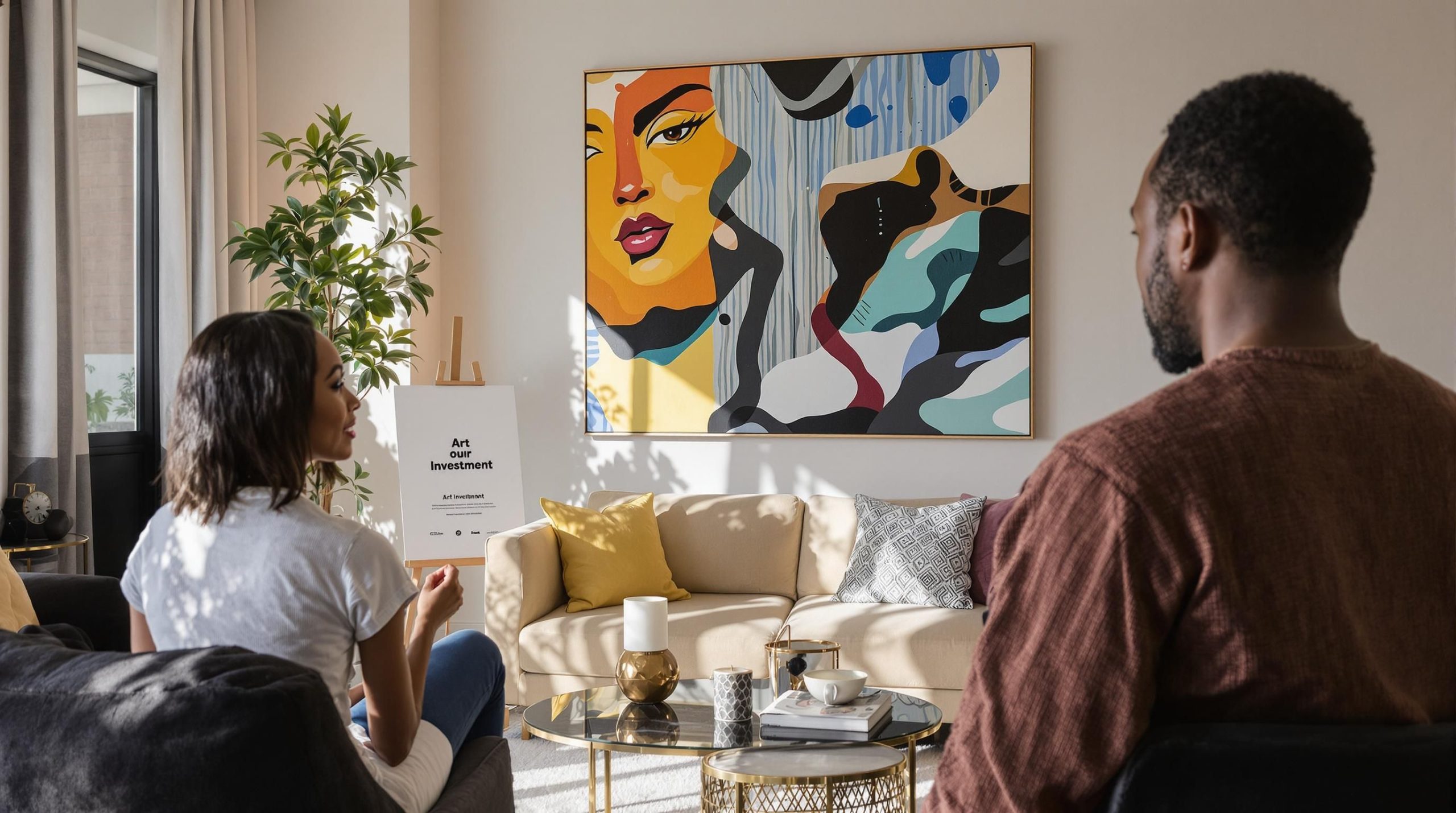
Buying art in South Africa is no longer just about decorating your lounge. In the past five years, international buyers of South African art have jumped by 60 percent, showing a serious shift in global interest. Forget the old view that art is risky or only for the rich. These days, smart investors are turning to local art to diversify their portfolios while also getting a piece of history for themselves.
Table of Contents
- Why Buy Art For Investment
- The Financial Dynamics Of Art Investment
- Diversification And Portfolio Strategy
- Considerations For Art Investment
- How To Choose Profitable Artworks
- Understanding Artist And Market Dynamics
- Rarity And Uniqueness
- Investment Strategies And Emerging Trends
- South African Art Market Insights
- Market Growth And Global Recognition
- Digital Transformation And Market Dynamics
- Investment Potential And Future Outlook
- Tips For Art Collectors And Decorators
- Strategic Acquisition And Documentation
- Investment And Display Considerations
- Practical Collecting And Decorating Advice
Quick Summary
| Takeaway | Explanation |
|---|---|
| Invest in Art for Diversification | Art can diversify investment portfolios, adding value independent of stock market trends. |
| Research Artist Reputation | Prioritize artists with established names and proven sales history to enhance investment success. |
| Understand Market Dynamics | Stay informed on art market trends to identify potential investment opportunities and emerging talents. |
| Focus on Rarity for Value | Unique and rare artworks generally appreciate better than common pieces, enhancing investment returns. |
| Document Art Acquisitions Carefully | Maintain clear records of ownership, provenance, and authenticity to protect your investment’s value. |
Why Buy Art for Investment
Investing in art represents a nuanced financial strategy that extends beyond traditional investment vehicles. While stocks and bonds offer predictable returns, art provides a unique opportunity to diversify investment portfolios with potential long-term value appreciation.
The Financial Dynamics of Art Investment
Art investment is not simply about purchasing beautiful pieces but understanding their potential economic value. According to a study in the South African Journal of Economic and Management Sciences, art prices correlate with broader economic indicators like stock market performance and national wealth. This connection suggests art can function as a sophisticated store of value during economic fluctuations.
The Financial Times research highlights that while art investments might yield lower returns compared to traditional equities, they offer unique advantages. Wealthy families often incorporate art into their portfolios not just for potential financial gains but for prestige and personal enjoyment.
Diversification and Portfolio Strategy
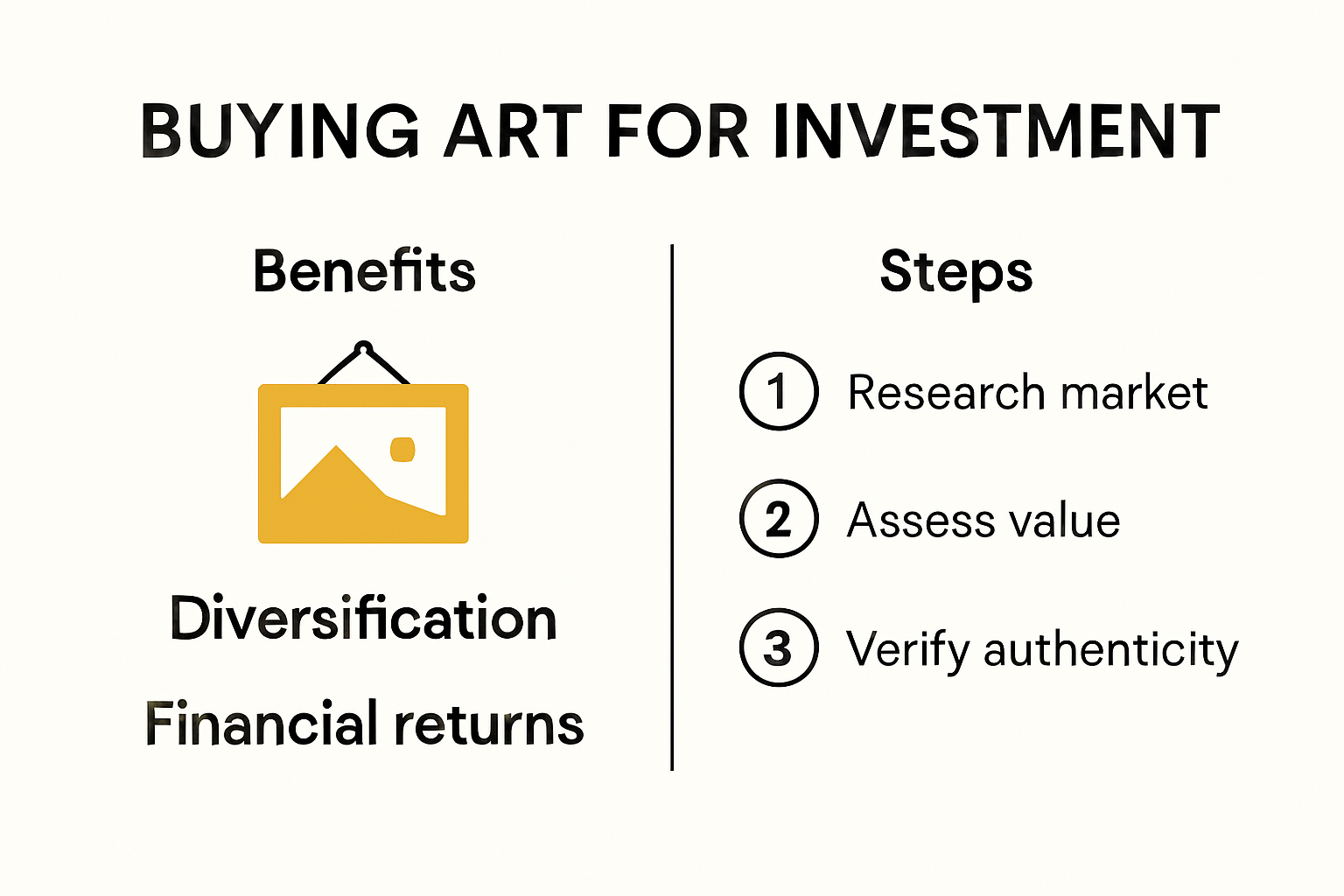
A compelling research paper titled ‘Modern Portfolio Diversification’ demonstrates that allocating approximately 20% of investment capital to blue-chip art can potentially enhance risk-adjusted returns by around 20%. This approach maintains portfolio volatility similar to established market indices like the S&P 500.
Investors should recognize that not all artworks appreciate equally. Learn more about selecting valuable art pieces to make informed investment decisions. The key lies in understanding artist reputation, artwork provenance, market trends, and historical sales performance.
Considerations for Art Investment
Successful art investment requires thorough research and a strategic approach. Factors to consider include:
- Artist Reputation: Works by established or emerging artists with growing recognition
- Artwork Condition: Pristine pieces typically command higher values
- Provenance: Clear documentation of an artwork’s history and ownership
- Market Trends: Understanding contemporary art market dynamics
While art can be a compelling investment, it demands patience, expertise, and a long-term perspective. Potential investors should approach art acquisition with both aesthetic appreciation and financial acumen, recognizing that true value emerges from a combination of artistic merit and market demand.
To help clarify and summarize the considerations for art investment described above, here’s a checklist table you can reference when evaluating potential art acquisitions:
| Consideration | Description | Completed (✔/✗) |
|---|---|---|
| Artist Reputation | Is the artist established or gaining recognition? | |
| Artwork Condition | Is the piece in pristine condition? | |
| Provenance | Is there clear history and ownership documentation? | |
| Market Trends | Are you aware of the latest market dynamics? | |
| Research & Expert Input | Have you conducted thorough research and consulted art professionals? | |
| Patience & Long-term Outlook | Are you prepared to invest over a long period for value appreciation? |
How to Choose Profitable Artworks
Selecting profitable artworks requires a strategic approach that balances artistic merit, market trends, and investment potential. While no investment is guaranteed, certain principles can guide art investors towards more promising acquisitions.
Understanding Artist and Market Dynamics
Research from the Arte-Blue Chip Index reveals critical insights into art investment. By analyzing over 81,000 public transactions from 1990 to 2024, the study demonstrates that strategic selection of blue-chip artists can significantly enhance portfolio performance. Investors should focus on artists with established reputations, consistent market presence, and demonstrated value appreciation.
Key Selection Criteria:
- Track record of previous sales
- Critical recognition in art circles
- Emerging or established artist status
- Consistent artistic style and innovation
Rarity and Uniqueness
Interestingly, research on collectible markets indicates that rarity substantially influences artwork value. Analysis of 3.7 million transactions across 1.4 million NFT collections reveals that rarer pieces consistently command higher prices and generate more stable returns. This principle applies equally to traditional art investments.
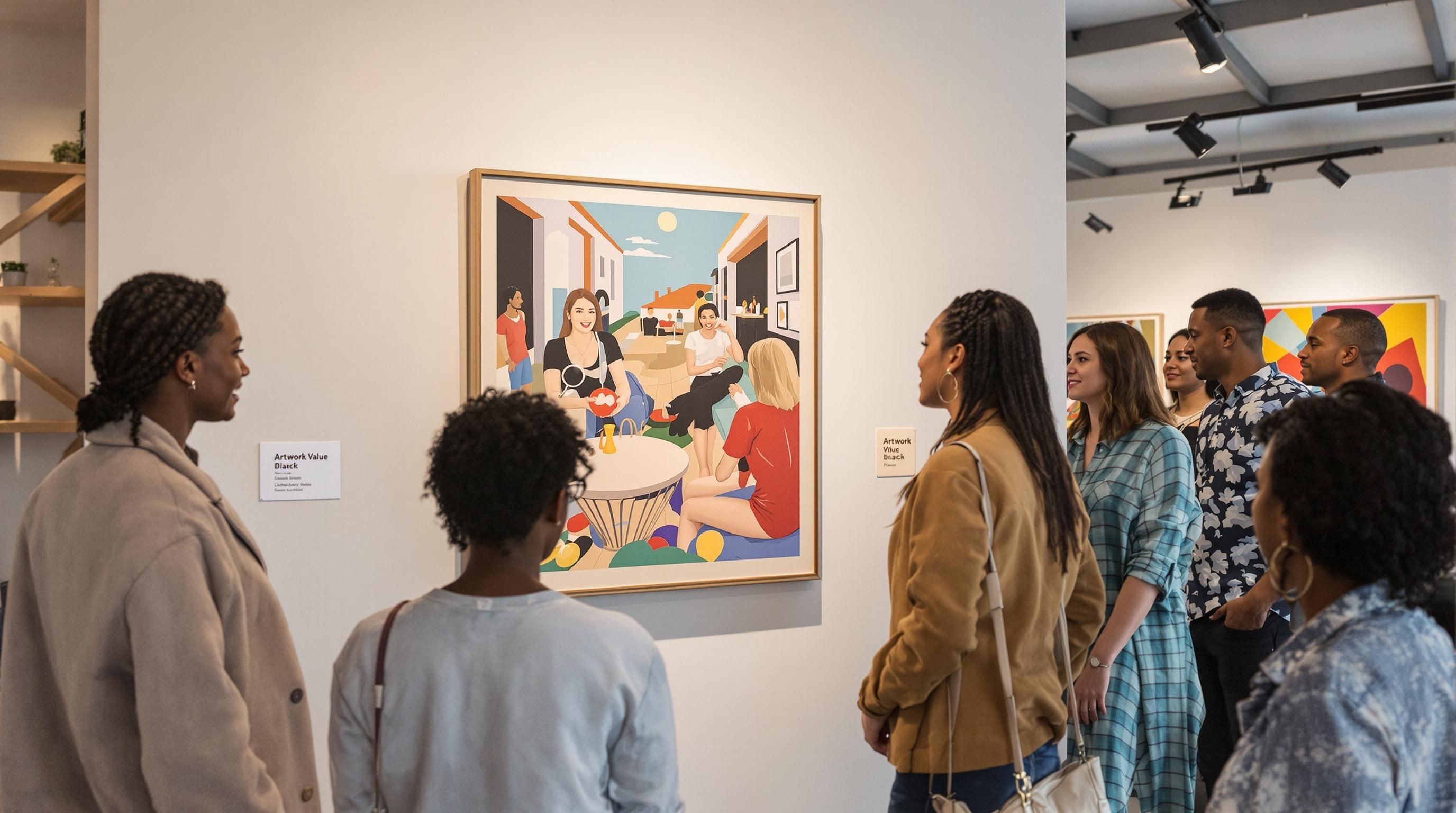
Discover insights into art valuation to understand how unique characteristics impact an artwork’s potential financial performance. Factors like limited edition prints, experimental techniques, or works representing significant cultural moments can dramatically increase an artwork’s investment appeal.
Investment Strategies and Emerging Trends
The art investment landscape continues evolving, with innovative approaches emerging. The Financial Times highlights the rise of art investment funds that strategically target undervalued artists, often focusing on historically marginalized creators such as women and artists of color.
Practical strategies for choosing profitable artworks include:
- Diversifying across different artists and styles
- Monitoring emerging talent in contemporary art scenes
- Understanding historical price trajectories
- Considering cultural and social significance of artworks
Successful art investment demands patience, continuous learning, and a nuanced understanding of both artistic and financial ecosystems. While potential returns can be significant, investors must approach art acquisition with thorough research, expert consultation, and a long-term perspective.
The following summary table contrasts key factors to consider when selecting profitable artworks, helping readers compare artist, rarity, and market aspects at a glance:
| Factor | Why It Matters | How To Evaluate |
|---|---|---|
| Artist Reputation | Established artists often have more stable value | Research previous sales and recognition |
| Rarity/Uniqueness | Rare works often command higher prices | Look for limited editions or unique styles |
| Market Trends | Demand shifts influence price appreciation | Track auctions & contemporary trends |
| Cultural Significance | Works tied to social/cultural themes can gain value | Assess societal relevance |
South African Art Market Insights
The South African art market represents a dynamic and evolving landscape, characterized by growing global recognition, increasing digital accessibility, and emerging opportunities for investors and collectors alike.
Market Growth and Global Recognition
Recent developments highlight the remarkable trajectory of South African art on the international stage. Discover our curated guide to prominent artists who are driving this transformation. According to the Financial Times, African modernist artists are now gaining unprecedented recognition, with recent events like the Venice Biennale featuring seven 20th-century African artists for the first time.
The art market’s expansion is evident in the performance of prominent auction houses. Strauss & Co reported sales totalling R354 million ($20.6 million) in 2022, demonstrating robust market resilience despite challenging economic conditions. Notably, nine of their top 20 lots sold to international clients, indicating growing global interest in South African art.
Digital Transformation and Market Dynamics
The Covid-19 pandemic accelerated significant changes in the art market. Research from Wanted Online reveals a transformative shift towards online platforms, with digital sales platforms becoming increasingly sophisticated. The study highlights key trends:
- Diversification of art buyer demographics
- Increased spending by online-first buyers
- Growing importance of sociopolitical factors in artwork selection
Frank Kilbourn, Strauss & Co’s chairperson, attributes the market’s resilience to a maturing art ecosystem. The emergence of world-class museums like the Zeitz Museum of Contemporary Art Africa and the Norval Foundation has further enhanced South Africa’s artistic credibility.
Investment Potential and Future Outlook
The South African art market offers unique investment opportunities. Global interest has surged, with international buyers increasing by 60% over the past five years. Artists are addressing contemporary issues in thought-provoking and enduring ways, creating artworks that transcend mere aesthetic value.
Key considerations for investors include:
- The maturity of the South African art ecosystem
- Increasing global recognition of local artists
- Robust digital sales platforms
- Emerging museum infrastructure
While the global art market study by Art Basel and UBS suggests Africa contributes only 8% to global art sales, the potential for growth remains significant. South Africa, with its advanced commercial arts sector, stands at the forefront of this emerging market.
Investors and collectors should approach the South African art market with an understanding of its unique dynamics. The combination of digital innovation, global recognition, and a rich artistic heritage makes this market an exciting frontier for art investment.
Tips for Art Collectors and Decorators
Art collecting and decorating represent sophisticated practices that blend aesthetic appreciation with strategic investment. Understanding the nuanced approach to acquiring and displaying artworks can transform both personal spaces and investment portfolios.
Strategic Acquisition and Documentation
The foundation of successful art collecting lies in meticulous documentation and provenance tracking. Kiplinger emphasizes that a comprehensive history documenting every ownership transfer is crucial for establishing an artwork’s authenticity and value. This detailed lineage not only proves the piece’s legitimacy but also enhances its collectible significance.
Explore our guide to notable South African artists to understand the context and background of potential art acquisitions. When collecting, prioritize obtaining:
- Certificates of authenticity
- Detailed ownership history
- Professional appraisal documentation
- Artist’s background and exhibition history
Investment and Display Considerations
The Financial Times highlights a significant shift in art collecting from passion-driven curation to investment-focused strategies. This transformation is driven by rising demand from affluent collectors and professional investors who view art as a financial asset.
Key considerations for collectors and decorators include:
- Budget allocation for art investments
- Understanding market trends
- Balancing aesthetic appeal with potential appreciation
- Insurance and storage requirements
- Long-term preservation strategies
Practical Collecting and Decorating Advice
Artwork Archive recommends purchasing directly from artists as a cost-effective strategy. This approach not only supports emerging talents but also provides opportunities to acquire unique pieces at more accessible prices.
Decorating tips for art collectors:
- Consider room lighting and artwork placement
- Create visual balance and thematic coherence
- Rotate artwork to maintain visual interest
- Use art as a focal point in interior design
Whether you are a seasoned collector or a novice decorator, understanding the intricate dynamics of art acquisition requires continuous learning. South African art offers a rich, diverse landscape with numerous opportunities for both aesthetic enjoyment and potential financial growth. Approach each acquisition with research, passion, and a strategic mindset.
Frequently Asked Questions
What should I consider when investing in South African art?
Consider key factors such as the artist’s reputation, artwork condition, provenance, market trends, and your ability to conduct thorough research before making an acquisition.
How can art diversify my investment portfolio?
Art can provide a unique asset class that is not closely correlated with stock market trends, which can help mitigate risk and enhance overall portfolio performance.
What types of artworks are likely to increase in value?
Artworks by well-established artists, rare pieces, and those tied to significant cultural moments tend to appreciate more reliably in value compared to common works.
How has the South African art market evolved recently?
The South African art market has seen a 60% increase in international buyers over the past five years, highlighting a growing global interest in local art and its investment potential.
Discover Profitable Art Investments with Confidence
Have you been searching for rare and valuable South African artworks but feel uncertain about which pieces truly offer long-term growth? The article highlights how proper research, clear documentation, and understanding artist reputation set winning investors apart from those who feel lost in a confusing market. You deserve an easier way to find reputable artists, transparent provenance, and standout pieces that bring both pride and profit to your collection.

Let your investment journey start with the experts trusted by South Africa’s top collectors. Visit Art Online to access an unmatched selection of works by renowned local artists, each verified for quality and authenticity. Ready to explore specific talents? Dive deeper into our famous South African artists guide and see how the right art can transform your financial future. Shop now to secure works others are already targeting for 2025’s most promising portfolios.