
South African Tribal Art: Trends and Decor Ideas for 2025
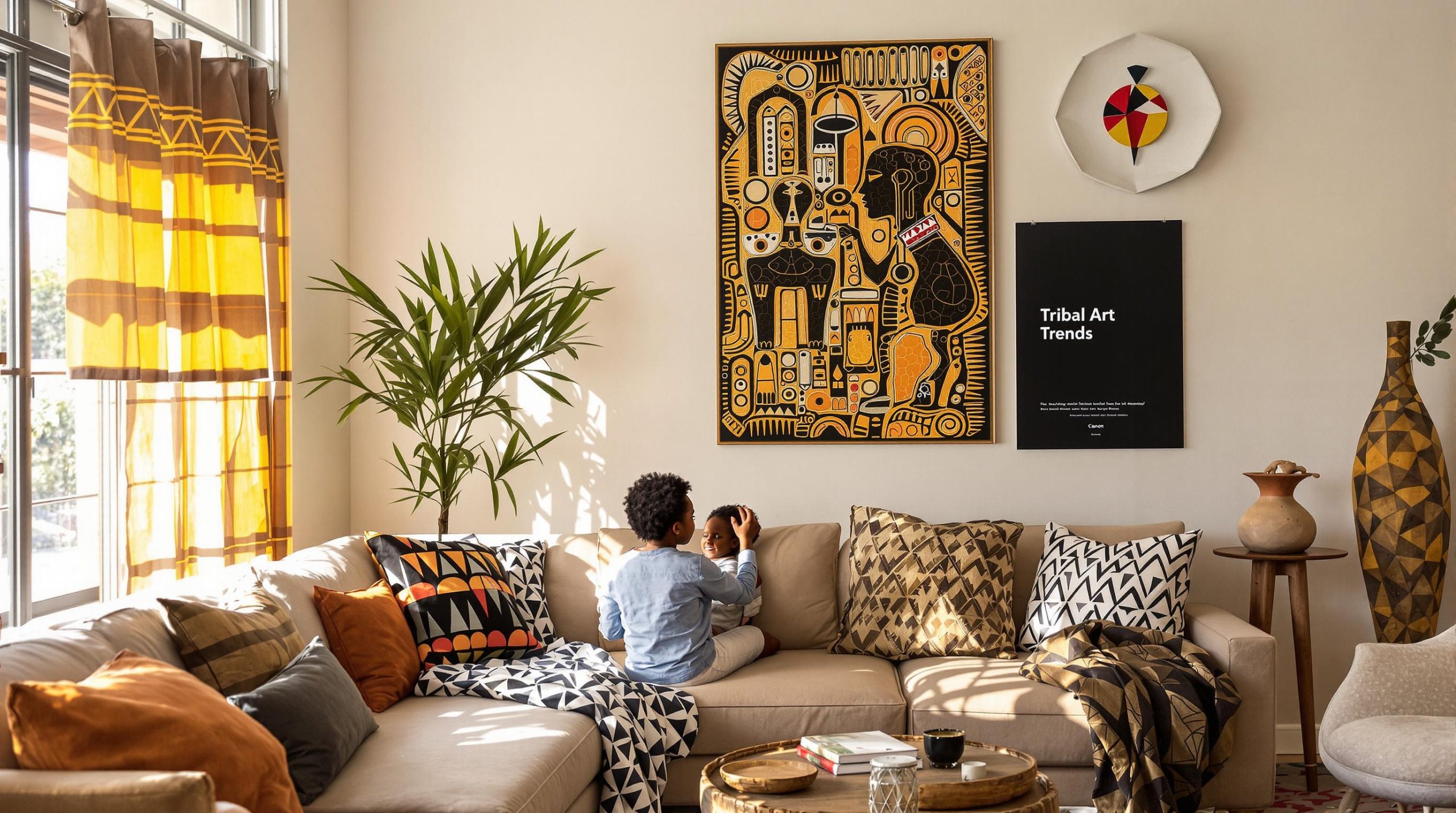
South African tribal art is drawing global attention for its vibrant colours and powerful storytelling, with the oldest known rock art in the country dating back nearly 26,000 years. Most would think these artworks are just beautiful traditions kept alive in rural villages. But new trends show tribal patterns are shaping high-end decor and turning modern homes into living galleries across the world.
Table of Contents
- Rooted Traditions Of South African Tribal Art
- Key Styles And Symbols Explained
- Collecting South African Tribal Art In 2025
- Incorporating Tribal Art Into Modern Decor
Quick Summary
| Takeaway | Explanation |
|---|---|
| Cultural Significance of Tribal Art | South African tribal art serves as a critical medium for preserving cultural narratives, historical memories, and spiritual beliefs within indigenous communities. |
| Emerging Trends in Collecting | In 2025, collectors are embracing an active engagement with cultural narratives, seeking authenticity and provenance in artworks while viewing themselves as custodians of artistic heritage. |
| Integration into Modern Decor | Incorporating tribal art into modern decor involves embedding traditional motifs into design spaces, creating meaningful cultural dialogues and honoring indigenous heritage in contemporary settings. |
| Authenticity and Ethical Practices | Collectors and designers should ensure rigorous verification and authenticity in tribal art to respect its cultural significance and support the artists involved. |
Rooted Traditions of South African Tribal Art
South African tribal art represents a profound cultural narrative that transcends mere aesthetic expression. These artistic traditions are deeply embedded in the social fabric of indigenous communities, serving as powerful communication tools that preserve historical memories, spiritual beliefs, and collective identities.
Ancient Visual Storytelling
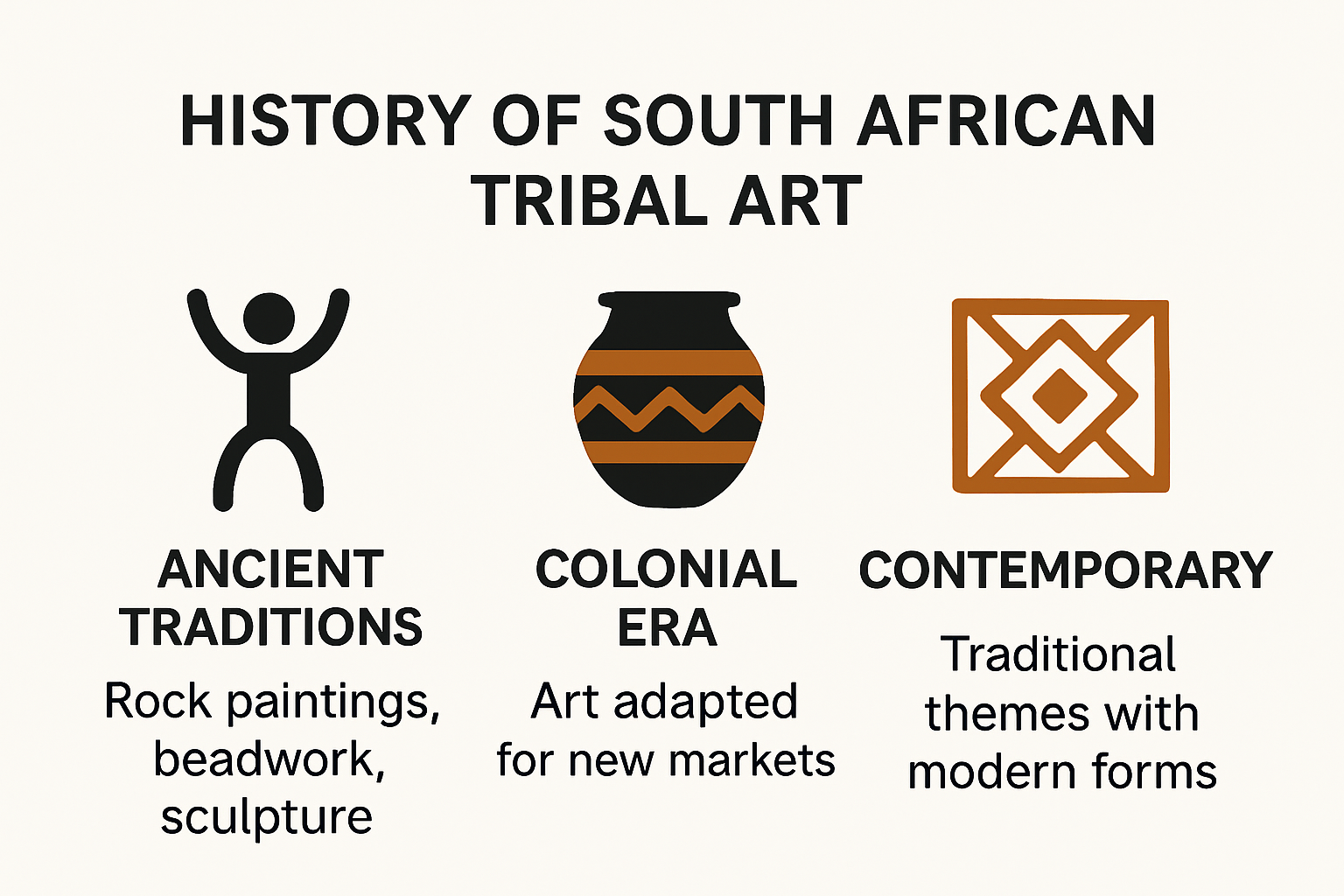
The roots of South African tribal art stretch back thousands of years, with archaeological evidence from the San people revealing extraordinary rock and cave paintings dating back approximately 26,000 years. These ancient artworks are not simply decorative illustrations but complex visual narratives that document human experiences, animal interactions, and spiritual connections. The Drakensberg mountains host the most significant collection of these paintings, which predominantly feature human figures, elands, elephants, cattle, and horses.
These prehistoric artistic expressions demonstrate how tribal art has always been a critical medium for cultural communication and historical documentation. Each stroke and symbol carries meaning far beyond its visual representation, embodying the collective memory and worldview of indigenous communities.
Architectural and Decorative Expressions
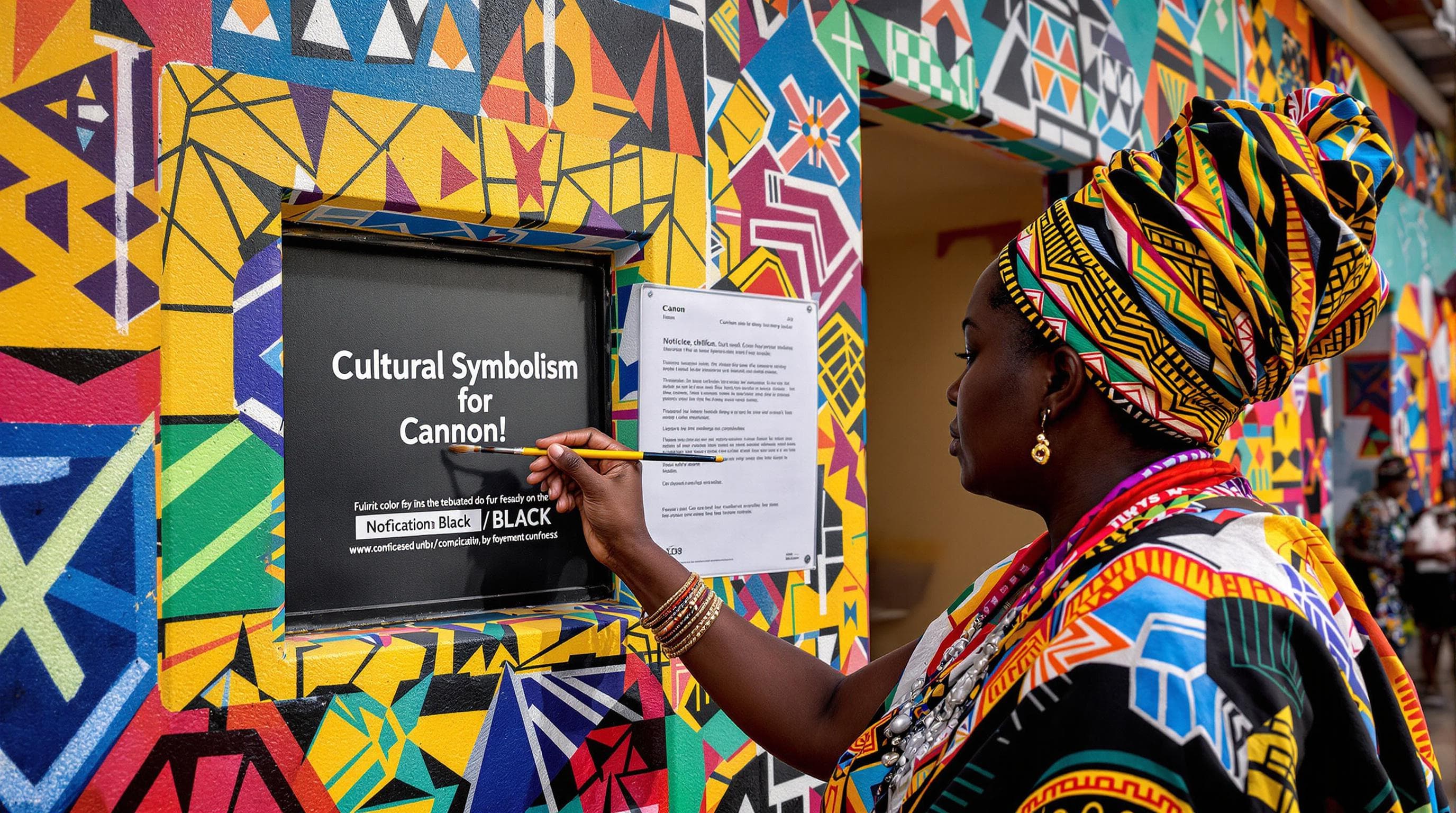
Tribal art in South Africa extends far beyond traditional painting, encompassing diverse artistic practices that integrate art into daily life. The Ndebele house painting tradition exemplifies this holistic approach, where women transform architectural spaces into vibrant canvases. These geometric patterns are not merely decorative but serve as sophisticated communication systems, conveying complex cultural messages through carefully constructed symbolic designs.
Similarly, the Sotho people’s litema mural art represents another remarkable tradition of architectural artistic expression. Women create intricate geometric patterns through engraving, painting, relief mouldings, and mosaic techniques on homestead walls. These designs are more than aesthetic embellishments they are visual languages that communicate community values, spiritual beliefs, and familial histories.
Cultural Preservation Through Art
Tribal art in South africa functions as a dynamic mechanism of cultural preservation. Unlike static museum artifacts, these living artistic traditions continue to evolve while maintaining deep connections to ancestral practices. Each artwork represents a dialogue between past and present, allowing younger generations to understand and connect with their cultural heritage.
Modern South African tribal artists increasingly recognize their role as cultural ambassadors. They are not merely creating art but actively participating in a continuing dialogue that bridges traditional practices with contemporary artistic expressions. This approach ensures that tribal art remains a vibrant, relevant form of cultural communication.
For those interested in exploring the deeper nuances of South african artistic traditions, our comprehensive guide on cultural creativity offers further insights into the rich artistic landscape of the region.
Understanding south african tribal art requires more than visual appreciation it demands recognition of the complex cultural narratives woven into every artistic creation. These traditions represent living, breathing systems of communication that continue to evolve while honoring profound historical roots.
Key Styles and Symbols Explained
South African tribal art represents a sophisticated visual language where every design, color, and symbol carries profound cultural significance. Understanding these artistic styles provides insight into the complex communication systems embedded within indigenous artistic traditions.
Geometric Symbolism and Color Language
Research from Smarthistory reveals that Ndebele art exemplifies a remarkable system of visual communication through geometric forms and bold color choices. Their artistic conventions typically feature stark geometric patterns with distinctive characteristics: bold color blocks outlined in black, often set against white backgrounds. These are not merely decorative elements but intricate social statements.
The color and pattern selections in Ndebele art serve multiple purposes. For married women, specific geometric designs and color combinations communicate social status, personal achievements, and cultural affiliations. The ijogolo and amaphotho aprons, adorned with precise beadwork, become visual narratives that speak volumes about an individual’s personal and communal identity.
To help clarify the distinct symbolic and stylistic features across different South African tribal art traditions, the following table summarises the key styles, their defining motifs, and associated meanings.
| Art Tradition | Primary Features & Motifs | Symbolic Meanings / Communication |
|---|---|---|
| San Rock Art | Rock paintings, human/animal figures, hybrids | Spiritual documentation, mythologies, historic events |
| Ndebele House Painting | Bold geometric patterns, colour blocks, black outlines | Social status, cultural identity, complex messages |
| Sotho Litema Murals | Engraving, reliefs, mosaics, geometric shapes | Community values, spiritual beliefs, familial histories |
| Beadwork (ijogolo, amaphotho) | Aprons, intricate bead designs | Personal status, communal identity |
Spiritual and Narrative Representations
Archaeological studies of San rock art unveil another profound dimension of south african tribal artistic expression. These ancient artworks are not simple illustrations but complex spiritual narratives. The rock paintings and carvings frequently depict non-human beings, hunters, and intriguing half-human half-animal hybrids.
These hybrid figures are particularly significant, often representing medicine men or healers engaged in traditional healing dances. Such representations demonstrate how tribal art transcends mere visual representation, functioning as a spiritual documentation of cultural practices, shamanic experiences, and community mythologies.
Architectural Art as Cultural Communication
In 2016, the US Ambassador’s Fund for Cultural Preservation recognized the critical importance of Ndebele traditional art forms, particularly hut painting and decoration. This documentation project highlighted how architectural spaces themselves become canvases for cultural expression.
Ndebele women transform homestead walls into intricate visual narratives, with each geometric pattern and color choice communicating complex social messages. These are not simply decorative techniques but sophisticated communication systems that preserve cultural knowledge and individual stories.
For art enthusiasts and collectors interested in diving deeper into the nuanced world of south african tribal art, our curated collection of cultural art pieces offers an immersive exploration of these rich artistic traditions.
Understanding south african tribal art styles requires more than visual appreciation. It demands recognition of art as a living, breathing language of cultural memory, social communication, and spiritual expression. Each symbol, color, and design carries layers of meaning that connect past traditions with contemporary artistic narratives.
Collecting South African Tribal Art in 2025
Collecting south african tribal art in 2025 represents more than an aesthetic pursuit it is an active engagement with living cultural narratives and contemporary artistic expressions. The landscape of art collection has evolved dramatically, offering collectors nuanced opportunities to support and preserve indigenous artistic traditions.
Emerging Collection Trends
The Metropolitan Museum of Art’s recent gallery renovation signals a significant global shift in appreciating african artistic traditions. With approximately 500 works showcasing major artistic movements, institutional recognition is driving increased collector interest in south african tribal art.
Modern collectors are moving beyond traditional acquisition models. They seek artworks that not only demonstrate aesthetic excellence but also carry profound cultural significance. This approach transforms collecting from a transactional experience into a collaborative cultural dialogue. Collectors are increasingly viewing themselves as custodians rather than mere owners, responsible for preserving and respecting the cultural context of each piece.
Authenticity and Provenance
The University of Pretoria’s Mapungubwe Gallery exhibition highlights the critical importance of understanding an artwork’s historical context. With their collection of over 108 ceramic vessels dating from 1000 CE to 1300 CE, they demonstrate that provenance is paramount in tribal art collection.
Authentic south african tribal art requires rigorous verification. Reputable collectors now prioritize:
- Documented origin Verified geographical and cultural source
- Artist authentication Direct connection to indigenous artists
- Cultural significance Understanding the artwork’s deeper meaning
- Ethical acquisition Ensuring fair compensation and respect for artistic communities
For a concise overview, this table summarises the key factors reputable collectors prioritise when acquiring South African tribal art, as detailed in the section above.
| Factor | Description |
|---|---|
| Documented Origin | Verified geographical & cultural source |
| Artist Authentication | Direct link to indigenous artist |
| Cultural Significance | Knowledge of deeper meanings and context |
| Ethical Acquisition | Ensuring fair compensation and respect for artists |
| Provenance Documentation | Tracing artwork history and authenticity |
Contemporary Collecting Strategies
Insights from the Iziko South African Museum’s bicentenary exhibition reveal the dynamic nature of south african tribal art. Contemporary collecting is no longer about static preservation but active cultural engagement.
Collectors in 2025 are adopting innovative strategies. They collaborate directly with artists, support community art programs, and invest in emerging talents. This approach ensures that tribal art remains a living, evolving form of cultural expression.
Explore our curated guide to south african art collecting for comprehensive insights into navigating this rich artistic landscape.
Collecting south african tribal art in 2025 is an intellectual and cultural journey. It demands respect, understanding, and a commitment to preserving the rich narrative traditions embedded in each artwork. Successful collectors approach their passion not as mere acquisitions but as meaningful cultural exchanges that honor the profound artistic heritage of south african indigenous communities.
Incorporating Tribal Art into Modern Decor
Incorporating south african tribal art into modern decor represents a sophisticated approach to interior design that goes beyond mere aesthetic embellishment. This design philosophy celebrates cultural heritage while creating dynamic, meaningful living spaces that tell rich stories through visual elements.
Architectural and Design Integration
Research from the Journal of Architectural Historians reveals a significant trend in integrating indigenous design elements into contemporary architectural spaces. Modern designers are moving beyond superficial decoration, instead embedding traditional artistic motifs and principles directly into spatial design.
This approach transforms interior spaces into narratives of cultural continuity. Geometric patterns from Ndebele art, for instance, can be incorporated into wall treatments, floor designs, or architectural screens. The key is creating a dialogue between traditional symbolism and contemporary minimalist aesthetics, where each design element serves both decorative and cultural communication purposes.
Textile and Decorative Elements
A study from Cape Peninsula University of Technology highlights how graphic designers are reimagining indigenous artistic traditions in modern contexts. This principle applies equally to interior decor, where traditional textile patterns and artistic motifs can be strategically integrated into contemporary spaces.
Key strategies for incorporating tribal art into modern decor include:
- Textile Selections Using traditional se-Shweshwe fabrics for cushions, throws, and upholstery
- Wall Art Displaying authentic tribal artworks alongside modern pieces
- Sculptural Elements Integrating traditional sculptural forms as statement pieces
- Colour Palettes Drawing inspiration from traditional colour schemes
Respectful and Authentic Representation
Contemporary design research emphasises the importance of authentic representation. Incorporating tribal art is not about appropriation but about creating meaningful cultural dialogues within design spaces.
Successful integration requires deep understanding and respect. Designers and homeowners should:
- Understand the cultural significance of artistic elements
- Work directly with indigenous artists
- Provide proper context and attribution
- Support indigenous artistic communities
Discover our curated collection of authentic South African tribal art pieces to explore unique ways of bringing these rich traditions into your living spaces.
Incorporating South African tribal art into modern decor is more than a design trend it is a profound way of honouring cultural heritage, supporting indigenous artists, and creating spaces that tell compelling stories. Each carefully selected piece becomes a bridge between traditional artistic expression and contemporary living, transforming interiors into dynamic, meaningful environments.
Frequently Asked Questions
What is South African tribal art?
South African tribal art encompasses a variety of artistic expressions deeply rooted in the cultural traditions of indigenous communities, including rock paintings, beadwork, and architectural designs. It serves as a medium for storytelling, cultural preservation, and spiritual expression.
How can I incorporate South African tribal art into modern decor?
To incorporate South African tribal art into modern decor, consider using traditional textile patterns, displaying authentic artworks alongside contemporary pieces, and integrating geometric designs into architectural elements. Aim to create a meaningful dialogue between traditional and modern aesthetics.
What are the key trends in collecting South African tribal art in 2025?
In 2025, collectors are focusing on authenticity and provenance, viewing themselves as custodians of cultural heritage rather than mere owners. There is a growing appreciation for artworks with rich cultural significance and a commitment to ethical acquisition practices.
Why is authenticity important when collecting South African tribal art?
Authenticity is crucial because it ensures respect for the cultural significance of the artwork and supports indigenous artists. Collectors should prioritise provenance, artist authentication, and ethical acquisition to honour the traditions and meanings behind the art.
Discover Authentic South African Tribal Art for Your Space
Many readers face a real challenge when it comes to finding authentic South African tribal art that truly captures cultural heritage and honours meaningful traditions. The article highlighted how meaningful decor goes beyond simple aesthetics and instead carries deep cultural significance from ancient visual storytelling to architectural designs. Selecting genuine pieces with verified provenance is crucial to respecting artists and protecting indigenous narratives. If your goal is to curate a home or collection that celebrates real South African roots, embracing ethical collecting practices and connecting with proven sources is the way forward.

Now is your opportunity to transform your space with art that speaks. At Art Online, you can access South Africa’s largest selection of original artworks created by renowned local artists. Every purchase supports cultural preservation and fair compensation. Browse authentic tribal art, textiles, and contemporary pieces that bring history and modern design together. Visit Art Online and start curating with confidence today.
Recommended
- Blog – Art-Online
- Art of South Africa: Inspiring Creativity and Cultural Power – Art-Online
- Terms and Conditions – Art-Online
- Landscape Paintings by South African Artists: 10 Inspiring Types – Art-Online
- Tendencias decoración bodas 2025: arte en vivo y recuerdos únicos – Live Wedding Painters
Living Room Wall Art Trends 2025: Modern Canvas and Print Ideas
– Exclusive Canvas Art