
Famous African Art Pieces for Collectors and Decorators 2025
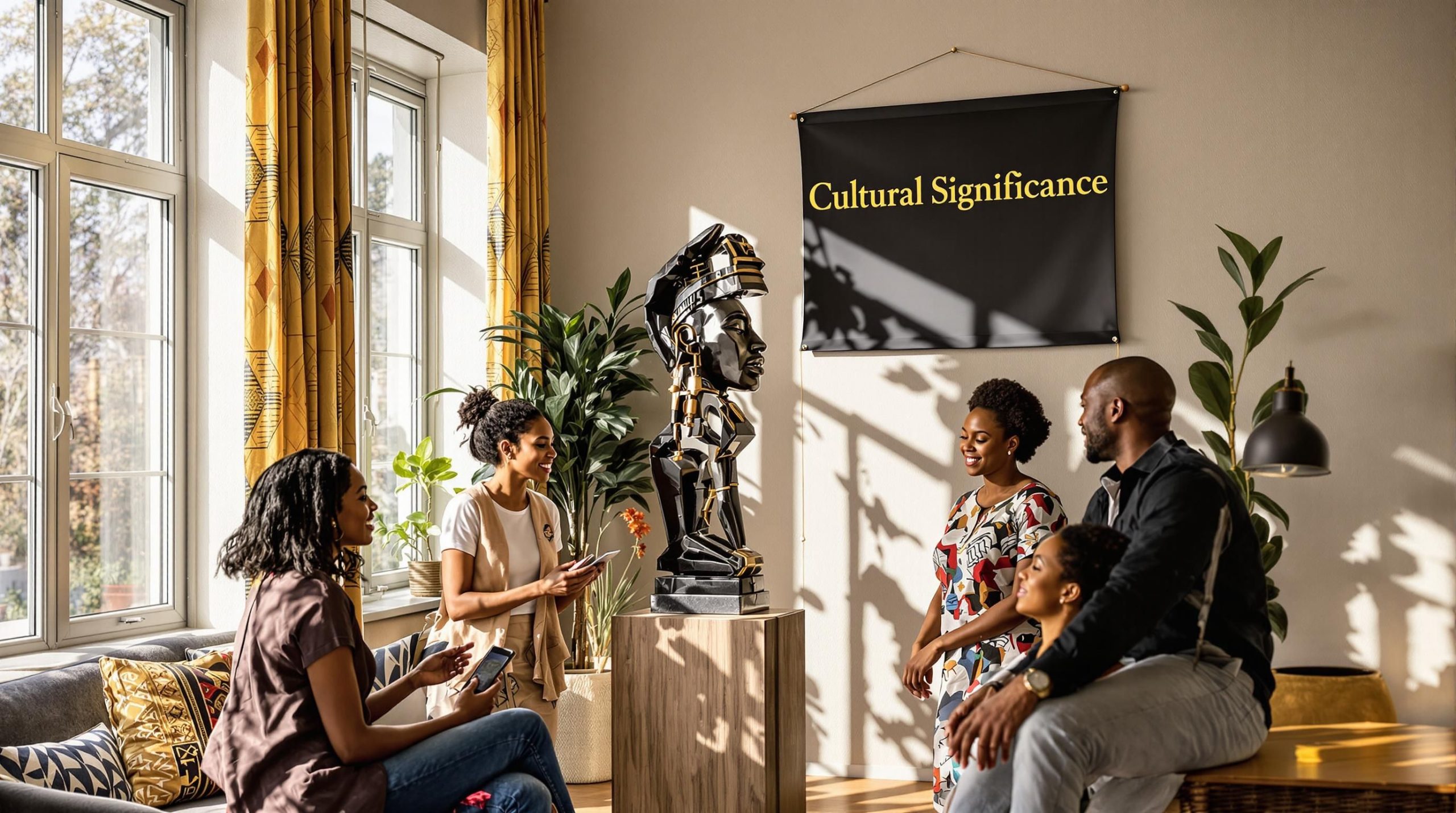
African art is not just decorative, it tells stories that reach back thousands of years and shape how the world sees the continent. Most people focus on the beauty of the pieces, the bold colours and striking forms. But the real shocker is that some African artworks have fetched over R20 million at international auctions, proving collectors value their deep cultural history even more than their looks. There is much more to these masterpieces than meets the eye.
Table of Contents
- Iconic African Artworks Through The Years
- Influential Artists And Their Masterpieces
- How To Incorporate African Art In Decor
- Curating An Authentic African Art Collection
Quick Summary
| Takeaway | Explanation |
|---|---|
| Understand the significance of African art | African art tells deep cultural stories and reflects complex historical experiences and artistic innovations. |
| Incorporate art thoughtfully into decor | Strategically place and complement African art with design elements that respect its cultural value and enhance its visual impact. |
| Focus on provenance and authenticity | Verify each artwork’s origin and cultural significance to ensure an authentic African art collection. |
| Practice ethical acquisition | Support artists and communities by purchasing art ethically, avoiding exploitative practices related to colonialism. |
| Commit to preservation and engagement | Collectors should actively engage with the cultural context and scholarly research related to their art pieces to ensure their preservation. |
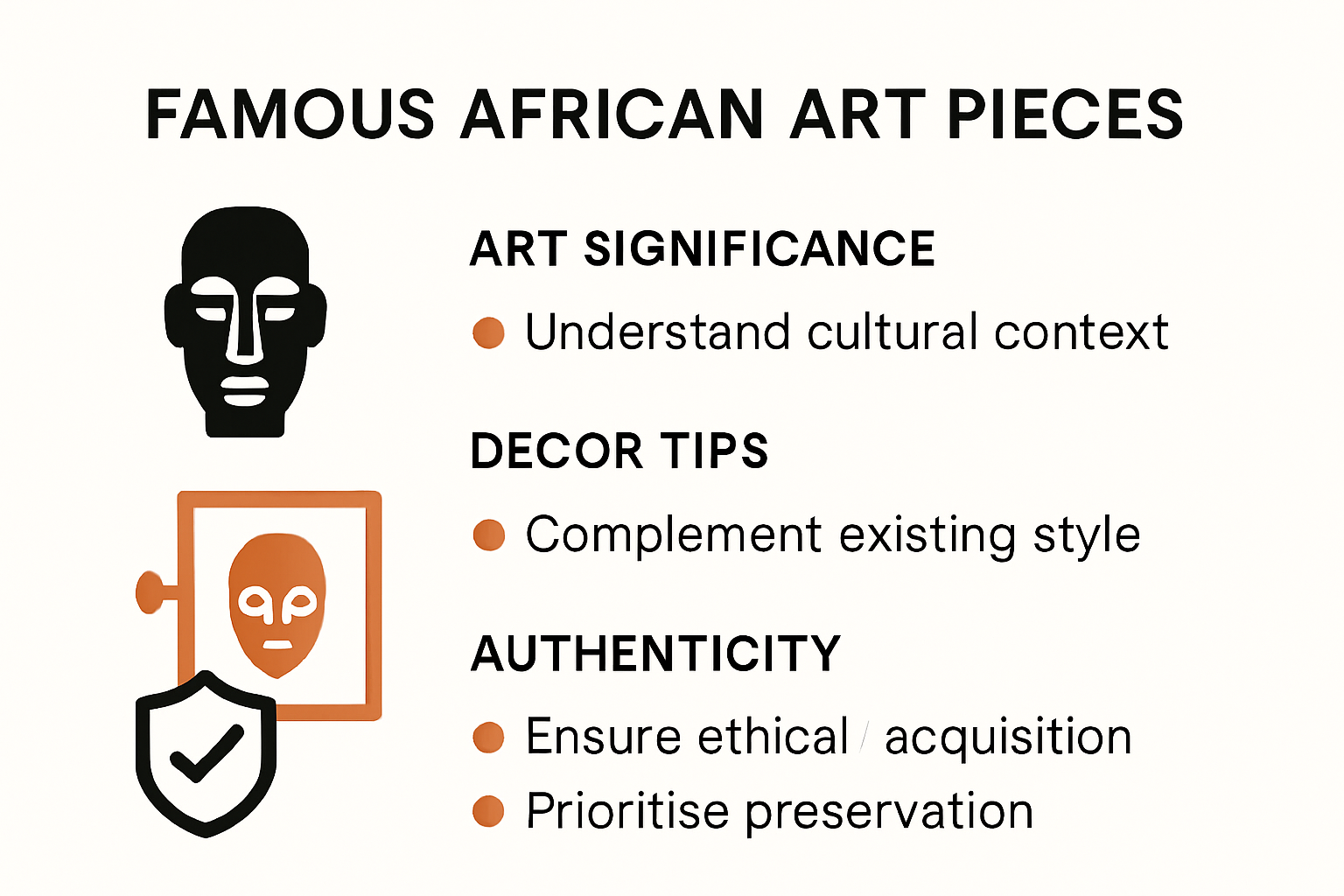
African art represents a profound cultural narrative that transcends mere visual representation, embodying centuries of historical significance and artistic innovation. The continent’s artistic heritage encompasses diverse mediums that reflect complex social structures, spiritual beliefs, and extraordinary craftsmanship.
Ancient Masterpieces of African Sculpture
Some of the most remarkable famous African art pieces emerge from ancient sculptural traditions that have captured global attention. The Benin Bronzes, created by the Edo people of Nigeria, stand as extraordinary examples of metalwork that demonstrate extraordinary technical skill and cultural sophistication. According to research from the British Museum, these intricate metal plaques and sculptures represent royal court scenes, warriors, and important historical events with remarkable detail and precision.
The Benin ivory mask represents another pinnacle of African artistic achievement. Crafted during the height of the Benin Kingdom, this delicate yet powerful artwork illustrates the extraordinary craftsmanship of African artisans. Its intricate details and symbolic representations reveal complex social hierarchies and artistic techniques that were generations ahead of their time.
Ritual and Symbolic Art Forms
African art extends far beyond aesthetic beauty, serving profound cultural and spiritual purposes. Ritual masks, wooden sculptures, and textiles are not merely decorative objects but powerful communication tools that connect communities with their ancestral heritage. Encyclopædia Britannica highlights that these artworks often embody spiritual concepts, representing communication between human and supernatural realms.
Traditional sculptures from regions like the Congo, Nigeria, and Ethiopia demonstrate extraordinary woodcarving techniques. These pieces frequently represent ancestral spirits, community leaders, and mythological figures, each carrying deep symbolic meaning. Collectors and decorators appreciate these artworks not just for their visual appeal but for their profound cultural narratives.
When selecting famous African art pieces, discerning collectors understand that each artwork tells a story far more complex than its physical form suggests. These masterpieces represent generations of artistic knowledge, cultural preservation, and extraordinary human creativity. From intricate bronze castings to spiritually charged wooden sculptures, African art continues to captivate global audiences with its depth, symbolism, and unparalleled craftsmanship.
To help readers compare notable ancient African artworks mentioned, the following table summarizes their origins, materials, and significance.
| Artwork | Origin | Material | Key Significance |
|---|---|---|---|
| Benin Bronzes | Edo people, Nigeria | Bronze/Brass | Royal court scenes, technical mastery, historic events |
| Benin Ivory Mask | Benin Kingdom | Ivory | Symbolic craftsmanship, social hierarchy, artistry |
| Ritual Masks | Various (West, Central Africa) | Wood/Textile | Spiritual communication, ritual purposes |
| Wooden Sculptures | Congo, Nigeria, Ethiopia | Wood | Ancestral spirits, community leaders, mythological figures |
Influential Artists and Their Masterpieces
African art has been profoundly shaped by extraordinary artists who have transformed traditional techniques into powerful contemporary expressions. These influential creators have not only preserved cultural heritage but also challenged global perceptions of African artistic traditions.
Modern Pioneers of African Visual Arts
El Anatsui, a renowned Ghanaian artist, stands as a transformative figure in contemporary African art. His massive textile-like installations made from discarded metal bottle caps have revolutionized sculptural practices. According to the Metropolitan Museum of Art, Anatsui’s work represents a profound commentary on consumption, globalization, and the interconnectedness of human experiences.
Anotherartist of significant impact is William Kentridge, a south-african visual artist known for his distinctive charcoal drawings and animated films. The Museum of Modern Art highlights Kentridge’s unique approach of creating narrative works that explore themes of colonialism, social justice, and historical memory through powerful visual storytelling.
Sculptors and Visual Storytellers
Nigerian artist Ben Enwonwu represents another pivotal figure in African artistic evolution. His sculpture and painting work bridged traditional African artistic practices with modernist techniques. Research from the Tate Modern demonstrates how Enwonwu challenged colonial artistic paradigms, creating works that celebrated African cultural identity while engaging with global artistic movements.
Female artists have also played crucial roles in expanding the boundaries of African art. Artists like Wangechi Mutu from Kenya have gained international recognition for their innovative mixed media works that explore themes of gender, colonialism, and identity. Her intricate collages and sculptures challenge traditional representations and offer powerful visual narratives about contemporary African experiences.
These artists represent more than individual creative talents they are cultural ambassadors who have transformed global understanding of African artistic expression. Their masterpieces are not merely aesthetic objects but profound statements about history, identity, and human experience. Collectors and decorators who appreciate these works understand that they are acquiring more than art they are preserving complex cultural dialogues that transcend geographical and temporal boundaries.
The diversity of styles techniques and conceptual approaches demonstrates the rich complexity of African artistic traditions. From intricate sculptural works to revolutionary mixed media installations these artists continue to push creative boundaries challenging viewers to reconsider their perceptions of African art and cultural expression.
To provide an overview of the influential contemporary African artists and their core artistic contributions, see the table below.
| Artist | Country | Medium/Style | Major Themes |
|---|---|---|---|
| El Anatsui | Ghana | Assemblage (metal bottle caps) | Consumption, globalization, interconnectedness |
| William Kentridge | South Africa | Charcoal drawing, animation | Colonialism, social justice, historical memory |
| Ben Enwonwu | Nigeria | Sculpture, painting | Cultural identity, modernism vs. tradition |
| Wangechi Mutu | Kenya | Mixed media, collage, sculpture | Gender, colonialism, contemporary African identity |
How to Incorporate African Art in Decor
Incorporating African art into home decor requires a thoughtful approach that respects the cultural significance and artistic integrity of each piece. Successful integration goes beyond mere decoration it is about creating meaningful visual narratives that celebrate African artistic heritage.
Strategic Placement and Composition
Research from interior design experts suggests that displaying African art requires careful consideration of space and context. Large statement pieces like El Anatsui’s metal tapestries or intricate wooden sculptures can serve as dramatic focal points in living rooms or entryways. Wall-mounted sculptures and paintings work exceptionally well in spaces with neutral backgrounds, allowing the artwork’s rich textures and colors to stand out.
For collectors seeking to create cohesive displays, consider creating gallery walls that mix different African art mediums. Combine paintings, textile works, masks, and smaller sculptural pieces to develop a dynamic visual composition that tells a comprehensive story of African artistic traditions.
Complementing Design Aesthetics
Design specialists recommend integrating African art through thoughtful material selection and color coordination. Natural materials like wooden furniture, woven textiles, and handcrafted ceramics can create a harmonious backdrop for African artworks. Mud cloths, kente textiles, and traditional basketry can be incorporated as decorative elements that complement the art pieces.
Color plays a crucial role in successful integration. Many African artworks feature vibrant, earthy tones that can inspire broader room color schemes. Select furniture and accessories that echo the artwork’s color palette to create a unified design language. Neutral tones like beige, terracotta, and deep browns work particularly well with most African art styles.
Contextual Display and Preservation
Beyond aesthetic considerations, proper display and preservation are critical for maintaining the value and integrity of African art pieces. Use appropriate lighting that highlights the artwork’s details without causing damage. Avoid direct sunlight and maintain consistent humidity levels to prevent deterioration. Professional art mounting and framing can protect delicate pieces while enhancing their visual impact.
For collectors and decorators, African art is more than a decorative element it represents a connection to rich cultural narratives and artistic traditions. Each piece carries historical significance, telling stories of community, spirituality, and human experience. By approaching African art with respect, understanding, and thoughtful design integration, decorators can create spaces that are not just visually stunning but also culturally meaningful.
Remember that the goal is not to treat African art as an exotic accessory, but to honor its depth, complexity, and artistic excellence. Thoughtful curation transforms these artworks from mere decorative objects into powerful statements of cultural appreciation and artistic dialogue.
Curating an Authentic African Art Collection
Building an authentic African art collection requires more than financial investment it demands deep respect, comprehensive research, and a nuanced understanding of cultural contexts. Collectors must approach acquisition as a scholarly and ethical journey that goes beyond mere aesthetic appreciation.
Understanding Provenance and Authenticity
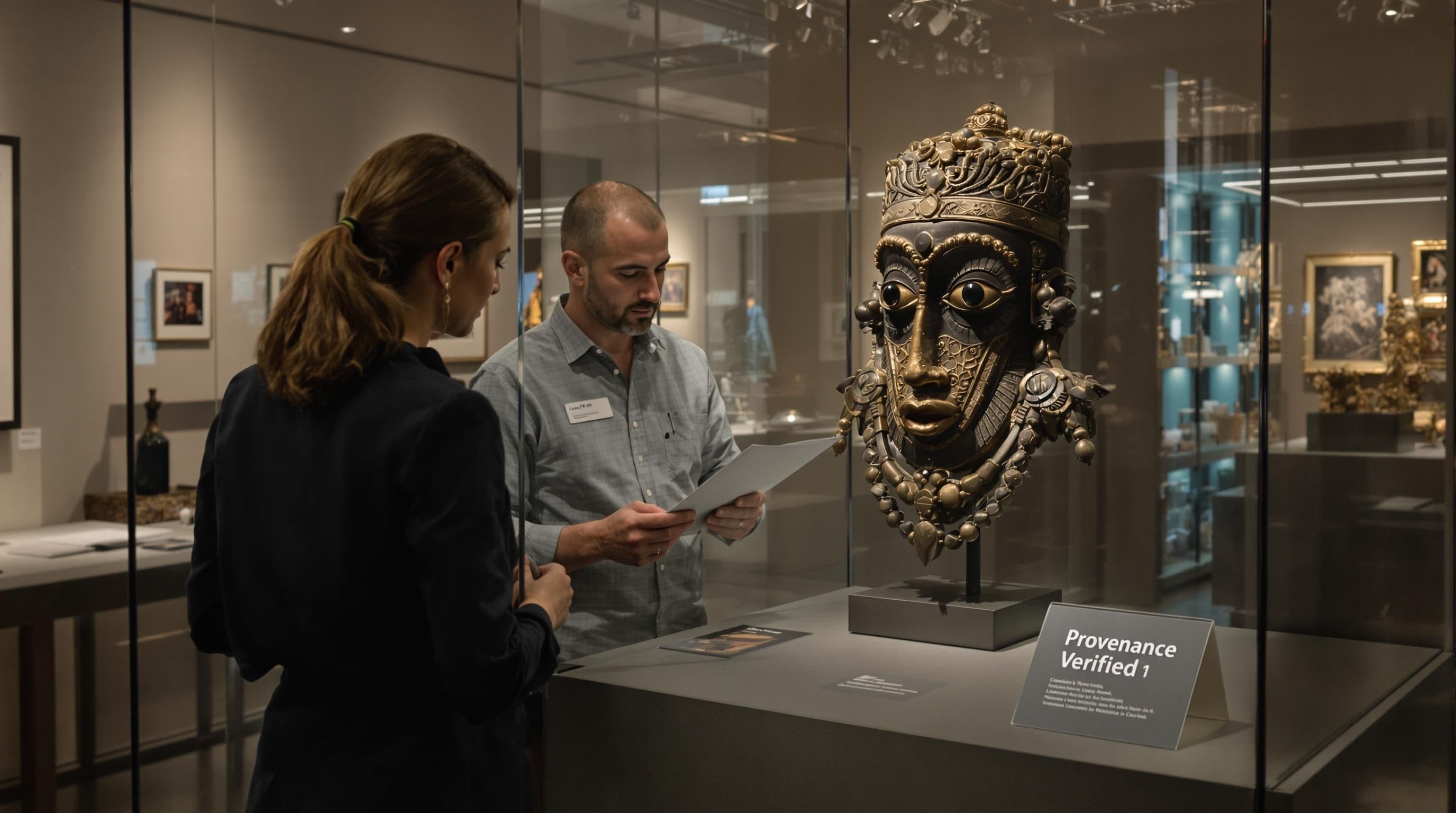
The Metropolitan Museum of Art emphasizes the critical importance of documenting an artwork’s historical journey. Authentic African art collections are built through meticulous research that traces each piece’s origin, cultural significance, and historical narrative. This process involves examining not just the artwork itself, but its broader cultural and historical context.
Key considerations for establishing authenticity include:
- Detailed documentation of the artwork’s creation
- Verification of traditional crafting techniques
- Understanding the specific cultural and tribal context
- Consultation with cultural experts and historians
Ethical Acquisition and Cultural Respect
Research published in African Arts highlights the paramount importance of ethical acquisition practices. Modern collectors must move beyond traditional collection models that often involved exploitative colonial practices. This means prioritizing purchases from legitimate sources that directly support contemporary African artists and communities.
Ethical collection strategies include:
- Purchasing directly from artists or authorized galleries
- Ensuring fair compensation for artistic work
- Supporting contemporary African artistic production
- Respecting intellectual and cultural property rights
Preservation and Scholarly Engagement
An authentic African art collection is not a static assemblage but a dynamic cultural dialogue. Collectors should view their role as custodians of cultural heritage, committed to understanding and preserving the deeper meanings embedded in each artwork. This involves ongoing education, engagement with scholarly research, and creating platforms that promote genuine cultural understanding.
Preservation techniques specific to African art require specialized knowledge. Different materials like wood, metal, textile, and clay demand unique conservation approaches. Temperature control, humidity management, and careful handling are crucial to maintaining the integrity of these delicate and historically significant pieces.
True collection excellence transcends mere possession. It represents a commitment to cultural dialogue, artistic appreciation, and respectful representation. By approaching African art with intellectual curiosity, ethical consideration, and profound respect, collectors can transform their personal collections into powerful narratives of cultural exchange and artistic excellence.
Remember that each artwork tells a story far beyond its visual attributes. It carries the memories, traditions, and creative spirit of its creators a living testament to the rich and diverse artistic traditions of the African continent.
Frequently Asked Questions
What are some of the most famous African art pieces?
African art includes iconic works like the Benin Bronzes, Benin Ivory Mask, and various ritual masks and wooden sculptures, each carrying deep cultural significance and showcasing extraordinary craftsmanship.
How can I incorporate African art into my home decor?
Incorporate African art by strategically placing pieces as focal points, using complementary design aesthetics with natural materials, and ensuring proper contextual display that respects the artwork’s cultural origins.
How do I ensure the authenticity of African art before purchasing?
To ensure authenticity, research the artwork’s provenance, consult with cultural experts, and verify the indigenous crafting techniques used in its creation to confirm its cultural and historical significance.
What ethical considerations should I keep in mind when collecting African art?
Collectors should prioritize ethical acquisition by purchasing directly from artists or authorized galleries, ensuring fair compensation, and respecting the intellectual property rights of the cultures represented in the artworks.
Transform Your Passion for African Art into a Timeless Collection
Are you captivated by the rich history and extraordinary stories behind famous African art pieces? Many collectors and decorators dream of owning authentic artworks that go beyond decoration and become part of a living cultural legacy. But finding genuine masterpieces and ensuring their ethical acquisition can be overwhelming. When provenance, authenticity, and thoughtful display matter, where do you turn for trustworthy guidance and exceptional art?

Experience the confidence of collecting with South Africa’s largest online art gallery. Discover a curated selection of works from celebrated local artists who honour traditional craft and push creative boundaries. Visit Art Online today to access exclusive pieces available right now. Take this step to build a collection that reflects your values and love for African heritage. Elevate your space with art that tells a story and secure your investment before these sought-after works move into new hands. Start your journey to an authentic collection with Art Online.