
What Is Landscape Art? A South African Perspective for 2025
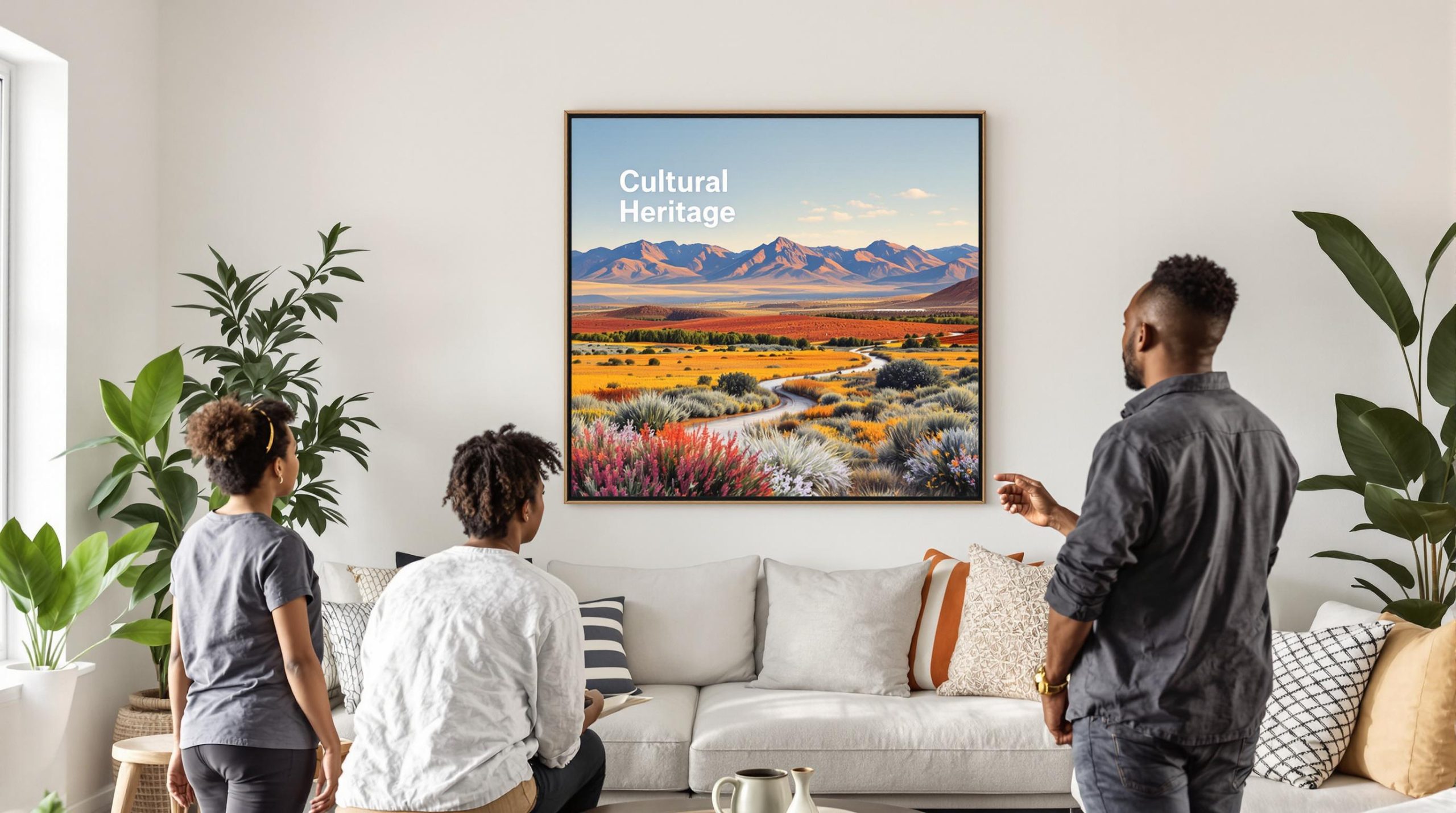
Landscape art has become more than just pretty scenery on a wall. In South Africa, it has grown into a powerful symbol of culture and heritage. Here is something unexpected. More than 70 percent of South Africans believe landscape artworks influence how they feel at home or work. This goes beyond simple decoration. These artworks hold stories and emotions that connect people to the land and to each other in ways most people never consider.
Table of Contents
- Understanding The Basics Of Landscape Art
- The Evolution Of Landscape Art In South Africa
- How Landscape Art Enhances Interior Spaces
- Choosing The Perfect Landscape Art For Your Collection
Quick Summary
| Takeaway | Explanation |
|---|---|
| Landscape art is culturally significant. | It serves as a medium for expressing identity, heritage, and environmental narratives, particularly in South Africa. |
| Art enhances interior spaces’ emotional impact. | Landscape artworks can evoke specific feelings, promoting tranquility or energising environments, depending on their themes and colours. |
| Color selection influences emotional resonance. | Selecting artwork with the right colour palette can significantly affect the mood and perception of a space. |
| Placement should consider spatial dynamics. | Thoughtful placement of landscape art is vital to ensure it harmonises with existing architectural elements and enhances the overall design. |
| Art selection reflects personal narrative and vision. | Choosing the right landscape piece should resonate with personal experiences and their stories, enriching the collector’s connection to the artwork. |
Understanding the Basics of Landscape Art
Landscape art represents a profound visual exploration of natural environments, capturing the essence of geographical spaces through artistic interpretation. At its core, landscape art transcends mere visual representation, transforming natural scenes into powerful emotional and cultural narratives.
The Fundamental Definition of Landscape Art
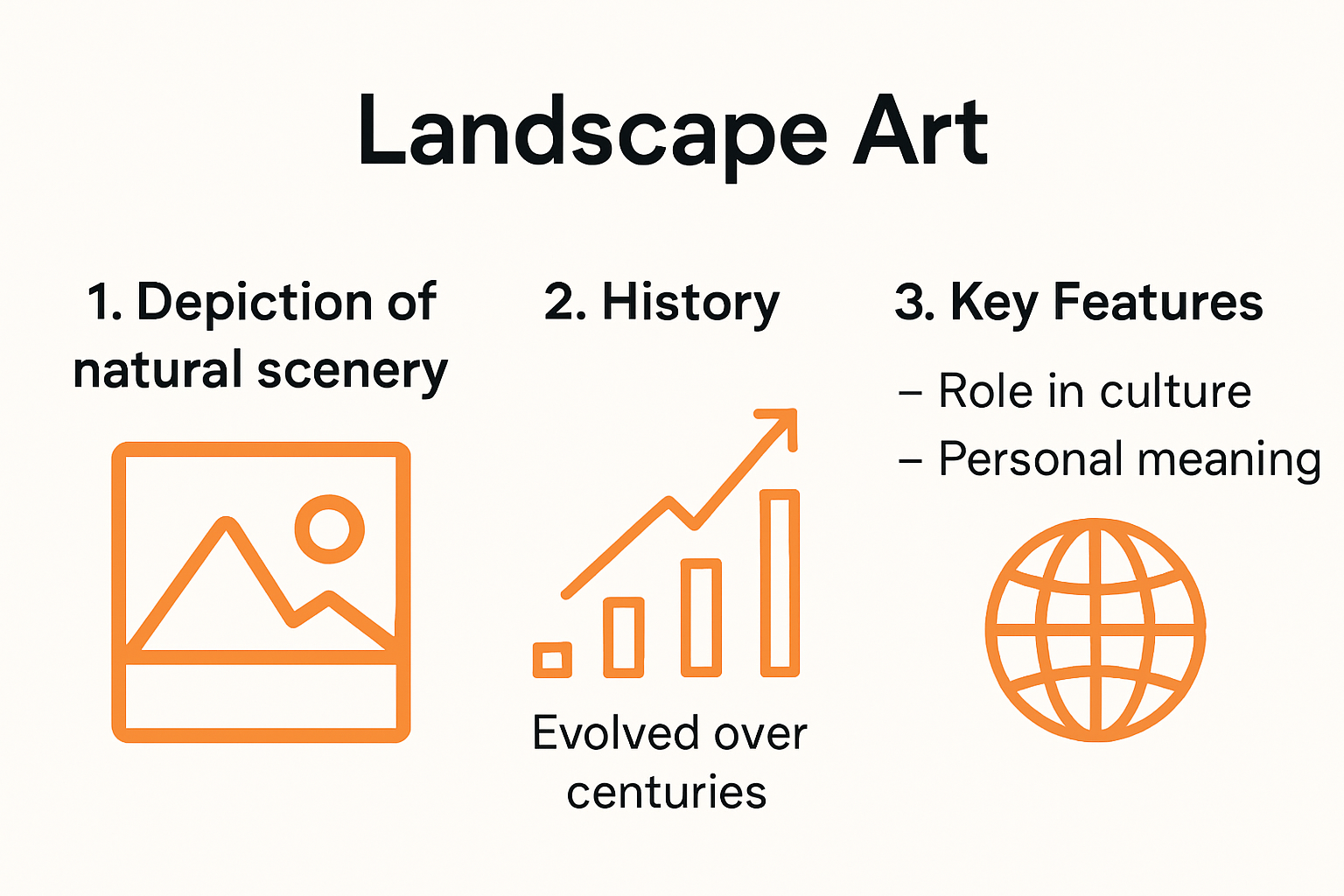
According to Tate Gallery, landscape art is a genre primarily focused on depicting natural scenery, including mountains, forests, rivers, and expansive terrains. In the South African context, this artistic tradition goes beyond simple geographical documentation, serving as a powerful medium for cultural expression and environmental storytelling.
Artists engaging in landscape art do not merely reproduce external scenes but interpret the intricate relationships between human experiences and natural environments. The genre allows creators to communicate complex emotional landscapes, reflecting societal perspectives, historical narratives, and personal connections to specific geographical spaces.
Historical Evolution and Artistic Significance
Landscape art has undergone significant transformations throughout artistic history. Initially considered a lesser form of painting, it gradually emerged as a sophisticated and nuanced artistic expression. South African landscape artists have particularly distinguished themselves by using this medium to explore themes of identity, cultural diversity, and environmental narratives.
The evolution of landscape art reflects broader cultural shifts. Early representations often focused on idyllic, romanticized scenes, while contemporary interpretations challenge traditional perspectives, incorporating more complex narratives about land, belonging, and environmental consciousness. Our guide on South African artistic styles provides deeper insights into these fascinating artistic developments.
In the South African context, landscape art becomes a profound tool for understanding national identity. Artists use natural environments not just as visual backdrops but as dynamic canvases that tell stories of geological diversity, cultural heritage, and environmental transformation. From the arid landscapes of the Karoo to the lush coastal regions, each painting becomes a narrative exploring the multifaceted relationship between people and their geographical spaces.
Understanding landscape art requires appreciating its ability to transcend simple visual representation. It is an intricate dialogue between artistic vision, environmental reality, and cultural interpretation, inviting viewers to see beyond the immediate visual scene and engage with deeper, more nuanced narratives about human experience and natural beauty.
To summarise the key shifts and significance of landscape art in South Africa across different historical periods, see the table below:
| Period | Main Characteristics | Notable Artists |
|---|---|---|
| Colonial Era | Documentation, outsider’s perspective, focus on exoticism | Thomas Baines, George French Angas |
| Modernist Era | Geometric forms, deeper cultural narratives, move from colonial lens | Hendrik Pierneef |
| Contemporary Era | Cultural commentary, environmental issues, personal histories | Willie Bester, Santu Mofokeng, Zwelethu Mthethwa |
The Evolution of Landscape Art in South Africa
South African landscape art represents a dynamic and complex journey that reflects the nation’s intricate social, political, and cultural transformations. From early colonial representations to contemporary interpretative works, the evolution of landscape art in South Africa tells a profound story of artistic expression and national identity.
Colonial Perspectives and Early Representations
During the colonial era, landscape art primarily served as a documentation tool for European settlers and explorers. According to the William Humphreys Art Gallery, early landscape paintings often portrayed the African terrain through an outsider’s lens, emphasizing exoticism and geographical curiosity rather than authentic cultural understanding.
Artists like Thomas Baines and George French Angas created meticulous watercolors and sketches that captured the landscape with scientific precision. These works, while aesthetically remarkable, frequently overlooked the indigenous perspectives and cultural significance of the spaces they depicted.
Modernist Transformations and Cultural Narratives
The emergence of modernist approaches dramatically shifted landscape art’s trajectory in South Africa. The University of Pretoria’s South African Modernism Collection highlights how artists like Hendrik Pierneef revolutionized landscape representation. Pierneef’s geometric landscapes, characterized by clean lines and stylized natural forms, symbolized a new way of perceiving the South African terrain—less as a colonial conquest and more as a complex, living environment.
During this period, landscape art began incorporating deeper cultural narratives. Artists started exploring themes of belonging, displacement, and environmental consciousness. The landscape was no longer just a scenic backdrop but a dynamic canvas representing social and political realities.
Contemporary Interpretations and Global Dialogues
Contemporary South African landscape art has evolved into a sophisticated form of cultural commentary. Explore our collection of modern landscape paintings to witness this remarkable transformation. Artists now use landscape representations to challenge historical narratives, address environmental concerns, and explore complex identities.
As noted in the South African Journal of Science, contemporary landscape art models transcend mere visual representation. They serve as critical platforms for discussing ecological changes, social transformations, and the ongoing negotiation of national identity.
Modern South African landscape artists like Willie Bester, Santu Mofokeng, and Zwelethu Mthethwa create works that deconstruct traditional landscape art paradigms. Their paintings integrate personal histories, political commentary, and environmental perspectives, transforming landscape art from a passive descriptive medium into an active form of social dialogue.
The evolution of landscape art in South Africa mirrors the nation’s complex journey—from colonial documentation to modernist reinterpretation, and now to a globally recognized, nuanced artistic expression that speaks to universal human experiences while remaining deeply rooted in local contexts.
How Landscape Art Enhances Interior Spaces
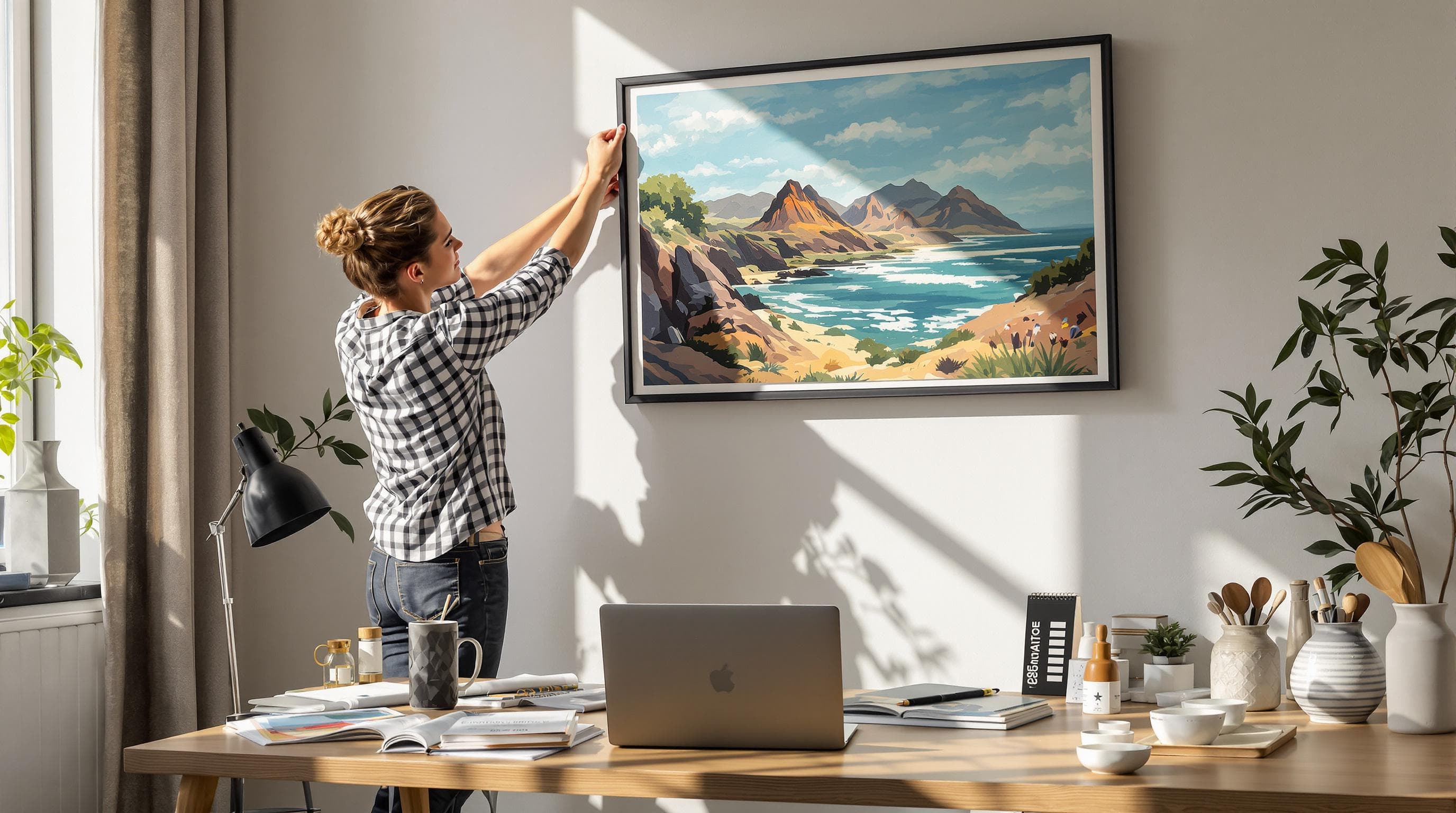
Landscape art transcends traditional decorative elements, transforming interior spaces into dynamic environments that communicate emotion, cultural identity, and aesthetic sophistication. By strategically integrating landscape artworks, interior designers and homeowners can create profound sensory experiences that extend far beyond mere visual decoration.
Psychological and Emotional Impact
Research from the Applied Mathematics and Nonlinear Sciences journal reveals that landscape art significantly influences human psychological responses within interior spaces. These artworks do more than fill wall space they create emotional landscapes that can modulate mood, reduce stress, and generate a sense of connection with natural environments.
Interior spaces featuring landscape art can evoke feelings of tranquility, expansiveness, and contemplation. A carefully selected South African landscape painting might transport viewers to the sweeping plains of the Karoo, the lush coastal regions, or the rugged mountain terrains, creating a powerful sensory narrative within a room. The visual depth and emotional resonance of these artworks can transform mundane spaces into extraordinary experiences.
Cultural Identity and Design Narrative
According to research in design studies, landscape art serves as a critical medium for expressing cultural narratives within interior design. In the South African context, these artworks become more than decorative elements they are profound statements of identity, heritage, and environmental consciousness.
Designers and homeowners can use landscape art to create spaces that tell stories. Explore our curated collection of South African artists to discover artworks that can transform your interior spaces into meaningful cultural expressions. Each painting becomes a conversation piece, inviting viewers to engage with the rich visual history and diverse perspectives embedded in South African artistic traditions.
Strategic Placement and Aesthetic Considerations
The strategic placement of landscape art requires a nuanced understanding of spatial dynamics, color theory, and emotional resonance. Different interior styles demand different approaches to art integration. A minimalist space might benefit from a bold, geometric landscape that provides visual contrast, while a more traditional setting could incorporate soft, impressionistic representations that complement existing design elements.
Consider the emotional tone of the landscape artwork in relation to the room’s function. A vibrant, energetic landscape might invigorate a home office, while a serene, muted scene could create a calming atmosphere in a bedroom or meditation space. The artwork’s color palette, composition, and subject matter should harmonize with the room’s existing design elements, creating a cohesive and meaningful visual experience.
Landscape art in interior spaces is not merely about decoration but about creating environments that breathe, communicate, and inspire. By thoughtfully selecting and integrating these artworks, individuals can transform their living and working spaces into dynamic canvases that reflect personal taste, cultural heritage, and a deep connection to the natural world.
Below is a summary table showing how different qualities of landscape art enhance various aspects of interior spaces:
| Quality of Landscape Art | Impact on Interior Space | Best Placement Examples |
|---|---|---|
| Calm, cool colours | Creates tranquility, reduces stress | Bedrooms, meditation rooms |
| Warm, vibrant colours | Energises, stimulates creativity | Home offices, living rooms |
| Geometric/modern forms | Adds visual contrast, modern sophistication | Minimalist or contemporary areas |
| Soft, impressionistic style | Complements tradition and comfort | Traditional or cosy spaces |
| Iconic SA natural scenes | Strengthens cultural identity, sparks conversation | Entryways, dining rooms |
Choosing the Perfect Landscape Art for Your Collection
Selecting landscape art is an intimate journey of personal expression, cultural connection, and aesthetic appreciation. The process goes beyond mere decoration, representing a nuanced dialogue between the artwork, the collector, and the environment in which it will reside.
Understanding Color and Emotional Resonance
According to the University of Florida’s Institute of Food and Agricultural Sciences, color plays a critical role in creating emotional landscapes within interior spaces. Cool colors like blues and greens can evoke tranquility and create a sense of spaciousness, while warm tones such as reds and oranges introduce energy and intimacy.
When selecting South African landscape art, consider how the color palette will interact with your existing interior design. A painting featuring the soft lavenders of the Namaqualand wildflower fields might introduce a calming element to a minimalist space, while a vibrant depiction of a sunset over the Drakensberg Mountains could become a dynamic focal point in a more neutral environment.
Architectural Harmony and Artwork Placement
Houzz design experts emphasize the importance of selecting art that relates harmoniously to existing architectural elements. Consider the size, shape, texture, and overall composition of the landscape artwork in relation to your space. A large, sweeping landscape might overwhelm a small room, while a more intimate piece could get lost in a expansive area.
Explore our curated collection of South African artists to find pieces that complement your unique interior design vision. The right artwork should feel like an organic extension of your space, not an afterthought.
Defining Your Artistic Vision
As recommended by Mashamba Design’s Outdoor Art Guide, defining the purpose and vision for your art collection is crucial. Ask yourself what emotions you want the artwork to evoke. Are you seeking a piece that reminds you of a specific landscape? Do you want an artwork that challenges perspectives or offers a sense of serenity?
Consider the narrative behind the artwork. South African landscape art often tells stories of cultural identity, environmental transformation, and historical journeys. A landscape painting is not just a visual representation but a window into complex social and personal narratives.
Additionally, think about the long-term relationship with the artwork. A truly remarkable landscape piece should continue to reveal new details and evoke different emotions with each viewing. It should be a conversation starter, a source of inspiration, and a reflection of your personal aesthetic and cultural appreciation.
Choosing the perfect landscape art is an art form in itself. It requires patience, intuition, and a deep understanding of how visual narratives can transform spaces and enrich personal environments. By approaching your selection with thoughtfulness and an open heart, you can build a collection that not only decorates a space but also tells a profound story of artistic expression and cultural connection.
Frequently Asked Questions
What is landscape art?
Landscape art is a genre focused on depicting natural scenery such as mountains, forests, and rivers. It serves as a medium for cultural expression, storytelling, and environmental narratives, particularly in South Africa.
How has landscape art evolved in South Africa?
Landscape art in South Africa has evolved from colonial representations that emphasized exoticism to modernist interpretations that explore deeper cultural narratives and contemporary works that comment on environmental and social issues.
Why is landscape art significant in South African culture?
Landscape art holds significant cultural value in South Africa as it expresses identity, heritage, and the complex relationship between people and the land, transforming landscapes into powerful narratives that resonate with viewers.
How can landscape art enhance interior spaces?
Landscape art can enhance interior spaces by creating emotional connections, evoking specific feelings based on color and themes, and serving as a focal point that reflects cultural identity and personal narratives.
Experience South African Landscape Art in Your Own Space
Have you ever stared at a blank wall, wishing it could tell a story or spark memories of South African scenery? The article showed how landscape art can transform a space emotionally, create a sense of identity, and bring calm or energy to your environment. Maybe you are searching for an artwork that speaks to your heritage or you want to add meaning beyond simple decoration.

Now is your chance to find the perfect artwork that fits your story and space. Browse South Africa’s largest online art gallery and discover authentic landscape paintings by the country’s most renowned artists. Take your time to explore our curated selection of landscape artworks by South African artists that echo the themes and emotional impact discussed in the article. Find the piece that fits your vision and let your interior become a reflection of South Africa’s unique landscapes. Start your journey today at Art Online.