
What Is Portraiture Art? Guide for Collectors & Decorators 2025

Portraiture art digs much deeper than just showing a face on canvas or paper. While most people think of portraits as stiff formal depictions of rich or royal folks, the truth is that contemporary South African artists are using portraiture to explore bold themes like queer identity and social change, turning it into a form of visual activism. What might surprise you is that with new technology like AI, the very idea of what a portrait is has shifted completely, opening up wild new possibilities for both collectors and decorators.
Table of Contents
- Defining Portraiture Art In South Africa
- History And Styles Of Portraiture Art
- Choosing The Right Portrait For Your Space
- Portraiture Art Trends For Collectors In 2025
Quick Summary
| Takeaway | Explanation |
|---|---|
| Portraiture reflects cultural narratives. | South African portraiture goes beyond likeness, capturing complex social identities and histories. |
| Contemporary techniques redefine portraiture. | Artists are using innovative methods to challenge traditional representations and explore deeper social themes. |
| Select portraits for emotional resonance. | Choose artworks that evoke specific feelings reflective of your personal or professional space’s purpose. |
| Technology reshapes portrait art. | Recent advancements like AI and virtual reality are innovating how portraits are created and experienced. |
| Consider artworks’ storytelling potential. | Look for pieces that convey significant narratives, enhancing their value and conversation-starting ability. |
Defining Portraiture Art in South Africa
Portraiture art represents a profound visual narrative that transcends mere representation, capturing the essence of human identity and cultural complexity. In South Africa, portraiture emerges as a powerful medium of artistic expression, reflecting the nuanced social landscapes and personal experiences of diverse communities.
Historical Context and Cultural Significance
Portraiture in South Africa is not simply about creating a likeness but about telling complex stories of identity, resistance, and transformation. Research from the University of Pretoria reveals how contemporary artists challenge traditional portraiture by employing innovative techniques that question racial classifications and individual representation.
Traditionally, portraiture served multiple purposes beyond aesthetic appreciation. Artists used visual representations to document social dynamics, challenge political narratives, and assert individual and collective identities. The work of photographers and painters became a form of visual resistance, particularly during the apartheid era, where representation itself was a political act.
Contemporary Artistic Approaches
Modern South African portraiture has evolved dramatically, incorporating diverse mediums and conceptual frameworks. According to a critical analysis in ‘de arte’, contemporary artists like Zanele Muholi have transformed portraiture into a powerful tool of visual activism. Muholi’s work, for instance, represents black queer identities, challenging societal norms and creating visibility for marginalized communities.
Contemporary artists employ various techniques to deconstruct traditional portraiture: using masks, creating series that challenge individual representation, and exploring themes of racial, gender, and social identity. These approaches move beyond simple physical likeness to explore deeper psychological and social narratives.
Significance for Art Collectors and Decorators
For art collectors and interior decorators, South African portraiture offers more than aesthetic value. These artworks represent significant cultural documents that tell compelling stories. Each piece becomes a conversation starter, a window into complex social histories and personal experiences.
When selecting portraiture for collection or interior design, consider the narrative depth, the artist’s background, and the historical context. These artworks are not mere decorative elements but powerful statements of cultural identity and artistic expression. Read more about emerging South African artists who are redefining portraiture and pushing artistic boundaries.
Understanding portraiture in South Africa means recognizing art as a dynamic, evolving form of communication that speaks to individual and collective experiences, challenging viewers to look beyond surface representations and engage with deeper social narratives.
History and Styles of Portraiture Art
Portraiture art has a rich and complex history that reflects the evolving social, cultural, and technological landscapes of human expression. From ancient cave paintings to contemporary digital representations, portraiture has served as a powerful medium for capturing human essence, social dynamics, and individual identity.
Early Origins and Traditional Approaches
The origins of portraiture can be traced back to prehistoric times, where early humans created rudimentary representations of human figures. Archaeological research from the University of Cape Town suggests that early African rock art and cave paintings represented not just physical appearances but also social roles and spiritual connections.
Traditional portraiture styles were predominantly realistic, focusing on capturing physical likeness and social status. Royal and aristocratic portraits were particularly significant, serving as symbols of power, wealth, and social hierarchy. Painters used techniques like oil painting, watercolor, and detailed sketching to create intricate representations that highlighted the subject’s social standing and personal characteristics.
Evolving Artistic Techniques
As artistic techniques developed, portraiture expanded beyond simple representation. Research from the Wits Art Museum indicates that modernist movements significantly transformed portraiture, introducing abstract, expressionist, and conceptual approaches. Artists began exploring psychological depth, emotional landscapes, and social narratives through their work.
Key styles that emerged include:
- Realist Portraiture: Focuses on precise, detailed representation
- Impressionist Portraiture: Emphasizes emotional and atmospheric qualities
- Cubist and Abstract Portraiture: Deconstructs traditional representation
- Conceptual Portraiture: Uses the human form to explore complex social themes
Below is a summary table that highlights the key portraiture styles discussed and their main features.
| Style | Main Features |
|---|---|
| Realist Portraiture | Detailed, precise representation |
| Impressionist Portraiture | Focus on emotion and atmosphere |
| Cubist & Abstract Portraiture | Deconstruction of traditional forms |
| Conceptual Portraiture | Use of human form to explore social themes |
Contemporary Portraiture in the Digital Age
The digital revolution has dramatically transformed portraiture, introducing new mediums and techniques. Contemporary artists now use photography, digital manipulation, mixed media, and interactive technologies to create complex, multilayered representations. Read more about innovative artistic techniques that are pushing the boundaries of traditional art forms.
Modern portraiture often challenges traditional notions of identity, representation, and perception. Artists use portraiture as a tool for social commentary, exploring themes of gender, race, sexuality, and cultural identity. The boundaries between photography, digital art, and traditional painting have become increasingly blurred, creating exciting new possibilities for artistic expression.
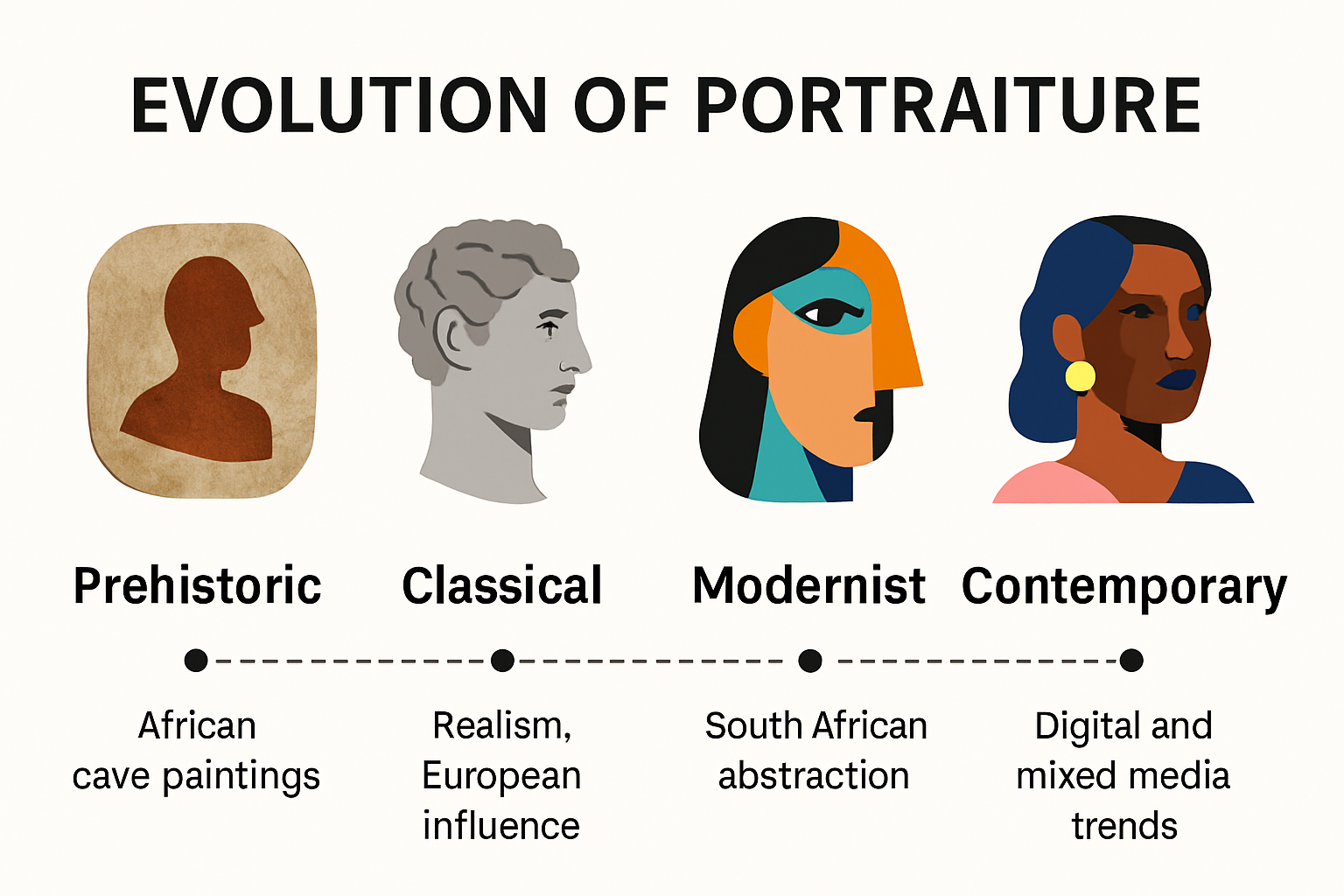
For art collectors and decorators, understanding the historical progression of portraiture provides deeper appreciation for these complex visual narratives. Each portrait represents not just an individual, but a moment in cultural and artistic evolution, offering a window into human experience and societal transformation.
Choosing the Right Portrait for Your Space
Selecting the perfect portrait for your living or working space requires careful consideration of artistic value, aesthetic harmony, and personal connection. The right artwork can transform a room, creating emotional depth and visual intrigue while reflecting your unique style and sensibilities.
Understanding Visual Harmony and Proportions
Interior design research from the Art of Design Magazine emphasizes the critical importance of artwork scale and placement. Successful portrait selection involves understanding how the piece interacts with your existing environment. Large portraits can serve as dramatic focal points in spacious rooms, while smaller pieces work beautifully in intimate spaces like studies or hallways.
Key considerations for visual harmony include:
- Color Palette: Choose portraits that complement or intentionally contrast your room’s existing color scheme
- Wall Space: Assess available wall dimensions to determine appropriate artwork size
- Lighting: Consider how natural and artificial light will interact with the portrait’s texture and colors
Below is a table summarising practical tips and considerations for selecting the right portrait for your space.
| Consideration | Description |
|---|---|
| Colour Palette | Complements or contrasts with room’s existing colours |
| Wall Space | Proper sizing relative to available dimensions |
| Lighting | Interaction of natural/artificial light with artwork |
| Emotional Impact | Mood or feeling artwork brings to space |
| Personal Story | Connection to the portrait’s narrative or subject |
| Long-Term Appeal | Lasting visual and emotional attractiveness |
| Investment Value | Potential for appraisal or collection value |
Emotional and Thematic Resonance
Design experts from Decorilla suggest that artwork should evoke specific emotional responses aligned with each room’s purpose. A bedroom might benefit from serene, contemplative portraits that promote relaxation, while living areas could feature more dynamic, energetic compositions.
When selecting a portrait, consider these emotional dimensions:
- Personal connection to the artwork’s narrative
- The mood and atmosphere you wish to create
- How the portrait reflects your personal or professional identity
Practical Selection Strategies
Beyond aesthetic considerations, practical strategies can guide your portrait selection. Interior design guidelines recommend evaluating artwork’s potential to enhance spatial perception and create visual interest.
Practical tips include:
- Selecting pieces that create visual balance
- Choosing portraits that tell a story or spark conversation
- Considering the artwork’s long-term appeal and potential investment value
Explore our curated collection of distinctive art pieces that can transform your living spaces. Remember that the perfect portrait is more than a decorative element it is a personal statement that communicates your unique aesthetic sensibility and emotional landscape.
Portraiture Art Trends for Collectors in 2025
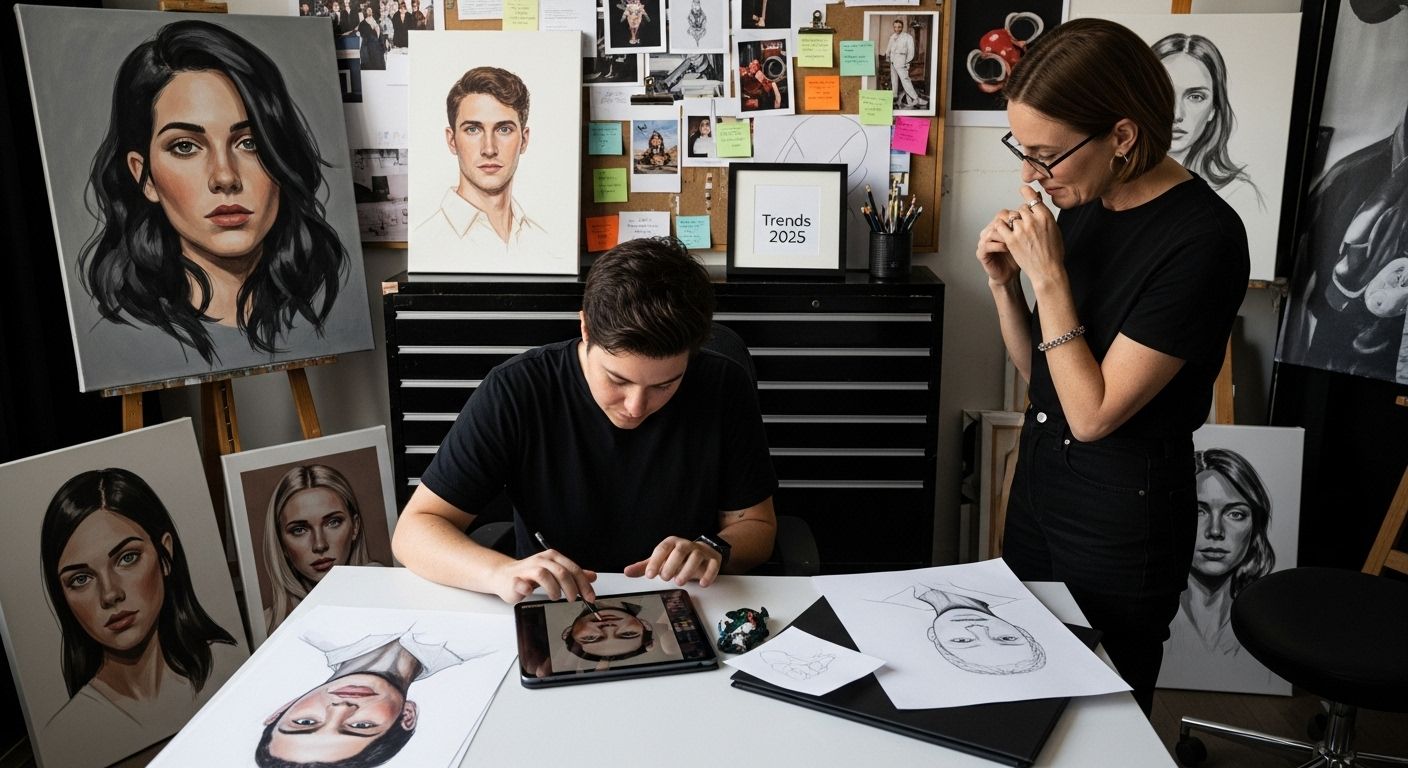
The portraiture art landscape is experiencing a dynamic transformation in 2025, characterized by technological innovation, social consciousness, and unprecedented artistic expression. Collectors are witnessing a fascinating convergence of traditional techniques and cutting-edge approaches that challenge conventional representations of human identity.
Technological Innovation in Portraiture
Art market experts highlight the revolutionary impact of artificial intelligence and virtual reality on portraiture. Artists are increasingly using AI algorithms to generate complex, multilayered portraits that blur the boundaries between human creativity and machine intelligence. These technological interventions create portraits that shimmer with algorithmic complexity, offering collectors unique pieces that represent the intersection of human emotion and digital perception.
Key technological trends include:
- AI-Generated Portraits: Artworks created through machine learning algorithms
- Virtual Reality Experiences: Immersive portrait installations
- Digital Manipulation Techniques: Transforming traditional portraiture through advanced digital tools
Social and Cultural Narratives
Contemporary art research reveals a profound shift towards portraiture as a medium of social commentary. Artists are using portraits to explore complex themes of identity, resilience, and cultural representation. Discover emerging Black artists making significant contributions who are reshaping the narrative of portraiture through powerful, socially engaged works.
Contemporary portraiture now encompasses:
- Explorations of gender and racial identity
- Challenges to traditional representation
- Narratives of personal and collective experience
Emerging Collector Considerations
For art collectors in 2025, the value of a portrait extends beyond its aesthetic appeal. Creative art experts suggest that collectors are now seeking artworks that tell compelling stories, challenge perceptions, and demonstrate technological or conceptual innovation.
Below is a summary table of collector considerations and key portraiture trends for 2025.
| Collector Consideration | 2025 Portraiture Trend |
|---|---|
| Artistic & Financial Value | Long-term investment and uniqueness |
| Technological Innovation | AI, VR, and digital creation techniques |
| Social/Cultural Significance | Engagement with identity and community |
| Narrative Power | Strong storytelling and conversation points |
| Artistic Approach | Distinct conceptual or experimental methods |
Key considerations for collectors include:
- Potential for long-term artistic and financial value
- Technological innovation in artistic creation
- Social and cultural significance of the artwork
- Artist’s unique perspective and creative approach
The portraiture art market in 2025 represents a dynamic ecosystem where technology, social consciousness, and artistic innovation converge. Collectors are no longer just acquiring visual representations but are investing in complex narratives that reflect the intricate human experience of our time. Each portrait becomes a conversation piece, a technological artifact, and a social document that transcends traditional artistic boundaries.
Frequently Asked Questions
What defines portraiture art in South Africa?
Portraiture art in South Africa transcends simple likeness to capture the essence of human identity and cultural complexity. It reflects diverse social narratives, identities, and experiences, often serving as a medium for visual activism.
How has contemporary portraiture evolved in recent years?
Contemporary portraiture has evolved by incorporating diverse mediums and techniques, including digital art, photography, and mixed media. Artists are challenging traditional representations to explore deeper social themes, including identity, resilience, and cultural representation.
What factors should I consider when selecting a portrait for my space?
When selecting a portrait, consider elements like visual harmony, emotional and thematic resonance, size and scale relative to your space, lighting, and the narrative or story the artwork conveys.
What are the current trends in portraiture art for collectors in 2025?
Key trends for collectors in 2025 include technological innovations such as AI-generated artworks, a strong focus on social and cultural narratives, and a preference for pieces that tell compelling stories and challenge traditional notions of identity.
Ready to Bring Powerful Portraiture into Your Space?
Are you struggling to find a portrait that resonates with your story or transforms your room the way true South African art can? The article has shown how modern portraiture is not just about faces. It’s about cultural identity, social change and personal connection. If you want your collection or interiors to be more than just beautiful, but also deeply meaningful, you need access to authentic, expertly curated artworks.

At Art Online, you can discover a vast selection of South Africa’s most striking portraits. Experience pieces that speak to you, whether for their emotional depth or unique style. Why wait? Tap into our latest offerings from renowned South African artists and start building a collection that truly matters. Take the next step and let your space reflect your story today.
Recommended
- Famous South African Artists: 2025 Guide for Collectors & Decorators – Art-Online
- Top Art Festivals in South Africa 2025 for Collectors & Decorators – Art-Online
- What Is Still Life? Guide for South African Collectors 2025 – Art-Online
- What Is Landscape Art? A South African Perspective for 2025 – Art-Online
- Portrait Photography – 10 Advanced Tips for Striking Results | Effortlessly Professional Websites
Portrait Art History: From Classics to Modern Canvas (2025)
– Exclusive Canvas Art