Posted on Leave a comment

Understanding Textures in Painting: An In-Depth Guide
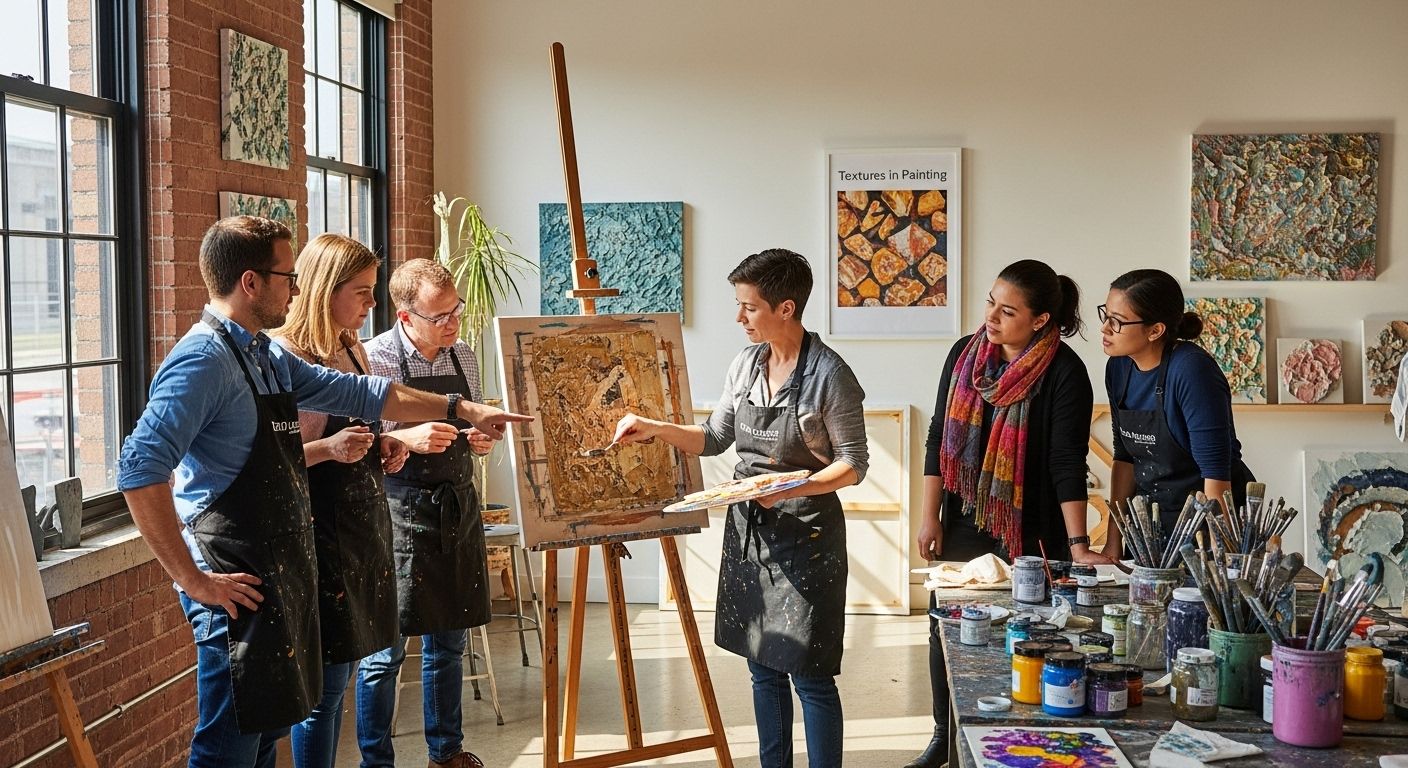
painting studio artist texture


Textures in painting often get described as a background detail or just a way to make art feel less flat. Yet, here is what most people miss. Scientists found that wall textures can actually alter how you feel in a space, impacting psychological well-being and even relaxation levels. The real surprise is, texture is not just a technical trick for artists. It is a direct line to your emotions and the atmosphere around you.

Table of Contents

Quick Summary

TakeawayExplanation
Textures enhance emotional resonance.Texture serves as a powerful communication tool, evoking emotions like calmness or tension through surface qualities.
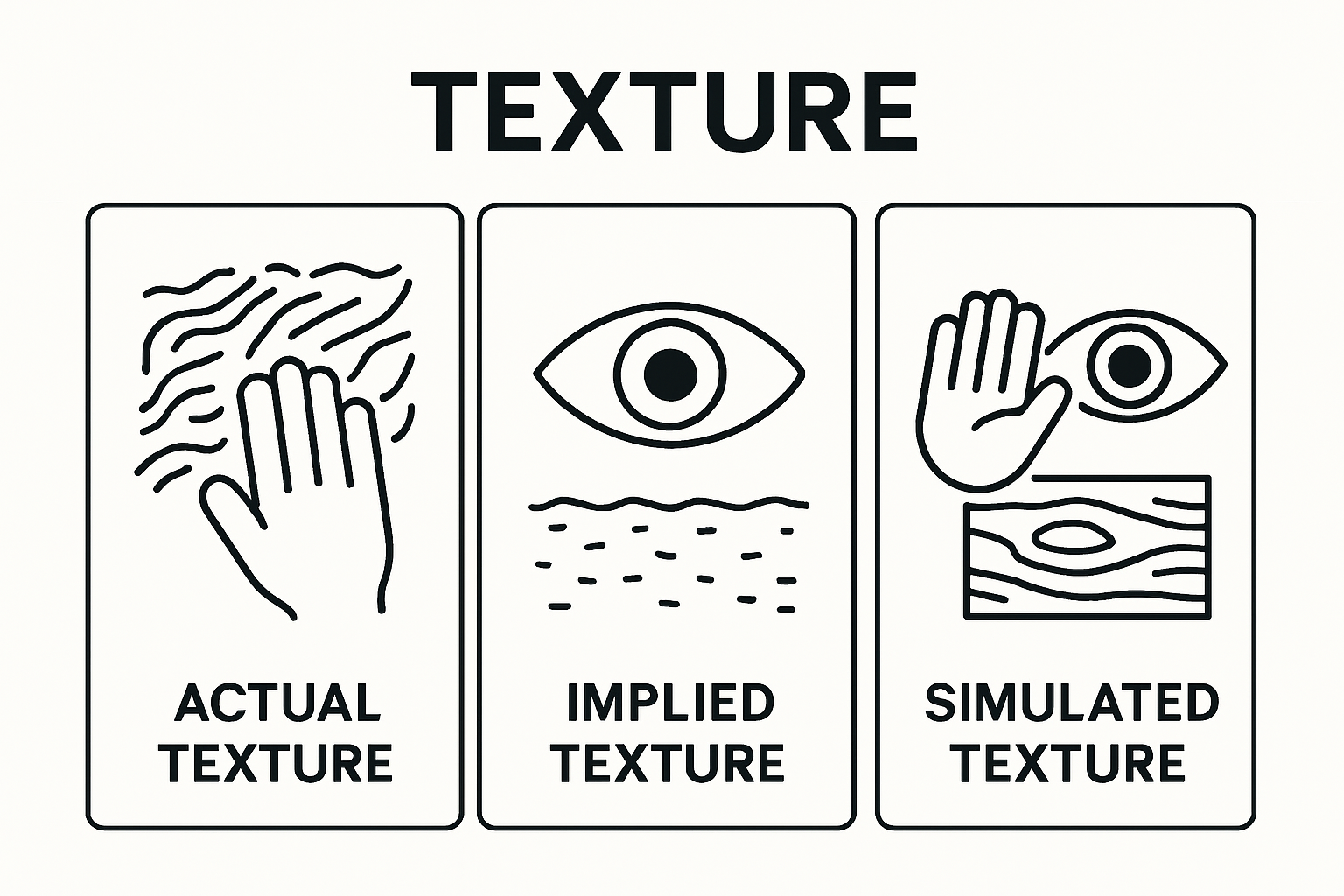
Different types of texture exist.Actual, implied, and simulated textures allow artists to engage viewers through tactile or visual sensations without physical depth.
Texture influences viewer perception.Artists use texture to guide interpretation and suggest underlying emotional layers, enhancing the narrative power of artwork.
Art techniques create texture depth.Various methods, from brushwork to mixed media, enrich surfaces and transform flat paintings into dynamic, interactive experiences.
Texture impacts interior design.In interior spaces, texture shapes emotional responses and perceptions, influencing comfort and atmosphere through material selection.

Defining Textures in Painting: What They Are and Why They Matter

Textures in painting represent a fundamental artistic element that transforms visual experiences from flat representations into dynamic, engaging compositions. According to the National Gallery of Art, texture is the look and feel of a surface that artists manipulate to create sensory depth and emotional resonance.

Visual and Tactile Dimensions of Texture

Texture in painting operates on two primary levels: visual and tactile. Visual texture refers to the perceived surface quality that artists create through paint application techniques, brushwork, and material manipulation. This dimension allows viewers to imagine how a surface might feel without physically touching it. Tactile texture, by contrast, involves actual physical roughness or smoothness that can be experienced through touch.

Artists employ multiple techniques to generate texture, including:

  • Layering paint with varying thickness
  • Using different brush sizes and stroke styles
  • Incorporating unconventional materials like sand or fabric into their work
  • Creating visual illusions of depth and surface complexity

The Emotional and Perceptual Impact of Texture

It transcends mere visual representation. It serves as a powerful communication tool that evokes emotional responses and guides viewer perception. By carefully manipulating surface qualities, artists can create sensations of softness, harshness, tranquility, or tension. It enables painters to communicate beyond colour and form, inviting audiences to engage more intimately with the artwork.
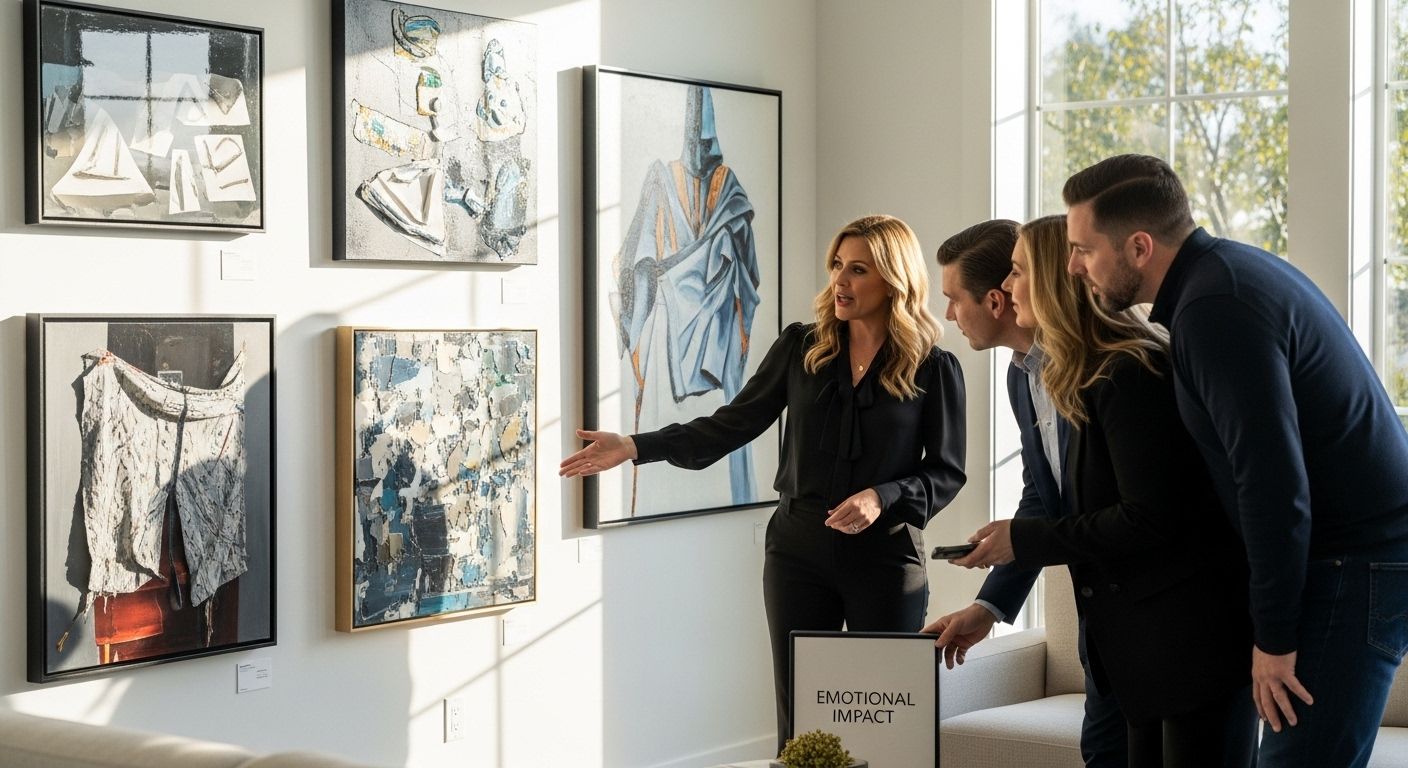
interior design art texture

For those interested in exploring how artists select and utilise materials, check out our guide on artist material selection. Understanding texture helps collectors and art enthusiasts appreciate the nuanced techniques that transform simple paint into compelling visual experiences.

The Importance of Texture in Art: Enhancing Emotion and Depth

Texture represents far more than a visual element in art. As explored by Humanities LibreTexts, it is a profound communication mechanism that transforms two-dimensional surfaces into immersive sensory experiences.

Psychological and Emotional Connections

Artists strategically utilise texture to forge deep psychological connections with viewers. Emotional resonance emerges through carefully crafted surface qualities that trigger sensory memories and subconscious responses. Smooth textures might evoke feelings of calm and serenity, while rough, uneven surfaces can communicate tension, struggle, or complexity.

Key emotional responses generated through texture include:

  • Creating a sense of intimacy
  • Provoking contemplative states
  • Stimulating visceral reactions
  • Communicating psychological landscapes

Narrative and Representational Power

Texture transcends aesthetic decoration, functioning as a powerful narrative tool. Painters use textural variations to guide viewer interpretation, suggesting depth, movement, and underlying emotional contexts. By manipulating surface qualities, artists can represent abstract concepts like vulnerability, resilience, or transformation without relying solely on representational imagery.

Dimensionality and depth emerge through sophisticated textural techniques. Impasto methods, where paint is applied thickly, create literal and metaphorical layers of meaning. These techniques invite viewers to explore not just what is depicted, but how it is presented.

For art enthusiasts eager to understand the intricate world of artistic techniques, explore our comprehensive guide to artist materials and discover how professionals select tools that enhance textural expression.

Types of Textures: A Look at Actual, Implied, and Simulated Textures

Textures in painting are complex and multifaceted, presenting artists with diverse methods of engaging viewers. According to the California State University’s Art Foundations resource, texture represents more than surface appearance – it is a nuanced artistic language communicating depth, emotion, and sensory experience.

Actual Texture: Physical Dimensionality

Actual texture represents the genuine, tangible surface quality that can be physically touched and experienced. Artists create actual texture through techniques like impasto, where paint is applied thickly and creates literal three-dimensional surfaces. Techniques for generating actual texture include:

  • Adding physical materials like sand or fabric to paint
  • Using palette knives for thick, raised paint applications
  • Incorporating mixed media elements
  • Creating deliberate surface irregularities

These methods transform paintings from flat representations into textured, interactive artworks that invite both visual and tactile exploration.

Implied and Simulated Textures: Visual Illusions

Unlike actual texture, implied and simulated textures are visual representations that suggest surface qualities without physical depth. Artists skillfully use brushwork, color variations, and detailed rendering to create the illusion of different surface characteristics. These techniques allow painters to communicate textural sensations through purely visual means.

Below is a comparison table that clearly distinguishes between actual, implied, and simulated textures as described in the article. This helps readers quickly grasp the differences and purposes of each texture type in painting.

Texture TypeDefinitionHow It Is CreatedExample in Painting
Actual TextureGenuine, tangible surface that can be touchedImpasto, palette knife, adding materials like sand/fabricThick, raised paint strokes
Implied TextureVisual suggestion of surface qualities without physical depthBrushwork, detailed rendering, colour variationsPainted folds on fabric
Simulated TextureSkillful illusion of texture that mimics real surfaces using visual meansCareful replication with paint to mimic real materialsMarble or stone rendered realistically

Simulated textures might represent:

Infographic comparing actual, implied, and simulated texture in painting.

  • Smooth marble surfaces
  • Rough stone walls
  • Soft fabric folds
  • Metallic reflections

For art enthusiasts seeking deeper insights into artistic techniques, explore our comprehensive guide to artist materials and understand how professionals craft these intricate textural experiences.

Techniques for Creating Texture: Tools and Methods Used by Artists

Artists employ a sophisticated array of techniques to transform flat surfaces into rich, textural experiences. As University of Delaware’s Art Foundations program explains, texture creation is both a technical skill and an artistic expression that goes beyond simple surface manipulation.

Traditional Painting Tools and Techniques

Brushwork represents the foundational method for creating texture. Different brush types and application methods generate unique surface qualities. Artists strategically select tools to achieve specific textural effects:

  • Flat brushes for smooth, even layers
  • Bristle brushes for rough, visible stroke textures
  • Fan brushes for blending and creating soft transitions
  • Palette knives for thick, sculptural paint applications

These tools allow painters to create varied surface interactions that engage viewers visually and emotionally.

Advanced Textural Manipulation Methods

Mixed media techniques expand traditional painting boundaries. Artists incorporate unconventional materials to generate complex textures. These innovative approaches include:

  • Embedding sand or fabric into paint
  • Using modeling paste for three-dimensional effects
  • Applying glue or gel mediums for raised surfaces
  • Incorporating found objects and natural materials

By experimenting with material combinations, artists transform paintings into multisensory experiences that transcend traditional two-dimensional representations.

The following table outlines traditional and advanced methods artists use to create texture in their paintings. This overview makes it easier to distinguish between classic approaches and more experimental or mixed media techniques, aiding both new and experienced artists in technique selection.

Technique TypeMethods and ToolsResulting Texture Effects
TraditionalFlat, bristle, fan brushes; palette knivesSmooth, rough, blended, or sculptural
AdvancedMixed media, sand, fabric, modeling paste, gelRaised, complex, three-dimensional
ExperimentalEmbedding found objects, incorporating natural materialsMultisensory, unconventional, layered

Discover the essential artist materials that professional painters use to create these intricate textural landscapes, and unlock the secrets behind compelling artistic techniques.

The Role of Texture in Interior Design: Creating Atmosphere and Style

Texture transcends visual aesthetics, functioning as a critical design element that shapes psychological experiences within interior spaces. According to research published in the International Journal of Environmental Research and Public Health, wall textures profoundly influence spatial perception and emotional responses.

Psychological Impact of Textural Environments

Sensory interactions with different materials trigger complex psychological responses. Textural choices communicate subtle emotional messages, transforming rooms from mere physical spaces into dynamic environments that evoke specific feelings and memories. Textures can:

  • Create feelings of warmth and comfort
  • Establish a sense of sophistication
  • Generate psychological boundaries
  • Communicate emotional depth

Interior designers strategically manipulate surface qualities to guide human perception and emotional experiences.

Material Selection and Emotional Resonance

Texture selection involves understanding how different materials interact with human sensory systems. Smooth surfaces might communicate modernity and simplicity, while rough textures suggest authenticity and groundedness. Research indicates that material choices significantly impact psychological well-being, with certain textures promoting relaxation and mental restoration.

Key considerations in textural design include:

  • Reflective properties of materials
  • Tactile sensations
  • Visual complexity
  • Cultural and personal associations

By carefully curating textural landscapes, designers create immersive environments that speak to deeper human experiences. Learn more about artistic material selection and understand how professionals craft compelling sensory journeys through intentional design choices.

Experience the Power of Texture in South African Art

Are you captivated by the way texture in painting creates depth and emotion but unsure how to connect this visual richness with artworks for your own space? Many art lovers struggle to find original pieces where actual and implied textures jump off the canvas and transform a room. If you want to experience these textural techniques first-hand, explore art made by South Africa’s leading artists—each piece tells a story not just through visuals, but through the tangible surface and unique brushwork described in our guide.

https://art-online.co.za

Discover how the right textures can shift the atmosphere of your home or office and create a lasting impact. View our full selection at Art Online, where you can browse inspiring works by local masters. Take the next step to own an artwork that brings everything you learned to life and experience the true depth of South African art today.

Frequently Asked Questions

What is texture in painting?

Texture in painting refers to the visual and tactile quality of a surface that artists create through various techniques and materials, transforming flat images into dynamic compositions.

How do artists create actual texture in their paintings?

Artists create actual texture by applying paint thickly using techniques like impasto, adding materials such as sand or fabric, and using tools like palette knives to create three-dimensional surface effects.

What are implied and simulated textures in art?

Implied and simulated textures are visual representations that suggest surface qualities without physical depth, achieved through brushwork, color variations, and detailed rendering to create the illusion of different textures.

Why is texture important in painting?

Texture enhances emotional resonance and depth in paintings. It functions as a powerful communication tool, evoking feelings and psychological responses by manipulating surface qualities that guide viewer interpretation.

Posted on Leave a comment

Understanding Print vs Original Painting: A Deep Dive

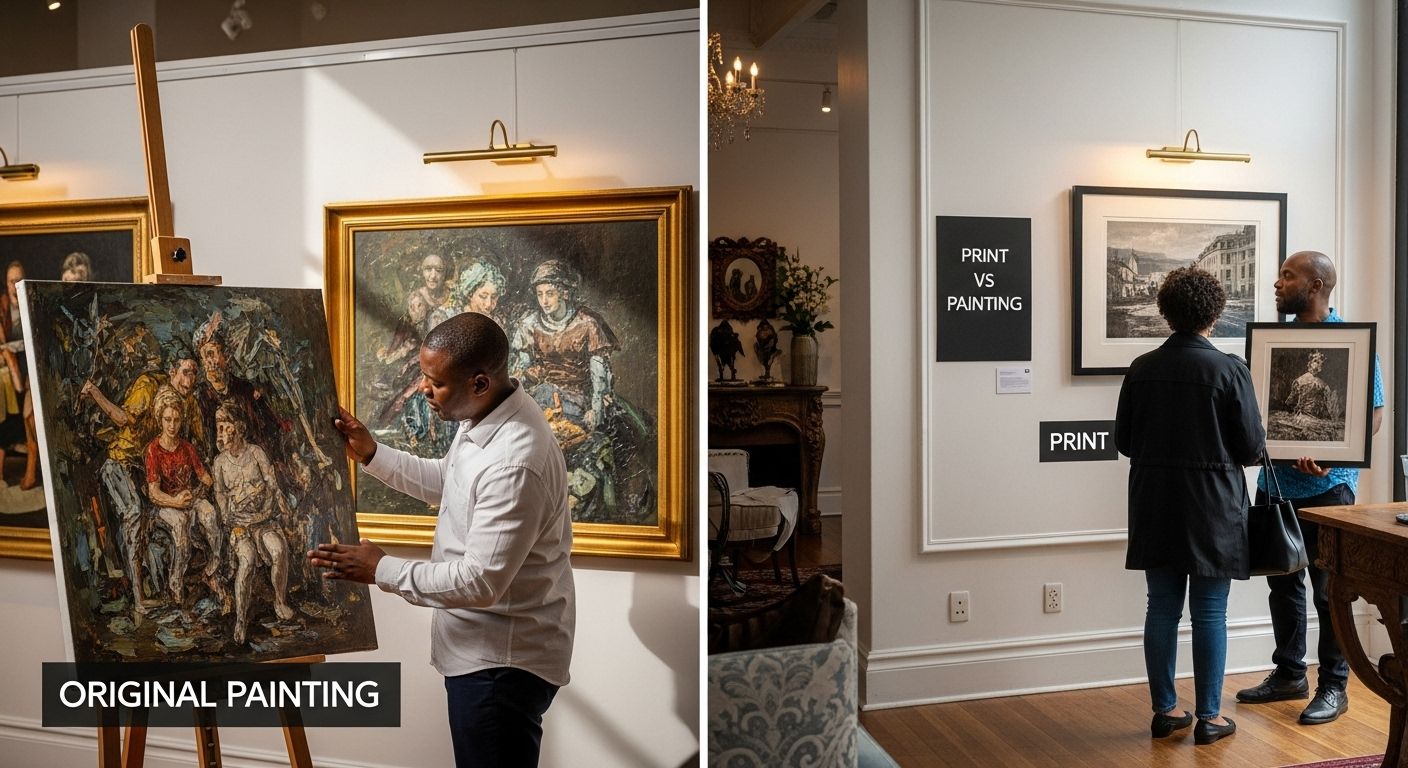
print vs original painting gallery

Art buyers in South Africa often wonder if they’re getting true value when picking between a print or an original painting.

Turns out, the price difference is not small. Original paintings can fetch prices up to ten times higher than prints, purely because of their rarity and authenticity. Most think prints are just affordable knockoffs, easy to dismiss. Reality is, some prints come from elaborate, skilled techniques that make their own mark in art history. You might be surprised how much more depth lies behind your choice than just price alone.

Table of Contents

Quick Summary

Takeaway Explanation
Original art is unique and one-of-a-kind Each original artwork reflects the artist’s personal touch and distinct creative vision, making it singular.
Prints are reproducible and more accessible Unlike original paintings, prints can be made in multiple copies, allowing broader access for art lovers.
Invest in original art for emotional value Original pieces convey deeper emotional connections and personal stories of the artist, enriching the collector’s experience.
Consider provenance for authenticity Establishing an artwork’s history is essential to verify its authenticity and influence its market value.
Budget impacts selection between prints and originals Choose based on your financial capacity and desired aesthetic impact; originals require larger investments, while prints are more affordable.

Defining Print and Original Painting: Key Differences

Art collectors and enthusiasts often grapple with understanding the nuanced distinctions between prints and original paintings. While both can represent artistic expression, they fundamentally differ in creation, value, and authenticity.

What Defines an Original Painting

An original painting emerges directly from an artist’s creative process, involving unique physical manipulation of paint onto a surface like canvas or wood. Each brushstroke represents the artist’s immediate emotional and technical interpretation, making every original artwork inherently singular. Explore the unique value of original artworks reveals that these pieces carry intrinsic worth beyond mere visual representation.

Key characteristics of original paintings include:

  • Unique creation by the artist’s hand
  • Direct application of paint materials
  • Individual artistic expression and technique
  • Potential for subtle variations and imperfections

Understanding Prints as Artistic Reproductions

Prints, by contrast, are multiple reproductions of an original artwork created through mechanical or digital processes. According to the Smithsonian American Art Museum, prints can be original artworks themselves when created through techniques like woodcuts, lithographs, or etchings. However, photomechanical reproductions are not considered original artworks.

Print characteristics typically include:

  • Mechanical or digital reproduction method
  • Multiple identical or near-identical copies
  • Typically lower monetary value compared to originals
  • Broader accessibility for art enthusiasts

Understanding these differences helps art collectors make informed decisions about purchasing and appreciating artworks, recognizing the unique value each medium represents in the broader artistic landscape.

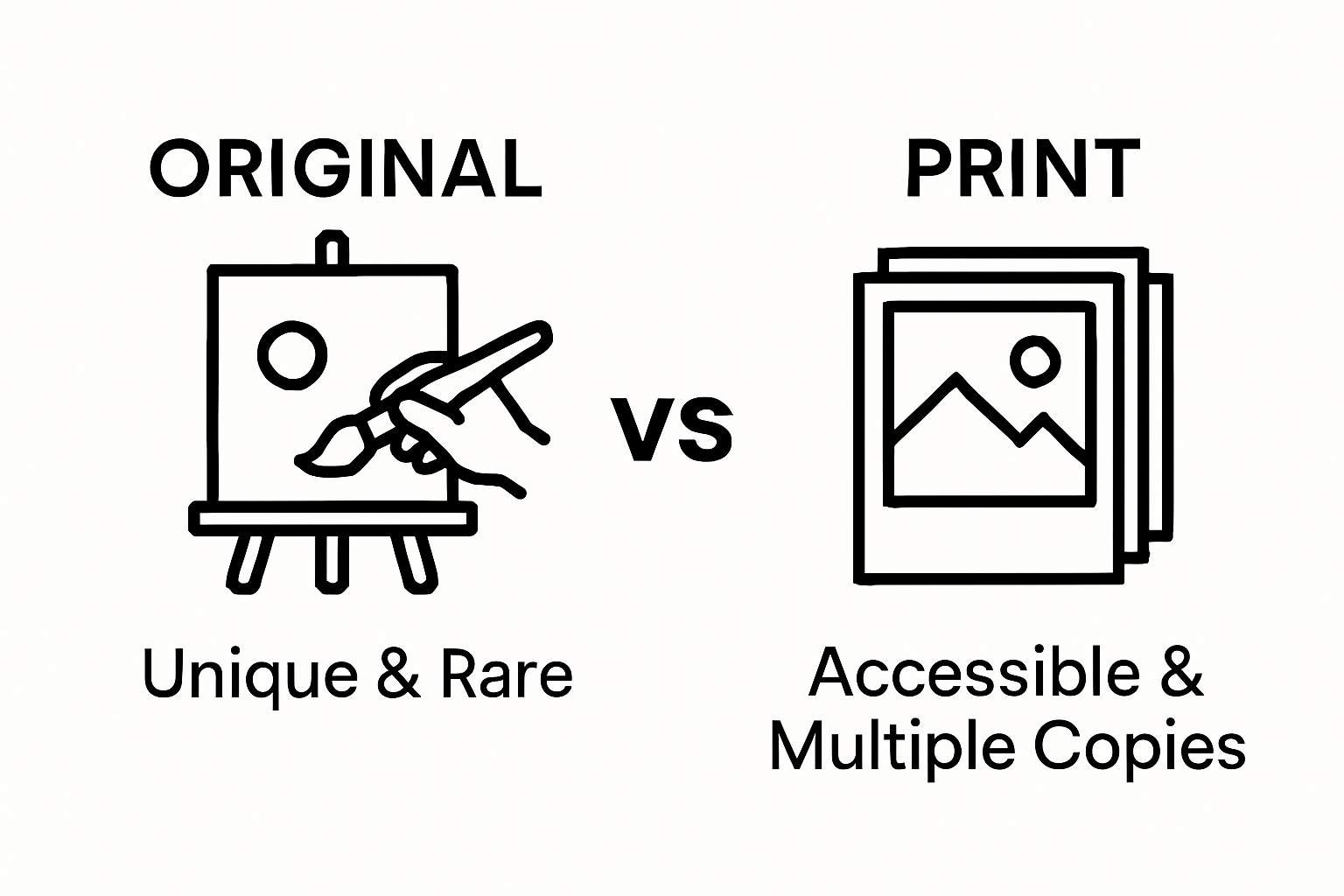
To help you easily compare the defining features of original paintings and prints, the following table summarises their key characteristics and distinctions as explained in the article.

Feature Original Painting Print
Creation Method Directly crafted by artist’s hand Mechanical or digital reproduction
Uniqueness One-of-a-kind, singular piece Multiple identical or near-identical copies
Artistic Expression Individual artistic technique and personal touch Interprets the original but lacks artist’s direct hand
Value Generally higher monetary and emotional value Usually more affordable and accessible
Accessibility Limited, due to rarity Wide, allows broader audience access
Imperfections & Variations Contains subtle differentiations and imperfections Consistently uniform across the edition
Investment Potential Greater long-term value appreciation Less potential for significant financial growth

Infographic comparing original painting versus print features

The Value of Original Art: Why It Matters to Collectors

Art collecting transcends mere decoration. Original artworks represent unique investments that connect collectors with cultural narratives, artistic expressions, and potential financial appreciation. Learn about the strategic advantages of collecting art provides deeper insights into this fascinating domain.

Emotional and Cultural Significance

Original artworks carry profound emotional resonance that reproductions cannot replicate. Each piece embodies the artist’s creative journey, personal experiences, and technical mastery. Collectors are not simply purchasing an object but acquiring a fragment of human expression that communicates complex narratives and aesthetic perspectives.

Key emotional aspects of original art include:

  • Direct connection to the artist’s vision
  • Unique storytelling through visual language
  • Representation of cultural and historical moments
  • Personal emotional engagement

Financial and Investment Potential

Beyond emotional value, original artworks represent sophisticated financial assets. According to the Smithsonian Associates Art Collectors Program, strategic art collection involves understanding market dynamics, artist reputation, and provenance.

Investment considerations for original art include:

  • Potential long-term value appreciation
  • Limited edition and scarcity factors
  • Artist’s reputation and career trajectory
  • Historical and cultural significance

Collectors approach original art as a multifaceted investment that combines aesthetic pleasure with potential financial growth, making each acquisition a nuanced decision bridging passion and pragmatism.

Prints: Techniques and Their Implications in Art

Printmaking represents a complex and nuanced artistic discipline where creativity intersects with technical precision. Explore the fascinating world of artistic techniques provides context for understanding these intricate processes.

Traditional Printmaking Methods

Printmaking encompasses several sophisticated techniques that transform artistic vision into reproducible art forms. According to the Metropolitan Museum of Art, these methods require specialized skills and understanding of material interactions.

Key traditional printmaking techniques include:

  • Woodcut: Carving images into wooden surfaces
  • Etching: Using acid to create detailed designs on metal plates
  • Engraving: Physically cutting designs into metal surfaces
  • Lithography: Drawing on specially prepared stone or metal plates

Contemporary Print Production Technologies

Modern printmaking has expanded beyond traditional methods, incorporating digital technologies and innovative approaches. Contemporary print techniques blend artistic expression with technological precision, enabling artists to explore new creative landscapes.

Contemporary print production methods feature:

  • Digital printing technologies
  • Screen printing techniques
  • Experimental hybrid approaches
  • Advanced reproduction methods using high-resolution equipment

Each printmaking technique offers unique possibilities for artistic expression, transforming how artists communicate visual narratives and engage audiences through reproducible art forms. The complexity of these methods demonstrates that prints are far more than simple copies—they are intricate artistic statements with their own aesthetic and cultural significance.

The Role of Authenticity in Art Collection

Authenticity forms the cornerstone of art collecting, transforming an artwork from a simple visual object into a profound cultural artifact. Discover the intricacies of art authentication reveals the complex mechanisms behind verifying artistic legitimacy.

Defining Authenticity in Art

Authenticity encompasses more than mere originality. According to the College Art Association, it represents a comprehensive evaluation of an artwork’s provenance, creator’s intent, and historical context. Authentic artworks carry intrinsic value beyond their physical appearance, reflecting the artist’s unique creative journey.

Key components of art authenticity include:

  • Verifiable artist attribution
  • Documented creation history
  • Preservation of original artistic intent
  • Minimal restoration or alteration

Provenance and Its Critical Importance

Provenance serves as the documentary DNA of an artwork, tracing its ownership and historical trajectory. Research demonstrates that well-documented ownership histories significantly impact an artwork’s perceived value and legitimacy. Collectors and institutions meticulously investigate an artwork’s journey, examining historical records, expert testimonials, and physical evidence to establish its authentic narrative.

Critical aspects of provenance verification involve:

  • Comprehensive ownership documentation
  • Expert authentication processes
  • Forensic material analysis
  • Comparative research with known works

Authenticity transcends mere technical verification. It represents a profound connection between the artwork, its creator, and the broader cultural narrative, making each validated piece a testament to human creativity and historical significance.

For readers interested in the nuanced process of verifying authenticity in art, here’s an overview of the major components and steps highlighted in the article.

Component Description
Artist Attribution Verification that the artwork is genuinely created by the claimed artist
Creation History Documented timeline of when and how the art was made
Artistic Intent Assessment of whether the work expresses the artist’s original vision
Restoration/Alteration Check for minimal restoration to preserve original state
Provenance Documentation Verified ownership history across prior collectors and institutions
Expert Authentication Evaluation by recognised art specialists and historians
Forensic Analysis Scientific analysis of materials and techniques to confirm period and authorship
Comparative Research Comparison to known works to establish consistency in style and technique

How to Choose Between Prints and Original Art for Your Space

Selecting artwork requires nuanced understanding of aesthetic goals, budget constraints, and spatial considerations. Explore professional art selection strategies provides insights into making informed artistic choices.

Budget and Investment Considerations

According to the Smithsonian Associates Art Collectors Program, art selection involves balancing financial practicality with artistic appreciation. Original artworks typically represent higher financial investments, while fine art prints offer more accessible options for collectors seeking quality aesthetic experiences.

Budget selection factors include:

  • Total available investment funds
  • Long-term appreciation potential
  • Personal financial objectives
  • Artwork rarity and artist reputation

Aesthetic and Spatial Requirements

Artwork selection transcends monetary value, encompassing visual harmony and emotional resonance within a specific environment. Prints provide versatility and reproducibility, enabling collectors to experiment with design concepts without significant financial risk. Original paintings offer unique textural qualities and irreplaceable artistic signatures that transform spatial experiences.

Key spatial selection criteria involve:

  • Room dimensions and wall characteristics
  • Existing interior design palette
  • Lighting conditions
  • Desired emotional atmosphere

Ultimately, choosing between prints and original art represents a personal journey of aesthetic exploration, balancing individual taste, financial considerations, and the transformative power of visual expression.

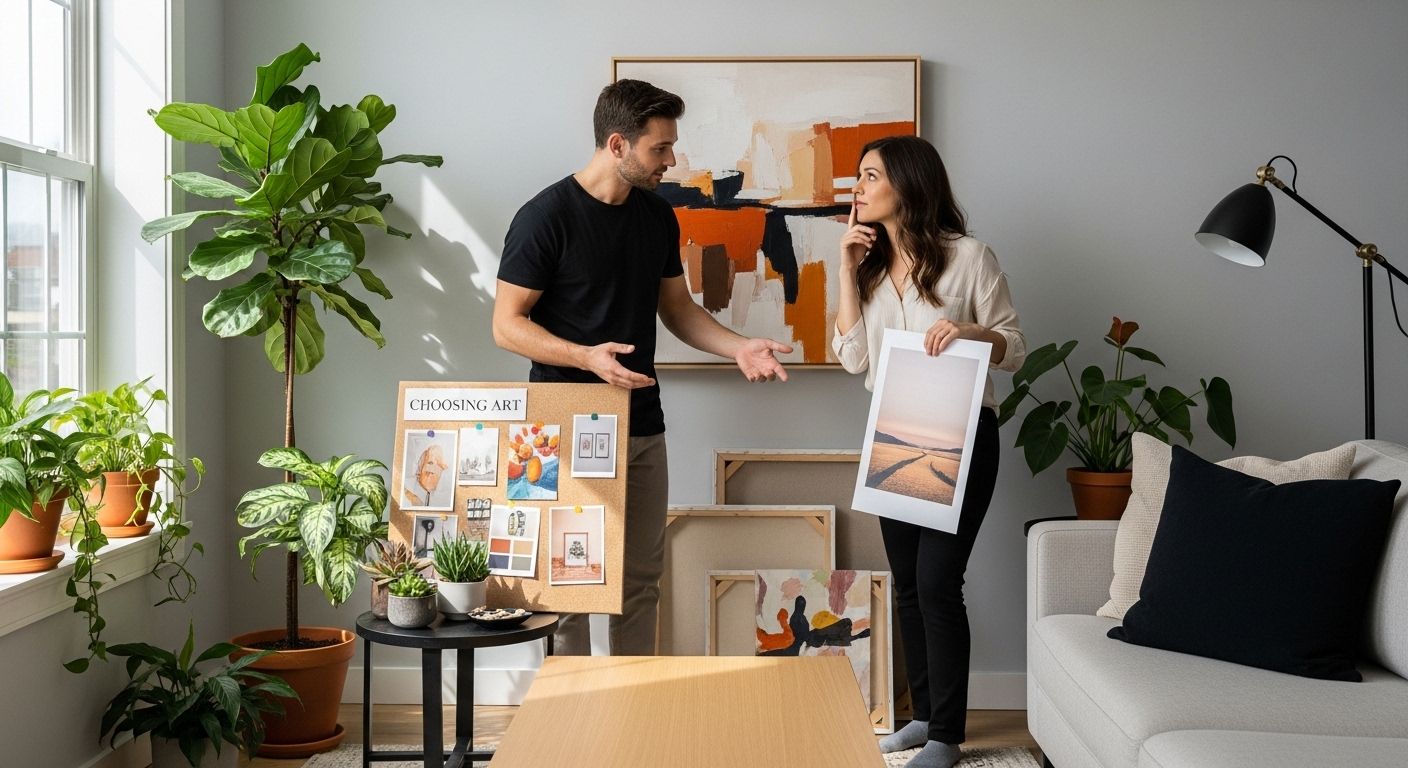
choosing art print vs original

Bring Authentic South African Art Into Your Space Today

Are you unsure whether to invest in a print or an original painting? Many collectors in South Africa face this challenge, especially when balancing the emotional pull of originality with budget and space concerns. As highlighted in the article, authenticity and the artist’s unique touch matter deeply, yet prints can offer accessibility and flexibility.

https://art-online.co.za

Why wait to experience the power of true South African artistry? Whether you long for the distinct brushstrokes of a renowned artist or the accessible beauty of a high-quality print, Art Online is your trusted partner. Explore our curated selection of original paintings and discover the perfect print or masterpiece for your home. Now is the ideal moment to turn inspiration from knowledge into action—visit us and find the art that transforms your environment.

Frequently Asked Questions

What is the main difference between an original painting and a print?

An original painting is a unique artwork created directly by the artist, featuring individual brushstrokes and expressions, while a print is a mechanical or digital reproduction of an original art piece, typically produced in multiple copies.

Why are original paintings generally more valuable than prints?

Original paintings are considered more valuable due to their uniqueness, the direct involvement of the artist, and their potential for long-term appreciation. They embody the artist’s vision and emotional expression, which cannot be replicated in a print.

Can prints be considered original artworks?

Yes, prints can be considered original artworks if they are created using traditional printmaking techniques like etching, woodcut, or lithography. However, photomechanical reproductions of existing artworks are not classified as original artworks.

What factors should I consider when choosing between a print and an original painting?

When choosing between a print and an original painting, consider your budget, aesthetic preferences, and the emotional impact you wish to achieve in your space. Original paintings often offer unique textural qualities, while prints provide more flexibility and accessibility.

Posted on Leave a comment

How to Negotiate Art Prices Effectively in 2025

art price negotiation

Negotiating the price of art might seem intimidating for many collectors. Yet, surprisingly, the success of most art negotiations hinges less on instinct and more on preparation and documented research. Instead of smooth talking or quick bidding, the most reliable route to a fair deal involves strategies like tracking auction records and crafting meticulous budgets. This approach often uncovers better deals and deeper relationships than you might expect.

Table of Contents

Quick Summary

Key Point Explanation
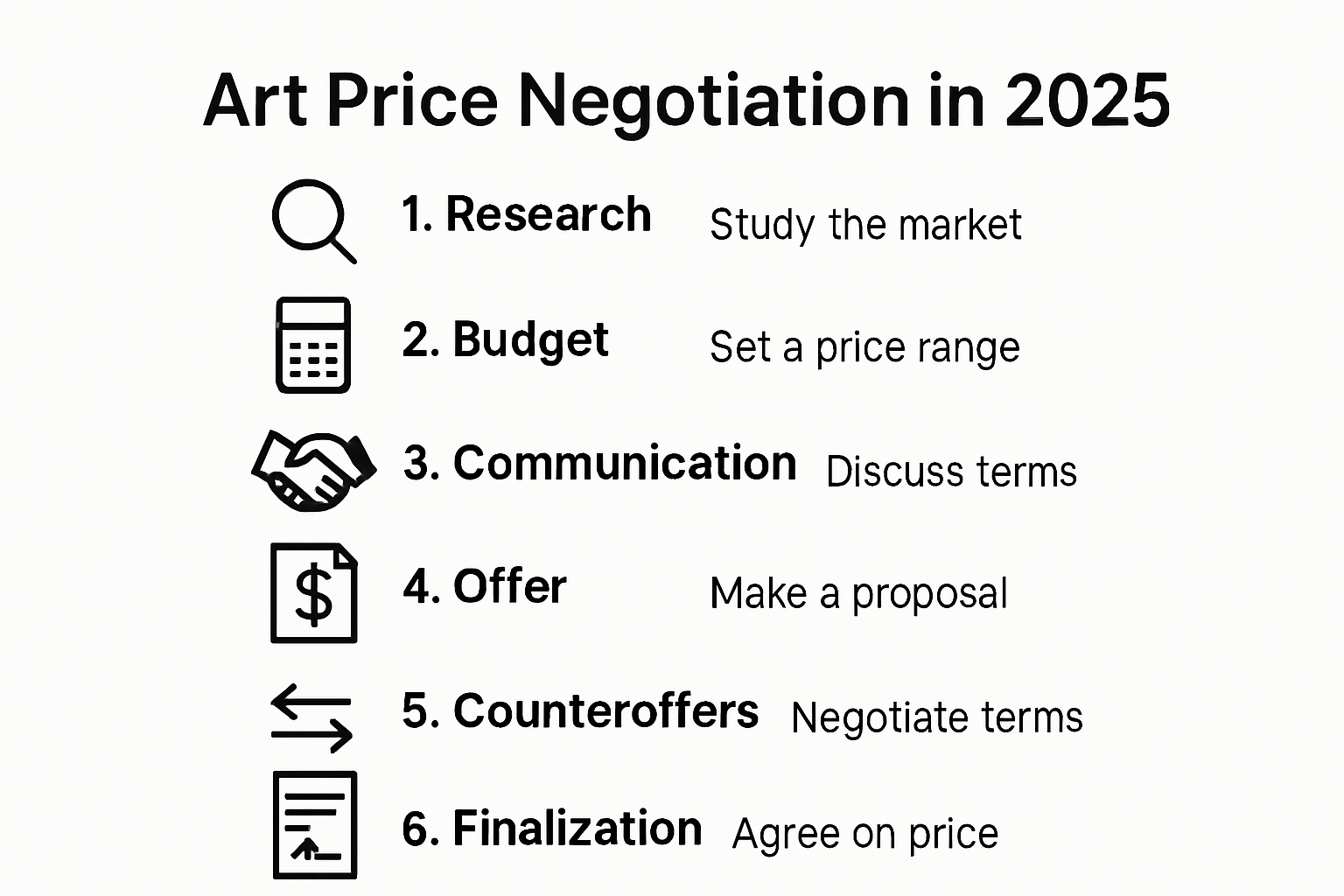
1. Conduct thorough market research Collect data on artist reputation, auction results, and trends to establish a solid negotiation foundation.
2. Define your budget and priorities Clearly outline your spending limits and art goals to guide effective price negotiations.
3. Initiate professional communication Research the artist or dealer and approach them with genuine appreciation to foster positive interactions.
4. Present your offer confidently Back your offer with market data and present it clearly, showing respect for the artwork’s value.
5. Handle counteroffers strategically Engage in dialogue that promotes collaboration, seeks understanding, and explores creative solutions.

Negotiating art prices effectively begins with comprehensive market research, a critical foundation that determines your strategic approach and potential negotiation leverage. Understanding current market trends helps you establish realistic expectations and develop an informed pricing strategy.

Start by exploring multiple resources to gather comprehensive art valuation data. Online platforms like Artnet provide extensive auction records and price databases that can help you track recent sales of similar artworks. Professional art market reports from reputable sources offer insights into current valuation trends, artist reputation, and market dynamics.

Your research should focus on several key factors that influence art pricing. Consider the artist’s reputation, historical sales performance, artwork medium, size, condition, and provenance. Examine recent auction results for comparable pieces, paying attention to price ranges and sale frequencies. Look for patterns in how similar works by the same artist or from the same artistic movement have been valued.

Specialist art market databases and auction house archives are invaluable resources. Websites like Artprice offer comprehensive global art market data, allowing you to track pricing trends across different periods and artistic styles. When researching, create a comparative spreadsheet documenting artwork details, sale prices, dates, and unique characteristics to build a comprehensive understanding of market values.

Don’t rely solely on online resources. Connect with local art galleries, attend exhibitions, and network with art professionals who can provide nuanced market insights. Consulting with art appraisers or experienced collectors can offer deeper understanding of current market conditions and potential negotiation strategies.

Verify your research by cross-referencing multiple sources and looking for consistent pricing patterns. Successful art price negotiation requires a thorough, well-documented approach that combines digital research, professional insights, and a comprehensive understanding of market dynamics.

Six steps infographic for negotiating art prices

Step 2: Establish Your Budget and Priorities

Establishing a clear budget and defining your art acquisition priorities is a crucial step in preparing for successful art price negotiations. This process requires careful introspection about your financial capabilities, artistic preferences, and long term investment goals.

Begin by conducting an honest financial assessment of your art purchasing capacity. Determine the maximum amount you are willing and able to spend without compromising your overall financial health. Consider not just the artwork’s purchase price, but additional costs such as potential restoration, framing, insurance, and transportation. According to Santa Clara University’s Negotiation Institute, understanding your financial boundaries creates a strong foundation for effective negotiation.

Prioritize your art acquisition goals by creating a focused strategy. Consider whether you are purchasing for personal aesthetic enjoyment, investment potential, or a combination of both. Some collectors prioritize emerging artists with potential future value, while others seek established artists or specific artistic movements. Your priorities will significantly influence your negotiation approach and budget allocation.

Develop a comprehensive budget spreadsheet that breaks down potential expenses. Include categories like maximum artwork price, restoration costs, transportation, insurance, and a contingency fund for unexpected expenses. A well-structured budget provides clarity and prevents emotional overspending during negotiations.

Consider your long term art collection strategy. Are you building a cohesive collection around a specific theme, artist, or period? This strategic approach helps you make more disciplined purchasing decisions and prevents impulsive buying. Allocate your budget proportionally across different potential acquisitions, ensuring you have flexibility to pursue multiple opportunities.

Remember that your budget is not just a financial constraint but a strategic tool. By thoroughly understanding your financial boundaries and collection goals, you position yourself as a confident and prepared art buyer. **Successful art negotiations are rooted in clear priorities, disciplined financial planning, and a deep understanding of your personal artistic vision.

art purchasing decision

**

Step 3: Initiate Communication with the Artist or Dealer

Initiating communication with an artist or art dealer requires strategic preparation, professionalism, and a nuanced approach that demonstrates your genuine interest and serious intent. The initial interaction sets the tone for potential negotiations and can significantly influence the outcome of your art acquisition process.

Professional communication begins with thorough research and respectful engagement. Before reaching out, ensure you have comprehensive background information about the artist, their work, and current market positioning. Prepare a well-crafted introductory message that demonstrates your authentic appreciation for their artistic style and specific piece of interest. According to Harvard Business School’s negotiation research, understanding the other party’s perspective creates a strong foundation for successful negotiations.

When drafting your initial communication, focus on creating a personal yet professional connection. Explain specifically what draws you to their artwork, referencing particular elements that resonate with you. Avoid generic compliments and instead highlight detailed observations that show genuine engagement with their artistic work. Demonstrate that you are a serious collector who values artistic merit beyond mere transactional interests.

Choose your communication channel carefully. While email provides a documented trail, some artists or galleries prefer initial contact through professional networking platforms or formal introductions. If possible, seek recommendations from mutual connections in the art community, as personal referrals can significantly enhance your credibility.

Prepare a communication strategy that balances professional enthusiasm with respectful boundaries. Your initial interaction should express interest without appearing overeager or desperate. Craft a message that opens the door for further discussion, leaving room for the artist or dealer to respond at their convenience. Include relevant details about your potential interest, such as your budget range and specific artwork preferences, but avoid being too prescriptive.

Remember that building rapport is as important as discussing potential pricing. Art transactions often involve personal connections and mutual respect. Your communication should reflect a genuine appreciation for the artist’s creative journey, positioning you as a potential patron who values artistic expression beyond mere financial transaction.

Step 4: Present Your Offer with Confidence

Presenting your art purchase offer requires a delicate balance of strategic preparation, market knowledge, and confident communication. This critical step transforms your research and preparation into a compelling proposal that can potentially secure the artwork at a fair price.

Confidence stems from thorough preparation and a clear understanding of the artwork’s value. According to Harvard Law School’s negotiation experts, the way you frame your offer can significantly impact its reception. Structure your proposal by clearly articulating the rationale behind your pricing, referencing market research, comparable sales, and the specific attributes of the artwork that inform your valuation.

When presenting your offer, maintain a professional and respectful tone that demonstrates genuine appreciation for the artwork. Your approach should communicate that you are a serious collector who understands the artwork’s intrinsic and market value. Begin by acknowledging the artist’s creative work and explaining why the piece resonates with you. This personal connection can create goodwill and make the seller more receptive to your offer.

Develop a negotiation strategy that includes your ideal price, a realistic compromise range, and a clear understanding of your maximum budget. Practice articulating your offer with clarity and conviction. Avoid appearing apologetic or uncertain, as this can signal weakness in your negotiation position. Instead, present your offer as a fair and well-researched proposition that benefits both parties.

Consider the timing and context of your offer. If presenting in person, choose a moment when the artist or dealer seems relaxed and receptive. If communicating via email or written proposal, craft a message that is concise, professional, and compelling. Include specific details about your offer, such as payment terms, potential timeline, and any additional value you might bring as a collector.

Be prepared for potential counteroffers or rejection. A confident negotiator remains calm and professional, viewing each interaction as an opportunity to build a relationship rather than a confrontational exchange. If your initial offer is not accepted, request feedback and be open to understanding the seller’s perspective. This approach demonstrates maturity and can keep the door open for future negotiations.

Step 5: Handle Counteroffers and Engage in Dialogue

Handling counteroffers is a nuanced art that requires emotional intelligence, strategic thinking, and a collaborative approach. This critical stage of art price negotiation demands careful listening, thoughtful response, and a willingness to find mutually beneficial solutions.

Approach counteroffers with an open mind and strategic perspective. According to Harvard Law School’s negotiation research, emotional control is paramount during this phase. When receiving a counteroffer, resist immediate emotional reactions. Take time to analyze the proposal objectively, considering how it aligns with your initial research, budget, and artistic objectives.

Develop a systematic approach to evaluating counteroffers. Create a comparative worksheet that breaks down the original offer, the counteroffer, and your predetermined budget limits. Identify the specific areas of divergence and potential compromise. Look beyond pure pricing considerations and evaluate additional value propositions such as payment terms, artwork condition, or potential future opportunities with the artist or gallery.

Effective dialogue requires active listening and clear communication. Ask clarifying questions that help you understand the reasoning behind the counteroffer. For instance, inquire about factors influencing their pricing, such as recent market trends, artwork provenance, or unique characteristics that might justify a higher price. This approach demonstrates your serious intent and helps build a collaborative negotiation environment.

Prepare multiple negotiation scenarios before engaging in dialogue. Establish your walk away point clearly, but remain flexible enough to explore creative solutions. Your goal is to reach an agreement that feels fair and satisfactory to both parties. Consider proposing alternative arrangements like staged payments, future purchasing options, or including additional artwork elements that could bridge the pricing gap.

Maintain professionalism throughout the negotiation process. Even if you cannot reach an agreement, leave the interaction on positive terms. The art world is interconnected, and today’s unsuccessful negotiation might lead to future opportunities. Document your negotiation process, including key discussion points and proposed terms, to reflect on the experience and improve your approach in future art acquisitions.

Step 6: Finalize Agreement and Confirm Details

Finalizing an art purchase agreement represents the culmination of your careful negotiation process, transforming your discussions into a legally binding and mutually satisfactory transaction. This critical step requires meticulous attention to detail and a comprehensive approach to documenting every aspect of the artwork acquisition.

Create a detailed written agreement that protects both parties’ interests. According to the U.S. Copyright Office, comprehensive documentation is essential in art transactions. Your agreement should explicitly outline pricing, payment terms, artwork condition, delivery expectations, and any specific rights or conditions associated with the purchase.

Draft a comprehensive contract that includes specific details about the artwork. This document should comprehensively describe the piece, including its title, dimensions, medium, creation date, and any unique characteristics or provenance. Specify exact payment terms, including the total price, payment schedule, accepted payment methods, and any potential installment arrangements. Include precise delivery details, covering transportation, insurance, packaging requirements, and estimated delivery timelines.

Before signing, conduct a thorough final inspection of the artwork. If possible, arrange an in-person verification or request comprehensive, high-resolution documentation that allows you to examine the piece’s condition in detail. Ensure the artwork matches the description in your agreement precisely, documenting any potential discrepancies or special considerations.

Include provisions for potential contingencies, such as artwork authentication, condition guarantees, and return policies. Discuss and document any additional services, such as professional installation, framing, or future maintenance recommendations. Consider consulting an art law specialist to review the agreement and ensure all legal aspects are appropriately addressed.

Maintain open communication throughout the finalization process. Request copies of all documentation for your personal records, and ensure both parties receive signed agreements. Establish a clear point of contact for any post-purchase questions or potential future interactions. A professionally managed transaction not only secures your art acquisition but also builds long-term relationships within the art community.

Ready to Negotiate for Your Dream Artwork? Let Us Guide You

Negotiating art prices can feel overwhelming, especially when you want to make sure your next piece is fairly valued and truly special. The article has highlighted that understanding the art market, setting clear priorities, and building confident communication are key to successful negotiations. Many collectors worry about missing out or overpaying on South Africa’s most prized artists. At Art Online, we simplify this journey for you by providing trusted resources, transparent pricing, and access to artworks from renowned South African artists.

https://art-online.co.za

Take the next step towards a well-informed purchase. Discover premium art with transparent pricing and explore our collection at Art Online. Start your art acquisition with confidence and let our team support you at every negotiation stage. Do not wait as new artwork is added regularly and first buyers always get the best selection. Visit Art Online now and put your negotiation skills into action.

Frequently Asked Questions

What factors should I consider when researching art prices?

When researching art prices, consider the artist’s reputation, historical sales performance, artwork medium, size, condition, and provenance. Analyzing recent auction results for comparable pieces can provide insight into price ranges and trends.

How do I establish a budget for purchasing art?

To establish a budget, conduct a financial assessment to determine your maximum spending limit, considering purchase price and additional costs like restoration, framing, insurance, and transportation. Create a detailed budget spreadsheet to keep track of potential expenses.

How can I communicate effectively with an artist or dealer during negotiations?

Effective communication involves thorough research and respectful engagement. Prepare a well-crafted message that shows genuine appreciation for the artwork, focusing on specific elements that resonate with you while maintaining a professional tone.

What should I do if I receive a counteroffer during negotiations?

If you receive a counteroffer, remain calm and assess it objectively. Evaluate how it aligns with your research and budget, and engage in conversation to understand the seller’s perspective. Consider exploring creative solutions to find mutually beneficial terms.

Posted on Leave a comment

Master Shipping Art Internationally with Confidence

shipping art internationally

Shipping valuable artworks overseas can be nerve-wracking. No one wants their prized painting or delicate sculpture damaged before it even arrives. Yet, despite the worry, statistics show that with proper prep and packaging, over 94 percent of fine art shipments make it to their destination unharmed. That means the real risk is not the journey itself but skipping a few key steps before your art even leaves your hands.

Table of Contents

Quick Summary

Key Point Explanation
1. Assess Artwork’s Protection Needs Different artworks require unique packaging techniques based on their medium and fragility to prevent damage during shipping.
2. Use High-Quality Packing Materials Invest in professional-grade, acid-free packing supplies designed for art transportation to ensure maximum protection.
3. Choose a Specialized Shipping Carrier Select carriers that specialize in fine art shipping, offering proper handling, climate control, and insurance options.
4. Prepare Comprehensive Customs Documentation Ensure all required paperwork is accurate and complete to avoid delays or complications when crossing international borders.
5. Track Shipment Throughout Transit Monitor your artwork’s journey with real-time tracking and maintain communication with the shipping coordinator for updates.

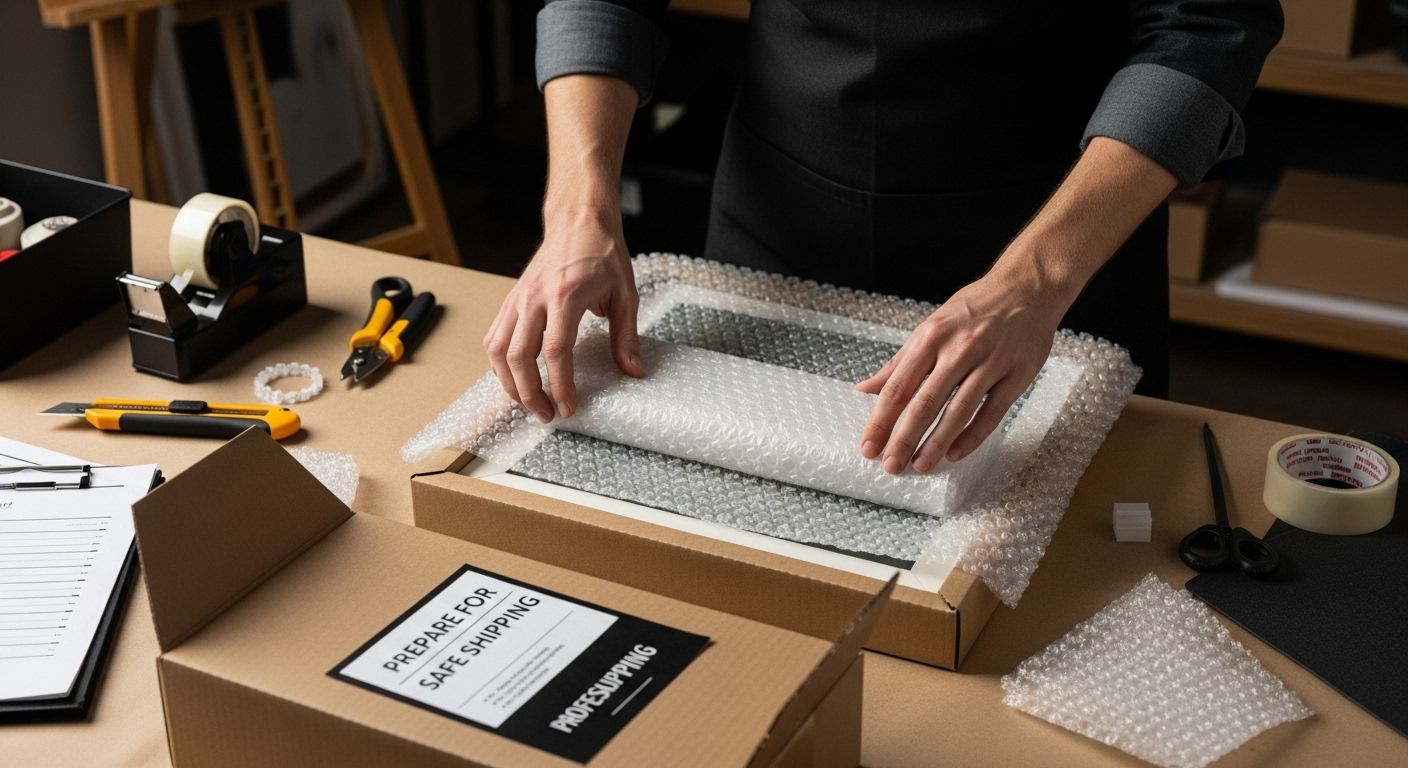
Infographic shows shipping art internationally step-by-step process

Step 1: Prepare Your Artwork for Safe Shipping

Shipping art internationally requires meticulous preparation to protect your valuable pieces from potential damage during transit. The first critical step involves creating a comprehensive protection strategy that safeguards your artwork’s structural integrity and aesthetic value.

Begin by assessing your specific artwork’s unique requirements. Different mediums demand different protection approaches. Canvas paintings, delicate watercolors, fragile sculptures, and large prints each necessitate tailored packaging techniques. Your primary goal is preventing movement, absorbing potential shocks, and creating a stable microenvironment that shields the artwork from temperature fluctuations and humidity.

Essential Packing Materials

Gather high-quality packing materials specifically designed for art transportation. Your essential toolkit should include:

  • Acid-free tissue paper
  • Glassine paper or archival-grade protective wrapping
  • Bubble wrap (with bubbles facing outward)
  • Rigid cardboard or foam board
  • High-quality packing tape
  • Protective corner guards
  • Custom-sized shipping box or crate

When wrapping your artwork, start with a layer of acid-free tissue paper to prevent direct contact with other materials. For paintings and prints, use glassine paper which provides a moisture-resistant barrier. Wrap the artwork carefully, ensuring no creases or folds create pressure points that might damage the piece.

For framed artworks, additional precautions are necessary. Apply an X-shaped piece of painter’s tape across glass surfaces to prevent shattering and potential damage to the artwork if breakage occurs. Use cardboard corner protectors to shield frame edges and prevent chipping or scratching.

If shipping a three-dimensional artwork like a sculpture, create a custom support system using foam padding and rigid containers. Ensure the piece cannot move within its packaging by filling empty spaces with additional cushioning materials. Learn more about protecting delicate art pieces using professional conservation techniques.

Documentation is equally crucial. Take clear, high-resolution photographs of the artwork from multiple angles before packaging. These images serve as evidence of the artwork’s condition before shipping and can be invaluable for insurance purposes.

Finally, select a shipping container that provides at least two inches of cushioning space around all sides of the artwork. Double-box fragile items for maximum protection, creating an additional layer of shock absorption. Label the package as FRAGILE and HANDLE WITH CARE to alert handlers to the delicate contents within.

Step 2: Choose the Right Packing Materials

Selecting appropriate packing materials is a critical step in ensuring your artwork survives international shipping without damage. The right materials create a protective environment that shields your precious pieces from potential transportation hazards like impact, moisture, temperature variations, and handling stress.

Quality packing materials are not a one-size-fits-all solution. Different artworks require specific protective strategies based on their medium, size, fragility, and unique characteristics. Professional art shippers understand that proper material selection is as important as the artwork itself.

Professional Packing Material Recommendations

For optimal protection, invest in professional-grade packing supplies specifically designed for art transportation. Your primary materials should include archival-quality options that provide maximum preservation and minimal risk. Explore professional art shipping techniques to understand the nuanced approach required for different art types.

Key materials to consider include:

  • Acid-free archival tissue paper
  • Professional-grade glassine paper
  • Low-static bubble wrap
  • High-density foam sheets
  • Rigid polypropylene or corrugated plastic boards
  • Museum-grade packaging tape
  • Custom-sized protective containers

Consider the specific needs of your artwork when selecting materials. Delicate watercolors and prints require ultra-soft, acid-free tissue paper as the first protective layer. Oil paintings demand slightly different protection, typically involving a layer of glassine paper followed by bubble wrap with bubbles facing outward to prevent direct contact.

For three-dimensional sculptures or fragile ceramics, invest in high-density foam with precision-cut cavities that cradle the artwork perfectly. These custom foam inserts provide superior shock absorption and prevent movement during transit. Professional shipping companies often use computerized foam cutting technologies to create these precision-fit protective environments.

Temperature and humidity considerations are paramount when selecting packing materials. Use moisture-absorbing silica gel packets inside the packaging to control humidity levels. For artworks sensitive to temperature fluctuations, consider using thermal insulation materials that maintain a stable internal environment.

Remember that cheaper is not always better when protecting valuable artwork. Professional-grade materials might seem expensive initially, but they represent a fraction of the potential replacement or restoration costs. Always purchase materials from reputable art conservation and shipping supply stores that specialize in museum-quality packaging.

Before finalizing your packing, conduct a mock packaging test. Carefully wrap and package the artwork, then gently simulate transportation conditions. If the artwork feels secure and shows no signs of potential movement or stress, you’ve selected the right materials.

Step 3: Select an Appropriate Shipping Carrier

Choosing the right shipping carrier represents a critical decision in your international art transportation strategy. Not all shipping services are created equal, and selecting a carrier that understands the nuanced requirements of art transportation can mean the difference between a successful delivery and a potential disaster.

Begin by researching carriers that specialize in fine art shipping. These specialized services offer more than standard transportation. They provide climate-controlled environments, custom handling protocols, and comprehensive insurance options specifically designed for valuable and delicate artworks.

Evaluating Shipping Carrier Capabilities

When assessing potential shipping carriers, develop a comprehensive evaluation framework that goes beyond basic cost considerations. Research professional art shipping methods to understand the intricate requirements of art transportation.

Key evaluation criteria should include:

  • Specialized art transportation experience
  • International shipping certifications
  • Climate-controlled transportation options
  • Comprehensive insurance coverage
  • Custom crating and handling services
  • Tracking and real-time monitoring capabilities
  • Documented art handling protocols

International shipping introduces complex challenges that require meticulous attention. Customs regulations and international shipping restrictions can significantly impact your art transportation strategy. Some carriers offer specialized art shipping divisions with experts who understand global import-export requirements, navigate complex documentation, and provide seamless cross-border transportation.

Carefully review each carrier’s insurance offerings. Artwork insurance is not standardized, and standard shipping insurance rarely covers the full value and potential restoration costs of fine art. Look for carriers that offer specialized art insurance with comprehensive coverage that accounts for the artwork’s intrinsic and market value.

Technology has transformed art shipping. Modern carriers provide advanced tracking systems that allow real-time monitoring of your artwork’s journey. These systems offer temperature and humidity logs, precise location tracking, and immediate notifications about any potential handling issues. Such technological capabilities provide peace of mind during international transportation.

Consider scheduling consultations with potential carriers. Reputable art shipping services often provide complimentary consultations where they assess your specific artwork and recommend the most appropriate transportation strategy. During these consultations, discuss the artwork’s specific requirements, potential challenges, and the carrier’s experience with similar pieces.

Budget is important, but it should not be the sole determining factor. Cheaper is not always better when transporting valuable artwork. A slightly higher investment in a specialized, experienced carrier can prevent potentially catastrophic damage that would far exceed the initial shipping cost.

Finally, request and verify references. Experienced art shipping carriers should readily provide case studies, client testimonials, and examples of successful international art transportations. These references offer invaluable insights into their actual performance and reliability.

Step 4: Complete Necessary Customs Documentation

Customs documentation represents the critical administrative gateway that determines whether your artwork successfully crosses international borders. Incomplete or incorrect paperwork can result in significant delays, potential seizures, or substantial financial penalties that could dramatically complicate your art shipping experience.

Preparing comprehensive customs documentation requires meticulous attention to detail and a thorough understanding of international shipping regulations. Each country maintains unique import requirements, making it essential to research and comply with specific regional documentation standards.

Essential Documentation Preparation

The foundation of successful international art shipping lies in creating precise and comprehensive documentation. Explore international export documentation guidelines to understand the intricate requirements of cross-border art transportation.

Key documents you will need to prepare include:

  • Commercial Invoice
  • Certificate of Origin
  • Detailed Art Valuation Statement
  • Export Permit
  • Temporary Export Declaration
  • Insurance Certificate
  • Detailed Artwork Description

Your commercial invoice must provide an extremely detailed description of the artwork. Include precise measurements, medium, artist information, creation date, and exact market value. Customs officials require comprehensive information to assess potential import duties and verify the artwork’s authenticity.

For original artworks, additional documentation might be necessary. Some countries require specific export permits, particularly for pieces of significant cultural or historical value. Research the specific requirements of both the exporting and importing countries to ensure complete compliance.

Valuation represents a critical component of your documentation. Artwork valuation is not a simple process. You may need to provide professional appraisal documents from certified art valuers. These documents should include comprehensive details about the artwork’s provenance, market value, and artistic significance.

Photographic documentation plays a crucial role in your customs paperwork. Include high-resolution, multiple-angle photographs of the artwork that clearly demonstrate its condition before shipping. These images serve as both documentation and potential evidence in case of any transportation-related disputes.

Many international shipments require a temporary export declaration if the artwork is intended for exhibition or temporary relocation. This specialized documentation ensures that the artwork will be returned to its country of origin within a specified timeframe.

Consider consulting with a specialized art shipping broker or customs clearance expert who understands the nuanced requirements of international art transportation. These professionals can help navigate complex regulatory landscapes and ensure your documentation meets all necessary standards.

Finally, maintain multiple copies of all documentation. Store digital and physical copies securely, and ensure that both the shipping carrier and the receiving party have comprehensive access to these critical documents. Proper preparation can transform a potentially complex customs process into a smooth, efficient experience.

Step 5: Track Your Shipment Until Delivery

Tracking your artwork’s international journey transforms a potentially anxiety-inducing process into a transparent, manageable experience. Effective shipment tracking provides real-time insights into your valuable artwork’s location, condition, and estimated delivery timeline, offering peace of mind throughout its complex transportation process.

Modern shipping technologies have revolutionized international art transportation tracking. Professional art shipping carriers now offer sophisticated monitoring systems that provide unprecedented visibility into your artwork’s entire journey. These advanced tracking platforms go far beyond simple location updates, offering comprehensive environmental and handling data.

Strategic Shipment Monitoring Approach

Understand international shipping tracking protocols to navigate the complexities of art transportation effectively. Your tracking strategy should be proactive and comprehensive.

Key tracking considerations include:

  • Obtain unique tracking number immediately after shipment
  • Request detailed shipping itinerary
  • Understand carrier’s specific tracking platform
  • Set up automated notification alerts
  • Maintain direct communication with shipping coordinator
  • Verify insurance coverage during transit
  • Prepare contingency plans for potential delays

Temperature and humidity monitoring becomes crucial when shipping delicate artworks. Advanced tracking systems now provide real-time environmental data, allowing you to verify that your artwork remains within acceptable preservation conditions throughout its journey. Some specialized art shipping services offer minute-by-minute climate tracking, sending immediate alerts if any parameters deviate from the predetermined safe range.

Establish direct communication channels with your shipping coordinator. While automated tracking provides valuable information, personal contact ensures a more nuanced understanding of potential challenges. Request a dedicated point of contact who can provide immediate insights into any unexpected developments during transportation.

Technology has transformed shipment tracking from a passive to an active process. Many carriers now offer mobile applications and web platforms that provide instantaneous updates. These digital tools allow you to monitor your artwork’s precise geographic location, track environmental conditions, and receive immediate notifications about customs clearance or potential handling events.

Be prepared for potential customs-related delays. International shipping often involves complex clearance processes that can temporarily interrupt tracking updates. Maintaining patience and having a comprehensive understanding of potential processing times will help manage expectations during these periods.

Carefully document every tracking update and communication. Create a dedicated digital folder where you store all tracking information, carrier communications, and shipping documentation. This comprehensive record can be invaluable if any disputes or insurance claims become necessary.

Remember that tracking is more than just watching a digital marker move across a map. It’s about ensuring the safe, controlled transportation of your valuable artwork from origin to destination. Your proactive engagement and strategic monitoring can make the difference between a successful shipment and a potential transportation mishap.

art shipment tracking

Worried about safe and successful international art shipping? This article tackles the stress and uncertainty around proper packaging, carrier selection, and monitoring every step of your artwork’s journey. You want peace of mind that your valuable pieces are protected and delivered safely. At Art Online, we understand how important it is for both artists and collectors to ship masterpieces confidently. Our team uses museum-quality packing methods and partners with expert carriers so every artwork listed or purchased through us is handled with utmost care.

https://art-online.co.za

Secure your artwork’s safe passage by choosing the experts trusted by South Africa’s renowned artists and collectors. Explore our collection, showcase your own creations, or discover how we support both local and international buyers at Art Online. Let your next masterpiece travel the world with the professionals who respect every detail. Start your global art journey now before another opportunity to protect and value your art passes by.

Frequently Asked Questions

What materials are essential for packing artwork for international shipping?

To ensure safe shipping, gather high-quality packing materials including acid-free tissue paper, glassine paper, bubble wrap, rigid cardboard, packing tape, corner guards, and a custom-sized shipping box or crate.

How should I protect delicate artworks, like watercolors or prints, during shipping?

Wrap delicate works in ultra-soft acid-free tissue paper as the first layer, followed by a layer of glassine paper. Use bubble wrap for additional cushioning, ensuring no movement within the packaging.

What documentation is required for customs when shipping art internationally?

You’ll need to prepare a commercial invoice, certificate of origin, detailed art valuation statement, export permit, temporary export declaration, insurance certificate, and a detailed description of the artwork.

How can I track my artwork shipment during international transport?

Obtain a unique tracking number from your carrier and set up automated notification alerts. Utilize the carrier’s specific tracking platform for real-time updates on location, handling, and environmental conditions.

Posted on Leave a comment

8 Creative Sculpture Display Ideas for Your Space

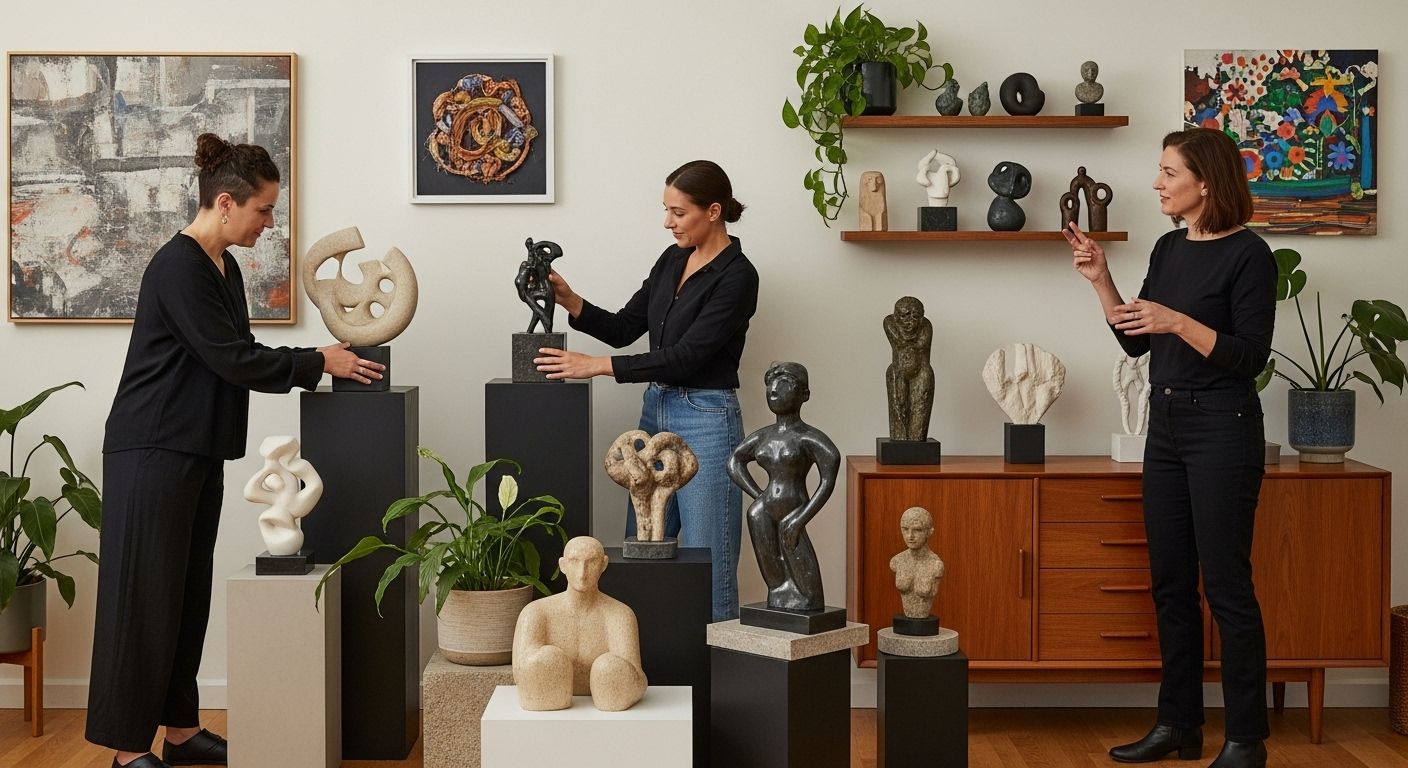
sculpture display, modern home, art arrangement

Sculpture can completely transform a room, turning an empty corner into a showpiece and giving your space a story. Most people think it is all about picking the right artwork and calling it a day. But get this. The right placement and display techniques can multiply the impact of a sculpture, making it the centrepiece that ties an entire room together. There are creative tricks interior designers use that most collectors never hear about.

Table of Contents

Quick Summary

Takeaway Explanation
Choose optimal sculpture locations Ensure placements allow for viewer interaction and appreciation without hindering movement.
Create dynamic art combinations Mix sculptures with other art forms for engaging visual narratives and enhanced aesthetic appeal.
Utilise thematic displays for cohesion Group sculptures around shared themes to create unified stories that engage viewers.
Maximise lighting techniques Use directional, ambient, and natural lighting to highlight details and enhance the viewing experience.
Rotate displays seasonally for variety Refresh your art collection by changing displays to align with seasonal themes and natural light adjustments.

1: Choose the Right Location for Your Sculpture

Selecting the perfect location for your sculpture is more than just finding an empty space. The right placement can transform an artwork from a mere object to a captivating focal point that enriches your entire environment. Your chosen location will dramatically influence how viewers perceive and interact with the sculpture.

Consider these key factors when determining the ideal sculpture placement:

  • Room Traffic Flow: Select an area that allows viewers to appreciate the sculpture without obstructing movement

  • Natural Lighting: Position the artwork where natural or strategic lighting can highlight its unique textures and details

  • Visual Balance: Ensure the sculpture complements existing design elements and doesn’t compete with other visual features

According to the Project for Public Spaces, successful art placement depends on understanding how the artwork interacts with its surrounding environment. This principle applies equally to home and professional settings.

Different rooms offer unique opportunities for sculpture display. A living room might welcome a bold, statement piece near a large window, while a study could benefit from a more contemplative sculpture positioned on a carefully curated bookshelf. Natural light and strategic positioning can dramatically enhance the sculpture’s visual impact.

Height and perspective matter significantly. A sculpture placed at eye level invites closer examination, while an elevated position can create a sense of drama and importance. Consider pedestals, shelves, or dedicated display areas that showcase your artwork’s unique characteristics.

For art collectors looking to dive deeper into sculptural display techniques, our guide on African sculptural traditions offers additional insights into contextual placement and artistic presentation.

2: Mix and Match Sculptures with Other Art Forms

Combining different art forms creates dynamic visual narratives that transform spaces from ordinary to extraordinary. Sculptures, when thoughtfully integrated with paintings, photographs, or mixed media, can generate compelling conversations and elevate the aesthetic experience of any room.

Strategic art combination requires understanding how different mediums interact and complement each other. Consider these essential principles:

  • Thematic Connections: Select artworks that share conceptual or emotional resonance

  • Color and Texture Harmony: Ensure visual elements create a cohesive and balanced composition

According to Tate’s art installation perspectives, mixing art forms challenges traditional display boundaries and encourages viewers to explore deeper interpretive relationships between different media.

Sculptural dialogue with other art forms can occur through multiple approaches. A bronze sculpture might find remarkable synergy alongside an abstract watercolor that echoes its color palette. A minimalist ceramic piece could create fascinating contrast when placed near a vibrant photographic landscape.

For collectors seeking inspiration, wall arrangements offer tremendous potential. Consider creating a gallery wall where sculptures protrude from or interact with two-dimensional artworks. A small bronze figure positioned in front of a large canvas can create depth and intrigue, drawing the viewer’s eye across the entire composition.

Texture plays a crucial role in these artistic conversations. Smooth sculptural surfaces can beautifully complement rough textile artworks or intricate graphic prints. The key is creating visual rhythm and maintaining a sense of balance.

For those interested in exploring African art’s rich sculptural traditions and display techniques, learn more about our curated collection insights that can inspire your creative display strategies.

3: Create a Themed Display for Cohesion

Themed sculpture displays transform spaces from random collections into curated narratives, telling visual stories that captivate and engage viewers. A well-conceived thematic approach allows sculptures to communicate beyond their individual forms, creating a unified artistic experience.

Consider these fundamental approaches to developing a cohesive sculptural theme:

  • Cultural Heritage: Group sculptures representing specific artistic traditions or geographical origins

  • Material Consistency: Select sculptures sharing similar materials or crafting techniques

  • Emotional Resonance: Curate pieces that evoke comparable moods or conceptual expressions

According to research on exhibition design by Public Art Teaching Methods, thematic displays enhance viewer understanding and emotional connection with artistic works.

Thematic strategies can emerge from multiple perspectives. A collection might explore African sculptural traditions, highlighting regional artistic techniques. Alternatively, you could create a display focusing on abstract forms, selecting sculptures that emphasize geometric shapes and minimalist design.

Color palettes play a crucial role in thematic cohesion. Sculptures with complementary tones or textures can create visual dialogue, even when their specific styles differ. Bronze sculptures with warm amber undertones might be grouped together, creating a sense of unified warmth and depth.

Size and scale considerations are equally important. A themed display might intentionally contrast smaller intricate pieces with larger, more commanding sculptures. This variation maintains visual interest while preserving the underlying thematic connection.

For collectors seeking deeper insights into curating meaningful sculptural collections, explore our comprehensive guide to African sculptural traditions and discover innovative display strategies that celebrate artistic heritage.

4: Use Lighting to Enhance Your Sculptures

Lighting transforms sculptures from static objects into dynamic visual experiences, revealing intricate details and creating dramatic visual narratives. Strategic illumination can dramatically alter how viewers perceive and interact with sculptural art.

Key lighting techniques for sculptural displays include:

  • Directional Spotlighting: Highlight specific sculptural features and create depth

  • Ambient Backlighting: Generate soft shadows and ethereal visual effects

  • Adjustable Intensity: Modify light levels to suit different times of day

According to the Smithsonian Institution’s Museum Conservation Institute, proper lighting is crucial for both aesthetic presentation and artwork preservation.

Natural and artificial light sources offer unique opportunities for sculptural illumination. Positioned near windows, sculptures can benefit from changing daylight conditions, with sunlight casting dynamic shadows that transform the artwork throughout the day. Artificial lighting provides more controlled environments, allowing precise manipulation of light angles and intensity.

Consider the sculpture’s material when selecting lighting approaches. Bronze sculptures might require different illumination techniques compared to ceramic or stone pieces. Metallic surfaces reflect light differently, creating opportunities for dramatic visual effects.

Track lighting and adjustable LED systems provide exceptional flexibility. These modern lighting solutions allow collectors to experiment with multiple angles and intensities, creating personalized display experiences that highlight each sculpture’s unique characteristics.

For collectors seeking deeper insights into showcasing African sculptural traditions, explore our comprehensive guide to sculptural presentation and discover innovative lighting strategies that celebrate artistic heritage.

5: Consider Scale and Proportion in Your Arrangement

Scale and proportion are the silent architects of visual harmony, transforming sculpture displays from mere collections into sophisticated artistic compositions. Understanding how different sized sculptures interact creates a dynamic and engaging visual narrative.

Key principles for managing sculptural scale include:

  • Visual Hierarchy: Create focal points by strategically placing larger sculptures

  • Balanced Composition: Mix sculptures of varying sizes to maintain visual interest

  • Spatial Relationship: Ensure sculptures complement rather than compete with each other

According to Smarthistory’s design principles, successful arrangements depend on understanding how different elements interact within a given space.

Proportion goes beyond simple size comparisons. A small, intricate sculpture can command significant visual weight when positioned thoughtfully. Consider creating visual dialogues between pieces of different scales – a tall, slender bronze sculpture might beautifully contrast with a compact, rounded ceramic piece.

Room dimensions play a critical role in sculptural arrangements. Large spaces allow for more dramatic scale variations, while smaller rooms require more nuanced approaches. Vertical arrangements can create the illusion of expanded space, with sculptures positioned at different heights to draw the viewer’s eye upward.

Collection curators often employ the rule of thirds, positioning sculptures at intersecting points to create natural visual balance. This technique prevents displays from feeling static or overly symmetrical.

For collectors seeking deeper insights into sophisticated sculptural display techniques, explore our comprehensive guide to African sculptural traditions and discover innovative approaches to spatial arrangement.

6: Employ Different Display Surfaces for Interest

Innovative display surfaces transform sculpture collections from static exhibits into dynamic visual experiences, creating layers of intrigue and engagement. By experimenting with diverse surfaces, collectors can dramatically enhance the narrative and visual impact of their sculptural arrangements.

Consider these creative display surface strategies:

  • Floating Shelves: Create clean, minimalist platforms for smaller sculptures

  • Textured Pedestals: Add visual depth and contextual complexity to sculptural presentations

  • Wall-Mounted Displays: Maximize vertical space and generate unexpected viewing perspectives

According to the Smithsonian National Museum of African American History and Culture, innovative display techniques can transform how viewers perceive and interact with sculptural art.

Material diversity becomes a powerful storytelling tool. Wooden surfaces can introduce warmth and organic texture, while glass or acrylic platforms offer transparency and a sense of weightlessness. Metal stands with sleek, industrial designs might complement contemporary sculptural pieces, creating visual dialogues between the artwork and its supporting surface.

Consider the sculpture’s material and origin when selecting display surfaces. A traditional African wooden sculpture might resonate beautifully on a handcrafted wooden base, while a modernist bronze piece could demand a more minimalist, monochromatic platform.

Rotating displays and adjustable surfaces allow for continuous reimagination of your collection. Collectors can periodically shift sculptures between different surfaces, maintaining visual freshness and encouraging repeated engagement.

For enthusiasts seeking deeper insights into sculptural presentation, explore our comprehensive guide to African sculptural traditions and discover innovative display strategies that celebrate artistic heritage.

7: Incorporate Plants and Natural Elements

Integrating plants and natural elements with sculptures creates living, breathing displays that transform static art into dynamic, evolving compositions. The organic interplay between sculptural forms and botanical elements adds depth, texture, and a sense of vibrant life to your artistic arrangement.

Strategic plant and sculpture pairings offer multiple design possibilities:

  • Contrast Textures: Pair smooth sculptural surfaces with varied plant textures

  • Color Coordination: Select plants that complement or create interesting visual tension with sculpture tones

  • Spatial Dynamics: Use plants to frame and enhance sculptural positioning

The botanical world provides remarkable opportunities for creative display. Succulents with geometric forms can mirror modernist sculptural aesthetics, while trailing plants like ivy can soften angular sculptural lines, creating a sense of organic movement.

Consider the material and origin of your sculpture when selecting accompanying plants. A bronze African sculpture might beautifully contrast with indigenous South African plants, creating a narrative that connects artistic and natural heritage. Ceramic sculptures can be nestled among delicate ferns, while stone pieces might find powerful companions in robust, architectural plants.

Lighting becomes crucial in these living displays. Natural light can create fascinating interplays of shadow and form between plants and sculptures, transforming the display throughout the day. Carefully positioned plants can also serve as natural light filters, creating subtle, ever-changing illumination effects.

For collectors seeking deeper insights into integrating art with natural elements, explore our comprehensive guide to African sculptural traditions and discover innovative presentation strategies that celebrate artistic and botanical beauty.

8: Change Displays Seasonally for Freshness

Seasonal sculpture displays breathe new life into art collections, transforming familiar spaces through dynamic, ever-changing visual narratives. By rotating and reimagining sculptural arrangements, collectors can create ongoing experiences that reflect the rhythms of nature and keep their environments vibrant and engaging.

Key strategies for seasonal sculpture display include:

  • Thematic Rotation: Align sculptural displays with seasonal color palettes and moods

  • Contextual Positioning: Adjust display locations to complement changing natural light

  • Complementary Decor: Integrate seasonal botanical or textural elements

Seasonality offers profound opportunities for artistic reinterpretation. Summer might inspire displays with light, airy arrangements and bright, open spaces, while winter could call for more intimate, concentrated sculptural groupings that create a sense of warmth and introspection.

Autumn displays might feature sculptures positioned near warm-toned textiles or accompanied by rich, earthy botanical elements. Spring could highlight renewal through delicate, emerging sculptural arrangements that mirror the season’s sense of awakening and potential.

Lighting becomes a crucial component in seasonal displays. As daylight hours and angles change throughout the year, sculptures can be repositioned to capture different illumination effects, creating fresh perspectives and visual experiences.

Collection management becomes an artistic practice in itself. Rotating sculptures not only prevents visual fatigue but also allows different pieces to take center stage, ensuring each artwork receives focused appreciation throughout the year.

For collectors seeking deeper insights into innovative display strategies, explore our comprehensive guide to African sculptural traditions and discover ways to keep your collection dynamic and engaging.

Below is a comprehensive table summarising the key sculpture display ideas, core steps, and benefits discussed in the article:

Display Idea Main Steps / Approaches Benefits / Outcomes
Choose the Right Location Consider traffic flow, natural lighting, and visual balance. Adjust height/perspective with pedestals or shelves. Enhances artwork visibility, creates focal points, complements room design.
Mix with Other Art Forms Combine sculptures with paintings, photos, or mixed media. Focus on theme, colour, and texture harmony. Adds visual interest, creates narrative depth, boosts aesthetic appeal.
Themed Display for Cohesion Group by culture, material, or emotional tone. Use colour and scale for unity. Creates unified story, curated feel, boosts emotional connection.
Use Creative Lighting Employ directional, ambient, and natural lighting; adjust intensity and source placement. Highlights details, shapes mood, enhances viewer engagement.
Consider Scale and Proportion Mix sizes thoughtfully, establish visual hierarchy and balance, use rules like the rule of thirds. Maintains harmony, creates interest, avoids overcrowding or monotony.
Employ Different Display Surfaces Use floating shelves, pedestals, wall-mounts; select materials to suit the artwork’s style and origin. Introduces layers, contrast, and sophistication to the display.
Incorporate Plants & Natural Elements Pair with plants for texture/colour contrast, coordinate spatial dynamics, adapt lighting for both. Adds organic energy, depth, and dynamic composition.
Change Displays Seasonally Rotate sculptures, adjust for seasonal light, and introduce complementary décor/plants. Keeps space fresh, highlights different pieces, mirrors natural rhythms.

Elevate Your Space With Curated South African Sculpture

Struggling to make your sculpture collection look its best? From choosing the right location to mixing art forms and playing with scale, the article has shown how display decisions shape the entire feel of your space. But many art lovers find it hard to source authentic pieces or create that perfect sense of balance and cohesion at home. Whether you are aiming for a themed display, want to enhance your room with natural elements, or need help introducing seasonal variety, sourcing quality sculptures is the first step towards transforming your interiors.

https://art-online.co.za

Discover the joy of collecting original South African sculptures from acclaimed artists on Art Online. Let us help you tell your story with expertly curated works that express cultural heritage, artistic style, and personal taste. Visit our homepage now and find beautiful sculptures that bring your creative display ideas to life. Start your journey towards a more inspiring space today.

Frequently Asked Questions

How can I choose the right location for displaying my sculpture?

Selecting the perfect location involves considering room traffic flow, natural lighting, and visual balance. Place the sculpture where it can be easily appreciated without obstructing movement and ensure it complements the surrounding design elements.

What are some effective ways to mix sculptures with other art forms?

To mix sculptures effectively, focus on thematic connections, color harmony, and texture balance. Choose artworks that share conceptual or emotional resonance and ensure that the visual elements create a cohesive composition.

How does lighting enhance the display of sculptures?

Lighting can transform sculptures by highlighting intricate details and creating depth. Use directional spotlighting to accent features, ambient backlighting for soft shadows, and adjustable intensity for different moods and times of day.

What are the benefits of changing sculpture displays seasonally?

Changing displays seasonally keeps your art collection fresh and engaging. It allows you to align sculptures with seasonal color palettes, adjust for changing natural light, and integrate complementary decor for a dynamic visual experience.

Posted on Leave a comment

Understanding Color Theory in Art: A Comprehensive Guide

artist studio color wheel

Colour theory shapes everything from bold artwork to the calm in your living room, subtly guiding mood and meaning with every shade. The wild part is that colours are not just picked for beauty. They hold real power behind the scenes. Studies show colour choices can directly influence your emotions and even the way you experience a space. There is so much more to colour theory than picking what looks nice, and once you see how it works, you will never look at colour the same way again.

Table of Contents

Quick Summary

Takeaway Explanation
Understanding colour relationships enhances art Mastering how colours interact allows artists to create visually compelling compositions that communicate emotions effectively.
Colour evokes specific emotional responses Different hues influence viewer perception, with warm colours suggesting energy and cool colours implying calmness and tranquility.
Strategic colour selection impacts design Designers can manipulate colours to create visual hierarchies and enhance user experiences across various creative fields.
Utilizing the colour wheel facilitates choice The colour wheel provides insight into primary, secondary, and tertiary colours, aiding artists in making informed colour decisions.
Harmonies create visual balance and interest By employing complementary, analogous, and triadic colour schemes, artists can enhance emotional resonance and aesthetic appeal in their work.

What is Color Theory in Art and Its Fundamental Concepts?

Color theory in art represents a sophisticated framework of principles that guide artists in understanding how colours interact, communicate emotion, and create visual harmony. At its core, colour theory explores the scientific and aesthetic relationships between different hues, offering artists a strategic approach to colour selection and composition.

The Scientific Foundation of Colour

Colour theory is rooted in both scientific observation and artistic interpretation. It examines how humans perceive colour through light wavelengths and how different pigments interact when combined. Artists use this knowledge to manipulate colour strategically, creating depth, mood, and visual interest in their artwork.

The fundamental elements of colour theory include:

  • Primary Colours: Red, blue, and yellow, which cannot be created by mixing other colours
  • Secondary Colours: Green, orange, and purple, created by mixing two primary colours
  • Tertiary Colours: Colours formed by mixing a primary and adjacent secondary colour

Psychological and Emotional Dimensions

Beyond technical understanding, colour theory explores the profound psychological impact of colours. Different hues evoke specific emotional responses and can significantly influence viewer perception. For instance, warm colours like red and orange often suggest energy and passion, while cool colours such as blue and green typically represent calmness and tranquility.

According to Interaction Design Foundation, colour selection is a critical aspect of artistic expression that transcends mere aesthetic choices. Artists strategically employ colour theory to communicate complex narratives, trigger emotional responses, and guide viewer interpretation of their work.

The Importance of Color Theory: Why It Matters in Art and Design

Color theory transcends mere aesthetic decoration, serving as a powerful communication tool that bridges artistic expression and psychological perception. By understanding the intricate relationships between colours, artists and designers can craft visual experiences that resonate deeply with audiences, conveying complex emotions and narratives through strategic colour selection.

Visual Communication and Emotional Resonance

Color theory enables creators to communicate without words, using hues as a universal language of emotion and meaning. Different colour combinations can evoke specific psychological responses, influencing viewer perception and emotional engagement. Professional artists leverage this understanding to guide audience interpretation, creating visual narratives that speak directly to human sensory and emotional experiences.

Key psychological impacts of colour include:

  • Emotional Triggers: Red signaling passion or danger
  • Cultural Symbolism: White representing purity in some cultures, mourning in others
  • Attention Management: Bright colours drawing immediate visual focus

Strategic Applications Across Creative Disciplines

Color theory extends far beyond traditional art, playing crucial roles in graphic design, marketing, user interface development, and brand identity. Designers strategically employ colour principles to create visual hierarchies, communicate brand personalities, and enhance user experiences across digital and physical platforms.

According to Interaction Design Foundation, colour choices significantly impact user perception, with factors like cultural background, personal experience, and psychological associations influencing how individuals interpret visual information. Discover more about artistic color applications in our comprehensive guide to understanding colour’s transformative potential in creative expression.

The Color Wheel: Understanding Primary, Secondary, and Tertiary Colors

The color wheel serves as a fundamental visual tool in color theory, offering artists and designers a structured approach to understanding color relationships and interactions. This circular diagram represents the complex connections between different hues, providing insights into how colours can be combined, contrasted, and harmonized to create visually compelling compositions.

The Foundation of Color Categories

At the core of the color wheel are three distinct color categories that form the basis of all color interactions. These categories represent different levels of color complexity and provide artists with a strategic framework for color selection and mixing.

To help clarify the differences and relationships between primary, secondary, and tertiary colours, the table below categorizes and defines each type as discussed in the article.

Colour Category Colours Included How They Are Created
Primary Colours Red, Blue, Yellow Fundamental hues, cannot be created by mixing other colours
Secondary Colours Green, Orange, Purple Created by mixing two primary colours in equal proportions
Tertiary Colours Six intermediate colours (e.g. red-orange, blue-green) Formed by mixing a primary colour with an adjacent secondary colour

The primary color categories include:

Infographic showing primary secondary tertiary color wheel relationships

  • Primary Colors: Red, blue, and yellow – the fundamental, pure colors that cannot be created by mixing other colors
  • Secondary Colors: Green, orange, and purple – created by mixing two primary colors in equal proportions
  • Tertiary Colors: Six intermediate colors formed by mixing a primary and adjacent secondary color

Color Relationships and Harmonies

Beyond basic categorization, the color wheel reveals sophisticated color relationships that artists can leverage to create visual depth and emotional resonance. Color harmonies such as complementary, analogous, and triadic schemes emerge from the wheel’s systematic arrangement, enabling creators to make intentional color choices that enhance artistic expression.

According to Sophia Learning, the color wheel is not just a theoretical construct but a practical tool that helps artists understand how different colors interact and influence each other. By studying these relationships, artists can develop more nuanced and sophisticated approaches to color selection and composition. Explore our guide on artistic color applications to deepen your understanding of color theory in visual arts.

Color Harmony and Contrast: How Colors Work Together

Color harmony represents the delicate art of combining colours in ways that create visual balance, aesthetic pleasure, and emotional resonance. Artists and designers strategically manipulate colour relationships to produce compositions that are simultaneously engaging, meaningful, and visually compelling.

Types of Color Harmonies

Colour harmonies are systematic approaches to colour combination that follow specific aesthetic principles. These established strategies help creators generate visually pleasing colour schemes that communicate effectively and evoke desired emotional responses.

Key colour harmony techniques include:

  • Complementary Harmony: Using colours directly opposite each other on the colour wheel
  • Analogous Harmony: Selecting colours adjacent to each other, creating a unified and serene effect
  • Triadic Harmony: Combining three colours equally spaced on the colour wheel

Creating Visual Interest Through Contrast

Contrast is a powerful technique that adds depth, dynamism, and visual excitement to artistic compositions. By intentionally juxtaposing colours with different characteristics such as brightness, saturation, or temperature, artists can create focal points, guide viewer attention, and generate visual tension.

Effective contrast strategies involve understanding how colours interact and influence each other. Warm colours like red and orange can appear more vibrant when placed next to cool colours like blue and green, creating a dynamic visual dialogue that captures viewer interest.

According to Interaction Design Foundation, colour harmony is not just about aesthetic appeal but a sophisticated communication tool that influences perception and emotional response. Learn more about artistic colour applications in our comprehensive exploration of colour theory’s transformative potential.

Practical Applications of Color Theory in Art and Interior Design

Color theory transcends theoretical understanding, serving as a powerful tool for professionals across creative disciplines. Artists and interior designers leverage sophisticated color principles to create compelling visual narratives, evoke emotional responses, and transform spaces through strategic color selection and application.

Artistic Expression and Emotional Communication

In visual arts, color theory enables creators to communicate complex emotions and narratives without relying solely on representational elements. By understanding colour relationships, artists can craft compositions that guide viewer perception, create visual hierarchy, and invoke specific psychological and emotional states.

Key artistic applications of color theory include:

  • Mood Manipulation: Using warm or cool color palettes to influence emotional perception
  • Narrative Emphasis: Directing viewer attention through strategic color placement
  • Symbolic Representation: Employing colors to represent abstract concepts or cultural meanings

Interior Design and Spatial Transformation

Interior designers utilize color theory as a sophisticated methodology for creating harmonious, functional, and emotionally resonant spaces. Color choices influence perceived room dimensions, emotional atmosphere, and human psychological responses. Professional designers carefully select color schemes that balance aesthetic appeal with psychological comfort, transforming ordinary spaces into extraordinary environments.

interior design color harmony

Color application strategies in interior design involve understanding how different hues interact with light, architectural elements, and human perception. Warm colors can make large spaces feel more intimate, while cool colors can create a sense of expansiveness and tranquility.

According to Interaction Design Foundation, color theory is a critical tool for creative professionals, enabling nuanced communication through visual language. Explore our insights on meaningful decor to understand how color choices can transform living spaces and artistic expressions.

Bring Colour Theory to Life With Extraordinary Local Art

The journey to mastering colour theory can feel overwhelming, especially when searching for real-world inspiration or guidance in applying those principles. Many artists and enthusiasts struggle to translate the ideas of colour harmony, emotional resonance, and visual balance into practice. This is exactly where Art Online bridges the gap. Our gallery features curated South African artworks that demonstrate powerful use of colour theory and storytelling through hue, offering a living portfolio of the techniques discussed in this guide.

https://art-online.co.za

Deepen your understanding of colour, explore authentic art that vividly showcases the use of primary, secondary, and harmonious colour schemes, and choose pieces that complement your own space or creative goals. Visit Art Online now to discover the richness and diversity of local talent and see for yourself how colour theory transforms a simple canvas into an evocative narrative. Don’t just study colour theory – experience it in action and make it part of your everyday environment. View our latest collection and start your journey toward more inspired living today.

Frequently Asked Questions

What is color theory in art?

Color theory in art is a set of principles that help artists understand how colors interact, communicate emotion, and create visual harmony. It encompasses the scientific and aesthetic relationships between different hues, guiding artists in their color selection and compositions.

Why is color theory important in art and design?

Color theory is crucial as it serves as a communication tool that bridges artistic expression and psychological perception. By understanding color relationships, artists and designers can create compelling visual experiences that resonate emotionally with audiences.

How does the color wheel assist artists in their work?

The color wheel is a visual tool that helps artists understand color relationships and interactions. It categorizes colors into primary, secondary, and tertiary groups, guiding artists in creating visually appealing compositions through harmonious color selections.

What are the different types of color harmonies?

Key types of color harmonies include complementary harmony (colors opposite each other on the color wheel), analogous harmony (colors next to each other), and triadic harmony (three colors that are evenly spaced on the wheel). These harmonies help create balanced and aesthetically pleasing designs.

Posted on Leave a comment

Understanding the History of Art Galleries

history of art galleries

Art galleries stand at the heart of modern cultural life and their impact stretches far beyond just displaying paintings on white walls. Here is something you might not expect. More than 70 percent of art galleries now offer virtual exhibitions that anyone around the world can visit from their living room. It is not the paintings behind glass that define their true power anymore but the way these spaces connect people, transform communities, and rewrite what it means to experience art.

Table of Contents

Quick Summary

Takeaway Explanation
Art galleries democratize access to art. They transitioned from private collections to public spaces, enabling broader societal engagement with artistic expressions.
Galleries serve as educational platforms. They provide context and narratives around artworks, enhancing public understanding and appreciation of various art forms.
Galleries act as community hubs. Modern galleries foster social interaction, support local artists, and help preserve cultural narratives, creating vibrant community spaces.
Digital transformation reshapes gallery experiences. The rise of virtual exhibitions has expanded access, allowing global audiences to engage with art from anywhere.
Galleries address social and environmental issues. Many contemporary galleries focus on themes like climate change and social justice, enhancing their role in critical global conversations.

The Origins and Evolution of Art Galleries

Art galleries have transformed dramatically from private collections to public spaces of cultural exchange and artistic representation. Smithsonian Magazine highlights how these institutions fundamentally reshaped artistic engagement during the late 19th and early 20th centuries.

The Private Collection Era

Initially, art was primarily a privilege of aristocratic and wealthy individuals who maintained exclusive collections within their private residences. These collections were not accessible to the general public and served as symbols of social status and intellectual refinement. Wealthy European families would commission artists and collect paintings, sculptures, and decorative objects as personal treasures, displaying them in dedicated rooms or salons.

Emergence of Public Art Spaces

The transition from private to public art spaces marked a revolutionary moment in cultural democratization. Museums and galleries began emerging in major European cities, creating platforms where art could be viewed and appreciated by broader segments of society. These institutions started breaking down social barriers, allowing people from different economic backgrounds to experience and engage with artistic expressions.

Transformation into Commercial Platforms

By the mid-20th century, art galleries evolved into complex commercial and cultural platforms. They became not just exhibition spaces but critical nexuses for artists, collectors, critics, and enthusiasts. These spaces began playing crucial roles in discovering new talents, promoting artistic movements, and establishing market values for artworks. Read our comprehensive guide on contemporary art collection strategies to understand how modern galleries operate.

Key developments in art gallery evolution included:

  • Transition from exclusive private collections to public exhibitions
  • Emergence of commercial gallery models
  • Increased global accessibility of artistic works
  • Development of curated exhibition experiences

The table below summarizes the changing characteristics of art galleries across their historical evolution, helping readers see the progression from private collections to modern, digital institutions.

Era or Stage Key Characteristics
Private Collection Era Exclusive, owned by elite; inaccessible to public; symbol of status
Emergence of Public Spaces Public access established; cultural democratization; rise of museums/galleries
Commercial Platform Phase Art market develops; galleries foster artistic movements; artist-market connections
Contemporary/Digital Era Virtual access; global inclusivity; address social/environmental issues

These transformations fundamentally reshaped how society perceives, consumes, and values artistic expressions, turning art galleries into dynamic cultural institutions that transcend mere display spaces.

The Role of Art Galleries in Art Appreciation

Art galleries serve as critical cultural platforms that transform passive observation into active engagement with artistic expressions. Research from cultural education institutions demonstrates how these spaces fundamentally shape public understanding and appreciation of artistic works.

Educational Platforms for Artistic Understanding

Galleries function as sophisticated educational environments that go beyond mere display. They create contextual narratives around artworks, helping visitors understand historical, social, and personal dimensions of artistic creation. By providing detailed descriptions, curator notes, and historical backgrounds, galleries transform visual experiences into profound learning opportunities. These spaces decode complex artistic languages, making contemporary and traditional art accessible to diverse audiences.

Cultural Preservation and Interpretation

Beyond education, art galleries play a crucial role in cultural preservation and interpretation. They document artistic movements, preserve significant works, and create dialogues between different cultural expressions. Galleries curate collections that represent various perspectives, enabling visitors to explore diverse artistic traditions and understand how art reflects societal changes. Explore our guide to understanding African artistic heritage to delve deeper into these cultural connections.

Bridging Artists and Audiences

Art galleries function as critical intermediaries between artists and the public, creating platforms for meaningful artistic exchanges. They provide spaces where emerging and established artists can showcase their work, receive critical feedback, and connect with potential collectors and art enthusiasts. These institutions validate artistic expressions, establish market values, and create pathways for artistic recognition.

Key aspects of art galleries in appreciation include:

  • Providing comprehensive contextual information about artworks
  • Creating immersive educational experiences
  • Preserving cultural and artistic heritage
  • Facilitating direct engagement between artists and audiences
  • Promoting diverse artistic expressions

By transforming visual encounters into intellectual and emotional experiences, art galleries play an indispensable role in cultivating deeper, more nuanced art appreciation among diverse audiences.

Art Galleries: Cultural Hubs and Community Spaces

Art galleries have transcended their traditional roles, emerging as vibrant social spaces that foster community engagement and cultural dialogue. Research on cultural institutions highlights their profound impact on social connectivity and community development.

Spaces of Social Interaction

Modern art galleries are more than passive exhibition spaces. They serve as dynamic social platforms where diverse communities converge, share perspectives, and engage in meaningful conversations. These spaces host interactive events like artist talks, workshops, and public discussions that transform art viewing into a collaborative experience. By creating inclusive environments, galleries break down social barriers and provide platforms for cross-cultural understanding and dialogue.

Platforms for Local Cultural Expression

Galleries play crucial roles in amplifying local artistic voices and preserving community narratives. They provide opportunities for emerging artists to showcase their work, document local cultural experiences, and challenge mainstream artistic representations. Discover more about local artistic movements to understand how these spaces nurture regional creativity and cultural identity.

Economic and Social Development

Beyond cultural significance, art galleries contribute to local economic ecosystems. They attract tourists, support creative industries, and generate economic opportunities for artists, curators, and associated professionals. These spaces become catalysts for urban regeneration, transforming neighborhoods and creating vibrant cultural districts that stimulate local economic growth.

Key characteristics of galleries as community spaces include:

  • Providing platforms for artistic dialogue
  • Supporting emerging local artists
  • Creating inclusive cultural experiences
  • Generating economic opportunities
  • Preserving community cultural narratives

By integrating artistic expression with community engagement, art galleries have evolved into essential social infrastructures that connect people, ideas, and creative experiences.

art gallery community

Commercial vs. Non-Profit Art Galleries: Key Differences

Art galleries operate within complex ecosystems that fundamentally differ based on their organizational structures and primary objectives. Research on art institutions reveals the nuanced distinctions between commercial and non-profit gallery models.

Financial and Operational Structures

Commercial galleries function as business enterprises focused on selling artworks and generating revenue. They derive income through commission on art sales, typically taking a percentage of each artwork sold by representing artists. These galleries actively curate collections that appeal to collectors and investors, prioritizing marketable artistic expressions. In contrast, non-profit galleries operate with different financial models, often relying on grants, donations, and public funding to support their artistic missions.

Mission and Artistic Focus

The fundamental difference between commercial and non-profit galleries lies in their core missions. Commercial galleries prioritize market dynamics and financial sustainability, selecting artists based on potential sales and market trends. Non-profit galleries, however, emphasize artistic innovation, cultural preservation, and educational outreach. Explore our insights on supporting original art to understand these nuanced artistic ecosystems. These institutions often showcase experimental, emerging, or marginalized artistic voices that might not have immediate commercial appeal.

Institutional Accountability and Governance

Non-profit galleries are typically governed by boards of trustees or committees with specific cultural and educational mandates. They must demonstrate public benefit and adhere to strict regulatory requirements to maintain their non-profit status. Commercial galleries, in contrast, are accountable primarily to their owners, artists, and market performance. This structural difference significantly influences their curatorial decisions, exhibition strategies, and long-term artistic commitments.

Key distinguishing characteristics include:

  • Revenue generation methods
  • Artistic selection criteria
  • Funding sources
  • Governance structures
  • Primary institutional objectives

Understanding these differences illuminates the complex landscape of art presentation, revealing how diverse gallery models contribute to artistic discourse and cultural preservation.

To help clarify the main distinctions between commercial and non-profit art galleries, the following table compares their key characteristics side by side.

Aspect Commercial Art Galleries Non-Profit Art Galleries
Revenue Generation Sales commissions, private sales Grants, donations, public funding
Artistic Selection Criteria Market-driven, sale potential Artistic innovation, cultural relevance
Funding Sources Collectors, investors, art buyers Government, foundations, community donors
Governance Structure Owner or private entity Board of trustees/committees
Mission/Objectives Profit, market expansion Education, cultural preservation
Typical Exhibitions Popular, marketable artists Experimental, marginalized, emerging art

Infographic comparing commercial and non-profit galleries

The Contemporary Landscape of Art Galleries

The art gallery ecosystem has undergone radical transformations, driven by technological innovations, global connectivity, and shifting cultural paradigms. These changes have fundamentally reshaped how art is created, displayed, experienced, and consumed in the 21st century.

Digital Transformation and Virtual Exhibitions

Digital technologies have revolutionized art gallery experiences, creating unprecedented opportunities for global access and interaction. Online platforms now enable virtual exhibitions, allowing audiences to explore curated collections from anywhere in the world. These digital spaces transcend physical limitations, offering immersive 360-degree gallery tours, interactive artist discussions, and real-time artwork acquisitions. Discover contemporary art perspectives to understand these emerging digital art landscapes.

Globalization and Cross-Cultural Exchanges

Contemporary art galleries have become critical spaces for international cultural dialogue. They increasingly showcase diverse artistic voices from previously marginalized regions, challenging traditional Western-centric art narratives. Galleries now actively curate exhibitions that highlight global artistic diversity, promoting cross-cultural understanding and challenging established artistic hierarchies. This shift has democratized art representation, providing platforms for artists from various cultural backgrounds to share their unique perspectives.

Sustainability and Social Responsibility

Modern art galleries are expanding their roles beyond traditional exhibition spaces. They are becoming active participants in social and environmental conversations, curating exhibitions that address critical global issues like climate change, social justice, and cultural identity. Galleries are increasingly selecting artists and artworks that provoke meaningful dialogue, challenge societal norms, and inspire collective action.

Key characteristics of contemporary art galleries include:

  • Embracing digital and virtual exhibition technologies
  • Promoting global and diverse artistic representations
  • Addressing social and environmental challenges
  • Creating interactive and immersive art experiences
  • Challenging traditional artistic boundaries

These transformations reflect a dynamic, interconnected art world where galleries serve as crucial platforms for cultural exchange, artistic innovation, and global understanding.

Experience the Living Legacy of Art Galleries with Art Online

Curious about how art galleries moved from exclusive salons to inclusive community spaces? You have just explored how public spaces and digital innovation are changing the way we all experience and collect art. Yet many art lovers in South Africa still face a real challenge: finding accessible platforms that showcase both the history and fresh talent of our local art scene. Art Online addresses this need by offering a modern gallery experience where you can view and purchase works by leading South African artists from anywhere. Discover how our platform bridges tradition and technology for meaningful engagement, just as described in the article.

https://art-online.co.za

Take part in South Africa’s vibrant artistic journey right now. Visit Art Online to browse works that reflect our unique culture and history. For those who want to go deeper, explore our page on what makes original art so meaningful or get inspired by our guide to public art in South Africa. The story of art galleries is still being written. Start your next chapter with us today.

Frequently Asked Questions

What are the origins of art galleries?

Art galleries originated as private collections maintained by wealthy individuals, serving as symbols of status and intellectual refinement. Over time, they transformed into public spaces for cultural exchange.

How did art galleries evolve into public spaces?

The evolution from private collections to public galleries began in the late 19th and early 20th centuries, democratizing art access and allowing broader segments of society to engage with artistic expressions.

What roles do art galleries play in art appreciation?

Art galleries function as educational platforms that provide context about artworks, facilitate cultural preservation, and connect artists with audiences, thereby enhancing public understanding and appreciation of art.

How do commercial and non-profit galleries differ?

Commercial galleries focus on selling art and generating revenue, while non-profit galleries prioritize artistic innovation and cultural preservation. Their financial structures, missions, and governance significantly influence their operations.

Posted on Leave a comment

Unique Frame Ideas for South African Art Collectors

Unique Frame Ideas

South African art collectors are changing the way local artworks are displayed and protected. You might expect most galleries to stick with classic gold leaf or ordinary wooden frames. But collectors are now shifting toward options like reclaimed wine barrel wood and compressed bamboo fibres that turn the frame itself into a bold piece of art. The freshest trend is not just about matching a painting to a wall. It is about using the frame to tell a deeper South African story that nobody else on earth could replicate.

Table of Contents

Quick Summary

Takeaway Explanation
Explore unique framing materials Use indigenous woods or reclaimed materials to create distinctive frames that enhance your art’s emotional impact.
Incorporate textiles in framing Integrate traditional South African textiles to add cultural significance and narrative depth to your frames.
Adopt sustainable framing practices Choose recycled, biodegradable, or low-impact materials to present art while minimizing environmental impact.
Utilize innovative mounting techniques Employ floating frames or acid-free materials to preserve artworks and enhance their visual presentation.
Create contextual exhibition spaces Develop narrative-driven displays that educate viewers about the cultural and historical aspects of the artworks.

Creative Framing Materials and Textures

Framing is more than just protecting artwork it is an artistic statement that can transform the visual and emotional impact of a piece. South African art collectors are increasingly exploring unique framing materials and textures that reflect both cultural heritage and contemporary design sensibilities.

Indigenous Materials and Textural Innovation

Traditional south-african framing approaches are being reimagined through innovative material selections. According to the Smithsonian Institution, contemporary framers are experimenting with unconventional materials that tell a richer narrative about the artwork. Locally sourced materials like indigenous wood species such as yellowwood, stinkwood, and mahogany provide organic textures that connect the frame directly to south-african natural environments.

Reclaimed wood from old buildings, wine barrel staves, or driftwood from coastal regions offer frames with inherent historical character. These materials bring unique grain patterns, weathered surfaces, and subtle color variations that make each frame a distinctive artistic element. The imperfections and natural variations become part of the artwork’s storytelling, creating a dialogue between the frame and the piece it encompasses.

Textile and Mixed Media Framing

Textile integration represents another exciting frontier in unique frame design. South African textile traditions offer rich possibilities for framing, incorporating elements like traditional Ndebele beadwork, Xhosa mohair weaves, or Basotho blanket textures into frame borders. These textile applications transform frames from mere boundaries into cultural artifacts that extend the artwork’s narrative.

Mixed media approaches allow collectors to combine materials like metal, wood, and fabric to create multi-dimensional frames. Copper wire embellishments, brass inlays, or woven grass elements can add tactile complexity to frame designs. These techniques not only enhance visual interest but also provide a more immersive viewing experience that speaks to south-african artistic diversity.

Contemporary Sustainable Framing Approaches

Sustainability is increasingly driving innovative framing choices among south-african art collectors. Recycled materials like industrial metals, repurposed architectural elements, and eco-friendly composites are being transformed into stunning frame designs. Conservation experts suggest that these approaches not only reduce environmental impact but also introduce unique textural qualities to art presentation.

Frames made from compressed agricultural waste, bamboo composites, or reclaimed industrial materials offer collectors opportunities to make environmentally conscious aesthetic choices. These materials provide unexpected textures and colors that can dramatically alter an artwork’s perceived context, turning the frame into a statement of both artistic and environmental commitment.

For south-african art collectors seeking to elevate their collection’s presentation, exploring these creative framing materials represents an exciting journey of artistic discovery. Each frame becomes more than a boundary it becomes an integral extension of the artwork’s emotional and cultural landscape.

To help readers understand the diverse and innovative materials being used for frames by South African art collectors, the table below compares key framing material options, their sources, and unique characteristics.

Framing Material Source/Example Uses Unique Features
Indigenous Wood (yellowwood, stinkwood, mahogany) Locally sourced; connects to South African environments Organic textures, natural grain, regional character
Reclaimed Wood (wine barrel, old buildings) Salvaged from buildings, wine barrels Weathered surfaces, historical significance
Driftwood Gathered from coastal regions Unique shapes, natural weathering
Textile Integration (beadwork, mohair, blankets) Traditional Ndebele, Xhosa, Basotho textiles Adds cultural narrative, tactile dimension
Mixed Media (copper, brass, woven grass) Combined wood, metal, and fabric Multi-dimensional, visually and texturally rich
Recycled/Eco-Composites (bamboo, compressed fibres) Agricultural waste, industrial materials Eco-friendly, unexpected textures, sustainability

Showcasing Local South African Artworks

Presenting south-african artworks requires thoughtful consideration beyond mere display techniques. The presentation of local art reflects not just aesthetic choices but cultural narrative and artistic integrity. Art collectors understand that how an artwork is showcased can profoundly impact its perceived value and emotional resonance.

Cultural Context and Presentation Strategies

Local south-african artworks demand presentation methods that honor their intrinsic cultural significance. Contemporary research from ResearchGate highlights the importance of framing and display techniques that communicate deeper narratives about south-african artistic traditions. These strategies go beyond visual appeal to create immersive experiences that connect viewers directly with the artwork’s historical and cultural context.

Museum-quality presentation techniques involve careful consideration of lighting, spatial arrangement, and complementary background colors that enhance the artwork’s inherent qualities. For instance, artworks depicting rural landscapes might benefit from earthy tone backgrounds that echo the natural environment, while urban-themed pieces could utilize more neutral, contemporary settings.

Mounting and Display Innovations

Innovative mounting techniques have emerged as powerful tools for south-african art collectors. Floating frame methods allow artworks to appear suspended, creating visual depth and drawing attention to the piece’s intricate details. This approach works particularly well with mixed media works or pieces that incorporate traditional south-african textile and craft elements.

Specialized conservation-grade mounting materials protect delicate artworks while maintaining their visual integrity. Acid-free mounting boards, UV-protective glass, and archival-quality adhesives ensure that fragile works remain preserved for future generations. These technical considerations are crucial for collectors who view art not just as decoration but as cultural heritage.

Infographic on innovative South African art mounting techniques

Contextual Exhibition Techniques

South African art collectors are increasingly adopting exhibition techniques that provide rich contextual storytelling. Learn more about curating south-african art collections through innovative display methods that go beyond traditional presentation. This might involve creating narrative spaces that connect individual artworks, using supplementary visual materials like historical photographs or artist statements to provide deeper understanding.

Multi-sensory exhibition approaches are gaining popularity. Some collectors incorporate subtle ambient sounds, carefully selected music, or even scent elements that complement the artwork’s thematic elements. These immersive strategies transform art viewing from a passive experience into an engaging, emotional journey that connects viewers more deeply with south-african artistic expressions.

The art of showcasing south-african artworks is a nuanced practice that balances technical preservation with creative presentation. Collectors who approach display as an extension of artistic storytelling create spaces that celebrate not just individual pieces but the rich cultural tapestry of south-african artistic heritage.

Custom Framing for Modern Interiors

Modern interior design demands more than traditional framing approaches. Custom framing has evolved from a simple protective mechanism to a sophisticated design element that bridges artistic expression and architectural aesthetics. South African art collectors are increasingly viewing frames as integral components of their interior design strategy.

Minimalist and Contemporary Frame Designs

According to design experts at ArchDaily, contemporary frames are transforming how art integrates with living spaces. Minimalist frame designs featuring slim metallic profiles, monochromatic finishes, and geometric silhouettes have become particularly popular in south-african modern interiors. These frames create visual continuity between artwork and surrounding architectural elements, allowing pieces to seamlessly blend with clean, contemporary spaces.

Black metal frames with ultra-thin edges provide a dramatic contrast against white walls, while brushed aluminium frames offer a sophisticated, understated elegance. The key is selecting frames that complement rather than compete with the artwork, creating a harmonious visual dialogue within the interior environment.

Integrated Design and Spatial Considerations

Custom framing for modern interiors requires a holistic approach that considers spatial dynamics, lighting conditions, and overall room aesthetics. Designers are moving beyond traditional rectangular formats, experimenting with asymmetrical frames, multi-panel configurations, and innovative mounting techniques that transform artwork presentation.

Frames can be designed to extend beyond traditional boundaries, incorporating architectural elements like built-in lighting, floating shelves, or integrated wall treatments. This approach turns artwork into a dimensional design feature that interacts dynamically with the surrounding space. For south-african collectors seeking comprehensive art display solutions, these innovative techniques offer unprecedented creative possibilities.

Material Innovation and Technological Integration

Technological advancements are revolutionizing custom framing for modern interiors. Smart frames with integrated digital displays, adjustable lighting, and even environmental sensors represent the cutting edge of art presentation. These frames can modify their appearance based on ambient conditions, allowing artworks to interact more dynamically with their surroundings.

Sustainable materials are also driving innovation in frame design. Recycled composites, responsibly sourced woods, and eco-friendly finishes appeal to environmentally conscious collectors. These materials not only reduce environmental impact but also introduce unique textures and visual characteristics that enhance the artwork’s presentation.

Custom framing for modern interiors is no longer about simply protecting and displaying art. It has become a sophisticated design language that communicates aesthetic sensibilities, personal stories, and architectural vision. South African art collectors are at the forefront of this transformative approach, treating frames as integral design elements that extend the emotional and visual narrative of their chosen artworks.

Sustainable Framing Ideas for Eco-Friendly Homes

Sustainability has become a critical consideration for south-african art collectors who are increasingly prioritizing environmental consciousness in their design choices. Eco-friendly framing represents an innovative approach that combines artistic appreciation with responsible consumption, allowing collectors to showcase artwork while minimizing ecological impact.

Recycled and Reclaimed Material Innovations

According to the Smithsonian Magazine, contemporary art practices are embracing sustainable material solutions that transform waste into beautiful design elements. Reclaimed wood from old buildings, fallen trees, and industrial sites offers unique framing opportunities that each tell a distinct environmental story. These materials bring inherent character with weathered textures, varied grain patterns, and historical significance that standard manufactured frames cannot replicate.

Agricultural waste materials like compressed bamboo fibers, hemp composites, and cork provide additional sustainable framing alternatives. These materials not only reduce environmental impact but also introduce distinctive natural textures that complement south-african artistic traditions. Each frame becomes a statement of ecological responsibility and artistic innovation.

Biodegradable and Low-Impact Framing Technologies

Emerging framing technologies are pushing the boundaries of sustainable design. Bioplastic frames manufactured from organic compounds like corn starch or algae offer completely biodegradable alternatives to traditional petroleum-based materials. These innovative solutions provide art collectors with frames that can be responsibly disposed of or composted at the end of their lifecycle.

Low-impact manufacturing processes that minimize water consumption, reduce chemical treatments, and utilize renewable energy sources are becoming increasingly important. Collectors can now explore eco-conscious art display solutions that align with global sustainability standards while maintaining exceptional aesthetic quality.

Circular Economy and Artistic Preservation

The concept of a circular economy is transforming how south-african art collectors approach framing. Instead of treating frames as disposable accessories, designers are creating modular, adaptable frames that can be easily repaired, repurposed, or fully recycled. This approach extends the lifecycle of framing materials and reduces overall environmental waste.

Collaborations between artists, designers, and environmental scientists are generating innovative frame designs that serve multiple purposes. Some frames incorporate integrated planters, allowing artwork spaces to become living ecosystems. Others feature modular components that can be disassembled and reused in different configurations, promoting a more dynamic and sustainable approach to art presentation.

Sustainable framing is more than an aesthetic choice it represents a commitment to environmental stewardship and responsible consumption. South African art collectors who embrace these innovative approaches are not just preserving artwork they are contributing to a broader movement of ecological consciousness and creative innovation.

This table summarises eco-friendly framing options discussed in the article, highlighting the material used, its sustainable qualities, and the artistic effect it brings to South African art collections.

Eco-Friendly Material Sustainable Qualities Artistic Effect
Reclaimed Wood Reduces waste, reuses existing resources Weathered textures, unique grain patterns
Compressed Bamboo & Hemp Fibres Renewable, agricultural byproduct Natural textures, lightweight
Cork Rapidly renewable, biodegradable Distinctive visual texture
Bioplastics (corn starch, algae) Fully biodegradable, compostable Clean finish, innovative material
Modular/Adaptable Frames Designed for reuse or recycling, long lifespan Dynamic displays, reduced waste
Integrated Planters Encourages living ecosystems, reuse of frames Combines art and greenery, eco-statement

Sustainable Framing Ideas

Frequently Asked Questions

Using indigenous woods like yellowwood and stinkwood, as well as reclaimed materials like wine barrels and driftwood, can enhance the emotional impact of South African art.

How can textiles be integrated into framing designs for South African art?

Incorporating traditional South African textiles, such as Ndebele beadwork or Basotho blanket textures, can add cultural significance and depth to the artwork’s narrative when used in frame borders.

What are sustainable framing options for South African art collectors?

Eco-friendly options include frames made from recycled materials, biodegradable composites, and reclaimed wood, all of which help reduce environmental impact while preserving artistic integrity.

How do mounting techniques affect the presentation of South African artwork?

Innovative mounting techniques, such as using floating frames or acid-free materials, can enhance the visual presentation and protect the integrity of the artwork over time.

Transform Your Art Collection with Distinctive Framing Solutions

Are you struggling to find frames that do justice to your South African artworks? Many collectors worry that off-the-shelf frames flatten the meaning, ignoring local culture, unique textures, or sustainable materials. Our article explored real pain points like finding frames crafted from indigenous wood, infused with heritage textiles, or designed for environmental responsibility. When your art holds stories of place and identity, standard solutions usually fall short.

https://art-online.co.za

You deserve frames that honour the emotional and cultural power of your collection. Discover how you can elevate your collection with professional framing that reflects your personal style and South African heritage. Visit Art Online to explore an extensive selection of framed works directly from renowned South African artists. If you are looking for more guidance on choosing between canvas and framed options or want to see how framing transforms presentation, learn from our in-depth guide on canvas vs framed art in South Africa. Take the next step to turn your home or gallery into a space where every frame tells a richer story—browse and order today before these exclusive pieces are gone.

Posted on Leave a comment

Art for Small Spaces: Fresh Ideas for South African Homes

South African small art room

Small homes in South Africa are filling up with art, yet corners and walls often feel too snug for anything bold. Most people think limiting yourself to tiny prints is the only solution, but that just makes rooms look even smaller. The real magic happens when you choose vertical pieces or reflective artworks, because vertical artworks can draw the eye upward and make even the most compact room feel noticeably taller and more open. So, picking the right piece does more than just decorate – it transforms the whole mood of your home.

Table of Contents

Quick Summary

Takeaway Explanation
Choose art based on scale and proportion Select pieces that create visual interest without overwhelming limited spaces; tall artworks enhance perceived height.
Utilize lighter color palettes Light and soft colors make small rooms feel more open and airy, while dark tones can feel constricting.
Optimize vertical space for display Hanging art higher can draw the eye upwards, creating an illusion of more space and height in compact rooms.
Use slim, minimalist frames The right frame complements artwork and your room’s aesthetic while maintaining visual cohesion and not overwhelming the space.
Explore local South African artists Support local talent by selecting pieces that resonate personally and offer narrative depth suitable for compact areas.

Choosing the Right Art for Compact Rooms

Compact rooms present unique challenges when selecting artwork, requiring strategic approaches that maximize visual impact while maintaining spatial harmony. The goal is not just decorating but creating an environment that feels expansive and personally meaningful. According to research published in PubMed Central, visual art can significantly influence perceived room dimensions and emotional well-being in smaller spaces.

Scale and Proportion: The Key to Visual Balance

Selecting art for small rooms demands careful consideration of scale. Oversized pieces can overwhelm limited spaces, while miniature artworks might appear insignificant. The sweet spot lies in finding pieces that create visual interest without dominating the room. Vertical artworks can draw the eye upward, creating an illusion of height and making compact rooms feel more spacious. Consider tall, narrow paintings or elongated photographic prints that guide the viewer’s gaze vertically.

Mirror-based art installations offer another clever strategy. By incorporating reflective surfaces, you can create depth and amplify the sense of space. A strategically placed artwork with reflective elements can make a compact room feel twice its actual size, bouncing light and creating visual intrigue.

Color Palette and Visual Weight

Color selection plays a critical role in art for small spaces. Lighter tones and soft, muted color palettes can make rooms feel more open and airy. Pastel landscapes, minimalist abstracts with white or neutral backgrounds, and soft watercolor pieces work exceptionally well. Avoid dark, heavy color schemes that can make a compact room feel more confined.

Monochromatic art collections offer another sophisticated approach. By selecting artworks within a single color family but with varying tones and textures, you create visual cohesion without overwhelming the space. This technique allows individual pieces to complement each other while maintaining a sense of visual lightness.

Infographic comparing art color palettes and scales for small rooms

Strategic Placement and Arrangement

Where you place art is just as important as what art you choose. Gallery walls can work in compact rooms if executed thoughtfully. Instead of cluttering walls with numerous small pieces, opt for a curated selection with consistent framing or a unified theme. Floating shelves can be an excellent alternative, allowing you to rotate artworks and create dynamic displays without permanent wall commitments.

Consider unconventional placement options like positioning art above doorways, on narrow wall sections, or creating visual continuity between furniture and artwork. Read our guide on innovative art display techniques for more inspiration on maximizing your compact space’s artistic potential.

Remember that art in small spaces is about creating visual dialogue and personal expression. Each piece should not just decorate but tell a story, reflect your personality, and contribute to the room’s overall aesthetic harmony. By understanding scale, color, and strategic placement, you can transform even the most compact room into a visually stunning and emotionally resonant space.

Smart Placement Techniques for Small Spaces

Transforming compact spaces into visually dynamic and functional environments requires strategic art placement and thoughtful design approaches. According to design research from the National Association of Interior and Industrial Design, creating an illusion of openness involves more than just selecting the right artwork—it demands intelligent spatial strategies that maximize perceived room dimensions.

Vertical Space Optimization

Vertical space represents an often underutilized canvas in compact rooms. By drawing the eye upward, you can create a sense of height and expansiveness. Consider mounting artwork higher on walls or creating vertical gallery arrangements that elongate the room’s visual perspective. Tall, narrow pieces work exceptionally well in these scenarios, guiding the viewer’s gaze skyward and making ceilings appear higher.

Mirrors strategically placed near artworks can amplify this effect. A carefully positioned mirror reflecting a piece of art can double the visual depth, creating an illusion of additional space. Select mirrors with slim frames or no frames at all to maintain a clean, uncluttered aesthetic.

Natural Elements and Restorative Design

Research published in environmental psychology journals highlights the importance of incorporating natural elements into small spaces. Artwork featuring landscapes, botanical illustrations, or nature-inspired abstracts can introduce a sense of tranquility and perceived openness. These pieces not only decorate walls but also create psychological breathing room.

Choose artworks with soft, muted color palettes that echo natural environments. Watercolor landscapes, minimalist botanical prints, or abstract pieces with organic textures can transform a compact space into a serene retreat. The key is selecting pieces that evoke a sense of expansiveness through their subject matter and color composition.

Layering and Depth Techniques

Art placement is not just about hanging pieces on walls. Consider creating depth through layered arrangements. Lean smaller artworks against walls on floating shelves, allowing them to partially overlap. This technique adds visual interest and creates a sense of intentional design rather than crowded decoration.

Multi-panel artworks or triptychs offer another sophisticated approach to small space art placement. These connected pieces can create a cohesive visual narrative while appearing less visually heavy than a single large artwork. Select panels with complementary colors and themes to maintain a harmonious look.

Explore our comprehensive guide to innovative art display techniques for more insights into maximizing artistic potential in compact spaces. Remember that successful art placement in small rooms is about creating visual breathing room, telling a story, and reflecting personal style without overwhelming the environment.

Ultimately, smart placement is an art form itself. It requires a delicate balance between aesthetic expression and spatial awareness, transforming limitations into opportunities for creative design.

Here is a summary table comparing different art display and placement techniques specifically suited for small spaces, as discussed in this article.

Technique Description Key Benefit
Vertical Artwork Tall, narrow paintings or prints to guide the viewer’s gaze upward Makes ceiling feel higher
Mirror-Based Art Installations Reflective surfaces positioned alongside art Creates depth, amplifies perceived space
Light, Monochromatic Collections Group of artworks in similar colour palette with varying tones Provides cohesion and visual lightness
Floating Shelves & Layered Displays Art leaned or layered on shelves, partially overlapping Adds depth without permanent changes
Multi-Panel (Triptychs) Arrangements Connected artworks spread horizontally or vertically Visual interest, less bulk per piece
Artwork Above Doorways Unconventional placement above or between structural features Utilises neglected wall space
Minimalist/Slim Framing Use of understated, slim frames for all displayed artwork Prevents visual clutter, adds cohesion

art placement small home

Framing, Display, and Preservation Tips

Preserving and presenting art in small spaces requires a nuanced approach that balances aesthetic considerations with conservation principles. The right framing and display techniques can transform artwork from mere decoration to a cherished, long-lasting element of your interior design. According to preservation guidelines from the Smithsonian Institution, protecting artwork involves more than just visual appeal—it requires strategic preservation techniques.

Choosing the Right Frame

Framing is a critical decision that impacts both the artwork’s appearance and longevity. In compact spaces, frame selection becomes even more crucial. Slim, minimalist frames work exceptionally well, creating visual continuity without overwhelming limited wall space. Consider frames that complement your room’s color palette and overall design aesthetic.

Material selection matters significantly. Lightweight materials like aluminum or thin wooden frames provide structure without adding visual bulk. For delicate or valuable pieces, archival-quality frames with acid-free backing prevent degradation over time. Floating frames offer a modern alternative, creating an illusion of artwork suspended in space and adding depth to compact rooms.

Preservation and Protection Strategies

Protecting artwork from environmental damage is paramount. UV-filtering glass can prevent color fading, while maintaining the artwork’s visual clarity.

Climate control plays a critical role—avoid hanging art in areas with direct sunlight, high humidity, or significant temperature fluctuations. Consider using museum-grade conservation techniques even in home settings.

For paper-based artworks, professional matting provides an additional layer of protection. Archival-quality mats create a buffer between the artwork and frame, preventing moisture damage and preserving the piece’s integrity. Digital prints and contemporary artworks might require specialized preservation approaches, so consulting with art conservation experts can provide tailored guidance.

Innovative Display Techniques

Display goes beyond traditional wall hanging in compact spaces. Rotating artwork periodically prevents visual fatigue and allows you to showcase different pieces throughout the year. Floating shelves offer flexibility, enabling easy artwork rotation without permanent wall commitments. Consider creating small vignettes by layering artworks of varying sizes, creating visual interest without cluttering limited space.

Acrylic display stands can elevate smaller pieces, turning them into three-dimensional displays that add depth to shelves or side tables. Our comprehensive guide to canvas and framed art provides additional insights into creative display methods for art collectors working with limited space.

Remember that preservation is an ongoing process. Regular, gentle cleaning with appropriate tools, avoiding direct handling, and maintaining stable environmental conditions will ensure your artwork remains vibrant and intact for years to come. In small spaces, each art piece becomes a focal point—treating it with care and consideration transforms it from a mere decorative element to a treasured component of your personal aesthetic narrative.

Local South African Artists to Consider

South African artists offer a rich tapestry of visual storytelling that can transform compact spaces into vibrant galleries of personal expression. Explore our comprehensive guide to famous South African artists to discover the depth and diversity of local artistic talent that can perfectly complement small interior spaces.

Contemporary Mixed Media Artists

Mixed media artists provide exceptional opportunities for art collectors working with limited space. Marlise Keith, a remarkable South African artist, creates intricate works that blend ink, pencil, and acrylics into surreal, dream-like compositions. Her pieces often feature compact yet intense visual narratives that can transform even the smallest wall into a captivating focal point.

Sanell Aggenbach represents another extraordinary talent in the South African art scene. Her work seamlessly integrates painting, printmaking, and sculptural elements, offering versatile artworks that can adapt to various spatial constraints. Aggenbach’s ability to blend historical narratives with personal storytelling makes her pieces particularly compelling for intimate spaces.

Narrative and Social Commentary Artists

Artists who incorporate powerful social narratives can add significant depth to compact spaces. Mary Sibande stands out as a provocative visual storyteller. Her iconic character ‘Sophie’ challenges stereotypical representations and offers thought-provoking pieces that can serve as conversation starters in small rooms. Sibande’s work demonstrates how art can transcend physical dimensions, creating emotional and intellectual expansiveness within limited square meters.

Another notable artist to consider is Willie Bester, known for his politically charged mixed media works. Bester’s art frequently incorporates found materials, creating textured pieces that can add complexity and visual interest to compact spaces. His ability to transform ordinary materials into extraordinary statements makes his artwork particularly suitable for small rooms seeking powerful artistic statements.

Emerging Talent and Diverse Perspectives

The contemporary South African art scene brims with emerging talents offering fresh perspectives. Black artists in South Africa are creating groundbreaking works that challenge traditional artistic boundaries. Artists like Turiya Magadlela, who works with unconventional materials like pantyhose and domestic textiles, demonstrate how innovative techniques can create compelling art perfect for smaller spaces.

When selecting artwork for compact rooms, consider pieces that offer visual complexity without overwhelming the space. Look for artists who work with nuanced color palettes, intricate details, and conceptual depth. South African artists excel at creating works that are simultaneously intimate and expansive, making them ideal for collectors working with limited square footage.

Remember that art selection is a personal journey. Each piece should resonate with your individual aesthetic and tell a story that extends beyond its physical dimensions.

The following table summarises the local South African artists highlighted in this article, alongside their characteristic styles and suitability for small spaces.

Artist Name Artistic Focus / Style Why Suitable for Small Spaces
Marlise Keith Intricate mixed media: ink, pencil, acrylics; surreal and dream-like Visually intense, compact compositions
Sanell Aggenbach Mixed media: painting, printmaking, sculptural elements; narrative blends Versatile, adapts to different spatial needs
Mary Sibande Powerful social storytelling; sculptural installations and figurative art Provocative, bold narrative for compact rooms
Willie Bester Politically charged mixed media using found materials Textural impact, strong visual statements
Turiya Magadlela Unconventional materials: pantyhose, textiles; minimalist abstraction Fresh perspectives, subtle spatial presence

By carefully curating works from local South African artists, you can transform small spaces into dynamic, meaningful environments that celebrate creativity and cultural richness.

Frequently Asked Questions

How can I choose the right art for small spaces?

To select art for small spaces, focus on scale and proportion by opting for vertical pieces that draw the eye upward, which creates an illusion of height. Lighter color palettes and works with less visual weight also help a compact room feel more open and inviting.

What are some effective placement strategies for artwork in small rooms?

Consider hanging artworks higher to optimize vertical space. Group smaller pieces into a cohesive gallery wall instead of cluttering with many small works. Utilizing floating shelves allows for easy rotation and layering of art, which enhances visual interest without permanent wall changes.

Why is color selection important when displaying art in small spaces?

Color selection is crucial as lighter tones and soft colors make rooms appear more open and spacious, while dark colors can create a constricting feeling. Monochromatic artworks can provide visual cohesion and contribute to a sense of lightness in the overall decor.

What are the benefits of using local South African artists’ works in compact spaces?

Supporting local South African artists can add unique narrative depth and cultural significance to your home. Many South African artists create pieces that are visually impactful yet suitable for smaller environments, allowing for rich storytelling without overwhelming the space.

Elevate Your Small Space with Artwork that Inspires

Struggling to find the right art for your compact home? You are not alone. Many South Africans face the frustration of blank walls or overcrowded décor. Choosing art for a small space is more than just decoration. It is about creating a sense of openness, using vertical artworks and light palettes to add proportion and personality without feeling cramped. If you want to break free from the limitations that make your room feel smaller, discover how carefully chosen art can transform your space into a refreshing retreat.

https://art-online.co.za

Browse South Africa’s largest online art gallery today at Art Online. Find unique pieces from renowned local artists or get inspired by new trends and expert tips in our guide to canvas and framed art. Make your small space a haven—choose the right art now and feel the change immediately.

Posted on Leave a comment

How to Photograph Artwork for Art Collectors and Decorators

how to photograph artwork

Photographing artwork might seem straightforward and most folks grab their phones without thinking twice. Now look at this. Using a high-resolution DSLR or mirrorless camera can capture details so fine that even textures and brushstrokes show up crisp and clear. But believe it or not, the biggest mistake isn’t about fancy gear. Getting the lighting and angles right matters far more than you’d expect and can make the difference between a dull snapshot and a showpiece that does justice to the original art.

Table of Contents

Quick Summary

Takeaway Explanation
Use a DSLR or mirrorless camera High-resolution cameras capture intricate details better than smartphones for artwork photography.
Position lights at 45-degree angles This placement ensures uniform illumination and minimizes shadows in your photographs.
Align the camera perpendicularly to artwork Proper alignment prevents distortion and preserves the true representation of the artwork.
Adjust white balance to match lighting Accurate color representation depends on proper white balance settings according to the light source.
Edit using non-destructive methods Non-destructive techniques allow for flexible adjustments without compromising the original image quality.

Choosing the Right Camera and Setup

Photographing artwork requires precision and the right technical setup to capture the intricate details and true essence of artistic creations. While many art collectors and decorators might assume any camera will suffice, professional image capture demands strategic equipment and technique.

Camera Selection for Artwork Photography

Selecting the appropriate camera is crucial in how to photograph artwork effectively. Professional photographers and art documentation experts recommend using a digital single lens reflex (DSLR) or mirrorless camera with high resolution capabilities. The Columbus College of Art & Design emphasizes that professional cameras provide superior image quality compared to smartphones, enabling crisp reproduction of fine artistic details.

Key camera features to consider include:

To help you select the most suitable camera for artwork photography, the following table compares the recommended camera types, their advantages, and the relevant key features mentioned in the article.

Camera Type Recommended For Key Features
DSLR Professional results High resolution (min. 24MP), full frame sensor, manual settings
Mirrorless Professional results High resolution (min. 24MP), full frame sensor, manual settings
Smartphone Quick casual shots Lower image quality, limited control, less detail
  • Resolution: Minimum 24 megapixels for capturing intricate textures
  • Sensor Quality: Full frame sensors provide better color accuracy
  • Manual Settings: Ability to adjust aperture, shutter speed, and ISO

Lighting and Positioning Techniques

Precise lighting and camera positioning are fundamental in artwork photography. The Art League recommends using natural or controlled lighting with specific techniques to ensure accurate color representation. Professional photographers suggest positioning two lights at 45-degree angles from the artwork to eliminate shadows and create uniform illumination.

Critical positioning guidelines include:

  • Camera Alignment: Position the lens parallel to the artwork’s center
  • Tripod Stability: Use a sturdy tripod to prevent image blurring
  • White Balance: Adjust camera settings to match lighting conditions

Technical Camera Settings for Optimal Results

Columbia College Chicago provides expert insights into technical camera configurations. Achieving professional artwork photographs requires understanding and manipulating specific camera settings. Photographers should focus on creating a neutral, true-to-original representation that captures the artwork’s subtle nuances.

Recommended technical settings include:

For quick reference, this table summarises technical camera settings recommended for optimal artwork photographs and explains the function of each setting.

Setting Recommended Value Purpose/Effect
Aperture f/8 to f/11 Ensures maximum sharpness across the image
ISO 100–400 Minimises digital noise
Shutter Speed Synchronized with lighting Prevents overexposure and motion blur
White Balance Match lighting Ensures accurate colour representation

Infographic comparing camera types and settings for artwork photography

  • Aperture: f/8 to f/11 for maximum sharpness across the image
  • ISO: Low settings (100-400) to minimize digital noise
  • Shutter Speed: Synchronized with lighting to prevent overexposure

Successful artwork photography combines technical precision with artistic sensitivity. By investing in quality equipment and mastering these techniques, art collectors and decorators can create stunning digital representations that honor the original artistic vision.

Lighting Techniques for Accurate Artwork Photos

Photographing artwork demands meticulous attention to lighting, as the quality and direction of light can dramatically impact the representation of color, texture, and detail. Professional art photographers understand that lighting is not just about illumination but about creating a true visual representation of the original artwork.

Understanding Light Quality and Color Temperature

The Smithsonian Museum Conservation Institute emphasizes the critical importance of consistent light sources when documenting artwork. Color temperature plays a significant role in capturing accurate visual information. Professional photographers recommend using daylight-balanced lamps that provide a neutral white light, typically around 5000-5500 Kelvin, which closely mimics natural daylight.

Key considerations for light quality include:

  • Consistency: Use identical light sources to prevent color variations
  • Color Temperature: Select lights between 5000-5500 Kelvin
  • Color Rendering Index (CRI): Choose lights with CRI above 90 for most accurate color reproduction

Strategic Light Positioning and Diffusion

Precise light placement is fundamental in artwork photography. The goal is to create even illumination that highlights the artwork’s details without creating harsh shadows or reflections. Professional techniques involve positioning two lights at 45-degree angles from the artwork, ensuring uniform coverage and minimizing potential glare.

Advanced lighting strategies include:

  • Diffusion Techniques: Use soft boxes or translucent diffusers to soften light
  • Angle Control: Position lights to minimize direct reflections
  • Light Intensity Balancing: Ensure equal light strength on both sides of the artwork

Managing Reflective and Textured Surfaces

Different artwork materials present unique lighting challenges. Oil paintings, watercolors, and mixed media pieces each require nuanced lighting approaches to capture their distinctive characteristics. Photographers must adapt their techniques to manage reflective surfaces like glossy paintings or textured canvases.

Specialized lighting techniques for various artwork types:

To provide a clear overview, the table below summarises recommended lighting strategies for artwork photography based on the type of surface and the methods highlighted in the article.

Artwork Surface Lighting Challenge Recommended Method
Glossy (e.g., oil) Reflections/glare Use polarising filters, adjust light angles
Textured (e.g., canvas) Enhancing texture Angle lights to highlight depth, use diffusion
Glass-framed Glass glare Position lights to minimise reflections
  • Glossy Surfaces: Use polarizing filters to reduce unwanted reflections
  • Textured Paintings: Adjust light angles to enhance depth and texture
  • Glass-Framed Artwork: Position lights to minimize glass glare

Successful artwork photography transforms technical precision into visual storytelling. By mastering lighting techniques, photographers can create digital representations that respect and reveal the artist’s original vision, capturing not just the image but the essence of the artwork.

Best Practices for Positioning and Framing

Accurate artwork photography requires precision in positioning and framing that goes far beyond simple point-and-shoot techniques. Art collectors and decorators must understand the nuanced approaches that transform a basic photograph into a professional documentation of artistic work.

Camera and Artwork Alignment

The Smithsonian Museum Conservation Institute provides critical guidance on maintaining perfect alignment between camera and artwork. Proper positioning ensures that the photograph represents the original piece without distortion, capturing every detail with mathematical precision. The key is to position the camera lens exactly perpendicular to the artwork’s surface, creating a true-to-original representation.

Essential alignment principles include:

  • Perpendicular Placement: Ensure camera lens is directly centered with artwork
  • Tripod Stability: Use a robust tripod to maintain consistent positioning
  • Level Calibration: Use built-in camera levels or external bubble levels

Preventing Optical Distortions

The University of Nebraska-Lincoln emphasizes the importance of preventing keystoning and perspective distortions. Keystoning occurs when the camera is not perfectly aligned, causing the artwork to appear trapezoid instead of rectangular. Professional photographers use specialized techniques to maintain geometric integrity in their artwork reproductions.

Strategies to minimize distortion include:

  • Focal Length Selection: Use medium-range lenses (50-85mm)
  • Distance Management: Position camera at an appropriate distance from artwork
  • Perspective Correction: Use post-processing tools for minor adjustments

Framing and Composition Techniques

Beyond technical alignment, successful artwork photography requires an artistic approach to framing. The goal is to create a photograph that not only documents the artwork but also respects its visual composition. This means capturing the entire piece with appropriate margins, ensuring no important details are cropped or obscured.

Composition guidelines to consider:

  • Full Visibility: Include entire artwork with minimal background
  • Margin Consistency: Leave uniform space around artwork edges
  • Background Neutrality: Use plain, non-reflective backgrounds

Mastering positioning and framing transforms artwork photography from a technical task to an art form itself. By applying these precise techniques, collectors and decorators can create digital representations that honor the original artistic vision with exceptional accuracy and visual integrity.

Editing and Presenting Your Artwork Images

Digital editing transforms raw artwork photographs into professional representations that capture the essence of the original piece. Art collectors and decorators must approach image editing with precision and respect for the artwork’s intrinsic visual qualities.

Color Correction and Calibration

The Smithsonian Institution provides critical guidance on maintaining color accuracy during digital editing. Professional image editing requires careful calibration to ensure the digital representation matches the original artwork’s true colors and nuanced details. Color correction goes beyond simple adjustments, demanding a sophisticated understanding of color theory and digital imaging techniques.

Key color correction strategies include:

  • White Balance Adjustment: Neutralize color temperature variations
  • Color Depth Preservation: Maintain original color saturation and intensity
  • Histogram Analysis: Use technical tools to evaluate color accuracy

Non-Destructive Editing Techniques

The University of Nevada, Las Vegas emphasizes the importance of non-destructive editing methods that preserve the original image’s integrity. Professional photographers and art documentarians use advanced software techniques that allow comprehensive adjustments without permanently altering the original digital file.

Non-destructive editing principles include:

  • Layer-Based Editing: Apply corrections using separate adjustment layers
  • RAW File Processing: Utilize uncompressed image formats for maximum flexibility
  • Metadata Preservation: Maintain original image information and capture details

Presentation and Digital Formatting

Successful artwork photography extends beyond technical perfection to strategic digital presentation. Art collectors and decorators must consider how images will be used across different platforms, from online galleries to print publications. This requires careful attention to resolution, file format, and overall visual consistency.

Presentation considerations include:

  • Resolution Standards: Select appropriate pixel dimensions for different uses
  • File Format Selection: Choose between JPEG, TIFF, and PNG based on intended application
  • Compression Management: Balance file size with image quality

Mastering digital editing transforms technical photographs into powerful visual narratives. By applying these sophisticated techniques, art professionals can create digital representations that honor the original artwork’s artistic vision while meeting the highest standards of professional documentation and presentation.

artwork editing computer

Frequently Asked Questions

How do I select the right camera for photographing artwork?

Choosing the right camera involves selecting a DSLR or mirrorless camera with at least 24 megapixels, a full frame sensor, and the ability to adjust manual settings for optimal image quality.

What lighting techniques should I use when photographing artwork?

Use two lights positioned at 45-degree angles from the artwork to achieve even illumination, reduce shadows, and avoid glare. Ensure your lights are daylight-balanced, ideally between 5000-5500 Kelvin.

How can I prevent distortion when photographing my artwork?

To prevent distortion, position the camera lens directly perpendicular to the artwork and use a sturdy tripod for stability. This alignment minimizes keystoning and maintains the geometric integrity of the piece.

What editing techniques should I use to enhance my artwork photographs?

Apply non-destructive editing techniques such as using adjustment layers and processing RAW files to ensure you can make changes without altering the original image. Focus on color correction and calibration to accurately represent the artwork.

Ready to Capture and Share Your Art Like a Pro?

You have just read how lighting, alignment, and professional camera settings can make all the difference for true-to-life artwork photography. Yet after all that effort, are you still unsure where to showcase your perfectly captured images to a dedicated audience that truly appreciates art? Many collectors and decorators struggle to promote their stunning pieces or reach art lovers who crave authenticity and quality.

https://art-online.co.za

Experience the proof that your photographs can open doors. Join South Africa’s largest online art community and put your best work in front of thousands of art enthusiasts. Present your collection or sell directly to buyers on Art Online and discover how high quality images and professional presentation can transform both your passion and your reach. Act now to give your art the audience it deserves. Get started with Art Online today.