
African Art Symbolism: Meaningful Decor for 2025 Homes
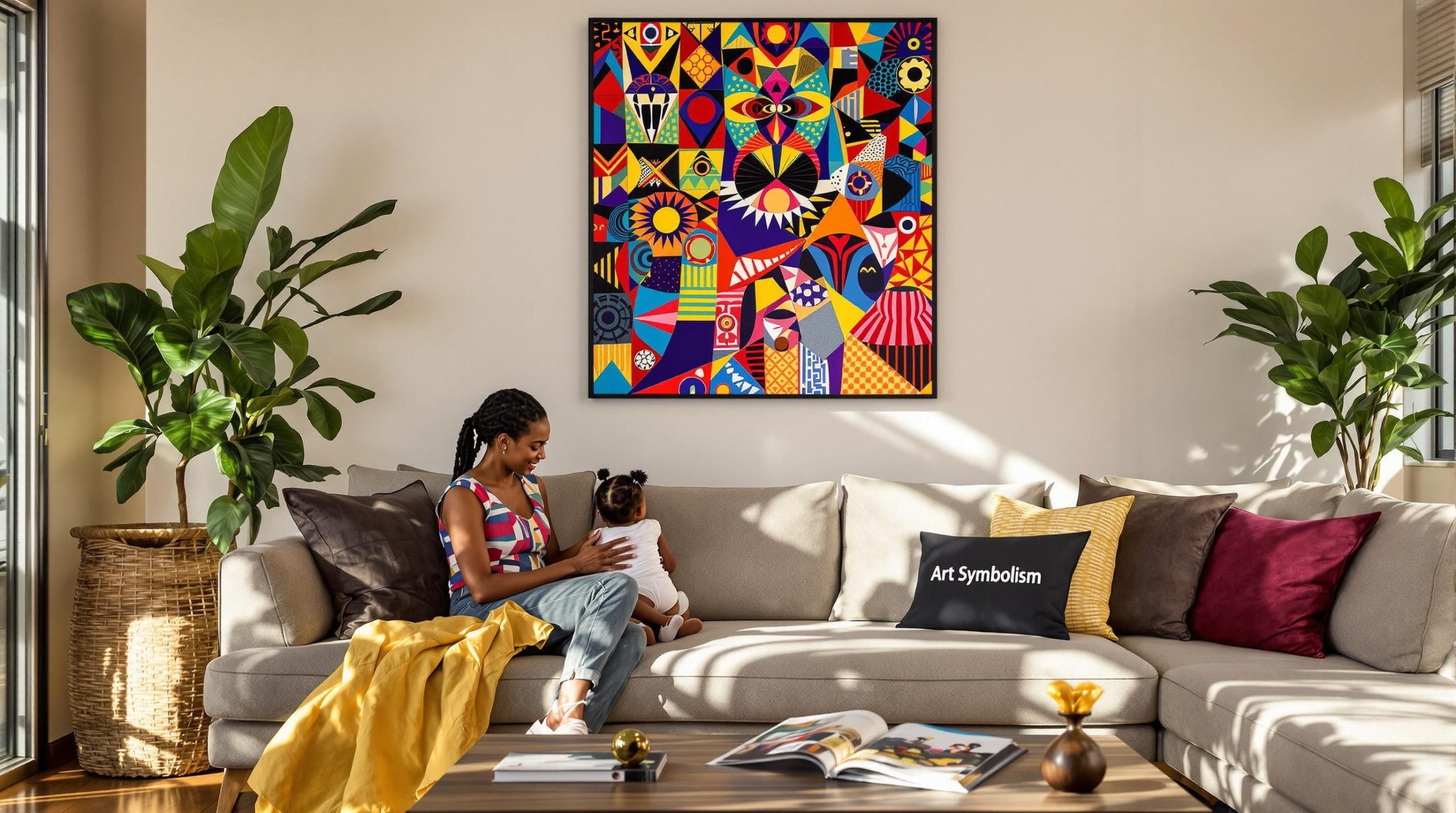
African art symbolism is having a moment in South African homes right now. Nearly every piece on a modern feature wall holds deeper meaning, with symbols that date back hundreds or even thousands of years woven into the design. Yet, it’s not just the age or artistry that makes these patterns fascinating. The real surprise is how these ancient visual codes are being reimagined for 2025, blending old-world storytelling with digital tech and sustainable materials. Traditional symbols are now shaping the future of decor in ways you probably did not expect.
Table of Contents
- Understanding African Art Symbolism In South Africa
- Popular Symbols And Their Meanings Explained
- How To Use Symbolic African Art In Your Space
- Trends In African Art Symbolism For 2025
Quick Summary
| Takeaway | Explanation |
|---|---|
| Embrace Cultural Depth in Decor | Integrating African art symbolism transforms decor into meaningful narratives that honor traditions. |
| Choose Symbols with Intent | Each symbol carries specific cultural meanings, enriching spaces with heritage and connection to history. |
| Curate Thoughtfully for Meaning | Display artworks with informative context to enhance appreciation and understanding of their significance. |
| Incorporate Sustainability in Design | Prioritize eco-friendly materials and practices that support local artisans and promote cultural preservation. |
| Leverage Technology for Engagement | Use digital tools to offer deeper insights into artworks, making cultural narratives accessible and engaging for all. |
Understanding African Art Symbolism in South Africa
African art symbolism represents a profound cultural language that transcends mere visual representation, serving as a complex communication system deeply rooted in historical and spiritual traditions. In South Africa, art symbolism embodies the rich narratives of diverse ethnic groups, transforming decorative elements into powerful storytelling mediums that connect contemporary spaces with ancestral wisdom.
The Spiritual and Cultural Significance of Symbols
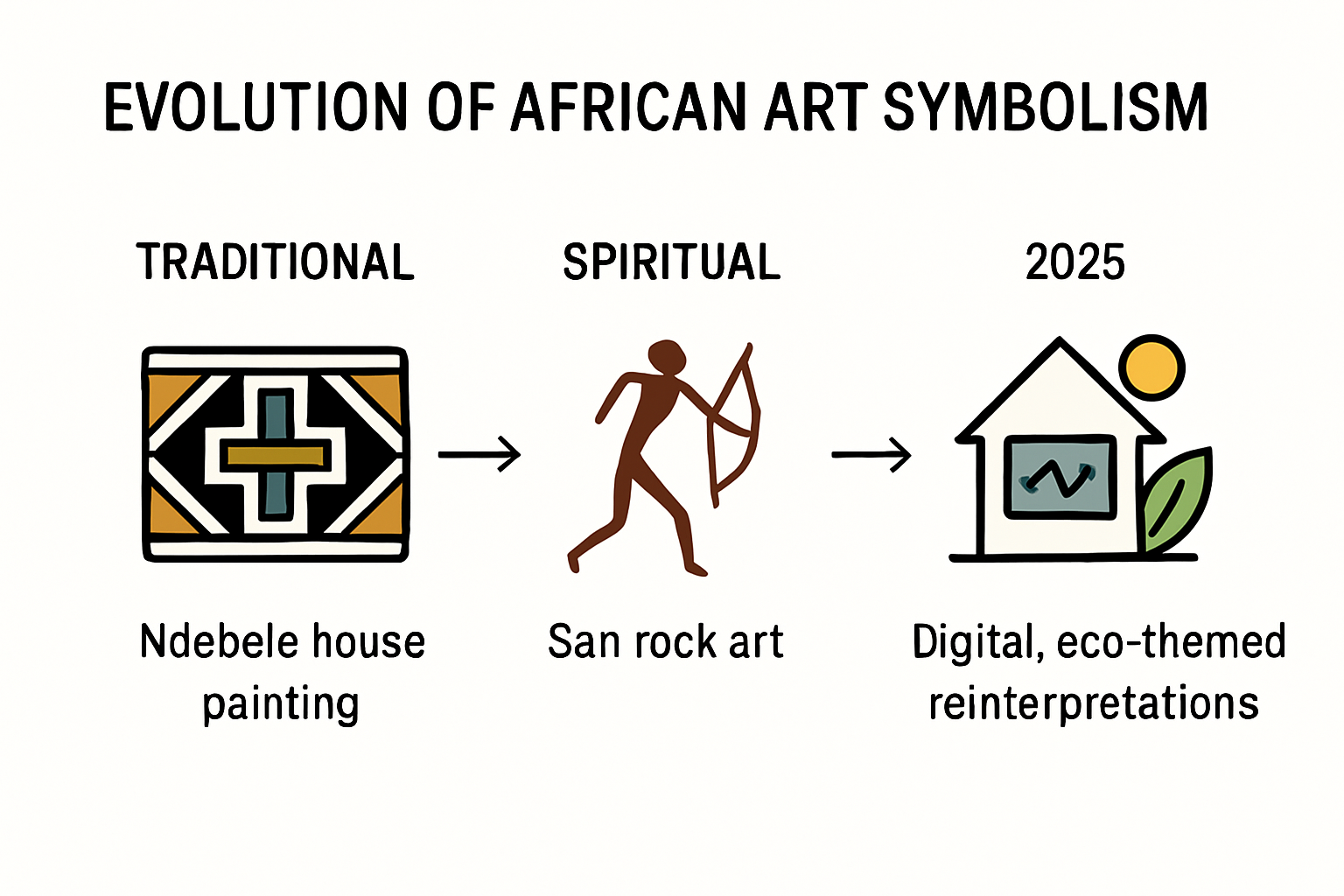
Symbols in African art are not decorative accidents but intentional expressions of community identity, spiritual beliefs, and social structures. According to UNESCO’s Cultural Heritage Research, traditional African art uses geometric patterns, animal representations, and human figures to encode complex cultural messages. The Ndebele house painting tradition exemplifies this symbolic communication. Research from the African Art Museum reveals that these intricate geometric designs are not merely aesthetic choices but represent personal prayers, social status, and familial connections.
For instance, the Ndebele people’s geometric wall paintings communicate far more than visual beauty. Each line, color, and pattern carries specific meaning about the household’s social standing, marital status, and spiritual beliefs. These symbols transform living spaces into living narratives, where walls become canvases of cultural memory and personal expression.
Symbolic Representations in Contemporary Decor
Modern interior design increasingly recognizes the profound storytelling potential of African art symbolism. Homeowners and decorators are moving beyond superficial aesthetic appreciation to understand the deeper cultural significance of artistic elements. Our comprehensive guide on South African tribal art trends explores how traditional symbolic art can be integrated into contemporary living spaces.
Traditional symbols like the San rock art’s representations of shamanic transformations or the Basotho Litema murals depicting fertility and agricultural connections offer more than visual interest. These artistic expressions invite viewers to engage with complex cultural narratives. A decorative piece featuring San rock art symbols, for example, is not just wall decor but a conversation about spiritual transformation and human connection to natural worlds.
The integration of African art symbolism into modern homes represents a powerful form of cultural preservation and dialogue. By selecting artworks and decorative elements that carry deep symbolic meaning, homeowners create spaces that are simultaneously aesthetically striking and culturally significant. Each chosen piece becomes a bridge between contemporary design sensibilities and generations of artistic tradition, transforming living spaces into dynamic cultural narratives that speak without words.
Understanding African art symbolism requires moving beyond surface-level appreciation. It demands respect, curiosity, and a willingness to engage with the rich cultural complexity embedded in each artistic expression. As global design trends increasingly celebrate cultural diversity, African art symbolism offers a profound language of visual storytelling that transforms ordinary spaces into extraordinary cultural experiences.
Popular Symbols and Their Meanings Explained
African art symbolism is a rich tapestry of visual communication that transcends aesthetic beauty, embedding profound cultural narratives within seemingly simple designs. Each symbol carries layers of meaning that connect contemporary audiences with deep-rooted traditional wisdom and spiritual understanding.
Geometric Patterns and Ancestral Communication
Geometric patterns represent one of the most prevalent forms of symbolic expression in African art. According to The Metropolitan Museum of Art, these intricate designs are not random decorations but carefully constructed languages of cultural communication. The Ndebele people, for instance, use precise geometric configurations that encode complex social messages about family status, personal achievements, and spiritual connections.
The triangular and zigzag patterns often found in traditional African art are particularly significant. African Art Research Institute explains that these geometric forms frequently represent natural elements like mountains, water flows, or agricultural landscapes. A triangle might symbolize stability and strength, while interconnected lines could represent community unity and continuous generational connections.
Animal and Natural World Symbolism
Animals play a crucial role in African symbolic representation, serving as powerful metaphors for human characteristics and spiritual concepts. The Smithsonian National Museum of African Art highlights how different animals embody specific cultural meanings. A lion might represent leadership and courage, while an elephant could symbolize wisdom, memory, and ancestral strength.
San rock art provides remarkable insights into animal symbolism. These ancient representations often blur the lines between human and animal forms, suggesting profound spiritual transformations. A human figure with animal characteristics might represent a shaman’s spiritual journey or a complex ritualistic state of transcendence.
Spiritual and Personal Transformation Symbols
Some African symbols directly address human experiences of transformation and personal growth. The Adinkra symbols from Ghana offer compelling examples of this symbolic language. Our guide to South African tribal art trends explores how these symbols communicate philosophical concepts through visual representations.
The ‘Sankofa’ symbol, depicting a bird retrieving an egg from its back, beautifully illustrates the concept of learning from past experiences. This symbol encourages individuals to understand their history as a foundation for future growth. Such symbols transform decorative elements into powerful philosophical statements, inviting viewers to reflect on personal and collective journeys.
Understanding these symbols requires more than visual appreciation. It demands cultural respect, curiosity, and a willingness to engage with complex narratives embedded in artistic expressions. By integrating these symbolically rich artworks into contemporary spaces, individuals create environments that are not just visually striking but deeply meaningful cultural dialogues.
Each symbol tells a story, each pattern carries a message, and every artistic representation becomes a bridge connecting past wisdom with present understanding. African art symbolism offers a profound language of visual storytelling that transforms ordinary spaces into extraordinary cultural experiences, inviting viewers to look beyond the surface and explore the rich, complex narratives hidden within seemingly simple designs.
Here is a table summarizing some of the popular African art symbols and their meanings as discussed above:
| Symbol/Pattern | Cultural Group/Origin | Meaning/Representation |
|---|---|---|
| Geometric Triangles & Zigzags | Ndebele, Southern Africa | Stability, strength, unity, generational connection |
| Litema Mural Motifs | Basotho, Southern Africa | Fertility, agriculture, connection to land |
| Animal Forms (e.g., Lion, Elephant) | Pan-African, San | Leadership, courage (lion); wisdom, memory (elephant) |
| Human-Animal Hybrids | San (rock art) | Spiritual transformation, shamanic journey |
| Sankofa (bird with egg) | Adinkra, Ghana | Learning from the past, building for the future |
How to Use Symbolic African Art in Your Space
Incorporating symbolic African art into contemporary living spaces requires thoughtful consideration and genuine respect for cultural narratives. The goal is not merely decorative embellishment but creating meaningful environments that honor artistic traditions while reflecting personal aesthetic sensibilities.
Strategic Placement and Context
Selecting and positioning African art demands more than visual appeal. According to ResearchGate’s Architectural Study, placement should create intentional dialogue between the artwork and the surrounding space. Each piece should be positioned to invite contemplation and connection.
Consider creating focal points that draw attention to symbolic pieces. A large Ndebele wall hanging in a living room or a carefully curated collection of San rock art representations can transform an ordinary wall into a narrative landscape. Our guide to tribal art trends offers insights into creating balanced, meaningful displays that respect cultural integrity.
Color and Texture Integration
Color plays a critical role in African symbolic art. Traditional African Architecture Research reveals that colors are not random selections but carry deep cultural significance. Geometric patterns and color choices often represent specific community narratives, spiritual beliefs, and environmental connections.
When integrating African art, consider complementary color schemes that enhance rather than compete with the artwork. Earthy tones like terracotta, deep browns, and muted greens can create harmonious backdrops that allow symbolic art to shine. Textural elements like woven textiles, clay sculptures, or beaded artworks can add depth and authenticity to your space.
Meaningful Curation and Respectful Display
Curating African symbolic art requires more than aesthetic consideration. It demands understanding and respect for the cultural contexts from which these artworks emerge. The Adinkra symbols from Ghana, for instance, are not mere decorative elements but profound philosophical representations. Research from the Smithsonian emphasizes the importance of understanding the story behind each symbol.
Consider creating informative displays that provide context. A small plaque explaining the meaning of a specific Adinkra symbol or a San rock art representation can transform a decorative piece into an educational experience. This approach not only beautifies your space but also promotes cultural understanding and appreciation.
African art symbolism offers more than visual decoration. It provides a window into rich cultural landscapes, inviting viewers to explore complex narratives of spirituality, community, and human experience. By approaching these artworks with genuine curiosity, respect, and thoughtful integration, you can create living spaces that are simultaneously beautiful, meaningful, and culturally rich.
Remember that each artwork tells a story. Your role is not to appropriate but to honor, not to display superficially but to create meaningful conversations between artistic traditions and contemporary living environments. Choose pieces that resonate with your personal aesthetic and cultural appreciation, transforming your home into a dynamic canvas of cultural storytelling.
The following table summarizes recommended approaches for integrating symbolic African art in your home while respecting cultural significance:
| Approach | Key Actions | Intent/Purpose |
|---|---|---|
| Strategic Placement | Focus on focal points, dialogue with space | Encourage contemplation, highlight narratives |
| Colour & Texture Integration | Use earthy tones, natural materials, layered textures | Enhance harmony, showcase authenticity |
| Meaningful Curation & Informative Displays | Provide context, explain symbol origin and meaning | Promote understanding, respect cultural heritage |
| Support Sustainable & Ethical Practices | Use eco-friendly, artisan-made pieces | Uphold tradition, support artisans, encourage preservation |
Trends in African Art Symbolism for 2025
The landscape of African art symbolism is experiencing a transformative evolution in 2025, blending traditional cultural expressions with contemporary design sensibilities. This dynamic shift reflects a growing global appreciation for authentic, meaningful artistic representations that transcend mere decoration and communicate rich cultural narratives.
Technological Integration and Digital Preservation
Technology is revolutionizing how African art symbolism is understood and appreciated. According to recent research on Adinkra symbol recognition, artificial intelligence is now being used to classify and preserve traditional symbolic representations. This technological approach not only helps in documenting these intricate cultural languages but also creates new platforms for global understanding and appreciation.
Our comprehensive guide to tribal art trends explores how digital technologies are enabling artists and designers to create more interactive and immersive experiences with symbolic African art. Augmented reality applications, for instance, now allow viewers to scan artwork and instantly access deep cultural context, transforming passive observation into an educational journey.
Sustainability and Ethical Design
The 2025 trends in African art symbolism are deeply intertwined with sustainability and ethical design principles. Research on African design highlights a significant shift towards using sustainable materials and supporting local artisan communities. Designers are increasingly prioritizing environmentally conscious production methods that respect both cultural heritage and ecological balance.
This trend manifests in home decor through the use of recycled materials, natural pigments, and traditional crafting techniques. Furniture and decorative pieces now tell stories of environmental stewardship while maintaining the rich symbolic traditions of African art. Handcrafted items that incorporate traditional symbols are not just aesthetic choices but statements of cultural preservation and environmental responsibility.
Contemporary Storytelling and Global Connectivity
African art symbolism in 2025 is emerging as a powerful medium of global cultural dialogue. Design experts like Nasozi Kakembo are pioneering approaches that transform traditional symbols into contemporary narratives. These artworks are no longer confined to regional contexts but are becoming universal languages of human experience.
Contemporary designers are reimagining symbolic representations, creating pieces that speak to both cultural roots and global interconnectedness. Geometric patterns inspired by Ndebele house paintings are now appearing in minimalist urban spaces, while San rock art motifs are being interpreted through modern graphic design techniques. This trend represents more than aesthetic innovation it signifies a profound respect for cultural heritage and a desire to maintain meaningful connections across geographical boundaries.
The trends in African art symbolism for 2025 represent a holistic approach to design that goes beyond visual appeal. They embody technological innovation, sustainable practices, and a deep commitment to cultural storytelling. As global audiences become more culturally conscious, these symbolic representations offer more than decoration they provide windows into rich, complex cultural landscapes that invite understanding, respect, and connection.
By embracing these trends, interior designers, art collectors, and homeowners are not just decorating spaces they are participating in a global dialogue that celebrates cultural diversity, technological innovation, and the timeless power of symbolic artistic expression.
Frequently Asked Questions
What is African art symbolism?
African art symbolism refers to the visual language embedded in traditional African art forms, where symbols and patterns convey deeper cultural meanings, spiritual beliefs, and community identity.
How can I incorporate African art symbolism into my home decor?
You can incorporate African art symbolism by thoughtfully selecting art pieces that have cultural significance, considering their placement, using complementary colors, and providing informative displays that explain their meanings.
What are some popular symbols used in African art?
Common symbols in African art include geometric patterns representing community unity, animal forms signifying spiritual concepts, and symbols like ‘Sankofa’ that encourage learning from the past for future growth.
Why is sustainability important in African art decoration for 2025 homes?
Sustainability is key as it promotes the use of eco-friendly materials and supports local artisans, ensuring cultural preservation while creating socially responsible home decor.
Bring Depth and Cultural Storytelling into Your Home with Authentic African Art
Have you struggled to find decor that tells a real story and goes beyond trends? If the complexity and meaning behind African art symbolism inspire you, you might feel lost trying to source genuine, ethically made pieces that reflect your appreciation for tradition and contemporary style. Many South Africans today want more than just pretty walls—they want to honour heritage, support artisans, and make sure every detail in their home carries purpose and connection.

Step into a space where every symbol matters. Discover your next investment piece or bespoke cultural accent in South Africa’s largest online art gallery. We curate artworks from South Africa’s most celebrated creators, ensuring that each item carries authentic stories and sustainable craftsmanship. Experience the power of symbolism in your own home and start your meaningful decor journey today at Art Online. Don’t miss your chance to bring heritage and inspiration to your walls—explore our collection now.