
How to Negotiate Art Prices Effectively in 2025
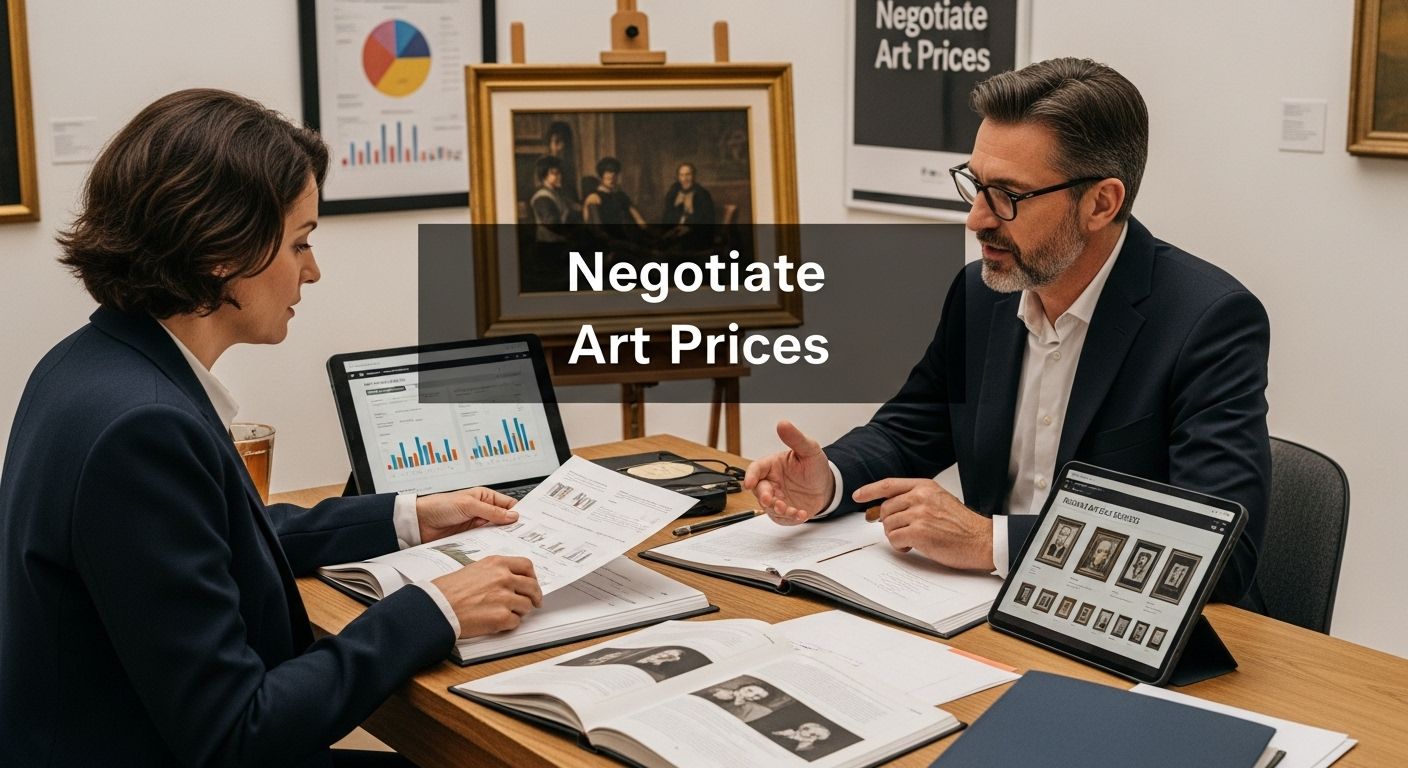
Negotiating the price of art might seem intimidating for many collectors. Yet, surprisingly, the success of most art negotiations hinges less on instinct and more on preparation and documented research. Instead of smooth talking or quick bidding, the most reliable route to a fair deal involves strategies like tracking auction records and crafting meticulous budgets. This approach often uncovers better deals and deeper relationships than you might expect.
Table of Contents
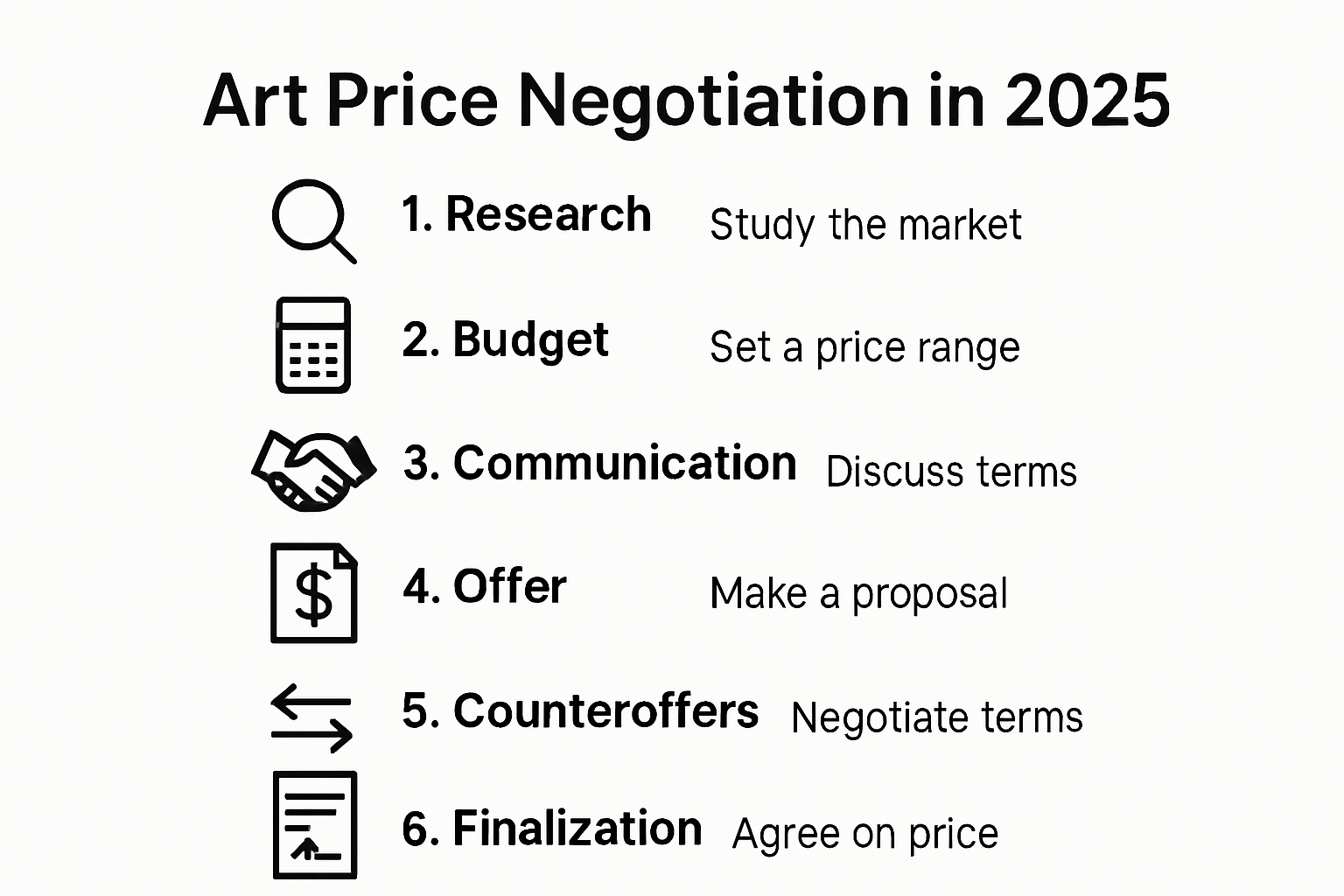
- Step 1: Research Market Trends And Values
- Step 2: Establish Your Budget And Priorities
- Step 3: Initiate Communication With The Artist Or Dealer
- Step 4: Present Your Offer With Confidence
- Step 5: Handle Counteroffers And Engage In Dialogue
- Step 6: Finalize Agreement And Confirm Details
Quick Summary
| Key Point | Explanation |
|---|---|
| 1. Conduct thorough market research | Collect data on artist reputation, auction results, and trends to establish a solid negotiation foundation. |
| 2. Define your budget and priorities | Clearly outline your spending limits and art goals to guide effective price negotiations. |
| 3. Initiate professional communication | Research the artist or dealer and approach them with genuine appreciation to foster positive interactions. |
| 4. Present your offer confidently | Back your offer with market data and present it clearly, showing respect for the artwork’s value. |
| 5. Handle counteroffers strategically | Engage in dialogue that promotes collaboration, seeks understanding, and explores creative solutions. |
Step 1: Research Market Trends and Values
Negotiating art prices effectively begins with comprehensive market research, a critical foundation that determines your strategic approach and potential negotiation leverage. Understanding current market trends helps you establish realistic expectations and develop an informed pricing strategy.
Start by exploring multiple resources to gather comprehensive art valuation data. Online platforms like Artnet provide extensive auction records and price databases that can help you track recent sales of similar artworks. Professional art market reports from reputable sources offer insights into current valuation trends, artist reputation, and market dynamics.
Your research should focus on several key factors that influence art pricing. Consider the artist’s reputation, historical sales performance, artwork medium, size, condition, and provenance. Examine recent auction results for comparable pieces, paying attention to price ranges and sale frequencies. Look for patterns in how similar works by the same artist or from the same artistic movement have been valued.
Specialist art market databases and auction house archives are invaluable resources. Websites like Artprice offer comprehensive global art market data, allowing you to track pricing trends across different periods and artistic styles. When researching, create a comparative spreadsheet documenting artwork details, sale prices, dates, and unique characteristics to build a comprehensive understanding of market values.
Don’t rely solely on online resources. Connect with local art galleries, attend exhibitions, and network with art professionals who can provide nuanced market insights. Consulting with art appraisers or experienced collectors can offer deeper understanding of current market conditions and potential negotiation strategies.
Verify your research by cross-referencing multiple sources and looking for consistent pricing patterns. Successful art price negotiation requires a thorough, well-documented approach that combines digital research, professional insights, and a comprehensive understanding of market dynamics.
Step 2: Establish Your Budget and Priorities
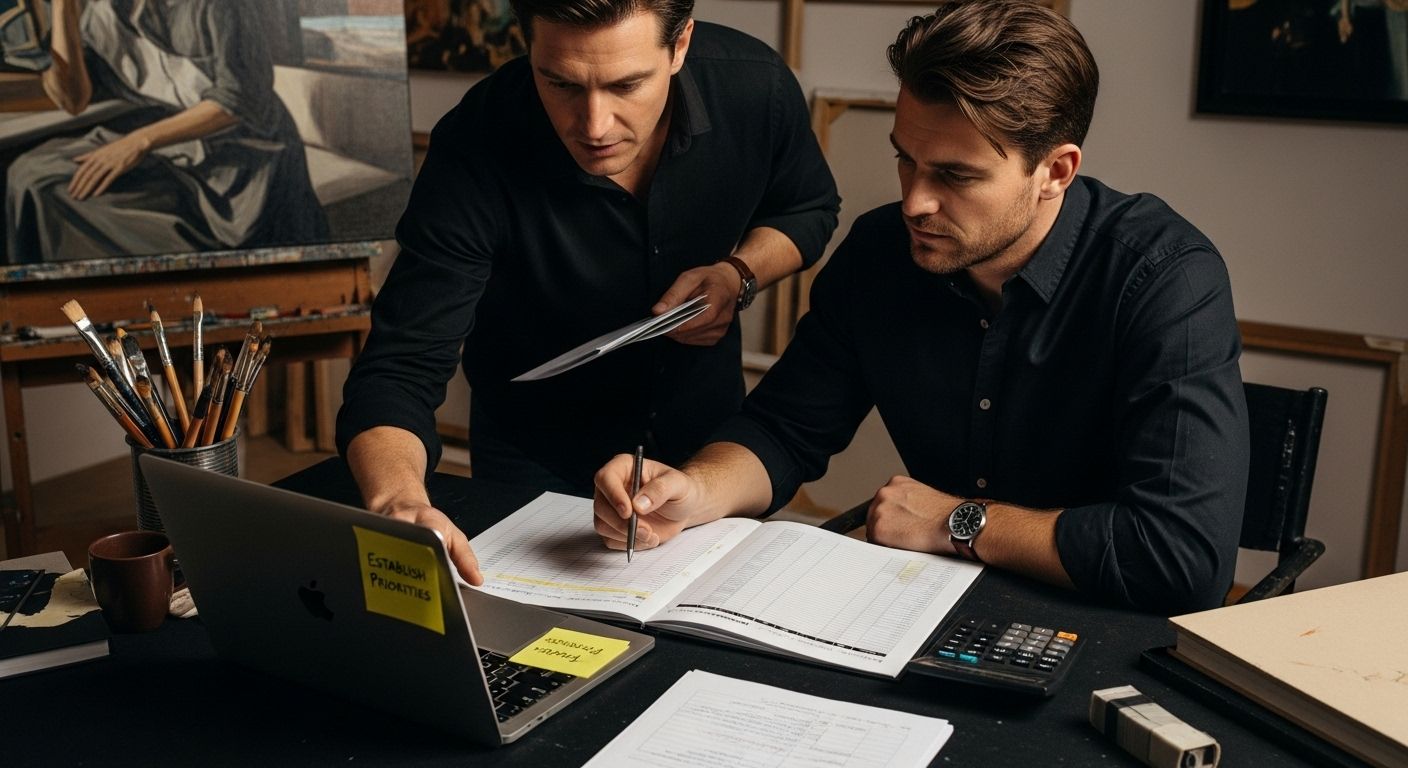
Establishing a clear budget and defining your art acquisition priorities is a crucial step in preparing for successful art price negotiations. This process requires careful introspection about your financial capabilities, artistic preferences, and long term investment goals.
Begin by conducting an honest financial assessment of your art purchasing capacity. Determine the maximum amount you are willing and able to spend without compromising your overall financial health. Consider not just the artwork’s purchase price, but additional costs such as potential restoration, framing, insurance, and transportation. According to Santa Clara University’s Negotiation Institute, understanding your financial boundaries creates a strong foundation for effective negotiation.
Prioritize your art acquisition goals by creating a focused strategy. Consider whether you are purchasing for personal aesthetic enjoyment, investment potential, or a combination of both. Some collectors prioritize emerging artists with potential future value, while others seek established artists or specific artistic movements. Your priorities will significantly influence your negotiation approach and budget allocation.
Develop a comprehensive budget spreadsheet that breaks down potential expenses. Include categories like maximum artwork price, restoration costs, transportation, insurance, and a contingency fund for unexpected expenses. A well-structured budget provides clarity and prevents emotional overspending during negotiations.
Consider your long term art collection strategy. Are you building a cohesive collection around a specific theme, artist, or period? This strategic approach helps you make more disciplined purchasing decisions and prevents impulsive buying. Allocate your budget proportionally across different potential acquisitions, ensuring you have flexibility to pursue multiple opportunities.
Remember that your budget is not just a financial constraint but a strategic tool. By thoroughly understanding your financial boundaries and collection goals, you position yourself as a confident and prepared art buyer. **Successful art negotiations are rooted in clear priorities, disciplined financial planning, and a deep understanding of your personal artistic vision.
**
Step 3: Initiate Communication with the Artist or Dealer
Initiating communication with an artist or art dealer requires strategic preparation, professionalism, and a nuanced approach that demonstrates your genuine interest and serious intent. The initial interaction sets the tone for potential negotiations and can significantly influence the outcome of your art acquisition process.
Professional communication begins with thorough research and respectful engagement. Before reaching out, ensure you have comprehensive background information about the artist, their work, and current market positioning. Prepare a well-crafted introductory message that demonstrates your authentic appreciation for their artistic style and specific piece of interest. According to Harvard Business School’s negotiation research, understanding the other party’s perspective creates a strong foundation for successful negotiations.
When drafting your initial communication, focus on creating a personal yet professional connection. Explain specifically what draws you to their artwork, referencing particular elements that resonate with you. Avoid generic compliments and instead highlight detailed observations that show genuine engagement with their artistic work. Demonstrate that you are a serious collector who values artistic merit beyond mere transactional interests.
Choose your communication channel carefully. While email provides a documented trail, some artists or galleries prefer initial contact through professional networking platforms or formal introductions. If possible, seek recommendations from mutual connections in the art community, as personal referrals can significantly enhance your credibility.
Prepare a communication strategy that balances professional enthusiasm with respectful boundaries. Your initial interaction should express interest without appearing overeager or desperate. Craft a message that opens the door for further discussion, leaving room for the artist or dealer to respond at their convenience. Include relevant details about your potential interest, such as your budget range and specific artwork preferences, but avoid being too prescriptive.
Remember that building rapport is as important as discussing potential pricing. Art transactions often involve personal connections and mutual respect. Your communication should reflect a genuine appreciation for the artist’s creative journey, positioning you as a potential patron who values artistic expression beyond mere financial transaction.
Step 4: Present Your Offer with Confidence
Presenting your art purchase offer requires a delicate balance of strategic preparation, market knowledge, and confident communication. This critical step transforms your research and preparation into a compelling proposal that can potentially secure the artwork at a fair price.
Confidence stems from thorough preparation and a clear understanding of the artwork’s value. According to Harvard Law School’s negotiation experts, the way you frame your offer can significantly impact its reception. Structure your proposal by clearly articulating the rationale behind your pricing, referencing market research, comparable sales, and the specific attributes of the artwork that inform your valuation.
When presenting your offer, maintain a professional and respectful tone that demonstrates genuine appreciation for the artwork. Your approach should communicate that you are a serious collector who understands the artwork’s intrinsic and market value. Begin by acknowledging the artist’s creative work and explaining why the piece resonates with you. This personal connection can create goodwill and make the seller more receptive to your offer.
Develop a negotiation strategy that includes your ideal price, a realistic compromise range, and a clear understanding of your maximum budget. Practice articulating your offer with clarity and conviction. Avoid appearing apologetic or uncertain, as this can signal weakness in your negotiation position. Instead, present your offer as a fair and well-researched proposition that benefits both parties.
Consider the timing and context of your offer. If presenting in person, choose a moment when the artist or dealer seems relaxed and receptive. If communicating via email or written proposal, craft a message that is concise, professional, and compelling. Include specific details about your offer, such as payment terms, potential timeline, and any additional value you might bring as a collector.
Be prepared for potential counteroffers or rejection. A confident negotiator remains calm and professional, viewing each interaction as an opportunity to build a relationship rather than a confrontational exchange. If your initial offer is not accepted, request feedback and be open to understanding the seller’s perspective. This approach demonstrates maturity and can keep the door open for future negotiations.
Step 5: Handle Counteroffers and Engage in Dialogue
Handling counteroffers is a nuanced art that requires emotional intelligence, strategic thinking, and a collaborative approach. This critical stage of art price negotiation demands careful listening, thoughtful response, and a willingness to find mutually beneficial solutions.
Approach counteroffers with an open mind and strategic perspective. According to Harvard Law School’s negotiation research, emotional control is paramount during this phase. When receiving a counteroffer, resist immediate emotional reactions. Take time to analyze the proposal objectively, considering how it aligns with your initial research, budget, and artistic objectives.
Develop a systematic approach to evaluating counteroffers. Create a comparative worksheet that breaks down the original offer, the counteroffer, and your predetermined budget limits. Identify the specific areas of divergence and potential compromise. Look beyond pure pricing considerations and evaluate additional value propositions such as payment terms, artwork condition, or potential future opportunities with the artist or gallery.
Effective dialogue requires active listening and clear communication. Ask clarifying questions that help you understand the reasoning behind the counteroffer. For instance, inquire about factors influencing their pricing, such as recent market trends, artwork provenance, or unique characteristics that might justify a higher price. This approach demonstrates your serious intent and helps build a collaborative negotiation environment.
Prepare multiple negotiation scenarios before engaging in dialogue. Establish your walk away point clearly, but remain flexible enough to explore creative solutions. Your goal is to reach an agreement that feels fair and satisfactory to both parties. Consider proposing alternative arrangements like staged payments, future purchasing options, or including additional artwork elements that could bridge the pricing gap.
Maintain professionalism throughout the negotiation process. Even if you cannot reach an agreement, leave the interaction on positive terms. The art world is interconnected, and today’s unsuccessful negotiation might lead to future opportunities. Document your negotiation process, including key discussion points and proposed terms, to reflect on the experience and improve your approach in future art acquisitions.
Step 6: Finalize Agreement and Confirm Details
Finalizing an art purchase agreement represents the culmination of your careful negotiation process, transforming your discussions into a legally binding and mutually satisfactory transaction. This critical step requires meticulous attention to detail and a comprehensive approach to documenting every aspect of the artwork acquisition.
Create a detailed written agreement that protects both parties’ interests. According to the U.S. Copyright Office, comprehensive documentation is essential in art transactions. Your agreement should explicitly outline pricing, payment terms, artwork condition, delivery expectations, and any specific rights or conditions associated with the purchase.
Draft a comprehensive contract that includes specific details about the artwork. This document should comprehensively describe the piece, including its title, dimensions, medium, creation date, and any unique characteristics or provenance. Specify exact payment terms, including the total price, payment schedule, accepted payment methods, and any potential installment arrangements. Include precise delivery details, covering transportation, insurance, packaging requirements, and estimated delivery timelines.
Before signing, conduct a thorough final inspection of the artwork. If possible, arrange an in-person verification or request comprehensive, high-resolution documentation that allows you to examine the piece’s condition in detail. Ensure the artwork matches the description in your agreement precisely, documenting any potential discrepancies or special considerations.
Include provisions for potential contingencies, such as artwork authentication, condition guarantees, and return policies. Discuss and document any additional services, such as professional installation, framing, or future maintenance recommendations. Consider consulting an art law specialist to review the agreement and ensure all legal aspects are appropriately addressed.
Maintain open communication throughout the finalization process. Request copies of all documentation for your personal records, and ensure both parties receive signed agreements. Establish a clear point of contact for any post-purchase questions or potential future interactions. A professionally managed transaction not only secures your art acquisition but also builds long-term relationships within the art community.
Ready to Negotiate for Your Dream Artwork? Let Us Guide You
Negotiating art prices can feel overwhelming, especially when you want to make sure your next piece is fairly valued and truly special. The article has highlighted that understanding the art market, setting clear priorities, and building confident communication are key to successful negotiations. Many collectors worry about missing out or overpaying on South Africa’s most prized artists. At Art Online, we simplify this journey for you by providing trusted resources, transparent pricing, and access to artworks from renowned South African artists.

Take the next step towards a well-informed purchase. Discover premium art with transparent pricing and explore our collection at Art Online. Start your art acquisition with confidence and let our team support you at every negotiation stage. Do not wait as new artwork is added regularly and first buyers always get the best selection. Visit Art Online now and put your negotiation skills into action.
Frequently Asked Questions
What factors should I consider when researching art prices?
When researching art prices, consider the artist’s reputation, historical sales performance, artwork medium, size, condition, and provenance. Analyzing recent auction results for comparable pieces can provide insight into price ranges and trends.
How do I establish a budget for purchasing art?
To establish a budget, conduct a financial assessment to determine your maximum spending limit, considering purchase price and additional costs like restoration, framing, insurance, and transportation. Create a detailed budget spreadsheet to keep track of potential expenses.
How can I communicate effectively with an artist or dealer during negotiations?
Effective communication involves thorough research and respectful engagement. Prepare a well-crafted message that shows genuine appreciation for the artwork, focusing on specific elements that resonate with you while maintaining a professional tone.
What should I do if I receive a counteroffer during negotiations?
If you receive a counteroffer, remain calm and assess it objectively. Evaluate how it aligns with your research and budget, and engage in conversation to understand the seller’s perspective. Consider exploring creative solutions to find mutually beneficial terms.
Recommended
- Buying Art for Investment in South Africa: 2025 Guide – Art-Online
- Top Art Festivals in South Africa 2025 for Collectors & Decorators – Art-Online
- Why Buy Original Art in South Africa: Key 2025 Insights – Art-Online
- Painting Prices Unveiled: Explore 5 Types of Captivating Paintings and Their Exceptional Values – Art-Online