Posted on Leave a comment

7 Living Room Art Inspiration Ideas for Your Home
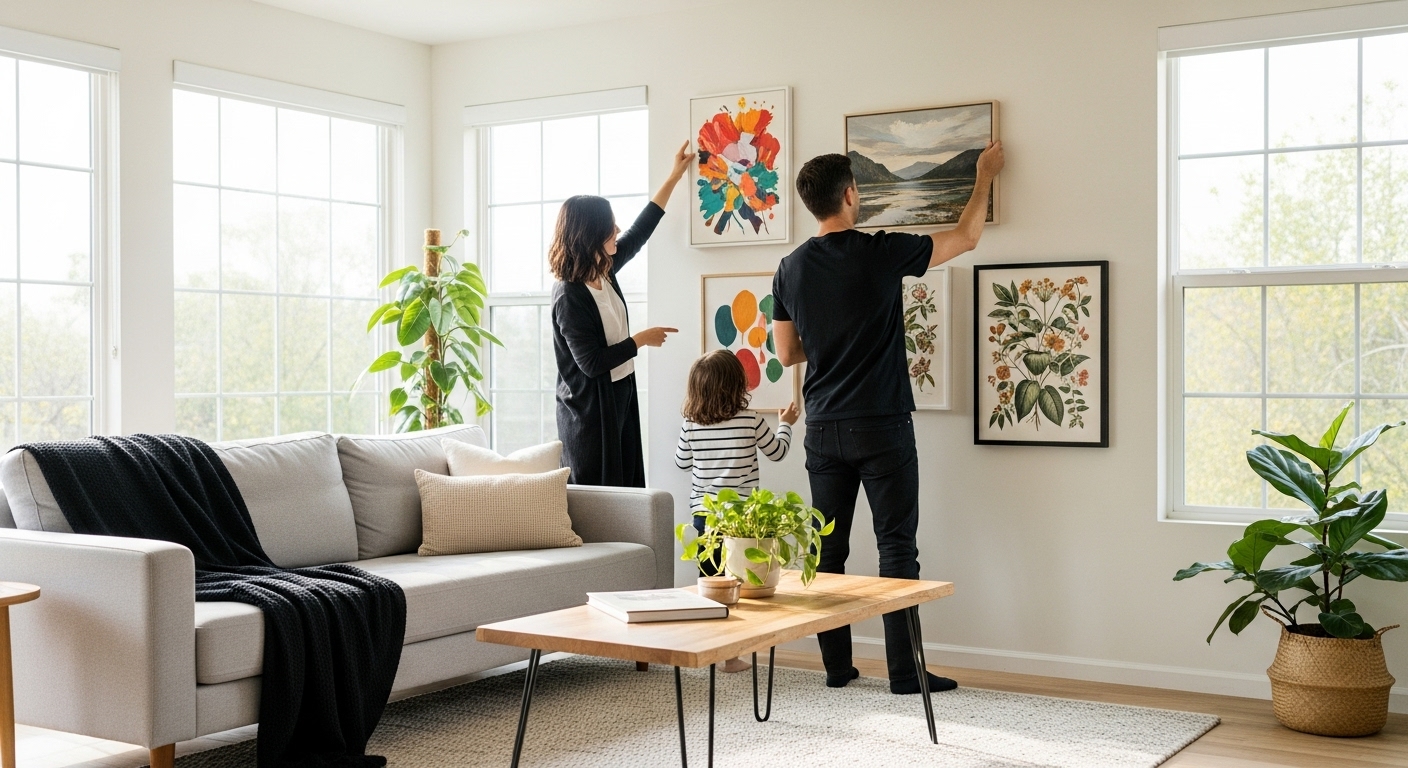
living room, art inspiration, family

Choosing art for your living room can feel overwhelming with so many styles, colours, and options out there. But listen to this. Research from the University of Pretoria shows that understanding your own style and space is absolutely key to finding pieces that actually resonate with you. Most people think decorating is all about trends or pricey pieces. Turns out, the real secret is digging into what makes your home and taste unique before you even start browsing.

Table of Contents

Quick Summary

Takeaway Explanation
Understand your space’s aesthetic Assess your living room’s color palette, furniture, and design style before selecting art pieces.
Support local South African artists Choose artworks that reflect cultural narratives and support emerging talents in your community.
Create a visual balance Mix different art styles while maintaining a cohesive color palette and spacing for a harmonious display.
Use art as a focal point Select large, vibrant pieces strategically placed to command attention and enhance the room’s aesthetic.
Incorporate proper lighting Employ adjustable lights to highlight art features, enhancing visual appeal and preventing glare.

1: Understand Your Style and Space

Selecting art for your living room is more than just picking attractive pieces. It’s about creating a personal narrative that reflects your unique style and complements your living space’s architectural design and existing decor.

Before purchasing any artwork, take a moment to analyze your living room’s current aesthetic. Consider the fundamental elements that define your space:

  • Room color palette
  • Existing furniture styles
  • Natural lighting conditions
  • Overall room dimensions

According to research from the University of Pretoria, understanding cultural influences and personal preferences is crucial in selecting art that truly resonates with your living environment. Your living room art should not just fill wall space but tell a story about who you are.

Start by evaluating the dominant design style of your living room. Is it modern and minimalist with clean lines and neutral tones? Or perhaps it’s eclectic with vibrant colors and mixed textures? Your art selection should harmonize with these existing design elements, creating a cohesive visual experience.

Consider the scale and proportion of your artwork in relation to your wall space. Large statement pieces work brilliantly in rooms with high ceilings and expansive walls, while smaller, curated collections might be perfect for more compact living areas. The key is achieving visual balance without overwhelming the room’s existing character.

Remember that living room art inspiration comes from understanding your personal aesthetic and creating a space that feels authentically yours. Whether you’re drawn to abstract paintings, photographic prints, or traditional artworks, the most important factor is selecting pieces that spark joy and reflect your individual personality.

2: Explore Local South African Artists

South Africa boasts a rich and vibrant artistic landscape that offers extraordinary opportunities for living room art inspiration. Local artists bring unique perspectives, cultural narratives, and visual storytelling that can transform your living space into a dynamic reflection of national creativity.

In recent years, South African artists have gained international recognition for their powerful and evocative works. Explore our comprehensive guide to famous South African artists to discover talents that could perfectly complement your living room aesthetic.

According to research from The Conversation, the post-apartheid art scene has witnessed remarkable transformation, offering diverse artistic expressions that capture complex social narratives and personal experiences.

When exploring local artists for your living room, consider seeking works that offer more than visual appeal. Look for pieces that:

  • Tell a compelling story
  • Reflect cultural heritage
  • Demonstrate exceptional technical skill
  • Evoke emotional resonance

Key artistic movements to explore include contemporary abstract art, traditional landscape paintings, and mixed media compositions. South African artists like Irma Stern, William Kentridge, and Nandipha Mntambo represent diverse styles that can add significant character to your living space.

Consider supporting emerging artists from local galleries, art schools, and community art centers. These talents often create unique pieces that are not only visually stunning but also represent contemporary South African artistic innovation. By choosing local artwork, you’re not just decorating your living room but also contributing to the country’s rich artistic ecosystem and supporting creative professionals.

3: Mix and Match Art Styles

Creating a visually compelling living room requires artistic creativity and a strategic approach to combining different art styles. The key is to develop a harmonious yet dynamic visual narrative that reflects your personal taste and design sensibilities.

According to research from Decoholic, successfully mixing art styles involves understanding color relationships and maintaining a balanced visual composition. This principle extends beyond simple color matching to creating meaningful dialogues between different artistic expressions.

Consider these strategies for effectively mixing art styles:

  • Maintain a consistent color palette
  • Balance bold pieces with more subtle artworks
  • Create visual rhythm through strategic placement
  • Mix different mediums like paintings, photographs, and sculptures

When exploring different artistic styles, look for complementary visual elements that create intrigue without overwhelming the space. For instance, pair a contemporary abstract painting with a traditional landscape photograph, using similar color tones to create visual coherence.

Learn more about South African tribal art trends for 2025 to understand how traditional and contemporary styles can beautifully intersect in modern living spaces.

Texture plays a crucial role in mixing art styles. Incorporate pieces with varied textures – from smooth photographic prints to textured canvas paintings – to add depth and visual interest to your living room. The goal is to create a curated collection that feels intentional and personal, rather than a random assortment of artworks.

Remember that mixing art styles is an intuitive process. Trust your aesthetic instincts and choose pieces that genuinely resonate with you. Your living room should tell a story that reflects your unique personality and artistic appreciation.

4: Use Art as a Focal Point

Transforming your living room into a visually captivating space requires strategic placement of art that commands attention and creates a powerful visual narrative. A well-chosen focal point can dramatically elevate the entire room’s aesthetic and emotional impact.

According to research from the University of Pretoria, interior spaces are more than mere functional areas; they are opportunities to create immersive experiences through thoughtful design elements.

When selecting an art piece as a focal point, consider these critical characteristics:

  • Large scale and dramatic presence
  • Vibrant or unique color palette
  • Compelling subject matter
  • Exceptional artistic technique

Placement is paramount when establishing an art focal point. The ideal location could be directly above a central piece of furniture like a sofa, fireplace, or console table. This positioning naturally draws the eye and anchors the room’s visual composition.

Size matters significantly in creating an impactful focal point. A large statement piece can transform an ordinary wall into an extraordinary visual experience. Consider oversized canvases, dramatic photographic prints, or intricate mixed media artworks that invite viewers to pause and explore.

Color plays a crucial role in how effectively an artwork becomes a focal point. Choose pieces that either complement or intentionally contrast with your existing room color scheme. A bold, vibrant artwork can inject energy into a neutral space, while a more subdued piece can provide elegant sophistication in a colorful room.

Remember that a focal point is not just about visual appeal but about creating an emotional connection. Select artwork that resonates with you personally, telling a story that reflects your individual style and experiences. Your living room art should spark conversation, evoke memories, and reflect your unique aesthetic sensibility.

5: Incorporate Nature-Inspired Art

Nature-inspired art offers a powerful way to bring tranquility, organic beauty, and a sense of connection to the natural world into your living room. Botanical and landscape artworks can transform your space into a serene sanctuary that celebrates the intricate details and expansive landscapes of the natural environment.

According to research from Stellenbosch Business School, integrating natural elements into living spaces can significantly enhance human well-being and create a more harmonious interior environment.

When selecting nature-inspired art, consider these essential characteristics:

  • Botanical illustrations with intricate plant details
  • Landscape paintings capturing local terrain
  • Wildlife photography
  • Abstract representations of natural forms

South African landscapes offer particularly stunning inspiration. From the dramatic coastlines of the Western Cape to the sweeping savannas of the Kruger National Park, local artists capture the country’s diverse ecological beauty in breathtaking detail.

Check out our latest blog posts for ongoing inspiration on nature-themed artworks that can transform your living space.

Texture plays a crucial role in nature-inspired art. Look for pieces that not only depict natural scenes but also incorporate organic materials like pressed flowers, textured canvases, or mixed media techniques that echo natural patterns. These artworks create a multisensory experience that goes beyond visual appreciation.

Consider creating a curated collection of nature-inspired pieces that tell a cohesive story. Mix photographic prints of local landscapes with watercolor paintings of indigenous flora, or combine scientific botanical illustrations with more abstract interpretations of natural forms.

Ultimately, nature-inspired art is about more than decoration. It’s about creating a living space that reconnects you with the natural world, offering a sense of calm, wonder, and appreciation for the extraordinary beauty that surrounds us.

A gallery wall transforms an ordinary living room into a dynamic visual narrative, showcasing your artistic sensibilities and personal storytelling through carefully curated artwork. Designing a compelling gallery wall requires thoughtful planning, creative arrangement, and a keen eye for visual balance.

According to research from Wanda Odendaal, exhibition spaces are more than mere display areas. They are intricate spatial compositions that communicate meaning through strategic placement and framing.

When creating your gallery wall, consider these essential strategies:

  • Maintain a consistent color palette
  • Mix different artwork sizes and orientations
  • Use frames with complementary styles
  • Leave consistent spacing between pieces

Frame selection is crucial in creating a cohesive gallery wall. Choose frames that share similar characteristics – whether through color, material, or width. This creates visual harmony while allowing individual artworks to retain their unique character.

Begin by laying out your artwork on the floor, experimenting with different arrangements before committing to a wall placement. This approach allows you to visualize the overall composition and make adjustments without unnecessary wall damage.

Consider incorporating a variety of art forms to add depth and intrigue. Mix photographic prints, watercolor paintings, sketch drawings, and even three-dimensional pieces like small sculptural elements or woven wall hangings. The key is to create a balanced, dynamic display that tells a personal story.

Pay attention to the negative space between artworks. Consistent spacing – typically 2-3 inches between pieces – creates a professional, intentional look. If you prefer a more eclectic approach, experiment with tighter or more irregular arrangements that challenge traditional gallery wall conventions.

Ultimately, a gallery wall is a deeply personal expression. It should reflect your journey, interests, and aesthetic sensibilities, transforming your living room into a living, breathing art installation that evolves with you.

7: Consider Lighting for Art Display

Lighting is the secret ingredient that can transform your living room art from merely decorative to truly extraordinary. Proper illumination elevates artwork, revealing subtle details, enhancing colors, and creating dramatic visual experiences that captivate and inspire.

According to the Illumination Engineering Society of South Africa, strategic art lighting goes beyond simple illumination. It’s about creating an immersive visual narrative that highlights the artwork’s inherent beauty and emotional depth.

When considering art lighting, focus on these critical elements:

  • Minimize direct sunlight exposure
  • Use adjustable directional lighting
  • Choose color temperature carefully
  • Avoid harsh, direct overhead lighting

Picture lights and track lighting offer exceptional flexibility for art display. These lighting options allow precise angle adjustment, enabling you to highlight specific artwork features or create subtle dramatic effects. Picture lights mounted directly above artwork can create a focused, gallery-like atmosphere, while track lighting provides broader, more adaptable illumination.

Color temperature plays a crucial role in artwork presentation. Warm lighting (2700-3000K) enhances artworks with rich, earthy tones, while cooler lighting (3500-4100K) works brilliantly with contemporary pieces featuring blues, greys, and metallics. LED lights are particularly advantageous, offering energy efficiency and minimal heat emission that protects delicate artwork.

Consider the distance and angle of your light sources. A general rule is positioning lights approximately 30 degrees from the artwork’s surface to minimize glare and shadows. This technique ensures optimal visibility while preventing unwanted reflections that might distract from the artwork’s intricate details.

Remember that lighting is not just technical – it’s an art form itself. Experiment with different lighting approaches, observing how various intensities and angles transform your artwork throughout the day. Your goal is to create a dynamic, ever-changing visual experience that breathes life into your living room’s artistic landscape.

Below is a comprehensive table summarising the core living room art inspiration ideas, steps, and benefits discussed in the article.

Art Inspiration Idea Key Steps & Approaches Primary Benefits & Outcomes
Understand Your Style & Space Assess room colours, existing furniture, lighting, and dimensions. Align art with your unique design aesthetic and architectural features. Achieves cohesive, personalised décor reflecting your identity and maximising balance.
Explore Local South African Artists Select artworks by local creators, consider diverse styles and narratives. Support local galleries and emerging talent. Brings cultural depth, supports community art, adds unique South African perspective.
Mix & Match Art Styles Combine different art forms (paintings, photos, sculpture), maintain consistent palette and spacing, use complementary textures. Builds dynamic, visually intriguing displays that show off personal taste.
Use Art as a Focal Point Choose large, bold or dramatic pieces; place above focal furniture like a sofa or fireplace for maximum impact. Establishes a central visual anchor, adding vibrancy and interest to the room.
Incorporate Nature-Inspired Art Utilise botanical prints, landscape art, natural textures, and local scenery. Display a blend of mediums and organic materials. Invokes tranquillity, connects space to nature, and enhances well-being indoors.
Create a Gallery Wall Effect Curate artworks of multiple sizes and formats, maintain consistent or creative spacing, select harmonious frames, lay arrangements before hanging. Provides a personalised visual narrative and transforms walls into storytelling spaces.
Consider Lighting for Art Display Use directional, adjustable, and appropriate colour temperature lighting. Avoid direct sunlight and glare, experiment with placement and angles. Elevates artwork presence, enhances detail, and protects pieces while creating mood.

Turn Your Living Room Art Dreams Into a Masterpiece

Struggling to find artwork that truly captures your personal style or brings life to your living room? Maybe you feel overwhelmed by the many choices or worry about selecting art that fits both your space and identity. If you crave nature-inspired canvases, want to showcase local South African talent, or need help creating that gallery wall effect, you are not alone. Your space deserves art that tells your story and sparks emotion every day.

https://art-online.co.za

Now is the perfect time to explore Art Online, South Africa’s largest online art gallery. Here you will find inspiring works from our country’s most renowned artists who celebrate everything from contemporary styles to breathtaking landscapes. Discover living room art from top and emerging creatives or gain tips on bringing nature and local culture into your home by visiting our latest blog posts. Each piece is carefully selected to help you find harmony, achieve visual balance and create a powerful narrative that matches your lifestyle. Do not wait to elevate your home with real artistry. Visit Art Online and begin transforming your living room into a space that feels truly your own.

Frequently Asked Questions

How can I choose art that complements my living room style?

Understanding your living room’s aesthetic is key. Analyze elements like color palette, furniture styles, and lighting to select art that reflects your personality and fits cohesively with the existing decor.

What are effective ways to mix different art styles in my living room?

To successfully mix art styles, maintain a consistent color palette, balance bold pieces with subtler works, and strategically arrange them to create visual rhythm. Consider using different mediums to enhance depth and interest.

How can I create a focal point using art in my living room?

Choose a large, dramatic piece with vibrant colors or unique subject matter to serve as a focal point. Position it above central furniture like a sofa or fireplace to draw attention and anchor the room’s visual composition.

What role does lighting play in displaying art in my living room?

Proper lighting enhances the visual appeal of artwork, revealing details and colors. Use adjustable directional lighting, avoid direct sunlight, and choose the right color temperature to create a captivating art display.

Posted on Leave a comment

What is Digital Art? Understanding Its Impact and Value

digital art creation people

Digital art is turning South Africa’s creative scene on its head. You might expect traditional paint, clay, and canvas to rule the world of fine art, but now artists are wielding tablets and software to bring bold visions to life. In fact, digital artworks can be reproduced without any loss in quality, letting creators share their work globally at the tap of a button and changing who gets to shape the stories we see.

Table of Contents

Quick Summary

Takeaway Explanation
Digital art merges creativity and technology. It uses advanced software and tools for artistic expression, transforming traditional practices.
Artists can share work globally and instantly. Digital platforms enable immediate distribution, allowing creators to reach wider audiences without geographical barriers.
Digital art fosters cultural communication and awareness. It serves as a universal language, highlighting social issues and diverse perspectives.
Educational institutions are adopting digital art practices. Integrating digital art into curricula enhances critical thinking and technological skills among students.
Investments in digital art are rising rapidly. The emergence of NFTs and blockchain is changing how collectors view and invest in digital pieces.

Defining Digital Art: A Contemporary Medium

Digital art represents a transformative approach to artistic creation where technology becomes the primary medium for expression, imagination, and visual communication. Unlike traditional art forms that rely solely on physical materials like paint or clay, digital art leverages advanced digital technologies, computer software, and electronic tools to generate, manipulate, and produce artistic works.

The Technological Canvas

At its core, digital art represents a revolutionary intersection between creativity and technology. Artists now use sophisticated software like Adobe Photoshop, Illustrator, and Procreate, along with graphic tablets, digital cameras, and 3D modeling programs to craft intricate visual experiences. Discover more about technological innovations in art reveals how these digital tools have democratized artistic creation, allowing artists unprecedented flexibility and experimentation.

Key characteristics of digital art include:

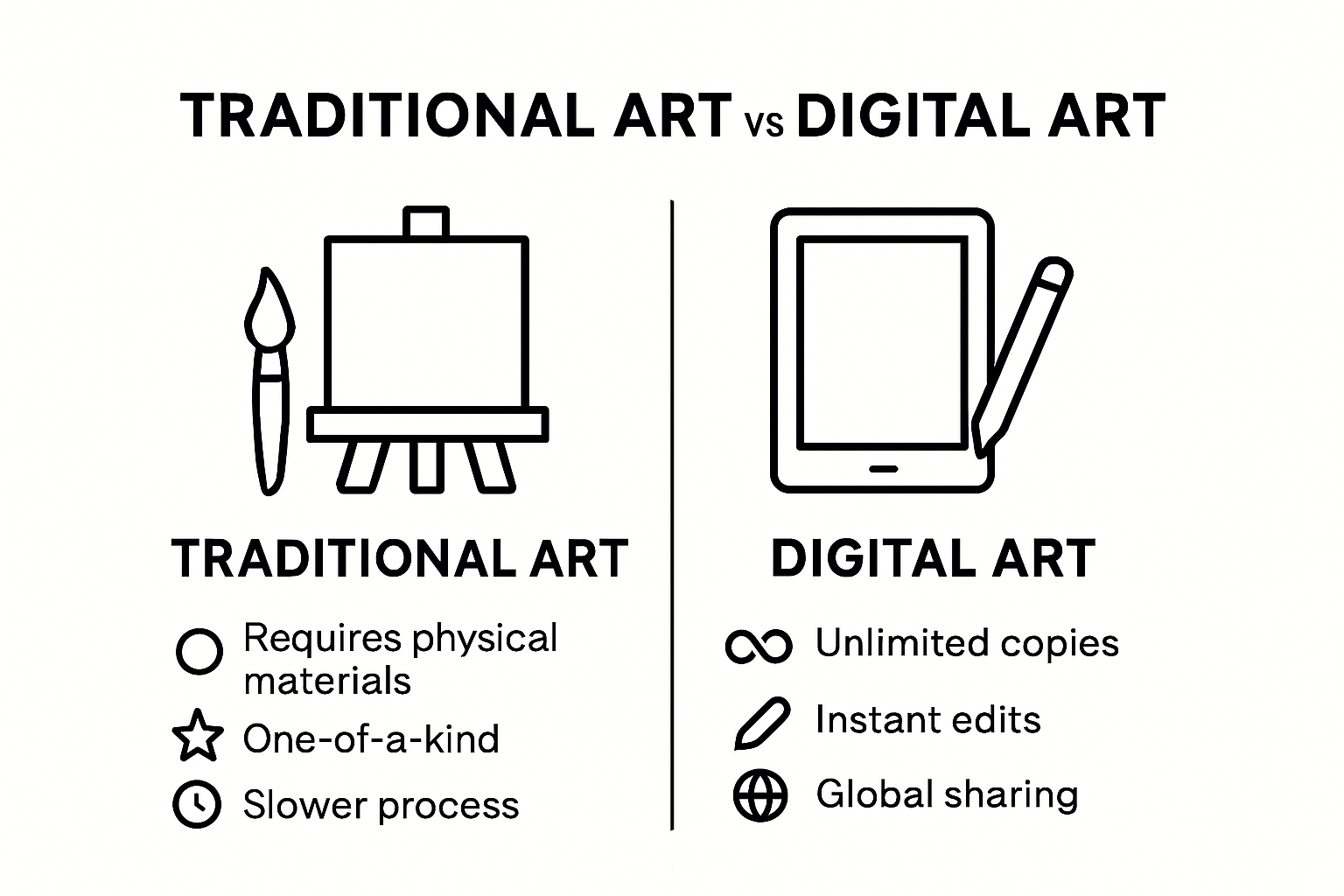
Traditional art vs digital art comparison infographic

  • Flexibility of Creation: Artists can modify, replicate, and transform artwork instantly
  • Unlimited Reproduction: Digital works can be duplicated without quality loss
  • Global Accessibility: Art can be shared instantly across digital platforms

Expanding Artistic Boundaries

Digital art encompasses multiple disciplines, including digital painting, vector graphics, 3D modeling, generative art, and interactive multimedia installations. According to research from Stellenbosch University, digital technologies are fundamentally reshaping artistic education and practice, challenging traditional boundaries between different artistic mediums.

The evolution of digital art represents more than a technological shift. It signifies a profound reimagining of artistic expression, where the artist’s creativity is amplified and extended through digital tools. These technologies enable artists to explore complex visual narratives, experiment with unprecedented techniques, and engage audiences in immersive, interactive experiences that transcend traditional artistic limitations.

The table below highlights the key features that distinguish digital art from traditional art, providing a clear overview for readers new to this dynamic medium.

Feature Digital Art Traditional Art
Medium Software, tablets, computers Paint, canvas, clay, physical materials
Reproduction Unlimited, no loss in quality Limited, deterioration possible
Modification Easily editable and reversible Often difficult or impossible to alter
Distribution Instant global sharing platforms Typically local and physical galleries
Accessibility Lower barriers, broader audience Often limited by geography and cost
Tools Required Digital devices and apps Physical tools and traditional materials
Interactivity Can be interactive, multimedia elements possible Mostly static, single medium

The Importance of Digital Art in Today’s Society

Digital art has emerged as a powerful medium for cultural expression, social commentary, and creative innovation, transcending traditional artistic boundaries and reshaping how societies communicate, understand, and interpret visual experiences. Its significance extends far beyond aesthetic appeal, representing a critical platform for communication, education, and technological advancement.

Cultural Representation and Global Communication

In an increasingly interconnected world, digital art serves as a universal language that bridges cultural divides and enables artists to share complex narratives instantaneously. Explore our guide on famous South African artists to understand how digital platforms amplify artistic voices from diverse backgrounds. Digital art allows creators to challenge societal norms, represent marginalized perspectives, and generate meaningful dialogues about identity, social issues, and human experiences.

Key societal contributions of digital art include:

  • Social Awareness: Highlighting critical social issues through visual storytelling
  • Cultural Preservation: Documenting and archiving cultural heritage in digital formats
  • Global Accessibility: Breaking geographical and economic barriers to artistic expression

Economic and Educational Transformation

According to research from the Public Art Development Programme, digital art is not just a creative medium but an economic catalyst. It generates employment opportunities, supports technological skills development, and creates innovative pathways for youth engagement. Educational institutions are increasingly integrating digital art into curricula, recognizing its potential to develop critical thinking, technological literacy, and creative problem-solving skills.

The democratization of artistic tools through digital technologies has fundamentally transformed how individuals create, consume, and interact with art. By lowering entry barriers and providing sophisticated yet accessible platforms, digital art empowers a new generation of creators to express themselves authentically, challenge traditional artistic paradigms, and contribute to a more inclusive, diverse, and technologically integrated cultural landscape.

Here is a summary table showcasing the major types of digital art techniques mentioned in the article, along with a brief description of how each technique contributes to modern artistic practice.

Technique Description
Vector Graphics Creation of clean, scalable images using mathematical paths and equations.
3D Modelling Building digital, three-dimensional forms for environments and characters.
Generative Art Artworks developed autonomously with the use of algorithms or code.
Digital Painting Creating images by simulating real-world painting on a digital canvas.
Interactive Media Engaging audiences through art that responds to user input or movement.

How Digital Art is Created and Shared

Digital art creation involves a complex interplay of technological tools, creative vision, and innovative techniques that transform artistic expression from traditional physical mediums to dynamic digital platforms. Artists harness sophisticated software, hardware, and digital technologies to conceptualize, design, and distribute their creative works across global networks.

Digital Creation Tools and Techniques

Modern digital artists utilize an extensive array of technological resources to bring their visions to life. Graphic tablets, digital drawing pads, high-resolution displays, and advanced software like Adobe Creative Suite, Procreate, and Blender enable creators to generate intricate visual compositions with unprecedented precision and flexibility. Check out our blog for more insights into digital art techniques and explore the evolving landscape of artistic innovation.

Key digital art creation techniques include:

  • Vector Graphics: Creating scalable digital illustrations using mathematical equations
  • 3D Modeling: Designing complex three-dimensional digital environments and characters
  • Generative Art: Using algorithmic processes to create autonomous artistic works

Digital Distribution and Platforms

According to research from the Public Art Development Programme, digital platforms have revolutionized how artists share and monetize their creative outputs. Social media platforms like Instagram, specialized art websites, NFT marketplaces, and digital galleries provide artists with unprecedented opportunities to reach global audiences, connect with potential buyers, and build international artistic communities.

The digital art ecosystem has democratized artistic creation, removing traditional barriers of geography, institutional access, and economic constraints. Artists can now instantaneously upload, share, and sell their works, transforming the traditional art market and enabling more diverse, inclusive, and dynamic artistic expressions that transcend physical and cultural boundaries.

Key Concepts in Digital Art: Tools and Techniques

Digital art represents a sophisticated fusion of technological innovation and creative expression, requiring artists to master complex tools and conceptual frameworks that extend far beyond traditional artistic practices. Understanding the fundamental techniques and technologies enables artists to translate imaginative visions into compelling digital experiences.

Software and Creative Platforms

Professional digital artists employ an extensive range of specialized software that serves as their primary creative toolkit. Programs like Adobe Creative Suite, Procreate, Blender, and Clip Studio Paint provide comprehensive environments for designing, manipulating, and rendering digital artwork. Learn more about essential art materials for digital creators to understand the evolving landscape of artistic technologies. These platforms offer intricate layers of functionality, allowing artists to experiment with complex visual techniques that were previously impossible in traditional media.

Critical digital art software capabilities include:

  • Layering: Creating complex compositions by building multiple transparent visual elements
  • Non Destructive Editing: Modifying artwork without permanently altering original content
  • Advanced Brush Customization: Designing unique digital painting tools with precise control

Technical Skills and Creative Methodologies

According to research from the University of Cape Town, digital art requires artists to develop a nuanced understanding of both technological tools and creative methodologies. Artists must cultivate skills in digital drawing, 3D modeling, vector graphics, and generative art techniques. These skills demand not just artistic talent but also technical proficiency in understanding how digital platforms translate creative intentions into visual representations.

The intersection of technology and creativity in digital art transforms traditional artistic boundaries, enabling artists to explore unprecedented forms of visual expression. By mastering sophisticated digital tools and techniques, artists can create immersive, dynamic artworks that challenge conventional perceptions of artistic creation and representation.

Digital art is rapidly evolving, transforming traditional artistic markets and creating innovative pathways for creators, collectors, and investors. As technological advancements continue to reshape artistic expression, digital art is emerging as a sophisticated and dynamic investment landscape with profound implications for cultural and economic ecosystems.

Emerging Technological Frontiers

The convergence of artificial intelligence, blockchain technology, and immersive digital platforms is revolutionizing how digital art is created, experienced, and collected. Virtual reality environments, augmented reality interfaces, and generative AI tools are expanding the boundaries of artistic creation, enabling artists to develop increasingly complex and interactive visual experiences. Learn more about the value of original art in South Africa to understand the shifting dynamics of art collection in the digital age.

Key technological trends in digital art include:

  • AI Generated Art: Machine learning algorithms creating autonomous artistic compositions
  • Blockchain Authentication: Ensuring artwork provenance and digital ownership
  • Immersive Digital Exhibitions: Virtual galleries and interactive art experiences

Collectibility and Investment Potential

According to research from the University of Pretoria Museums, digital art is transitioning from a niche market to a mainstream investment category. Non Fungible Tokens (NFTs) have dramatically transformed art collectibility, providing verifiable ownership and creating new economic models for digital creators. Collectors are increasingly recognizing digital artworks as legitimate assets with significant appreciation potential, challenging traditional art market structures.

The future of digital art represents a profound reimagining of artistic creation and consumption. By embracing technological innovation, digital artists are not just creating visual experiences but constructing entirely new ecosystems of creative expression that transcend physical and geographical limitations.

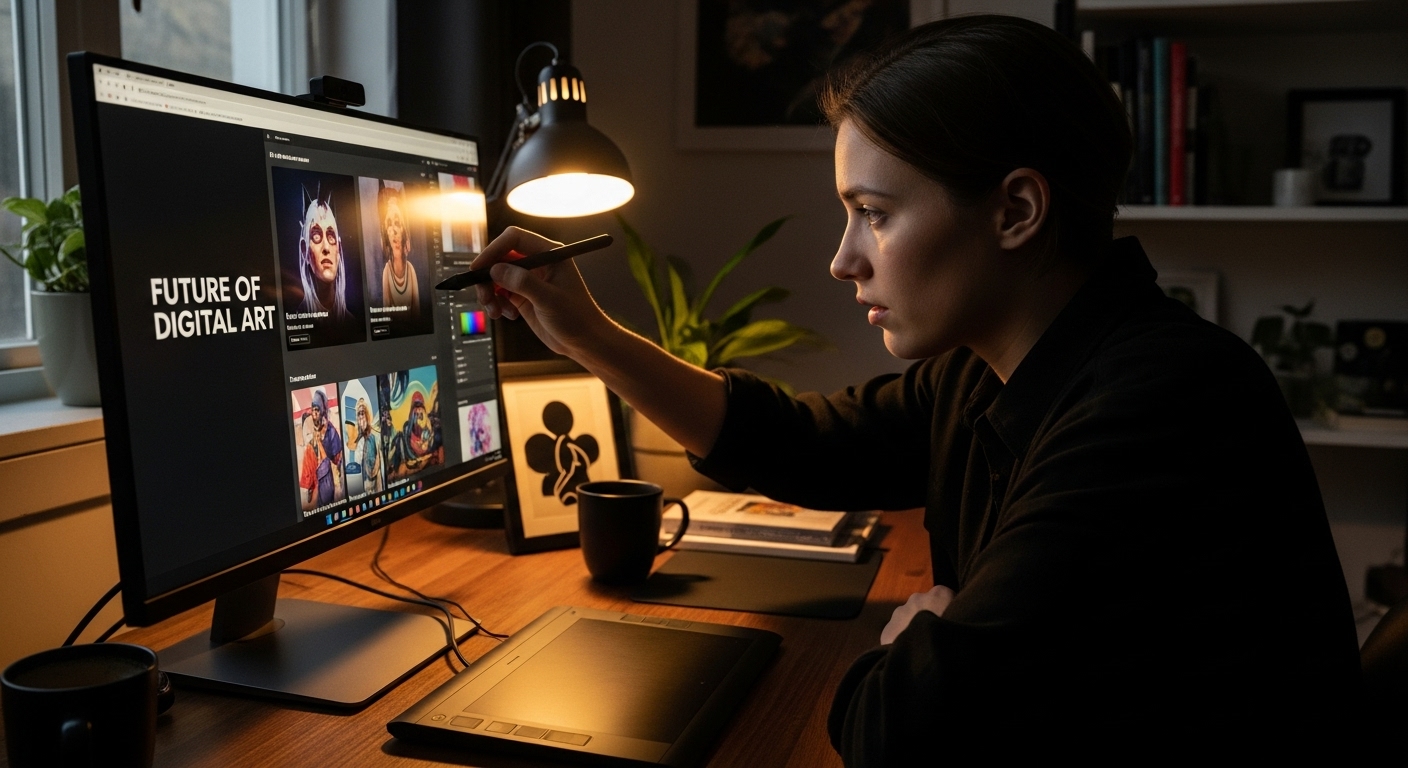
future of digital art NFT

Bring Digital Art to Life with Art Online

Many people find it challenging to access original digital artworks and experience the value they add to modern life. After reading about the evolving landscape of digital art, you might feel inspired but unsure where to discover authentic pieces from real artists in South Africa. If you are searching for a trusted place to find digital creations or looking to invest in cutting-edge local talent, you are ready for the next step.

https://art-online.co.za

Do not let this moment pass. Explore Art Online to view an exclusive selection of digital art and contemporary works from South Africa’s top artists. Immerse yourself in the vibrant creative energy that defines this medium and learn more about why buying original art in South Africa matters. Choose your new favourite piece today and let your space reflect the future of creative expression.

Frequently Asked Questions

What is digital art?

Digital art is a contemporary medium where technology is used as the primary means for artistic expression, utilizing software, digital tools, and electronic devices to create and produce visual works.

How is digital art created?

Digital art is created using various tools and techniques, including graphic tablets, specialized software like Adobe Creative Suite, and methodologies such as vector graphics and 3D modeling. Artists can manipulate and enhance their work dynamically in digital formats.

What are the benefits of digital art compared to traditional art?

Digital art offers numerous advantages, such as the ability to easily modify and reproduce creations without quality loss, instant global accessibility for sharing and selling, and the use of advanced tools that allow for innovative artistic techniques and experimentation.

How is digital art impacting society?

Digital art serves as a powerful medium for cultural representation and social commentary, enabling artists to share diverse perspectives and address critical social issues while also contributing to economic growth and educational opportunities in the creative sector.

Posted on Leave a comment

Understanding Interpreting Modern Art for Collectors

modern art collectors interpretation

Modern art shook the art world by throwing out centuries of neat, perfect pictures and strict rules. Out of nowhere, artists started painting feelings instead of faces and turned ordinary objects into something unrecognisable. The wild part is that modern art movements like cubism and abstract expressionism broke tradition so hard that audiences now spend more time asking what art means than simply admiring how it looks. Turns out, the real revolution was never just on the canvas. It was in the way people learned to see the world all over again.

Table of Contents

Quick Summary

Takeaway Explanation
Modern art defies traditional norms. It challenges established artistic conventions, focusing on innovation and personal expression.
Cultural context impacts art interpretation. Understanding an artwork requires awareness of historical and cultural influences shaping its meaning.
Art serves as social critique. Modern artworks provoke discussions around societal issues, inequalities, and underrepresented voices.
Emotional engagement enhances understanding. Viewing art interactively allows a deeper connection to the emotional and psychological narratives depicted.
Modern art reflects societal evolution. It captures the changing dynamics of culture, technology, and human experience through varied artistic expressions.

What is Modern Art and Its Evolution?

Modern art represents a groundbreaking transformation in artistic expression that emerged during the late 19th and early 20th centuries. Unlike traditional art forms, modern art challenged established artistic conventions, emphasizing innovative techniques, subjective interpretations, and radical experimentation.

Origins and Philosophical Foundations

The evolution of modern art fundamentally reflects broader societal changes during the industrial revolution and subsequent technological advancements. Research from the University of Pretoria highlights how artists began rejecting strict representational approaches, instead exploring more abstract and conceptual modes of creative expression.

Key philosophical shifts that influenced modern art include:

  • Rejection of Traditional Representation: Artists moved away from literal depictions towards emotional and psychological interpretations
  • Emphasis on Individual Perspective: Artwork became a medium for personal expression rather than objective documentation
  • Challenging Aesthetic Norms: Breaking established artistic rules and exploring unconventional aesthetic experiences

Critical Characteristics of Modern Art

Modern art distinguished itself through several defining characteristics. Artists prioritized emotional authenticity over technical perfection, using art as a powerful tool for communication and social commentary. These approaches fundamentally transformed how audiences perceived and engaged with artistic works.

The movement encompasses diverse styles including cubism, surrealism, abstract expressionism, and minimalism. Each style represented unique approaches to interpreting human experience, reflecting the complex, rapidly changing world of the 20th century. Explore our guide on South African artistic trends to understand how these global movements intersected with local creative expressions.

Collectors and art enthusiasts appreciate modern art not just for its visual appeal, but for its ability to challenge perceptions, provoke thought, and capture the essence of human experience in increasingly abstract and nuanced ways. By breaking traditional boundaries, modern artists created a revolutionary language of visual communication that continues to inspire and intrigue audiences worldwide.

Why Modern Art Matters in Today’s Society

Modern art transcends aesthetic appreciation, serving as a powerful lens through which society examines its complex cultural, social, and psychological dynamics. It represents more than visual expression it functions as a critical dialogue platform addressing contemporary challenges and human experiences.

Social Commentary and Cultural Reflection

Artists use modern art as a provocative medium to challenge existing narratives, expose societal inequalities, and stimulate critical thinking. Public Art Development Programme research demonstrates how creative expressions can transform public spaces and generate meaningful social discourse.

Key societal roles of modern art include:

  • Challenging Dominant Narratives: Providing alternative perspectives on historical and contemporary issues
  • Amplifying Marginalised Voices: Creating platforms for underrepresented communities to share experiences
  • Promoting Cultural Understanding: Bridging diverse perspectives through visual storytelling

Psychological and Emotional Significance

Beyond social commentary, modern art serves profound psychological functions. It provides individuals with nuanced ways of processing complex emotions, personal experiences, and collective traumas. Read our guide on South African artistic expressions to understand deeper cultural dimensions of artistic representation.

Modern art encourages viewers to engage actively with artwork, moving beyond passive observation. This interactive approach transforms art appreciation into a deeply personal, introspective experience that challenges preconceived perceptions and stimulates intellectual curiosity.

Ultimately, modern art matters because it reflects humanity’s continuous evolution. It captures the zeitgeist of our times, documenting social transformations, technological advancements, and shifting cultural paradigms. By embracing complexity, ambiguity, and multiple interpretations, modern art provides a dynamic, ever-changing mirror of our collective human experience.

Key Concepts and Movements in Modern Art

Modern art encompasses a rich tapestry of innovative movements that fundamentally transformed artistic expression during the 20th century. These movements challenged traditional artistic conventions, introducing radical approaches to representation, perception, and creative communication.

Foundational Artistic Movements

Research from the Iziko Museums highlights how modernist art emerged as a complex, multifaceted phenomenon reflecting broader societal transformations. The primary movements that defined modern art include:

  • Cubism: Pioneered by Pablo Picasso and Georges Braque, fragmenting and reconstructing visual forms from multiple perspectives
  • Surrealism: Exploring subconscious imagery and dream-like representations
  • Abstract Expressionism: Emphasizing spontaneous, emotional artistic creation
  • Minimalism: Reducing artistic expression to essential geometric forms and colors

Conceptual Approaches and Philosophical Foundations

Modern art movements were characterized by their underlying philosophical principles. Artists began rejecting literal representation, instead focusing on conveying emotional and psychological experiences. This approach transformed art from a purely visual medium to a complex form of intellectual and emotional communication.

Explore our guide to famous South African artists to understand how global artistic movements intersected with local creative expressions. Each movement represented a unique approach to interpreting human experience, challenging viewers to reconsider their understanding of visual representation.

The table below compares the key foundational movements of modern art and highlights their main characteristics for collectors and enthusiasts seeking to understand their distinct approaches.

Movement Key Features Notable Focus
Cubism Fragmentation, multiple perspectives, geometric shapes Analysis of form, visual deconstruction
Surrealism Dream-like imagery, exploration of the subconscious Psychological depth, symbolic language
Abstract Expressionism Spontaneity, emotional intensity, gestural painting Individual emotion, action painting
Minimalism Simplicity, reduction to basic forms and colours Essence of form, depersonalisation

The conceptual foundations of modern art movements emphasized individual perspective, emotional authenticity, and the power of artistic innovation. Artists sought to break free from traditional artistic constraints, using their work as a medium for social commentary, personal expression, and philosophical exploration. This revolutionary approach transformed art from a passive visual experience to an active, provocative dialogue between the artwork, the artist, and the viewer.

Techniques for Interpreting Modern Art

Interpreting modern art requires a nuanced approach that goes beyond traditional aesthetic evaluation. Collectors and art enthusiasts must develop sophisticated analytical skills to understand the complex layers of meaning embedded within contemporary artistic expressions.

Contextual Analysis

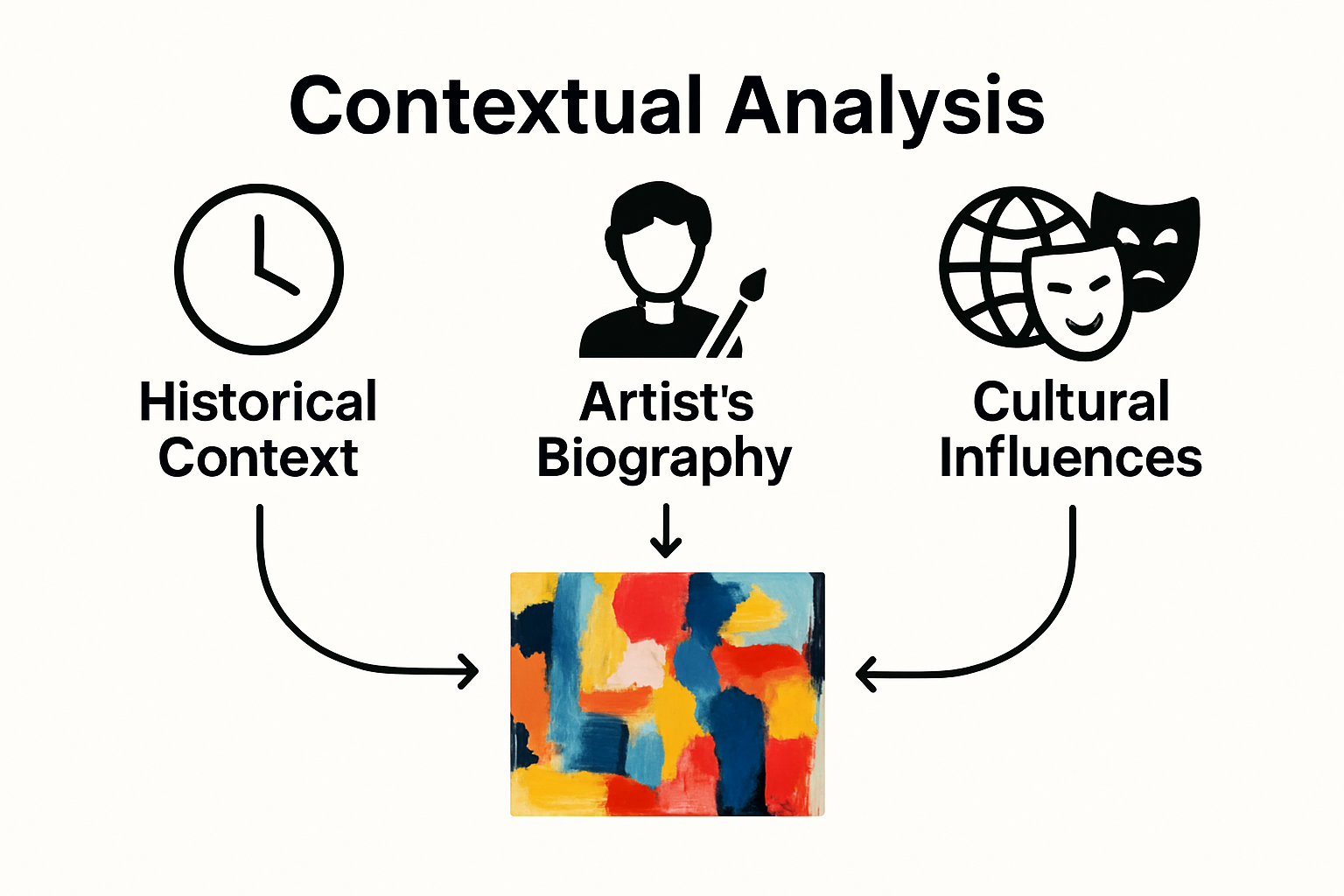
Research from the University of Pretoria emphasizes the importance of understanding an artwork’s historical, social, and personal context. Effective interpretation involves examining multiple dimensions beyond the visual representation:

Infographic visually explaining three layers of modern art interpretation

  • Historical Context: Exploring the socio-political environment during the artwork’s creation
  • Artist’s Biography: Understanding the personal experiences and philosophical perspectives of the creator
  • Cultural Influences: Identifying broader cultural movements and artistic trends

Decoding Symbolic and Emotional Layers

Modern art often communicates through symbolic language and emotional resonance rather than literal representation. Collectors should develop skills to:

  • Recognize metaphorical elements and abstract representations
  • Understand the emotional and psychological dimensions of the artwork
  • Explore the artist’s intentional use of color, form, and composition

Learn more about South African artistic perspectives to appreciate the unique local interpretations of global modern art movements.

Successful interpretation requires intellectual curiosity, emotional intelligence, and a willingness to engage with art as a complex form of communication. By approaching modern art with an open mind and analytical perspective, collectors can unlock deeper understanding and appreciation of these profound artistic expressions.

Here is a table outlining the critical techniques used for interpreting modern art, clarifying their purpose and the dimensions they examine to help collectors approach artworks more analytically.

Interpretation Technique Purpose Dimensions Explored
Contextual Analysis Situates the artwork within specific frameworks Historical, social, cultural, personal context
Decoding Symbolic & Emotional Uncovers deeper meanings and psychological layers Symbolism, metaphor, emotional impact
Artist Biography Study Informs understanding via personal history Artist’s experiences, philosophies
Cultural Reference Evaluation Reveals meaning based on cultural perspective Cultural symbols, traditions, local influences

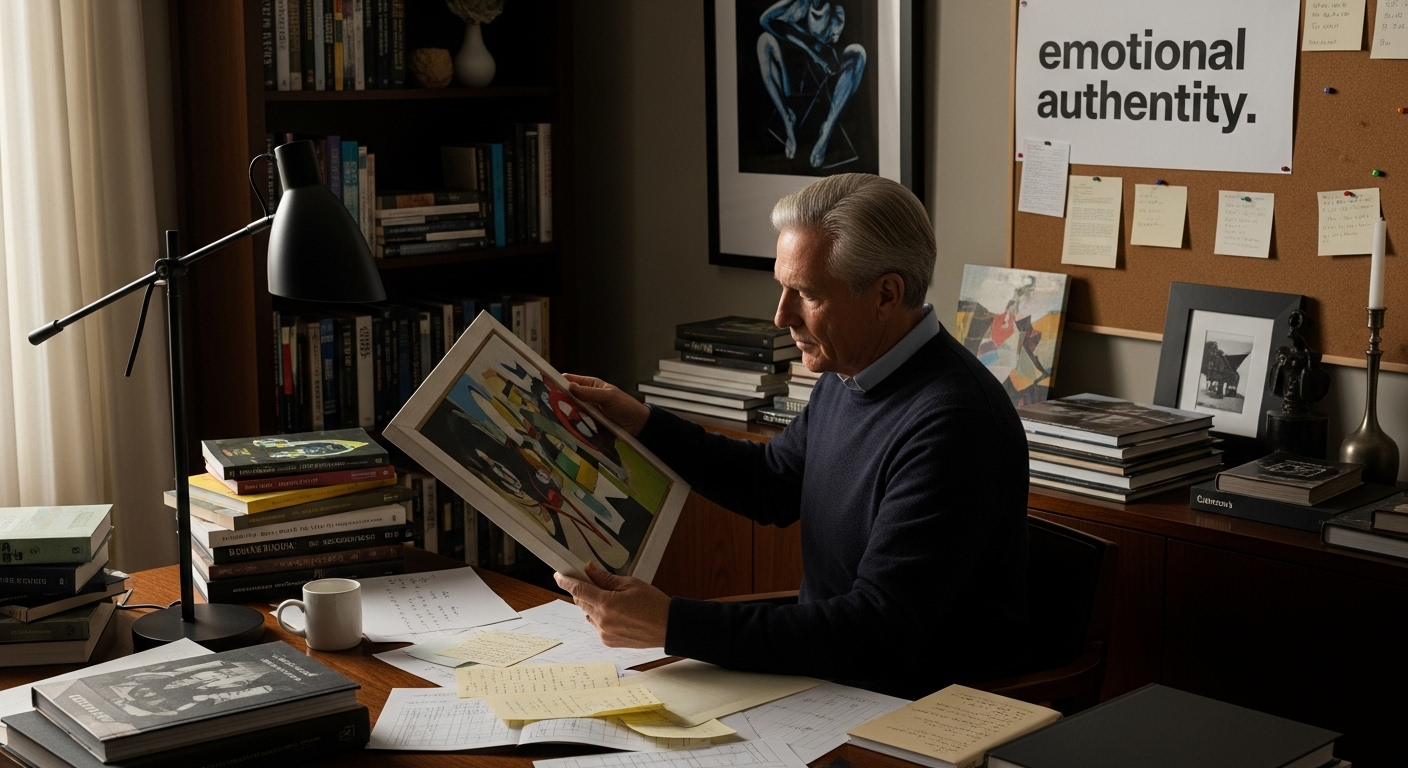
modern art collector emotional authenticity

The Impact of Culture on Modern Art Interpretation

Culture serves as a fundamental lens through which modern art is perceived, understood, and valued. It shapes not only the creation of artistic works but also the complex processes of interpretation, appreciation, and meaning-making that collectors and art enthusiasts engage with.

Cultural Contexts and Artistic Expression

The Revised White Paper on Arts, Culture and Heritage emphasizes how cultural diversity profoundly influences artistic representation. Different cultural backgrounds introduce unique perspectives that transform the way artworks are understood:

  • Symbolic Meaning: Cultural symbols and traditions embedded in artistic representations
  • Emotional Resonance: How cultural experiences shape emotional interpretations
  • Historical Narratives: The role of cultural memory in understanding artistic expressions

Modern art interpretation requires a nuanced approach that acknowledges the multiplicity of cultural viewpoints. Collectors must develop cultural sensitivity and intellectual flexibility to appreciate the diverse narratives embedded within artistic works.

Discover insights into collecting original art to understand how cultural context enhances art appreciation. Each cultural perspective offers a unique lens, transforming the way we perceive and value artistic expressions.

Ultimately, culture is not just a background context but an active participant in the artistic dialogue. It provides the complex linguistic, emotional, and symbolic frameworks through which art communicates its most profound meanings. By recognizing and embracing cultural diversity, collectors can develop a more enriched, holistic understanding of modern artistic expressions.

Art Collecting Made Personal: Unlock the Meaning in Modern Art

Are you finding it difficult to interpret the deeper stories behind modern art? If the concepts of cultural context, symbolic language and emotional resonance in South African art have left you searching for more meaning, you are not alone. Many collectors struggle to connect authentically with works that break traditional boundaries or use abstract expression. You want to move beyond just admiring and start truly understanding the heart of the artwork.

https://art-online.co.za

Let your art journey come alive with us. At Art Online, you can explore a curated collection featuring pieces by famous South African artists and fresh artistic trends that bring modern creativity to your space. Each artwork tells a layered story of culture and emotion waiting for you to discover it. Start your search for meaning and inspiration now by visiting Art Online and find an original piece that truly speaks to you.

Frequently Asked Questions

What is the importance of understanding context in interpreting modern art?

Understanding context helps collectors analyze the historical, social, and personal influences that shape an artwork. This includes the socio-political environment at the time of creation, the artist’s background, and broader cultural movements.

How can collectors decode the emotional layers in modern art?

Collectors can decode emotional layers by recognizing metaphorical elements, understanding the psychological dimensions, and exploring the artist’s use of color, form, and composition. Engaging with the emotional impact of the artwork enhances appreciation.

What are some common approaches to interpreting modern art?

Common approaches include contextual analysis, decoding symbolic and emotional layers, and appreciating the diverse cultural narratives that influence artistic expression. This multifaceted approach allows for a deeper understanding of the artwork.

Why is cultural context significant in modern art interpretation?

Cultural context is significant because it shapes how artworks are perceived and valued. Different cultural backgrounds provide unique perspectives that can influence symbolic meanings, emotional resonance, and historical narratives within the artwork.

Posted on Leave a comment

How to Choose Wall Paint: A Step-by-Step Guide for 2025

wall paint selection process

Choosing the right wall paint can easily turn your living room from bland to breathtaking and even influence how you feel every day. Most people think it all comes down to picking a nice colour from a catalogue. Yet, the colour you choose can actually shift your mood and productivity, according to research from the University of Pretoria showing that paint colours profoundly affect emotional well-being. Once you realise your paint could set the entire vibe of your home, it changes how you look at that little paint sample in the shop.

Table of Contents

Quick Summary

Key Point Explanation
1. Define your design goals clearly Understand the room’s purpose and atmosphere you wish to create before selecting paint colors.
2. Assess natural and artificial lighting Observe how light changes colors in the room throughout the day; this significantly influences paint perception.
3. Test large paint samples on walls Apply sizable samples directly on walls to view colors accurately under varying light conditions.
4. Choose the right paint finish Consider the durability and cleaning needs of different finishes based on each room’s activities.
5. Ensure quality and compatibility before purchase Calculate paint quantity precisely and opt for high-quality products that fit your wall type for best results.

Step 1: Identify Your Design Goals

Choosing wall paint is more than just selecting a color – it’s about creating an intentional atmosphere that reflects your personal style and functional needs. Before diving into color swatches and paint samples, you need a clear understanding of your design goals. This foundational step will guide every subsequent decision in your painting journey.

Start by thoroughly assessing the specific room and its unique characteristics. Consider the room’s primary purpose – is it a tranquil bedroom, an energetic home office, or a welcoming living space? Different areas require different emotional and practical approaches. A peaceful bedroom might call for soft, calming tones, while a home office could benefit from more stimulating colors that promote focus and productivity.

Next, evaluate the room’s existing elements. Take a critical look at your furniture, flooring, artwork, and architectural features. These elements will influence your color selection. A room with wooden floors and neutral furniture provides a versatile canvas, while spaces with bold, colorful furnishings might require more subdued wall treatments. Pay attention to natural and artificial lighting, as these significantly impact how colors appear and feel throughout the day.

Consider the psychological impact of color. Research from the University of Pretoria suggests that color choice profoundly affects mood and perception. Cool blues and greens can create a sense of calm, while warm yellows and oranges can inject energy and warmth into a space. Your design goals should align with the emotional experience you want to create.

Finally, document your observations and goals. Create a simple mood board or sketch that captures the room’s current state, desired atmosphere, and potential color palette. This visual reference will serve as your roadmap, helping you make confident decisions as you progress through the wall painting process.

Step 2: Evaluate Lighting Conditions

Lighting is the secret ingredient that can transform your wall paint from ordinary to extraordinary. Understanding how natural and artificial light interact with color is crucial in selecting the perfect wall paint that looks stunning throughout the day. Your chosen color will dramatically shift in appearance depending on the lighting conditions, making this step essential in your painting journey.

Begin by observing the room at different times of day. Natural light changes dramatically from morning to evening, and your wall color will look different under each lighting scenario.

Stand in the room during sunrise, midday, and sunset to see how sunlight influences the potential paint colors. North-facing rooms typically receive cooler, softer light, while south-facing spaces enjoy warmer, more intense illumination. This variation means a color that looks perfect in the morning might appear completely different by afternoon.

Evaluate your artificial lighting sources with equal scrutiny. Different types of light bulbs – LED, fluorescent, incandescent – emit varying color temperatures that can dramatically alter wall paint perception. Warm white bulbs with lower color temperatures create a cozy, yellowish glow, while cool white bulbs introduce a bluish cast. Research from the Oil and Colour Chemists’ Association confirms that spectral power distributions in lighting significantly impact color appearance.

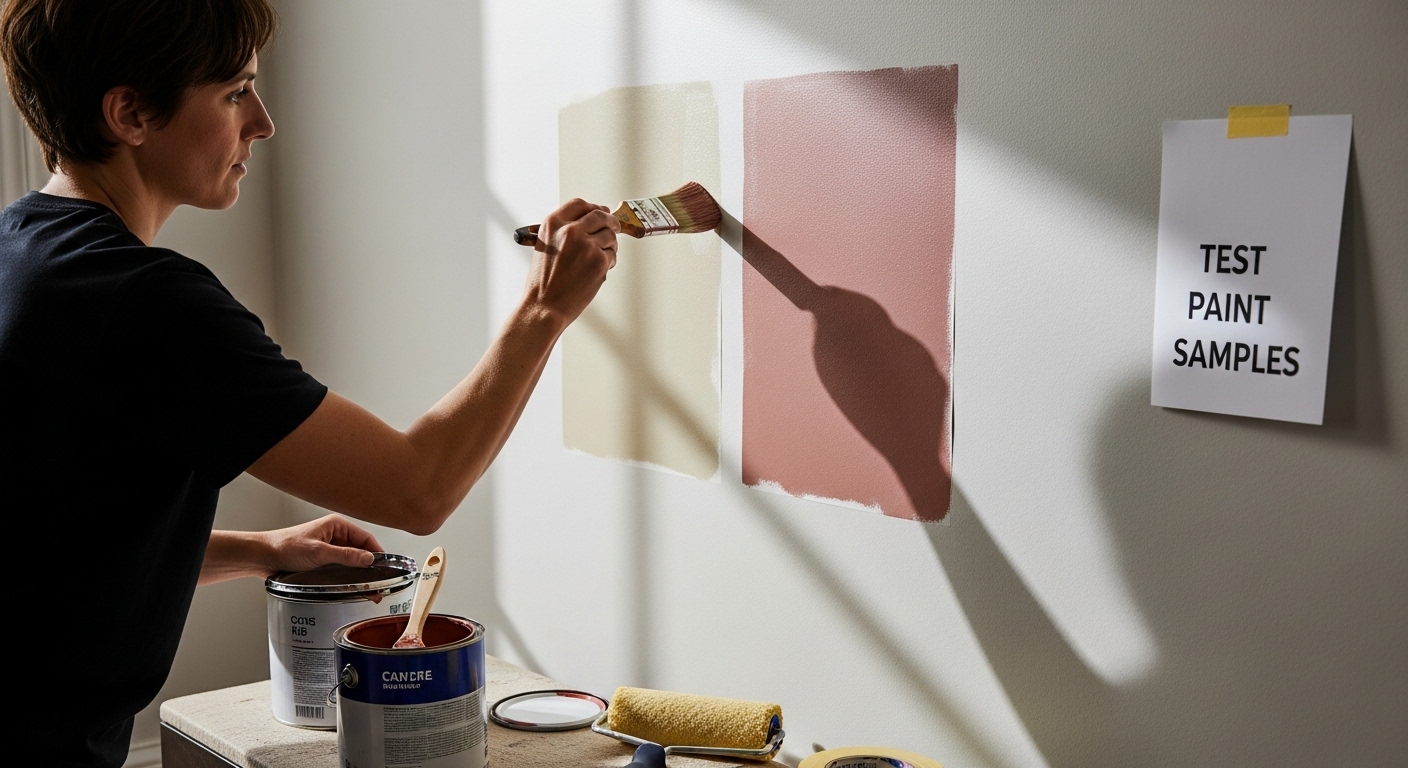
To truly understand how your chosen colors will look, purchase small paint samples and create test patches directly on your walls. Apply these samples in different areas of the room, allowing them to sit for several days. Observe how the colors change under morning sunlight, afternoon brightness, and evening artificial lighting. Move around the room and view the test patches from various angles. This method provides the most accurate representation of how your final wall color will appear in your specific space.

Remember that reflective surfaces like mirrors, glossy furniture, and windows can also influence color perception. A light-colored wall might appear brighter near a large window, while the same color could seem darker in a corner with minimal light exposure. By carefully studying these nuanced lighting conditions, you’ll make an informed decision that ensures your chosen wall paint looks exactly as you envisioned.

Step 3: Select an Appropriate Colour Palette

Selecting a colour palette is more than randomly picking shades that catch your eye – it’s about creating a harmonious visual experience that reflects your personal style and enhances the room’s overall atmosphere. Your colour choices will set the emotional tone and functional character of the space, making this step critical in your wall painting journey.

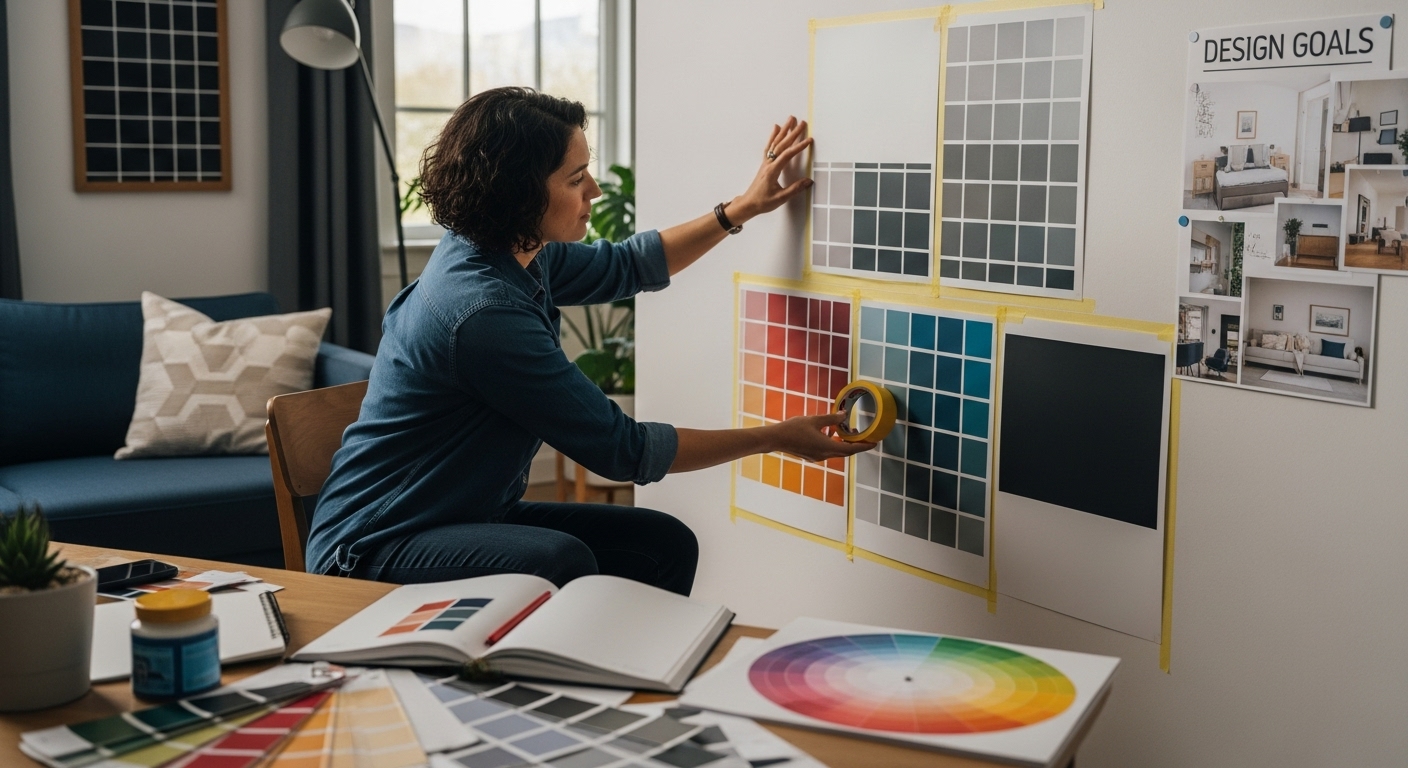
Step-by-step visual for choosing wall paint: assessment, lighting, color selection

Start by understanding the psychological impact of colours. Warm tones like terracotta, soft yellows, and rich oranges can create a sense of comfort and intimacy, perfect for living rooms and bedrooms. Cool tones such as sage green, soft blues, and lavender generate a sense of calm and spaciousness, ideal for home offices or relaxation areas. Consider the existing elements in your room – furniture, flooring, and architectural features – and choose colours that complement rather than compete with these elements.

Utilize colour wheel principles to create cohesive palettes. Complementary colours, located opposite each other on the colour wheel, create dynamic visual interest. Analogous colours, which sit next to each other, produce a more harmonious and subdued effect. For instance, a palette combining soft blues and greens can create a serene environment, while a combination of deep red and soft orange generates warmth and energy. The South African Paint Manufacturing Association recommends understanding the Natural Colour System to make more informed colour selections.

To test your colour palette, create a mood board that includes paint swatches, fabric samples, and images that represent the room’s desired aesthetic. This visual tool helps you see how different colours interact and whether they achieve the emotional and functional goals you established in earlier steps. Take time to observe these samples under different lighting conditions, remembering how light can dramatically transform colour perception.

Don’t be afraid to experiment with accent walls or subtle colour variations. A single wall in a bold, contrasting colour can become a stunning focal point, while using different shades of the same colour family can add depth and sophistication to your space. The key is balance – your colour palette should feel intentional, not accidental, creating a cohesive and inviting environment that truly feels like home.

Step 4: Test Paint Samples on Your Walls

Testing paint samples is a critical step that can save you from costly mistakes and ensure you’re completely satisfied with your color choice. This phase allows you to see how your selected colors truly perform in your specific space, accounting for unique lighting conditions and existing design elements that can dramatically alter color perception.

Start by purchasing large paint sample cards or painting small sections directly on the wall. Avoid tiny swatches that won’t give you an accurate representation of how the color will look when covering an entire wall. Purchase sample sizes from reputable paint brands and apply them in at least two different locations within the room. This strategy helps you understand how the color appears under varying light conditions and against different backgrounds.

Apply your paint samples carefully and strategically. Use clean, white poster board or paint directly on the wall, creating patches at least 60 centimeters square. Position these samples in areas with different lighting – near windows, in corners, and opposite light sources. This approach allows you to observe how natural and artificial light transform the color throughout the day. The South African Paint Manufacturing Association recommends examining these samples under multiple lighting conditions to ensure true color representation.

Observe your paint samples over several days, not just hours. Colors can look dramatically different in morning light versus evening illumination.

applying paint test samples Take photographs of the samples at different times to compare and contrast. Move around the room, viewing the samples from various angles and distances. Pay attention to how the colors interact with your furniture, flooring, and other design elements.
Don’t rush this process. Live with the samples for at least three to five days before making a final decision. Sometimes a color that initially seems perfect might feel overwhelming or underwhelming after extended exposure. Trust your instincts, but also seek opinions from family members or design-savvy friends who can provide objective feedback. Remember, the goal is to select a wall color that not only looks beautiful but also creates the emotional atmosphere you desire in your space.

Step 5: Consider Finish Types and Durability

Selecting the right paint finish is just as crucial as choosing the perfect color. Different finishes not only impact the visual appearance of your walls but also determine their long-term performance, maintenance requirements, and ability to withstand daily wear and tear. Understanding these nuances will help you make an informed decision that balances aesthetic appeal with practical functionality.

Matte finishes offer a sophisticated, non-reflective surface that beautifully conceals wall imperfections. They’re ideal for low-traffic areas like bedrooms and formal living rooms, where elegance trumps durability. However, matte paints are less resistant to cleaning and can show marks more easily, making them less suitable for spaces frequented by children or high-activity zones. These finishes absorb light, creating a soft, understated look that can make rooms feel more spacious and calm.

In contrast, satin and semi-gloss finishes provide enhanced durability and easier maintenance. Satin finishes offer a subtle sheen that’s perfect for hallways, children’s rooms, and family spaces. They resist stains better than matte paints and can be gently cleaned without damaging the paint surface. Semi-gloss finishes take durability a step further, featuring a more pronounced shine that’s exceptionally easy to wipe down. These are excellent choices for kitchens, bathrooms, and areas exposed to moisture, grease, or frequent touching.

Consider the specific demands of each room when selecting your paint finish. High-humidity spaces like bathrooms and kitchens require finishes that resist mold and moisture. Hallways and children’s rooms need paints that can withstand frequent cleaning and occasional scuffs. The South African Paint Manufacturing Association recommends evaluating the functional requirements of each space before making a final selection.

Don’t be afraid to mix finishes within your home. You might choose a durable semi-gloss for trim and a matte finish for walls, creating visual depth and protecting high-contact areas. Always purchase high-quality paint from reputable manufacturers, as superior products offer better coverage, longer-lasting color, and improved durability.

Here is a comparison of common paint finishes, highlighting their features and best usage areas to help you make the right choice for each room:

Paint Finish Visual Appearance Durability & Maintenance Ideal Room Types
Matte Non-reflective, soft Conceals imperfections, less cleanable Bedrooms, formal living rooms
Satin Subtle sheen Easy to clean, resists stains Hallways, children’s rooms, family spaces
Semi-gloss Noticeable sheen Highly cleanable, moisture resistant Kitchens, bathrooms, high-touch areas
Mix & Match Varies (by area) Custom performance per surface Trim/semi-gloss, walls/matte for depth

Step 6: Finalize Your Choice and Make the Purchase

With careful preparation and thoughtful testing complete, you’re now ready to transform your vision into reality. Finalizing your wall paint purchase requires strategic decision-making that goes beyond simply selecting a color and finish. This step is about ensuring quality, compatibility, and long-term satisfaction with your investment.

Begin by calculating the exact paint quantity needed for your space. Measure your walls precisely, accounting for total square meters and remembering to subtract areas occupied by windows and doors. Most paint brands provide coverage estimates on their labels, typically ranging from 10 to 12 square meters per liter. Purchase slightly more paint than calculated to account for potential touch-ups, uneven surfaces, or unexpected absorption. Professional painters recommend adding 10-15% extra to your initial calculation to ensure you have sufficient coverage.

Quality matters significantly when selecting paint. Invest in premium products from reputable manufacturers that offer superior pigmentation, durability, and coverage. While budget-friendly options might seem attractive, higher-quality paints often require fewer coats, provide better color retention, and offer longer-lasting finishes. Look for paints with built-in primer properties, which can simplify your painting process and potentially reduce overall material costs. Agrement South Africa recommends selecting products that meet national building and quality standards.

Before making your final purchase, confirm a few critical details. Check that your selected paint is compatible with your wall surface type – some formulations work better on plaster, others on concrete or previously painted surfaces. Verify the paint’s environmental credentials, looking for low-VOC (volatile organic compounds) options that minimize harmful emissions. Consider purchasing a small extra can for future touch-ups, ensuring color consistency if repairs become necessary.

Finally, gather all necessary painting supplies alongside your paint. This includes primer, brushes, rollers, painter’s tape, drop cloths, and protective gear. By preparing comprehensively, you’ll streamline the painting process and achieve a professional-looking result that reflects the careful consideration you’ve invested in selecting the perfect wall color.

To ensure a smooth wall painting process, use this checklist to confirm all steps and essentials are covered before you begin:

Preparation Step Completed (✔/✗) Notes
Defined design goals Assessed mood, function, existing decor
Evaluated lighting conditions Checked natural and artificial light
Selected colour palette Mood board or swatches prepared
Tested paint samples on walls Observed under different lighting
Chosen paint finish & durability Matched finish to room use
Calculated quantity & purchased Allow for extra paint and touch-ups
Gathered painting supplies Brushes, rollers, tape, drop cloths

Finish Your Space with Art that Matches Your Dream Walls

You have carefully chosen the perfect wall paint by considering lighting, mood, colour palette and finish. Now your space is ready for the finishing touch that brings your vision to life. Many people search for ways to make their newly painted rooms feel truly special and personal after all their effort. Displaying the right artwork not only complements your chosen colours and atmosphere but also brings out the unique personality of your home.

https://art-online.co.za

Explore Art Online, South Africa’s largest online art gallery, and discover original pieces from renowned local artists that match your new wall colours and style. Transform your blank walls into inspiring focal points and enjoy a home that feels complete and inviting. Start browsing now and let the creative journey continue with artwork that celebrates your home’s fresh look. Visit Art Online’s homepage today and find the art that fits your newly painted space perfectly.

Frequently Asked Questions

How do I identify my design goals when choosing wall paint?

To identify your design goals, assess the room’s primary purpose, existing elements like furniture and lighting, and the emotional atmosphere you wish to create. This foundational understanding will guide your color selections.

What is the best way to evaluate lighting conditions for wall paint?

Observe the room at different times of day to see how natural light influences color appearance. Also, consider the type of artificial lighting used, as it can significantly alter how colors appear on your walls.

How do I create a cohesive color palette for my walls?

Start by understanding the psychological impacts of different colors and utilize color wheel principles. Consider existing elements in the room and create a mood board to visualize how the chosen colors will work together under various lighting conditions.

Why is testing paint samples on walls important?

Testing paint samples directly on your walls allows you to see how colors behave in your specific space over time and under different lighting conditions, ensuring you make an informed decision before committing to a final color.

Posted on Leave a comment

What is Printmaking? Understanding Artistic Techniques

printmaking process studio

Printmaking is often seen as a niche technique, tucked away behind the more glamorous worlds of painting and sculpture. Yet printmaking enables artists to produce multiple original artworks from a single design, making art up to ten times more accessible than singular paintings. It does not just multiply images. It multiplies voices, turning a single creative spark into a cultural conversation that can ripple through communities and history alike.

Table of Contents

Quick Summary

Takeaway Explanation
Printmaking is a unique artistic technique. It involves transferring images between surfaces through specialized methods, allowing multiple originals from a single design.
Key printmaking methods include Intaglio and Screen Printing. Each method offers different textures and aesthetic possibilities, enabling intricate artistic expression.
Printmaking democratizes art access. By allowing multiple reproductions, it breaks traditional barriers and widens the audience for artistic works.
Printmaking serves as social commentary. Historically, artists have used prints to critique social issues, making it a powerful medium for resistance.
Contemporary artists innovate with printmaking. They blend traditional techniques with modern technologies, using it to explore complex narratives and engage with audiences.

Defining Printmaking: An Artistic Process

Printmaking represents a sophisticated artistic technique where artists create unique visual artworks by transferring images from one surface to another using specialized methods and tools. Unlike painting or drawing, printmaking involves a complex process of reproducing images through multiple stages, enabling artists to generate multiple original prints from a single creative design.

The Core Principles of Printmaking

At its fundamental level, printmaking involves transferring an image from a matrix (primary surface) onto another surface, typically paper. Artists use various techniques to create these transfers, each requiring precise skill and understanding of material interactions. The matrix can be constructed from multiple materials like wood, metal, stone, or screens, with each material offering distinct textural and visual characteristics.

Technical Methods and Creative Expression

Artists employ several primary printmaking techniques to create their artwork.

According to research by the University of Cape Town, contemporary South African printmakers have developed sophisticated approaches that blend traditional methods with innovative strategies. The key printmaking methods include:

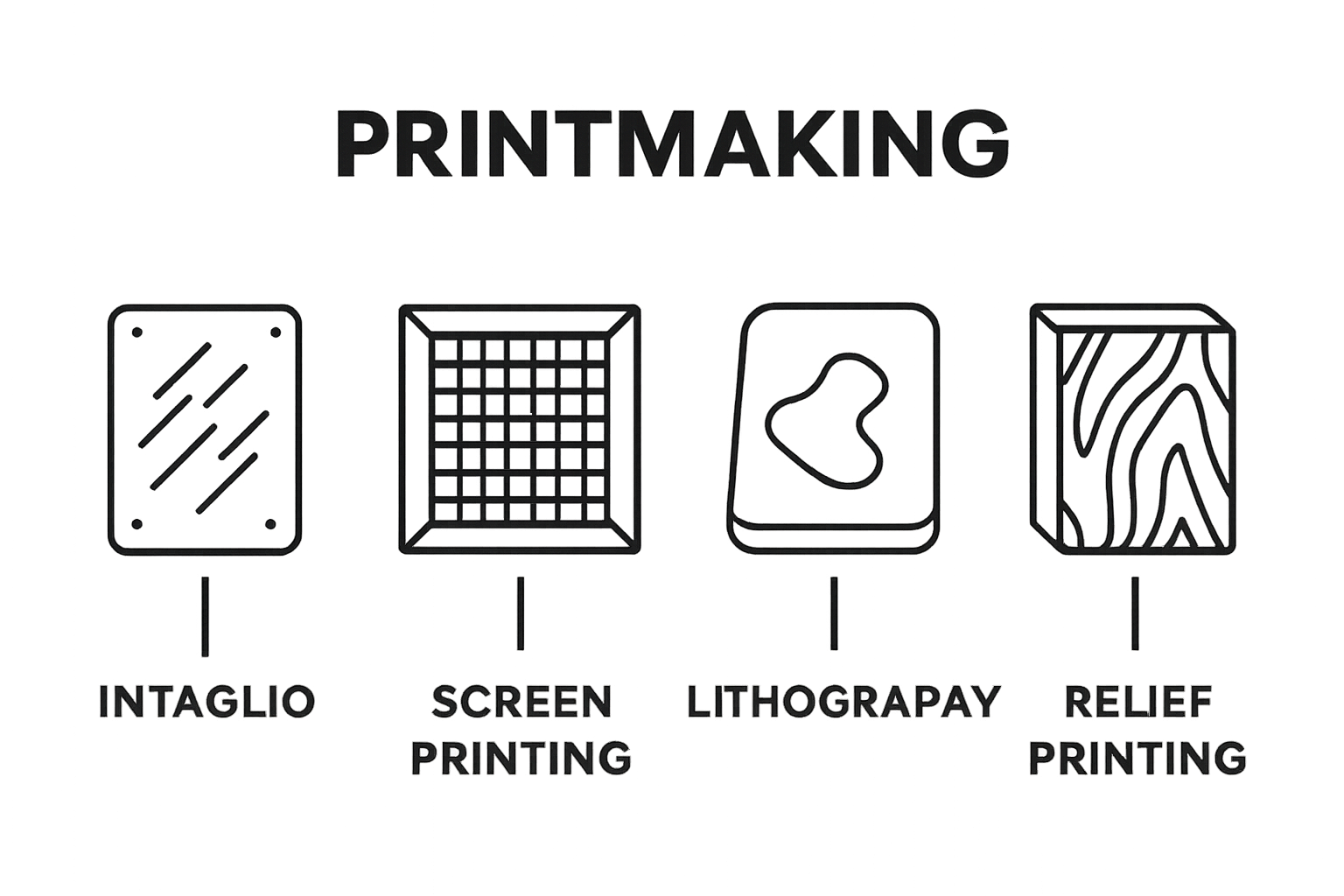
  • Intaglio: Involves etching or engraving images into a metal plate
  • Screen Printing: Uses mesh screens to transfer ink onto surfaces
  • Lithography: Creates images on limestone or metal plates using oil and water resistance
  • Relief Printing: Carves images into surfaces like woodblocks, with raised areas collecting ink

These techniques allow artists to explore complex visual narratives, reproduce intricate designs with remarkable precision, and create multiple original artworks from a single creative conception. Printmaking transcends mere reproduction, representing a nuanced art form that demands technical mastery and creative vision.

The Importance of Printmaking in Art History

Printmaking has played a pivotal role in documenting and shaping human cultural narratives, serving as a powerful medium for artistic expression, social commentary, and historical documentation. Far beyond a mere technical process, printmaking represents a profound method of communication that has transformed how societies understand and represent visual experiences.

Cultural and Social Documentation

Throughout history, printmaking has been an essential tool for artists to capture and critique social realities. Research by the University of Cape Town reveals how printmaking became a critical form of resistance during challenging political periods, particularly in South Africa. Artists used prints as powerful instruments of social commentary, creating works that challenged oppressive systems and amplified marginalized voices.

Democratization of Art

Printmaking fundamentally transformed art accessibility by enabling artists to produce multiple original artworks. This technological innovation meant that art could be distributed more widely, breaking traditional barriers of exclusivity. Key advantages of printmaking include:

  • Ability to create multiple identical artworks
  • Lower production costs compared to unique paintings
  • Opportunity for wider artistic distribution
  • Potential for mass communication of artistic ideas

The technique’s ability to reproduce images with precision allowed artists to reach broader audiences, transforming art from an elite practice to a more democratic form of expression. Learn more about painting techniques and values to understand how printmaking influenced artistic markets.

Moreover, printmaking techniques have been crucial in preserving cultural narratives, documenting historical events, and providing visual representations of societal changes. From political posters to intricate artistic prints, this medium has consistently served as a dynamic platform for creative and intellectual exchange, reflecting the complex layers of human experience through visual storytelling.

Exploring Different Printmaking Techniques

Printmaking encompasses a diverse range of artistic techniques, each offering unique opportunities for creative expression and visual storytelling. Artists select specific methods based on their artistic vision, technical skills, and desired aesthetic outcomes, transforming simple materials into complex visual narratives.

Primary Printmaking Methods

The primary printmaking techniques represent sophisticated artistic approaches that require precision, skill, and deep understanding of material interactions.

Infographic showing four printmaking techniques: intaglio, screen printing, lithography, and relief printing According to research from the South African Visual Arts Sector, these techniques are fundamental to contemporary artistic practice and cultural expression.

Advanced Printmaking Approaches

Each printmaking technique offers distinct characteristics and creative possibilities:

  • Intaglio Printing: Involves etching or engraving images into metal plates, creating intricate textures and deep visual depths
  • Screen Printing: Uses mesh screens to transfer ink, allowing for vibrant color layering and graphic design possibilities
  • Lithography: Creates images on smooth limestone or metal surfaces using oil and water resistance principles
  • Relief Printing: Carves images into surfaces like woodblocks, with raised areas collecting ink for precise image transfer

These techniques demonstrate the complexity and versatility of printmaking as an art form. Discover more about painting techniques and artistic values to understand the broader context of visual arts. Artists manipulate these methods to create unique visual experiences, transforming simple materials into profound artistic statements that communicate complex emotions and narratives.

Below is a comparison of the four primary printmaking techniques discussed in the article, highlighting their materials, process characteristics, and unique artistic features.

Technique Main Matrix Material Process Description Distinctive Features
Intaglio Metal plates (copper, zinc, aluminium) Etching or engraving designs into a metal plate Intricate detail, rich textures
Screen Printing Mesh screens Forcing ink through screens onto a surface Bold colours, strong graphic effects
Lithography Limestone/metal plates Drawing with greasy substances, utilising oil and water resistance Subtle tonal variation, fluid mark-making
Relief Printing Woodblocks Carving design into a block, raised surfaces inked Organic textures, bold contrasts

Understanding the Materials Used in Printmaking

Printmaking requires a sophisticated selection of materials that directly influence the artistic outcome, visual quality, and durability of the final artwork. Artists carefully choose their materials based on technical requirements, aesthetic goals, and the specific printmaking technique they intend to employ.

Matrix Materials and Characteristics

The matrix, or primary surface used for creating prints, plays a crucial role in determining the artwork’s texture, detail, and overall visual impact. Different materials offer unique properties that artists leverage to achieve specific artistic expressions. Research on material preservation highlights the importance of understanding material interactions in artistic production.

Essential Printmaking Materials

Artists utilize a diverse range of materials in their printmaking practice:

  • Metal Plates: Copper, zinc, and aluminum provide smooth surfaces for detailed etching and engraving
  • Woodblocks: Offer rich textures and organic grain patterns for relief printing techniques
  • Lithographic Stones: Provide a smooth surface for creating intricate designs using oil and water resistance
  • Silk Screens: Allow for versatile ink transfer and layered color applications

Explore essential art materials to understand the diverse tools artists use in their creative processes. Each material demands specific skills and understanding, requiring artists to develop technical expertise alongside their creative vision. The selection of materials is not merely a technical decision but an integral part of the artistic narrative, allowing printmakers to translate complex ideas into visual experiences that communicate profound emotional and cultural insights.

This table outlines key printmaking materials and how they contribute unique characteristics to finished artworks.

Material Printmaking Application Artistic Effect or Benefit
Copper/Zinc/Aluminium Used for etching and engraving (Intaglio) Enables fine lines and intricate textures
Woodblocks Carved for relief printing Introduces natural grain and texture
Lithographic Stone Drawn upon for lithography Allows for smooth, detailed mark-making
Silk Screens Used in screen printing Facilitates vibrant colours and layering
Specialised Paper Accepts ink transfers from the matrix Influences finish, absorbency, and durability

The Role of Printmaking in Contemporary Art

Contemporary art has embraced printmaking as a dynamic medium for artistic expression, social commentary, and cultural exploration. Far from being a traditional technique, printmaking now represents a sophisticated platform for artists to challenge conventions, communicate complex narratives, and engage with diverse audiences through innovative visual strategies.

Artistic Innovation and Experimentation

Modern artists are continuously pushing the boundaries of printmaking, transforming it from a technical process into a profound method of creative communication. According to research from the University of Cape Town, contemporary South African artists particularly use printmaking as a nuanced tool for exploring identity, history, and social transformation.

Contemporary Printmaking Approaches

Contemporary printmaking demonstrates remarkable versatility through several key characteristics:

  • Interdisciplinary Integration: Combining traditional printmaking techniques with digital technologies
  • Social Commentary: Using prints as powerful platforms for addressing political and cultural issues
  • Experimental Techniques: Blending multiple printmaking methods to create unique artistic expressions
  • Global Communication: Facilitating cross-cultural dialogue through reproducible artworks

Learn more about painting techniques and artistic values to understand the broader context of visual arts. Contemporary printmaking transcends traditional boundaries, offering artists a flexible medium to explore complex narratives, challenge societal norms, and create visually compelling works that resonate with global audiences. The technique represents not just an artistic method, but a powerful form of cultural dialogue and creative expression.

printmaking gallery exhibition

Turn Printmaking Inspiration Into Your Own Collection

Have you been captivated by the creativity behind printmaking, but struggle to find authentic, collectable prints or contemporary art that really speaks to you? Many readers want to experience the rich visual narratives, technical mastery and social impact highlighted in printmaking techniques, but are unsure where to discover such unique artworks in one trusted place.

At Art Online, you can explore South Africa’s largest online gallery, featuring original works created by highly regarded local artists, including many prints and mixed media pieces. We understand the value of owning art that carries both historical and cultural weight, and we make it easy to connect you with inspiring, high-quality printmaking examples as well as other exceptional works.

https://art-online.co.za

Bring printmaking’s impact and legacy into your own life today. Visit our main gallery to find authentic South African prints and more. Your next piece is just a few clicks away—secure an artwork that tells a real story and supports home-grown talent. Act now and experience the difference a genuine printmaking masterpiece can make in your space.

Frequently Asked Questions

What is printmaking?

Printmaking is an artistic process where artists create unique visual artworks by transferring images from one surface to another using various techniques. It allows for the reproduction of multiple original prints from a single design.

What are the main printmaking techniques?

The primary printmaking techniques include Intaglio, Screen Printing, Lithography, and Relief Printing. Each method varies in the materials used and the image transfer process, showcasing diverse artistic expressions.

Why is printmaking important in art history?

Printmaking has played a significant role in documenting cultural narratives, enabling social commentary, and democratizing art by allowing artists to produce multiple works. It has been essential in preserving history and challenging societal norms through visual representation.

What materials are typically used in printmaking?

Common materials in printmaking include metal plates (like copper and zinc), woodblocks, lithographic stones, and silk screens. Each material influences texture, detail, and the overall impact of the final artwork.

Posted on Leave a comment

Understanding the Cultural Significance of Art

Significance of Art

Significance of Art

Art has shaped cultures for thousands of years and stretches far beyond something beautiful to hang on a wall. Most people see a painting or sculpture and think of it as just decoration but that barely scratches the surface. The real story is this: artworks can capture and preserve entire histories and values that would otherwise be lost forever and in South Africa you can see how these visual stories have helped communities make sense of identity and keep their memories alive.

Table of Contents

Quick Summary

TakeawayExplanation
Art preserves cultural memory.Art functions as a historical archive, capturing narratives and documenting social transformations across time.
Art challenges societal norms.Artists provoke dialogue by exposing inequalities, encouraging audiences to question cultural assumptions and power structures.
Art facilitates personal and communal healing.Through emotional expression and shared experiences, art fosters connections and promotes mental well-being within communities.
Art reflects and shapes identity.Artistic expressions capture and communicate unique cultural characteristics, reinforcing a sense of belonging and understanding of communal history.
Art acts as a tool for social change.Artistic works amplify marginalized voices and provide critical commentary on systemic injustices, fostering social awareness and transformation.

What is the Cultural Significance of Art?

Art serves as a profound medium of human expression, transcending mere visual representation to become a powerful vehicle for cultural communication, historical documentation, and social understanding. The cultural significance of art extends far beyond aesthetic appreciation, representing a complex language through which societies communicate their deepest values, struggles, and collective experiences.

Art connections infographic showing cultural memory, social commentary, identity and belonging

Art as Cultural Memory

Every artwork tells a story deeper than its visual elements. Art captures the essence of human experiences, preserving cultural narratives that might otherwise be lost to time. From prehistoric rock paintings to contemporary installations, artworks function as historical archives, documenting social transformations, political movements, and individual human perspectives. Our guide on South African artists provides insight into how local artists have used their craft to chronicle societal changes.

Key aspects of art as cultural memory include:

  • Documenting historical events and social movements
  • Preserving traditional knowledge and practices
  • Representing collective cultural identities
  • Transmitting intergenerational experiences

Art as Social Commentary

Artists function as society’s critical observers, using their work to challenge existing norms, expose inequalities, and provoke meaningful dialogue. Through visual narratives, art can communicate complex social issues more powerfully than written or spoken words. By presenting alternative perspectives, artists encourage viewers to question established systems, cultural assumptions, and power structures.

According to research from the South African National Gallery, art plays a crucial role in national identity formation, helping communities understand their shared history and diverse cultural experiences. Whether through painting, sculpture, or performance, artists create platforms for social reflection and transformation.

By interpreting cultural significance, art becomes more than a decorative object. It emerges as a dynamic, living testament to human creativity, resilience, and collective imagination, bridging individual experiences with broader societal narratives.

To enhance understanding, the table below compares how art functions as both cultural memory and social commentary, summarising their purposes, focus areas, and roles within society.

Function of ArtPrimary PurposeFocus AreasRole in Society
Cultural MemoryPreserve historical and cultural narrativesDocumenting events, traditions, identityServes as a historical archive
Social CommentaryChallenge norms and provoke dialogueInequality, power structures, assumptionsFosters critical reflection and change

Why Does Art Hold Cultural Significance?

Art represents a profound mechanism through which societies communicate, understand, and preserve their complex human experiences. Far more than aesthetic objects, artworks function as powerful conduits of collective memory, emotional expression, and cultural identity, allowing communities to articulate their deepest narratives and transformative journeys.

Identity and Belonging

Art serves as a critical tool for defining and reinforcing cultural identity. Through visual representations, artistic works capture the unique characteristics, values, and experiences of specific communities. Paintings, sculptures, and installations become tangible expressions of shared heritage, allowing individuals to connect with their roots and understand their collective history. Learn more about tribal art trends to explore how traditional artistic expressions communicate cultural identity.

Key dimensions of art’s role in identity formation include:

  • Representing communal experiences
  • Symbolizing cultural traditions
  • Preserving historical narratives
  • Reflecting social transformations

Emotional and Psychological Significance

Beyond historical documentation, art provides a profound emotional outlet for individual and collective experiences. Artists translate complex emotions, societal challenges, and personal struggles into visual languages that transcend verbal communication. According to research from the South African National Gallery, art enables communities to process trauma, celebrate resilience, and imagine alternative social realities.

Art acts as a therapeutic and reflective medium, allowing societies to:

  • Explore unspoken emotional landscapes
  • Challenge existing social narratives
  • Create spaces for empathy and understanding
  • Facilitate dialogue about complex human experiences

By presenting alternative perspectives and emotional depths, art becomes a transformative force that connects individuals, challenges perceptions, and ultimately contributes to broader social understanding and human connection.

How Art Reflects and Shapes Cultural Identity

Art serves as a dynamic mirror and catalyst for cultural identity, representing a powerful mechanism through which communities articulate, negotiate, and transform their collective understanding of themselves. It goes beyond simple representation, functioning as an active agent in constructing and reimagining cultural narratives, social experiences, and collective memory.

Representation and Narrative Construction

Visual art provides a unique platform for communities to tell their stories, document their experiences, and challenge dominant historical narratives. Artists become storytellers who translate complex social realities into visual languages that communicate deeper truths about cultural existence. Explore our blog for insights into artistic storytelling and understand how creative expressions capture nuanced cultural experiences.

Key ways art represents cultural identity include:

  • Documenting historical experiences
  • Challenging oppressive narratives
  • Celebrating community resilience
  • Preserving traditional knowledge systems

Symbolic Language and Cultural Memory

Artworks function as symbolic repositories of cultural memory, encoding intricate layers of meaning that extend beyond visual aesthetics. Symbols, motifs, and visual metaphors embedded in art communicate profound cultural insights, transmitting generational knowledge and preserving collective experiences. According to research from The Conversation, artistic expressions are critical mechanisms through which communities understand and negotiate their evolving identities.

Art’s role in cultural memory preservation involves:

  • Translating unspoken collective experiences
  • Creating visual archives of social transformations
  • Connecting past traditions with contemporary realities
  • Facilitating intergenerational dialogue

By creating visual narratives that reflect complex cultural landscapes, art becomes more than an aesthetic object.

community art cultural identity It emerges as a dynamic dialogue between individual creativity and collective experience, continuously shaping and reshaping how communities understand themselves and their place in the broader social context.
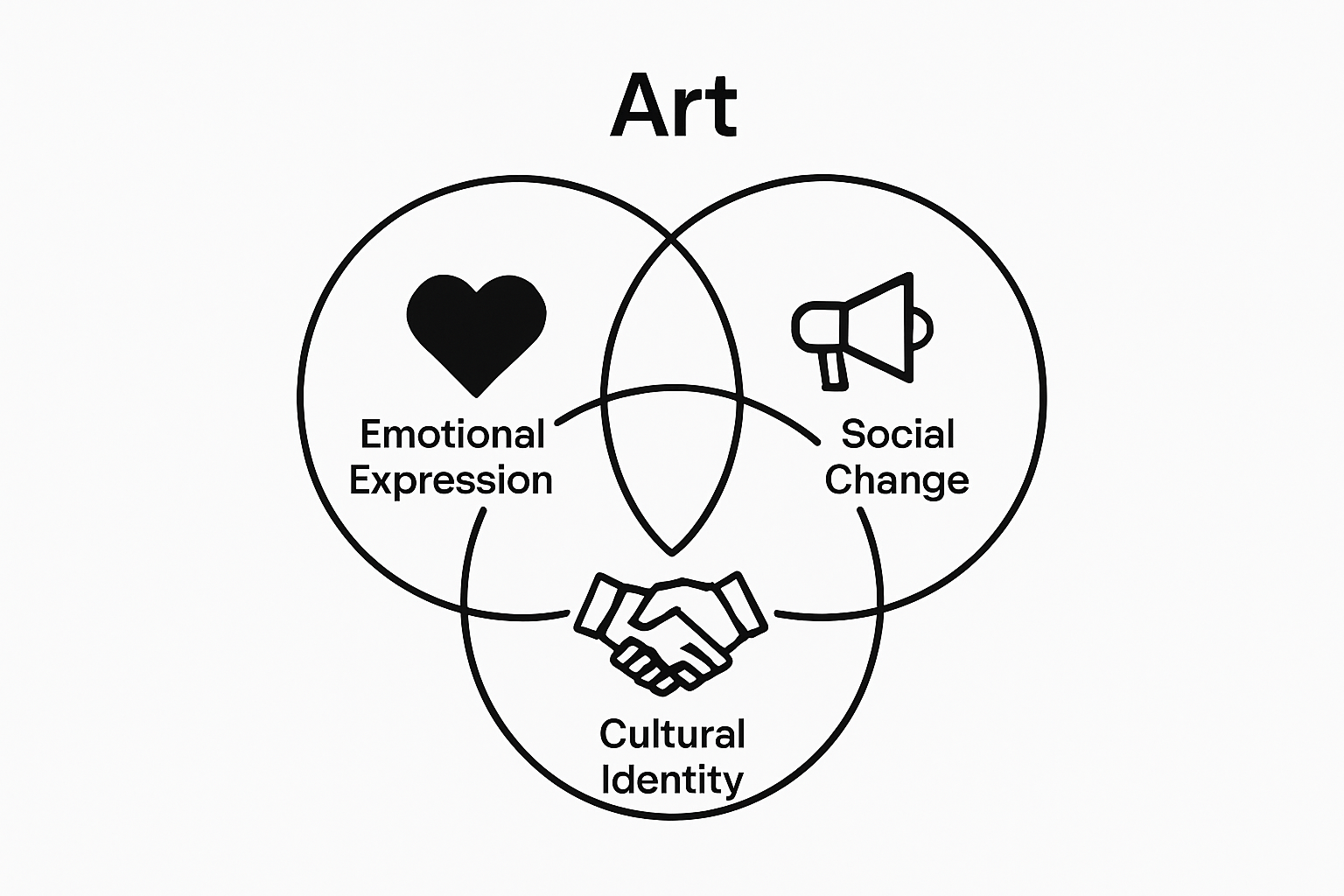
Art’s Role in Social and Political Movements

Art has consistently emerged as a potent instrument of social transformation, challenging established power structures, amplifying marginalized voices, and creating critical spaces for political discourse. Beyond aesthetic expression, art functions as a revolutionary medium through which communities articulate resistance, challenge oppression, and reimagine social possibilities.

Visual Resistance and Protest

Artistic expressions become powerful tools of political commentary, enabling communities to communicate complex social narratives that might otherwise be silenced. Paintings, photographs, murals, and installations serve as visual languages of resistance, documenting historical struggles and challenging dominant narratives. Discover the power of South African creative expression to understand how art transforms social landscapes.

Key mechanisms of artistic political resistance include:

  • Documenting systemic injustices
  • Challenging oppressive narratives
  • Creating visibility for marginalized experiences
  • Generating collective emotional solidarity

Transformative Storytelling

Artists function as critical social narrators, using their creative platforms to reframe historical experiences and challenge established power dynamics. Through visual storytelling, art provides alternative perspectives that challenge official historical accounts, giving voice to experiences often overlooked by mainstream narratives. According to research from The Conversation, artistic expressions are crucial mechanisms for understanding complex social transformations.

The transformative potential of art involves:

  • Reinterpreting historical experiences
  • Challenging dominant power structures
  • Creating spaces for collective healing
  • Imagining alternative social realities

By presenting nuanced, emotionally resonant narratives, art transcends traditional political communication.

It becomes a dynamic force that not only reflects social realities but actively participates in reshaping collective consciousness and inspiring social change.

The Impact of Art on Personal and Communal Experiences

Art transcends mere visual representation, functioning as a profound medium of emotional communication, personal exploration, and communal connection. It serves as a transformative force that bridges individual experiences with broader social narratives, creating powerful channels of understanding, healing, and collective imagination.

Emotional Landscape and Personal Growth

Artistic engagement provides individuals with unique opportunities for introspection, emotional processing, and personal development. By interacting with artistic expressions, people explore complex feelings, confront internal struggles, and gain deeper insights into their own experiences. Explore why original art matters and understand how personal art acquisition can enhance emotional understanding.

Key dimensions of art’s personal impact include:

  • Facilitating emotional self-discovery
  • Providing therapeutic emotional outlets
  • Encouraging personal reflection
  • Supporting mental health and well-being

Communal Connection and Shared Understanding

Art creates powerful spaces for collective experiences, enabling communities to communicate complex emotions and shared histories beyond verbal language. According to research from the South African Government, artistic expressions possess extraordinary potential to build empathy, raise social awareness, and drive meaningful behavioral transformations.

The communal impact of art involves:

  • Fostering collective emotional experiences
  • Creating platforms for dialogue
  • Promoting cross cultural understanding
  • Healing collective trauma

By providing nuanced emotional landscapes, art becomes more than an aesthetic experience. It emerges as a dynamic social technology that connects individuals, challenges perceptions, and generates profound pathways for personal and collective understanding.

The following table outlines the key dimensions of art’s impact on both personal and communal experiences, capturing their emotional and social benefits as described in the article.

Impact AreaPersonal ExperienceCommunal Experience
Emotional GrowthFacilitates self-discovery and reflectionCreates collective emotional experiences
Therapeutic ValueSupports mental health and well-beingFosters healing of collective trauma
ConnectionEnhances introspection and emotional understandingBuilds empathy and promotes shared understanding

Transform Your Space with South African Art that Speaks to Culture

Are you moved by how art shapes cultural identity, preserves collective memory, and inspires social change? The journey to own meaningful art often starts with a desire to connect with something deeper than simple aesthetics. Many readers grapple with how to bring authentic South African stories into their homes or offices. If you long for artworks that represent resilience, identity, and emotional depth—just as described in our article on the cultural significance of art—then now is the perfect time to discover the power of locally crafted originals.

https://art-online.co.za

Bring culture home today. At Art Online, you have access to the largest collection of art from the country’s most renowned artists. Browse exceptional works that capture the spirit and history of South African communities. Let your space tell a powerful story of heritage and transformation by exploring our carefully curated selection here. If you need guidance selecting a piece that reflects your personal story or cultural interests, visit our blog for inspiration. Start your journey with us now and invest in art that truly means something.

Frequently Asked Questions

What is the cultural significance of art?

Art holds cultural significance as a medium for expressing human experiences, preserving cultural narratives, and fostering social understanding. It serves not only as aesthetic representation but also as a vital communication tool for cultural identity and collective memory.

How does art preserve cultural memory?

Art preserves cultural memory by documenting historical events, social movements, and traditional practices. Artistic works capture and convey communal experiences, allowing future generations to connect with their heritage and understand collective histories.

In what ways can art function as social commentary?

Art functions as social commentary by challenging existing norms and exposing inequalities through visual narratives. Artists use their work to provoke dialogue, question power structures, and inspire audiences to reflect on social issues and cultural assumptions.

How does art impact personal and communal experiences?

Art impacts personal and communal experiences by facilitating emotional self-discovery, supporting personal growth, and fostering connections within communities. It creates spaces for shared understanding and collective healing, allowing individuals to articulate complex feelings and experiences beyond verbal communication.

Posted on Leave a comment

Understanding the Role of Art in Society: The Power of Art in Society

Art in Society

The Power of Art in Society

Art in society shapes the way people see themselves and their communities, weaving through everyday life in bold and subtle forms. A single painting can capture a story that entire books might miss, and South Africa’s cultural and creative industries contribute billions to the national economy each year. Yet art is not just about beauty or money, it is the hidden language that bridges generations and sparks real social change.

Table of Contents

Quick Summary

TakeawayExplanation
Art is a powerful communication tool.Art transcends visual representation, enabling deeper emotional and cultural expression.
Art preserves cultural narratives.Artistic representations document histories and experiences, connecting communities across generations.
Art inspires social change.Artists use their work to challenge injustices and provoke public discourse on societal issues.
Art contributes to economic growth.The creative industries generate jobs and stimulate tourism, enhancing local economies.
Art reflects human experiences.Through various mediums, art captures the complexities of emotions and shared human stories.

Defining Art and Its Various Forms

Art represents a profound expression of human creativity, imagination, and emotional experience that transcends simple visual representation. At its core, art is a complex communication system that allows individuals to share perspectives, challenge perceptions, and explore the depths of human experience through multiple mediums and forms.

The Conceptual Foundations of Art in Society

Art can be understood as a deliberate creation that communicates meaning, emotion, or aesthetic value through various techniques and materials. Discover more about artistic forms across different cultural contexts reveals how art functions as more than just a visual artifact but as a critical social language.

The primary characteristics that define art include:

To make the conceptual foundations of art more accessible, the table below outlines the primary characteristics that define art and briefly explains each of their roles in artistic expression.

CharacteristicExplanation
IntentionalityArt is created with a conscious purpose, aiming to communicate specific meanings or values.
Emotional ExpressionArt provokes emotional or intellectual responses, often connecting deeply with viewers.
Cultural SignificanceArt reflects, challenges, and shapes societal beliefs, norms, and collective experiences.

Venn diagram showing art's social functions

  • Intentionality: A conscious effort to create something with specific communicative or aesthetic purposes
  • Emotional Expression: Ability to evoke feelings and provoke intellectual or sensory responses
  • Cultural Significance: Reflecting and challenging societal norms, beliefs, and collective experiences

Exploring Artistic Mediums

Artistic expression manifests through diverse mediums, each offering unique possibilities for creative communication. According to the South African Government’s cultural overview, visual arts encompass painting, sculpture, photography, performance art, digital art, and mixed media installations.

Each medium provides artists with distinctive tools to explore and represent human experiences.

The following table compares some of the main artistic mediums discussed, summarising their distinctive modes of creative expression and core features.

Artistic MediumKey FeaturesDistinctive Value
PaintingManipulation of colour, form, and compositionDirect emotional impact through visual means
SculptureThree-dimensional exploration of space, shape, and textureTactile and spatial presence
PhotographyCapturing reality or constructed images through camera technologiesDocumentary or artistic realism
Digital ArtUse of digital tools and platforms for creation and manipulationContemporary innovation and flexibility
Performance ArtLive presentation, often involving the artist’s body and actionsEngages audiences in real time
Mixed MediaCombination of various materials and techniques in a single artworkEnables layered narratives and experimentation
Painting, for instance, allows direct manipulation of color and form, while sculpture enables three-dimensional exploration of space and texture. Digital art represents contemporary artistic innovation, merging technology with traditional creative processes.  

Understanding art requires recognizing its multifaceted nature as a dynamic, evolving form of human communication that reflects individual and collective experiences, challenges perceptions, and invites continuous interpretation and dialogue.

The Importance of Art in Cultural Identity

Art in Society serves as a powerful mechanism for preserving, expressing, and transmitting cultural heritage, functioning as a dynamic narrative that connects generations and communicates complex social experiences. It represents more than aesthetic expression; art in society is a profound language of cultural memory and collective identity.

Art in Society: Preserving Cultural Narratives

Cultural identity emerges through artistic representation, allowing communities to document their histories, struggles, and aspirations. Explore African artistic heritage reveals how artistic expressions capture the nuanced experiences of different social groups, providing visual testimonies of cultural evolution.

Key aspects of art in cultural identity include:

To highlight how art acts within cultural identity, the following table presents the main roles art in society plays in shaping and maintaining collective narratives.

AspectDescription
Historical DocumentationRecords key social transformations and significant historical events
Community MemoryMaintains and transmits traditional knowledge and group stories
Intergenerational CommunicationBridges generations by passing down values, beliefs, and experiences
  • Historical Documentation: Recording societal transformations and significant historical moments
  • Community Memory: Maintaining collective narratives and traditional knowledge
  • Intergenerational Communication: Transmitting cultural values and experiences across generations

Art in Society as a Social Commentary

According to the National Arts Council of South Africa, artistic expression functions as a critical tool for social dialogue and cultural understanding. Artists become cultural ambassadors, challenging existing narratives, exposing societal tensions, and reimagining collective identities.

Visual art, performance, and traditional crafts serve as powerful mediums through which marginalized voices can articulate their experiences, challenge dominant historical narratives, and create spaces for alternative perspectives. By representing diverse experiences, art becomes a transformative mechanism for social cohesion and mutual understanding.

Ultimately, art in society transcends mere aesthetic representation, emerging as a dynamic, living archive of cultural experiences that connects individual stories to broader collective narratives, fostering empathy, understanding, and social dialogue.

How Art Influences Social Change

Art in society functions as a transformative social instrument, capable of challenging existing power structures, amplifying marginalized voices, and inspiring collective action. It serves as a potent communication medium that transcends traditional barriers of language, education, and social status, enabling profound dialogues about societal inequalities and potential transformations.

Challenging Dominant Narratives

Explore contemporary South African artistic movements that demonstrate how artistic expression becomes a critical tool for social critique. Artists strategically use their work to deconstruct historical narratives, expose systemic injustices, and reimagine alternative social possibilities.

Key mechanisms through which art drives social change include:

This table simplifies the mechanisms through which art influences social change, detailing each form of influence and its impact on communities.

MechanismDescription
Visual ProtestUses striking imagery to highlight and critique social injustices
Emotional EngagementFosters empathy and connection through storytelling and shared experiences
Public DiscourseDrives conversations on complex and difficult social issues
  • Visual Protest: Creating powerful imagery that highlights social injustices
  • Emotional Engagement: Generating empathy through personal and collective storytelling
  • Public Discourse: Stimulating conversations about complex social issues

Mechanisms of Artistic Activism

According to research exploring art and social movements, artistic activism operates through multiple strategic channels. Performance art, visual installations, and street art become critical platforms for challenging oppressive systems and promoting social consciousness.

Artistic interventions create spaces for marginalized communities to reclaim their narratives, transforming personal experiences into powerful collective statements. By making invisible struggles visible, artists generate emotional resonance that traditional political discourse often fails to achieve.

Ultimately, art represents more than aesthetic expression. It emerges as a dynamic social technology that can provoke reflection, challenge established power dynamics, and inspire collective imagination towards more equitable social futures.

The Economic Impact of Art in Society

Art functions as a potent economic catalyst, generating substantial value beyond aesthetic appreciation by creating employment opportunities, stimulating tourism, and driving local economic development. The creative industries represent a significant economic sector that contributes meaningfully to community prosperity and sustainable growth.

Art in Society as an Economic Engine

Explore art investment opportunities that reveal the multifaceted economic potential of artistic production. Artists, galleries, and cultural institutions generate economic activity through direct and indirect mechanisms, transforming creative expression into tangible economic value.

Key economic contributions of art include:

The table below outlines the key economic contributions of art as highlighted in the article, helping to visualise the multifaceted ways in which art drives economic development in communities.

Economic RoleDescription
Job CreationGenerates employment opportunities across sectors like production, marketing, curation, and education
Tourism DevelopmentBoosts visitor numbers through exhibitions, festivals, and public art
Skills DevelopmentFosters training and entrepreneurship for sustainable livelihoods
  • Job Creation: Supporting employment across multiple sectors including production, curation, marketing, and education
  • Tourism Development: Attracting visitors through cultural festivals, exhibitions, and public art installations
  • Skills Development: Providing professional training and entrepreneurial opportunities

Measuring Artistic Economic Impact

According to the Department of Arts and Culture, cultural and creative industries contribute significantly to national economic output. Artistic activities generate revenue through multiple channels: direct sales, festival tourism, educational programs, and creative service industries.

Arts festivals serve as prime examples of economic multipliers. They stimulate local economies by increasing demand for hospitality services, retail, transportation, and temporary employment. These events not only generate immediate economic activity but also create long-term branding and economic opportunities for host communities.

Ultimately, art transcends aesthetic value, emerging as a strategic economic resource that can revitalize communities, generate sustainable income streams, and create pathways for economic empowerment and social mobility.

art and cultural identity

Art in Society: Art as a Reflection of Human Experience

Art functions as a profound mirror, capturing the intricate landscape of human emotions, struggles, aspirations, and collective consciousness. Beyond aesthetic representation, art serves as a complex communication system that translates individual and collective experiences into visual, auditory, and performative narratives that transcend linguistic and cultural boundaries.

Emotional Landscape of Artistic Expression

Explore the depths of South African creative expression that reveal how artists transform personal and societal experiences into powerful communicative forms. Artists become interpreters of human complexity, translating nuanced emotional states and social dynamics into compelling artistic statements.

Key dimensions of artistic reflection include:

  • Personal Narrative: Translating individual lived experiences into universal emotional landscapes
  • Social Commentary: Documenting historical moments and societal transformations
  • Psychological Exploration: Revealing inner emotional and psychological states

Art as Psychological and Social Documentation

According to research on art and activism, artistic expressions function as critical historical documents. Paintings, sculptures, and performance art become powerful mediums through which complex human experiences are recorded, interpreted, and remembered.

Artistic representations capture emotional textures that traditional historical documentation often fails to convey. They provide intimate insights into human resilience, vulnerability, joy, and suffering, offering viewers profound opportunities for empathy and understanding.

Ultimately, art transcends mere representation, emerging as a dynamic language that communicates the most intricate and profound aspects of human experience across temporal and cultural boundaries.

Discover Art That Shapes South African Society

Are you inspired by how art preserves culture, stimulates conversation and unites communities, just as explored in “Understanding the Role of Art in Society”? Many South Africans feel the challenge of making authentic cultural connections or finding artwork that truly represents our shared experiences and unique stories. Art Online directly addresses this need by giving you access to powerful visual testimonies from top local artists, reflecting the emotional depth and cultural identity highlighted in the article. Browse our collection and see first-hand how creativity can capture the moments and emotions that move us all.

https://art-online.co.za

Visit Art Online’s gallery today to explore or invest in artworks that capture South Africa’s essence. Take action now to support our artists and bring meaningful creativity into your own space. Each piece is a catalyst for dialogue and connection. Ready to experience the power of art within your community? Start your journey on Art Online and be part of South Africa’s living story.

Frequently Asked Questions

What is the role of art in cultural identity?

Art serves as a powerful mechanism for preserving and expressing cultural heritage, allowing communities to document their histories, struggles, and aspirations. It connects generations and acts as a dynamic narrative that communicates complex social experiences.

How does art contribute to social change?

Art acts as a transformative social instrument that challenges existing power structures and amplifies marginalized voices. It creates dialogues about societal inequalities and inspires collective action through various forms of expression.

In what ways does art impact the economy?

Art functions as an economic catalyst by creating employment opportunities, stimulating tourism, and driving local economic development. The creative industries play a significant role in community prosperity and sustainable growth.

How does artistic expression capture human experiences?

Art reflects human emotions, struggles, and aspirations, translating individual and collective experiences into visual, auditory, and performative narratives. It serves as a complex communication system that conveys the intricate landscape of human experience across cultural boundaries.

Posted on Leave a comment

Master the Art of Hanging Art on Brick Walls

hanging art brick tools

Hanging art on brick walls seems like a proper mission. Unlike plaster or drywall, brick does not play nice with generic tools and sticky hangers. But check this. A masonry drill fitted with carbide or diamond tips can pierce brick with almost zero risk of cracks or chips. Even more surprising, some clips can grip straight onto mortar lines without you turning on a drill at all. The safest way to hang your favourite work on a brick wall is actually easier than most people think.

Table of Contents

Quick Summary

Key Point Explanation
1. Gather specialized tools and materials Use a masonry drill and specific anchors for successful brick wall installations. This setup prevents damage while ensuring stability.
2. Evaluate wall space meticulously Assess texture, lighting, and patterns on the brick before hanging art to achieve a visually appealing arrangement.
3. Select the right hanging method Use brick clip hangers for lighter pieces and masonry anchors for heavier artworks to ensure secure mounting that withstands weight.
4. Securely attach your artwork Follow thorough installation procedures, double-check anchor points, and ensure artwork hangs level and stable on the wall.
5. Regularly verify stability and adjust Inspect mountings and check for any signs of instability or environmental impacts on your artwork’s attachment every six months.

Step 1: Gather Your Tools and Materials

Before you begin hanging art on brick walls, gathering the right tools and materials is crucial for a successful and damage-free installation. Unlike other wall surfaces, brick requires specialized equipment and careful preparation to ensure your artwork remains secure and your wall stays intact.

Start by collecting your essential toolkit. You will need a masonry drill specifically designed for brick surfaces, which differs significantly from standard wood or drywall drills. These specialized drills have hardened tungsten carbide tips that can penetrate the tough brick material without causing unnecessary cracking or damage. Alongside your drill, select drill bits made for masonry – typically with a carbide or diamond-tipped design that can effectively create precise holes in brick surfaces.

Next, assemble your mounting hardware. For brick walls, wall anchors are not optional but mandatory. You will want heavy-duty sleeve anchors or expansion anchors specifically rated for masonry installation. These anchors provide the critical structural support needed to hold your artwork securely. Choose anchors that match the weight of your art piece – lighter pieces might require smaller plastic anchors, while larger or heavier artworks demand metal sleeve anchors with superior load-bearing capacity.

Your measurement tools are equally important. A laser level or traditional spirit level will help you ensure your artwork hangs perfectly straight. A measuring tape with clear markings and a pencil for marking drill points are essential. Consider using painter’s tape to create temporary placement guides that won’t damage your brick surface.

Protective gear matters too. Wear safety glasses to shield your eyes from brick dust and debris, and consider work gloves to protect your hands during drilling. A dust mask can help prevent inhalation of fine masonry particles.

Complete your toolkit with a hammer, screwdriver, and rubber mallet for precise anchor installation. These tools will help you set your anchors securely without causing unnecessary wall damage.

Below is a handy reference table outlining the essential tools and materials you need for a safe and reliable brick wall art installation, along with key notes on each item’s purpose.

Tool/Material Specification/Type Purpose or Use
Masonry Drill Carbide or diamond-tipped Drilling precise holes in brick without damage
Masonry Drill Bits Sized for anchors, carbide/diamond Create clean, accurate holes in tough brick surfaces
Wall Anchors Sleeve or expansion (metal/plastic) Provide strong support appropriate for artwork weight
Level Laser level or spirit level Ensures artwork is hung straight and aligned
Measuring Tape Clearly marked, standard length Accurate measurement for placement and anchor points
Pencil Standard Marking drill and anchor locations on brick
Painter’s Tape Low-adhesive Temporary guides for placement; protects brick surface
Safety Glasses Standard Protects eyes from brick dust and debris
Work Gloves Durable Shields hands during drilling and handling equipment
Dust Mask Disposable or reusable Prevents inhaling masonry dust
Hammer/Rubber Mallet Standard/rubber Tapping anchors into place securely
Screwdriver Suited to anchor screws Tightening screws into masonry anchors

Before starting, read our comprehensive guide on art material essentials to ensure you have everything needed for a professional installation. By carefully preparing your tools and materials, you set the foundation for a successful artwork hanging experience on challenging brick surfaces.

Step 2: Evaluate Wall Space and Design

Carefully evaluating your brick wall space and design strategy is a critical step that transforms your artwork hanging from a simple task to a thoughtful aesthetic experience. Brick walls present unique challenges and opportunities that require meticulous planning and strategic consideration.

Begin by thoroughly examining the brick surface texture and structural characteristics. Not all brick walls are created equal – some feature rough, uneven surfaces with deep mortar lines, while others might have smoother, more uniform textures. These variations significantly impact your artwork mounting approach. Run your hand across the wall, feeling its contours and identifying potential mounting zones that offer the most stable and visually appealing locations.

Consider the natural lighting and existing architectural elements surrounding your chosen wall. Brick walls often have distinctive color variations and shadow patterns that interact uniquely with light. Position your artwork where natural or artificial light will enhance its visual impact. Consider how morning sunlight or evening ambient lighting might create different visual experiences throughout the day. Avoid hanging pieces in direct harsh sunlight, which could cause fading or potential damage to more delicate artworks.

Measure your wall meticulously, using your laser level from the previous step to mark potential artwork locations. Pay special attention to brick pattern interruptions and mortar lines. While these can sometimes provide natural mounting points, they can also create visual complications. Some areas might require additional reinforcement or specialized mounting techniques to ensure artwork stability.

Artwork placement requires a strategic approach. Consider creating a visual balance that complements the brick’s inherent texture and color. Darker, textured brick walls might benefit from lighter or more minimalist artwork, while lighter brick surfaces could support more complex or vibrant pieces. The goal is harmonious integration between your wall and the artwork.

According to research from the University of Cape Town’s art curation policy, thoughtful artwork placement goes beyond mere decoration – it creates an environment that communicates aesthetic and cultural narratives. Take time to visualize how your chosen pieces will interact with the brick surface, considering factors like color, texture, and spatial relationships.

Verify your design by creating paper templates of your artwork and temporarily positioning them on the wall using painter’s tape. This technique allows you to experiment with placement without making permanent marks. Step back, assess the arrangement from multiple angles, and adjust until you achieve a composition that feels balanced and intentional.

By meticulously evaluating your wall space and design, you set the stage for a professional, visually compelling artwork installation that celebrates both the artwork and the unique character of your brick wall.

Step 3: Choose the Right Hanging Method

Selecting the appropriate hanging method for artwork on brick walls is a nuanced process that requires careful consideration of multiple factors. The unique texture and composition of brick surfaces demand specialized techniques that differ significantly from hanging art on drywall or plaster surfaces.

For lighter artworks weighing less than 10 pounds, brick clip hangers offer an elegant solution that minimizes wall damage. These ingenious devices grip onto the mortar lines between bricks, creating a secure mounting point without requiring drilling. They distribute weight evenly across multiple brick edges, reducing stress on any single point. Position these clips carefully, ensuring they grip solid mortar sections rather than crumbling or deteriorated areas.

Heavier artworks require more robust mounting strategies. Masonry anchors become essential for pieces exceeding 10 pounds. These specialized anchors expand inside the brick’s interior when installed, creating a remarkable grip that can support substantial weight. Select anchors specifically rated for brick – sleeve anchors or expansion anchors work best. The installation process involves drilling precise holes at a 90-degree angle, carefully matching the anchor’s diameter and depth to manufacturer specifications.

This comparison table helps you select the optimal hanging method for your brick wall art, summarising best use cases, suitable artwork weight, and key benefits for each approach.

Hanging Method Recommended Artwork Weight Suitable For Key Benefits
Brick Clip Hangers Up to 10 pounds Lightweight pieces, renters No drilling required, minimal wall damage
Masonry Anchors Over 10 pounds Large/heavy artworks Strong, secure hold; ideal for permanent mount
Plastic Expansion Anchors Up to 8 pounds Small artwork, temporary Easy to install; removable; moderate support
Sleeve Anchors 10 pounds and above Heavy framed works Superior load-bearing; maximum stability
Wall Clips (adjustable) Up to 10 pounds Uneven or rough brick Flexible grip on mortar lines

Consider the artwork’s weight, size, and frame design when choosing your hanging method. Delicate or antique frames might require gentler mounting techniques, while contemporary pieces with robust frames can withstand more aggressive installation methods. Always err on the side of over-engineering your mounting strategy – a secure artwork is far preferable to one that risks falling.

When drilling into brick, drill perpendicular to the wall surface, using your masonry drill with a carbide or diamond-tipped bit. Apply steady, moderate pressure without forcing the drill. Move slowly to prevent brick cracking or creating unnecessarily large holes. After drilling, clean the hole thoroughly, removing dust and debris that could compromise anchor performance.

According to research from the University of Pretoria’s ‘Art Beyond Walls’ initiative, the method of displaying art extends beyond mere technical considerations. It involves creating meaningful connections between the artwork, its environment, and viewers.

Verify your hanging method’s effectiveness by performing a gentle pull test after installation. Ensure the artwork feels secure and level, with no wobbling or potential for unexpected movement. If any uncertainty exists, consider consulting a professional art installer who specializes in brick wall installations.

Infographic showing three steps: drill, insert anchor, hang art

Remember that patience and precision are your greatest allies when hanging art on brick walls. Each mounting decision requires thoughtful execution to preserve both your artwork and the integrity of your unique brick surface.

Step 4: Securely Attach Art to the Wall

Securing your artwork to a brick wall requires precision, patience, and a methodical approach that goes beyond simply hanging a piece. The process demands careful attention to detail to ensure both the safety of your artwork and the integrity of your brick surface.

Begin by double-checking your anchor points and marking locations with painter’s tape. This temporary guide helps prevent unnecessary drilling mistakes and provides a clear visual reference for your final placement. Use your laser level to confirm that these marks are perfectly aligned, accounting for any slight irregularities in the brick surface that might cause uneven hanging.

When drilling into brick, maintain a consistent and controlled technique. Insert your masonry drill bit at a perfect 90-degree angle, applying steady but gentle pressure. Move slowly to prevent cracking or chipping the brick. Each drill hole should be slightly smaller than your chosen anchor to ensure a tight, secure fit. Clean each hole meticulously using a small brush or compressed air, removing all dust and debris that could compromise the anchor’s grip.

Install your masonry anchors with precision. For heavier artworks, sleeve anchors provide the most reliable support. Gently tap the anchor into the drilled hole using a rubber mallet, ensuring it sits flush with the brick surface. The expansion mechanism inside the anchor will create a strong, load-bearing connection that can support significant weight. For lighter pieces, consider using plastic expansion anchors that offer a lighter-weight solution while still providing robust support.

Carefully attach your artwork’s hanging hardware to the installed anchors. If your piece uses wire backing, ensure the wire is taut and centered. For pieces with D-rings or bracket hangers, align them precisely with your pre-drilled anchor points. Use screws that match the anchor type – typically hardened steel screws designed for masonry applications. Tighten these screws carefully, avoiding over-tightening which could compromise the anchor’s structural integrity.

According to the George Municipality’s Visual Artwork Management Policy, artwork installation is not just a technical process but an opportunity to enhance cultural and aesthetic spaces. Your careful approach reflects this deeper appreciation of art presentation.

Perform a final security check by gently but firmly testing the artwork’s stability. Apply light pressure to ensure the piece doesn’t wobble or shift. Check that the artwork remains level and sits flush against the brick surface.

check art stability brick If you detect any movement or instability, revisit your anchor installation and make necessary adjustments.
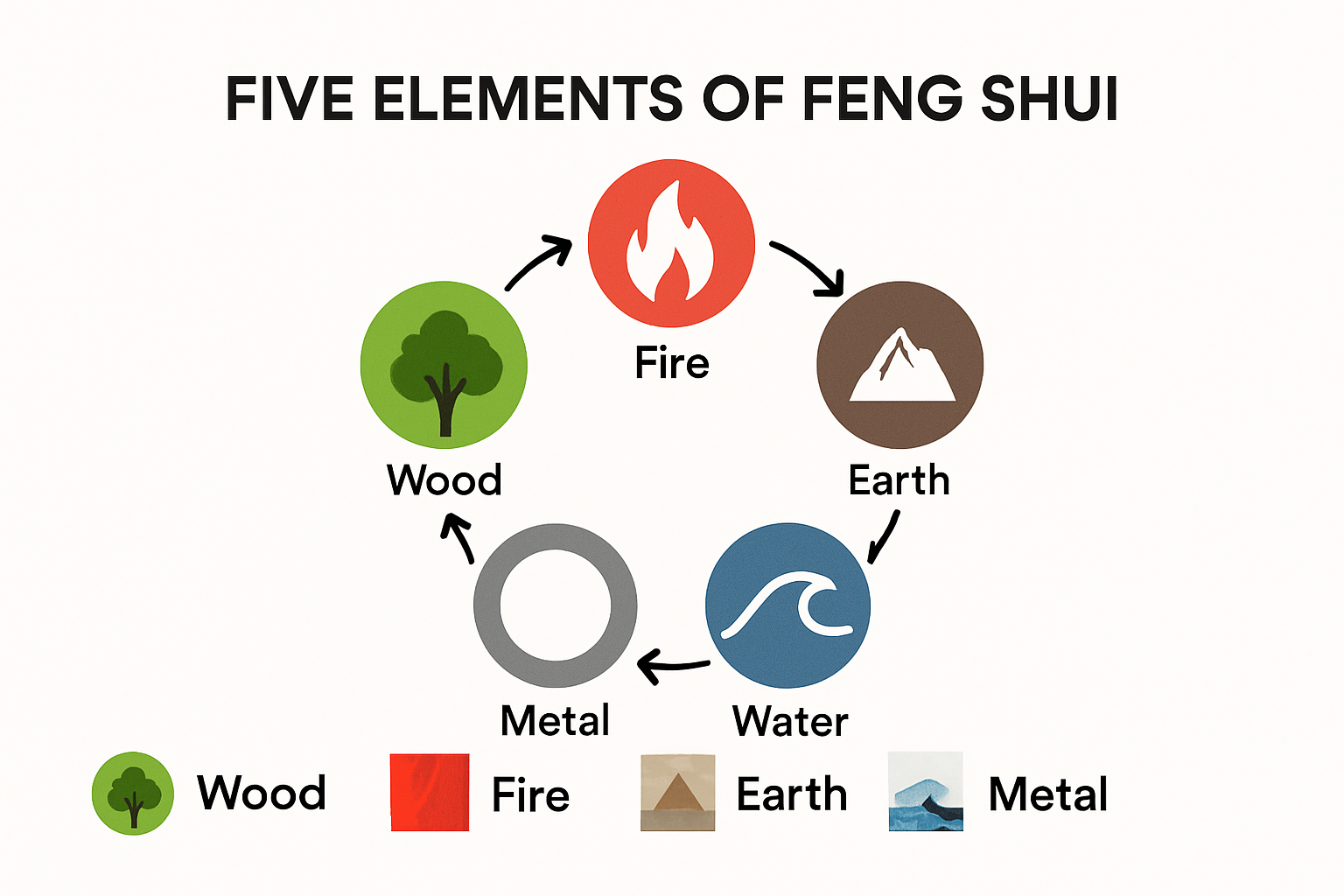
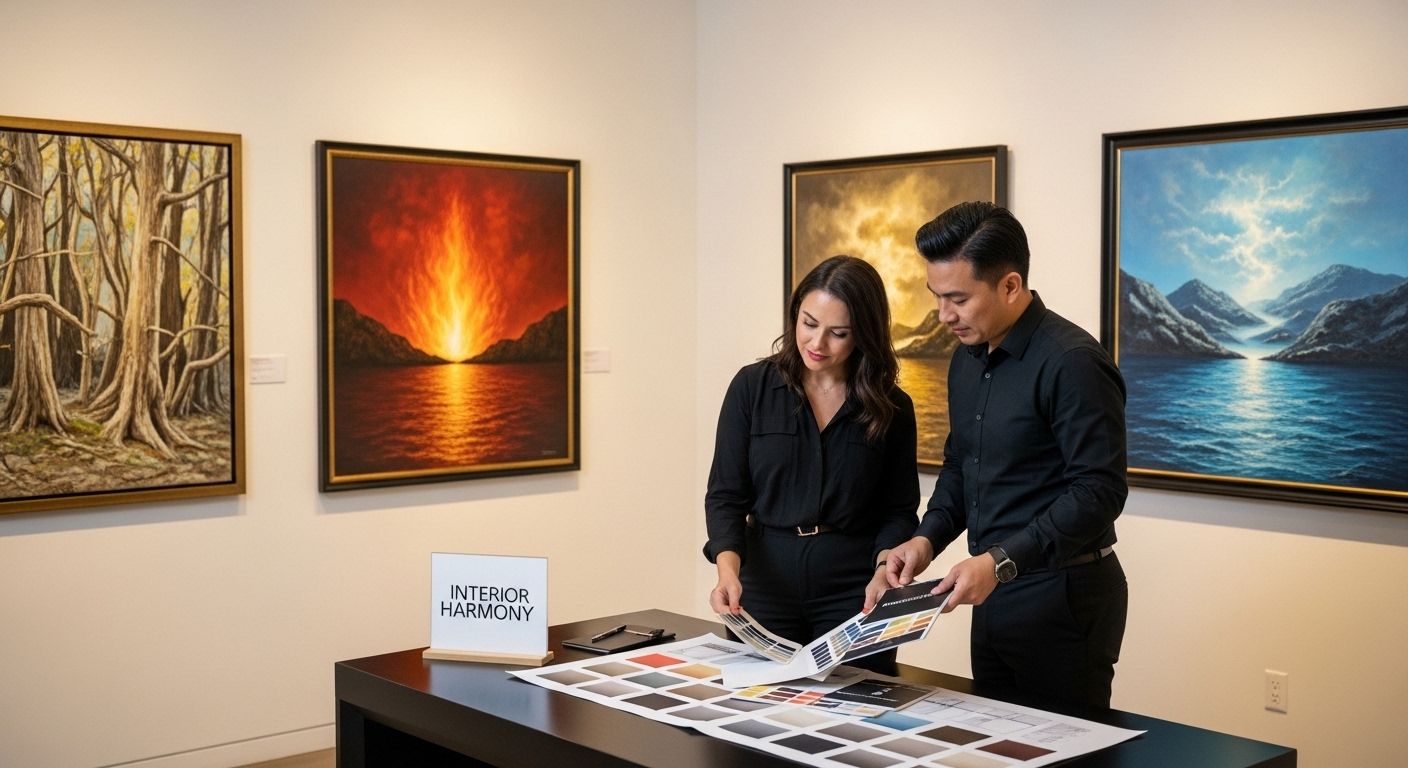
Remember that patience is your greatest ally in this process. Take your time, work methodically, and prioritize both the artwork’s display and its long-term security. A well-mounted piece not only looks professional but provides peace of mind that your treasured art is safely and beautifully displayed.

Step 5: Verify Stability and Adjust as Needed

Verifying the stability of your artwork on a brick wall is a critical final step that ensures both the safety of your piece and the integrity of your wall. This process goes beyond a simple visual check, requiring a methodical and thorough approach to guaranteeing long-term security.

Begin with a comprehensive visual inspection. Step back and observe your artwork from multiple angles, checking for any subtle signs of misalignment or instability. Look closely at the points where your hanging hardware meets the brick surface. Even the slightest deviation can indicate potential future issues. Use your laser level once more to confirm that the artwork remains perfectly horizontal and vertically aligned.

Perform a gentle stability test by applying light, controlled pressure to the artwork. Place one hand on the frame’s edge and apply gentle, consistent pressure to check for any unexpected movement. A secure installation should feel firm, with no wobbling or shifting. Pay special attention to the corners and center of the piece, as these areas often reveal subtle mounting inconsistencies. If you detect any movement beyond a millimeter or two, it’s a clear signal that adjustments are necessary.

Check the anchor points meticulously. Examine the area around each drill point for any signs of stress or micro-cracking in the brick. Look for tiny fissures or dust accumulation that might indicate the anchor is not seated perfectly. These subtle indicators can be early warning signs of potential future instability. If you notice any concerning details, it may be worth removing the anchor and reinstalling it with additional care or consulting a professional.

Consider the environmental factors that might impact your artwork’s long-term stability. Brick walls can experience subtle movements due to temperature changes, humidity, or building settlement. Areas near windows or external walls might be more prone to these variations. Take note of any seasonal temperature fluctuations in your space and how they might affect the mounting.

According to a structural performance study from Stellenbosch University, masonry walls can have significant variations in their load-bearing capabilities. This underscores the importance of careful, ongoing assessment of wall-mounted items.

Establish a maintenance schedule for your artwork. Plan to check the installation every six months, looking for any changes in stability or signs of wear. This proactive approach allows you to address potential issues before they become significant problems. Use a small notebook to track your observations, creating a record of the artwork’s condition over time.

If you detect any persistent instability or have any doubts about the installation, do not hesitate to consult a professional art installer or masonry expert. Your artwork represents not just a decorative element, but a treasured piece of your personal space that deserves careful protection and maintenance.

Turn Your Brick Walls into a Curated Masterpiece with Art Online

Transforming a brick wall into a gallery space is both exciting and challenging. You have just mastered how to safely hang your prized collection by finding the right masonry tools, precision in mounting, and checking for long-term security. However, you may still feel stuck when it comes to choosing the perfect artwork that stands out against unique brickwork, or finding pieces that harmonise with your space and endure over time.

https://art-online.co.za

Art Online helps you go beyond installation by offering an unrivalled selection of original South African artwork ideal for every type of brick surface and design preference. Start your art discovery journey by browsing South Africa’s largest online art gallery at Art Online. Find pieces from famous local artists who understand the balance of colour, texture, and cultural expression suited for your space. Visit Art Online’s homepage now to explore, choose, and get your favourite pieces delivered directly to your door. Experience the pride of displaying exceptional art on your brick walls and create a remarkable focal point in your home today.

Frequently Asked Questions

How do I choose the right drill for hanging art on brick walls?

You should use a masonry drill specifically designed for brick surfaces. These drills have hardened tungsten carbide tips that penetrate the tough brick material effectively, without causing damage.

What type of anchors should I use for heavy artworks on brick?

For heavier artworks exceeding 10 pounds, you should use masonry anchors, such as heavy-duty sleeve anchors or expansion anchors, which provide the necessary structural support for securely mounting your artwork.

How can I ensure my artwork hangs straight on a brick wall?

To ensure your artwork hangs straight, use a laser level or spirit level to measure and mark the placement accurately before installation. This will help you maintain alignment and prevent a crooked display.

What are the best practices for securing art on uneven brick surfaces?

For uneven brick surfaces, choose mounting hardware that grips onto stable mortar lines between bricks. Additionally, utilize adjustable mounting techniques such as wall clips or specially designed masonry anchors that accommodate slight irregularities in the wall.

Posted on Leave a comment

Understanding the Connection Between Feng Shui and Art

feng shui and art living room

Feng Shui

Feng Shui shapes how we experience our homes and workspaces, linking our mood and productivity to the way energy moves around us. Most people think it is just about moving a couch or picking colours, but that barely scratches the surface. In fact, studies show strategic Feng Shui arrangements can genuinely reduce stress and boost well-being, which makes the artwork hanging on your wall far more powerful than you might imagine.

Table of Contents

Quick Summary

TakeawayExplanation
Feng Shui harmonizes environments and life experiencesFeng Shui promotes balance between individuals and their spaces to enhance personal success and well-being.
Select art to enhance emotional responsesChoose art that evokes positivity, as it impacts the Qi and overall energy flow in your environment.
Balance Five Elements in designIncorporate wood, fire, earth, metal, and water elements to create harmonious living spaces that support personal growth.
Art serves as a tool for energy manipulationArt is not just decorative; it influences spatial energy, ensuring it resonates with your personal aspirations and intentions.
Strategic furniture arrangement improves Qi flowThoughtful placement of furniture and decor promotes smooth energy circulation, transforming interiors into supportive environments.

What is Feng Shui and Its Principles?

Feng Shui is an ancient Chinese philosophical system that explores the intricate relationship between humans and their surrounding environment. At its core, Feng Shui seeks to harmonize individuals with their living and working spaces by understanding and optimizing the flow of Qi (life energy) through strategic spatial arrangements and design choices.

The Fundamental Philosophy of Feng Shui

Feng Shui translates literally to “wind” and “water,” symbolizing the dynamic and fluid nature of energy movement. According to traditional architectural research, this practice emphasizes creating balanced environments that support physical, emotional, and spiritual well-being. The underlying principle suggests that our surroundings profoundly influence our life experiences, success, and overall quality of life.

Key philosophical aspects of Feng Shui include:

  • Recognizing the interconnectedness between human beings and their environment
  • Understanding energy flow and its potential impact on personal and professional outcomes
  • Balancing natural elements to create harmonious living spaces

The Five Elements Theory in Feng Shui

Central to Feng Shui is the Five Elements Theory, which represents different energetic qualities and interactions. Scientific studies have explored how these elements wood, fire, earth, metal, and water interact and influence spatial dynamics. Each element possesses unique characteristics and can be strategically incorporated into art and interior design to enhance positive energy.

These elements are not just physical representations but metaphorical concepts that describe various environmental and personal attributes. By understanding their interactions, practitioners aim to create spaces that support personal growth, creativity, and overall well-being. In the context of art and interior design, the Five Elements Theory provides a sophisticated framework for creating visually and energetically balanced environments.

The table below summarises the unique characteristics and influences of each of the Five Elements in Feng Shui philosophy, helping you see at a glance how they can be incorporated through art and interior choices.

ElementCore CharacteristicsEffects in SpaceExample Artistic Expression
WoodGrowth, vitality, renewalEncourages expansion and motivationLandscape paintings, botanical themes
FirePassion, transformationStimulates energy and creativityAbstract, vibrant or red-toned artworks
EarthStability, groundingCreates calm and nurturanceNatural clay, earthy hues, geology motifs
MetalClarity, precisionEnhances focus and organisationMetallic sculptures, minimalist designs
WaterFluidity, adaptabilityPromotes flow and relaxationBlue-themed art, seascapes, wave motifs

Infographic of the Five Elements in Feng Shui with matching art examples

The Role of Art in Feng Shui Philosophy

Art plays a profound and nuanced role in Feng Shui philosophy, serving as more than a decorative element but as a powerful conduit for energy transformation and spiritual expression. Within this ancient practice, art is viewed as a dynamic medium that can significantly influence the Qi (energy flow) of a space, creating harmonious environments that support personal well-being and psychological balance.

Art as an Energy Conductor

In Feng Shui, art is not merely aesthetic but a strategic tool for manipulating spatial energy. South African arts research suggests that art forms can embody specific energetic qualities that interact with and modify the surrounding environment. Artworks are carefully selected to represent balance, movement, and positive emotional resonance, transforming living spaces into energetically supportive landscapes.

Key considerations when selecting art in Feng Shui include:

  • Choosing pieces that evoke positive emotional responses
  • Selecting artwork with balanced composition and harmonious color schemes
  • Ensuring art aligns with the Five Elements Theory

Symbolic Representation and Energy Alignment

Artworks in Feng Shui serve as powerful symbolic representations that can attract specific energies and intentions. By understanding the deeper meanings embedded in artistic representations, practitioners can curate spaces that not only look beautiful but also support personal growth and aspiration. Read more about African art symbolism to explore how traditional art forms can enhance your living environment.

The selection of art becomes a deliberate practice of energy cultivation. Each artwork is chosen not just for its visual appeal but for its ability to resonate with the desired energy of a space. Landscape paintings might represent tranquility, abstract pieces could symbolize dynamic transformation, and traditional cultural artworks can connect spaces with deeper historical and spiritual narratives.

Why Feng Shui Matters in Art Selection

Feng Shui transcends mere aesthetic considerations in art selection, offering a sophisticated philosophical framework that connects spatial energy, personal intention, and artistic expression. By understanding the profound principles of energy manipulation, art collectors and interior designers can transform spaces from simple visual environments into dynamic, supportive landscapes that nurture personal growth and emotional well-being.

The Psychological Impact of Intentional Art Selection

Architectural research reveals that art selection is not just about visual appeal but about creating environments that resonate with psychological and energetic harmony. In Feng Shui, each artwork is viewed as an energetic conduit that can either enhance or disrupt the natural flow of Qi within a space. The careful selection of art becomes a deliberate practice of creating environments that support mental clarity, emotional balance, and personal aspirations.

Key psychological benefits of Feng Shui-informed art selection include:

  • Reducing stress through balanced and harmonious visual compositions
  • Creating spaces that inspire positive emotional states
  • Supporting personal goals through symbolic and intentional artwork

Energy Alignment Through Artistic Choices

Art selection in Feng Shui is a nuanced process of energy alignment. Different artistic styles, subjects, and color palettes carry specific energetic qualities that can be strategically employed to achieve desired outcomes. Explore our guide on choosing art for investment to understand how thoughtful art selection can not only enhance your living space but also potentially increase the artwork’s value.

For instance, landscape paintings might introduce tranquility and expansion, abstract pieces could symbolize transformation and dynamism, while traditional cultural artworks can ground a space with historical and spiritual depth. The art becomes more than a decorative element it becomes a dynamic tool for personal and spatial transformation, reflecting the complex interplay between human intention and environmental energy.

How Feng Shui Influences Interior Design Choices

Feng Shui transforms interior design from a purely aesthetic practice into a holistic approach of creating harmonious, energetically balanced living spaces. By integrating ancient philosophical principles with contemporary design strategies, Feng Shui offers a sophisticated framework for crafting environments that support physical, emotional, and spiritual well-being.

Spatial Arrangement and Energy Flow

Residential design research demonstrates that Feng Shui profoundly influences interior design by emphasizing the critical concept of Qi circulation. The placement of furniture, selection of colors, and orientation of spaces are not random but deliberate choices aimed at facilitating smooth energy movement. This approach transforms interior spaces from static environments into dynamic landscapes that actively support human experience.

Key principles of Feng Shui in spatial design include:

  • Maintaining clear pathways for energy movement
  • Balancing different elemental representations in room design
  • Creating visual and physical harmony between different design elements

This table organises essential Feng Shui principles and how they directly influence interior design decisions, making it easier to apply these ideas when arranging your own space.

Feng Shui PrincipleInterior Design Impact
Qi (Energy) FlowArrangement of furniture to maintain open, clear pathways
Five Elements BalanceCombining colours and materials representing each element
Symbolism and IntentionSelecting artworks or objects with meaningful representations
Harmonious Colour PalettesChoosing calming colours to support specific moods and purposes
Spatial HarmonyBalancing negative and positive space in rooms

Color and Material Selection

In Feng Shui, color and material choices transcend aesthetic preferences, becoming strategic tools for energy manipulation. Each color and material carries specific energetic qualities that can either enhance or disrupt the natural flow of Qi. Explore our guide on choosing art for your interior to understand how these principles can be applied not just to art, but to your entire interior design approach.

Wood elements might introduce growth and vitality, while earth tones can provide grounding and stability. Metal accents can bring clarity and precision, water-inspired designs can introduce fluidity and adaptability, and fire-related colors can stimulate passion and transformation. By understanding these nuanced interactions, interior designers can create spaces that are not just visually appealing but energetically supportive and psychologically nourishing.

Key Concepts for Art Collectors and Decorators

Feng Shui provides art collectors and decorators with a sophisticated philosophical framework that transforms art selection from a purely aesthetic practice into a holistic approach of creating energetically balanced living spaces. By understanding these principles, professionals can curate environments that not only look visually stunning but also support psychological well-being and personal growth.

Energetic Resonance in Art Selection

Architectural harmony research reveals that art selection in Feng Shui transcends visual appeal, focusing instead on the energetic resonance of each piece. Each artwork is considered a dynamic entity capable of influencing the Qi (energy flow) within a space. Art collectors must approach selection as an intentional process of energy cultivation, understanding that every piece contributes to the overall psychological and spiritual landscape of an environment.

Key considerations for energetically aligned art selection include:

  • Choosing artworks that evoke positive emotional responses
  • Selecting pieces that represent personal aspirations and growth
  • Ensuring artwork harmonizes with the existing spatial energy

Balancing Elemental Representations

Feng Shui emphasizes the importance of elemental balance in art selection. Explore our guide on South African artists to understand how local artistic traditions can inform your approach to creating harmonious spaces. Different artistic styles, color palettes, and subjects carry specific energetic qualities that can be strategically employed to achieve desired outcomes.

For instance, landscape paintings might introduce tranquility and expansion, abstract pieces could symbolize transformation, while traditional cultural artworks can ground a space with historical depth. By understanding these nuanced interactions, art collectors and decorators can create environments that are not just visually compelling but also energetically supportive and psychologically nourishing.

feng shui art elements interior

Bring Harmony to Your Space with Art Online

Are you struggling to create a living space where energy feels balanced and your spirit can thrive? The article has highlighted how making the right art choices, guided by Feng Shui principles, can profoundly influence your well-being, reduce stress and encourage personal growth. Choosing artworks that harmonise with your space according to Qi flow and the Five Elements Theory is a challenge many South Africans face daily. If you want to see your home or office transform from visually pleasing to truly nurturing, the solution is closer than you think.

https://art-online.co.za

Visit Art Online today to explore South Africa’s largest collection of inspiring local artworks. If you want to learn how art selection impacts value and energy, our guide on buying art for investment can help you make your decision with confidence. Need advice on picking the perfect piece? Our resource on choosing art for your interior makes it easy for you to turn theory into practice. Don’t wait for harmony to find you take the next step and make your space work for you today.

Frequently Asked Questions

What is the role of art in Feng Shui?

Art in Feng Shui serves as a powerful conduit for energy transformation and spiritual expression, helping to create harmonious environments that support personal well-being and psychological balance.

How does the Five Elements Theory relate to art selection in Feng Shui?

The Five Elements Theory in Feng Shui emphasizes the unique characteristics of wood, fire, earth, metal, and water, which can be strategically incorporated into art to enhance positive energy and create energetically balanced spaces.

What should I consider when selecting art for my home according to Feng Shui principles?

When selecting art for your home, consider choosing pieces that evoke positive emotional responses, align with the Five Elements Theory, and have balanced compositions and harmonious color schemes to support a positive energy flow.

How can art influence the energy flow (Qi) in my living space?

Art influences the energy flow (Qi) by acting as an energetic conduit that can enhance or disrupt the natural movement of energy in a space, highlighting the importance of intentional selection based on the energy you wish to cultivate.

Posted on Leave a comment

Understanding Texture in Contemporary Art: A Complete Guide

texture contemporary art gallery

Texture in contemporary art is not just about what you see on the canvas. It is about what you feel, remember, and even imagine. Think texture is just raised paint and rough surfaces? Think again. Some artists now use unexpected materials like pantyhose and mixed media, completely breaking the rules of tradition. This shift means texture becomes more than a visual trick. It turns into a living conversation between you, the artwork, and the world around you.

Table of Contents

Quick Summary

Takeaway Explanation
Texture transcends visual elements Contemporary texture engages emotional, sensory, and conceptual dimensions, enhancing artistic communication.
Material selection is strategic Artists choose materials based on their emotional and narrative properties to convey deeper meanings.
Texture evokes psychological responses Different textural elements trigger memories and emotions, creating immersive sensory experiences for viewers.
Innovative techniques redefine traditional boundaries Techniques like layering and deconstruction transform texture into a dynamic part of artistic dialogue and interpretation.
Artists use everyday materials creatively Through unique manipulation, artists convert common materials into complex narratives and rich sensory experiences.

Defining Texture in Contemporary Art: Key Characteristics

Texture in contemporary art represents a complex and nuanced concept that goes far beyond traditional visual perception. Unlike historical artistic approaches, contemporary artists explore texture as a multidimensional experience that engages sensory, emotional, and conceptual layers.

The Conceptual Nature of Artistic Texture

Contemporary art redefines texture not merely as a physical surface quality but as an intricate language of artistic expression. Artists manipulate materials, techniques, and perceptual strategies to create experiences that challenge viewers’ understanding of materiality and representation. Explore our guide on contemporary art techniques to understand these innovative approaches.

Key characteristics of texture in contemporary art include:

Venn diagram of three types of texture in art

  • Physical Dimensionality: Actual surface variations created through techniques like impasto, collage, or mixed media assemblages
  • Psychological Texture: Emotional and conceptual layers that evoke sensory memories or psychological responses
  • Metaphorical Texture: Representational strategies that suggest deeper meanings beyond visual appearance

Material Experimentation and Sensory Engagement

According to research from Wits University, contemporary artists increasingly blur boundaries between design, material exploration, and artistic creation. This approach transforms texture from a passive visual element into an active participant in artistic dialogue.

Artists achieve this through innovative techniques such as:

artists material experimentation studio

  • Incorporating unconventional materials
  • Challenging traditional medium boundaries
  • Creating immersive sensory experiences

Modern texture in art becomes a dynamic conversation between material, artist, and viewer, transcending simple visual representation to provoke deeper intellectual and emotional engagement.

Below is a table comparing key types of texture in contemporary art, helping to clarify their distinctive roles and characteristics as discussed in the article.

Texture Type Description Example Techniques
Physical Dimensionality Refers to actual surface variations created by material build-up or manipulation Impasto, collage, assemblage
Psychological Texture Engages the viewer on an emotional or conceptual level, invoking memories or feelings Evocative material choices, contrasts
Metaphorical Texture Utilises representation to suggest deeper meanings and narratives Symbolism, narrative layering

The Importance of Texture: Emotional and Visual Impact

Texture in contemporary art functions as a profound communication tool that transcends mere visual representation, serving as a critical medium for expressing complex emotional landscapes and perceptual experiences.

Psychological Dimensions of Artistic Texture

Texture operates as a powerful psychological conduit, enabling artists to communicate intricate emotional states and sensory experiences through material manipulation. By strategically employing different textural elements, artists can evoke specific psychological responses, transforming passive visual observation into an immersive sensory journey. Learn more about contemporary art interpretation to understand these nuanced techniques.

Key psychological impacts of texture include:

  • Emotional Resonance: Triggering memories and deep-seated emotional connections
  • Sensory Stimulation: Engaging multiple perceptual channels simultaneously
  • Narrative Complexity: Creating layered meanings beyond surface appearances

Texture as Expressive Language

According to research from the Western Cape Education Department, texture functions as a sophisticated visual language that communicates beyond traditional representational methods. Artists strategically employ textural variations to:

  • Communicate abstract emotional states
  • Challenge viewer expectations
  • Create multisensory artistic experiences

By transforming materials into complex sensory experiences, contemporary artists invite viewers into profound dialogues about perception, emotion, and human experience. Texture becomes more than a visual element it emerges as a dynamic, interactive medium of artistic expression.

The Role of Materiality in Crafting Texture

Materiality represents the fundamental essence through which contemporary artists transform abstract concepts into tangible sensory experiences, serving as a critical bridge between conceptual imagination and physical representation.

Material Selection as Artistic Strategy

Contemporary artists approach material selection as a deliberate and sophisticated process of conceptual communication. Each chosen material carries inherent properties that contribute to the artwork’s emotional and visual narrative. Explore our collection of material-driven artworks to understand these nuanced approaches.

Key considerations in material selection include:

  • Structural Integrity: Understanding material properties and limitations
  • Symbolic Potential: Selecting materials with inherent cultural or historical significance
  • Sensory Interaction: Exploring materials that provoke multi-dimensional perceptual experiences

Materiality as Narrative Medium

According to research from University of Pretoria, materiality transcends mere physical composition, functioning as a complex narrative mechanism that embeds historical, social, and personal contexts within artistic creation.

Artists leverage materiality through techniques such as:

  • Deliberate material transformations
  • Unconventional material combinations
  • Exposing material vulnerabilities and imperfections

By treating materials as active participants in artistic dialogue, contemporary artists challenge traditional boundaries between object, representation, and lived experience, transforming texture from a passive visual element into a dynamic storytelling mechanism.

Exploring Textural Techniques: Methods and Styles

Contemporary art texture techniques represent a sophisticated landscape of creative expression, where artists manipulate materials and processes to create complex sensory experiences that challenge traditional artistic boundaries.

Innovative Material Manipulation

Artists today employ diverse techniques that transform materials into dynamic textural landscapes. These approaches go beyond conventional artistic methods, turning texture into a powerful communication tool. Discover contemporary artistic innovations to understand these groundbreaking approaches.

Significant textural manipulation techniques include:

  • Layering: Building complex visual depth through strategic material overlays
  • Deconstruction: Breaking traditional material boundaries
  • Hybrid Processing: Combining unconventional materials and techniques

Contextual Textural Strategies

According to research from the University of Cape Town, contemporary artists like Turiya Magadlela demonstrate remarkable textural innovation by transforming everyday materials such as pantyhose through cutting, stitching, and stretching.

Key textural exploration methods involve:

  • Experimental material interactions
  • Cultural narrative embedding
  • Sensory boundary pushing

These techniques transform texture from a passive visual element into an active, dynamic medium of artistic communication, inviting viewers to experience art through multiple perceptual dimensions.

Case Studies: Texture in the Works of Contemporary Artists

Contemporary artists transform texture from a passive visual element into a dynamic storytelling mechanism, using materiality as a profound language of artistic expression and emotional communication.

Innovative Textural Approaches

Artists today employ sophisticated strategies that transcend traditional artistic representation, creating immersive experiences that challenge viewers’ perceptual boundaries. Explore remarkable textural artworks to understand these groundbreaking techniques.

Key characteristics of contemporary textural art include:

  • Material Subversion: Transforming everyday materials into complex artistic narratives
  • Sensory Complexity: Creating multi-dimensional perceptual experiences
  • Conceptual Depth: Using texture to communicate abstract emotional states

Artist Case Studies in Textural Innovation

According to research from the University of Pretoria, contemporary South African artists demonstrate remarkable approaches to textural exploration:

  • Turiya Magadlela transforms pantyhose through intricate cutting and stitching techniques
  • Willem Boshoff uses unconventional materials to critique social and political narratives
  • Asemahle Ntlonti integrates cultural textiles to explore historical memory

These artists reveal texture as more than a visual phenomenon transforming it into a complex language of artistic dialogue that connects material, emotion, and cultural experience.

The following table summarises how various contemporary South African artists approach texture, highlighting their chosen materials and conceptual focus.

Artist Material Approach Conceptual Focus
Turiya Magadlela Pantyhose, cutting, stitching Transformation, identity, sensory engagement
Willem Boshoff Unconventional materials, assemblage Social critique, political narratives
Asemahle Ntlonti Cultural textiles, mixed media Historical memory, cultural exploration

Experience True Texture: Bring Contemporary Art to Your Space

Have you ever felt that traditional artworks do not capture the multi-dimensional texture and emotional depth you truly seek? When reading about the innovative ways that South African artists use physical, psychological, and metaphorical texture, it is natural to crave art that goes beyond the surface. You want pieces that stimulate your senses and create meaningful impact in your space. That is exactly what inspired our collection at Art Online.

https://art-online.co.za

You can move from observing to owning. Explore artworks that turn complex ideas of texture into stunning visual stories for your home or office. Ready to discover art that speaks to the heart of contemporary creativity? Visit Art Online today and find your next conversation piece. For a taste of material-driven masterpieces, see our famous South African artists collection or experience the energy of texture through our Life Textures Mixed Media Triptych. Experience the art of texture right here and add dimension to your world.

Frequently Asked Questions

What role does texture play in contemporary art?

Texture in contemporary art serves as a profound communication tool that expresses complex emotional landscapes and perceptual experiences, transforming passive observation into an immersive sensory journey.

How do artists manipulate texture in their works?

Artists manipulate texture through various techniques, such as layering, deconstruction, and hybrid processing, to create dynamic textural landscapes that communicate deeper meanings beyond mere visual representation.

What are the key characteristics of texture in contemporary art?

Key characteristics include physical dimensionality, psychological texture that evokes emotional responses, and metaphorical texture that suggests deeper meanings beyond visual appearance.

How does material selection impact the texture of an artwork?

Material selection is a deliberate artistic strategy that allows artists to choose materials with inherent properties that contribute to the artwork’s emotional and visual narrative, enhancing its overall impact.