Posted on Leave a comment

What is Mosaic Art? Understanding Its Beauty and Technique

mosaic art technique

Mosaic art catches the eye with every tiny piece locked into place and together they build images that feel alive. You might expect this ancient technique to belong in dusty corners of history books but that is not the case. Today mosaic art is a living medium and the first works appeared nearly 4,000 years ago in Mesopotamia yet artists keep pushing new boundaries using everything from recycled glass to digital design tools. Wait until you see how these fragments tell stories that are bigger than any single piece.

Table of Contents

Quick Summary

Takeaway Explanation
Mosaic art uses various materials. Artists can use ceramic, glass, stone, and even recycled materials to create versatile designs.
Tesserae are the building blocks. Small colored pieces are carefully arranged to create detailed images and patterns.
Mosaic art has deep historical roots. Originating around 3000 BCE, mosaics document cultural narratives and human experiences.
Different cultures feature unique techniques. Mosaic styles vary globally, reflecting local traditions, symbols, and materials.
Mosaics enhance modern interior spaces. Designers use mosaics to create focal points and emotional atmospheres, transforming environments.

Defining Mosaic Art: Materials and Techniques

Mosaic art represents a fascinating visual medium where artists create intricate images and designs by meticulously arranging small, colored pieces called tesserae. These fragments can be crafted from diverse materials including ceramic, glass, stone, shells, and even unconventional elements like mirrors or recycled objects.

The Essential Components

At its core, mosaic art involves assembling tiny pieces to form a cohesive visual narrative. The fundamental components include:

  • Tesserae: Small pieces cut into precise shapes and sizes
  • Substrate: A stable base like wood, concrete, or wall surface
  • Adhesive: Material used to secure tesserae in place
  • Grout: Fills spaces between tesserae, providing structural integrity

According to research on traditional mosaic techniques, this art form dates back approximately 4,000 years, originally emerging with terracotta cone decorations pressed into backgrounds.

Techniques and Artistic Approaches

Mosaic artists employ various techniques to create their compositions. Some prefer direct method placement, where tesserae are positioned directly onto the final surface. Others utilize indirect techniques, assembling designs on a temporary backing before transferring them to the permanent location.

Interestingly, contemporary artists are expanding traditional boundaries by incorporating unique art materials and experimenting with unconventional design approaches. Modern mosaics can range from hyper-realistic portraits to abstract geometric patterns, demonstrating the remarkable versatility of this ancient art form.

The complexity of mosaic art lies not just in selecting materials, but in understanding how different fragments interact visually.

To help you easily understand the essential components of mosaic art, the table below summarises each main element and its purpose in the creative process.

Component Description
Tesserae Small pieces cut into precise shapes and sizes to build up the design
Substrate A stable base like wood, concrete, or a wall surface
Adhesive Material used to secure tesserae in place
Grout Fills the spaces between tesserae for structural integrity
Artists must consider color gradation, texture, light reflection, and spatial relationships to create compelling compositions that transform individual pieces into a unified, stunning artwork.

The Historical Significance of Mosaic Art

Mosaic art transcends mere decorative technique, representing a profound cultural communication method that has connected human societies across millennia. From ancient civilizations to contemporary artistic expressions, mosaics have served as powerful narratives documenting human experiences, beliefs, and societal transformations.

Origins and Cultural Foundations

The earliest mosaic artworks emerged in Mesopotamia around 3000 BCE, where craftsmen used colored stones and clay fragments to create intricate floor decorations. These early compositions were not just aesthetic statements but complex visual records of cultural practices and spiritual symbolism.

Key historical periods of mosaic development include:

  • Mesopotamian civilizations (3000 BCE): Initial geometric patterns
  • Greek and Roman empires: Sophisticated narrative and decorative mosaics
  • Byzantine era: Religious and imperial iconographic representations
  • Islamic golden age: Geometric and calligraphic mosaic designs

Symbolic and Communicative Power

Mosaics functioned as more than ornamental art. According to research from the University of South Africa, these artworks were critical communication platforms that preserved historical narratives, religious teachings, and social hierarchies.

In many societies, mosaic art represented a democratic art form. Unlike paintings restricted to elite spaces, mosaics decorated public buildings, religious structures, and communal areas, making artistic expression accessible to broader populations.

Global Cultural Transmission

The Public Art Development Programme highlights how mosaic techniques traveled through trade routes, cultural exchanges, and migrations. Each civilization adapted the art form, infusing local aesthetic sensibilities while maintaining core technical principles.

Modern mosaic artists continue this rich tradition, transforming ancient techniques into contemporary expressions that speak to current social dynamics, personal narratives, and collective experiences. The enduring legacy of mosaic art lies in its remarkable ability to fragment individual pieces into a unified, meaningful whole – a metaphor for human connection and collective understanding.

To give you a broad view of how different regions have shaped mosaic art, this table compares signature characteristics and materials used in major cultural traditions.

Region/Culture Key Mosaic Features Typical Materials
Roman Empire Narrative scenes, mythology, historical events Stone, glass, ceramic
Byzantine Culture Religious iconography, spiritual symbolism Glass, gold leaf, stone
Islamic Art Geometric patterns, calligraphic motifs Glazed tiles, ceramics, stone
Indigenous African Nature-inspired, ancestral symbols Ceramic, stone, natural pigments

Cultural Variations in Mosaic Art Around the World

Mosaic art reflects the unique cultural identities and artistic expressions of diverse societies, transforming local materials and traditions into breathtaking visual narratives. Each region develops distinctive styles that communicate profound cultural meanings beyond aesthetic beauty.

Regional Artistic Approaches

Different global cultures have developed unique mosaic techniques that reveal deep connections to their historical and geographical contexts. Mediterranean civilizations pioneered intricate floor and wall mosaics, while Middle Eastern traditions emphasized geometric precision and symbolic complexity.

Significant regional mosaic traditions include:
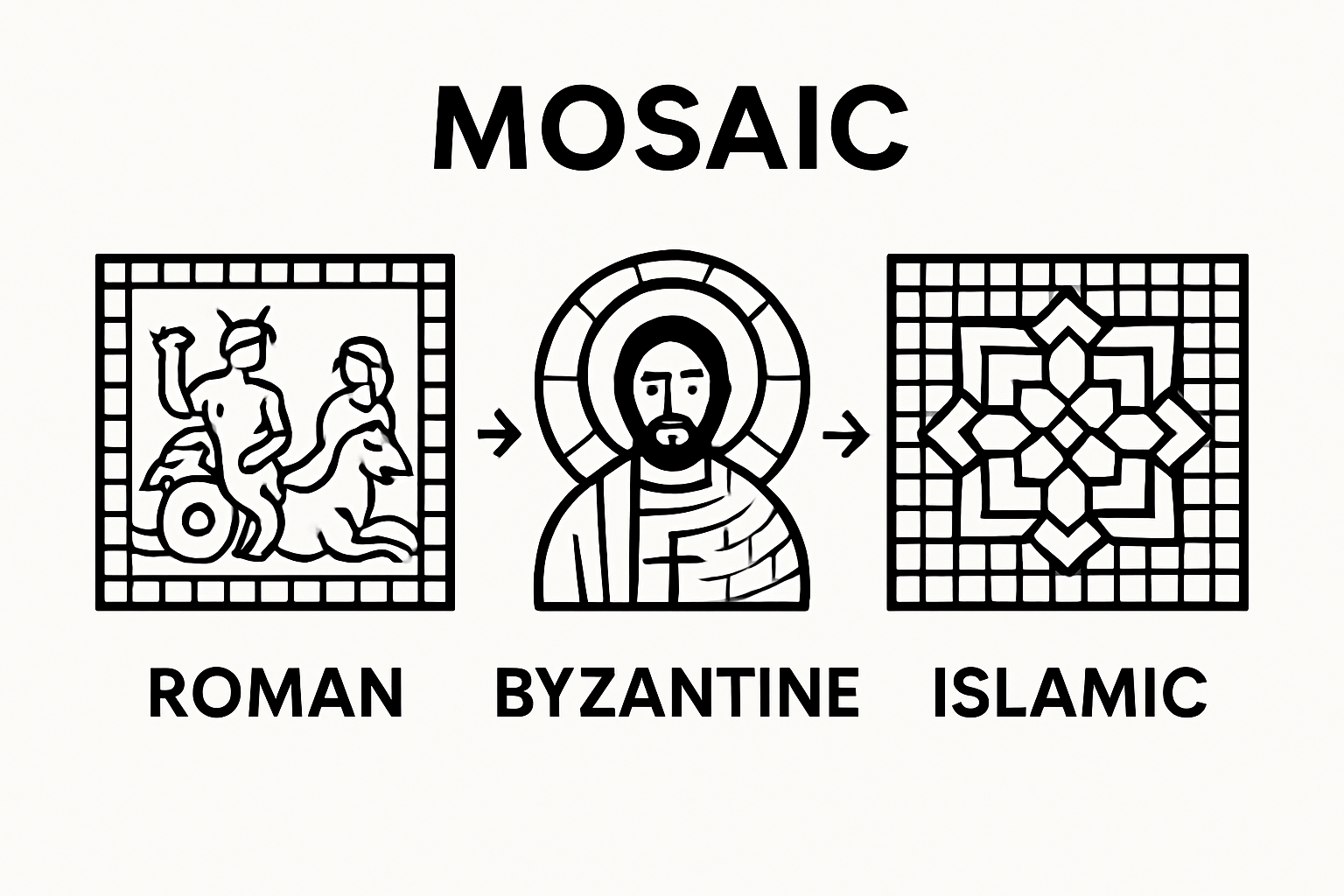
Comparison of Roman, Byzantine, and Islamic mosaic styles

  • Roman Empire: Narrative scenes depicting mythology and historical events
  • Byzantine Culture: Religious iconography with spiritual symbolism
  • Islamic Art: Complex geometric patterns representing cosmic harmony
  • Indigenous African Traditions: Nature-inspired designs using local materials

Material and Symbolic Diversity

The choice of materials in mosaic art profoundly reflects cultural identities. Indigenous African communities, for instance, often incorporate locally sourced materials like ceramic fragments, stones, and natural pigments. These artistic choices communicate deep relationships with landscape and ancestral heritage.

According to research on South African tribal art trends, contemporary African mosaic artists are reimagining traditional techniques by blending indigenous design principles with modern artistic expressions.

Contemporary Global Dialogue

Modern mosaic art transcends traditional geographical boundaries, emerging as a powerful medium for cross-cultural communication. Artists worldwide now collaborate, share techniques, and create works that blend multiple cultural influences.

The global mosaic movement represents more than an artistic technique. It symbolizes human creativity’s ability to transform fragments into unified, meaningful compositions, reflecting our shared capacity for connection and understanding across diverse cultural landscapes.

The Role of Mosaic Art in Modern Interior Design

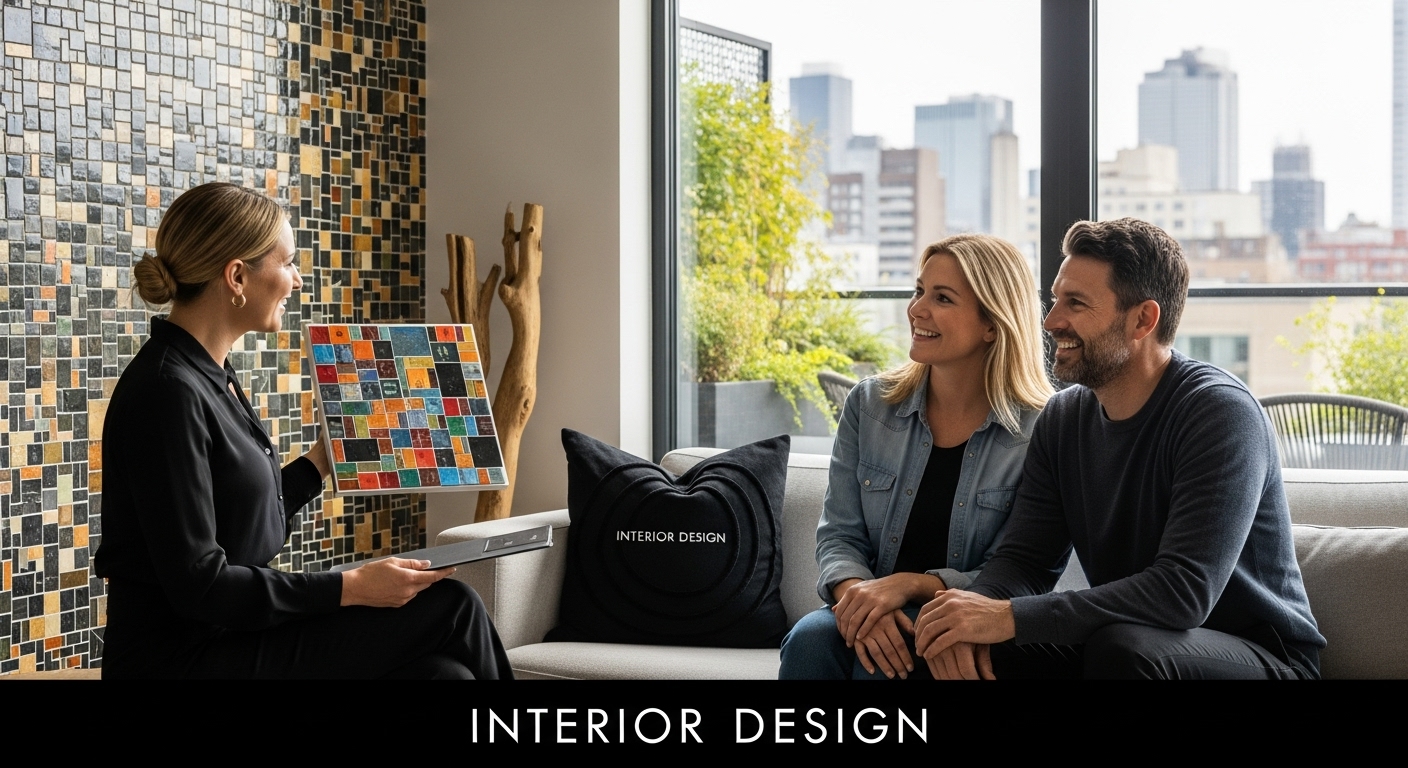
Modern interior design has embraced mosaic art as a transformative medium that transcends traditional decorative boundaries, offering sophisticated spatial storytelling through intricate visual compositions. These artistic installations provide designers and homeowners with powerful tools to create immersive, emotionally resonant environments.

Functional Aesthetic Strategies

Mosaic art serves multiple design functions beyond mere ornamentation. Spatial designers strategically deploy mosaic elements to manipulate perceived space, light interaction, and emotional atmosphere. By carefully selecting materials, colors, and patterns, designers can create focal points, establish visual rhythms, and communicate complex narrative experiences within interior environments.

Key design applications include:

  • Accent walls that serve as dramatic visual centerpieces
  • Floor installations creating dynamic spatial transitions
  • Kitchen and bathroom decorative elements
  • Architectural feature walls representing cultural narratives

Material and Emotional Complexity

Contemporary mosaic design goes beyond aesthetic appeal, exploring deeper emotional and cultural dimensions. According to research on South African tribal art trends, modern mosaic techniques integrate indigenous design principles with innovative spatial concepts, transforming interior spaces into meaningful cultural dialogues.

The selection of materials plays a crucial role in this process. Glass, ceramic, stone, and recycled materials offer unique textural qualities that interact dynamically with light, creating multisensory experiences that engage viewers beyond visual perception.

Technological and Artistic Convergence

Advanced digital design technologies have revolutionized mosaic art’s role in interior design. Contemporary artists and designers now use computer-aided design tools to create highly precise, complex patterns that were previously impossible to execute manually.

This technological integration allows for unprecedented customization, enabling designers to develop site-specific mosaic installations that respond directly to architectural contexts, personal narratives, and emotional requirements of individual spaces. The result is a profound reimagining of interior environments as living, breathing artistic canvases that reflect human creativity and cultural complexity.
mosaic art interior

Exploring the Appeal: Why Mosaic Art Matters Today

Mosaic art represents more than a visual medium. It embodies a profound method of human communication, transforming fragmented experiences into coherent, meaningful narratives that connect individuals across cultural and temporal boundaries.

Contemporary Cultural Significance

In an era of digital saturation and transient visual experiences, mosaic art offers a tactile and deeply intentional form of artistic expression. By meticulously assembling individual pieces, artists create complex visual stories that invite viewers to contemplate interconnectedness and the beauty of diverse fragments coming together.

Key contemporary relevance includes:

  • Celebrating cultural diversity and heritage
  • Promoting sustainable art practices through material recycling
  • Providing therapeutic creative experiences
  • Bridging generational artistic knowledge

Psychological and Social Dimensions

Mosaic art serves profound psychological functions beyond aesthetic appreciation. The process of creating mosaics mirrors human social experiences, demonstrating how individual elements can form powerful collective narratives. Each fragment represents a unique perspective, yet contributes to a larger, unified composition.

According to research on South African artistic creativity, contemporary mosaic practices offer transformative spaces for personal and communal storytelling, allowing artists to explore complex emotional landscapes.

Global Artistic Dialogue

Modern mosaic art transcends traditional boundaries, emerging as a global language of visual communication. Artists worldwide are reimagining this ancient technique, using innovative materials and digital technologies to create increasingly complex and meaningful works.

The global mosaic movement represents a powerful metaphor for human potential. It demonstrates how seemingly disparate elements can be integrated into beautiful, meaningful wholes, offering hope and inspiration in an increasingly fragmented world. By valuing each small piece and understanding its role in the larger composition, mosaic art provides a compelling model for mutual understanding and collective creativity.

Bring the Beauty of Mosaic Art Into Your Space with Art Online

Have you ever admired how mosaic art brings together small fragments to create a breathtaking whole? If you feel inspired by the article’s discussion of tesserae, vibrant techniques, and South Africa’s living mosaic traditions, now is your moment to see these wonders up close. Our artists use the same meticulous attention to detail and passion for heritage that echoes throughout the history and modern appeal of mosaic creation.

https://art-online.co.za

Discover authentic South African artworks crafted in the spirit of mosaic storytelling at Art Online. Browse through curated collections featuring both contemporary and traditional styles, each one a tribute to artistry and culture. Do not wait to transform your home or office into a space that celebrates unity and creative brilliance. Explore South Africa’s premier online art gallery today and connect with pieces that give new meaning to every fragment and colour.

Frequently Asked Questions

What materials are commonly used in mosaic art?

Mosaic art can be created using a variety of materials including ceramic, glass, stone, shells, mirrors, and even recycled objects. Artists select materials based on desired color, texture, and visual effects.

What techniques are used to create mosaic art?

Artists use several techniques in mosaic art, such as the direct method, where tesserae are placed directly onto the surface, and the indirect method, where designs are assembled on a temporary backing before being transferred to the final location.

How does mosaic art contribute to interior design?

Mosaic art adds aesthetic value and functional elements to interior design. It can create focal points, enhance spatial perception, and convey complex narratives within spaces such as accent walls, floors, and decorative elements in kitchens and bathrooms.

What is the historical significance of mosaic art?

Mosaic art has deep historical significance as a form of cultural communication. It has documented human experiences and beliefs throughout history, serving as decoration in public and religious buildings, making artistic expression accessible to wider populations.


Posted on Leave a comment

Understanding What is Art Licensing for Collectors

art licensing collaboration

Art licensing sits at the centre of creative business in South Africa and gives artists a way to earn cash from their work without losing ownership. You might expect this just means a once-off payment and a handshake but it is way more involved. Some licensing deals create lasting income and worldwide exposure for artists, not just a single cheque. Nobody tells you upfront that art licensing is less about quick money and more about building long-term financial freedom with every brushstroke.

Table of Contents

Quick Summary

Takeaway Explanation
Art licensing monetizes creative works Licensing allows artists to earn income while retaining ownership of their art.
Agreements protect intellectual property Licensing contracts safeguard artists’ rights and define usage terms for their work.
Multiple revenue streams for artists Licensing provides consistent income beyond selling original art, enhancing financial stability.
Know your licensing agreements Collectors should carefully verify terms and usage rights to avoid disputes.
Understand valuation and compensation Evaluating financial aspects ensures informed decisions in art licensing agreements.

Defining Art Licensing: What It Is and Why It Exists

Art licensing represents a sophisticated legal mechanism that allows artists to monetize their creative works while maintaining strategic control over their intellectual property. At its core, art licensing enables creators to grant specific permissions for their artwork’s reproduction, distribution, or commercial use while retaining fundamental ownership rights.

The Fundamental Mechanics of Art Licensing

Art licensing operates as a contractual agreement between the original artist and interested parties who wish to utilize the artwork in various contexts. According to the Dramatic, Artistic and Literary Rights Organisation, these agreements specify precise terms under which an artwork can be used, including duration, geographical boundaries, and permitted applications.

Key Components of Art Licensing Include:

  • Defining the specific usage rights
  • Establishing clear financial compensation terms
  • Outlining duration and scope of the license
  • Protecting the artist’s original intellectual property

Economic and Creative Advantages

For artists, licensing provides a critical revenue stream beyond traditional artwork sales. It transforms a single creative work into a potentially recurring income source. Collectors and businesses benefit by gaining authorized access to exceptional artworks for various commercial and personal applications such as merchandise, home decor, digital platforms, and promotional materials.

The process allows artists to extend their creative reach while maintaining control. Licensing agreements can range from limited, short-term permissions to comprehensive, long-term arrangements that generate sustained income and broader exposure for the artist’s portfolio.

Read more about the nuanced world of art valuation to understand how licensing intersects with broader art market dynamics. By establishing clear contractual frameworks, art licensing creates a structured environment where creativity and commercial opportunity can coexist harmoniously.

The Importance of Art Licensing in the Creative Marketplace

Art licensing emerges as a critical economic mechanism that transforms creative expression into sustainable financial opportunities for artists, collectors, and businesses. According to the Department of Trade, Industry and Competition, protecting intellectual property in the creative sector stimulates economic growth and generates innovative economic outputs.

Economic Empowerment Through Creative Rights

The art licensing ecosystem provides multiple financial advantages for various stakeholders. Artists can generate recurring revenue streams by strategically licensing their original works across different platforms and industries. This approach allows creators to maximize the potential of their artistic portfolios without surrendering complete ownership or artistic integrity.

Key Economic Benefits of Art Licensing Include:

  • Creating alternative income sources beyond direct artwork sales
  • Expanding artistic visibility and market reach
  • Enabling broader commercial applications of creative works
  • Protecting intellectual property rights

Strategic Value for Different Stakeholders

For businesses and collectors, art licensing offers unique opportunities to incorporate distinctive creative works into various commercial and personal contexts. Companies can access exceptional artistic content for product design, marketing materials, and brand development, while collectors can explore innovative ways to engage with and monetize their art collections.

Explore why original art investments matter and understand how licensing contributes to the broader art market ecosystem. By establishing structured legal frameworks, art licensing bridges the gap between creative expression and commercial potential, creating a dynamic marketplace that respects artistic innovation and economic opportunity.

How Art Licensing Works: Key Concepts and Mechanisms

Art licensing represents a sophisticated legal framework that governs the authorized use of creative works, enabling artists to strategically manage their intellectual property. According to copyright experts, the process involves complex negotiations that protect both the artist’s creative rights and the licensee’s commercial interests.

Foundational Licensing Structures

Art licensing agreements are intricate legal documents that define precise parameters for artwork usage. These contracts establish comprehensive guidelines about how, where, and for how long a specific artwork can be reproduced or utilized. The mechanisms typically involve defining exclusive or non-exclusive usage rights, specifying geographic boundaries, and determining financial compensation structures.

Essential Components of Licensing Agreements Include:

  • Detailed description of permitted artwork usage
  • Financial terms and royalty structures
  • Duration of licensing permission
  • Geographical usage restrictions
  • Reproduction and modification limitations

Royalty and Compensation Models

Licensing agreements employ various compensation models tailored to different artistic and commercial contexts.

Royalty structures can be designed as:

  • Flat fee arrangements
  • Percentage-based royalties
  • Tiered payment systems based on usage volume
  • Hybrid models combining upfront payments and ongoing royalties

Discover more about art investment strategies to understand how licensing contributes to an artwork’s overall economic potential. By establishing clear, mutually beneficial frameworks, art licensing transforms creative works into dynamic, monetizable assets that support both artistic innovation and commercial exploration.

Types of Art Licensing: Understanding the Different Forms

Art licensing encompasses diverse strategies for protecting and monetizing creative works, offering artists multiple pathways to leverage their intellectual property. According to government intellectual property guidelines, different licensing forms provide unique protections and commercial opportunities.

Exclusive versus Non-Exclusive Licensing

Exclusive licensing represents a specialized contractual arrangement where an artist grants a single entity comprehensive rights to use their artwork across specific contexts. In this model, the original creator cannot license the same work to other parties during the agreement’s duration. Non-exclusive licensing, conversely, allows multiple entities to obtain usage rights simultaneously, providing greater flexibility and potential revenue streams.

Comparison of exclusive and non-exclusive art licensing

Key Characteristics of Licensing Types:

  • Exclusive licenses limit usage to one specific entity
  • Non-exclusive licenses permit multiple simultaneous users
  • Duration and geographic scope vary between agreements
  • Compensation structures differ based on licensing type

Below is a comparison table showing the key differences between exclusive and non-exclusive art licensing models, helping collectors and artists understand their distinct features at a glance.

Licensing Type Number of Licensees Artist’s Ability to Re-license Revenue Opportunities Typical Use Cases
Exclusive One Cannot re-license same work Potentially higher upfront Major brand collaborations, limited-edition projects
Non-Exclusive Multiple Can license to others More consistent, ongoing Mass merchandise, multiple distributors

Specific Art Licensing Categories

Art licensing manifests through several specialized categories, each tailored to unique creative and commercial requirements. Primary licensing forms include:

  • Reproduction licensing for print materials
  • Digital platform usage rights
  • Merchandise and product design licensing
  • Performance and public display permissions
  • Commercial and advertising application licenses

Explore art investment opportunities to understand how different licensing models can transform artistic creations into dynamic economic assets. By comprehending these nuanced licensing approaches, artists and collectors can strategically navigate the complex landscape of intellectual property rights and creative monetization.

The following table summarises the main categories of art licensing mentioned in the article, giving readers an organised overview of the different approaches available to artists and collectors.

Licensing Category Description Common Applications
Reproduction Licensing Permission to create physical copies of artwork Prints, posters, book covers
Digital Platform Usage Rights to display or use art in digital formats Website banners, digital downloads
Merchandise/Product Design Use of artwork on commercial products Apparel, home décor, stationery
Performance/Public Display Rights for public exhibition or live presentation Gallery exhibitions, stage backdrops
Commercial/Advertising Application Use of artwork in advertising and promotional material Marketing campaigns, branding materials

Art licensing requires nuanced understanding and strategic approach for collectors seeking to invest in and utilize creative works. According to copyright guidance, successful navigation of licensing mechanisms demands comprehensive knowledge of legal and financial considerations.

Collectors must conduct thorough investigations before entering any licensing agreement. This process involves carefully examining the artwork’s provenance, verifying the artist’s legal right to license the work, and understanding the complete scope of potential usage permissions. Comprehensive documentation serves as a critical safeguard against potential future disputes.

Essential Verification Steps Include:

  • Confirming the artist’s copyright ownership
  • Reviewing complete licensing agreement terms
  • Understanding geographical and temporal restrictions
  • Assessing potential future value of licensed artwork
  • Evaluating reproducibility limitations

Financial and Valuation Considerations

Licensing agreements represent complex financial instruments that require sophisticated evaluation. Collectors should consider multiple economic factors, including potential return on investment, market demand for the specific artwork, and long-term appreciation potential. Pricing models can vary significantly, ranging from flat fee structures to percentage-based royalty arrangements.

Key Financial Aspects to Evaluate:

  • Initial licensing costs
  • Potential ongoing royalty structures
  • Market value of the original and licensed artwork
  • Projected commercial applications
  • Potential revenue generation capabilities

Discover insights about notable South African artists to understand how individual artistic reputation influences licensing value. By approaching art licensing with meticulous research and strategic thinking, collectors can transform creative works into valuable, dynamic assets that offer both aesthetic pleasure and potential financial opportunity.

art licensing collector

Unlock True Value from Art Licensing with Art Online

Are you a collector who wants clarity around owning the rights to your favourite South African masterpieces, but find the practical details of art licensing overwhelming? The article highlighted challenges such as understanding legal agreements, protecting your investment, and ensuring fair compensation for both artists and collectors. It’s common to feel unsure when navigating copyright, agreements and valuation in such a complex field.

https://art-online.co.za

Step confidently into the world of art licensing with Art Online, South Africa’s largest online art gallery. We connect you with original artworks from the country’s most renowned artists, providing transparent guidance on copyright and legal frameworks. Discover how to invest securely and maximize the value of your collection with our guide to why you should buy original art in South Africa and learn more about famous South African artists who are shaping the investment art market. Visit Art Online today to secure your art’s future and let your collection work for you now.

Frequently Asked Questions

What is art licensing?

Art licensing is a legal agreement that allows artists to grant specific permissions for the reproduction, distribution, or commercial use of their artwork while retaining ownership rights.

How does art licensing benefit artists?

Art licensing provides artists with a revenue stream beyond just selling their artwork, enabling them to earn recurring income from licensing their works across different platforms and industries.

What should collectors look for in an art licensing agreement?

Collectors should verify the artist’s copyright ownership, review the terms of the licensing agreement, understand any geographical or temporal restrictions, and consider any potential future value of the licensed artwork.

What types of art licensing exist?

Art licensing can be classified into various forms, including exclusive and non-exclusive licenses, as well as specific categories such as reproduction licensing, digital platform usage rights, and merchandise licensing.

Posted on Leave a comment

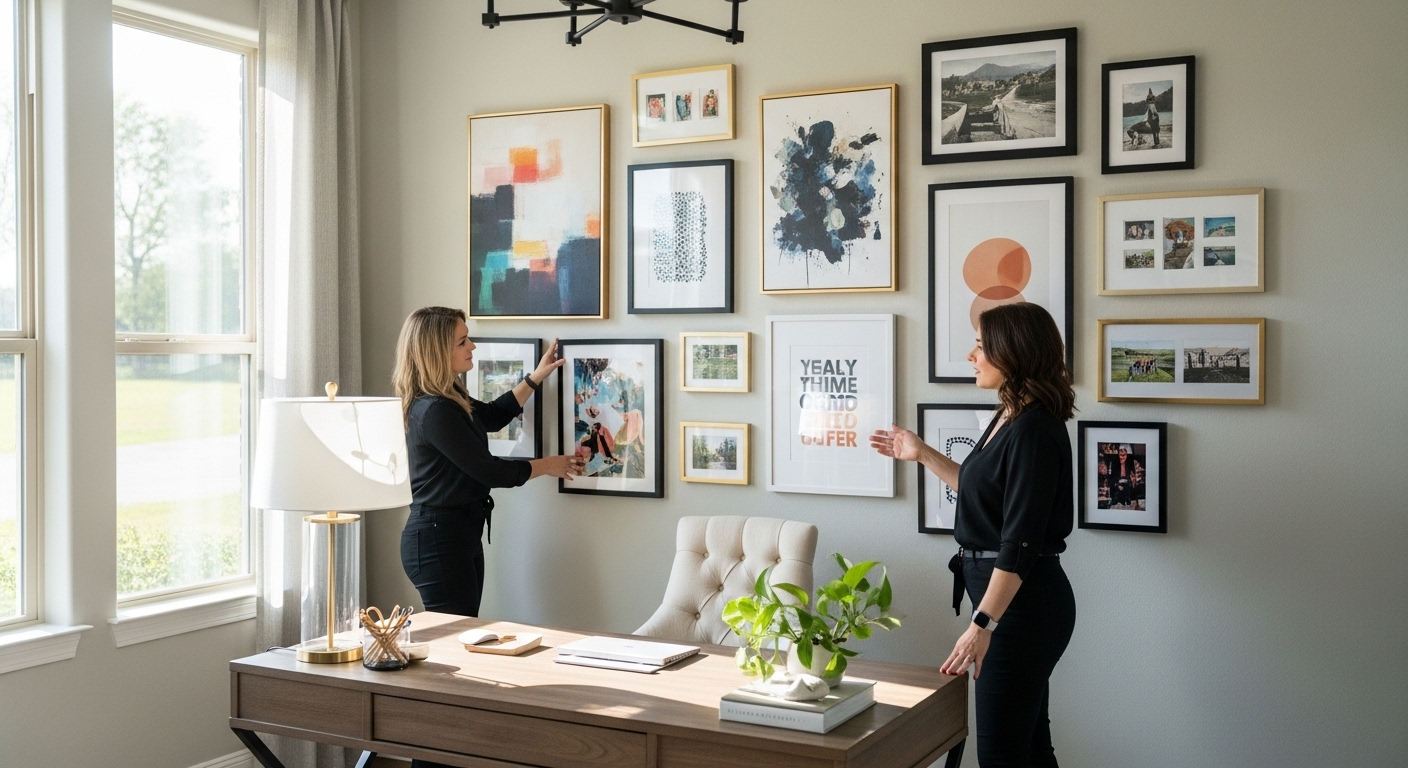
7 Inspiring Ideas for Home Office Wall Art

home office wall art, inspiration, modern workspace

Your home office walls do much more than just fill empty space. Many people think art is about looks, but actually personalised wall art can improve your mood and even boost productivity by up to 32 percent, according to research. Most folks just hang up any old picture and call it a day. The real secret is that with the right art and clever choices your workspace can become a powerful reflection of your personality and a driver of daily inspiration.

Table of Contents

Quick Summary

Takeaway Explanation
Choose art reflecting your personality Select wall art that expresses your values and experiences to enhance your workspace.
Incorporate motivational quotes for inspiration Use strategically placed motivational quotes to remind yourself of your goals and boost your productivity.
Create a gallery wall for storytelling Curate diverse artworks to create a visual narrative showcasing your unique experiences and inspirations.
Promote focus with specific art styles Select pieces that offer visual calm and stimulate creativity to enhance concentration and professional performance.
Support local artists for community empowerment Choosing artwork from local artists not only beautifies your space but also supports cultural preservation and economic growth.

1: Choose Art That Reflects Your Personality

Your home office is more than just a workspace – it’s a personal sanctuary where creativity and productivity converge. Selecting wall art that authentically represents your personality transforms this environment from a mere functional area into a powerful expression of your inner self.

Personal art selections are deeply intimate decisions that go beyond aesthetic appeal. They communicate your values, experiences, and emotional landscape without uttering a single word. Your wall art becomes a visual narrative of who you are, revealing subtle aspects of your character to anyone who enters your workspace.

Consider these key strategies when selecting personality-driven home office wall art:

  • Select artwork that resonates with your professional identity and personal passions

  • Choose pieces that evoke positive emotions and motivational energy

  • Mix art styles that reflect different dimensions of your personality

For art enthusiasts and collectors seeking guidance, our comprehensive guide to South African artists can provide inspiration for finding pieces that genuinely speak to your unique identity.

Psychological research suggests that surrounding yourself with meaningful art can significantly enhance mood, creativity, and professional performance. According to research from the National Arts Council, personal art selections contribute to psychological well-being and self-expression.

Remember that authenticity matters more than trends. Your wall art should make you feel energized, inspired, and fundamentally connected to your workspace. Whether you prefer abstract expressions, realistic landscapes, or contemporary minimalist designs, the key is selecting pieces that spark joy and reflect your inner world.

2: Incorporate Motivational Quotes in Your Decor

Motivational quotes are powerful visual anchors that can transform your home office from a mere workspace into an inspirational sanctuary. These carefully selected words serve as daily reminders of your goals, dreams, and personal philosophy, creating an environment that continually propels you towards success.

Words have extraordinary transformative power. When strategically placed on your walls, motivational quotes become more than decorative elements they become psychological triggers that reset your mindset and reignite your professional passion.

When selecting motivational quotes for your home office, consider these essential guidelines:

  • Choose quotes that authentically resonate with your personal and professional values

  • Select typography and design styles that complement your existing decor

  • Position quotes where they are immediately visible during moments of potential mental fatigue

For inspiration and high-quality artistic renderings, explore our curated collection of artistic typography that can elevate your motivational wall art.

According to research from Wits University, personalizing workspace environments significantly impacts psychological well-being and professional performance. Motivational quotes are particularly effective because they engage both visual and cognitive processes, creating an immediate emotional connection.

The art of selecting motivational quotes is deeply personal. Some professionals prefer concise, punchy statements that deliver immediate impact, while others might gravitate towards more reflective, poetic expressions. The key is authenticity – the quote must genuinely speak to your inner narrative and professional aspirations.

Remember that typography matters as much as the words themselves. The font, size, color, and placement can dramatically influence how a quote is perceived and internalized. A well-designed motivational quote can be the difference between a forgettable wall decoration and a transformative daily inspiration.

A gallery wall represents more than a decorative element it is a powerful storytelling medium that transforms your home office into a personal museum of inspiration, memories, and artistic expression. This curated visual narrative allows you to display diverse artworks that collectively communicate your unique journey and aesthetic sensibilities.

Creating a compelling gallery wall requires thoughtful curation and strategic arrangement. The goal is not merely to fill empty wall space but to craft a dynamic visual composition that evolves with your professional and personal growth.

Consider these essential strategies for designing an impactful gallery wall:

  • Select artworks with varying sizes, frames, and artistic styles

  • Maintain a consistent visual theme or color palette

  • Plan your layout carefully before hanging pieces

For those seeking professional guidance, our comprehensive guide to South African artists can provide inspiration for selecting meaningful artworks that tell a compelling story.

According to research from the National Arts Council, art collections play a crucial role in preserving cultural heritage and personal narratives. A gallery wall becomes more than decoration it is a living archive of your experiences, inspirations, and artistic appreciation.

When designing your gallery wall, consider incorporating a mix of elements beyond traditional paintings. Photography, sketches, prints, cultural artifacts, and even personal mementos can create a rich, multidimensional display. The key is maintaining a sense of visual harmony while allowing each piece to retain its individual character.

Remember that a gallery wall is not static. It should be a dynamic space that invites periodic reimagination and reflection. As you grow professionally and personally, your wall can evolve, adding new pieces and rearranging existing ones to reflect your current inspirations and achievements.

4: Select Art That Promotes Focus and Creativity

Your home office wall art is not merely decorative it is a powerful psychological tool that can significantly enhance your focus, creativity, and professional performance. Strategically selected artwork can transform your workspace into a catalyst for innovation and productivity.

Creativity thrives in environments that stimulate mental engagement while providing visual calm. The right art pieces can create a delicate balance between inspiration and concentration, helping your mind navigate complex professional challenges with greater clarity and imagination.

When selecting art to promote focus and creativity, consider these critical considerations:

  • Choose artwork with subtle, harmonious color palettes

  • Select pieces that invite contemplation without overwhelming visual complexity

  • Opt for art that represents forward movement and potential

Explore our guide on the art of South African creativity to discover inspiring works that can transform your workspace.

According to research from the University of Pretoria, work environments that support creative thinking are crucial for maintaining professional flexibility and productivity. Art plays a significant role in creating such environments by providing visual stimuli that encourage mental exploration and innovative thinking.

Abstract art, minimalist landscapes, and conceptual pieces can be particularly effective in promoting focus. These artistic styles offer visual intrigue without the cognitive distraction of highly detailed representational works. They create a sense of openness and possibility, subtly encouraging your mind to think beyond conventional boundaries.

Remember that personal connection matters most. The most effective creativity-promoting art is something that resonates with your individual aesthetic and professional aspirations. It should feel like a silent collaborator in your creative process, gently nudging your thoughts towards innovation and breakthrough thinking.

5: Opt for Local Artists to Support the Community

Supporting local artists is more than an aesthetic choice it is a powerful act of community empowerment and cultural preservation. By selecting artwork from South African artists, you transform your home office into a vibrant celebration of national creativity and talent.

Local artists bring unique perspectives that reflect the rich tapestry of South African cultural experiences. Their artwork carries stories, emotions, and historical narratives that mass-produced international pieces cannot replicate. Each brushstroke represents not just visual beauty, but a profound connection to our collective heritage.

When choosing artwork from local artists, consider these important guidelines:

  • Research and understand the artist’s background and creative journey

  • Prioritize original pieces over reproductions

  • Seek artwork that resonates with your personal and professional values

Learn more about the significance of original South African art and how it contributes to our national cultural landscape.

According to the Public Art Development Programme, supporting local artists creates meaningful economic opportunities and helps sustain our vibrant creative ecosystem. By investing in local talent, you contribute directly to job creation and cultural expression.

Your home office wall becomes more than a decorative space it transforms into a platform for showcasing emerging talents and supporting the broader artistic community. Each artwork you select becomes a statement of support for South African creativity, helping artists continue their important work of cultural storytelling and visual innovation.

Remember that supporting local artists is not just about purchasing art. It is about recognizing and valuing the profound cultural contributions of creative professionals who capture the essence of our national experience through their unique artistic expressions.

6: Mix Different Art Styles for a Unique Look

Creating a visually dynamic home office wall requires a thoughtful and adventurous approach to art curation. Mixing different art styles transforms your workspace from a mundane environment into a vibrant, personalized gallery that tells a multifaceted story.

The art of combining diverse artistic styles is about finding harmonious connections between seemingly disparate visual languages. This approach allows you to showcase your complexity, intellectual curiosity, and appreciation for creative diversity. By blending abstract, realistic, contemporary, and traditional artworks, you create a rich visual dialogue that reflects the nuanced nature of your professional identity.

Consider these strategic approaches when mixing art styles:

  • Maintain a consistent color palette across different artistic styles

  • Balance bold statement pieces with more subtle, understated artworks

  • Create visual rhythm through thoughtful placement and spacing

Discover insights into curating mixed art collections and develop your unique aesthetic sensibility.

According to research on contemporary art collections, successful mixed art style collections demonstrate a curator’s ability to create visual narratives that transcend individual artistic boundaries. This approach not only enhances aesthetic appeal but also reflects a sophisticated understanding of artistic expression.

When mixing art styles, think of your wall as a canvas of creative dialogue. A minimalist geometric print might beautifully complement a more organic, textured landscape painting. A contemporary photographic piece could create fascinating contrast when placed alongside a traditional watercolor. The key is finding unexpected yet harmonious connections that surprise and delight the viewer.

Remember that mixing art styles is an intuitive process. Trust your aesthetic instincts, be willing to experiment, and allow your collection to evolve organically. Your home office wall becomes a living, breathing representation of your creative vision a testament to the beauty of artistic diversity.

7: Rotate Artwork Seasonally for Fresh Inspiration

Rotating artwork seasonally is a dynamic strategy that keeps your home office environment stimulating, inspiring, and reflective of your evolving professional journey. This practice transforms your workspace into a living canvas that adapts and changes, mirroring the continuous growth and transformation in your career.

Seasonal art rotation is more than a decorative technique it is a psychological refresh button for your workspace. By introducing new visual stimuli periodically, you create an environment that remains intellectually engaging, preventing visual monotony and maintaining a sense of creative dynamism.

Consider these strategic approaches for seasonal artwork rotation:

  • Select artworks that reflect the emotional tone of each season

  • Store unused artwork carefully to preserve its condition

  • Create a systematic rotation schedule to maintain consistency

Explore our blog for creative inspiration and discover innovative approaches to art curation.

According to George Municipality’s Visual Artwork Management Policy, thoughtful art curation can dramatically transform professional spaces, creating unique environments that inspire creativity and productivity.

Each seasonal rotation presents an opportunity to reconnect with your art collection and reframe your professional narrative. Summer might call for vibrant, energetic pieces that capture the season’s dynamism, while winter could feature more contemplative, introspective artworks that invite deeper reflection. Spring might showcase renewal and growth, and autumn could highlight transformative themes.

Remember that artwork rotation is a personal journey. There are no strict rules only opportunities for creative expression. Your home office wall becomes a dynamic storytelling platform, continuously evolving and reflecting your professional and personal growth through carefully curated artistic expressions.

Below is a comprehensive table that summarises the article’s seven key ideas for home office wall art, capturing main suggestions, benefits, and practical focus points from each section.

Idea/Strategy Core Focus Key Benefit Practical Guidance
Choose Art That Reflects Your Personality Select art representing your values, passions, and authentic self Enhances mood, self-expression, and motivation Opt for pieces that evoke positivity and match your unique identity
Incorporate Motivational Quotes in Your Decor Use inspirational quotes as visual anchors Boosts productivity, goal focus, and psychological well-being Pick quotes and typography styles genuine to your aspirations
Use a Gallery Wall to Showcase Your Collection Curate diverse artworks as a compelling visual narrative Storytelling, evolving inspiration, and memory preservation Mix sizes/styles, keep a consistent theme, and plan the arrangement
Select Art That Promotes Focus and Creativity Integrate styles and colours that balance calm and stimulation Supports concentration, sparks innovative thinking Favour abstract, minimalist, or contemplative local artworks
Opt for Local Artists to Support the Community Invest in art from South African creatives Fosters cultural heritage, community support, and originality Learn about each artist, prioritise originals, and align with values
Mix Different Art Styles for a Unique Look Blend traditional, modern, abstract, and other styles for a rich, eclectic visual space Reflects creativity, sophistication, and visual interest Balance palettes, statement pieces, and experiment with placement
Rotate Artwork Seasonally for Fresh Inspiration Refresh displayed art with the changing seasons Maintains engagement, inspiration, and supports ongoing creativity Schedule regular swaps and tailor selections to seasonal vibes

Transform Your Workspace Into a True Creative Sanctuary

Are you ready to surround yourself with art that sparks joy, creativity and daily inspiration? Many home office spaces feel bland or disconnected because they lack personal touches and a meaningful visual story. The article’s ideas on showcasing your personality, choosing local South African artists and rotating artwork with the seasons offer powerful ways to bring life and energy to your workspace. But finding the right pieces and curating a collection that truly resonates can be overwhelming if you do not know where to start.

https://art-online.co.za

Discover how easy it is to create your own inspiring gallery wall with Art Online. As South Africa’s largest online art gallery, we connect you with original works from renowned local artists, so every selection supports our creative community. Whether you want art that motivates you, boosts your focus, or simply reflects your personal style, you will find hundreds of options to match every idea from our article. Don’t let another uninspired day pass in your home office. Start exploring our exclusive collection of South African art now and bring immediate transformation to your workspace with art that matters.

Frequently Asked Questions

How can I choose wall art that reflects my personality in my home office?

Selecting wall art that resonates with your professional identity and personal passions is crucial. Consider pieces that evoke positive emotions and mix styles that showcase different aspects of your personality to create an inspiring work environment.

What are effective ways to incorporate motivational quotes in home office decor?

Choose quotes that genuinely resonate with your values and select typography styles that match your decor. Position them where they are highly visible during work, as they serve as psychological triggers for motivation and inspiration.

To create a compelling gallery wall, select artworks of varying sizes and styles while maintaining a consistent color palette or theme. Carefully plan the layout to craft a dynamic visual composition that tells your story and evolves with your professional growth.

What types of art promote focus and creativity in a home office?

Art that features subtle, harmonious color palettes and minimal visual complexity can enhance focus and creativity. Abstract and minimalist styles often work well, providing inspiration without overwhelming distractions.

Posted on Leave a comment

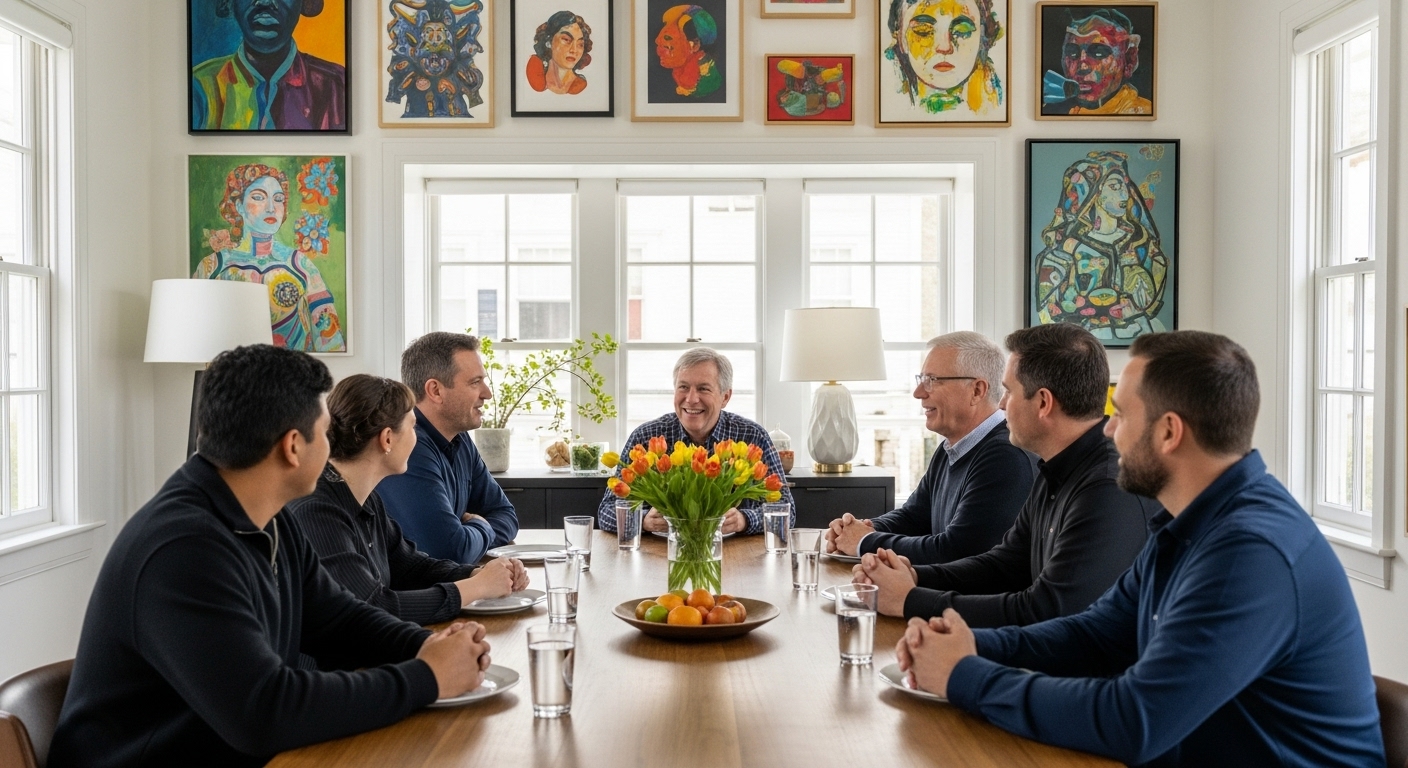
10 Essential Tips for Choosing Art for Dining Rooms

art for dining rooms, dining room artwork, choosing art

Dining rooms are more than just places to eat. They set the stage for family memories, celebration, and connection. Most people think a simple table and chairs will do the trick, but that is just the start. Research shows that curated art in dining spaces can actually improve how people perceive the taste and quality of food. The real magic? The right artwork can turn any dinner into an experience people will never forget.

Table of Contents

Quick Summary

Takeaway Explanation
Art enriches dining environments Thoughtfully selected art transforms dining spaces into vibrant, engaging areas that reflect personal style and cultural narratives.
Choose artwork that resonates emotionally Select pieces that create a welcoming atmosphere, making guests feel comfortable and inspired during meals.
Size matters for visual balance Artwork should occupy 50-75% of the wall space above furniture to maintain harmony and aesthetic appeal.
Lighting enhances artwork impact Proper lighting, like warm whites and directional placement, significantly improves the visibility and emotional resonance of art pieces.
Rotate art for fresh experiences Regularly changing artworks prevents aesthetic fatigue and keeps the dining area dynamic and reflective of evolving tastes.

1: Understanding the Role of Art in Dining Rooms

Art transforms dining rooms from mere eating spaces into vibrant, emotionally engaging environments that reflect personal style and cultural narratives. When thoughtfully selected, art pieces can elevate the entire dining experience, creating conversations, setting moods, and expressing the homeowner’s unique aesthetic sensibilities.

Understanding art’s role in dining rooms goes beyond simple decoration. Art serves multiple critical functions that impact both the visual and emotional atmosphere of the space. Explore our guide on South African artistic styles to understand the nuanced ways art can enhance interior spaces.

Key considerations when integrating art into dining rooms include:

  • Visual Balance: Art should complement the room’s existing design elements without overwhelming the space

  • Emotional Resonance: Choose pieces that evoke feelings and create a welcoming, comfortable dining environment

  • Scale and Proportion: Select artwork that fits proportionally with your dining room’s dimensions and furniture

The strategic placement of art can dramatically transform dining experiences. Whether you prefer contemporary pieces, traditional landscapes, or abstract expressions, each artwork tells a story and contributes to the room’s overall ambiance. According to research on dining environment design, carefully curated art can enhance perception of food quality and dining enjoyment.

Ultimately, art in dining rooms is about creating a personal narrative – a visual representation of your taste, memories, and aesthetic preferences that invites conversation and creates memorable dining experiences.

2: Choosing a Theme or Style for Your Art

Selecting the right theme or style for dining room art is a crucial decision that reflects your personal aesthetic and creates a cohesive visual narrative. Your chosen art style sets the tone for the entire dining space, influencing how guests perceive and experience the room. Explore unique South African art styles to find inspiration for your dining room decor.

Art styles can range from contemporary minimalism to traditional landscapes, each bringing a distinct atmosphere to your dining environment. Contemporary styles often feature clean lines and abstract representations, creating a modern and sophisticated ambiance. Traditional styles, such as realistic landscapes or classical portraits, can evoke a sense of timeless elegance and cultural heritage.

Consider these key factors when selecting an art theme:

  • Room’s Existing Color Palette: Choose art that complements or thoughtfully contrasts with your current interior design

  • Personal Emotional Connection: Select artwork that resonates with your personal experiences and evokes positive feelings

  • Architectural Style: Align your art theme with the architectural character of your dining space

According to research on design harmony, the most successful interior spaces create a seamless dialogue between art, furniture, and architectural elements. The right art theme can transform a dining room from a simple eating area into a narrative-rich environment that tells a story and invites conversation.

Remember that your art theme is not just about visual appeal but about creating an emotional connection that enhances the dining experience. Whether you prefer bold, statement pieces or subtle, understated artwork, the key is selecting pieces that authentically represent your personal style and create a welcoming atmosphere.

3: Selecting the Right Size for Art Pieces

Selecting the appropriate art piece size is critical in creating a harmonious dining room aesthetic. The wrong size can disrupt visual balance, making the space feel either cluttered or uncomfortably sparse. Proportionality is key when choosing art for your dining area. Explore our comprehensive guide on painting values to understand how size impacts artwork selection.

The general rule of thumb for art sizing involves understanding the relationship between wall space and artwork dimensions. For dining rooms with standard wall configurations, artwork should typically occupy approximately two-thirds to three-quarters of the wall space above furniture like sideboards or buffet tables.

Key considerations for art sizing include:

  • Wall Space: Measure the width of your wall and furniture to determine appropriate artwork dimensions

  • Furniture Placement: Ensure artwork does not extend beyond the width of underlying furniture pieces

  • Viewing Distance: Consider how far viewers will be from the artwork when seated at the dining table

According to research on spatial design, successful art placement creates visual harmony by establishing a balanced relationship between artwork, furniture, and architectural elements. A single large statement piece can be more impactful than multiple smaller artworks, especially in dining rooms with limited wall space.

For smaller dining areas, consider vertical orientation pieces that create an illusion of height and spaciousness. In larger rooms, multiple coordinated pieces or a gallery wall can add visual interest and dynamic energy. The goal is to select art that enhances the room’s atmosphere without overwhelming the space, creating a sophisticated and inviting dining environment.

4: Considering Color Schemes and Moods

Color plays a transformative role in dining room art, serving as a powerful tool for creating emotional atmosphere and visual harmony. Psychological impact of color cannot be understated, with different hues capable of evoking specific feelings and setting distinct dining experiences. Understanding color relationships and their emotional resonance is crucial for selecting art that enhances your dining space.

Warm colors like reds, oranges, and yellows create energetic, stimulating environments that encourage conversation and social interaction. Cool colors such as blues, greens, and purples introduce calming, reflective qualities that can make dining spaces feel more serene and contemplative. Learn more about contemporary art color trends to refine your color selection strategy.

Key color considerations for dining room art include:

  • Complementary Colors: Select artwork that either matches or thoughtfully contrasts with existing room color palettes

  • Emotional Tone: Choose colors that reflect the mood you want to create during meals

  • Lighting Interaction: Consider how natural and artificial light will interact with artwork colors

According to research on interior design and cultural production, color choices are not merely aesthetic decisions but profound methods of creating meaning within spaces. Neutral artworks with subtle color variations can provide sophisticated flexibility, while bold, vibrant pieces can serve as dramatic focal points.

Remember that color is a nuanced language of emotion. The right artwork can transform your dining room from a simple eating space into a dynamic environment that stimulates conversation, reflects personal style, and creates memorable dining experiences.

5: Mixing Different Art Mediums and Textures

Mixing art mediums and textures in dining room decor creates visual depth, intrigue, and sophistication. Textural diversity transforms ordinary walls into dynamic, multisensory experiences that engage viewers beyond simple visual appreciation. Explore our collection of mixed media artwork to understand how different textures interact.

Art mediums like oil paintings, watercolors, sculptures, metal installations, and textile art offer unique textural experiences. Combining these mediums allows for a rich, layered aesthetic that reflects complexity and personal artistic taste. A smooth abstract canvas might beautifully contrast with a rough ceramic sculpture, creating visual tension and interest.

Key strategies for mixing art mediums include:

  • Complementary Textures: Select pieces that enhance rather than compete with each other

  • Visual Weight: Balance smooth and rough textures to create visual harmony

  • Lighting Considerations: Choose textures that interact interestingly with both natural and artificial light

According to research on design principles, texture is not just a visual element but a sensory experience that can dramatically transform spatial perception. Tactile diversity in art pieces invites viewers to imagine touching and experiencing the artwork, making dining rooms more engaging and memorable.

Successful texture mixing requires a thoughtful approach. Consider the overall room aesthetic, existing furniture textures, and the emotional response you want to evoke. A carefully curated collection of mixed-medium artworks can turn your dining room into a sophisticated, multilayered artistic statement that stimulates conversation and visual exploration.

6: Ensuring Proper Lighting for Your Artwork

Lighting transforms artwork from mere visual objects into dynamic, emotionally resonant experiences. Strategic illumination can dramatically enhance the perceived depth, color, and texture of art pieces, turning your dining room into a sophisticated gallery-like environment. Explore professional art lighting techniques to elevate your dining space.

Proper artwork lighting requires careful consideration of light intensity, angle, and color temperature. Direct lighting can create harsh shadows and potential damage to delicate artworks, while indirect or diffused lighting preserves the artwork’s integrity while creating a warm, inviting atmosphere.

Key lighting considerations for dining room art include:

  • Light Placement: Position lights to minimize glare and shadows

  • Color Temperature: Use warm white lights (2700-3000K) to enhance artwork’s natural colors

  • Light Intensity: Select adjustable lighting that can be dimmed for different dining moods

According to municipal lighting regulations, effective illumination should not create visual nuisance or interference. LED picture lights and adjustable track lighting offer excellent options for art illumination, providing focused, energy-efficient solutions that protect and highlight your artwork.

Consider using multiple light sources to create layers of illumination. A combination of ambient room lighting, targeted artwork spotlights, and soft background illumination can create a dynamic, sophisticated dining environment that showcases your art collection while maintaining a comfortable, inviting atmosphere.

7: Positioning Art for Maximum Impact

Positioning art strategically transforms dining rooms from ordinary spaces into captivating visual narratives. Spatial arrangement determines how artwork engages viewers, creates focal points, and influences the room’s overall emotional atmosphere. Discover insights about original art placement to elevate your dining room’s aesthetic.

The fundamental principle of art positioning is creating visual balance. Artwork should complement furniture and architectural elements without overwhelming the space. Typically, pieces should be hung at eye level, approximately 57-60 inches from the floor, ensuring comfortable viewing for most individuals seated at the dining table.

Key positioning strategies include:

  • Proportional Placement: Ensure artwork width is 50-75% of underlying furniture width

  • Vertical Spacing: Maintain consistent distance between multiple art pieces

  • Focal Point Creation: Use larger pieces or gallery arrangements to draw visual attention

According to historical design documentation, traditional dining room designs often incorporated picture rails and strategic shelving to display art and decorative items. Asymmetrical arrangements can create dynamic visual interest, breaking monotony while maintaining overall compositional harmony.

Consider the dining room’s architectural features when positioning art. Avoid placing artwork where it might be obstructed by dining chairs, light fixtures, or doorways. The goal is to create a seamless visual flow that enhances the dining experience, inviting conversation and appreciation of both the art and the surrounding environment.

8: Incorporating Local South African Artists

Incorporating artwork from local South African artists transforms dining rooms into vibrant spaces that celebrate national creativity and cultural heritage. Supporting indigenous artists not only enriches your interior design but also contributes to the broader artistic ecosystem. Explore the rich tapestry of South African art to discover unique artistic expressions.

South African artists bring diverse perspectives reflecting the country’s complex social landscape, offering artwork that tells compelling stories through visual narratives. From contemporary urban interpretations to traditional rural scenes, local artists capture the nuanced experiences of South African life with remarkable depth and authenticity.

Key considerations when selecting local artists include:

  • Cultural Representation: Choose artists who authentically represent different regional and cultural backgrounds

  • Artistic Diversity: Explore various styles from realistic landscapes to abstract contemporary pieces

  • Emerging Talent: Support up-and-coming artists alongside established names

According to government initiatives supporting creative industries, investing in local artists contributes to national cultural development. Emerging artists often provide more affordable yet equally compelling artwork, allowing collectors to build meaningful collections while supporting the local art ecosystem.

By selecting artwork from South African artists, you transform your dining room into more than just a space for meals. You create a narrative environment that celebrates national creativity, supports local talent, and offers guests a unique visual experience that goes beyond mere decoration.

A gallery wall transforms dining rooms into dynamic visual narratives, offering a curated collection that reflects personal style and artistic appreciation. Strategic composition turns blank walls into compelling storytelling spaces that engage and inspire dinner guests. Discover inspiring gallery wall techniques to elevate your dining room’s aesthetic potential.

Gallery walls require thoughtful planning to achieve visual harmony. Begin by selecting artworks with complementary color palettes, varying sizes, and cohesive themes. Mix different mediums like photographs, paintings, sketches, and prints to create visual texture and depth. Consider incorporating local South African artists to infuse cultural narrative into your display.

Key strategies for creating compelling gallery walls include:

  • Layout Planning: Use paper templates to experiment with arrangement before hanging

  • Visual Balance: Distribute artwork weights evenly across the wall space

  • Frame Consistency: Choose frames with similar color tones or consistent material

According to design placement research, successful gallery walls maintain visual rhythm through careful spacing. Professional designers recommend maintaining 2-3 inches between artwork pieces and anchoring the arrangement around a central focal point.

Remember that a gallery wall is more than a decorative element. It is a personal museum that tells your unique story, inviting conversation and reflection during dining experiences. Each piece contributes to a larger narrative, transforming your dining room into a living, breathing artistic statement.

10: Rotating Art for a Fresh Dining Experience

Art rotation transforms dining rooms from static environments into dynamic, ever-evolving spaces that continuously stimulate conversation and visual interest. Periodic art refreshment prevents aesthetic fatigue, ensuring your dining area remains engaging and reflective of changing personal tastes and experiences. Explore strategies for art rotation to maintain a vibrant dining environment.

Rotating artwork allows you to showcase different pieces from your collection, creating seasonal or thematic displays that reflect current moods, celebrations, or personal milestones. This approach not only keeps the dining space visually exciting but also provides opportunities to support multiple local artists by featuring their work at different times.

Key considerations for successful art rotation include:

  • Seasonal Themes: Align artwork with seasonal changes or cultural celebrations

  • Storage Solutions: Invest in proper art storage to protect pieces when not displayed

  • Rotation Frequency: Establish a consistent schedule for changing artworks

According to national art development initiatives, supporting dynamic art display contributes to the broader cultural ecosystem. Emerging artists benefit from increased visibility, while collectors enjoy a continuously refreshed aesthetic experience.

Rotating art is more than a design strategy. It is a living practice that keeps your dining room dynamic, tells an evolving story, and creates memorable experiences for everyone who shares meals in your space. Each rotation brings new perspectives, conversations, and emotional resonances to your dining environment.

Below is a comprehensive table summarising the core points and actionable tips from the article, giving you an at-a-glance overview for choosing art for your dining room.

Key Tip / Theme What to Consider Outcome / Benefit
Role of Art in Dining Rooms Art brings personal narrative, emotional resonance, and visual balance Transforms dining room into a vibrant, memorable space
Selecting Art Theme & Style Align with personal taste, room decor, and architectural style Creates cohesive narrative and inviting mood
Art Size & Proportion Art should occupy 2/3 to 3/4 of wall space above furniture Achieves harmony; prevents clutter or sparse appearance
Colour Schemes & Moods Use colours to match mood (warm for energy, cool for calm) Sets emotional tone and enhances conversation
Mixing Art Mediums & Textures Combine paintings, sculptures, textiles for depth and variety Adds sophistication and visual interest
Proper Artwork Lighting Use warm white adjustable lighting, avoid harsh shadows Enhances visibility, ambience, emotional impact
Art Positioning Hang at eye level, maintain balance with furniture Maximises impact and integrates art into dining experience
Incorporating Local South African Artists Support diverse, authentic voices and emerging talent Enriches space with culture; supports SA creative ecosystem
Creating Gallery Walls Plan layout, balance sizes and themes, keep frames consistent Turns blank walls into dynamic, personal storytelling displays
Rotating Art for Freshness Change artworks seasonally or for events; use secure storage Keeps the dining room dynamic, relevant, and visually engaging

Curate Your Dream Dining Room With Art Online

Choosing the perfect art for your dining room isn’t easy. You want artwork that matches your style, fits your space, balances colours, and supports local South African artists. As you read, you may worry about getting the right size, combining different textures, or finding pieces that start conversations but feel unsure where to begin finding authentic, visually powerful works that fit your vision. The challenge is about more than just decoration – it’s about shaping an inspiring environment for your family and guests.

Explore exclusive South African artworks and find handpicked pieces that match every tip described in the article. Art Online features a massive selection directly from the country’s most renowned and emerging talents. Enjoy easy browsing, expert guides on painting values, and fresh inspiration for mixing mediums, colour schemes, and seasonal displays.

https://art-online.co.za

Make your dining room the best-loved space in your home. Visit Art Online now to secure statement pieces that reflect your personal story. The right artwork can transform every meal – start curating your collection today and let us help you bring your vision to life.

Frequently Asked Questions

How can I effectively choose art for my dining room?

Choosing art for your dining room involves understanding your personal style, the room’s color palette, and the emotional atmosphere you want to create. Consider selecting pieces that complement existing décor and contribute to a cohesive visual narrative.

What is the ideal size for art pieces in a dining room?

Art should occupy about two-thirds to three-quarters of the wall space above furniture in your dining room. It’s important to ensure that the dimensions of the artwork are proportional to the wall and furniture to maintain visual balance.

How can colors in art affect the dining room’s atmosphere?

The colors in your artwork can set the mood of your dining room. Warm colors can create an energetic environment, while cool colors tend to evoke calmness. Choose art that aligns with the emotional tone you wish to establish during meals.

What are the benefits of rotating artwork in a dining room?

Rotating artwork periodically keeps the dining area dynamic and visually engaging. It allows for seasonal themes or personal milestones to be reflected in your art display, preventing aesthetic fatigue and enhancing the overall dining experience.

Posted on Leave a comment

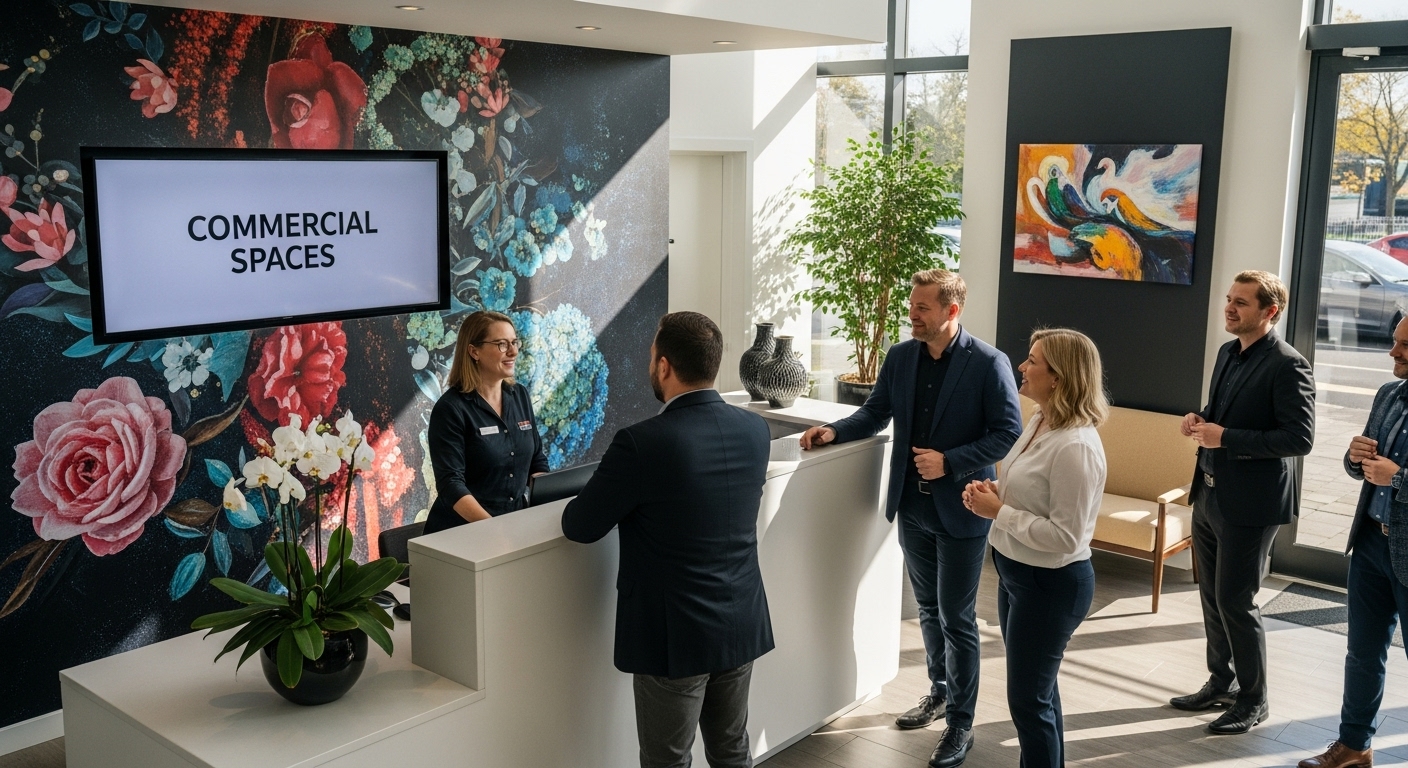
Understanding Art for Commercial Spaces for Impact

art corporate lobby photo

Art in commercial spaces does a lot more than fill empty walls. In fact, studies show that the right artwork in workplaces can actually reduce stress and boost productivity among employees. Most people think it’s all just about aesthetics, but art in business settings quietly shapes company culture, influences customer emotions, and tells a brand story without saying a word.

Table of Contents

Quick Summary

Takeaway Explanation
Strategic art enhances brand identity. Curated art reflects an organization’s values, promoting deeper connections with employees and clients.
Art improves workplace psychology. Thoughtfully selected art reduces stress, boosts morale, and fosters creativity among employees.
Cultural relevance elevates customer experiences. Art that reflects local traditions adds authenticity, enhancing customer engagement and brand perception.
Effective curation requires holistic strategies. Integrating art should align with organizational goals, aesthetic values, and spatial dynamics for meaningful impact.
Art transforms spaces into narrative platforms. Beyond decoration, art communicates stories that resonate, elevating the overall experience in commercial environments.

What is Art for Commercial Spaces?

Art for commercial spaces represents a strategic approach to integrating visual art into professional environments, transforming functional areas into dynamic, engaging experiences that communicate brand identity and enhance workplace atmosphere. These art selections go beyond mere decoration, serving as powerful communication tools that reflect organizational values, stimulate creativity, and create meaningful connections with employees and visitors.

The Strategic Purpose of Commercial Art

Commercial art installations are carefully curated selections designed to achieve specific organisational objectives. Unlike residential art, which often prioritizes personal aesthetic preferences, art for commercial spaces must align with broader institutional goals. These artworks serve multifaceted purposes:

  • Create visual narratives that reinforce company culture and identity
  • Improve workplace psychological environments by reducing stress and increasing employee engagement
  • Communicate professional sophistication and organisational values to clients and stakeholders

When businesses select art strategically, they transform blank walls into storytelling platforms that communicate beyond words. Our comprehensive guide on selecting art for professional environments provides deeper insights into this nuanced selection process.

Types of Art in Commercial Environments

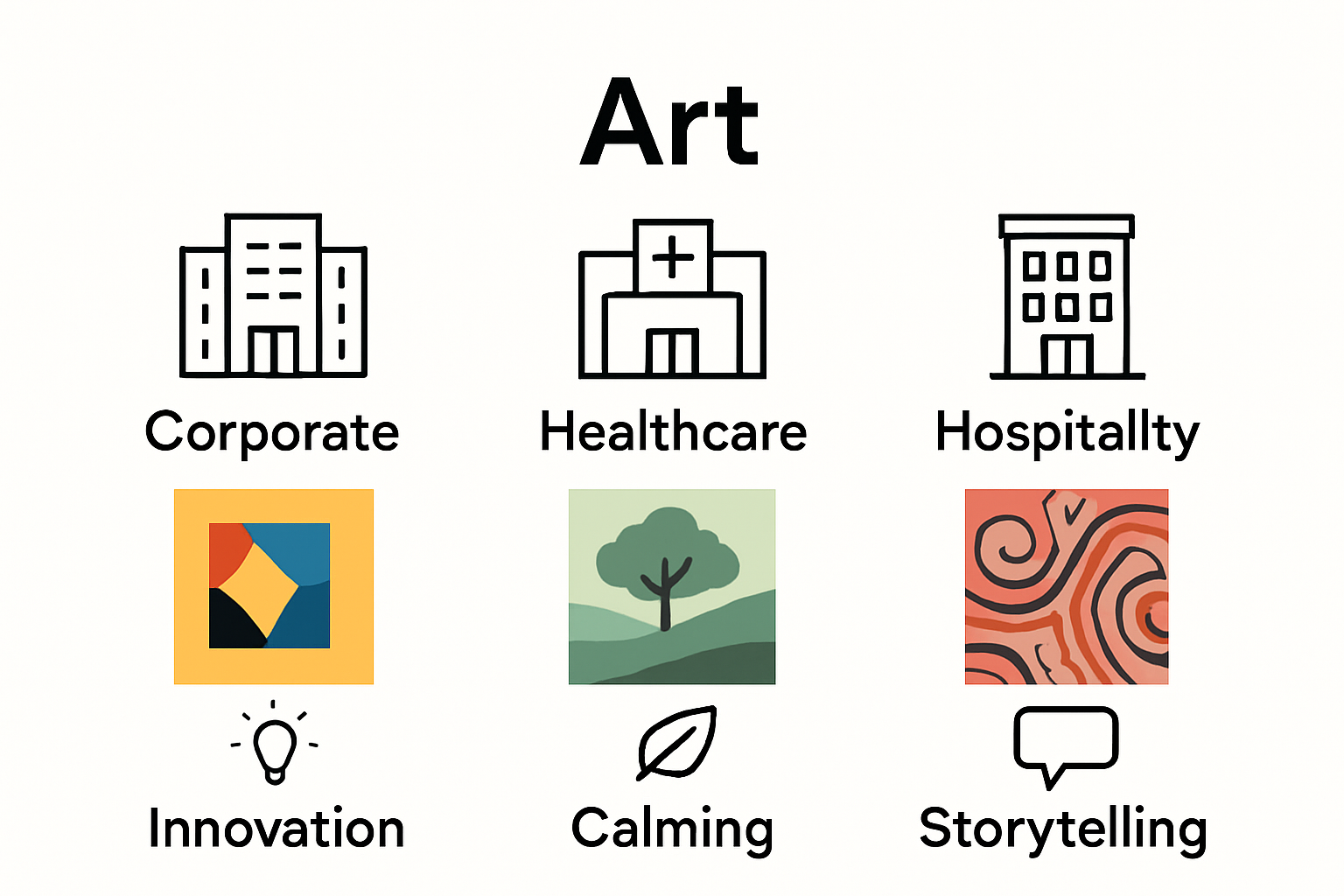
Commercial art encompasses diverse mediums and styles tailored to specific institutional contexts. From corporate headquarters to healthcare facilities, each environment demands unique artistic approaches

Infographic comparing art styles in corporate, healthcare, and hospitality spaces:

  • Corporate Spaces: Large-scale abstract paintings, photographic installations, and sculptures that communicate innovation and professionalism
  • Healthcare Settings: Calming landscape art, nature-inspired compositions that reduce patient anxiety and create healing environments
  • Hospitality Sectors: Regional artistic representations, local cultural artworks that enhance guest experience and provide authentic environmental storytelling

According to research exploring exhibition spaces in South Africa, art in commercial environments transcends aesthetic considerations, becoming a critical medium for spatial communication and cultural expression.

Below is a table comparing different types of art used in various commercial environments, summarising their typical forms and intended impact.

| Commercial Environment | Typical Art Forms | Intended Impact |
|—————————-|————————————————|nullified|
| Corporate Spaces | Large-scale abstract paintings, sculptures | Communicate innovation, professionalism |
| Healthcare Settings | Calming landscape art, nature-inspired pieces | Reduce stress, create healing environments |
| Hospitality Sectors | Regional cultural artworks, local representations| Enhance guest experience, provide authentic storytelling|
| Design Studios | Rotating exhibitions, contemporary pieces | Demonstrate creative commitment, stimulate innovation |

Understanding art for commercial spaces requires recognizing its potential to transform mundane environments into vibrant, meaningful landscapes that inspire, communicate, and elevate human experiences.

Why Art Matters in Commercial Environments

Art in commercial environments transcends aesthetic decoration, serving as a sophisticated communication tool that profoundly influences workplace psychology, brand perception, and organisational culture. By strategically integrating visual art, businesses can create environments that inspire creativity, enhance employee wellbeing, and communicate complex organisational narratives without uttering a single word.

Psychological and Performance Impact

The presence of thoughtfully selected art directly influences human psychological responses within professional spaces. Research demonstrates that visual stimuli can dramatically alter workplace dynamics, motivation, and overall employee experience.

Specific psychological benefits include:

  • Reducing workplace stress and mental fatigue
  • Stimulating creative thinking and innovative problem solving
  • Creating a sense of pride and belonging among team members
  • Improving overall workplace mood and emotional engagement

By understanding these subtle yet powerful interactions, organisations can leverage art as a strategic management tool.

Here is a table highlighting the key psychological and business benefits of art integration in commercial spaces, as described in the article.

Benefit Explanation
Reduced stress and mental fatigue Visual art helps alleviate day-to-day workplace pressures
Stimulated creativity and innovation Inspiring art encourages creative thinking and problem-solving
Sense of pride and belonging Art fosters an emotional connection to the organisation
Improved mood and emotional engagement Thoughtfully curated works boost overall workplace positivity
Enhanced brand communication and culture Art visually communicates organisational values and identity

Brand Communication and Cultural Expression

Commercial art functions as a non-verbal communication platform, allowing organisations to express their core values, cultural identity, and professional ethos. Unlike traditional marketing materials, art communicates authentically and emotionally, creating deeper connections with employees, clients, and stakeholders.

According to research exploring public art development in South Africa, art serves as a powerful medium for cultural exchange and organisational storytelling. By selecting artworks that reflect regional aesthetics, diversity, and creative traditions, businesses can demonstrate commitment to local cultural contexts and social narratives.

Ultimately, art in commercial environments represents an intelligent investment in human experience, transforming functional spaces into dynamic, inspiring landscapes that nurture creativity, communication, and collective identity.

How Art Influences Customer Experience

Art serves as a powerful experiential tool that transforms customer interactions from transactional encounters into meaningful, emotionally resonant journeys. By strategically integrating visual art, businesses can create immersive environments that subtly guide customer perceptions, enhance brand narratives, and generate profound psychological connections that extend far beyond traditional marketing approaches.

Emotional Engagement and Brand Perception

Customer experiences are fundamentally emotional responses shaped by environmental stimuli. Art plays a critical role in curating these emotional landscapes, influencing how clients perceive and interact with commercial spaces. Strategic art selection can:

  • Generate feelings of trust and sophistication
  • Create memorable, distinctive brand experiences
  • Communicate organisational values without explicit messaging
  • Reduce perceived waiting times and psychological stress

Businesses that understand these nuanced interactions can transform physical spaces into powerful narrative platforms. Discover how South African artists are redefining commercial aesthetics and creating compelling customer experiences.

Sensory Navigation and Spatial Psychology

Art functions as an unspoken guide within commercial environments, subtly directing customer movement, attention, and emotional responses. Through carefully curated visual elements, organisations can design intuitive spatial experiences that feel organic and engaging.

According to research exploring public art development in South Africa, art interventions can fundamentally reshape how individuals perceive and interact with spaces. By integrating local artistic traditions and contemporary design principles, businesses create environments that feel both familiar and innovative.

Ultimately, art in customer-facing spaces represents a sophisticated communication strategy that transforms mundane interactions into memorable, emotionally resonant experiences that distinguish brands in an increasingly competitive marketplace.

art hotel lounge customer

Key Concepts in Curating Art for Businesses

Curating art for commercial environments transcends aesthetic selection, representing a sophisticated strategic process that requires nuanced understanding of organisational identity, spatial dynamics, and psychological impact. Effective art curation transforms physical spaces into powerful narrative platforms that communicate complex organisational values and emotional landscapes.

Strategic Art Selection Principles

Successful art curation for businesses demands a holistic approach that integrates multiple considerations beyond visual appeal. Organisations must develop comprehensive strategies that align artistic selections with broader institutional objectives:

  • Reflect authentic organisational culture and values
  • Create meaningful emotional connections with employees and clients
  • Demonstrate commitment to creativity and innovation
  • Support local artistic communities and cultural diversity

Professional curators understand that art selection is not merely decorative but a complex communication mechanism. Explore our comprehensive guide on selecting impactful artworks for deeper insights into strategic art integration.

Contextual and Cultural Relevance

Art curation requires profound understanding of spatial context, organisational narrative, and cultural nuances. Businesses must consider how artistic selections interact with architectural environments, communicate brand identity, and resonate with diverse stakeholder groups.

According to research exploring corporate art collections in South Africa, successful art integration depends on leadership support and strategic alignment. By treating art as an intellectual and emotional investment rather than mere decoration, organisations can create transformative spatial experiences.

Ultimately, effective art curation represents a sophisticated dialogue between artistic expression, organisational identity, and human psychological experience, generating environments that inspire, communicate, and elevate collective imagination.

Real-World Examples of Effective Art Use

Successful integration of art in commercial environments demonstrates the transformative power of strategic visual storytelling. By examining practical applications across diverse sectors, businesses can understand how art transcends decorative purposes and becomes a powerful communication and engagement tool.

Corporate and Professional Environments

Leading corporations have discovered that art can fundamentally reshape workplace dynamics and brand perception. Progressive organisations implement art strategies that go beyond aesthetic considerations:

  • Technology companies using large-scale abstract installations to symbolize innovation
  • Financial institutions displaying local artwork to communicate cultural sensitivity
  • Healthcare facilities selecting calming landscape paintings to reduce patient anxiety
  • Design studios curating rotating exhibitions to demonstrate creative commitment

Explore inspiring South African artist collections that demonstrate how local creativity can transform professional spaces.

Hospitality and Customer Experience Spaces

Hotels, restaurants, and retail environments leverage art as a critical experiential element. Strategic art placement can dramatically enhance customer perception and emotional engagement. Successful implementations include:

  • Boutique hotels displaying regional artistic traditions
  • Restaurants using commissioned murals to create unique atmospheric experiences
  • Retail spaces integrating interactive art installations
  • Conference centers featuring local contemporary artworks

According to research on public art development in South Africa, art interventions can attract economic activity and create distinctive spatial experiences that differentiate businesses from competitors.

These real-world examples illustrate how thoughtful art curation transforms commercial spaces from mere functional environments into dynamic, narrative-rich experiences that communicate organisational identity, stimulate emotional connections, and elevate human interaction.

Transform Your Business Space with South African Art

Are you struggling to create a meaningful impression in your commercial environment? The article highlights how businesses often face blank walls, uninspired decor, and a disconnect between their values and their workspace atmosphere. This can leave both clients and employees feeling uninspired or disengaged. By embracing strategic art curation and understanding the true impact of visual storytelling, you have the power to shift your environment from ordinary to extraordinary.

https://art-online.co.za

Step into a new way of working and connecting with your clients and staff. Art Online offers premier access to the largest collection of South African art, handpicked from renowned local artists. Bring your brand, culture, and organisational story to life with curated pieces that foster creativity and a sense of belonging. Ready to make your workspace unforgettable? Visit Art Online now and discover how authentic art can transform your business today. For practical tips on selecting pieces with meaning, check out our comprehensive guide on selecting art for professional environments.

Frequently Asked Questions

What is the significance of art in commercial spaces?

Art in commercial spaces serves as a powerful communication tool that enhances brand identity, fosters employee engagement, and creates a positive atmosphere. It can influence workplace psychology and contribute to a dynamic environment.

How can art improve employee wellbeing in a workplace?

Strategically selected art can reduce stress, stimulate creativity, and create a sense of pride and belonging among employees. This leads to improved overall mood and emotional engagement within the workplace.

What types of art are suitable for corporate environments?

Large-scale abstract paintings, photographic installations, and sculptures that resonate with innovation and professionalism are often suitable for corporate environments. The art should align with the organizational culture and values.

How does art influence customer experience in commercial spaces?

Art enhances customer experiences by creating emotional engagement and memorable brand interactions. It can guide customer perceptions, reduce perceived waiting times, and communicate organizational values subtly without explicit messaging.

Posted on Leave a comment

7 Essential Tips for Choosing Statement Art Pieces

statement art, choosing artwork, interior design

Choosing statement art pieces can completely change the energy of a room. These works are selected not just for looks, but for their power to speak and spark conversations. Here’s something unexpected. Statement art pieces are intentionally picked to provoke thought and reflect a space’s unique personality, making them more than just wall fillers. So while they catch your eye first, it’s the story and emotion behind them that leave the real mark.

Table of Contents

Quick Summary

Takeaway Explanation
Choose art that reflects personal style Select statement pieces that communicate your individual aesthetic and emotional connection.
Assess space characteristics before selection Consider architectural style, colors, and lighting to ensure art complements the environment.
Evaluate size and scale for visual impact Ensure the artwork is proportionate to its surroundings to create a cohesive look.
Select colours that evoke desired emotions Use colour theory to guide choices that enhance the space’s atmosphere and feel.
Invest in quality and authenticity Focus on artworks from reputable artists to maintain value and cultural significance over time.

1: Understand the Concept of Statement Art Pieces

Statement art pieces are transformative visual works designed to create significant visual impact within an interior space. These artworks go beyond mere decoration, serving as powerful focal points that communicate personal style, emotion, and aesthetic sensibility. Statement art pieces are intentionally selected to provoke conversation, challenge perceptions, and reflect the unique personality of a space.

When selecting statement art pieces, consider several key characteristics that distinguish them from ordinary artwork:

  • Bold visual presence that commands attention and draws the eye

  • Unique composition or unconventional design that breaks traditional aesthetic boundaries

  • Emotional resonance that connects deeply with the viewer’s personal experience

According to research from the South African Visual Arts Sector, art selection is not merely about aesthetic appeal but also about cultural representation and personal narrative. A truly exceptional statement piece transcends its physical form to become a storytelling medium.

Successful statement art acquisition requires understanding your personal aesthetic, spatial dynamics, and the emotional narrative you wish to create. Whether you are drawn to vibrant contemporary abstracts, intricate traditional works, or minimalist sculptures, the key is selecting pieces that resonate authentically with your environment and inner sensibility.

For collectors and interior designers seeking to explore exceptional art collection strategies, understanding the nuanced world of statement art pieces is fundamental. These artworks are not just decorative elements but powerful expressions of individual creativity and cultural dialogue.

2: Identify Your Space’s Personality and Needs

Selecting statement art pieces requires a deep understanding of your space’s unique personality and functional requirements. Each environment possesses its own character, rhythm, and emotional landscape that should harmonize with the artwork you choose.

Spaces communicate through architectural elements, existing color palettes, lighting conditions, and overall aesthetic mood. Before selecting a statement art piece, conduct a comprehensive assessment of your interior environment:

  • Architectural style of the room (modern, traditional, minimalist)

  • Color scheme and existing design elements

  • Natural and artificial lighting conditions

  • Emotional atmosphere you want to create

According to research from the South African Visual Arts Sector, art selection is profoundly influenced by spatial context. A statement art piece should complement rather than compete with its surroundings, creating a seamless visual dialogue.

Consider the functional purpose of the space. A corporate boardroom requires different artistic statements compared to a home living area or a boutique hotel reception. Artwork should enhance the room’s primary function while expressing its unique narrative.

Size and scale play critical roles in successful art integration. A massive canvas might overwhelm a compact study, while a small piece could appear insignificant in a spacious gallery-like environment. Proportional harmony ensures that your statement art piece becomes an integral part of the space, not an awkward addition.

Your space tells a story, and the right statement art piece becomes its most articulate narrator. Explore exceptional art collection strategies to transform your interior into a curated, emotionally resonant environment that speaks volumes about your aesthetic sensibility.

3: Consider Size and Scale for Impact

Size and scale are fundamental elements that transform a mere artwork into a powerful statement piece. The physical dimensions of an art piece dramatically influence its visual impact, emotional resonance, and ability to command attention within a space.

When evaluating statement art pieces, consider critical dimensional parameters that determine their effectiveness:

  • Proportional relationship with surrounding architectural elements

  • Visual weight and balance within the room’s overall composition

  • Potential to create focal points or visual narratives

According to research from the Department of Arts and Culture, art in spatial contexts must harmonize with its environment while maintaining distinctive character. Large statement pieces can transform entire rooms, creating immersive visual experiences that transcend traditional decorative approaches.

Smaller spaces require strategic art selection. An oversized artwork can overwhelm compact environments, while undersized pieces might appear insignificant. Precise measurements and visual mockups can help determine optimal artwork dimensions.

Consider the viewing distance and potential interaction points. A piece positioned above a fireplace demands different scaling considerations compared to artwork adorning a hallway or bedroom wall. The artwork’s size should invite engagement without disrupting the space’s functional flow.

Scale is not merely about physical dimensions but about creating visual dialogue. A well-chosen statement art piece communicates depth, emotion, and aesthetic intention through its carefully considered proportions.

Explore exceptional art collection strategies to understand how professional collectors and designers leverage size and scale to create transformative interior experiences.

4: Choose the Right Color Palette to Complement

Color is the silent language of art, communicating emotions, creating atmosphere, and defining spatial relationships. Selecting the right color palette for your statement art piece involves understanding complex visual interactions between the artwork and its surrounding environment.

Effective color selection requires strategic consideration of multiple visual elements:

  • Existing room color scheme

  • Emotional response desired

  • Natural and artificial lighting conditions

According to research from the University of Johannesburg’s Interior Design Department, color harmony is not about matching but creating meaningful visual dialogues. A statement art piece should either complement or intentionally contrast with the existing color palette.

Color theory suggests three primary approaches to palette integration. Complementary colors create dynamic visual tension, analogous colors produce subtle harmonies, and monochromatic schemes offer sophisticated elegance. Your chosen strategy depends on the emotional narrative you wish to construct within the space.

Consider the psychological impact of colors. Warm tones like reds and oranges generate energy and passion, while cool blues and greens evoke tranquility and reflection. The artwork’s color palette becomes a powerful emotional conductor, transforming the room’s sensory experience.

Texture interacts profoundly with color perception. A muted artwork with rich textural elements can be more impactful than a vibrant piece with flat surfaces. Observe how light interacts with different color intensities and material qualities.

Explore exceptional art collection strategies to understand how professional curators leverage color relationships to create immersive visual experiences that transcend traditional decorative approaches.

5: Explore Different Styles and Mediums of Art

Art is a vast landscape of creative expression, offering an extraordinary range of styles and mediums that transcend traditional visual boundaries. Selecting a statement art piece involves understanding the rich diversity of artistic techniques and their unique communicative powers.

Different artistic styles offer distinctive emotional and visual experiences:

  • Traditional representational art capturing realistic scenes

  • Abstract compositions exploring emotional and conceptual landscapes

  • Contemporary mixed media blending multiple artistic approaches

According to research discussing South African artistic mediums, artistic expression goes beyond mere visual representation. Each medium carries its own narrative potential, communicating complex ideas through unique material languages.

Contemporary statement art pieces challenge conventional boundaries. Oil paintings, acrylic works, watercolors, sculptures, digital art, and mixed media installations each bring distinctive textures, depths, and emotional resonances. The chosen medium becomes as significant as the artwork’s subject, telling a nuanced story about creative intention.

Consider how different mediums interact with light, space, and architectural elements. A bronze sculpture creates different visual dialogues compared to a delicate watercolor or a vibrant digital print. Texture, dimensionality, and material complexity transform an artwork from a decorative object into a profound visual statement.

Artistic styles reflect cultural narratives and personal perspectives. South African art particularly demonstrates rich diversity, blending indigenous traditions with contemporary global influences. Each artistic approach offers a unique lens for understanding human experience.

Explore art material innovations that are revolutionizing contemporary artistic expression and expanding the boundaries of creative communication.

6: Think About the Message You Want to Convey

Art is a powerful language of silent communication, transcending verbal boundaries to express complex emotions, cultural narratives, and personal perspectives. A statement art piece is not merely a visual object but a profound medium of storytelling and self-expression.

When selecting an artwork, consider the deeper messages you want to communicate:

  • Personal values and philosophical beliefs

  • Cultural heritage and identity

  • Emotional landscapes and inner experiences

According to research from the South African Visual Arts Sector, art serves as a critical platform for social dialogue and personal reflection. Each artwork carries an inherent narrative, speaking volumes about the collector’s intellectual and emotional landscape.

Consider how an artwork’s subject matter, style, and origin contribute to its communicative potential. A piece depicting social struggles might convey commitment to social justice, while an abstract composition could represent emotional complexity and introspection. The artwork becomes an extension of your personal or professional identity.

Beyond aesthetic appeal, statement art pieces function as conversational catalysts. They provoke thought, challenge perspectives, and invite viewers to engage with complex narratives. The right artwork can transform a space from a mere physical environment into an intellectual and emotional sanctuary.

Your chosen artwork should resonate with your authentic self. Whether you seek to inspire, challenge, commemorate, or simply express beauty, the message must align with your genuine intentions.

Below is a comprehensive table summarising the 7 essential tips for choosing statement art pieces, capturing the article’s key points and practical guidance for South African spaces.

Tip/Theme Core Summary Notable Benefits/Considerations
Understand Statement Art Pieces Choose artworks as focal points to provoke thought, show personality, and spark conversation Creates strong emotional and narrative impact for any space
Identify Space Personality & Needs Assess your room’s style, lighting, function, and atmosphere before selecting art Ensures harmonious integration and enhances the purpose of the space
Consider Size & Scale for Impact Select artwork with proper proportion and balance for the room’s dimensions and layout Prevents overwhelm or insignificance, creating a striking visual focus
Choose the Right Colour Palette Match or contrast artwork colours intentionally with your space using colour theory Evokes desired emotions and creates inviting or bold atmospheres
Explore Styles & Mediums Look beyond traditional art; consider abstract, mixed media, sculpture, or digital forms Showcases individuality and supports diverse South African expression
Think About the Message You Convey Choose pieces that resonate with your values, heritage, and emotional story Turns art into a powerful statement of identity and culture
Invest in Quality & Authenticity Buy original, well-documented works from established artists for lasting impact and value Promotes cultural preservation and offers better long-term investment

Explore art collection strategies that help you curate a collection reflecting your unique narrative and perspective.

7: Invest in Quality and Authenticity for Lasting Value

Investing in statement art pieces transcends aesthetic appreciation, representing a nuanced intersection of cultural preservation, financial strategy, and personal legacy. Authentic, high-quality artworks are not mere decorative objects but living assets with potential for significant appreciation.

Key considerations for evaluating art investment quality include:

  • Artist’s professional reputation and career trajectory

  • Provenance and documentation of artwork origin

  • Material quality and preservation condition

According to research from the Public Art Development Programme, art investment requires sophisticated understanding of market dynamics and artistic value. Authenticity transforms an artwork from a decorative item into a valuable cultural artifact.

Quality assessment involves multiple sophisticated criteria. Original works by established artists carry inherent value beyond their visual appeal. Certificates of authenticity, artist signatures, and comprehensive documentation become critical markers of an artwork’s investment potential.

Contemporary collectors recognize that statement art pieces represent more than aesthetic choices. They are tangible representations of cultural narratives, personal identity, and potential financial appreciation. Careful selection requires balancing emotional resonance with strategic investment considerations.

Authentic artworks often appreciate more consistently than mass-produced decorative pieces. Factors like artist reputation, exhibition history, and cultural significance contribute to long-term value. Professional art appraisers and market experts can provide insights into an artwork’s potential financial trajectory.

Discover insights into original art acquisition to make informed decisions that align artistic passion with intelligent investment strategies.

Ready to Find Your Perfect Statement Art Piece?

Still unsure how to translate your unique identity and space personality into a truly impactful artwork? If this article on the 7 essential tips has you reflecting on colour palettes, visual impact, and authentic messages for your home or office, you are not alone. Many South Africans struggle to move from inspiration to action when faced with such a wide variety of art styles, mediums and sizes. The fear of investing in pieces that do not fit your space or reflect your true story is common, especially when considering lasting value and authenticity.

https://art-online.co.za

Turn ideas into reality today. With Art Online, you have direct access to a curated selection of original works from South Africa’s most renowned artists. Explore art that commands attention and resonates with your personal narrative. Whether you are considering new art material innovations or want guidance on why to buy original art, our platform empowers you to confidently transform your space with statement art that truly lasts. Browse Art Online now and bring your vision to life.

Frequently Asked Questions

What is a statement art piece?

A statement art piece is a transformative artwork that serves as a focal point within a space, communicating personal style, emotion, and aesthetic sensibility. It provokes conversation and reflects the unique personality of its environment.

How do I select the right color palette for my statement art piece?

To select the right color palette, consider the existing color scheme of your room, the emotional response you want to evoke, and how natural and artificial lighting will interact with the colors of the artwork.

What factors should I consider regarding size and scale when choosing art?

When choosing a statement art piece, consider its proportional relationship with surrounding elements, its visual weight within the overall composition, and the viewing distance to ensure it creates an impactful focal point without overpowering the space.

Why is it important to invest in quality and authenticity when selecting artwork?

Investing in quality and authenticity ensures that your artwork not only has aesthetic appeal but also retains its value over time. Authentic pieces by established artists often appreciate in value, making them significant assets beyond their decorative function.

Posted on Leave a comment

7 Tips for Finding Affordable African Art

affordable african art, art market, emerging artists

African art is bursting with colour, culture, and stories that stretch across the continent. Some think getting your hands on genuine pieces will cost a fortune. But almost half the artists at major South African art events sell works for less than R2000 each. This flips the script and makes starting your own African art collection far more doable than people imagine.

Table of Contents

Quick Summary

Takeaway Explanation
Understand African art styles. Recognize key artistic styles to appreciate cultural significance and value in collecting.
Engage with local art markets. Discover affordable art while connecting directly with artists and their work.
Utilize online platforms effectively. Explore digital spaces to find budget-friendly African art and emerging talents.
Connect with emerging artists. Build relationships with new talents for unique, affordable artworks.
Consider prints and replicas. Enjoy beautiful art affordably while supporting artists through authorized reproductions.

1: Understand Different African Art Styles

Navigating the world of affordable African art requires a nuanced understanding of the diverse artistic styles and traditions that have emerged across the continent. African art is not a monolithic category but a rich tapestry of cultural expressions that reflect the continent’s extraordinary diversity.

To find affordable African art, you must first recognize the key styles that define this vibrant artistic landscape. Explore the rich history of South African tribal art and understand how different regions and ethnic groups have developed unique artistic approaches.

The primary styles of African art include:

  • Traditional Tribal Art: Characterised by intricate designs, symbolic meanings, and functional purposes within specific cultural contexts.

  • Contemporary African Art: A dynamic genre that blends traditional techniques with modern influences, often addressing social and political themes.

  • Sculptural Art: Three-dimensional works that range from wooden carvings to metal and stone sculptures, each representing different cultural narratives.

According to research from the Encyclopaedia Britannica, African art styles are deeply rooted in cultural practices, spiritual beliefs, and social structures. Understanding these nuances helps collectors appreciate the authentic value of artworks beyond their aesthetic appeal.

When searching for affordable pieces, focus on understanding the context and origin of different art styles. Some styles, like West African mask-making or South African beadwork, might offer more accessible price points compared to highly collectible contemporary pieces.

Key considerations for budget-conscious art enthusiasts include:

  • Research emerging artists who offer more affordable works

  • Look for prints or reproductions of original artworks

  • Explore regional art markets and online platforms specializing in African art

By developing a comprehensive understanding of African art styles, you’ll be better equipped to make informed, budget-friendly purchasing decisions that celebrate the continent’s rich artistic heritage.

2: Explore Local Art Markets and Fairs

Local art markets and fairs represent exceptional opportunities for discovering affordable African art while directly engaging with artists and emerging talents. These vibrant platforms provide collectors with unique access to diverse artworks that might not be available through traditional galleries.

Learn more about buying original art in South Africa and understand how local markets can transform your art collecting experience. Art fairs are not just shopping destinations but cultural ecosystems where creativity, community, and commerce intersect.

According to research from The Conversation, events like the Cape Town Art Fair have significantly democratized art access, allowing individuals to engage with contemporary African art as part of everyday life.

Strategies for effectively exploring art markets include:

  • Arrive early to get the best selection of artworks

  • Engage directly with artists to understand the context of their work

  • Set a budget and research market prices beforehand

Key benefits of attending local art markets and fairs:

  • Direct artist interaction: Build relationships and understand artwork origins

  • Price negotiation: Often more flexible pricing compared to established galleries

  • Discover emerging talents: Find unique pieces before they become expensive

When exploring these markets, pay attention to emerging artists and smaller collectives who often offer more affordable pieces. These artists are typically more open to negotiation and may provide payment plans that make art acquisition more accessible.

Location matters significantly. Cities like Cape Town, Johannesburg, and Durban host regular art markets featuring local and regional artists. Research upcoming events, join mailing lists, and follow social media channels of art organizations to stay informed about market dates and participating artists.

Remember that affordability does not mean compromising on quality. Many talented artists price their work reasonably as they build their reputation, offering collectors an opportunity to invest in promising artistic careers while acquiring beautiful, meaningful artworks.

3: Utilize Online Platforms for Affordable Finds

Online platforms have revolutionized the way art enthusiasts discover and purchase affordable African art, offering unprecedented access to emerging artists and diverse collections. Digital marketplaces have broken down traditional barriers, making art acquisition more accessible and convenient for collectors at every budget level.

According to research from ArtsConnect, digital platforms are transforming how artists promote their work and how collectors discover unique pieces. These online spaces provide opportunities for learning, networking, and direct artist engagement.

Key online platforms for discovering affordable African art include:

  • Local South African Art Websites: Platforms specifically curating regional artistic talent

  • International Art Marketplaces: Global sites with dedicated African art sections

  • Social Media Art Communities: Instagram and Facebook groups showcasing emerging artists

When exploring online platforms, consider the following strategies for finding budget-friendly artworks:

  • Research platform reputation and artist verification processes

  • Compare prices across multiple websites

  • Look for emerging artists offering more accessible price points

Digital art platforms offer several advantages for budget-conscious collectors. They typically have lower overhead costs compared to traditional galleries, which translates to more competitive pricing. Many platforms also provide detailed artist backgrounds, allowing you to understand the context and value of each piece.

Some platforms specialize in supporting emerging South African artists. Verification and authenticity are crucial when purchasing art online. Always check the platform’s credibility, artist credentials, and return policies before making a purchase.

Budget-friendly tips for online art shopping include:

  • Set price alerts for specific artists or styles

  • Follow young, talented artists on social media

  • Consider digital prints or limited edition reproductions

Remember that affordability does not mean compromising on quality. Many talented artists price their work reasonably as they build their professional portfolios. Online platforms provide an excellent opportunity to discover and support these rising talents while acquiring meaningful, beautiful artworks at accessible prices.

4: Connect with Emerging Artists

Connecting directly with emerging African artists offers an exceptional pathway to discovering affordable and meaningful artworks while supporting developing talent. This approach not only provides access to unique pieces but also helps build meaningful relationships within the African art community.

According to research from ResearchGate, emerging artists frequently seek opportunities to gain visibility through local exhibitions, artist collectives, and public workshops. These platforms become crucial entry points for collectors interested in discovering promising talent.

Strategies for connecting with emerging artists include:

  • Attend university and art school graduate exhibitions

  • Follow local art programs and student showcases

  • Participate in community art workshops and networking events

Key benefits of engaging with emerging artists:

  • Direct support of artistic development

  • Access to original, affordable artworks

  • Potential for future investment as artists gain recognition

Social media platforms have dramatically transformed artist discovery. Instagram, Facebook, and Twitter provide unprecedented access to young talents who are actively sharing their creative journeys. Many emerging artists use these platforms to showcase their work, discuss their artistic processes, and connect with potential collectors.

When approaching emerging artists, respect and genuine interest are paramount. Take time to understand their artistic vision, cultural background, and creative motivations. This approach not only enriches your art collecting experience but also supports the broader African art ecosystem.

Additional approaches for discovering emerging talent include:

  • Join local art community groups

  • Subscribe to art school newsletters

  • Follow regional art competitions and awards

Remember that investing in emerging artists is about more than acquiring an artwork. It is about supporting creative expression, cultural storytelling, and the continued evolution of African artistic traditions. By choosing to engage with young talents, you become part of their artistic journey while potentially securing unique, meaningful pieces at accessible prices.

5: Join Art Collecting Communities

Joining art collecting communities represents a strategic approach to discovering affordable African art while expanding your knowledge and network. These communities offer invaluable resources, insights, and opportunities for both novice and experienced collectors.

Explore our guide to famous South African artists to understand how networking can enhance your art collecting journey. Art communities provide more than just purchasing opportunities they create platforms for learning, sharing, and growing your passion.

According to research from ArtsConnect, professional networks enable art practitioners to develop skills, share knowledge, and access new market opportunities. Engaging with these communities can significantly transform your art collecting experience.

Benefits of joining art collecting communities include:

  • Access to exclusive artist information

  • Networking with experienced collectors

  • Early insights into emerging artistic trends

Key types of art communities to consider:

  • Professional Associations: Structured groups with formal membership

  • Online Forums: Digital platforms for global interactions

  • Local Art Groups: Community-based networks with regular meetups

Professional associations like the South African Visual Arts Historians (SAVAH) offer structured networking opportunities. These organizations provide members with access to lectures, workshops, conferences, and publications that can deepen your understanding of African art.

Online platforms have revolutionized community engagement. Social media groups, specialized forums, and digital networks allow collectors to connect globally, share experiences, and discover affordable art pieces from diverse regions.

Strategies for effective community participation:

  • Attend regular meetings and events

  • Contribute meaningfully to discussions

  • Share your own collecting experiences

Remember that successful art collecting is about building relationships. By actively participating in art communities, you not only find affordable pieces but also gain a deeper appreciation for African artistic traditions. These connections can lead to unique opportunities, insider knowledge, and a more enriching collecting experience.

6: Negotiate Prices with Artists and Dealers

Negotiating prices is a nuanced art form that can help collectors acquire affordable African art while respecting the value of artistic work. Successful negotiation requires understanding market dynamics, artist perspectives, and building genuine relationships within the art community.

Explore our guide to painting pricing to gain insights into artwork valuation strategies. Effective negotiation is about creating mutual understanding, not simply driving prices down.

According to research from ArtsConnect, understanding market access and pricing strategies is crucial for both artists and collectors. Transparent, respectful communication forms the foundation of successful art transactions.

Key principles of art price negotiation:

  • Research market rates for similar artworks

  • Understand the artist’s background and experience

  • Be prepared to discuss payment terms

Strategies for effective negotiation:

  • Build genuine relationships with artists and dealers

  • Show sincere appreciation for the artwork

  • Demonstrate knowledge about the artist’s work

Important considerations during negotiations include:

  • Recognizing the artist’s time and creative investment

  • Understanding the artwork’s unique cultural and artistic value

  • Being flexible and open to creative payment solutions

Timing and context play significant roles in negotiation. Art markets have seasonal fluctuations, and emerging artists might be more open to flexible pricing. Attend exhibitions, graduate shows, and community events to identify opportunities for meaningful discussions.

Do not approach negotiations as a confrontational process. Instead, view it as a collaborative conversation where both parties seek a mutually beneficial outcome. Some artists might offer installment plans, reduced prices for multiple purchases, or alternative compensation methods.

Remember that respect is paramount. While seeking affordable art, always acknowledge the artist’s skill, creativity, and cultural contribution. Successful negotiation is about building lasting relationships that benefit both the collector and the artist.

7: Consider Replicas and Prints for Budget-Friendly Options

Replicas and prints offer an accessible pathway to owning affordable African art without compromising on aesthetic value or artistic appreciation. These options democratize art collecting, enabling enthusiasts to enjoy remarkable artistic expressions at significantly reduced prices.

According to research from the Public Art Development Programme, supporting artistic diversity means creating multiple avenues for art appreciation and acquisition. Prints and replicas play a crucial role in making art more accessible to broader audiences.

Types of budget-friendly art reproduction options:

  • Limited edition art prints

  • Digital reproductions

  • Museum-authorized replicas

Key advantages of choosing prints and replicas:

  • Significantly lower cost compared to original artworks

  • Opportunity to own pieces by renowned artists

  • High-quality reproductions that capture original details

When exploring prints and replicas, consider the following strategies:

  • Verify the reproduction’s authenticity and quality

  • Check for artist or museum certification

  • Understand the reproduction’s limited edition status

Digital technology has revolutionized art reproduction, enabling incredibly precise color matching and detail preservation. Modern printing techniques can create reproductions that are nearly indistinguishable from original works, offering collectors exceptional value.

Important considerations when purchasing prints:

  • Ensure the reproduction is authorized by the original artist

  • Understand the difference between open and limited edition prints

  • Research the printing technique and paper quality

While original artworks remain the pinnacle of art collecting, prints and replicas provide an excellent entry point for budget-conscious collectors. They allow individuals to appreciate and display remarkable African artistic expressions without substantial financial investment.

Below is a comprehensive table summarising the essential tips and benefits from the article, providing a clear overview for anyone seeking affordable African art.

Tip Description Key Benefits
Understand African Art Styles Learn to identify major styles (tribal, contemporary, sculpture) and their cultural roots for smarter choices. Make informed, meaningful purchases
Explore Local Markets & Fairs Visit art markets and fairs to engage with artists, negotiate, and discover hidden artistic gems. Find unique, budget-friendly works; build connections
Utilise Online Platforms Browse digital art sites, social media, and dedicated platforms for affordable options by emerging talents. Access a wide variety at competitive prices
Connect with Emerging Artists Attend exhibitions and follow social channels to build rapport with up-and-coming creatives. Direct support; potential future investment returns
Join Art Collecting Communities Become involved in art groups or forums for advice, resources, and early trends and artist insights. Networking; access to exclusive opportunities
Negotiate with Artists & Dealers Research, engage respectfully, and discuss prices or payment plans directly with creators or agents. Secure fair deals while fostering relationships
Consider Replicas and Prints Purchase certified prints or authorised replicas for budget-friendly yet high-quality pieces. Affordable entry point; support artists via royalties

Remember that supporting artists remains crucial. Many artists earn royalties from print sales, so purchasing authorized reproductions contributes to their ongoing creative work. By choosing high-quality prints, you not only access beautiful art affordably but also participate in sustaining the vibrant African art ecosystem.

Ready to Find Your Affordable Piece of African Art?

You have just explored the best ways to discover affordable African art, from connecting with emerging artists to negotiating prices and seeking out authentic prints. The journey can be overwhelming. You want to find something genuine that speaks to your heart and fits your budget. At Art Online, we understand the excitement and challenge of searching for meaningful artworks that do not break the bank. If your goal is to celebrate the diversity of African styles while supporting local creatives, you are in the right place.

https://art-online.co.za

Explore the curated collections and wide selection of works by South Africa’s most renowned artists at Art Online. Our platform gives you access to original pieces, limited editions, and affordable prints from both emerging and established talents. Take your next step and discover the latest artworks while they are still within reach. Let your collection tell a truly South African story. Start browsing now at Art Online and find the perfect artwork before it is gone.

Frequently Asked Questions

How can I understand different African art styles to find affordable pieces?

Understanding the diverse art styles is essential when searching for affordable African art. Explore traditional tribal art, contemporary pieces, and sculptural works. Researching the cultural context and artist backgrounds can also enhance your appreciation and help you find budget-friendly options.

What are effective strategies for exploring local art markets and fairs?

To effectively explore local art markets, arrive early for the best selection, engage with artists to learn about their work, and set a budget based on market prices. These events often provide opportunities to negotiate prices and discover emerging talents.

How do online platforms help in finding affordable African art?

Online platforms offer broad access to emerging artists and diverse collections. They typically have lower overhead costs than traditional galleries, allowing for more competitive pricing. Digital spaces also provide detailed artist backgrounds to understand each piece’s context and value.

What are the benefits of connecting with emerging artists for affordable art?

Connecting with emerging artists allows collectors to purchase original, affordable artworks while supporting their artistic development. Engaging with these artists fosters meaningful relationships and can lead to discovering unique pieces that may appreciate in value as the artists gain recognition.

Posted on Leave a comment

Understanding Photography as Fine Art: A Complete Guide

fine art photography gallery

Fine art photography is more than just capturing moments through a lens. It shifts everyday images into intentional visual storytelling that pushes past simple documentation. Forget the idea that a camera just records what you see. The real magic happens when photographers use their craft to challenge how we look at the world and reveal hidden layers of meaning you never expected.

Table of Contents

Quick Summary

Takeaway Explanation
Fine art photography tells intentional stories. It uses photographic techniques to communicate complex emotions and concepts, moving beyond mere documentation.
Artistic intent distinguishes fine art from commercial photography. While commercial photography focuses on practical needs, fine art seeks to provoke thought and emotional responses.
Fine art photography holds investment value. Unique photographic works can appreciate over time, making them valuable assets for collectors.
Contemporary trends blend technology with artistic expression. Modern photographers utilize digital innovations to create hybrid art forms and expand narrative possibilities.
Photography serves as a medium for social commentary. Photographers explore themes like identity and societal structures, challenging traditional perceptions through their work.

Defining Photography as Fine Art: What Is It?

Photography as fine art represents a sophisticated approach to image creation that transcends mere documentary or commercial purposes. Unlike traditional photography, which primarily captures reality, fine art photography transforms visual experiences into profound artistic expressions that communicate deeper meanings, emotions, and perspectives.

The Philosophical Essence of Fine Art Photography

Fine art photography is fundamentally about intentional visual storytelling. Photographers working in this domain view their cameras not as recording devices, but as sophisticated tools for creative interpretation. They meticulously craft images that challenge viewers’ perceptions, evoke emotional responses, and explore complex conceptual narratives.

Key characteristics of fine art photography include:

  • Prioritizing artistic vision over literal representation
  • Demonstrating exceptional technical and creative skills
  • Expressing personal perspectives and philosophical ideas
  • Challenging conventional visual narratives

Distinguishing Fine Art Photography from Commercial Practices

The critical distinction between fine art photography and commercial photography lies in intentionality and artistic purpose.

Comparison of commercial vs. fine art photography infographic Commercial photography serves pragmatic objectives like advertising or documentation, whereas fine art photography aims to provoke intellectual and emotional engagement.

According to Rhodes University’s Fine Art Practice course, fine art photographers develop individual approaches that explore conceptual concerns underlying contemporary art practices. This means each photographic work becomes a unique visual statement, reflecting the artist’s inner world and critical perspectives on society, culture, or personal experiences.

Ultimately, fine art photography transforms visual capture into a profound medium of artistic expression, inviting viewers to look beyond surface-level imagery and engage with deeper, more nuanced interpretations of human experience.

To clarify the distinctions between fine art photography and commercial photography, the following table compares their purposes, approaches, and outcomes as discussed in this article.

Aspect Fine Art Photography Commercial Photography
Main Purpose Artistic expression, provoke thought, evoke emotions Serve practical needs such as advertising or documentation
Artistic Intent Central focus, drives the entire process Subordinate to client or commercial goals
Approach Personal, conceptual, challenges perceptions Objective, meets specific client brief
Outcome Unique, thought-provoking works that invite varied interpretation Predetermined, functional images serving clear objectives
Value to Collectors Holds cultural, conceptual, and investment value Generally lacks investment potential beyond its campaign

The Historical Significance of Photography in the Art World

Photography emerged as a groundbreaking artistic medium that fundamentally transformed how humans perceive, document, and interpret visual experiences. From its earliest inception in the 19th century, photography challenged traditional artistic paradigms and opened unprecedented avenues for creative expression.

The Revolutionary Transition of Photography

Initially regarded as a mechanical reproduction technique, photography gradually evolved into a legitimate art form. Early photographers faced significant resistance from traditional artists who viewed the medium as merely technical rather than creative. However, pioneering photographers demonstrated that capturing an image involves far more than technical skill.

Key milestones in photography’s artistic recognition include:

  • The establishment of photography departments in major art museums
  • Recognition of photographic works in prestigious international art exhibitions
  • Development of specialized photographic techniques and aesthetic approaches
  • Academic research exploring photography’s artistic dimensions

Documenting Social and Cultural Narratives

Photography’s artistic significance extends beyond aesthetic appreciation. According to Museum Africa’s research on historical photography, photographs serve as powerful historical documents that capture complex social narratives. They provide intimate glimpses into historical moments, cultural transformations, and human experiences that transcend traditional artistic representations.

Photographic artists began using their craft as a critical storytelling medium, revealing societal dynamics, challenging existing perspectives, and preserving cultural memories. The camera became more than an instrument of recording reality it transformed into a tool for critical commentary and artistic interpretation.

By bridging documentary precision with creative vision, photography established itself as a profound artistic medium that communicates complex human experiences through visual language. Its journey from technical invention to respected art form represents a remarkable chapter in cultural and artistic evolution.

Why Photography as Fine Art Matters to Collectors and Decorators

Fine art photography represents more than a visual artifact it embodies a sophisticated investment and design element that transforms spaces, narratives, and aesthetic experiences. For collectors and decorators, these photographic works offer unique opportunities to curate meaningful environments that reflect artistic complexity and emotional depth.

Investment and Aesthetic Value

Collectors recognize fine art photography as a dynamic asset with significant cultural and financial potential. Unlike mass-produced images, these photographic works carry unique artistic signatures, provenance, and conceptual depth that appreciate in value over time.

Key considerations for collectors include:

  • Rarity and limited edition status of photographic works
  • Reputation and established track record of the photographer
  • Technical and conceptual innovation within the piece
  • Historical and cultural significance of the image

Transformative Design Potential

Decorators leverage fine art photography as powerful design tools that transcend traditional decorative elements. These images do not merely occupy wall space they create immersive narrative environments that communicate sophisticated aesthetic sensibilities.

According to narrative portrait photography research, photographic artworks enable deep emotional connections by capturing nuanced human experiences. This makes them particularly valuable for spaces seeking to evoke specific moods or tell compelling visual stories.

For those interested in expanding their understanding of art acquisition, read more about collecting original artworks in South Africa.

Ultimately, fine art photography represents a sophisticated intersection of artistic expression, cultural documentation, and spatial design. It offers collectors and decorators a dynamic medium that simultaneously preserves moments, challenges perceptions, and transforms interior environments.

interior design fine art photography

Key Concepts and Techniques in Fine Art Photography

Fine art photography represents a sophisticated intersection of technical skill, artistic vision, and conceptual depth. It transcends mere image capture, transforming photography into a powerful medium of personal and collective expression through intentional creative strategies and advanced technical approaches.

Conceptual Foundations

At the core of fine art photography lies intentional visual storytelling. Photographers do not simply record reality they construct narratives, challenge perceptions, and communicate complex emotional and intellectual experiences through carefully composed images.

Critical conceptual approaches include:

  • Exploring subjective interpretations of reality
  • Challenging traditional representational norms
  • Using photographic techniques as metaphorical languages
  • Interrogating personal and collective identities

Technical Mastery and Creative Techniques

According to University of Cape Town’s photographic practice research, fine art photographers develop sophisticated technical skills that enable nuanced creative expression. These techniques extend far beyond standard photographic practices, incorporating experimental methodologies that transform image creation.

Key technical strategies encompass:

  • Advanced digital and analog manipulation techniques
  • Experimental lighting and composition approaches
  • Strategic use of color, texture, and visual metaphors
  • Integration of post-production processing as a creative tool

For photography enthusiasts interested in understanding artistic valuations, explore our guide on painting values to gain broader insights into art market dynamics.

Ultimately, fine art photography represents a complex dialogue between technical proficiency, conceptual innovation, and personal artistic vision.

The table below summarises key conceptual foundations and technical approaches that characterise fine art photography, providing an at-a-glance overview of what distinguishes this genre.

Category Description
Artistic Vision Prioritises creative interpretation over literal documentation
Conceptual Storytelling Constructs intentional narratives and challenges perceptions
Subjectivity Explores personal and collective perspectives
Technical Mastery Advanced digital/analogue manipulation, experimental lighting
Creative Techniques Strategic use of colour, composition, texture, and metaphor
Post-Production Integration Utilises processing as a creative extension of image-making

Exploring the Contemporary Landscape of Fine Art Photography

Contemporary fine art photography represents a dynamic and evolving field where technological innovation, social commentary, and personal expression converge to create powerful visual narratives. Artists are increasingly pushing boundaries, challenging traditional representational methods, and utilizing photography as a sophisticated medium for cultural dialogue.

Digital technologies have fundamentally transformed photographic practices, enabling artists to transcend traditional limitations. Contemporary photographers employ advanced digital manipulation, mixed media techniques, and interdisciplinary approaches that blur boundaries between photography, painting, and digital art.

Significant contemporary trends include:

  • Integration of artificial intelligence and machine learning
  • Hybridization of analog and digital photographic techniques
  • Exploration of virtual and augmented reality environments
  • Deconstruction of traditional photographic narratives

Socio Cultural Perspectives

According to University of Cape Town’s fine art research, contemporary photographers are using their medium as a powerful tool for social commentary and identity exploration. They are no longer merely documenting reality but actively constructing complex visual arguments about social structures, personal experiences, and collective memories.

Key thematic focuses encompass:

  • Interrogating postcolonial identities
  • Challenging gender and social constructs
  • Documenting environmental transformations
  • Exploring individual and collective trauma

Discover more about renowned South African artists who are pioneering these innovative photographic approaches.

Ultimately, contemporary fine art photography represents a sophisticated dialogue between technological capability, artistic vision, and social consciousness. It invites viewers to reconsider their understanding of visual representation, challenging them to engage with images not just as aesthetic objects, but as complex narrative constructions that reflect our multifaceted human experiences.

Elevate Your Space with Authentic Fine Art Photography

If you have ever felt that traditional décor lacks emotional depth or struggles to reflect your personal story, you are not alone. As our guide explored, collectors and decorators often face the challenge of moving beyond surface-level prints and seeking art that truly communicates their vision. Fine art photography is celebrated in the article for its ability to offer intentional visual storytelling and create immersive narrative environments. Yet finding genuine, gallery-quality works from celebrated South African artists can be a daunting task.

https://art-online.co.za

Give your space meaning by investing in fine art photography that embodies unique perspectives and lasting value. Visit Art Online, South Africa’s largest online art gallery, and experience a curated collection of original works from the country’s most renowned photographers. Explore the depth and artistry discussed in this guide, and discover why original art makes a difference. Start your collection with confidence and let your home or office showcase true artistic significance. Now is the ideal time to bring profound stories into your life with Art Online.

Frequently Asked Questions

What defines fine art photography?

Fine art photography is characterized by intentional visual storytelling, prioritizing artistic vision over literal representation to convey deeper meanings and emotions.

How does fine art photography differ from commercial photography?

The key distinction lies in intent: fine art photography focuses on artistic and emotional engagement, while commercial photography serves practical purposes like advertising and documentation.

Why should collectors invest in fine art photography?

Collecting fine art photography offers cultural and financial value due to its uniqueness, limited edition status, and the potential for appreciation over time.

What are some key techniques used in fine art photography?

Fine art photographers utilize advanced technical skills, experimental lighting, composition approaches, and digital manipulation to create nuanced and expressive images.

Posted on Leave a comment

How to Hang Art: Create Stunning Walls by 2025

how to hang art

Hanging art on your walls can change an ordinary space into something unforgettable. Most people think it’s just about banging a nail and hoping for the best. But nearly one centimetre of adjustment can make or break the whole look, turning a rushed job into a curated statement piece. The hidden magic is not in the artwork itself but in the way you place and hang it to speak louder than words.

Table of Contents

Quick Summary

Key Point Explanation
1. Choose a focal point for artwork Select locations that naturally attract attention while ensuring minimal traffic to avoid damage to artwork.
2. Measure and mark accurately Use essential tools to ensure artwork hangs level and at eye level, creating a visual balance in the space.
3. Use appropriate hanging hardware Select hardware based on the artwork’s weight and wall material to ensure a secure and safe installation.
4. Hang with precision Double-check alignment and ensure the artwork is mounted securely, preventing any damage to walls during installation.
5. Step back and assess final placement Review the artwork’s impact from various angles, making small adjustments for optimal visual harmony in the space.

Step 1: Choose Your Ideal Location

Selecting the perfect location for hanging art transforms an ordinary wall into a stunning visual narrative. Your chosen spot will not only showcase the artwork but also define the entire aesthetic and emotional atmosphere of your space.

Begin by surveying your room with an artist’s perspective. Look for walls that naturally draw the eye – areas with good lighting, minimal obstruction, and sufficient negative space. Natural gathering points like above a sofa, beside a staircase, or across from an entrance are ideal. Avoid high-traffic areas where artwork might be accidentally bumped or damaged.

Measure your wall carefully before committing to a location. Standard recommendations suggest hanging art at eye level, which typically means the center of the artwork should be approximately 57-60 inches from the floor.

This universal guideline ensures optimal viewing without straining one’s neck or disrupting the room’s visual balance.

Consider the artwork’s characteristics when selecting its home. Large statement pieces demand spacious walls with minimal competing visual elements. Smaller works thrive in clustered arrangements or as part of a gallery wall. Delicate watercolors require gentle, indirect lighting, while bold oil paintings can withstand more dramatic illumination.

According to the George Municipality’s Visual Artwork Management Policy, artwork placement involves understanding both aesthetic and practical considerations. Factor in potential challenges like direct sunlight exposure, proximity to moisture sources, and temperature fluctuations that might damage your artwork.

Key verification for ideal art placement includes:

  • Wall can support artwork weight
  • Sufficient surrounding space for visual breathing room
  • Minimal glare or shadow interference
  • Comfortable viewing angle from primary room positions

Remember that art placement is an intuitive process. Trust your visual instincts while remaining mindful of practical constraints. The right location will make your artwork sing, transforming it from a mere decoration to a focal point that tells a story and captures attention.

Below is a handy checklist table to verify your art is placed in an ideal location, summarising the placement criteria discussed above.

Verification Point What to Check Why It Matters
Wall supports artwork weight Wall structure is strong enough Prevents damage and falling art
Sufficient surrounding space Area around art is uncluttered Allows artwork to “breathe” visually
Minimal glare/shadow Lighting does not cause unwanted glare Ensures viewing comfort and artwork longevity
Comfortable viewing angle Art is visible from main spots Enhances guest engagement
No direct sunlight exposure Art not in harsh sunlight Avoids fading or heat damage
Avoids moisture and heat Not near bathrooms/kitchens Preserves materials and frame
At focal point of room Placement naturally draws the eye Maximises impact and atmosphere

Step 2: Measure and Mark Your Space

Measuring and marking your wall with precision transforms the art hanging process from a guessing game into a professional-level execution. This critical step ensures your artwork will be positioned perfectly, creating a polished and intentional display that elevates your entire room’s aesthetic.

Start by gathering essential tools: a tape measure, pencil, spirit level, and painter’s tape. These simple instruments will become your allies in achieving a flawless art installation. Begin by determining the artwork’s center point, which traditionally sits at eye level (approximately 57-60 inches from the floor). This standard creates a balanced visual experience that feels natural and comfortable for viewers.

Carefully measure your artwork’s dimensions, paying special attention to its weight and hanging mechanism.

Three-step infographic showing measuring, drilling, and hanging art Wire-backed frames require different marking techniques compared to those with D-rings or sawtooth hangers. For wire-hung pieces, measure the distance between the wire’s highest point when stretched and the frame’s top edge. This measurement will help you calculate the precise nail or hook placement.

According to the Postal Museum’s comprehensive guide, preparation is key to successful art hanging. Use painter’s tape to create a temporary outline of your artwork’s placement. This allows you to visualize the final positioning without making permanent marks. Step back and assess the artwork’s location from multiple angles, ensuring it complements surrounding furniture and architectural elements.

Key verification steps include:

  • Artwork center sits at 57-60 inches from floor
  • Spirit level confirms horizontal alignment
  • Painter’s tape outline looks balanced in the space
  • Measurements account for hanging mechanism
  • No obstruction from furniture or architectural features

Remember that slight adjustments are normal. Trust your visual instincts while maintaining technical precision. A perfectly hung piece of art doesn’t just decorate a wall – it transforms the entire room’s character, telling a story and creating an emotional connection with those who experience it.

Here is a summary table outlining the essential tools and their purposes required for hanging art like a pro.

Tool Purpose Comments
Tape measure Measure wall and art dimensions accurately Essential for correct height and spacing
Pencil Make erasable marks on wall for reference Ensures no permanent damage during planning
Spirit level Ensure artwork is perfectly horizontal Prevents a skewed, unprofessional look
Painter’s tape Temporary outlines for placement Safe for walls and easy to adjust
Drill/hammer Secure mounting hardware Method depends on wall material
Wall anchors/hooks Support artwork weight Chosen based on wall and art type

measuring wall art placement

Step 3: Select Proper Hanging Hardware

Choosing the right hanging hardware is a critical step that bridges the gap between your carefully selected artwork and its final display. The wrong hardware can lead to disastrous consequences – imagine your prized painting crashing to the floor because of an inadequate hanging solution.

Weight determines everything when selecting hanging hardware. Lightweight pieces under 5 kilograms can typically use simple solutions like picture hooks or adhesive wall hangers. For medium-weight artworks between 5-10 kilograms, consider using wall anchors or toggle bolts that provide additional support. Heavier pieces exceeding 10 kilograms demand professional-grade solutions like heavy-duty wall anchors, mounting brackets, or even direct mounting into wall studs.

The wall’s material plays an equally crucial role in hardware selection. Drywall requires different approach compared to brick, concrete, or wooden surfaces. Plasterboard walls need specialized anchors that distribute weight evenly and prevent crumbling. Concrete and brick walls might need specialized drill bits and masonry anchors to create secure mounting points.

According to the Institute of Design’s hanging hardware guide, matching your hardware to both artwork weight and wall composition ensures long-term stability and safety. Consider the artwork’s hanging mechanism – whether it uses wire, D-rings, or sawtooth hangers – when selecting appropriate hooks or mounting points.

Key hardware selection criteria include:

  • Matches artwork weight precisely
  • Compatible with wall material
  • Provides secure and level mounting
  • Accommodates specific hanging mechanism
  • Offers aesthetic alignment with artwork style

Beyond technical considerations, remember that hanging hardware is an investment in your artwork’s preservation. Cheap, inappropriate hardware might save money initially but risks potential damage to both your walls and cherished pieces. Take time to select quality hardware that provides both functional security and visual elegance, transforming your art hanging from a simple task into a professional installation.

Step 4: Hang Your Art with Precision

Hanging art is where careful preparation transforms into visual poetry. This critical moment demands steady hands, patience, and a methodical approach that elevates your artwork from a mere object to a carefully curated statement piece.

Begin by double-checking your measurements and marking points. Hold the artwork against the wall exactly where you intend to hang it, using painter’s tape to create a temporary outline. This visual preview allows final adjustments before making permanent holes. If working with multiple pieces, consider creating a paper template using kraft paper or newspaper to map out complex gallery wall arrangements.

Drill or hammer your mounting hardware with deliberate, controlled movements. Drill slightly slower than normal to maintain precision and prevent wall material from cracking. For plasterboard walls, apply gentle pressure to ensure anchors sit flush and secure. When using a hammer, tap nails at a slight angle to increase holding strength and reduce potential wall damage.

According to the South African Government’s Research Report on Visual Arts, professional art installation requires meticulous attention to alignment and support. Use a spirit level to confirm your artwork sits perfectly horizontal. Even a millimeter’s deviation can create a visually jarring effect that disrupts the entire room’s aesthetic.

Key precision verification steps include:

  • Artwork sits perfectly level
  • Mounting hardware fully embedded
  • No visible wall damage around mounting points
  • Artwork sits at predetermined height
  • Minimal gap between artwork and wall

Remember that hanging art is part science, part art. Trust your measurements, but also trust your eye. Small adjustments can make significant differences. Step back frequently during installation, viewing your artwork from multiple angles to ensure it feels harmonious within the space. Your goal isn’t just to hang a piece of art – it’s to create a visual moment that speaks to everyone who enters the room.

Step 5: Step Back and Adjust as Needed

The final stage of art hanging is a delicate dance of perception and precision. Stepping back transforms your technical installation into a moment of artistic revelation, allowing you to evaluate the artwork’s true impact on the space.

Initially, view your artwork from multiple perspectives. Walk across the room, observe it from different seating positions, and consider how natural and artificial light interact with the piece throughout the day. Lighting dramatically changes artwork appearance, so test the visual effect during morning, afternoon, and evening hours. Shadows, glare, and color temperature can significantly alter how the artwork is perceived.

Pay attention to the artwork’s relationship with surrounding furniture and architectural elements. Does it create visual harmony or feel awkwardly positioned? Subtle shifts of just a few centimeters can dramatically improve the overall composition. If working with multiple pieces, ensure they create a cohesive visual narrative rather than competing for attention.

According to the George Municipality’s Visual Artwork Management Policy, successful art installation goes beyond technical precision – it requires an intuitive understanding of spatial dynamics. Consider removing or adjusting the piece if it feels disconnected from the room’s overall aesthetic.

Key adjustment verification criteria include:

  • Artwork feels balanced in the space
  • No visual tension with surrounding elements
  • Lighting enhances artwork details
  • Piece aligns with room’s overall design
  • Comfortable viewing from multiple angles

Remember that art hanging is part technical skill, part creative intuition. Trust your visual instincts while remaining open to refinement. The perfect art placement doesn’t just decorate a wall – it transforms the entire room’s emotional landscape, creating a dialogue between the artwork, the space, and those who experience it. Sometimes, the most impactful adjustments are the most subtle, turning a simple hanging into a curated moment of visual poetry.

Ready to Hang Art Like a Professional?

You have mastered the steps to hanging art with precision and care. But the real challenge is making your walls speak to your personal style and turning every room into an inspiring space. It’s easy to get overwhelmed by choices, struggle with art placement at eye level, or worry that what you have doesn’t truly elevate your home. Only the right artworks can create that bold visual statement and emotional connection described in your journey, from measuring to adjusting lighting for maximum impact.

https://art-online.co.za

Bring your vision to life by discovering a wide selection of original South African artworks from Art Online. Choose from pieces perfectly suited for any wall, ensuring your next art installation becomes the focal point of your home. Now is the time to transform your knowledge into action. Explore the curated collections on our main website and unlock inspiring options that will truly let your walls sing. Don’t let your perfect wall wait another day.

Frequently Asked Questions

How high should I hang my artwork?

The center of the artwork should be approximately 57-60 inches from the floor to ensure it’s at eye level for optimal viewing.

What tools do I need to hang art properly?

You will need a tape measure, pencil, spirit level, and painter’s tape. These tools will help you achieve precise measurements and a professional-looking installation.

How do I choose the right hanging hardware for my art?

Select hanging hardware based on the weight of your artwork and the material of your wall. Lightweight pieces can use simple hooks, while heavier pieces may require wall anchors or brackets for stability.

What should I do if my artwork looks misaligned after hanging?

Step back and view the artwork from different angles. Minor adjustments of just a few centimeters can significantly improve the visual balance and cohesion with the surrounding elements.

Posted on Leave a comment

Understanding What is Conceptual Art for Collectors

conceptual art collectors

Conceptual art has turned the art world on its head. Forget about brush strokes and pretty pictures. Instead, the big shock lies in how the idea behind a piece is now considered more valuable than the artwork itself. Most people expect to find beauty hanging on the wall, but with conceptual art, collectors are actually chasing the meaning inside the frame. What happens when the main attraction is invisible and only comes alive in your thoughts? Wait until you see how this flips art collecting and interior design upside down.

Table of Contents

Quick Summary

Takeaway Explanation
Conceptual art prioritizes ideas over aesthetics. The movement shifts focus from visual beauty to intellectual engagement, reshaping how art is perceived and appreciated.
Artworks challenge traditional norms and provoke thought. By resisting conventional aesthetics, conceptual art encourages critical dialogue about societal and philosophical issues.
Collecting conceptual art is an intellectual investment. Collectors now acquire artworks for their ideas and cultural significance, rather than merely for visual appeal.
Dematerialization shifts focus from objects to concepts. This principle emphasizes the importance of the idea behind the artwork, changing the nature of artistic expression.
Conceptual art transforms interior spaces into intellectual landscapes. Incorporating conceptual art encourages thought-provoking environments that reflect complex social narratives and stimulate dialogue.

Defining Conceptual Art: An Exploration of Its Meaning

Conceptual art represents a radical departure from traditional artistic practices, fundamentally challenging how we perceive and understand art itself. Unlike conventional art forms that prioritize visual aesthetics, conceptual art places the primary emphasis on the intellectual idea or concept behind the artwork.

The Core Philosophy of Conceptual Art

At its essence, conceptual art declares that the idea is more important than the physical artwork. Artists within this movement argue that art’s value stems not from technical skill or visual beauty, but from the intellectual provocation and philosophical exploration embedded in the work. This approach transforms art from a purely visual experience into a cognitive and conceptual dialogue.

Key characteristics of conceptual art include:

  • Prioritizing intellectual content over aesthetic presentation
  • Challenging traditional art-making processes
  • Encouraging viewers to engage critically with the artwork’s underlying concept
  • Blurring boundaries between art, philosophy, and social commentary

Historical Context and Emergence

As documented by the Tate Museum, conceptual art emerged in the 1960s as a direct response to the commercialization and commodification of art. Artists sought to create works that transcended market-driven aesthetic preferences, instead focusing on communicating complex ideas and challenging societal norms.

This movement represented a profound shift in artistic thinking, suggesting that art could exist purely as an intellectual construct. Conceptual artists like Joseph Kosuth and Sol LeWitt pioneered approaches where the documentation, description, or theoretical framework of an artwork became as significant as its physical manifestation.

For collectors interested in exploring contemporary art movements, conceptual art offers a rich and intellectually stimulating collecting experience that goes far beyond traditional aesthetic appreciation. It invites engagement, critical thinking, and a deeper understanding of art’s potential to communicate complex ideas and provoke meaningful dialogue.

To help clarify how conceptual art differs from traditional art, the following table compares key characteristics of each approach as described in the article.

Feature Traditional Art Conceptual Art
Main Focus Visual aesthetics, beauty, and craftsmanship Intellectual ideas, meaning, and concept
Role of Physical Artwork Central to artistic value Secondary; the idea takes precedence
Artistic Value Based on technical skill and visual appeal Based on intellectual provocation and conceptual depth
Viewer Engagement Primarily visual appreciation Encourages critical thinking and intellectual dialogue
Collecting Motivation Decorative, aesthetic appreciation Investment in culture, ideas, and meaning
Relationship to Social Issues May reflect or occasionally address themes Actively challenges norms and sparks discourse

The Importance of Conceptual Art in Modern Society

Conceptual art represents more than an artistic movement it is a critical lens through which contemporary society examines complex ideas, challenges established norms, and promotes intellectual discourse. By prioritizing ideas over traditional aesthetic representation, conceptual art has transformed how we understand artistic expression and social communication.

Challenging Social Perspectives

In modern society, conceptual art serves as a powerful tool for social critique and intellectual provocation. Artists use this medium to address complex issues such as political ideology, cultural identity, and systemic inequalities. The artwork becomes a platform for dialogue, encouraging viewers to question existing structures and think critically about societal dynamics.

Key social contributions of conceptual art include:

  • Exposing hidden power structures
  • Challenging established artistic conventions
  • Promoting critical thinking and intellectual engagement
  • Creating spaces for marginalized voices and perspectives

Expanding Artistic Boundaries

Contemporary art trends demonstrate that conceptual art continues to push the boundaries of what can be considered artistic expression. According to scholarly research from international art journals, conceptual art has fundamentally transformed artistic practice by dematerializing art objects and emphasizing intellectual content over physical representation.

This approach allows artists to explore complex themes beyond traditional visual mediums, incorporating performance, documentation, language, and theoretical frameworks as legitimate artistic expressions. By doing so, conceptual art challenges viewers to engage with art as an intellectual and emotional experience rather than a passive visual consumption.

For collectors and art enthusiasts, conceptual art represents an opportunity to collect not just objects, but ideas. It invites continuous reinterpretation, intellectual engagement, and a deeper understanding of art’s potential to communicate profound social and philosophical concepts.

art collecting conceptual

Key Concepts and Themes in Conceptual Art

Conceptual art transcends traditional artistic boundaries by emphasizing intellectual exploration and transformative ideas. At its core, the movement challenges viewers to engage with art as a dynamic intellectual experience rather than a static visual representation.

Dematerialization of Art

Dematerialization represents a fundamental principle in conceptual art, where the physical artwork becomes secondary to the underlying concept. Artists deliberately deconstruct traditional art forms, shifting focus from material objects to pure intellectual expression. This approach transforms art from a tangible product into an abstract philosophical dialogue.

Visual vs. Object vs. Idea focus in art

Key characteristics of dematerialization include:

  • Prioritizing ideas over physical representation
  • Challenging traditional art production methods
  • Using documentation as an artistic medium
  • Exploring conceptual frameworks beyond visual aesthetics

Language and Communication

Language emerges as a critical artistic tool in conceptual art. Artists utilize textual elements, linguistic structures, and semantic interpretations to communicate complex ideas. By treating language itself as an artistic medium, conceptual artists expand the boundaries of creative expression.

Explore contemporary artistic approaches that demonstrate how language can become a profound artistic statement. According to academic research on visual art development, conceptual art represents a sophisticated mode of intellectual communication that transcends traditional artistic boundaries.

The themes within conceptual art are intentionally provocative, designed to challenge viewers’ perceptions and stimulate critical thinking. Artists deliberately create works that prompt questions about social structures, personal identity, and the nature of artistic representation. By rejecting conventional aesthetic standards, conceptual art invites audiences to become active participants in the meaning-making process, transforming passive observation into an intellectual engagement.

The table below summarises key concepts and themes in conceptual art, providing concise definitions for each for easy reference.

Concept/Theme Explanation
Dematerialisation of Art Making the physical object secondary to the underlying idea, focusing on intellectual expression
Language and Communication Using text, language, and semantics as primary mediums to convey artistic meaning
Challenging Social Norms Critiquing power structures and encouraging viewers to question social conventions
Expanding Artistic Boundaries Using formats beyond traditional painting and sculpture, such as performance, documentation, and theory
Intellectual Engagement Inviting viewers to interpret and interact with the concept rather than passively observe visuals

How Conceptual Art Influences Art Collecting and Interior Design

Conceptual art has fundamentally transformed how collectors and interior designers perceive, acquire, and integrate art into living and working spaces. By challenging traditional aesthetic boundaries, conceptual art introduces a more nuanced approach to art collection and spatial design.

Redefining Art Acquisition

Art collecting has evolved from mere aesthetic acquisition to intellectual investment. Conceptual art collectors are no longer simply purchasing visual objects but are investing in complex ideas, philosophical statements, and intellectual provocations. This shift means that the value of an artwork is determined not just by its visual appeal, but by its conceptual depth, cultural significance, and potential to stimulate critical thinking.

Key considerations for conceptual art collectors include:

  • Evaluating the intellectual rigour of the artwork
  • Understanding the artist’s conceptual framework
  • Assessing the work’s potential for long-term cultural relevance
  • Recognizing art as a form of intellectual dialogue

Transforming Interior Design Perspectives

Contemporary interior design trends demonstrate how conceptual art has revolutionized spatial aesthetics. According to research exploring art and architectural intersections, conceptual artworks are now viewed as dynamic elements that transform spaces beyond mere decorative objects.

Interior designers increasingly integrate conceptual art as a means of creating environments that provoke thought, challenge perceptions, and reflect complex social narratives. The artwork becomes a conversation piece that transcends traditional decorative functions, transforming spaces into intellectual landscapes that stimulate dialogue and reflection.

For sophisticated collectors and design enthusiasts, conceptual art represents more than an aesthetic choice it is an opportunity to curate spaces that challenge, inspire, and continuously reinterpret the relationship between art, environment, and human experience.

Make Your Collection a Conversation Starter with Conceptual Art

Are you inspired by the intellectual depth and fresh perspectives that conceptual art offers but struggle to find authentic works from South Africa’s leading artists? Many collectors want to move beyond simple decoration and invest in ideas that challenge, provoke, and leave a lasting impact. The journey from understanding dematerialisation and language as art, to confidently selecting pieces that reshape your space, can be overwhelming. That’s where Art Online steps in, connecting you directly to South Africa’s finest conceptual talents.

https://art-online.co.za

Let your next acquisition tell a bigger story. Visit Art Online today and explore a curated selection where each piece transforms your collection into a source of conversation and meaning. Discover exclusive artworks that reflect the innovative practices discussed in our latest article about conceptual art. Claim your place among forward-thinking collectors and elevate your space with South African art that redefines what it means to own original and provocative ideas.

Frequently Asked Questions

What is the core philosophy behind conceptual art?

The core philosophy of conceptual art prioritizes the idea or concept behind the artwork over its physical form. It emphasizes that art’s value lies in its intellectual provocation rather than technical skill or visual beauty.

How has conceptual art influenced modern social perspectives?

Conceptual art influences modern social perspectives by serving as a powerful tool for social critique. Artists use it to address complex issues such as political ideologies, cultural identities, and systemic inequalities, encouraging viewers to engage critically with societal norms.

What is meant by the term ‘dematerialization of art’ in conceptual art?

Dematerialization in conceptual art refers to the principle where the physical artwork is secondary to the ideas behind it. This approach shifts focus from material representation to pure intellectual expression, transforming art into an abstract dialogue.

How do collectors approach acquiring conceptual art differently than traditional art?

Collectors of conceptual art approach acquisition as an intellectual investment rather than just an aesthetic one. They evaluate the artwork’s conceptual depth, cultural significance, and potential to stimulate critical thinking, moving beyond mere visual appeal.