
The Power of Art in Society
Art in society shapes the way people see themselves and their communities, weaving through everyday life in bold and subtle forms. A single painting can capture a story that entire books might miss, and South Africa’s cultural and creative industries contribute billions to the national economy each year. Yet art is not just about beauty or money, it is the hidden language that bridges generations and sparks real social change.
Table of Contents
- Defining Art And Its Various Forms
- The Importance Of Art In Cultural Identity
- How Art Influences Social Change
- The Economic Impact Of Art In Society
- Art As A Reflection Of Human Experience
Quick Summary
| Takeaway | Explanation |
|---|---|
| Art is a powerful communication tool. | Art transcends visual representation, enabling deeper emotional and cultural expression. |
| Art preserves cultural narratives. | Artistic representations document histories and experiences, connecting communities across generations. |
| Art inspires social change. | Artists use their work to challenge injustices and provoke public discourse on societal issues. |
| Art contributes to economic growth. | The creative industries generate jobs and stimulate tourism, enhancing local economies. |
| Art reflects human experiences. | Through various mediums, art captures the complexities of emotions and shared human stories. |
Defining Art and Its Various Forms
Art represents a profound expression of human creativity, imagination, and emotional experience that transcends simple visual representation. At its core, art is a complex communication system that allows individuals to share perspectives, challenge perceptions, and explore the depths of human experience through multiple mediums and forms.
The Conceptual Foundations of Art in Society
Art can be understood as a deliberate creation that communicates meaning, emotion, or aesthetic value through various techniques and materials. Discover more about artistic forms across different cultural contexts reveals how art functions as more than just a visual artifact but as a critical social language.
The primary characteristics that define art include:
To make the conceptual foundations of art more accessible, the table below outlines the primary characteristics that define art and briefly explains each of their roles in artistic expression.
| Characteristic | Explanation |
|---|---|
| Intentionality | Art is created with a conscious purpose, aiming to communicate specific meanings or values. |
| Emotional Expression | Art provokes emotional or intellectual responses, often connecting deeply with viewers. |
| Cultural Significance | Art reflects, challenges, and shapes societal beliefs, norms, and collective experiences. |
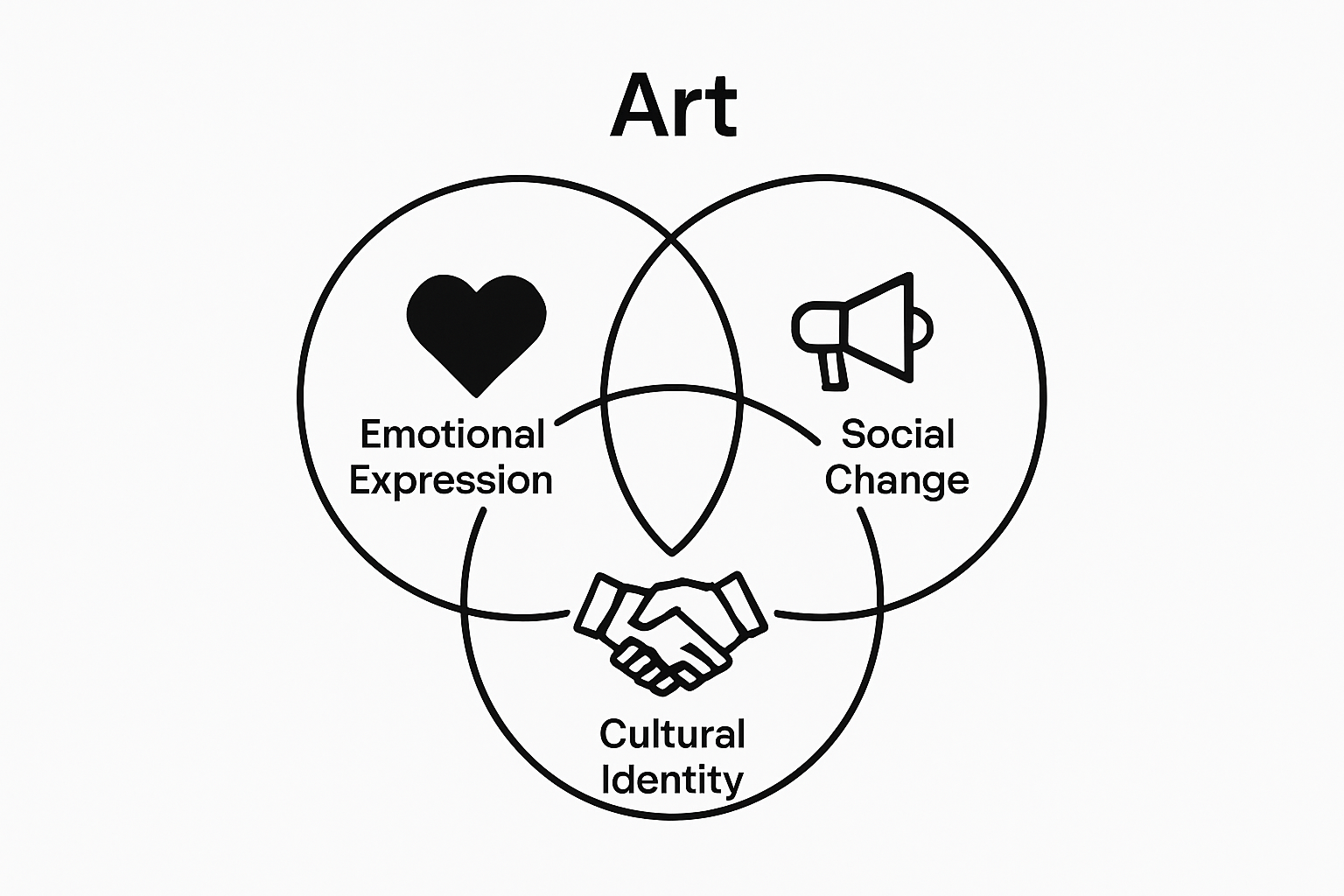
- Intentionality: A conscious effort to create something with specific communicative or aesthetic purposes
- Emotional Expression: Ability to evoke feelings and provoke intellectual or sensory responses
- Cultural Significance: Reflecting and challenging societal norms, beliefs, and collective experiences
Exploring Artistic Mediums
Artistic expression manifests through diverse mediums, each offering unique possibilities for creative communication. According to the South African Government’s cultural overview, visual arts encompass painting, sculpture, photography, performance art, digital art, and mixed media installations.
Each medium provides artists with distinctive tools to explore and represent human experiences.
The following table compares some of the main artistic mediums discussed, summarising their distinctive modes of creative expression and core features.
| Artistic Medium | Key Features | Distinctive Value |
|---|---|---|
| Painting | Manipulation of colour, form, and composition | Direct emotional impact through visual means |
| Sculpture | Three-dimensional exploration of space, shape, and texture | Tactile and spatial presence |
| Photography | Capturing reality or constructed images through camera technologies | Documentary or artistic realism |
| Digital Art | Use of digital tools and platforms for creation and manipulation | Contemporary innovation and flexibility |
| Performance Art | Live presentation, often involving the artist’s body and actions | Engages audiences in real time |
| Mixed Media | Combination of various materials and techniques in a single artwork | Enables layered narratives and experimentation |
| Painting, for instance, allows direct manipulation of color and form, while sculpture enables three-dimensional exploration of space and texture. Digital art represents contemporary artistic innovation, merging technology with traditional creative processes. |
Understanding art requires recognizing its multifaceted nature as a dynamic, evolving form of human communication that reflects individual and collective experiences, challenges perceptions, and invites continuous interpretation and dialogue.
The Importance of Art in Cultural Identity
Art in Society serves as a powerful mechanism for preserving, expressing, and transmitting cultural heritage, functioning as a dynamic narrative that connects generations and communicates complex social experiences. It represents more than aesthetic expression; art in society is a profound language of cultural memory and collective identity.
Art in Society: Preserving Cultural Narratives
Cultural identity emerges through artistic representation, allowing communities to document their histories, struggles, and aspirations. Explore African artistic heritage reveals how artistic expressions capture the nuanced experiences of different social groups, providing visual testimonies of cultural evolution.
Key aspects of art in cultural identity include:
To highlight how art acts within cultural identity, the following table presents the main roles art in society plays in shaping and maintaining collective narratives.
| Aspect | Description |
|---|---|
| Historical Documentation | Records key social transformations and significant historical events |
| Community Memory | Maintains and transmits traditional knowledge and group stories |
| Intergenerational Communication | Bridges generations by passing down values, beliefs, and experiences |
- Historical Documentation: Recording societal transformations and significant historical moments
- Community Memory: Maintaining collective narratives and traditional knowledge
- Intergenerational Communication: Transmitting cultural values and experiences across generations
Art in Society as a Social Commentary
According to the National Arts Council of South Africa, artistic expression functions as a critical tool for social dialogue and cultural understanding. Artists become cultural ambassadors, challenging existing narratives, exposing societal tensions, and reimagining collective identities.
Visual art, performance, and traditional crafts serve as powerful mediums through which marginalized voices can articulate their experiences, challenge dominant historical narratives, and create spaces for alternative perspectives. By representing diverse experiences, art becomes a transformative mechanism for social cohesion and mutual understanding.
Ultimately, art in society transcends mere aesthetic representation, emerging as a dynamic, living archive of cultural experiences that connects individual stories to broader collective narratives, fostering empathy, understanding, and social dialogue.
How Art Influences Social Change
Art in society functions as a transformative social instrument, capable of challenging existing power structures, amplifying marginalized voices, and inspiring collective action. It serves as a potent communication medium that transcends traditional barriers of language, education, and social status, enabling profound dialogues about societal inequalities and potential transformations.
Challenging Dominant Narratives
Explore contemporary South African artistic movements that demonstrate how artistic expression becomes a critical tool for social critique. Artists strategically use their work to deconstruct historical narratives, expose systemic injustices, and reimagine alternative social possibilities.
Key mechanisms through which art drives social change include:
This table simplifies the mechanisms through which art influences social change, detailing each form of influence and its impact on communities.
| Mechanism | Description |
|---|---|
| Visual Protest | Uses striking imagery to highlight and critique social injustices |
| Emotional Engagement | Fosters empathy and connection through storytelling and shared experiences |
| Public Discourse | Drives conversations on complex and difficult social issues |
- Visual Protest: Creating powerful imagery that highlights social injustices
- Emotional Engagement: Generating empathy through personal and collective storytelling
- Public Discourse: Stimulating conversations about complex social issues
Mechanisms of Artistic Activism
According to research exploring art and social movements, artistic activism operates through multiple strategic channels. Performance art, visual installations, and street art become critical platforms for challenging oppressive systems and promoting social consciousness.
Artistic interventions create spaces for marginalized communities to reclaim their narratives, transforming personal experiences into powerful collective statements. By making invisible struggles visible, artists generate emotional resonance that traditional political discourse often fails to achieve.
Ultimately, art represents more than aesthetic expression. It emerges as a dynamic social technology that can provoke reflection, challenge established power dynamics, and inspire collective imagination towards more equitable social futures.
The Economic Impact of Art in Society
Art functions as a potent economic catalyst, generating substantial value beyond aesthetic appreciation by creating employment opportunities, stimulating tourism, and driving local economic development. The creative industries represent a significant economic sector that contributes meaningfully to community prosperity and sustainable growth.
Art in Society as an Economic Engine
Explore art investment opportunities that reveal the multifaceted economic potential of artistic production. Artists, galleries, and cultural institutions generate economic activity through direct and indirect mechanisms, transforming creative expression into tangible economic value.
Key economic contributions of art include:
The table below outlines the key economic contributions of art as highlighted in the article, helping to visualise the multifaceted ways in which art drives economic development in communities.
| Economic Role | Description |
|---|---|
| Job Creation | Generates employment opportunities across sectors like production, marketing, curation, and education |
| Tourism Development | Boosts visitor numbers through exhibitions, festivals, and public art |
| Skills Development | Fosters training and entrepreneurship for sustainable livelihoods |
- Job Creation: Supporting employment across multiple sectors including production, curation, marketing, and education
- Tourism Development: Attracting visitors through cultural festivals, exhibitions, and public art installations
- Skills Development: Providing professional training and entrepreneurial opportunities
Measuring Artistic Economic Impact
According to the Department of Arts and Culture, cultural and creative industries contribute significantly to national economic output. Artistic activities generate revenue through multiple channels: direct sales, festival tourism, educational programs, and creative service industries.
Arts festivals serve as prime examples of economic multipliers. They stimulate local economies by increasing demand for hospitality services, retail, transportation, and temporary employment. These events not only generate immediate economic activity but also create long-term branding and economic opportunities for host communities.
Ultimately, art transcends aesthetic value, emerging as a strategic economic resource that can revitalize communities, generate sustainable income streams, and create pathways for economic empowerment and social mobility.
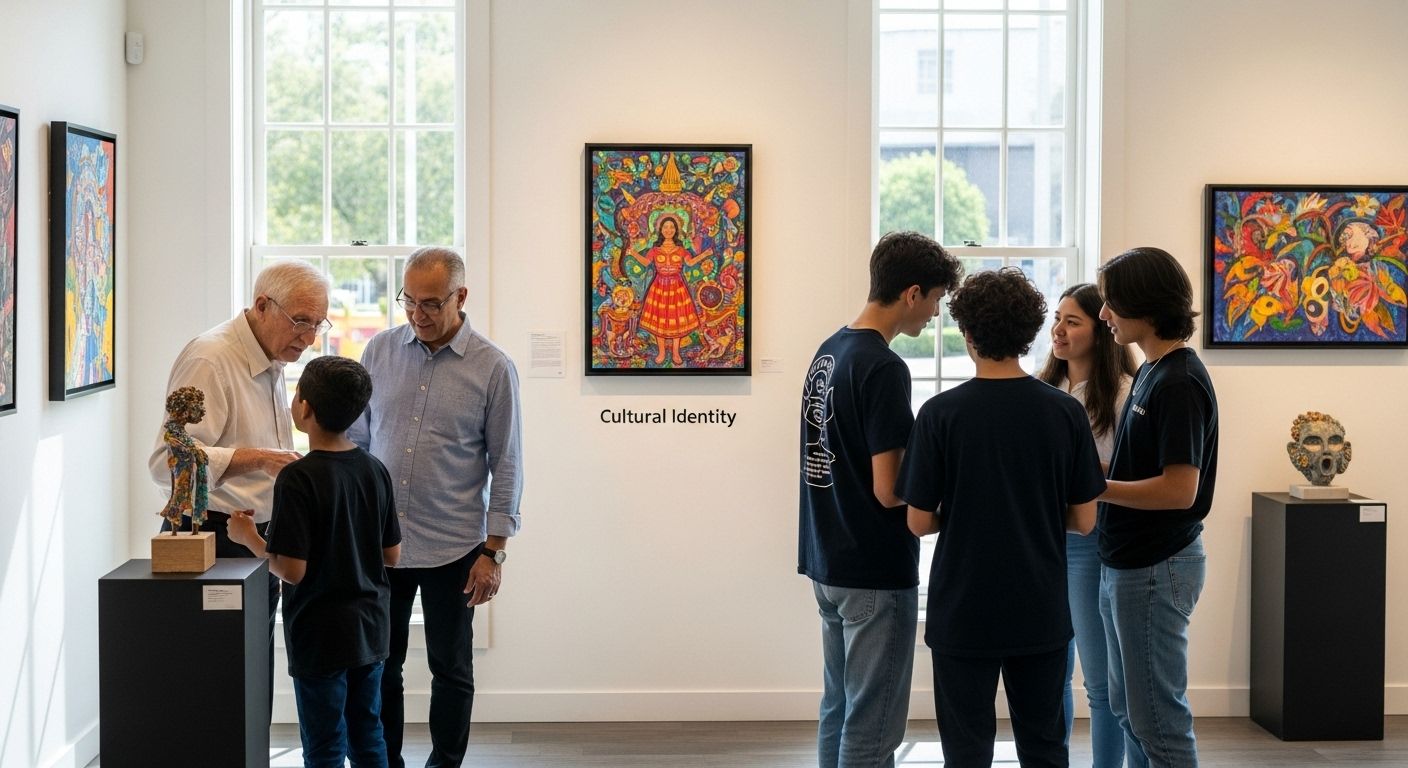
Art in Society: Art as a Reflection of Human Experience
Art functions as a profound mirror, capturing the intricate landscape of human emotions, struggles, aspirations, and collective consciousness. Beyond aesthetic representation, art serves as a complex communication system that translates individual and collective experiences into visual, auditory, and performative narratives that transcend linguistic and cultural boundaries.
Emotional Landscape of Artistic Expression
Explore the depths of South African creative expression that reveal how artists transform personal and societal experiences into powerful communicative forms. Artists become interpreters of human complexity, translating nuanced emotional states and social dynamics into compelling artistic statements.
Key dimensions of artistic reflection include:
- Personal Narrative: Translating individual lived experiences into universal emotional landscapes
- Social Commentary: Documenting historical moments and societal transformations
- Psychological Exploration: Revealing inner emotional and psychological states
Art as Psychological and Social Documentation
According to research on art and activism, artistic expressions function as critical historical documents. Paintings, sculptures, and performance art become powerful mediums through which complex human experiences are recorded, interpreted, and remembered.
Artistic representations capture emotional textures that traditional historical documentation often fails to convey. They provide intimate insights into human resilience, vulnerability, joy, and suffering, offering viewers profound opportunities for empathy and understanding.
Ultimately, art transcends mere representation, emerging as a dynamic language that communicates the most intricate and profound aspects of human experience across temporal and cultural boundaries.
Discover Art That Shapes South African Society
Are you inspired by how art preserves culture, stimulates conversation and unites communities, just as explored in “Understanding the Role of Art in Society”? Many South Africans feel the challenge of making authentic cultural connections or finding artwork that truly represents our shared experiences and unique stories. Art Online directly addresses this need by giving you access to powerful visual testimonies from top local artists, reflecting the emotional depth and cultural identity highlighted in the article. Browse our collection and see first-hand how creativity can capture the moments and emotions that move us all.

Visit Art Online’s gallery today to explore or invest in artworks that capture South Africa’s essence. Take action now to support our artists and bring meaningful creativity into your own space. Each piece is a catalyst for dialogue and connection. Ready to experience the power of art within your community? Start your journey on Art Online and be part of South Africa’s living story.
Frequently Asked Questions
What is the role of art in cultural identity?
Art serves as a powerful mechanism for preserving and expressing cultural heritage, allowing communities to document their histories, struggles, and aspirations. It connects generations and acts as a dynamic narrative that communicates complex social experiences.
How does art contribute to social change?
Art acts as a transformative social instrument that challenges existing power structures and amplifies marginalized voices. It creates dialogues about societal inequalities and inspires collective action through various forms of expression.
In what ways does art impact the economy?
Art functions as an economic catalyst by creating employment opportunities, stimulating tourism, and driving local economic development. The creative industries play a significant role in community prosperity and sustainable growth.
How does artistic expression capture human experiences?
Art reflects human emotions, struggles, and aspirations, translating individual and collective experiences into visual, auditory, and performative narratives. It serves as a complex communication system that conveys the intricate landscape of human experience across cultural boundaries.