Understanding Art Fairs in South Africa
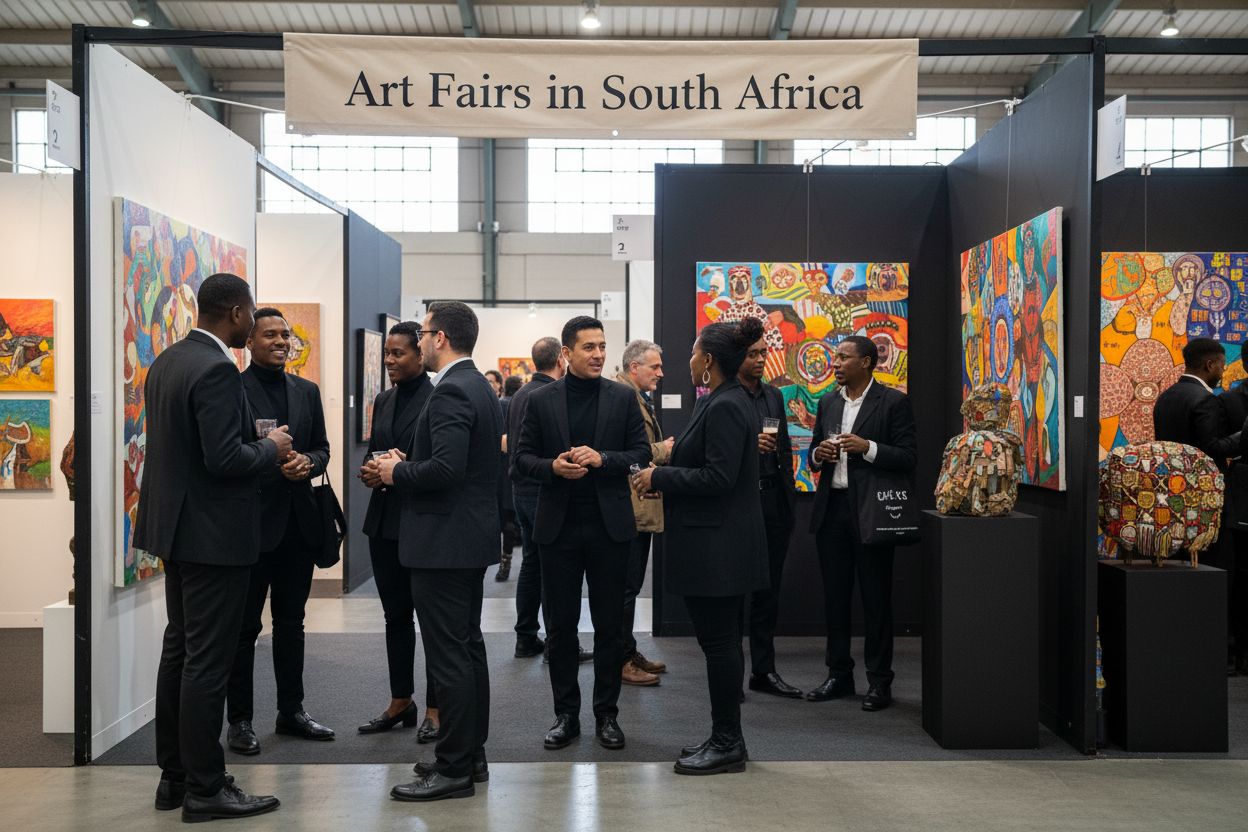
Art fairs are popping up everywhere in South Africa, turning once quiet venues into spaces buzzing with creativity and connection. You might think it’s all about selling paintings or sculptures, but something much bigger is happening. These events now power a multi-million rand boost for local tourism and creative industries each year, making them vital engines for cultural and economic growth.
Table of Contents
- What Are Art Fairs And Their Purpose?
- The Importance Of Art Fairs In The South African Art Scene
- How Art Fairs Facilitate Connections Between Artists And Collectors
- Key Elements Of Successful Art Fairs
- Trends And Future Directions Of Art Fairs In South Africa
Quick Summary
| Takeaway | Explanation |
|---|---|
| Art fairs connect artists with collectors. | These events facilitate direct interactions, enhancing understanding between creators and potential buyers. |
| They promote economic empowerment for artists. | Art fairs create channels for sales, helping artists access broader markets and financial opportunities. |
| Networking is a key benefit of art fairs. | Artists, curators, and critics can engage, leading to collaborations and valuable professional relationships. |
| Cultural representation is vital at art fairs. | South African art fairs amplify diverse artistic voices and challenge historical narratives on a global scale. |
| Digital transformation reshapes art fair experiences. | Hybrid models and online platforms enhance accessibility and reach, broadening participation opportunities for international audiences. |
What are Art Fairs and Their Purpose?
Art fairs in South Africa represent dynamic platforms where galleries, artists, collectors, and art enthusiasts converge to showcase, discover, and trade contemporary artworks. These curated events serve as critical junctures in the art ecosystem, facilitating meaningful interactions and economic exchanges within the visual arts landscape.
Understanding Art Fair Fundamentals
At their core, art fairs are temporary exhibitions that bring together multiple galleries to present a concentrated selection of contemporary art.
To clarify the fundamental attributes that define South African art fairs, the table below summarizes their key characteristics for quick reference.
| Characteristic | Description |
|---|---|
| Duration | Typically span 3-5 days, creating an intense, focused environment |
| Scope | Feature artworks from multiple galleries, providing a broad overview of contemporary art |
| Networking | Enable direct contact between artists, collectors, curators, and critics |
| Sales Platform | Offer structured environments for direct artwork sales and acquisitions |
| Visibility | Provide exposure for emerging artists and local talent on national and international levels |
| Educational Opportunities | Include talks, workshops, and tours to deepen understanding of artistic practices |
| Economic Impact | Generate direct and indirect revenue through sales, tourism, and related cultural activities |
Key characteristics of art fairs include:
- Concentrated presentation of artworks from multiple galleries
- Limited duration events (typically spanning 3-5 days)
- Professional networking opportunities
- Direct sales platforms for galleries and artists
Economic and Cultural Significance
Art fairs transcend mere commercial transactions. They function as critical platforms for cultural dialogue, providing visibility for emerging artists and facilitating international exposure for South African creative talent. By creating structured environments for art appreciation and acquisition, these events play a crucial role in developing the national art ecosystem.
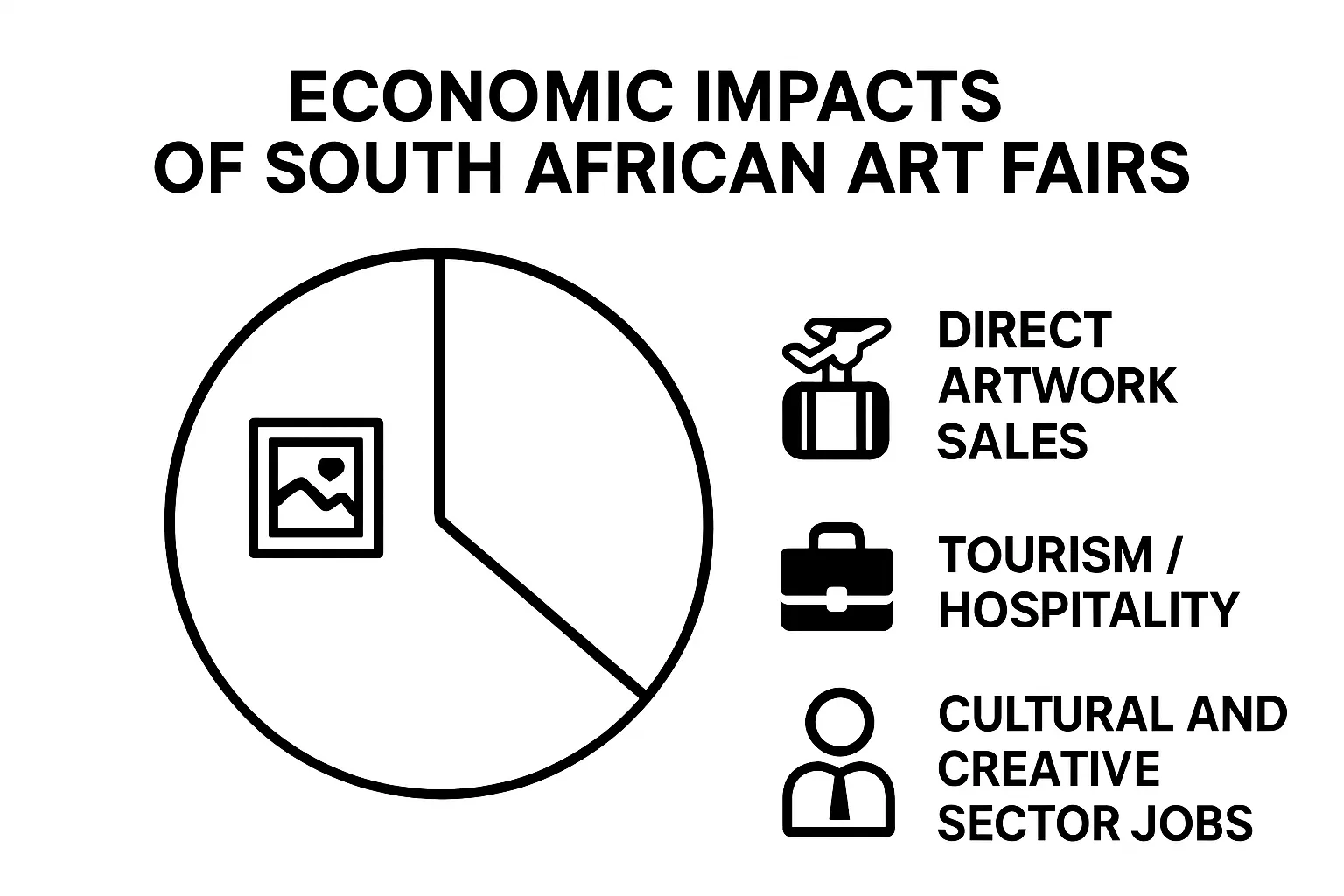
The economic impact of art fairs extends beyond immediate artwork sales. They generate substantial indirect revenues through tourism, hospitality, and cultural engagement.
To help you understand how art fairs catalyse both cultural and economic transformation, the following table contrasts these two essential dimensions of their impact.
| Dimension | Examples of Impact |
|---|---|
| Cultural | – Amplifies diverse artistic voices |
- Challenges historical narratives
- Offers global exposure to South African talent
- Stimulates dialogue about identity and society |
| Economic | – Facilitates direct artwork sales - Brings indirect revenue via tourism and hospitality
- Generates jobs in event management, logistics, and curation |
 Galleries invest significant resources in booth presentations, while collectors and art enthusiasts travel from various regions to participate in these vibrant cultural events.
Networking and Professional Development
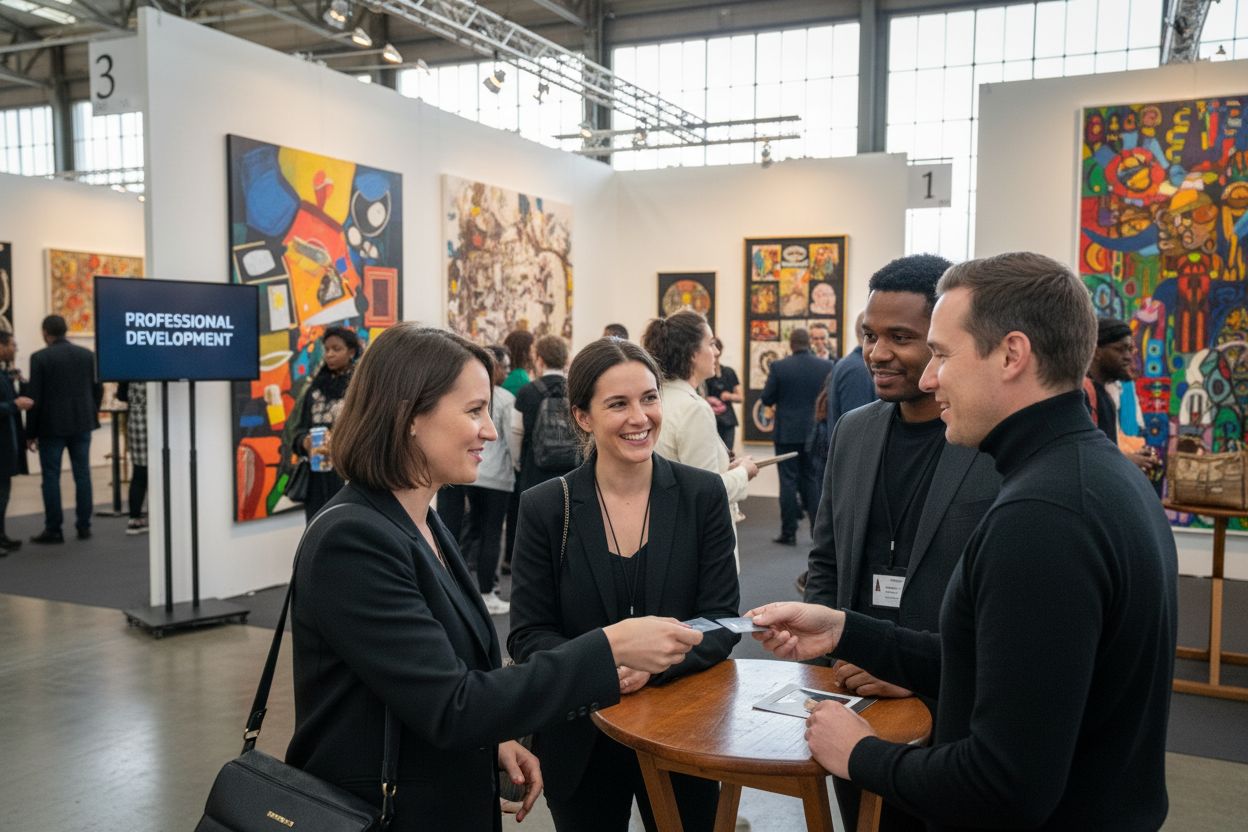
Beyond commercial objectives, art fairs serve as vital knowledge exchange platforms. South African Visual Arts Network highlights that these events provide unprecedented opportunities for artists, curators, collectors, and critics to interact, share perspectives, and develop professional relationships that can shape future artistic collaborations and career trajectories.
For emerging artists, art fairs represent potential breakthrough moments where their works can be discovered by influential collectors, international galleries, and cultural institutions. The concentrated exposure creates possibilities that might take years to achieve through traditional gallery representations.
The Importance of Art Fairs in the South African Art Scene
Art fairs represent transformative platforms that go far beyond simple commercial transactions. In South Africa, these events have become crucial mechanisms for cultural representation, economic development, and artistic visibility. They create intricate networks that connect local artists with international audiences, challenging traditional art market dynamics and fostering meaningful cultural exchanges.
Cultural Representation and Global Recognition
South African art fairs serve as powerful vehicles for national cultural storytelling. By providing platforms where diverse artistic voices can be heard, these events challenge historical narratives and present contemporary perspectives on identity, social dynamics, and creative expression. African Art Market Research Institute indicates that art fairs have become instrumental in repositioning South African art on the global stage, moving beyond stereotypical representations.
Key aspects of cultural representation include:
- Showcasing diverse artistic perspectives
- Challenging historical artistic narratives
- Providing international visibility for emerging artists
- Creating dialogues about social and cultural experiences
Economic Empowerment of Artists
Beyond cultural significance, art fairs generate substantial economic opportunities for artists and creative professionals. These events create direct sales channels, enabling artists to connect with collectors, galleries, and potential investors. The economic ecosystem surrounding art fairs generates revenue not just through artwork sales, but also through related services such as event management, logistics, and cultural tourism.
Supporting Local Creative Economies
By facilitating direct interactions between artists and potential buyers, art fairs help democratize art acquisition. They break down traditional barriers that historically limited artists’ access to broader markets, particularly for those from historically marginalized communities. Read more about South African artistic creativity and how these platforms transform creative landscapes.
Professional Development and Networking
Art fairs function as dynamic educational spaces where artists can learn, grow, and expand their professional networks. Young and emerging artists gain unprecedented exposure, receiving critiques, building relationships, and understanding market dynamics through direct interactions with established professionals.
These events are not just marketplace transactions but intellectual and creative exchanges that contribute to the ongoing evolution of South Africa’s artistic ecosystem. By creating environments that encourage dialogue, critique, and collaboration, art fairs play a critical role in nurturing the country’s creative talent and positioning South African art within global conversations.
How Art Fairs Facilitate Connections Between Artists and Collectors
Art fairs serve as sophisticated ecosystems that bridge the complex gap between artistic creation and art acquisition. These dynamic platforms transform traditional art market interactions, enabling direct, meaningful connections between artists and collectors through structured yet intimate engagement environments.
Creating Direct Interaction Pathways
Unlike traditional galleries, art fairs provide unprecedented opportunities for immediate, face-to-face interactions. Artists can present their work directly to potential collectors, explaining conceptual motivations, techniques, and personal narratives that breathe life into their artistic expressions. Conversation on African Art Markets highlights that these interactions go beyond transactional exchanges, fostering deeper understanding and appreciation.
Key interaction benefits include:
- Immediate feedback mechanisms
- Personal storytelling opportunities
- Breaking down formal art market barriers
- Creating authentic collector-artist relationships
Demystifying Art Acquisition Processes
Art fairs democratize art collecting by removing intimidating barriers that traditionally prevented emerging collectors from engaging with contemporary art. By creating accessible, curated environments, these events educate potential buyers about artistic value, market dynamics, and collection strategies. Learn more about collecting original South African art and understand the nuanced world of art investment.
Collector Education and Empowerment
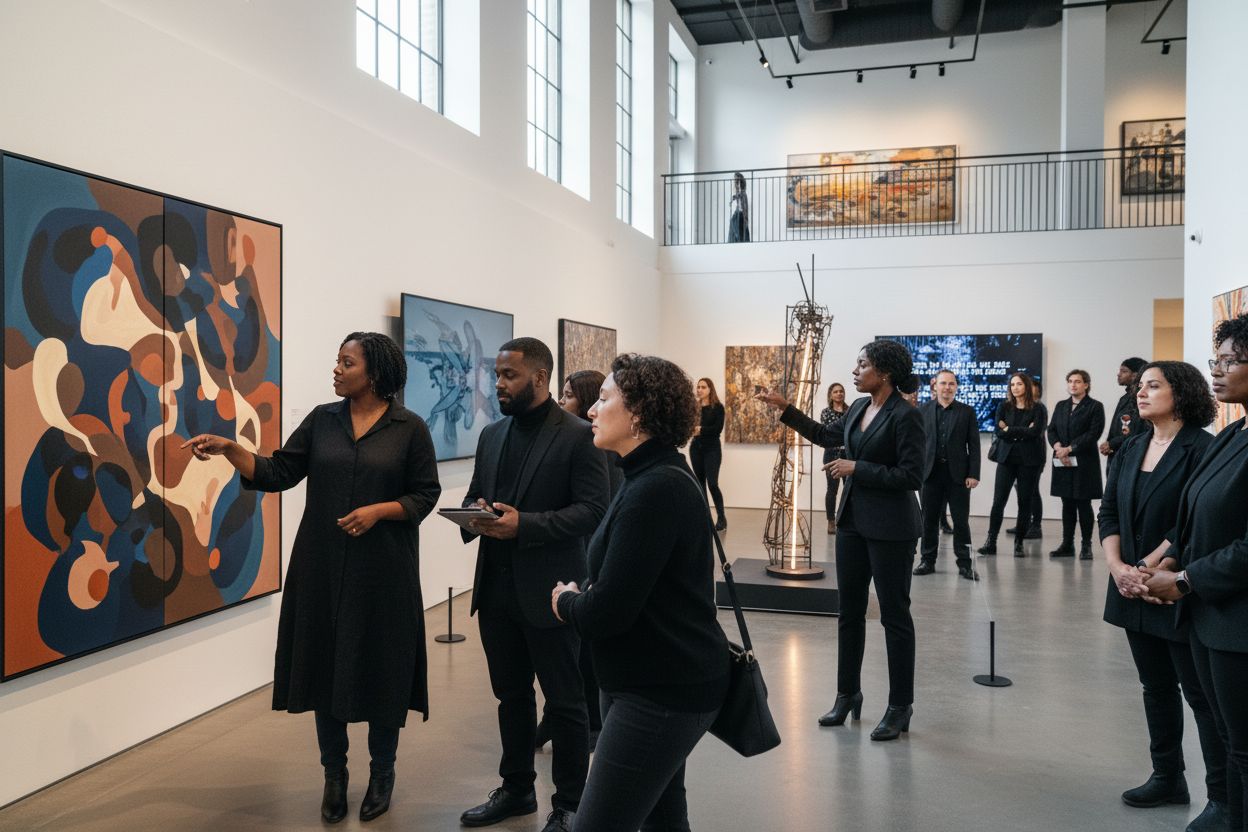
These platforms offer workshops, curator talks, and guided tours that help collectors develop sophisticated understanding. Young and emerging collectors can learn directly from established professionals, gaining insights into artistic trends, valuation methods, and cultural significance of contemporary artworks.
Building Trust and Credibility
Art fairs function as crucial trust-building mechanisms within the art ecosystem. By providing structured, professional environments where artists can showcase their work alongside established galleries, these events validate artistic practices and create credible platforms for emerging talents.
For collectors, art fairs represent opportunities to discover unique artworks, understand artistic narratives, and make informed acquisition decisions. The concentrated nature of these events allows for comprehensive exploration of diverse artistic expressions, enabling collectors to develop nuanced perspectives on contemporary South African art.
Key Elements of Successful Art Fairs
Successful art fairs represent complex orchestrations that require strategic planning, meticulous curation, and sophisticated understanding of both artistic and commercial landscapes. These events are not merely exhibitions but sophisticated platforms that demand intricate coordination across multiple dimensions.
Strategic Curation and Gallery Selection
The foundation of a successful art fair lies in its curatorial approach. Organizers must carefully select galleries and artists that represent diverse artistic perspectives, ensuring a balanced and compelling exhibition. Contemporary Art Fair Research emphasizes that successful fairs create narratives that go beyond individual artworks, presenting cohesive artistic dialogues.
Key curatorial considerations include:
- Representing diverse artistic styles and mediums
- Balancing established and emerging artists
- Creating thematic coherence
- Ensuring artistic quality and innovation
Logistical Excellence and Infrastructure
Behind the artistic presentation, successful art fairs require robust logistical infrastructure. This involves complex planning around venue selection, booth design, artwork transportation, security, and technological integration. Explore the world of South African artists to understand the intricate ecosystem supporting these events.
Professional event management becomes critical in creating seamless experiences for galleries, artists, and collectors. This includes managing spatial arrangements, ensuring optimal lighting, providing technical support, and creating comfortable navigation paths within the fair.
Marketing and Audience Engagement
Effective marketing transforms art fairs from exclusive events into accessible cultural experiences. Successful fairs develop comprehensive communication strategies that attract diverse audiences beyond traditional art collectors. This involves leveraging digital platforms, creating engaging promotional content, and developing educational programs that demystify art acquisition.
Additionally, these events must cultivate an ecosystem of talks, workshops, and interactive sessions that provide deeper context to the artworks. By creating multi-dimensional experiences, art fairs become more than commercial platforms they emerge as crucial cultural institutions that facilitate artistic dialogue and understanding.
Trends and Future Directions of Art Fairs in South Africa
The landscape of art fairs in South Africa is rapidly evolving, driven by technological innovations, shifting cultural dynamics, and a growing global interest in African contemporary art. These transformative changes are reshaping how artists, collectors, and audiences engage with artistic expressions and cultural narratives.
Digital Transformation and Virtual Experiences
The COVID-19 pandemic accelerated digital integration within art fair ecosystems, compelling organizers to reimagine traditional exhibition models. Hybrid and virtual platforms are emerging as powerful alternatives, enabling broader international reach and accessibility. African Art Market Research suggests that digital platforms are no longer supplementary but integral components of contemporary art fair strategies.
Key digital transformation trends include:
- Immersive virtual exhibition spaces
- Online viewing rooms
- Real-time digital artist interactions
- Global audience engagement mechanisms
Decolonizing Artistic Representation
South African art fairs are increasingly focused on decolonizing artistic narratives and amplifying historically marginalized voices. This involves deliberately curating exhibitions that challenge Eurocentric art paradigms, showcase indigenous artistic practices, and provide platforms for emerging Black, Coloured, and Indigenous artists. Explore the latest in South African artistic perspectives and understand the evolving cultural landscape.
This trend represents more than a curatorial approach it signifies a profound cultural reclamation, where art fairs become spaces of resistance, healing, and transformative storytelling.
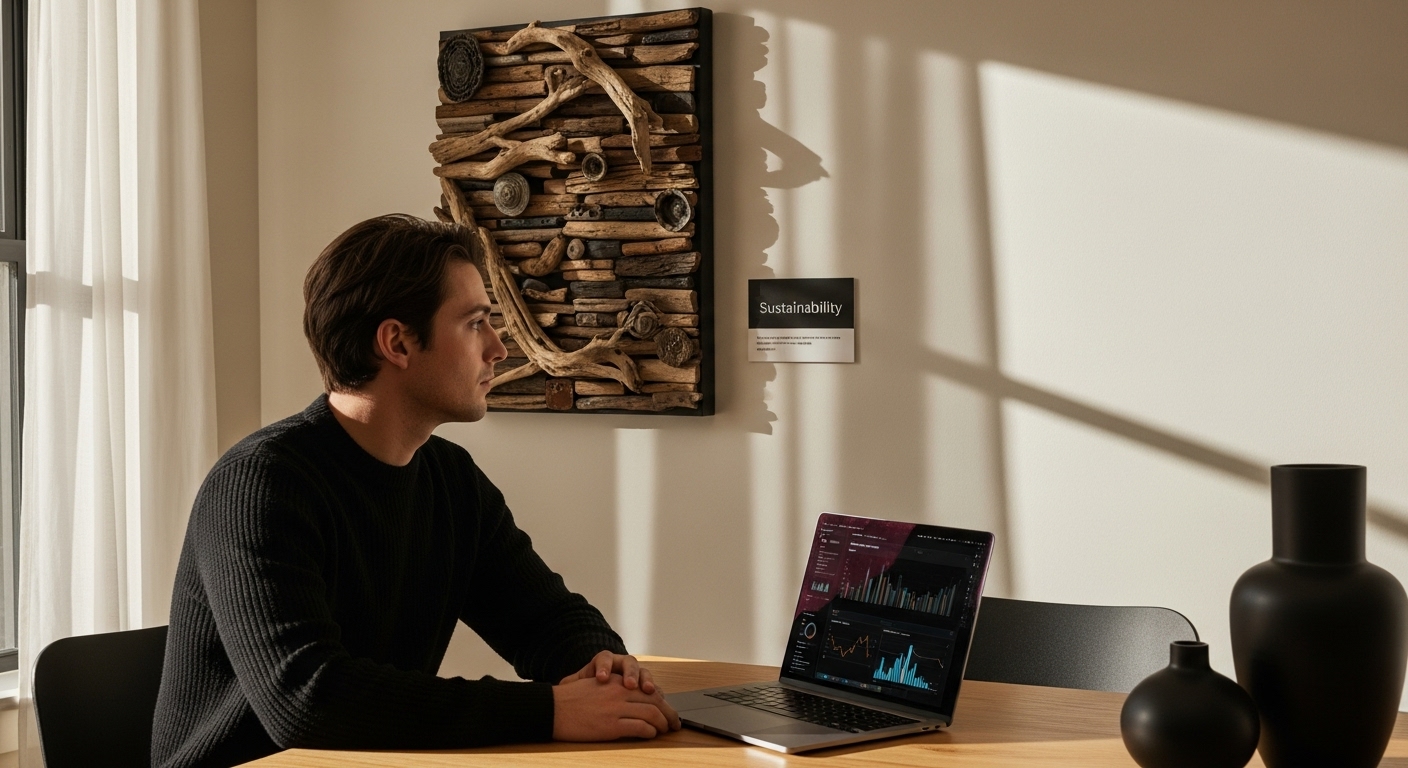
Sustainability and Ethical Practices
Contemporary art fairs are developing robust frameworks that prioritize sustainability, ethical representation, and social responsibility. This includes implementing environmentally conscious exhibition practices, ensuring fair compensation for artists, and creating inclusive spaces that challenge historical power dynamics within the art world.
Artists and organizers are recognizing that art fairs can be powerful platforms for social change, using their visibility to address critical societal issues. By integrating conversations about environmental justice, social equity, and cultural preservation, these events are transforming from mere commercial platforms into dynamic cultural institutions that reflect and shape contemporary social discourse.
Ready to Discover and Collect South African Art Beyond the Fair?
You have seen how art fairs in South Africa connect creators and collectors, promote artistic diversity, and ignite cultural conversations. But what happens when the fair doors close and the final pieces are sold? Many art lovers struggle to find original works or connect with emerging talent outside these events. Maybe you feel inspired by the stories and energy of art fairs, yet wonder how to explore more artists, support their journeys, or grow your own collection all year round. At Art Online, you will find South Africa’s largest online art gallery, offering curated access to renowned artists and new voices alike. This is where the spirit of the art fair lives on, every day, beyond any single event.

Transform your inspiration from learning about South African artistic creativity into a real collection. See how easily you can browse, discover, and buy original South African art from the comfort of your home. Visit Art Online now and experience the rich world of contemporary local art at your fingertips. The opportunity to support artists directly and be part of South Africa’s vibrant art community is waiting for you.
Frequently Asked Questions
What are art fairs, and what is their purpose?
Art fairs are temporary exhibitions that showcase contemporary artworks from multiple galleries. They serve as platforms for artists, collectors, and art enthusiasts to connect, facilitating meaningful interactions and economic exchanges within the art ecosystem.
How do art fairs impact the economy and culture?
Art fairs contribute to both economic development and cultural dialogue by providing visibility for emerging artists and generating indirect revenues through tourism and related services. They help position local artists within global art circuits and promote diverse cultural narratives.
What opportunities do art fairs provide for emerging artists?
Art fairs offer emerging artists crucial exposure, connecting them with influential collectors, galleries, and cultural institutions. These events facilitate networking opportunities, feedback mechanisms, and awareness of market dynamics that can help shape their artistic careers.
How do art fairs facilitate connections between artists and collectors?
Art fairs create direct interaction pathways, allowing artists to present their work and stories to potential collectors. This engagement demystifies the art acquisition process, fosters authenticity in relationships, and educates emerging collectors about contemporary art.





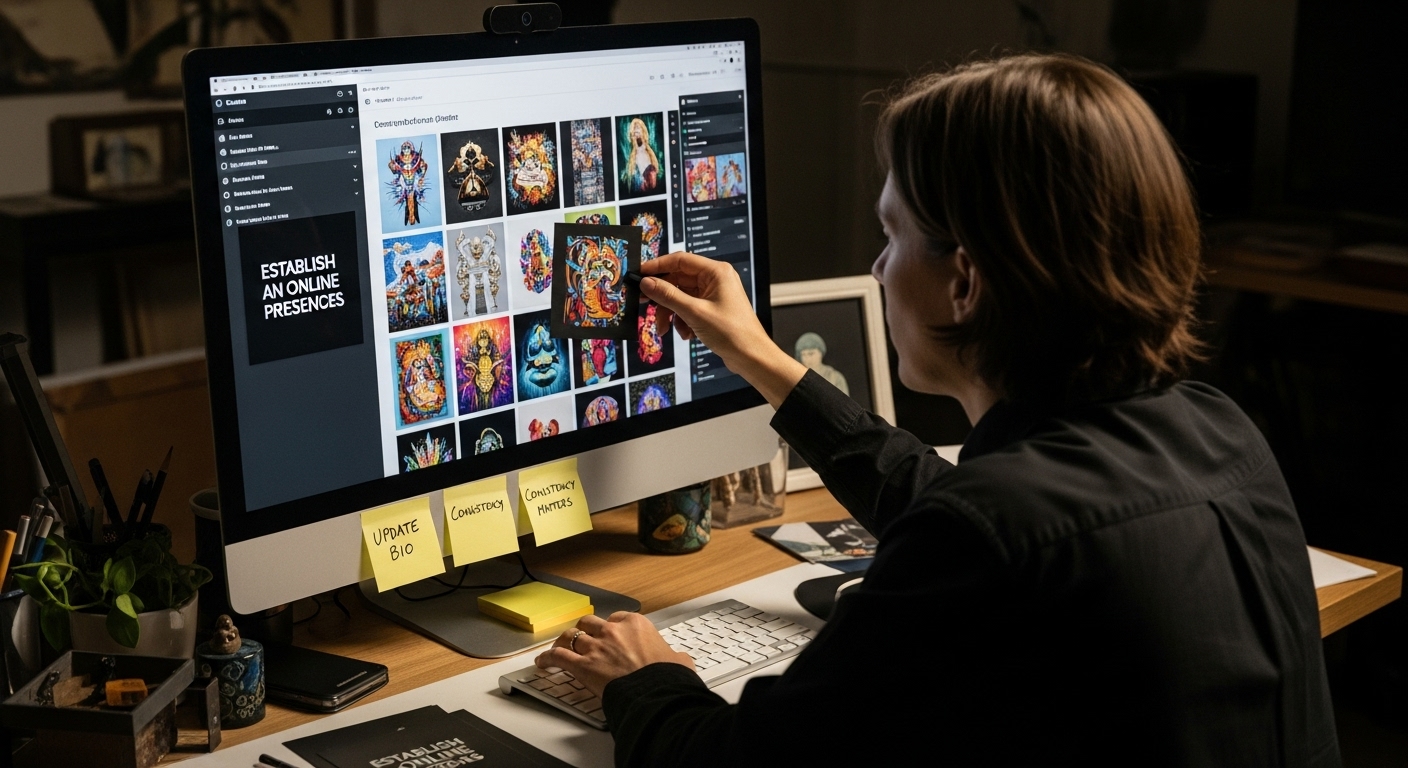
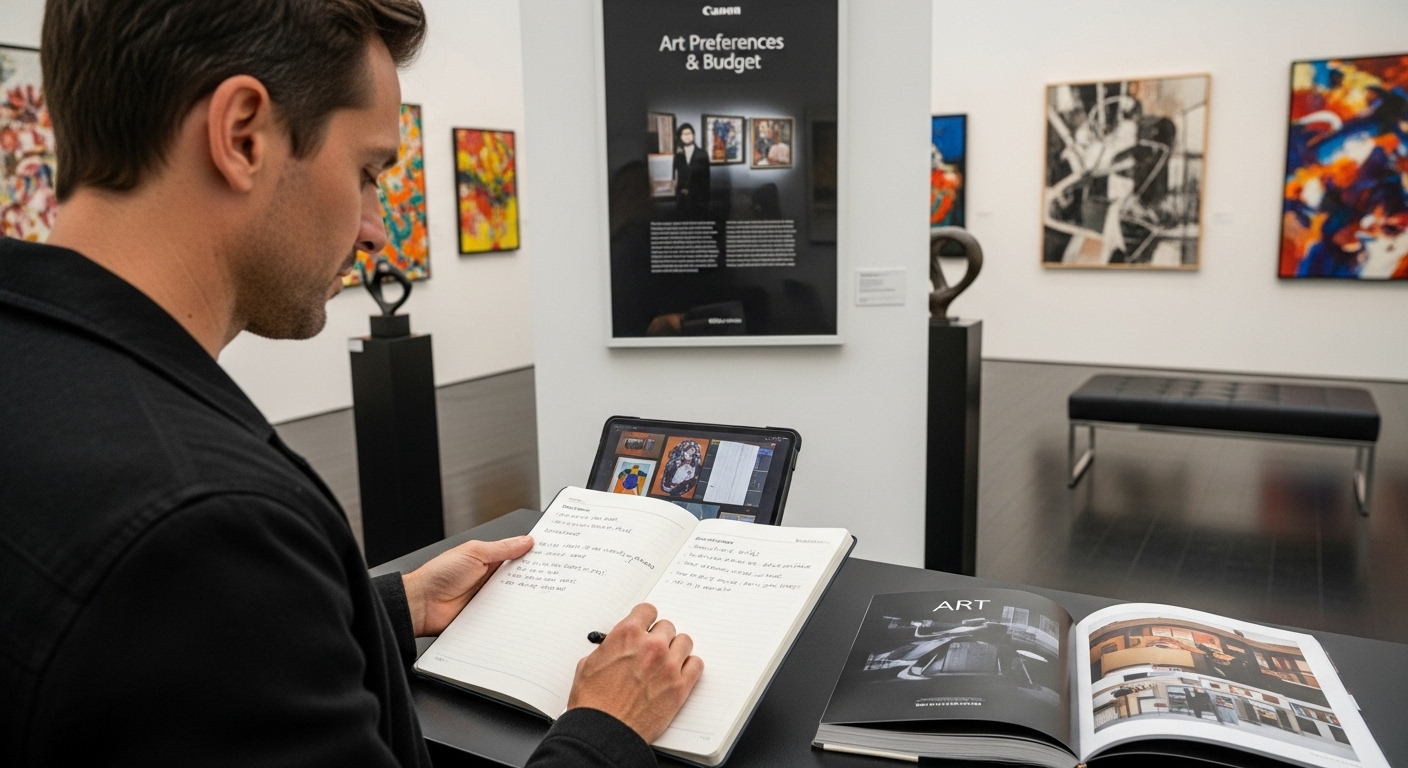
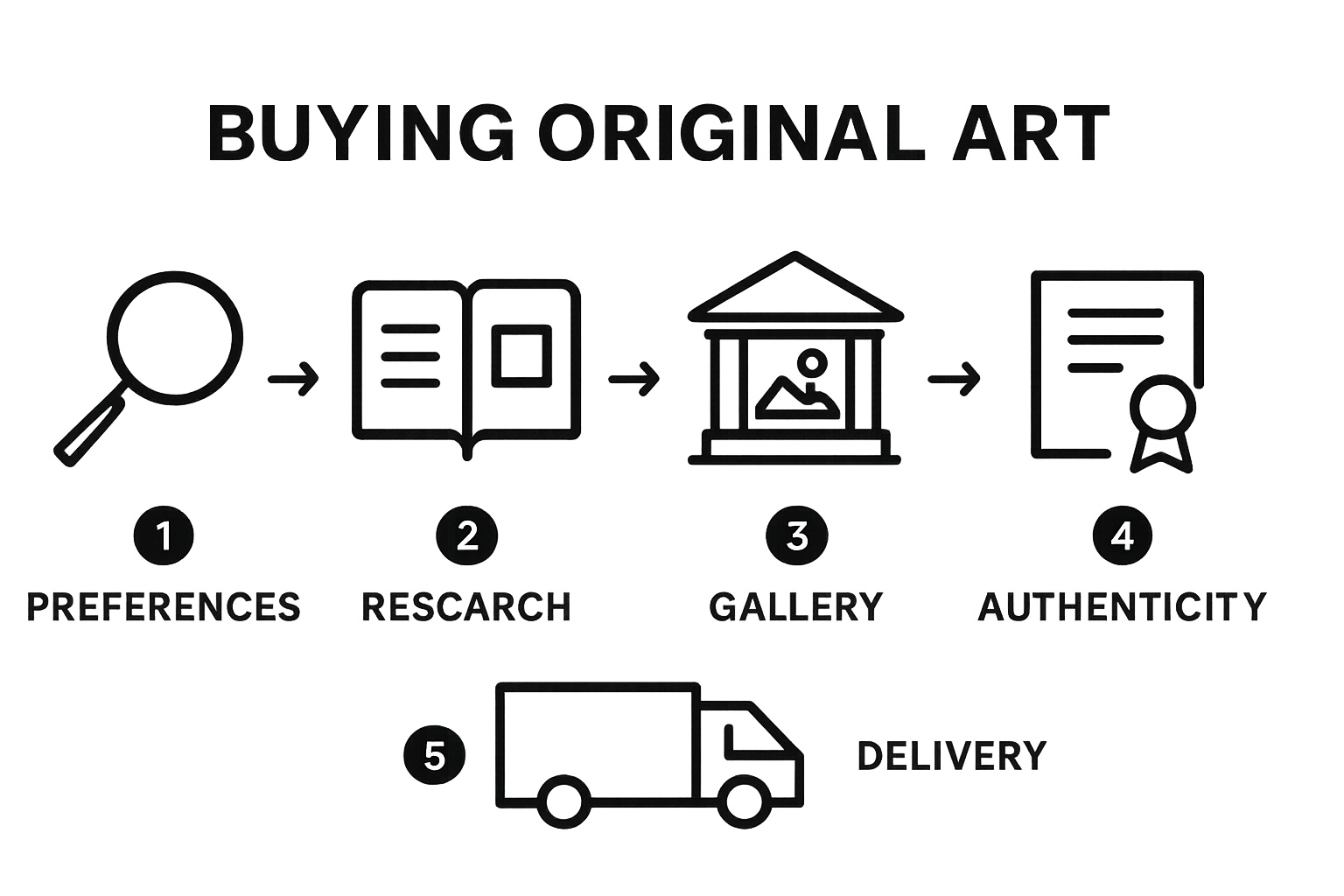 This comprehensive approach transforms art collecting from a simple transaction into a carefully curated cultural investment.
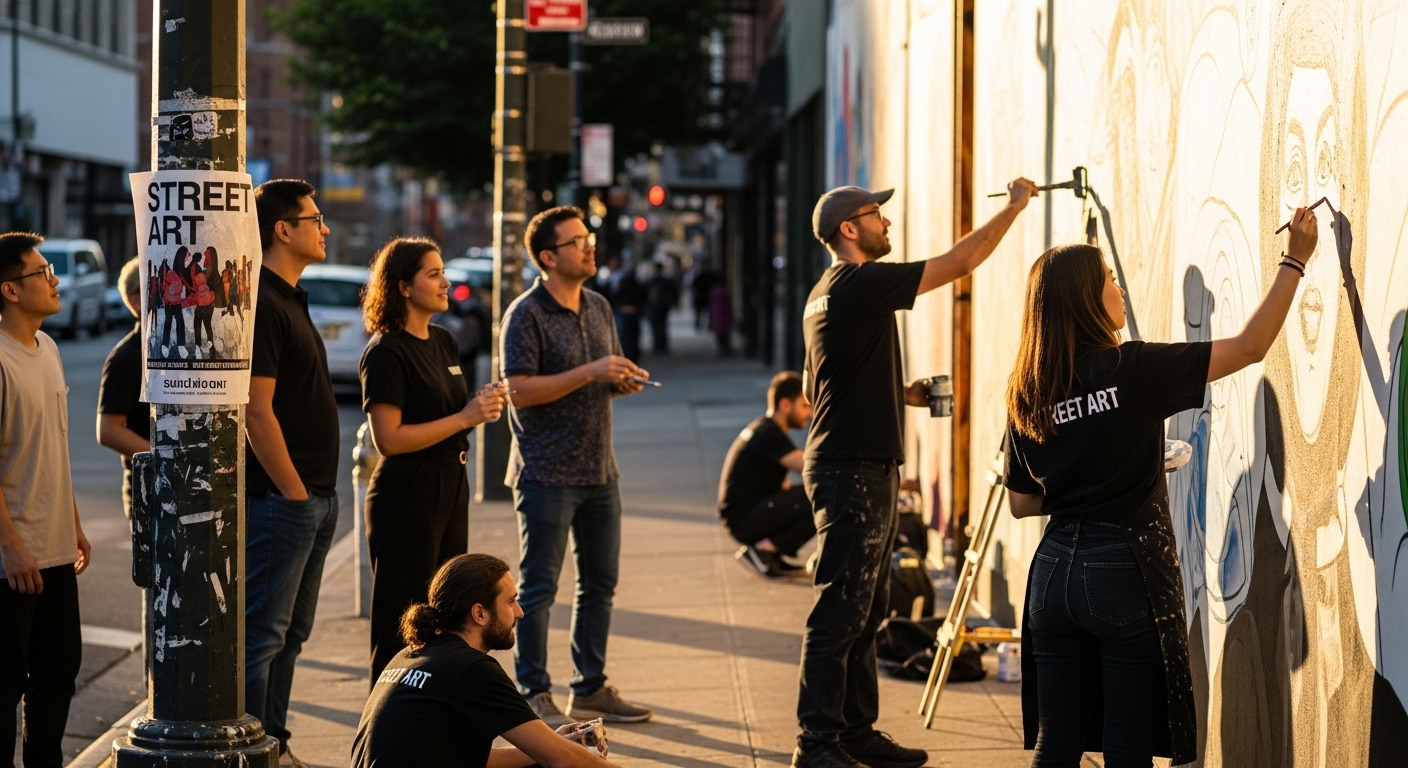
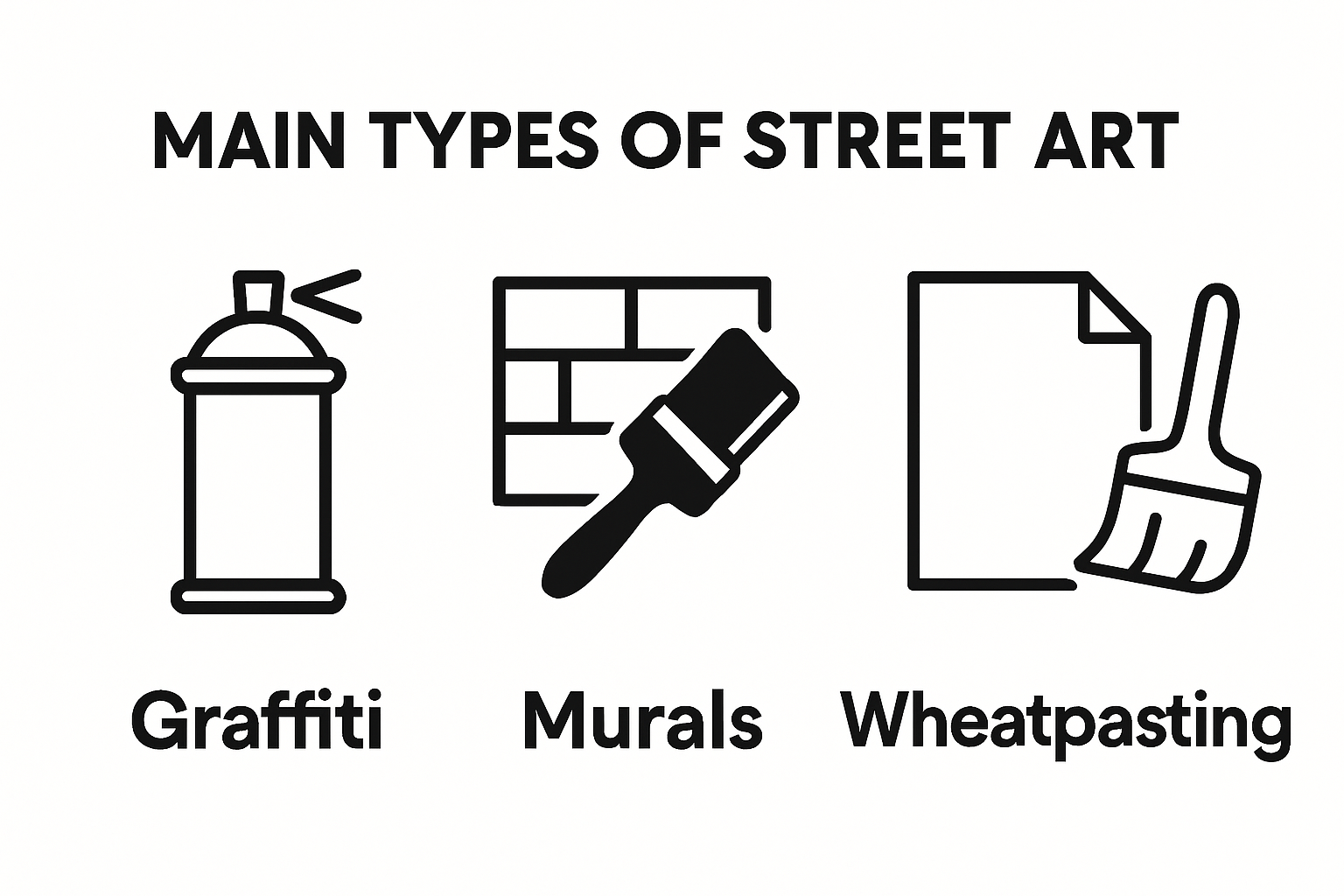
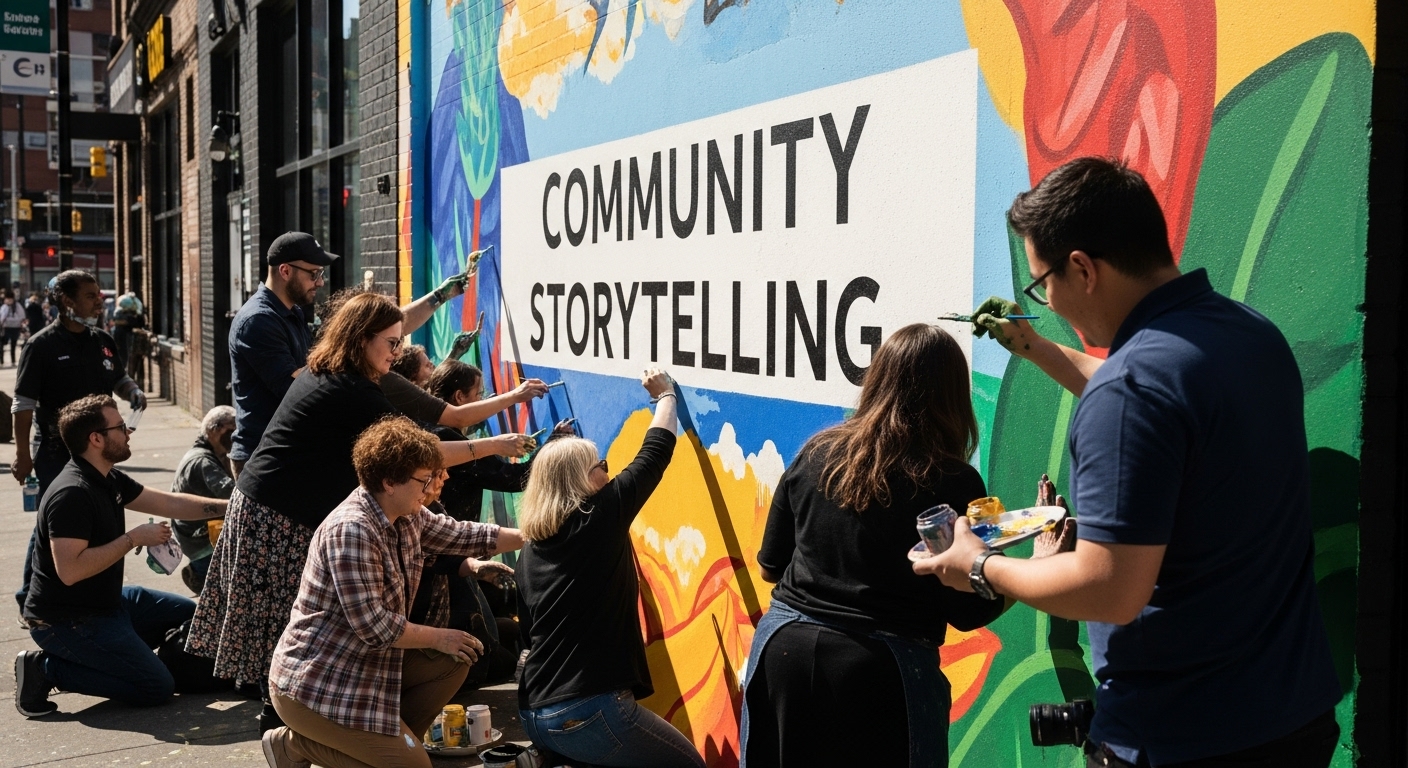 These artistic interventions transform urban landscapes into living, breathing archives of collective memory and social transformation.