
7 Essential Tips for Choosing Statement Art Pieces
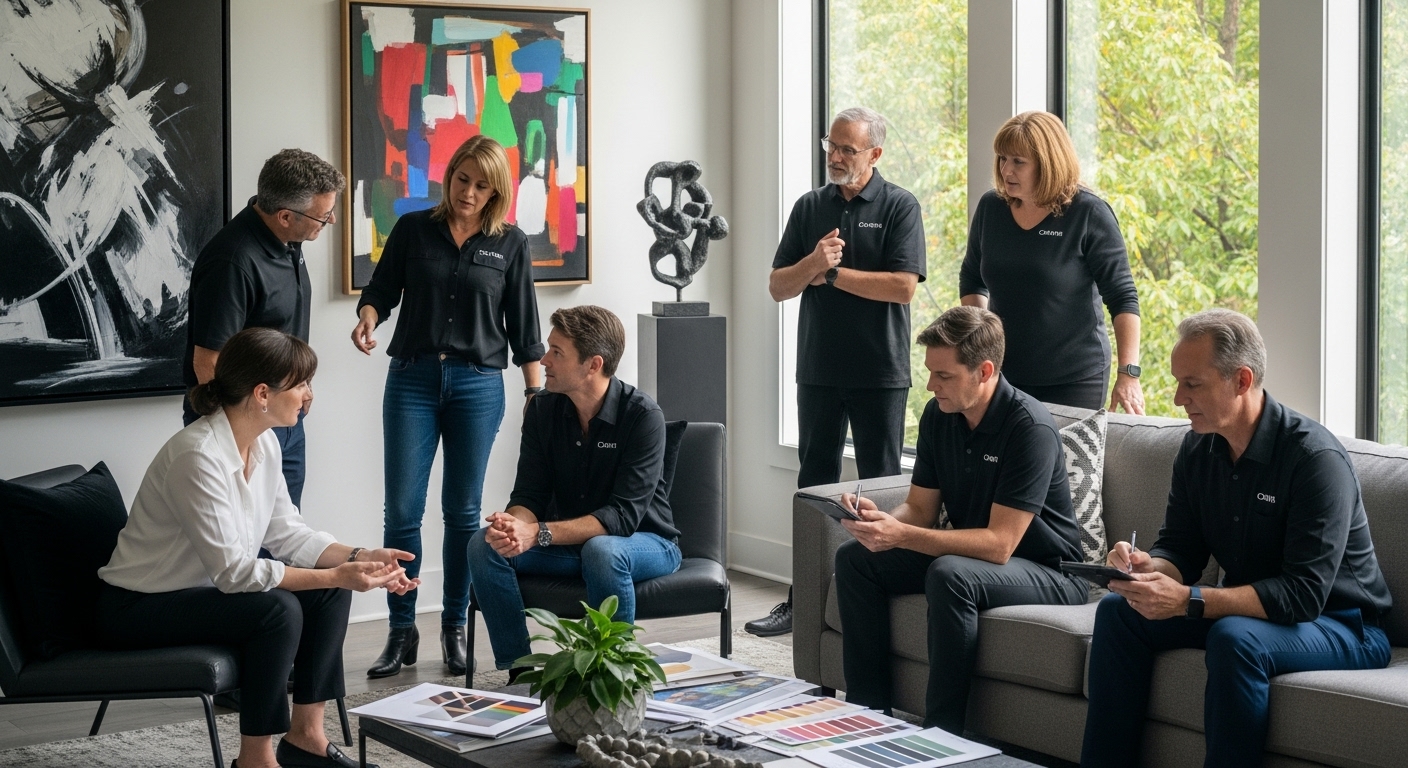
Choosing statement art pieces can completely change the energy of a room. These works are selected not just for looks, but for their power to speak and spark conversations. Here’s something unexpected. Statement art pieces are intentionally picked to provoke thought and reflect a space’s unique personality, making them more than just wall fillers. So while they catch your eye first, it’s the story and emotion behind them that leave the real mark.
Table of Contents
- Understand The Concept Of Statement Art Pieces
- Identify Your Space’s Personality And Needs
- Consider Size And Scale For Impact
- Choose The Right Color Palette To Complement
- Explore Different Styles And Mediums Of Art
- Think About The Message You Want To Convey
- Invest In Quality And Authenticity For Lasting Value
Quick Summary
| Takeaway | Explanation |
|---|---|
| Choose art that reflects personal style | Select statement pieces that communicate your individual aesthetic and emotional connection. |
| Assess space characteristics before selection | Consider architectural style, colors, and lighting to ensure art complements the environment. |
| Evaluate size and scale for visual impact | Ensure the artwork is proportionate to its surroundings to create a cohesive look. |
| Select colours that evoke desired emotions | Use colour theory to guide choices that enhance the space’s atmosphere and feel. |
| Invest in quality and authenticity | Focus on artworks from reputable artists to maintain value and cultural significance over time. |
1: Understand the Concept of Statement Art Pieces
Statement art pieces are transformative visual works designed to create significant visual impact within an interior space. These artworks go beyond mere decoration, serving as powerful focal points that communicate personal style, emotion, and aesthetic sensibility. Statement art pieces are intentionally selected to provoke conversation, challenge perceptions, and reflect the unique personality of a space.
When selecting statement art pieces, consider several key characteristics that distinguish them from ordinary artwork:
-
Bold visual presence that commands attention and draws the eye
-
Unique composition or unconventional design that breaks traditional aesthetic boundaries
-
Emotional resonance that connects deeply with the viewer’s personal experience
According to research from the South African Visual Arts Sector, art selection is not merely about aesthetic appeal but also about cultural representation and personal narrative. A truly exceptional statement piece transcends its physical form to become a storytelling medium.
Successful statement art acquisition requires understanding your personal aesthetic, spatial dynamics, and the emotional narrative you wish to create. Whether you are drawn to vibrant contemporary abstracts, intricate traditional works, or minimalist sculptures, the key is selecting pieces that resonate authentically with your environment and inner sensibility.
For collectors and interior designers seeking to explore exceptional art collection strategies, understanding the nuanced world of statement art pieces is fundamental. These artworks are not just decorative elements but powerful expressions of individual creativity and cultural dialogue.
2: Identify Your Space’s Personality and Needs
Selecting statement art pieces requires a deep understanding of your space’s unique personality and functional requirements. Each environment possesses its own character, rhythm, and emotional landscape that should harmonize with the artwork you choose.
Spaces communicate through architectural elements, existing color palettes, lighting conditions, and overall aesthetic mood. Before selecting a statement art piece, conduct a comprehensive assessment of your interior environment:
-
Architectural style of the room (modern, traditional, minimalist)
-
Color scheme and existing design elements
-
Natural and artificial lighting conditions
-
Emotional atmosphere you want to create
According to research from the South African Visual Arts Sector, art selection is profoundly influenced by spatial context. A statement art piece should complement rather than compete with its surroundings, creating a seamless visual dialogue.
Consider the functional purpose of the space. A corporate boardroom requires different artistic statements compared to a home living area or a boutique hotel reception. Artwork should enhance the room’s primary function while expressing its unique narrative.
Size and scale play critical roles in successful art integration. A massive canvas might overwhelm a compact study, while a small piece could appear insignificant in a spacious gallery-like environment. Proportional harmony ensures that your statement art piece becomes an integral part of the space, not an awkward addition.
Your space tells a story, and the right statement art piece becomes its most articulate narrator. Explore exceptional art collection strategies to transform your interior into a curated, emotionally resonant environment that speaks volumes about your aesthetic sensibility.
3: Consider Size and Scale for Impact
Size and scale are fundamental elements that transform a mere artwork into a powerful statement piece. The physical dimensions of an art piece dramatically influence its visual impact, emotional resonance, and ability to command attention within a space.
When evaluating statement art pieces, consider critical dimensional parameters that determine their effectiveness:
-
Proportional relationship with surrounding architectural elements
-
Visual weight and balance within the room’s overall composition
-
Potential to create focal points or visual narratives
According to research from the Department of Arts and Culture, art in spatial contexts must harmonize with its environment while maintaining distinctive character. Large statement pieces can transform entire rooms, creating immersive visual experiences that transcend traditional decorative approaches.
Smaller spaces require strategic art selection. An oversized artwork can overwhelm compact environments, while undersized pieces might appear insignificant. Precise measurements and visual mockups can help determine optimal artwork dimensions.
Consider the viewing distance and potential interaction points. A piece positioned above a fireplace demands different scaling considerations compared to artwork adorning a hallway or bedroom wall. The artwork’s size should invite engagement without disrupting the space’s functional flow.
Scale is not merely about physical dimensions but about creating visual dialogue. A well-chosen statement art piece communicates depth, emotion, and aesthetic intention through its carefully considered proportions.
Explore exceptional art collection strategies to understand how professional collectors and designers leverage size and scale to create transformative interior experiences.
4: Choose the Right Color Palette to Complement
Color is the silent language of art, communicating emotions, creating atmosphere, and defining spatial relationships. Selecting the right color palette for your statement art piece involves understanding complex visual interactions between the artwork and its surrounding environment.
Effective color selection requires strategic consideration of multiple visual elements:
-
Existing room color scheme
-
Emotional response desired
-
Natural and artificial lighting conditions
According to research from the University of Johannesburg’s Interior Design Department, color harmony is not about matching but creating meaningful visual dialogues. A statement art piece should either complement or intentionally contrast with the existing color palette.
Color theory suggests three primary approaches to palette integration. Complementary colors create dynamic visual tension, analogous colors produce subtle harmonies, and monochromatic schemes offer sophisticated elegance. Your chosen strategy depends on the emotional narrative you wish to construct within the space.
Consider the psychological impact of colors. Warm tones like reds and oranges generate energy and passion, while cool blues and greens evoke tranquility and reflection. The artwork’s color palette becomes a powerful emotional conductor, transforming the room’s sensory experience.
Texture interacts profoundly with color perception. A muted artwork with rich textural elements can be more impactful than a vibrant piece with flat surfaces. Observe how light interacts with different color intensities and material qualities.
Explore exceptional art collection strategies to understand how professional curators leverage color relationships to create immersive visual experiences that transcend traditional decorative approaches.
5: Explore Different Styles and Mediums of Art
Art is a vast landscape of creative expression, offering an extraordinary range of styles and mediums that transcend traditional visual boundaries. Selecting a statement art piece involves understanding the rich diversity of artistic techniques and their unique communicative powers.
Different artistic styles offer distinctive emotional and visual experiences:
-
Traditional representational art capturing realistic scenes
-
Abstract compositions exploring emotional and conceptual landscapes
-
Contemporary mixed media blending multiple artistic approaches
According to research discussing South African artistic mediums, artistic expression goes beyond mere visual representation. Each medium carries its own narrative potential, communicating complex ideas through unique material languages.
Contemporary statement art pieces challenge conventional boundaries. Oil paintings, acrylic works, watercolors, sculptures, digital art, and mixed media installations each bring distinctive textures, depths, and emotional resonances. The chosen medium becomes as significant as the artwork’s subject, telling a nuanced story about creative intention.
Consider how different mediums interact with light, space, and architectural elements. A bronze sculpture creates different visual dialogues compared to a delicate watercolor or a vibrant digital print. Texture, dimensionality, and material complexity transform an artwork from a decorative object into a profound visual statement.
Artistic styles reflect cultural narratives and personal perspectives. South African art particularly demonstrates rich diversity, blending indigenous traditions with contemporary global influences. Each artistic approach offers a unique lens for understanding human experience.
Explore art material innovations that are revolutionizing contemporary artistic expression and expanding the boundaries of creative communication.
6: Think About the Message You Want to Convey
Art is a powerful language of silent communication, transcending verbal boundaries to express complex emotions, cultural narratives, and personal perspectives. A statement art piece is not merely a visual object but a profound medium of storytelling and self-expression.
When selecting an artwork, consider the deeper messages you want to communicate:
-
Personal values and philosophical beliefs
-
Cultural heritage and identity
-
Emotional landscapes and inner experiences
According to research from the South African Visual Arts Sector, art serves as a critical platform for social dialogue and personal reflection. Each artwork carries an inherent narrative, speaking volumes about the collector’s intellectual and emotional landscape.
Consider how an artwork’s subject matter, style, and origin contribute to its communicative potential. A piece depicting social struggles might convey commitment to social justice, while an abstract composition could represent emotional complexity and introspection. The artwork becomes an extension of your personal or professional identity.
Beyond aesthetic appeal, statement art pieces function as conversational catalysts. They provoke thought, challenge perspectives, and invite viewers to engage with complex narratives. The right artwork can transform a space from a mere physical environment into an intellectual and emotional sanctuary.
Your chosen artwork should resonate with your authentic self. Whether you seek to inspire, challenge, commemorate, or simply express beauty, the message must align with your genuine intentions.
Below is a comprehensive table summarising the 7 essential tips for choosing statement art pieces, capturing the article’s key points and practical guidance for South African spaces.
| Tip/Theme | Core Summary | Notable Benefits/Considerations |
|---|---|---|
| Understand Statement Art Pieces | Choose artworks as focal points to provoke thought, show personality, and spark conversation | Creates strong emotional and narrative impact for any space |
| Identify Space Personality & Needs | Assess your room’s style, lighting, function, and atmosphere before selecting art | Ensures harmonious integration and enhances the purpose of the space |
| Consider Size & Scale for Impact | Select artwork with proper proportion and balance for the room’s dimensions and layout | Prevents overwhelm or insignificance, creating a striking visual focus |
| Choose the Right Colour Palette | Match or contrast artwork colours intentionally with your space using colour theory | Evokes desired emotions and creates inviting or bold atmospheres |
| Explore Styles & Mediums | Look beyond traditional art; consider abstract, mixed media, sculpture, or digital forms | Showcases individuality and supports diverse South African expression |
| Think About the Message You Convey | Choose pieces that resonate with your values, heritage, and emotional story | Turns art into a powerful statement of identity and culture |
| Invest in Quality & Authenticity | Buy original, well-documented works from established artists for lasting impact and value | Promotes cultural preservation and offers better long-term investment |
Explore art collection strategies that help you curate a collection reflecting your unique narrative and perspective.
7: Invest in Quality and Authenticity for Lasting Value
Investing in statement art pieces transcends aesthetic appreciation, representing a nuanced intersection of cultural preservation, financial strategy, and personal legacy. Authentic, high-quality artworks are not mere decorative objects but living assets with potential for significant appreciation.
Key considerations for evaluating art investment quality include:
-
Artist’s professional reputation and career trajectory
-
Provenance and documentation of artwork origin
-
Material quality and preservation condition
According to research from the Public Art Development Programme, art investment requires sophisticated understanding of market dynamics and artistic value. Authenticity transforms an artwork from a decorative item into a valuable cultural artifact.
Quality assessment involves multiple sophisticated criteria. Original works by established artists carry inherent value beyond their visual appeal. Certificates of authenticity, artist signatures, and comprehensive documentation become critical markers of an artwork’s investment potential.
Contemporary collectors recognize that statement art pieces represent more than aesthetic choices. They are tangible representations of cultural narratives, personal identity, and potential financial appreciation. Careful selection requires balancing emotional resonance with strategic investment considerations.
Authentic artworks often appreciate more consistently than mass-produced decorative pieces. Factors like artist reputation, exhibition history, and cultural significance contribute to long-term value. Professional art appraisers and market experts can provide insights into an artwork’s potential financial trajectory.
Discover insights into original art acquisition to make informed decisions that align artistic passion with intelligent investment strategies.
Ready to Find Your Perfect Statement Art Piece?
Still unsure how to translate your unique identity and space personality into a truly impactful artwork? If this article on the 7 essential tips has you reflecting on colour palettes, visual impact, and authentic messages for your home or office, you are not alone. Many South Africans struggle to move from inspiration to action when faced with such a wide variety of art styles, mediums and sizes. The fear of investing in pieces that do not fit your space or reflect your true story is common, especially when considering lasting value and authenticity.

Turn ideas into reality today. With Art Online, you have direct access to a curated selection of original works from South Africa’s most renowned artists. Explore art that commands attention and resonates with your personal narrative. Whether you are considering new art material innovations or want guidance on why to buy original art, our platform empowers you to confidently transform your space with statement art that truly lasts. Browse Art Online now and bring your vision to life.
Frequently Asked Questions
What is a statement art piece?
A statement art piece is a transformative artwork that serves as a focal point within a space, communicating personal style, emotion, and aesthetic sensibility. It provokes conversation and reflects the unique personality of its environment.
How do I select the right color palette for my statement art piece?
To select the right color palette, consider the existing color scheme of your room, the emotional response you want to evoke, and how natural and artificial lighting will interact with the colors of the artwork.
What factors should I consider regarding size and scale when choosing art?
When choosing a statement art piece, consider its proportional relationship with surrounding elements, its visual weight within the overall composition, and the viewing distance to ensure it creates an impactful focal point without overpowering the space.
Why is it important to invest in quality and authenticity when selecting artwork?
Investing in quality and authenticity ensures that your artwork not only has aesthetic appeal but also retains its value over time. Authentic pieces by established artists often appreciate in value, making them significant assets beyond their decorative function.
Recommended
- Famous South African Artists: 2025 Guide for Collectors & Decorators – Art-Online
- Why Buy Original Art in South Africa: Key 2025 Insights – Art-Online
- Art Material Must-Haves: Transforming Cape Town’s Artists – Art-Online
- South African Tribal Art: Trends and Decor Ideas for 2025 – Art-Online
- 7 Essential Indoor Sign Design Tips for Your Business – PromoSigns.co.uk