Posted on Leave a comment

Complete Guide to Outsider Art in South Africa

South African outsider artist

Did you know that some of the world’s most powerful artworks come from creators who never set foot in an art school? Outsider art breaks the mold by thriving outside formal institutions and often captures raw emotion and unique perspectives rarely found in mainstream galleries. As outsider artists in South Africa share deeply personal stories through their unconventional creations, they challenge what we think art can be and reveal powerful narratives that deserve recognition.

Key Takeaways

Point Details
Definition of Outsider Art Outsider art is created by marginalized artists without formal artistic training, emphasizing personal expression beyond mainstream conventions.
Misconceptions Contrary to common beliefs, outsider art is not low-quality or amateur; it presents authentic and raw emotional insights.
Cultural Significance In South Africa, outsider art reflects complex social dynamics and individual experiences, challenging traditional narratives.
Collecting Strategies Collectors should prioritize cultural significance, understand artists’ background, and support local preservation efforts when acquiring outsider art.

Table of Contents

Defining Outsider Art and Common Misconceptions

Outsider art represents a profound artistic movement that challenges traditional art world boundaries, celebrating creativity beyond formal training and institutional recognition. Outsider art emerges from individuals who create without conventional artistic education, producing works that are raw, authentic, and deeply personal.

According to Britannica, outsider art fundamentally represents artwork created by marginalized creators who often exist outside standard artistic networks. These artists typically:

  • Work in isolation from mainstream art culture
  • Develop unique artistic expressions uninfluenced by formal training
  • Create works reflecting deeply individual perspectives
  • Challenge established artistic conventions

Contrary to popular misconceptions, outsider art is not synonymous with low-quality or amateur work. Wikipedia’s research emphasizes that these creations represent a distinct artistic vision, transcending mere technical skill. The art form captures unfiltered emotional landscapes, offering viewers an unmediated glimpse into the artist’s inner world.

In the South African context, outsider art becomes particularly fascinating, reflecting the complex social dynamics and individual experiences of artists who might have been historically marginalized. Read more about unique South African art movements to understand how these unconventional artistic expressions challenge and expand our understanding of creativity.

Types and Influences in Outsider Art

Outsider art emerges from deeply personal narratives, transcending traditional artistic boundaries by drawing on unique cultural backgrounds and individual lived experiences. Vaia’s research reveals that these artistic expressions often incorporate unconventional materials sourced directly from the artist’s immediate environment, creating a raw and authentic representation of their inner world.

In the South African context, outsider artists have developed distinctive styles that reflect profound personal and spiritual journeys. According to Brand South Africa, remarkable artists like Jackson Hlungwane and Helen Martins represent quintessential outsider art creators who:

  • Create art rooted in personal spiritual experiences
  • Use locally sourced materials and imagery
  • Develop unique visual languages outside mainstream art institutions
  • Transform personal narratives into powerful visual expressions

These artists’ works are characterized by their intensely personal nature, often exploring themes of:

  • Spiritual transformation
  • Local cultural symbolism
  • Individual psychological landscapes
  • Resistance to conventional artistic representation

Discover more about remarkable South African artists who have shaped the unique landscape of outsider art, challenging traditional artistic boundaries and offering profound insights into individual human experiences.

Core Characteristics and Distinguishing Features

Outsider art represents a profound artistic expression that defies traditional aesthetic boundaries, characterized by its raw authenticity and deeply personal creative approach. Vaia’s research highlights the fundamental characteristics that distinguish this unique art form from conventional artistic practices.

The core distinguishing features of outsider art include:

  • Unfiltered Creativity: Artists work without formal training or institutional constraints
  • Emotional Rawness: Artwork emerges directly from personal psychological landscapes
  • Material Innovation: Unconventional materials become powerful artistic mediums
  • Authentic Expression: Each piece represents an unmediated individual narrative

What sets outsider art apart is its complete rejection of artistic conventions. These creators are not attempting to conform to established art world standards, but instead are driven by an intrinsic need to express their inner worlds. Their work becomes a direct translation of personal experiences, spiritual journeys, and psychological states, unencumbered by academic or commercial considerations.

By prioritizing emotional truth over technical perfection, outsider artists create visual languages that are simultaneously challenging and profoundly intimate.

IMAGE:descriptive_key_1] [Learn more about unique artistic expressions that challenge our understanding of creativity and personal storytelling.

Collecting Outsider Art in South Africa

Collecting outsider art in South Africa represents a nuanced journey of cultural preservation and artistic appreciation, where value extends far beyond traditional market dynamics. Wikipedia’s research highlights remarkable examples like The Owl House in Nieu-Bethesda, which demonstrates how outsider art can be transformed from individual expression into collective cultural heritage.

Collectors interested in South African outsider art should consider several critical strategies:

  • Prioritize cultural significance over market valuation
  • Research the artist’s personal narrative and context
  • Understand the historical and social implications of the artwork
  • Support local foundations and preservation efforts
  • Seek authentication from specialized art historians

According to Brand South Africa, artists like Hlungwane and Martins often enter collections through fascinating rediscovery processes. This means collectors are not just acquiring art, but participating in a broader narrative of cultural recognition and historical documentation.

Understanding the unique landscape of South African outsider art requires deep contextual knowledge. Explore the rich cultural power of South African art to gain deeper insights into collecting strategies that honor both artistic expression and cultural heritage. The most compelling collections emerge from a genuine appreciation of the artist’s individual journey and the broader social narratives embedded in their work.

Comparisons With Mainstream and Contemporary Art

Outsider art challenges the fundamental conventions of mainstream artistic practices, presenting a radical departure from traditional art world hierarchies and expectations. Brand South Africa highlights that while mainstream South African art often prioritizes commercial success and formal training, outsider artists like Martins and Hlungwane offer deeply personal, often marginalized perspectives.

Key differences between outsider and mainstream art include:
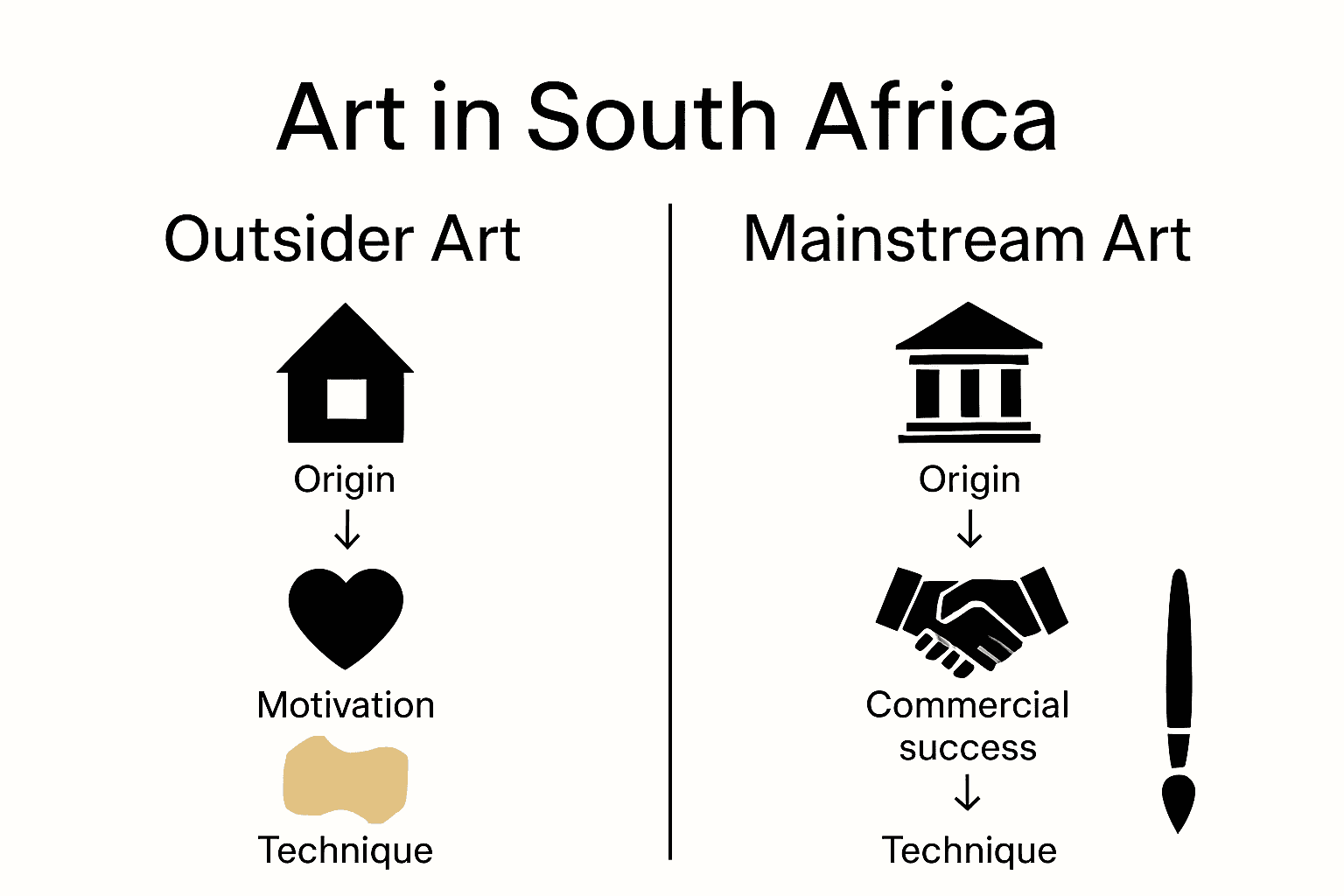
Comparison infographic showing key differences between outsider and mainstream South African art.

Here’s a comparison of outsider art and mainstream art in the South African context:

Aspect Outsider Art Mainstream Art
Origin Personal experience Institutional training
Motivation Inner expression Commercial or academic success
Technique Intuitive
Raw materials
Technically refined
Standard media
Perspective Marginalised voices Dominant cultural narratives
Cultural Impact Challenges norms
Highlights individuality
Reinforces traditions
Market-driven
  • Origin: Outsider art emerges from personal experience, mainstream art from institutional training
  • Motivation: Personal expression versus commercial or academic recognition
  • Technique: Intuitive and raw versus technically refined
  • Cultural Representation: Marginalized narratives versus dominant cultural perspectives

However, the boundaries between outsider and mainstream art are increasingly blurring. Research from digital humanities suggests that digitization and market commodification are gradually absorbing outsider art into broader artistic landscapes, potentially diluting its distinctive character.

Explore the fascinating world of traditional South African artistic expressions to understand how different art forms interact and evolve. The true power of outsider art lies not in its separation from mainstream practices, but in its ability to challenge, provoke, and expand our understanding of artistic creativity.

Discover Authentic Outsider Art and Make It Yours

Are you captivated by the raw emotional truth and unique perspectives found in outsider art? The article has shown how traditional art spaces sometimes overlook deeply personal artistic expressions, leaving passionate collectors and enthusiasts struggling to connect with these powerful works. Many South Africans want genuine ways to explore outsider art, appreciate local artistic voices, and build meaningful collections that tell authentic stories.

https://art-online.co.za

Now is your chance to experience the true diversity of South African art at Art Online. Browse a curated selection of artworks that celebrate individuality beyond mainstream boundaries. Find pieces that connect with your story or explore more by visiting our page on famous South African artists. Do not let unique talent pass you by. Visit Art Online today and discover the next masterpiece for your collection.

Frequently Asked Questions

What is outsider art?

Outsider art refers to artwork created by artists who lack formal training and exist outside mainstream artistic norms, often conveying deeply personal and unique perspectives.

What distinguishes outsider art from mainstream art?

Outsider art is characterized by personal experience, inner expression, and the use of raw materials, while mainstream art typically prioritizes technical refinement and commercial success.

How does outsider art reflect the experiences of marginalized artists?

Outsider art captures the individual narratives and cultural symbolism of marginalized creators, offering an unfiltered glimpse into their personal psychological landscapes and social contexts.

Why is collecting outsider art culturally significant?

Collecting outsider art holds cultural significance as it preserves unique narratives and highlights the importance of marginalized voices, fostering a deeper understanding of individual and community experiences.

Posted on Leave a comment

What is Naive Art? Understanding Its Unique Charm

naive art painting

Naive art grabs attention with its bright colours and almost childlike simplicity. But despite the playful style, this genre is far from basic. In fact, naive artists are self-taught and ignore formal perspectives or proportions, creating work that tells raw and powerful stories. The biggest surprise? These so-called ‘untrained’ paintings often reveal deeper emotion and honesty than gallery masterpieces by trained professionals.

Table of Contents

Quick Summary

Takeaway Explanation
Naive art embraces unfiltered creativity This artistic genre values raw expression over formal techniques, resulting in genuine emotional communication.
Key characteristics include simplicity and storytelling Naive art often features flat representations, intuitive color use, and a strong narrative component.
Cultural significance extends beyond aesthetics The movement provides important insights into personal and collective experiences, preserving stories and traditions that might otherwise be overlooked.
Strategic placement enhances interior design Using naive art thoughtfully can create focal points and emotional depth, transforming ordinary spaces into engaging environments.

Defining Naive Art: A Unique Artistic Genre

Naive art represents a fascinating artistic expression characterized by its untrained and spontaneous approach to creativity. Naive art is defined as artwork produced by individuals who lack formal artistic training, resulting in a distinctive style that challenges traditional artistic conventions.

The Essence of Naive Creativity

What sets naive art apart is its raw, unfiltered approach to visual representation. Artists working in this genre typically demonstrate:

  • A profound sense of authenticity
  • Spontaneous and unrestrained artistic expression
  • Disregard for traditional artistic rules like perspective and proportion

These artists create works that emerge directly from personal experience and imagination, unburdened by academic artistic techniques. Their paintings often feature vibrant colors, simplified forms, and a childlike sincerity that communicates emotions and narratives with remarkable directness.

Characteristics of Naive Art

Naive art is distinguished by several key characteristics that make it a unique artistic genre. As scholars explain, these include:

  • Flat, two-dimensional representations
  • Limited understanding of traditional artistic techniques
  • Strong emphasis on storytelling and personal narrative
  • Intuitive use of color and composition
  • Lack of formal perspective or sophisticated spatial relationships

This artistic approach transforms perceived limitations into strengths, creating works that are simultaneously primitive and profoundly expressive. Artists like Henri Rousseau exemplify how naive art can transcend technical constraints to produce deeply compelling visual experiences.

For art collectors and enthusiasts interested in exploring more unique artistic styles, read more about South African artistic traditions that share similar creative philosophies.

The Historical Context: Origins and Evolution of Naive Art

Naive art emerged as a distinctive artistic movement during the late nineteenth and early twentieth centuries, challenging traditional artistic paradigms and celebrating untrained creative expression. This unique genre represents more than just an artistic style it symbolizes a radical departure from academic artistic conventions.

Early Emergence and Recognition

The origins of naive art can be traced to artists who existed outside formal artistic training, creating works that were initially dismissed by mainstream art establishments. Key historical developments included:

  • Increased recognition of self-taught artists
  • Growing appreciation for unfiltered creative expression
  • Rejection of rigid academic artistic standards

Pivotal moments in naive art’s development occurred when artists like Henri Rousseau gained international attention. Despite being ridiculed by contemporary art critics, Rousseau’s distinctive style eventually garnered significant respect and influenced subsequent artistic movements.

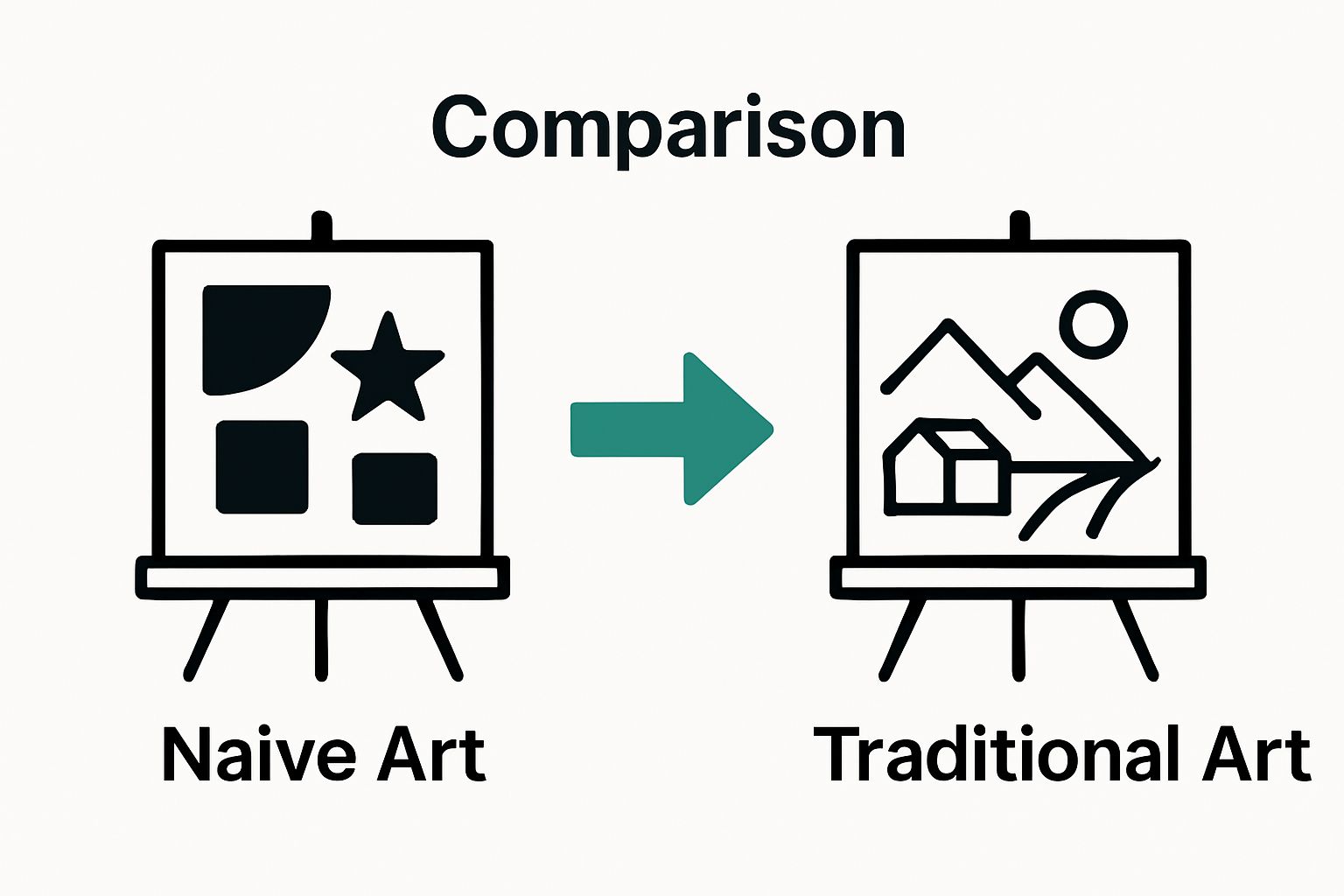
To help you quickly distinguish naive art from traditional art, here is a concise comparison of their defining features and philosophies:

Aspect Naive Art Traditional Art
Artist Training Self-taught, untrained Formally trained, academic background
Use of Perspective Lacks formal perspective, often flat Uses accurate perspective and depth
Proportionality Exaggerated or inconsistent proportions Follows naturalistic proportions
Colour Application Intuitive, bright, and vibrant Often harmonious, theory-based, controlled
Narrative Approach Personal, direct, often tells raw stories Can be conceptual, interpretive, or narrative
Technical Precision Emphasises expression over technical skill Prioritises mastery of technique
Cultural Significance Often documents folk traditions and local experiences May reflect prevailing cultural, academic, or canonical ideas

Cultural and Artistic Significance

According to scholars, naive art represents more than an artistic technique it embodies a profound cultural statement about creativity and individual expression. The movement challenged established artistic hierarchies by demonstrating that artistic value transcends formal training.

Naive artists typically produced works characterized by:

  • Direct and emotionally authentic representations
  • Unconventional use of perspective and proportion
  • Strong narrative and personal storytelling elements
  • Vibrant and unrestrained color palettes

By celebrating individual creativity outside institutional frameworks, naive art became a powerful mechanism for marginalized artists to communicate their experiences and perspectives.

Explore more about unique artistic traditions that challenge conventional artistic boundaries and celebrate individual creative expression.

Why Naive Art Matters: Cultural and Emotional Significance

Naive art represents a profound artistic movement that transcends traditional aesthetic boundaries, offering unique insights into human creativity and emotional expression. Its significance extends far beyond mere visual representation, serving as a powerful medium for storytelling and cultural preservation.

Authentic Emotional Landscapes

Naive art serves as an unfiltered window into the artist’s inner world, capturing raw emotions and personal experiences with remarkable authenticity. These artworks reveal emotional landscapes that are often overlooked by more technically sophisticated artistic approaches. Key emotional attributes include:

  • Direct and unmediated emotional communication
  • Vulnerability and genuine personal storytelling
  • Emotional transparency without artistic pretense

By eschewing formal artistic training, naive artists create works that communicate complex feelings through simple, powerful visual language. Their art becomes a pure expression of human experience, unencumbered by academic constraints.

Here is a quick reference chart outlining the central characteristics of naive art, making it easy to identify this genre at a glance:

Characteristic Description
Flat, Two-Dimensional Representations Lacks realistic depth, with scenes and figures appearing flat and stylised
Vibrant, Unrestrained Colour Utilises bold, lively colours selected intuitively, not tied to traditional theory
Simplified Geometric Forms Uses basic shapes and recognisable figures, similar to a childlike approach
Disregard for Perspective or Proportion Foregoes formal techniques that create 3D illusions, leading to unusual or skewed compositions
Strong Storytelling Component Central focus on narrative, emotion, and personal experience
Emotionally Transparent Communicates feelings directly, unfiltered by academic conventions
Self-Taught Technical Approach Created by those without formal artistic training, using spontaneous methods

Cultural Preservation and Representation

According to scholarly research, naive art plays a crucial role in cultural documentation and preservation. These artworks frequently capture everyday life, local traditions, and social dynamics from perspectives that mainstream artistic movements might neglect. The genre provides:

  • Documentation of marginalized community experiences
  • Preservation of folk traditions and local narratives
  • Alternative historical and social documentation

Naive artists often become important cultural chroniclers, recording social realities with an immediacy and intimacy that traditional historical documentation cannot achieve. Their works serve as valuable anthropological and sociological records.

Discover more about supporting original artistic expressions that celebrate individual creativity and cultural diversity. By valuing naive art, we acknowledge the profound artistic potential that exists beyond formal training and institutional frameworks.

Key Characteristics of Naive Art: Style and Techniques

Naive art emerges as a distinctive artistic genre defined by its unique visual approach and unconventional aesthetic principles. Unlike traditional art forms, naive art celebrates spontaneity, emotional authenticity, and creative freedom beyond established artistic conventions.

Visual Composition and Aesthetic Elements

The visual language of naive art is characterized by its remarkable departure from academic artistic standards. Artists working in this genre demonstrate distinctive stylistic approaches:

  • Intentional disregard for traditional perspective techniques
  • Flattened spatial representations
  • Vibrant and unrestrained color palettes
  • Simplified geometric forms
  • Exaggerated proportional relationships

These artistic choices create visual experiences that are simultaneously childlike and profound, inviting viewers to engage with art through an unfiltered, emotionally direct lens. The lack of technical refinement becomes a deliberate artistic statement, challenging conventional notions of artistic skill and representation.

Infographic comparing naive art and traditional art styles visually

Technical Approach and Creative Philosophy

Naive artists fundamentally reject academic artistic training, transforming perceived limitations into powerful creative expressions. Their technical approach is distinguished by:

  • Intuitive rather than learned artistic techniques
  • Prioritization of emotional authenticity over technical precision
  • Storytelling through direct visual representation
  • Rejection of sophisticated artistic methodologies
  • Celebration of individual creative impulses

By embracing technical simplicity, naive artists create works that communicate complex human experiences with remarkable clarity and emotional depth. Their art transcends traditional aesthetic boundaries, offering viewers unmediated glimpses into personal and cultural narratives.

Learn more about unique artistic expressions that challenge conventional artistic paradigms and celebrate individual creativity.

Naive Art in Modern Spaces: Practical Applications for Decor

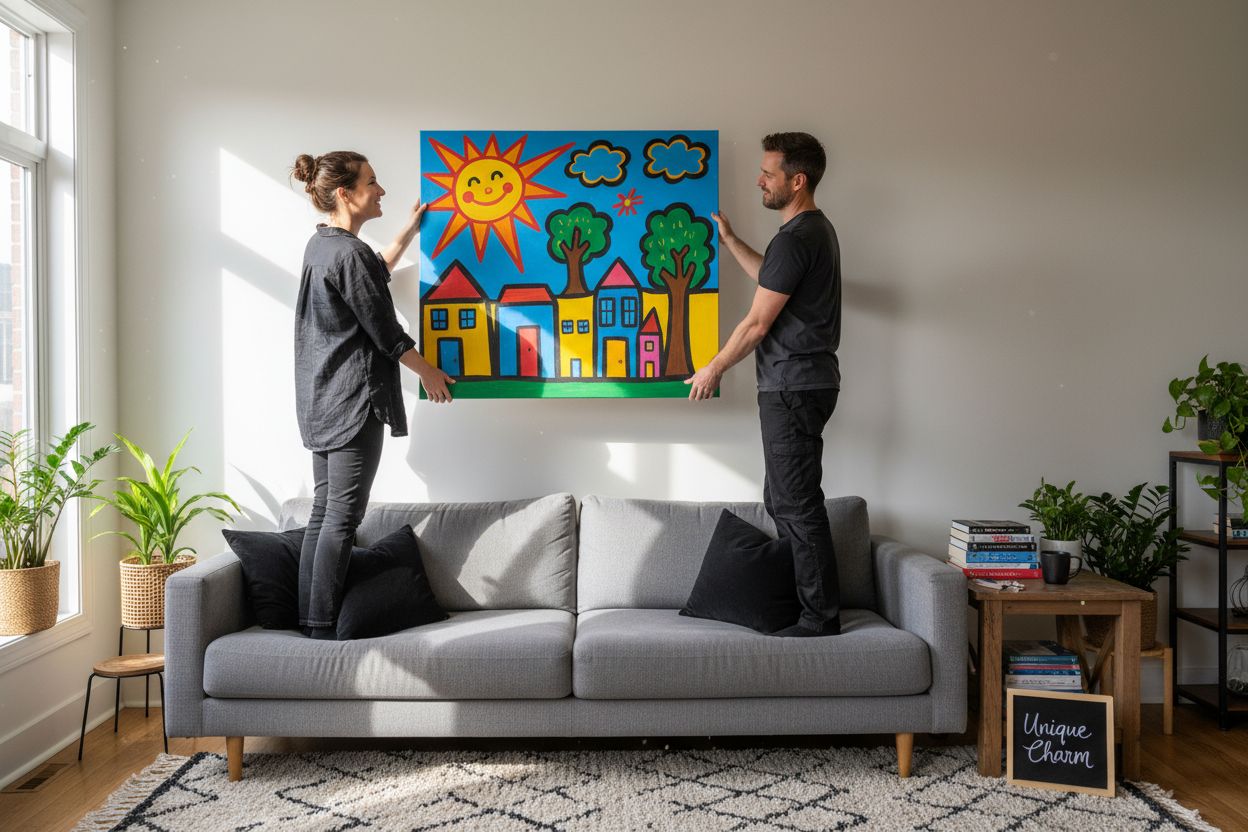
Naive art offers contemporary interior designers and homeowners a unique opportunity to infuse living spaces with genuine emotional expression and distinctive visual character. Integrating these artworks transforms ordinary environments into compelling narrative landscapes that reflect personal creativity and cultural richness.

Strategic Placement and Visual Impact

Selecting and positioning naive art requires thoughtful consideration of spatial dynamics and emotional resonance. Strategic placement can dramatically enhance interior aesthetics:

  • Create focal points in minimalist living areas
  • Add unexpected visual texture to neutral color schemes
  • Introduce narrative elements in contemporary design contexts
  • Generate conversational opportunities through unique artistic expressions
  • Bridge traditional and modern design sensibilities

The inherent charm of naive art lies in its ability to disrupt conventional design expectations, introducing spontaneity and genuine emotional depth to carefully curated spaces. These artworks function not merely as decorative elements but as powerful storytelling devices that engage viewers on multiple sensory levels.

naive art decor

Complementing Contemporary Interior Design

Naive art emerges as a versatile design element that transcends traditional decorative boundaries. Contemporary designers recognize its potential to inject personality and authenticity into various interior environments. Key considerations for successful integration include:

  • Understanding color palettes and compositional harmony
  • Balancing naive art’s visual complexity with surrounding design elements
  • Selecting pieces that resonate with personal or professional aesthetic narratives
  • Recognizing the artwork’s emotional and cultural significance
  • Creating meaningful visual dialogues within interior spaces

Explore African art symbolism to deepen your understanding of how artistic expressions can transform interior environments, connecting cultural heritage with contemporary design sensibilities.

You have discovered how naive art stands apart with its raw emotion, vibrant colour and intuitive storytelling. Maybe you are feeling the urge to add genuine energy and narrative to your own space but you do not know where to find art that breaks free from tradition. Many art lovers struggle to find pieces that move beyond polished technique and truly capture authenticity. If seeking art that evokes real emotion and individuality is your goal, you are in the right place.

https://art-online.co.za

Let the story of naive art inspire a new atmosphere in your home or office. Discover an unmatched selection of original South African works at Art Online and surround yourself with art that brings soulful storytelling into everyday life. Visit Art Online now and explore artworks that celebrate cultural depth and creative freedom. Do not wait. Your personal touch starts with the art you choose today.

Frequently Asked Questions

What defines naive art and how is it different from traditional art?

Naive art is defined by its untrained and spontaneous approach to creativity, often created by artists without formal artistic training. To appreciate its unique charm, explore how it departs from traditional techniques like perspective and proportion, focusing instead on emotional authenticity and personal narrative.

How can I identify characteristics of naive art in a piece?

You can identify naive art by looking for flat, two-dimensional representations, vibrant colors, and a strong emphasis on storytelling. Analyze how the artwork uses simplified forms and an intuitive color palette, making sure it communicates emotions without the constraints of traditional artistic rules.

Why is naive art significant in modern culture?

Naive art holds cultural significance as it provides valuable insights into personal experiences and local traditions that mainstream art often overlooks. To understand its impact, consider how these artworks serve as documents of marginalized voices and contribute to cultural preservation.

How can I incorporate naive art into my living space?

To incorporate naive art into your living space, choose pieces that resonate with your personal style and create focal points throughout your home. Strategically place these artworks to generate conversation and add visual texture to your design, aiming for pieces that complement your existing decor.

What emotional themes are commonly found in naive art?

Naive art often explores themes of vulnerability, emotional transparency, and genuine personal storytelling. Observe how these artworks communicate complex feelings and narratives in a straightforward manner, inviting you to connect with the artist’s inner world through their raw expression.

How do naive artists utilize color in their works?

Naive artists typically use bright, vibrant colors in an unrestrained manner, reflecting their emotional authenticity. To fully appreciate their creative choices, study how the intuitive use of color enhances the storytelling aspect of the artwork, often bringing narratives to life in bold, engaging ways.

Posted on Leave a comment

Understanding What is Pop Art and Its Impact

pop art gallery

Pop art burst onto the scene in the 1950s and turned everyday consumer images into icons. Think comic books, billboards, and branded soup cans. But what might surprise you is just how radical this shift was. Before pop art, fine art was an exclusive club and the movement changed that overnight. It flipped the script, proving that even the most ordinary objects could spark cultural revolutions and shake up the way society saw itself.

Table of Contents

Quick Summary

Takeaway Explanation
Pop art democratizes artistic expression. By incorporating popular culture imagery, it makes art more accessible to everyone.
Bold colors and graphics transform design. Pop art influences interior design through vibrant colors and striking patterns that energize spaces.
Pop art critiques consumer culture. Artists use familiar commercial imagery to challenge society’s views on consumption and advertising.
Social media reflects pop art principles. The digital era echoes pop art’s themes through memes and graphic design, emphasizing bold visual communication.
Artwork can be functional and artistic. In interior design, pop art merges aesthetics with practicality, creating spaces rich in narrative and functionality.

Defining Pop Art: Key Characteristics and Origins

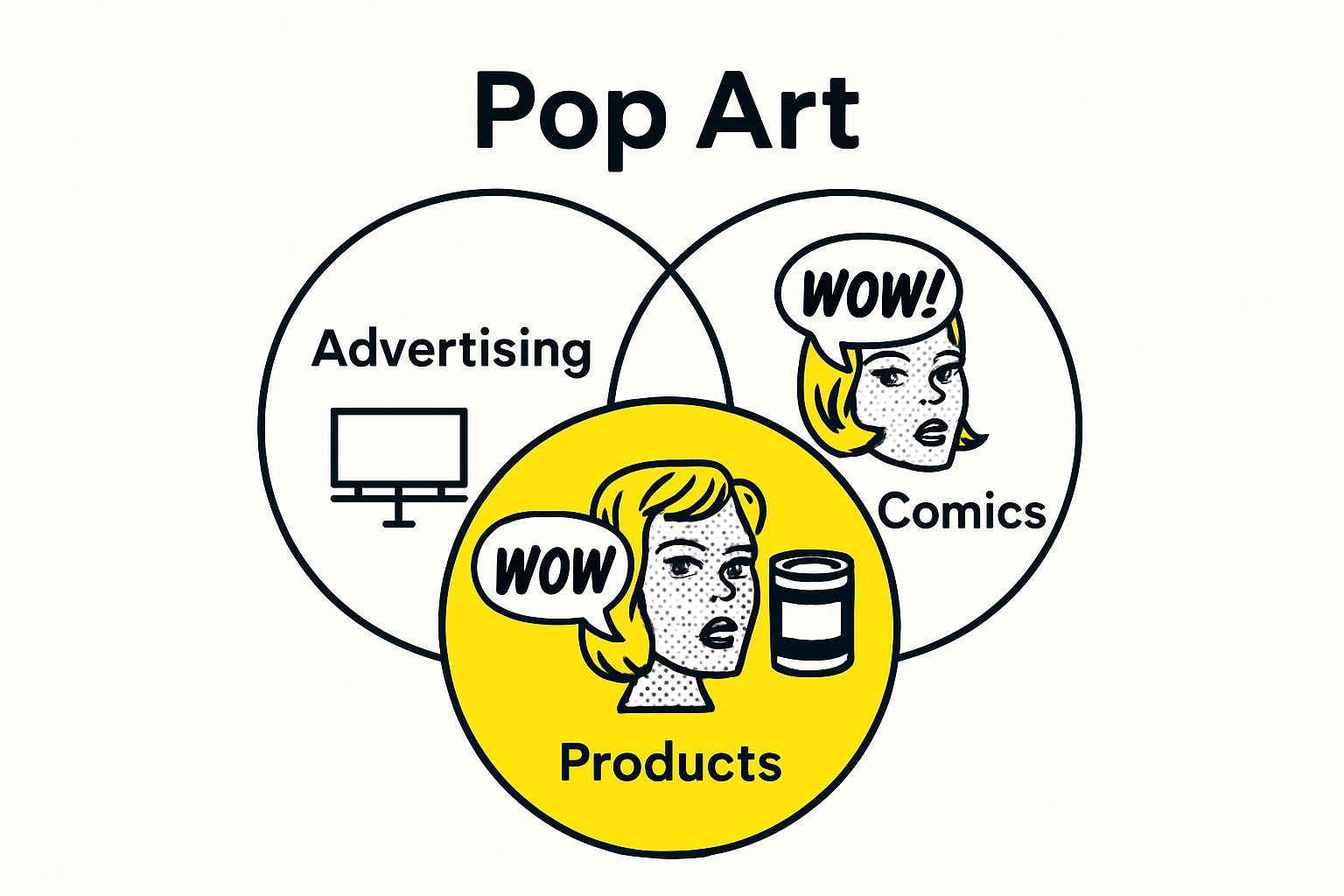
Pop art emerged as a groundbreaking artistic movement that radically transformed traditional art perspectives by celebrating popular culture and mass media imagery. Originating in Britain and the United States during the mid 1950s, this revolutionary art form challenged established fine art conventions by incorporating everyday visual elements from commercial advertising, comic books, consumer products, and mass media.

The Cultural Context of Pop Art

The movement represented more than just an artistic style. It was a profound cultural commentary that reflected the rapid technological and societal changes happening during the post World War II era. Artists sought to blur the boundaries between high art and popular culture, democratizing artistic expression by making it more accessible and relatable to ordinary people.

Three-way pop art source comparison infographic

Key characteristics of pop art included:

  • Utilization of bold, vibrant colors
  • Appropriation of mass media imagery
  • Mechanical reproduction techniques
  • Celebration of consumer culture
  • Ironic and playful visual representations

Philosophical Foundations and Artistic Approach

Pop artists intentionally challenged the elitist notions of traditional art by embracing imagery from popular culture. They transformed mundane commercial graphics and consumer products into compelling artistic statements. This approach was radical for its time, as it rejected the emotional depth of abstract expressionism in favor of a more direct, visually striking representation of contemporary life.

The movement challenged viewers to reconsider their perceptions of art, suggesting that beauty and artistic value could be found in everyday objects and mass produced imagery. Read more about art movements on our comprehensive art guide.

By presenting familiar visual elements in unexpected contexts, pop artists like Andy Warhol and Roy Lichtenstein transformed consumer culture into a powerful medium of artistic expression, ultimately redefining the relationship between art, commerce, and social commentary.

The Cultural Significance of Pop Art in Society

Pop art emerged as a transformative cultural movement that fundamentally challenged societal perceptions about art, representation, and consumption. Beyond its visual aesthetic, the movement served as a critical lens through which artists examined and critiqued the emerging consumer culture of the mid 20th century.

Challenging Artistic Conventions

Pop art represented a radical departure from traditional artistic expressions by deliberately blurring the boundaries between high culture and mass media. Artists intentionally selected imagery from everyday commercial landscapes, transforming mundane objects and advertisements into profound artistic statements. This approach democratized art, making it more accessible and relevant to broader audiences who previously felt disconnected from elite artistic traditions.

Key societal impacts of pop art included:

  • Breaking down hierarchical distinctions between fine art and popular culture
  • Challenging established artistic norms and aesthetic expectations
  • Providing social commentary through visual representation
  • Reflecting the rapidly changing technological and consumer landscapes
  • Empowering artists to critique commercial manipulation

Media and Consumer Culture Critique

The movement was particularly significant in its ability to simultaneously celebrate and critique consumer culture. Artists like Andy Warhol and Roy Lichtenstein used recognizable commercial imagery to expose the manipulative nature of advertising and mass media. By reproducing corporate logos, consumer products, and celebrity images, they revealed how visual communication was becoming increasingly standardized and commodified.

Pop art challenged viewers to critically examine the visual bombardment of commercial imagery, transforming passive consumption into an opportunity for intellectual and artistic reflection. Explore how contemporary art continues to challenge visual narratives in our comprehensive art exploration.

Ultimately, pop art was more than an artistic movement. It was a powerful social commentary that captured the complex relationship between art, commerce, media, and individual identity in an increasingly mechanized and consumer driven world.

How Pop Art Influences Interior Design Choices

Pop art transforms interior design by introducing bold visual elements that challenge traditional decorative approaches. The movement offers designers and homeowners a vibrant, playful strategy for creating spaces that are both visually striking and culturally expressive.

Color and Visual Dynamism

Pop art’s most significant contribution to interior design is its fearless approach to color and visual composition. Designers draw inspiration from the movement’s characteristic bold, saturated color palettes that transform living spaces from mundane to extraordinary. Bright reds, electric blues, vivid yellows, and high contrast color combinations become powerful tools for creating energetic and engaging environments.

Key design principles inspired by pop art include:

  • Incorporating oversized graphic prints
  • Using unexpected color combinations
  • Selecting statement furniture with graphic elements
  • Creating visual focal points through bold artwork
  • Mixing commercial and artistic imagery

Functional Artistic Expression

Pop art transcends mere decoration by transforming interior spaces into narrative environments. Designers leverage iconic pop art imagery from commercial graphics, comic book aesthetics, and recognizable consumer product representations to create rooms that are both functional and intellectually stimulating. Furniture and decor pieces become canvases for artistic expression, blurring boundaries between practical design and artistic statement. Explore contemporary design approaches by our curated artist collection for further inspiration.

By embracing pop art’s philosophy, interior design moves beyond conventional aesthetic boundaries, allowing spaces to communicate complex cultural narratives while maintaining practical functionality. The approach invites residents and visitors to engage with their environment as an interactive, visually dynamic experience.

pop art interior design

Notable Artists and Iconic Works in Pop Art

Pop art featured groundbreaking artists who revolutionized artistic expression through their bold and unconventional approaches to visual representation. These creators challenged traditional art world boundaries by transforming everyday commercial imagery into profound artistic statements that continue to influence contemporary visual culture.

American Pop Art Pioneers

The American pop art movement was defined by artists who ingeniously transformed commercial and popular imagery into powerful artistic commentaries. Andy Warhol emerged as the most iconic figure, renowned for his mechanically reproduced images of consumer products and celebrity portraits. His famous “Campbell’s Soup Cans” series exemplified the movement’s core philosophy of elevating mundane objects to artistic status.

Key American pop art artists included:

  • Andy Warhol: Master of mechanical reproduction
  • Roy Lichtenstein: Comic book style painter
  • Tom Wesselmann: Reimagined female representation
  • James Rosenquist: Billboard and advertising imagery specialist
  • Claes Oldenburg: Sculptor of oversized everyday objects

British Pop Art Innovators

Parallel to the American movement, British pop artists developed their unique aesthetic that often carried more explicit social critique. Artists like Richard Hamilton and David Hockney used imagery from advertising, consumer culture, and mass media to challenge societal norms. Their work was characterized by a more intellectual approach, frequently incorporating complex layers of meaning beyond visual representation.

Discover contemporary artistic interpretations in our curated collection that continue the legacy of these groundbreaking pop art pioneers.

These artists collectively transformed the art world by democratizing artistic expression, proving that inspiration could be found in the most ordinary aspects of modern life.

To clarify the unique influences and styles in pop art’s origins and development, here’s a comparison of the American and British pop art movements.

Aspect American Pop Art British Pop Art
Key Artists Andy Warhol, Roy Lichtenstein, Tom Wesselmann, Richard Hamilton, David Hockney
James Rosenquist, Claes Oldenburg
Artistic Focus Mechanical reproduction, consumer products, Social critique, advertising, complex intellectual
celebrity culture layers
Visual Style Bold colours, high-impact graphics, comic book style Advertising imagery, mass media, subtle irony
Cultural Emphasis Celebrity, mass production, American consumerism Social and political context, post-war British values
Symbolic Works Campbell’s Soup Cans (Warhol), Comic strips Just what is it that makes today’s homes so different
(Lichtenstein) (Hamilton)
Their radical approach continues to inspire generations of artists and designers who seek to challenge conventional aesthetic boundaries.

Contemporary Relevance: Pop Art in Today’s World

Pop art continues to influence modern visual culture through its radical approach to representation and critique of consumer society. The movement’s core principles have transcended its original historical context, becoming a powerful lens through which contemporary artists, designers, and cultural commentators examine societal dynamics.

Digital Age Transformation

In the digital era, pop art’s legacy manifests through new mediums and platforms that echo its original spirit of challenging artistic conventions. Social media, digital graphic design, and online advertising have become contemporary canvases where pop art’s fundamental principles of repetition, bold imagery, and cultural commentary find renewed expression. Artists and designers now use digital tools to create works that mirror the movement’s original techniques of mechanical reproduction and visual appropriation.

Key contemporary manifestations of pop art include:

  • Meme culture and viral graphic design
  • Instagram aesthetic and visual branding
  • Digital art and graphic manipulation
  • Multimedia artistic expressions
  • Algorithmic and generative art techniques

Cultural and Commercial Intersection

Pop art’s influence extends beyond visual aesthetics into broader cultural critique and commercial strategy. Contemporary brands and marketing teams frequently employ pop art inspired visual languages to communicate with audiences. The movement’s ability to transform ordinary objects into compelling visual narratives continues to inspire designers, advertisers, and cultural producers who seek to create memorable and engaging visual experiences.

Explore how contemporary South African artists reinterpret artistic traditions and continue the legacy of innovative visual storytelling.

Ultimately, pop art remains a dynamic and evolving concept, demonstrating remarkable adaptability in interpreting and challenging societal narratives through visual language. Its enduring relevance lies in its capacity to provoke thought, challenge perceptions, and transform the mundane into the extraordinary.

Bring the Vibrant Energy of Pop Art Into Your Home or Collection

Are you fascinated by the bold colours, commercial imagery, and cultural power described in our exploration of pop art? Many South Africans want their spaces to reflect not only global art trends but also something that feels personal and locally meaningful. Yet finding authentic artworks that capture that energetic pop art spirit can be challenging. You deserve more than mass-produced prints—you deserve pieces that speak to your sense of individuality and contemporary style.

https://art-online.co.za

Art Online is South Africa’s largest online art gallery, making it simple to discover and acquire original works from the country’s most acclaimed artists. Explore our latest curated artist collection to find pop art-inspired creations that express everything the movement stands for. If you are ready to transform your living or working space into a statement of bold creativity, your next extraordinary piece could be waiting right here. Visit Art Online today to make your vision a reality while the collection is still available.

Frequently Asked Questions

What defines pop art, and how does it differ from traditional art forms?

Pop art is characterized by its use of popular culture imagery and consumer products, setting it apart from traditional art that often focuses on fine art techniques and emotional depth. To better understand its distinct approach, explore various examples of pop art and their cultural impact on society.

How did the cultural context of the post World War II era influence pop art?

The cultural context following World War II brought rapid technological advancements and shifts in societal values, which pop artists embraced to critique and celebrate consumer culture. Examine the key changes during this time to appreciate how they shaped the themes and visual elements in pop art.

What are some key characteristics of pop art that I should know?

Key characteristics of pop art include vibrant colors, use of mass media imagery, and mechanical reproduction techniques, which create a bold visual statement.

Here’s a summary of the defining features of pop art to help you quickly identify what sets this movement apart.

Characteristic Description
Bold, vibrant colours Striking, often primary colour schemes that command attention
Mass media imagery Incorporation of graphics from advertising, magazines, and comics
Mechanical reproduction Use of techniques like screen printing and replication to produce multiple artworks
Appropriation of products Elevation of everyday consumer goods (e.g. soup cans, billboards) to fine art
Playful irony A light-hearted, sometimes satirical approach to commercial and popular culture
Blurring high/low culture Intentional removal of barriers between elite art and common cultural references
Visual accessibility Imagery and themes easily recognised by the general public
Identify these elements in various artworks to deepen your understanding of the movement’s aesthetic.

How can I incorporate pop art elements into my interior design?

To incorporate pop art into your interior design, use bold colors, oversized graphic prints, and statement furniture pieces that reflect the playful essence of the movement. Start by selecting one or two focal elements to enhance your existing space, creating a vibrant and engaging environment.

What impact did pop art have on contemporary visual culture?

Pop art has profoundly impacted contemporary visual culture by challenging traditional artistic conventions and influencing modern advertising, branding, and social media aesthetics. Observe current trends in design and marketing to see how pop art’s legacy continues to shape visual language today.

Which artists are considered pioneers of the pop art movement?

Notable pioneers of the pop art movement include Andy Warhol and Roy Lichtenstein, who innovatively transformed everyday imagery into compelling art. Familiarize yourself with their iconic works to appreciate how these artists redefined artistic expression during their time.

Posted on Leave a comment

Expert Tips for Buying Art as a Gift: A Complete Guide

buying art as a gift process

Choosing art as a gift sounds daunting. Most people worry they’ll never match the recipient’s taste or pick the right piece. Yet, there is surprising freedom in the process. Emerging artists’ works often start from just R500 and can be tailored perfectly to someone’s style. It turns out that the most personal gifts are not just about big budgets or famous names but about seeing and understanding the soul behind someone’s space.

Table of Contents

Quick Summary

Key Point Explanation
1. Understand the recipient’s art preferences Observe their environment and engage in conversations to grasp their tastes and emotional connections to art.
2. Set a realistic art budget Determine a budget based on financial comfort and the recipient’s aesthetic to guide your purchase choices.
3. Research local artists and galleries Explore nearby galleries and online platforms to discover art that aligns with the recipient’s personal style and story.
4. Verify artwork’s authenticity Ensure the artwork comes with proper documentation and provenance to protect your investment and honor the artist’s legacy.
5. Present the artwork thoughtfully Use professional packaging and a meaningful presentation to enhance the emotional impact of the gift, making it memorable.

Step 1: Identify the recipient’s taste and preferences

Buying art as a gift requires thoughtful consideration of the recipient’s personal aesthetic and emotional connection to visual art. Understanding their taste is more than a casual observation – it demands careful exploration and sensitivity to their unique artistic sensibilities.

Understanding Personal Art Preferences

Start by observing the recipient’s existing environment. Look closely at their home or office decor, noting color schemes, design styles, and the artwork they currently display. These existing visual elements provide critical insights into their artistic preferences. Do they gravitate towards minimalist, contemporary pieces or traditional, detailed artworks? Are their spaces filled with bold, vibrant colors or subdued, neutral tones?

Engaging the recipient in subtle conversations about art can reveal deeper insights. Ask about memorable art exhibitions they’ve visited, artists they admire, or art styles that resonate with them. Listen carefully to their descriptions, paying attention to emotional language and specific details they emphasize. Some individuals might be drawn to landscape paintings that remind them of childhood memories, while others might prefer abstract art that challenges traditional representation.

Practical Exploration Strategies

Consider creating a discreet mood board or digital collection of potential artwork styles. Share these images casually and observe their reactions. Their spontaneous responses can be more telling than carefully considered answers. Pay attention to which pieces make their eyes light up or prompt detailed comments.

Remember that art is deeply personal. A successful art gift transcends mere visual appeal – it should connect emotionally with the recipient, reflecting something profound about their inner world. Your goal is not just to select a beautiful piece, but to choose an artwork that speaks directly to their heart and aesthetic sensibilities.

Three-step process to buy art gift infographic

By investing time in understanding their artistic preferences, you transform the gift of art from a simple transaction into a meaningful, personal gesture of connection and appreciation.

Step 2: Set a realistic budget for the art purchase

Establishing a realistic budget is a critical step in buying art as a gift, requiring careful financial planning and strategic thinking. Your budget determines not just the potential artwork you can acquire, but also sets realistic expectations for the entire gift selection process.

Understanding Art Price Ranges

Art prices vary dramatically, from affordable prints to investment-grade original pieces. Emerging artists’ works typically range from R500 to R5,000, while established artists can command prices between R10,000 and R100,000. Luxury or historically significant pieces might exceed R250,000. Your budget should reflect both your financial comfort and the recipient’s artistic preferences.

Consider the artwork’s context beyond its immediate cost. A slightly more expensive piece that perfectly matches the recipient’s taste is often more valuable than a cheaper artwork that lacks emotional resonance. Think about the artwork’s potential longevity, emotional impact, and personal significance.

Financial experts recommend allocating your art budget across different potential scenarios. For instance, if you’re comfortable spending R5,000, consider exploring options like:

  • Limited edition prints from respected artists
  • Original works by emerging talents
  • High-quality reproductions of significant artworks

Remember that exploring painting prices can help you make an informed decision. Research different art market segments to understand pricing dynamics and find the most suitable artwork within your budget.

Additional budget considerations include potential framing costs, which can add 10-30% to the artwork’s price. Some galleries offer framing services, while independent framers might provide more competitive rates. Factor these additional expenses into your initial budget planning.

Below is a summary table comparing typical art price ranges, artist status, and what you can expect in each segment when budgeting for gifting art in South Africa.

Artist/Artwork Status Typical Price Range What You Get Additional Considerations
Emerging Artists R500 – R5,000 Original works, limited edition prints, unique personal touches Good for tailored gifts
Established Artists R10,000 – R100,000 Signature pieces, higher recognition, investment potential Consider emotional resonance
Luxury/Significant Pieces R250,000+ Historical value, prestige, major investment Requires authentication
Prints/Reproductions R500 – R5,000 Affordable versions of famous works, accessible entry level May add meaning if well chosen
Framing Costs Add 10-30% Enhances presentation and protection Some galleries offer services

Ultimately, buying art as a gift is about creating an emotional connection. Your budget is a tool to facilitate this connection, not a limitation. By approaching the purchase with thoughtfulness and strategic financial planning, you can find a meaningful artwork that delights the recipient without causing financial strain.

Step 3: Research local artists and galleries

Researching local artists and galleries transforms art purchasing from a transaction into a meaningful exploration of creative talent. This step involves strategic investigation that goes beyond simply finding an artwork, but discovering the stories and passions behind each piece.

Navigating the Local Art Scene

Start by exploring local galleries, art exhibitions, and cultural centers in your area. These spaces offer direct exposure to emerging and established artists. Many galleries host monthly exhibitions where you can meet artists, understand their creative processes, and view artworks in person. Online platforms and social media have also revolutionized art discovery, allowing you to explore artists’ portfolios from the comfort of your home.

Pay attention to artists whose styles align with the recipient’s taste. Look for artwork that demonstrates technical skill, emotional depth, and originality. Don’t just focus on the visual appeal – consider the narrative behind each piece. An artwork that tells a compelling story or evokes a specific emotion can be far more meaningful than a technically perfect but emotionally distant piece.

Local art communities often have networking events, workshops, and exhibitions that provide excellent opportunities for art discovery. Check out our guide on famous South African artists to understand the rich artistic landscape and potential options for your gift.

When researching, keep these strategic exploration tips in mind:

  • Visit multiple galleries and art spaces
  • Attend local art exhibitions and openings
  • Follow artists and galleries on social media platforms
  • Read artist statements and exhibition catalogs

Authenticity and provenance are crucial when purchasing art. Request certificates of authenticity, understand the artwork’s background, and verify the artist’s reputation. Reputable galleries will provide comprehensive documentation and be transparent about an artwork’s history.

Remember that buying art as a gift is about creating an emotional connection. Your research should aim to find an artwork that not only looks beautiful but resonates deeply with the recipient’s personal aesthetic and emotional landscape. Take your time, enjoy the exploration, and trust your intuition in selecting a truly meaningful piece.

Step 4: Choose the right artwork aligning with the recipient’s style

Selecting the perfect artwork requires a delicate balance between aesthetic appreciation and deep personal understanding. This step transforms your art purchase from a generic gift to a meaningful, personalized expression of connection and thoughtfulness.

Understanding Visual Compatibility

Carefully analyze the recipient’s existing environment and personal style. Look beyond surface level preferences and consider the subtle nuances of their aesthetic sensibilities. An artwork should not just complement their space but also reflect their inner emotional landscape. Consider factors like color palette, mood, artistic style, and the potential emotional resonance of the piece.

Imagine the artwork in the recipient’s living or working space. Will it create a sense of harmony or introduce an intriguing visual contrast? Some individuals appreciate art that seamlessly blends with their existing decor, while others seek pieces that challenge and disrupt their visual environment. Your goal is to find an artwork that feels both surprising and familiar.

Matching Art with Personal Narrative

Art is a powerful storytelling medium. Explore our guide on why buying original art matters to understand the deeper significance of your selection. Consider artworks that might connect with the recipient’s personal history, professional journey, or emotional landscape. A landscape that reminds them of a cherished memory, an abstract piece that reflects their professional complexity, or a portrait that captures a certain emotional depth can transform the artwork from a mere visual object to a profound personal statement.

Key considerations when selecting the artwork include:

  • Alignment with recipient’s color preferences
  • Emotional resonance of the artwork
  • Technical quality and artistic execution
  • Potential for long-term appreciation

Don’t be afraid to seek expert advice. Gallery curators, art consultants, and knowledgeable sales representatives can provide invaluable insights. They can help you navigate the nuanced world of art selection, offering perspective on how different pieces might resonate with your recipient.

Ultimately, choosing the right artwork is an act of empathy. It requires you to step into the recipient’s perspective, understanding their visual language and emotional landscape. The perfect artwork is not just a gift – it’s a bridge of understanding, a visual dialogue that speaks volumes about your relationship and your perception of their unique identity.

Step 5: Verify the artwork’s authenticity and provenance

Authenticity and provenance are the cornerstones of a meaningful art purchase, transforming a beautiful object into a valuable and trustworthy investment. This critical step protects your financial commitment and ensures the artwork’s genuine artistic and historical significance.

Understanding Art Authentication

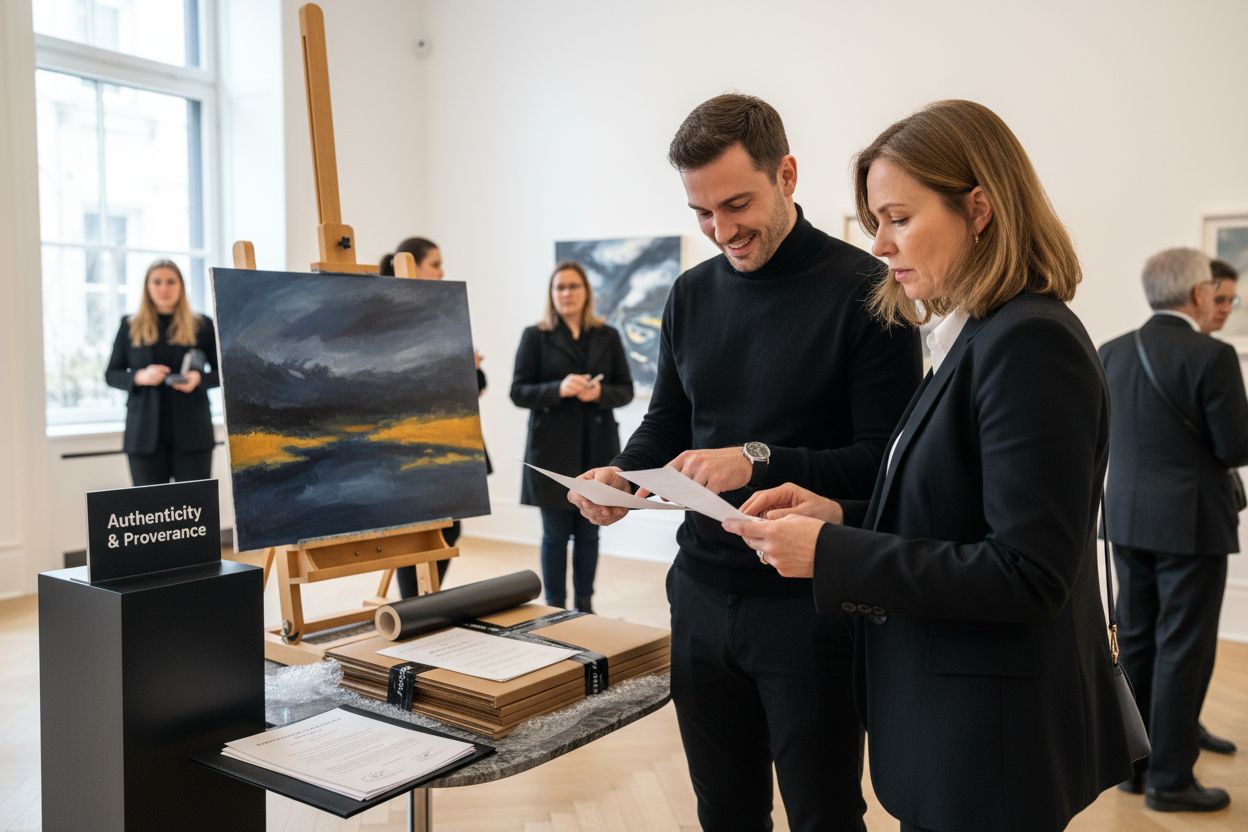
Provenance represents the artwork’s documented history, tracing its journey from the artist’s studio through previous owners and exhibitions. A comprehensive provenance provides transparency, legitimacy, and often increases the artwork’s value. Request detailed documentation that includes original certificates of authenticity, signed statements from the artist or gallery, exhibition catalogs, and historical records of ownership.

Careful verification requires a multi-layered approach. Professional art dealers and reputable galleries will readily provide comprehensive documentation. Look for clear, traceable evidence of the artwork’s origin, including artist signatures, gallery stamps, unique identification numbers, and professional appraisal reports. Beware of vague or incomplete documentation, as this might indicate potential issues with the artwork’s legitimacy.

Learn more about purchasing original art with confidence to understand the nuanced world of art authentication. Expertise and careful investigation are your best tools in this process.

Key authentication verification steps include:

  • Requesting original certificates of authenticity
  • Checking artist signatures and unique identifying marks
  • Verifying gallery or artist documentation
  • Consulting independent art authentication experts

art gift authentication purchase

Consider engaging an independent art appraiser or authentication expert for high-value artworks. These professionals can provide an unbiased evaluation of the piece’s origin, condition, and potential historical significance. Their expert assessment offers an additional layer of confidence in your purchase.

Use this checklist to ensure you thoroughly verify the artwork’s authenticity and provenance before making your art gift purchase.

Verification Step What to Look For Who to Consult
Request certificate of authenticity Official documentation from artist or gallery Gallery, artist, art dealer
Check artist signatures and unique marks Clear, match to artist’s style, not smudged/faded Art consultant, gallery staff
Verify artwork’s provenance documentation Record of previous owners and exhibitions Gallery, auction house, independent expert
Review gallery or artist documentation Gallery stamps, identification numbers, sales records Gallery, artist
Seek independent art authentication advice For high-value works, get impartial assessment Certified appraiser, authentication expert

Remember that authentication is not just about protecting your investment – it’s about honoring the artist’s work and preserving artistic legacy. A well-documented artwork tells a rich story, connecting you and the recipient to a broader artistic narrative. By meticulously verifying the artwork’s authenticity, you’re not just buying a piece of art, but participating in a meaningful cultural exchange.

Step 6: Arrange for proper delivery and presentation as a gift

The final stage of buying art as a gift involves transforming your carefully selected artwork into a memorable and emotionally impactful presentation. This step is about creating a holistic gifting experience that honors both the artwork and the recipient’s emotional journey.

Strategic Art Packaging and Transportation

Professional packaging is crucial for protecting your artwork’s integrity. Depending on the artwork’s size, medium, and fragility, consider specialized art transportation services. Delicate pieces like canvas paintings, watercolors, or framed works require careful handling to prevent damage during transit. Professional art handlers understand the nuanced requirements of different artistic mediums and can ensure your gift arrives in pristine condition.

Explore expert guidance on shipping art internationally to understand the intricate logistics of art transportation. Each artwork presents unique challenges, and professional insight can make a significant difference in preserving its quality.

Consider these essential packaging and transportation considerations:

  • Use acid-free tissue paper for initial wrapping
  • Select sturdy, custom-sized boxes with cushioning
  • Include clear handling instructions
  • Consider insurance for valuable pieces
  • Choose temperature-controlled transportation for sensitive artworks

Crafting a Meaningful Gift Presentation

Presentation transforms a beautiful artwork into an unforgettable gift. Select high-quality wrapping materials that complement the artwork’s aesthetic. A thoughtful accompanying card explaining the artwork’s significance or your selection process can elevate the gifting experience. Share the story behind the piece – why you chose it, what makes it special, and how it connects to the recipient’s personal narrative.

If possible, plan the artwork’s reveal as a memorable moment. Consider the setting, lighting, and emotional context of the gift presentation. Some recipients might appreciate a private, intimate reveal, while others might enjoy a more celebratory unveiling among friends or family.

Remember that buying art as a gift is more than a transaction – it’s an expression of understanding, appreciation, and connection. By approaching the delivery and presentation with the same care and intention you applied to selecting the artwork, you create a truly meaningful gift experience that will be cherished for years to come.

Discover the Perfect Art Gift With Art Online’s Trusted Expertise

Choosing the right art as a gift can often feel daunting. From identifying your recipient’s unique taste to verifying authenticity and arranging a memorable presentation, each step poses its own set of challenges. If you have ever wondered how to confidently navigate painting prices, select authentic South African masterpieces, or ensure an artwork’s safe delivery, know that you are not alone—many South Africans face these concerns when wanting their art gift to have true impact.

Let your journey become simpler with Art Online, South Africa’s largest online art gallery. Here, you gain:

  • A curated selection from South Africa’s most renowned artists
  • Detailed artwork backgrounds and authenticity information
  • Easy browsing to match any personal style or budget

https://art-online.co.za

Ready to turn your thoughtful search into the perfect gift? Visit https://art-online.co.za now to explore our expertly sourced collection, use our guides on painting prices and collecting original art, and ensure your next art purchase is both meaningful and worry-free for every occasion. Make your selection today and transform your next gift into a cherished memory.

Frequently Asked Questions

How can I understand the recipient’s taste in art before buying a gift?

Start by observing the recipient’s home or office decor for clues about their personal aesthetic. Engage in casual conversations about their favorite art styles or exhibitions they’ve enjoyed to gather deeper insights into their preferences.

What is a realistic budget for buying art as a gift?

A realistic budget for art gifts can range from R500 to R100,000, depending on the artist’s reputation and the artwork type. Determine your financial comfort and allocate your budget accordingly, considering potential framing costs that can add 10-30% to the total.

How do I research local artists and galleries effectively?

Research local artists and galleries by visiting exhibitions, cultural centers, and online platforms showcasing artists’ portfolios. Attend networking events and workshops to discover emerging talents that align with the recipient’s taste for a more personalized gift.

What factors should I consider when selecting the right artwork for a gift?

Consider factors such as the recipient’s color preferences, the emotional resonance of the artwork, and how well it complements their existing decor. Aim for a piece that not only fits their aesthetic but also tells a story relevant to their life or experiences.

How can I verify the authenticity of the artwork before purchasing it?

Verify the artwork’s authenticity by requesting original certificates, artist signatures, and documentation tracing its provenance. Ensure clarity in the documentation and consider consulting an independent art appraiser for high-value pieces to secure your investment.

What steps should I take to present the artwork as a special gift?

Ensure proper packaging and transportation by using acid-free materials and sturdy boxes to protect the artwork. Pair the gift with a thoughtful card explaining its significance, and plan a memorable reveal moment to enhance the emotional impact of your gift.

Posted on Leave a comment

Understanding the History of Pottery in Africa

African pottery traditional village

Pottery in Africa is not just about making bowls or jars. It stretches back nearly 10,000 years, making it one of the oldest creative traditions on the continent. Most people assume pottery is only functional, used simply to carry water or store grain. But the real story is about how these clay vessels became canvases for identity, symbols for ceremonies, and threads that hold entire communities together.

Table of Contents

Quick Summary

Takeaway Explanation
African pottery has ancient roots Pottery production in Africa began around 10,000 years ago, showcasing early human creativity and technological skill.
Pottery serves multiple cultural purposes In African societies, pottery is used for rituals, storage, and as expressions of identity and community.
Traditional techniques inform contemporary art Modern African potters blend ancestral methods with contemporary styles, maintaining cultural connections while evolving the art form.
Pottery symbolizes social identity Different pottery styles represent unique tribal identities and convey social narratives, reflecting cultural heritage.
Craftsmanship impacts local economies Pottery is a vital economic activity, with unique styles often becoming valuable trade items that empower local artisans.

The Origin and Evolution of Pottery in Africa

African pottery represents one of the most profound expressions of cultural heritage, tracing back thousands of years and revealing intricate stories of human adaptation and creativity. Explore our guide on tribal art trends to understand the broader context of African artistic traditions.

Early Origins of African Pottery

The history of pottery in Africa is deeply rooted in prehistoric times, with archaeological evidence suggesting that pottery production began around 10,000 years ago. According to research from Cambridge University, the earliest pottery artifacts were discovered in regions like the Sahara and West Africa, demonstrating sophisticated crafting techniques that emerged long before written historical records.

Primitive African pottery was typically handcrafted using local clay resources, with techniques involving hand-building and coiling. These early potters did not use wheels but instead created vessels through intricate manual processes that required significant skill and understanding of material properties.

Cultural Significance and Technological Evolution

Pottery in African societies was never merely a functional craft but a complex cultural expression. Different ethnic groups developed unique styles reflecting their social structures, spiritual beliefs, and environmental contexts. The pottery often served multiple purposes:

  • Ceremonial and religious rituals
  • Storage of water and food
  • Symbolic representation of community identity
  • Trading and economic exchange

As civilizations advanced, pottery techniques became increasingly sophisticated. The introduction of firing technologies allowed for more durable and intricate designs. Regions like the Niger Delta and Great Lakes area became renowned for their distinctive pottery styles, each representing a unique narrative of human creativity and technological progression.

Technological and Artistic Transformation

The evolution of African pottery mirrors the continent’s complex social and technological transformations. From simple clay containers to elaborately decorated vessels, pottery reflects the dynamic nature of African cultural innovation. Archaeological studies reveal a progression from basic functional items to highly artistic and specialized ceramic objects that communicate rich cultural meanings.

Today, African pottery continues to be a vibrant art form, bridging traditional craftsmanship with contemporary artistic expressions and maintaining a powerful connection to historical heritage.

Cultural Significance of African Pottery

Explore our guide on famous South African artists to understand the broader artistic context in which pottery evolved as a critical cultural expression. African pottery transcends mere functional utility, representing a profound medium of cultural communication, spiritual connection, and social narrative.

Spiritual and Ceremonial Dimensions

In numerous African societies, pottery was never simply about creating containers but embodied deep spiritual symbolism. According to research from the African Archaeological Review, ceramic artifacts were integral to ritual practices, serving as conduits between physical and spiritual realms. Different shapes, decorative patterns, and manufacturing techniques carried complex meanings related to community beliefs, ancestral connections, and cosmological understanding.

Pottery often played critical roles in significant life events:

  • Birth and naming ceremonies
  • Marriage rituals
  • Funeral and memorial practices
  • Harvest and agricultural celebrations

Social Identity and Communication

Ceramic art emerged as a sophisticated language of cultural expression. Each pottery style represented a unique tribal or regional identity, with intricate designs communicating social status, familial lineage, and community traditions. Pottery became a visual narrative, preserving historical memories and transmitting cultural knowledge across generations.

The manufacturing process itself was a communal activity, often involving women who transferred traditional techniques and stories through their craftsmanship. These ceramic artifacts were not mass-produced but carefully crafted representations of collective cultural consciousness.

Economic and Trade Significance

Beyond spiritual and social dimensions, pottery played a crucial economic role in African societies. Ceramic vessels were essential for trade, food storage, and agricultural practices. Different regions developed specialized pottery styles that became valuable trade commodities, facilitating economic interactions between communities.

The complexity and quality of pottery often indicated a community’s technological advancement and economic sophistication. Intricate designs and advanced manufacturing techniques represented not just artistic skill but also technological innovation and economic potential.

Today, African pottery continues to be a powerful medium of cultural preservation, artistic expression, and historical documentation, bridging ancient traditions with contemporary artistic practices.

Materials and Techniques in African Pottery

Explore our collection of South African tribal art to appreciate the intricate materials and craftsmanship behind traditional pottery making. African pottery represents a sophisticated blend of natural resources, cultural knowledge, and technological innovation.

Clay Selection and Preparation

The foundation of African pottery lies in meticulous clay selection. Different regions utilized locally available clay sources, each with unique mineral compositions that influenced the pottery’s final characteristics. According to archaeological research from the African Pottery Technological Network, potters developed intricate techniques for clay preparation that involved several critical steps:

  • Careful selection of clay deposits
  • Removing impurities through sifting and washing
  • Mixing different clay types to enhance durability
  • Adding organic materials for improved plasticity

Traditional potters possessed profound understanding of clay properties, selecting materials that would create vessels capable of withstanding extreme temperatures and providing optimal functionality for water storage, cooking, and ceremonial purposes.

Forming and Shaping Techniques

African pottery makers employed multiple techniques for creating ceramic vessels, with hand-building methods being predominant. The coiling technique emerged as the most widespread method, where potters rolled clay into long rope-like strands and systematically built vessels layer by layer. This method allowed for extraordinary precision and design flexibility.

Other prominent forming techniques included:

  • Pinch pot method for smaller containers
  • Slab construction for geometric shapes
  • Paddle and anvil technique for smoothing and shaping

Each technique required significant skill, with techniques often passed down through generations within specific communities, preserving unique cultural knowledge and artistic traditions.

Firing and Decoration

Firing represented the most critical stage in pottery production, transforming fragile clay into durable ceramic. Open firing techniques, where vessels were placed directly in fire and covered with organic materials, created distinctive surface textures and colors. Decoration methods were equally sophisticated, involving techniques like:

  • Incising intricate geometric patterns
  • Applying slip and engobe treatments
  • Using natural pigments for coloration
  • Burnishing to create smooth, reflective surfaces

These decorative techniques were not merely aesthetic but carried deep symbolic meanings, representing community identity, spiritual beliefs, and historical narratives. The complexity of African pottery techniques demonstrates the profound intersection of technological skill, artistic expression, and cultural communication.

This table summarises the core materials and techniques used in traditional African pottery making, providing a clear reference for readers interested in the craftsmanship discussed in the article.

Stage Key Processes & Materials Purpose/Outcome
Clay Selection & Preparation Selection of local clay, sifting, washing, mixing, adding organic matter Ensure durability, proper texture, workability
Forming & Shaping Hand-building (coiling, pinch, slab, paddle and anvil) Create desired vessel shapes and designs
Firing Open fire, use of organic materials for covering Harden vessels, create unique surface textures
Decoration Incising, slip/engobe application, natural pigments, burnishing Add symbolic meaning and visual appeal

Regional Variations in Pottery Styles

Browse our curated collection of famous South African artists to understand how regional artistic traditions shape ceramic expressions. African pottery represents a vibrant tapestry of localized artistic traditions, with each region developing distinctive styles reflecting unique environmental, cultural, and historical contexts.

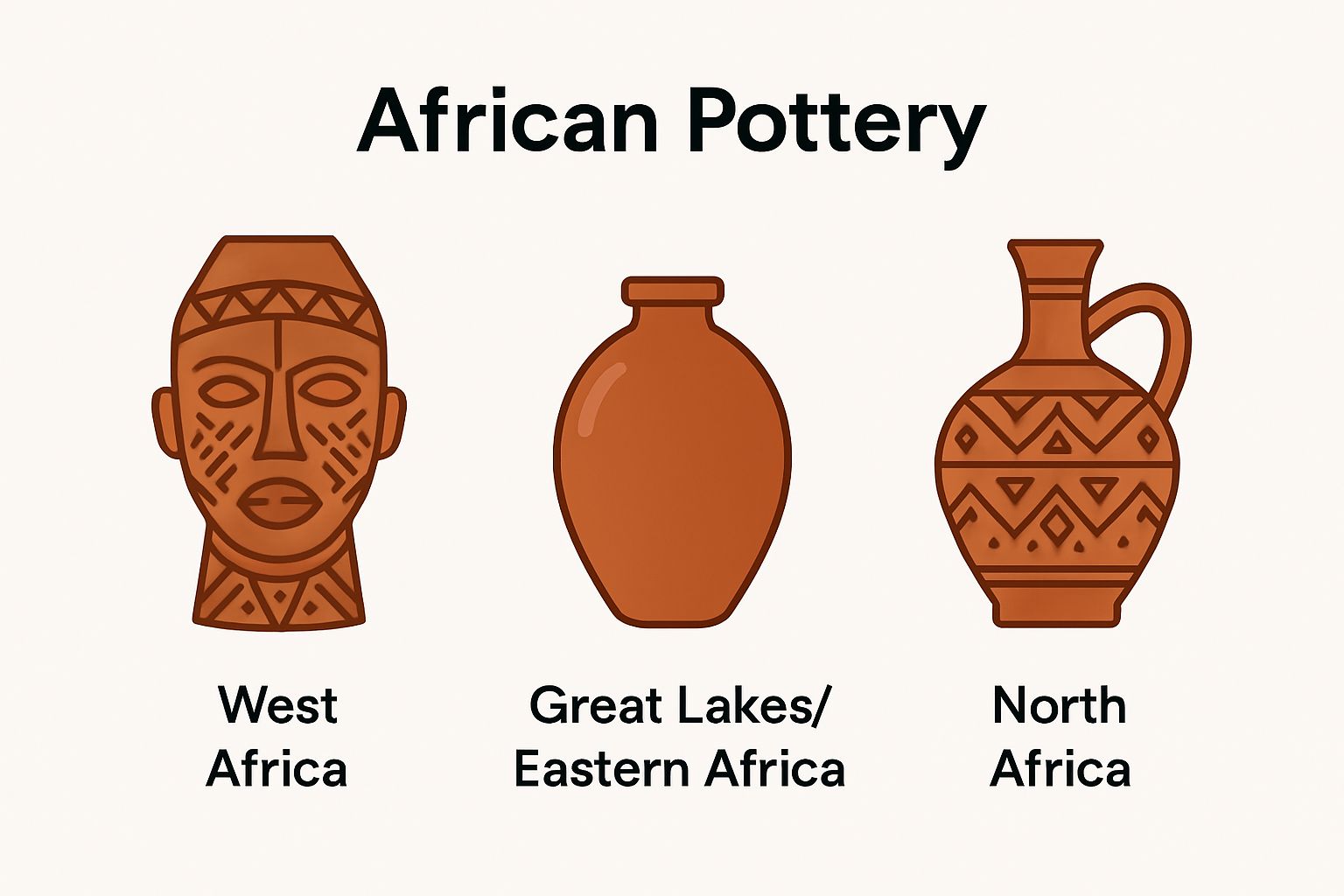
West African Ceramic Traditions

West African pottery styles are characterized by remarkable diversity and intricate design complexity. According to archaeological research from the Britannica Visual Arts Archive, regions like Nigeria and Ghana developed distinctive ceramic traditions that go beyond mere functional objects.

Key characteristics of West African pottery include:

  • Highly sculptural terracotta forms
  • Elaborate geometric and figurative decorations
  • Thin-walled vessels with intricate surface treatments
  • Strong connections to spiritual and ritual practices

The Nok culture, for instance, produced extraordinary terracotta sculptures that demonstrated advanced ceramic techniques and profound artistic sophistication, representing some of the most remarkable archaeological discoveries in the region.

Great Lakes and Eastern African Styles

Eastern African and Great Lakes pottery traditions emphasized different aesthetic and functional priorities. These regions developed ceramic styles characterized by exceptional burnishing techniques and refined surface treatments. Pottery in these areas often featured:

  • Highly polished ceramic surfaces
  • Minimal decorative elements
  • Vessels optimized for water storage and transportation
  • Designs reflecting nomadic and agricultural lifestyles

The burnishing techniques used in this region created remarkably smooth surfaces that enhanced both aesthetic appeal and functional durability, representing a sophisticated approach to ceramic production.

North African and Saharan Ceramic Expressions

North African pottery styles reflected the complex interactions between indigenous African traditions and Mediterranean influences. Berber and Amazigh pottery traditions, in particular, developed unique ceramic approaches that blended local craftsmanship with external artistic influences.

These ceramic traditions were distinguished by:

  • Geometric pattern complexity

  • Use of distinctive color palettes

  • Incorporation of symbolic motifs

  • Techniques reflecting desert environmental conditions

The diversity of African pottery styles demonstrates the continent’s extraordinary artistic richness, with each region developing ceramic traditions that serve as powerful expressions of cultural identity, technological innovation, and artistic creativity.

Below is a comparison table highlighting the main characteristics and distinguishing features of regional pottery traditions across Africa as discussed in the article.

Region Distinctive Features Notable Cultural Influences
West Africa Highly sculptural terracotta, intricate geometric and figurative decorations, thin-walled vessels Ritual and spiritual practices, Nok culture
Great Lakes & Eastern Africa Highly polished surfaces, minimal decoration, vessels for water storage, refined durability Nomadic and agricultural lifestyles
North Africa & Saharan Regions Complex geometric patterns, distinctive colour palettes, symbolic motifs, adaptation to desert climate Berber/Amazigh influences, Mediterranean contact

Illustration comparing West African, Great Lakes, and North African pottery styles.

Contemporary Relevance and Influence of African Pottery

Learn more about South African creative cultural power to understand how traditional art forms like pottery continue to shape contemporary artistic narratives. African pottery has transcended its historical roots, emerging as a dynamic form of cultural expression and economic opportunity in the modern world.

Global Art and Market Dynamics

Contemporary African pottery represents a powerful intersection of traditional craftsmanship and global artistic trends. According to research from the Smithsonian Magazine, modern African potters are strategically blending ancestral techniques with contemporary design aesthetics, creating works that are highly sought after in international art markets.

Key characteristics of contemporary African pottery include:

  • Integration of traditional techniques with modern design principles
  • Preservation of cultural heritage through artistic innovation
  • Development of unique aesthetic approaches
  • Economic empowerment for local artisan communities

These ceramic artists are not merely reproducing traditional forms but actively reinterpreting them, transforming pottery from a utilitarian craft to a sophisticated artistic medium that communicates complex cultural narratives.

Cultural Preservation and Identity

In an era of rapid globalization, contemporary African pottery serves as a critical mechanism for cultural preservation and identity affirmation. Young artists are using ceramic art as a medium to explore and communicate complex social narratives, addressing themes of colonization, cultural resilience, and personal history.

Modern pottery practices are characterized by:

  • Intergenerational knowledge transfer
  • Reimagining traditional symbolic representations
  • Challenging colonial artistic narratives
  • Creating platforms for social commentary

Through their work, contemporary potters are bridging historical traditions with current social experiences, ensuring that ceramic art remains a living, evolving form of cultural expression.

Technological and Educational Impact

Contemporary African pottery has also become an important avenue for technological innovation and educational development. Academic and artistic institutions are increasingly recognizing ceramic arts as a valuable domain for research, skill development, and cultural understanding.

Emerging trends in this field include:

  • Academic research programs focusing on ceramic heritage
  • Professional training initiatives for young artisans
  • International collaborations and cultural exchanges
  • Documentation and digital archiving of pottery techniques

These developments underscore pottery’s significance beyond aesthetic value, positioning it as a dynamic field of cultural scholarship and economic potential.

modern African pottery market Contemporary African pottery continues to evolve, representing a powerful testament to the continent’s artistic resilience and creative innovation.

Discover the Legacy of African Pottery in Modern Art

Centuries of rich heritage and creativity lie behind the history of African pottery. Are you searching to bring authentic cultural depth into your space, or perhaps you want to connect with South African heritage beyond the classroom? This article has shown that pottery is more than just functional—it is an expression of identity, innovation and storytelling. The challenge for many is in finding genuine, inspired pieces that honour these traditions and let you connect with the makers and their legacy.

https://art-online.co.za

Experience the spirit and beauty of Africa brought to life by South Africa’s finest contemporary artists. At Art Online you can explore a curated collection that celebrates both history and fresh creativity. Each artwork is a chance to own a piece of this living tradition. Visit Art Online now to uncover unique art that turns heritage into a conversation piece. Don’t let your appreciation of African pottery remain just a story—make it a part of your world today.

Frequently Asked Questions

What were the early origins of pottery in Africa?

The early origins of pottery in Africa trace back approximately 10,000 years, with evidence suggesting it began in prehistoric times. Explore archaeological findings and markings to better understand the techniques and cultural significance of these ancient artifacts.

How did pottery evolve in different African cultures?

Pottery evolved in African cultures through unique styles and techniques reflecting societal values, spiritual beliefs, and local resources. Research specific regional traditions and focus on their distinct aesthetics and functions to appreciate this diversity.

What materials are commonly used in traditional African pottery?

Traditional African pottery is primarily made from local clay, which is carefully selected and prepared for crafting. Experiment with different clay types from your area to observe how variations impact the durability and appearance of your pottery.

How can I become skilled in African pottery techniques?

To become skilled in African pottery techniques, practice hand-building methods like coiling, pinch pots, and slab construction. Begin by dedicating regular hours each week to honing these skills, allowing for mastery over time.

What cultural significance does pottery hold in African societies?

Pottery holds immense cultural significance, often serving roles in rituals, symbolizing social identity, and facilitating economic exchange. Engage with local artisan communities to gain insights into how pottery is intertwined with their cultural practices.

How is contemporary African pottery influencing the art world today?

Contemporary African pottery blends traditional crafting techniques with modern design, impacting global art markets and cultural narratives. Attend workshops or exhibitions to experience this fusion firsthand and gain a deeper understanding of its relevance.

Posted on Leave a comment

What is Geometric Art? Understanding Its Significance

geometric art gallery

Geometric art takes basic shapes like circles and triangles and turns them into visual masterpieces that speak a universal language. You might think art needs brushes and wild colours, but actually over 70 percent of ancient Greek pottery from 900 to 700 BCE used geometric patterns as their main decoration. The real shock is that these patterns were not just pretty designs they carried deep meanings and even shaped how modern designers build everything from skyscrapers to phone screens.

Table of Contents

Quick Summary

Takeaway Explanation
Geometric art emphasizes mathematical precision It uses shapes, symmetry, and linear compositions to create visually compelling works.
Cultural significance spans ancient to modern times Geometric art serves as a universal visual language that conveys complex ideas and narratives.
Modern design integrates geometric aesthetics Architects and designers leverage geometric principles for functional and aesthetically cohesive spaces.
Digital innovations expand geometric art’s reach Contemporary techniques include 3D rendering and generative art to enhance visual expression.
Geometric art influences social communication It breaks down barriers and facilitates understanding through abstract visual symbols.

Defining Geometric Art: Key Characteristics

Geometric art represents a visual language where shapes, lines, and mathematical precision converge to create aesthetic expressions that transcend traditional representational art. This artistic approach transforms abstract mathematical principles into visually compelling compositions, prioritizing structural elements and geometric forms over naturalistic depictions.

The Mathematical Foundation of Geometric Art

At its core, geometric art is deeply rooted in mathematical principles, utilizing fundamental shapes like circles, triangles, squares, and polygons as primary visual elements. These basic geometric forms are strategically arranged to create complex, harmonious designs that communicate through pure visual structure.

INFOGRAPHIC:infographic_content] [According to the Geometric Art Research Foundation, geometric art fundamentally explores the relationship between mathematical precision and artistic creativity.

Key characteristics of geometric art include:

  • Emphasis on mathematical accuracy and symmetry
  • Reduction of visual elements to essential geometric shapes
  • Strategic use of linear compositions and angular arrangements

Conceptual and Aesthetic Significance

Geometric art transcends mere visual representation by transforming mathematical concepts into aesthetic experiences. Artists working in this style deliberately deconstruct visual complexity, presenting viewers with elegant, simplified interpretations of form and space. Research from the Modern Art Institute suggests that geometric art challenges traditional perceptions of artistic expression by prioritizing structural integrity and mathematical relationships.

The significance of geometric art lies in its ability to:

  • Communicate abstract concepts through visual language
  • Explore spatial relationships and structural harmony
  • Challenge viewers’ perceptions of form and composition

By distilling visual experiences into fundamental geometric elements, artists create powerful, intellectually engaging works that invite viewers to appreciate the underlying mathematical beauty inherent in artistic creation.

Below is a table that summarises the main characteristics of geometric art, providing a quick overview of its foundational elements for easier comparison and reference.

Characteristic Description
Mathematical Precision Emphasises accuracy in shape, size, and spatial relationships
Symmetry and Balance Achieves visual harmony through balanced arrangements
Use of Basic Geometric Shapes Focuses on forms like circles, triangles, and squares
Linear Compositions Structures artworks with defined lines and angles
Reduction to Essentials Removes extraneous details to highlight core geometric forms
Abstract Conceptual Focus Prioritises ideas and relationships over realism
Structural Integrity Builds visual interest by showcasing orderly, logical design

The Historical Context of Geometric Art

Geometric art is not a contemporary invention but a profound artistic expression with roots deeply embedded in human cultural and visual communication. From ancient civilizations to modern art movements, geometric forms have consistently served as a universal language of visual representation and symbolic meaning.

Ancient Origins and Cultural Significance

The earliest manifestations of geometric art can be traced back to prehistoric societies, where mathematical precision and symbolic representation were intrinsically linked. According to the Metropolitan Museum of Art, ancient Greek pottery from 900-700 BCE exemplifies one of the most significant early examples of geometric artistic expression, featuring intricate patterns and highly stylized human and animal representations.

Key cultural perspectives on geometric art include:

  • Representation of cosmic order and mathematical harmony
  • Symbolic communication through abstract visual language
  • Preservation of cultural and spiritual narratives through geometric designs

Evolution Through Artistic Movements

Geometric art underwent significant transformations across different artistic periods. The early 20th century marked a revolutionary period with movements like Constructivism and De Stijl, which elevated geometric forms from decorative elements to fundamental artistic principles. Artists such as Piet Mondrian and Kazimir Malevich championed geometric abstraction, arguing that pure geometric shapes could communicate universal truths beyond representational art.

Significant evolutionary stages of geometric art include:

  • Transition from decorative patterns to philosophical artistic statements
  • Integration of mathematical principles into visual artistic expression
  • Exploration of spatial relationships through minimalist geometric compositions

Through its rich historical trajectory, geometric art has consistently demonstrated its capacity to transcend cultural boundaries, offering a visual language that speaks to fundamental human experiences of order, structure, and aesthetic harmony. From ancient ritualistic artifacts to contemporary digital design, geometric art continues to evolve, reflecting humanity’s enduring fascination with mathematical beauty and abstract visual communication.

The following table outlines different historical stages in the evolution of geometric art, highlighting key developments and conceptual shifts across time.

Stage/Period Key Features Notable Impact
Prehistoric & Ancient Decorative patterns, symbolic representation Communicated cosmic order and preserved cultural stories
Ancient Greek Intricate pottery patterns, stylisation Elevated repeated motifs as a main artistic language
Early 20th Century Emergence of abstraction, focus on pure shape Movements like De Stijl and Constructivism advanced theory
Modern & Contemporary Digital, generative processes, mixed media Enabled new technologies and cross-cultural communication
Present Day Fusion of cultural styles, widespread application Bridges design, technology, and global aesthetics

The Importance of Geometric Art in Modern Design

Geometric art has emerged as a pivotal aesthetic and functional element in contemporary design, bridging the gap between mathematical precision and creative expression across multiple disciplines. Its influence extends far beyond traditional artistic boundaries, reshaping how we conceptualize visual communication and spatial experiences.

Design and Architectural Applications

In modern architecture and interior design, geometric art serves as more than a decorative element. According to the Design Research Institute, geometric principles have become fundamental in creating spaces that are both visually compelling and functionally efficient. Architects and designers utilize geometric forms to create harmonious environments that balance structural integrity with aesthetic sophistication.

Key design applications of geometric art include:

  • Creating visual rhythm and spatial coherence
  • Developing modular design solutions
  • Enhancing spatial perception through strategic form placement

Technological and Digital Innovations

The digital era has exponentially expanded the potential of geometric art, transforming it into a critical tool for technological innovation. Graphic designers, user interface experts, and digital artists leverage geometric principles to create intuitive, visually engaging experiences. Read more about South African tribal art trends that demonstrate how traditional geometric principles continue to influence contemporary design approaches.

Significant technological implications of geometric art encompass:

  • User interface and experience design
  • Data visualization techniques
  • Digital branding and visual communication strategies

Geometric art represents a sophisticated language of visual communication that transcends cultural and disciplinary boundaries.

geometric design collaboration By distilling complex visual information into essential geometric elements, designers and artists create powerful, universally comprehensible visual narratives. From minimalist product design to complex architectural structures, geometric art continues to shape our understanding of form, function, and aesthetic experience in the modern world.
Exploring Techniques and Mediums in Geometric Art

Geometric art encompasses a diverse range of techniques and mediums, reflecting the versatility and adaptability of this artistic approach. Artists and designers employ various methods to transform geometric principles into compelling visual expressions across multiple platforms and creative disciplines.

Traditional and Classical Techniques

According to the Metropolitan Museum of Art, geometric art has historically been practiced through intricate mediums like ceramics, textiles, mosaics, and murals. These traditional techniques allowed artists to explore geometric patterns with remarkable precision and cultural significance. The intentional arrangement of shapes and lines became a sophisticated form of visual communication, transcending mere decorative purposes.

Key traditional techniques include:

  • Intricate mosaic construction using precise tile placement
  • Weaving geometric patterns in textile design
  • Hand-drawn architectural and decorative geometric illustrations

Contemporary Digital and Mixed Media Approaches

Modern geometric art has dramatically expanded beyond traditional mediums, embracing digital technologies and experimental mixed media techniques. Contemporary artists leverage computational design, digital illustration, and advanced printing technologies to create complex geometric compositions that challenge conventional artistic boundaries.

Contemporary geometric art techniques encompass:

  • 3D digital rendering and animation
  • Algorithmic design and generative art
  • Hybrid analog and digital creative processes

The evolution of geometric art techniques reflects a continuous dialogue between mathematical precision, technological innovation, and creative imagination. Artists now have unprecedented tools to explore geometric principles, transforming abstract mathematical concepts into visually stunning and intellectually engaging artworks that resonate across cultural and disciplinary boundaries.

Geometric Art’s Influence on Contemporary Culture

Geometric art has transcended its traditional artistic boundaries to become a profound cultural phenomenon, influencing social communication, technological innovation, and psychological perception across multiple domains of human experience.

Social and Communication Dynamics

According to Cultural Design Research, geometric art has become a universal visual language that communicates complex ideas through simplified, structured forms. This transformative approach enables cross-cultural understanding by reducing linguistic and cultural barriers through abstract visual representations. Learn more about famous South African artists who have contributed to this global geometric artistic dialogue.

Key social impact areas include:

  • Breaking down complex cultural narratives into visual symbols
  • Creating inclusive communication frameworks
  • Facilitating global aesthetic understanding

Psychological and Perceptual Transformations

Contemporary psychological research reveals that geometric art profoundly influences human perception and cognitive processing. By presenting information through structured, mathematical forms, geometric art challenges traditional cognitive frameworks and encourages viewers to engage with visual information more analytically and systematically.

Psychological dimensions of geometric art encompass:

  • Enhancing spatial reasoning capabilities
  • Stimulating analytical thinking processes
  • Providing visual metaphors for abstract conceptual understanding

Geometric art represents more than an aesthetic movement it is a dynamic cultural mechanism that reshapes how societies communicate, perceive, and interpret complex information. Its influence extends beyond visual arts, permeating technology, design, communication strategies, and cognitive development, demonstrating the profound capacity of geometric principles to connect human experience across diverse cultural landscapes.

Bring the Power of Geometric Art into Your South African Space

Are you inspired by the robust mathematical principles and unique visual language highlighted in our article on geometric art? If you are seeking a way to translate the harmony, order, and cultural richness of geometric forms into your own environment, then you know that finding authentic artwork that communicates these ideas can be challenging. Many South Africans desire more than just decor – they want pieces that capture structured beauty and evoke an emotional connection rooted in both modern style and deep tradition.

https://art-online.co.za

Now is the perfect moment to experience how geometric art transforms any home, workspace, or collection. Discover our curated selection of original geometric art by renowned South African artists at Art Online and see the variety of influential styles featured in our famous South African artists guide. Let us help you find artworks that reflect your appreciation for order and aesthetic clarity. Explore and invest in a masterpiece that brings visual precision and timeless culture into your daily life. Visit Art Online today to view our full gallery and secure your piece of geometric inspiration while these exclusive works are still available.

Frequently Asked Questions

What are the key characteristics of geometric art?

Geometric art emphasizes mathematical accuracy and symmetry, reduces visual elements to essential geometric shapes, and utilizes linear compositions and angular arrangements.

How has geometric art evolved over time?

Geometric art has transitioned from decorative patterns in ancient cultures to a prominent role in modern art movements like Constructivism and De Stijl, where it became integral in expressing philosophical ideas through pure geometric forms.

What influence does geometric art have on contemporary design?

Geometric art plays a critical role in modern design and architecture, creating visually compelling and functionally efficient spaces. It enhances spatial coherence and perception while integrating geometric principles into a variety of design applications.

How do contemporary artists utilize geometric principles in their work?

Contemporary artists use a range of techniques, including digital technologies and mixed media, to create complex geometric compositions that challenge traditional artistic boundaries and engage viewers with abstract mathematical concepts.

Posted on Leave a comment

What is Minimalist Art? Understanding Its Essence and Impact

minimalist art gallery

Minimalist art is everywhere now, shaping everything from galleries to living rooms. What most people miss is that this movement has gone far deeper than just making things look neat and tidy. Minimalism strips artwork down to absolute basics, sometimes using just a single shape or colour in a whole piece. The real surprise is that by removing almost everything, minimalist artists actually open up a whole new world of meaning for anyone willing to look closer.

Table of Contents

Quick Summary

Takeaway Explanation
Minimalism focuses on essential forms. The movement emphasizes geometric shapes, clean lines, and reduces complexity in art.
Artworks are autonomous objects. Minimalist pieces exist without representing external concepts, inviting direct viewer engagement.
Simplicity enhances interior design. Applying minimalist principles creates serene spaces through functional furnishings and limited colour palettes.
Emphasize experiential engagement with art. Minimalist art encourages active interaction, making viewers participants in their aesthetic experience.
Industrial materials define contemporary minimalism. Utilising materials like steel and concrete fosters a connection between art and modern design practices.

Defining Minimalist Art: Key Characteristics and Elements

Minimalist art represents a radical departure from traditional artistic expression, stripping artwork down to its most fundamental visual elements. Developed in the 1960s, this artistic movement emerged as a direct response to the emotional complexity of abstract expressionism, presenting a stark, geometric approach to creative representation.

The Philosophy Behind Minimalism

At its core, minimalist art challenges viewers to engage with pure form, colour, and spatial relationships. Artists deliberately eliminate unnecessary decorative elements, focusing instead on essential geometric shapes, clean lines, and a deliberate reduction of artistic complexity. This philosophy stems from a belief that art should communicate through simplicity rather than elaborate ornamentation.

Key philosophical principles of minimalist art include:

  • Rejection of emotional or representational content
  • Emphasis on objective visual experience
  • Exploration of space and material relationships
  • Prioritization of geometric precision

Fundamental Visual Characteristics

Minimalist artworks typically demonstrate several defining visual traits. These include a restricted colour palette, typically featuring neutral or monochromatic tones, and the use of industrial or manufactured materials like steel, concrete, or standardized geometric forms. According to the Tate Modern, the movement seeks to create art that is “non-referential” – meaning the artwork exists purely as its own autonomous object, without attempting to represent something external.

The visual language of minimalism can be characterized by:

  • Repetitive, modular structures
  • Precise, mathematical compositions
  • Absence of personal emotional expression
  • Strategic use of negative space

By reducing art to its most fundamental components, minimalist artists invite viewers to experience pure visual form, challenging traditional notions of artistic representation and encouraging a more contemplative, analytical engagement with creative expression.

To clarify the main visual and philosophical features of minimalist art mentioned in the article, the table below organises these defining characteristics for quick reference.

Characteristic Description
Geometric Shapes & Clean Lines Emphasis on pure, essential forms; structured geometric arrangements; deliberate reduction of complexity
Restricted Colour Palette Use of neutral or monochrome tones to focus attention on form and material
Industrial or Manufactured Materials Preference for materials like steel, concrete, and standardised elements
Objective Visual Experience Artwork exists without representing external concepts; avoids emotional or symbolic meaning
Minimal Decorative Elements All unnecessary ornamentation is removed; focus remains solely on essential aspects
Repetitive/Modular Structures Use of repetition and modularity in compositions
Spatial & Material Relationships Exploration of how objects, negative space and materials interact

The Historical Context of Minimalist Art: Roots and Influences

Minimalist art emerged as a transformative movement during the tumultuous cultural landscape of the 1960s, representing a radical departure from traditional artistic expressions. This artistic revolution challenged established aesthetic conventions, stripping art down to its most fundamental visual components and reflecting broader societal shifts in perception and understanding.

Precursor Movements and Philosophical Foundations

The roots of minimalism can be traced to several influential artistic and philosophical movements that preceded it. European modernist movements like Constructivism and De Stijl played crucial roles in establishing the intellectual groundwork for minimalist principles. These earlier movements emphasized geometric abstraction, reduction of visual elements, and a belief in art as a pure, autonomous form of expression.

Key philosophical influences included:

  • Russian Constructivist emphasis on geometric precision
  • Dutch De Stijl movement’s commitment to pure abstraction
  • Bauhaus school’s integration of art and industrial design
  • Zen Buddhist concepts of simplicity and emptiness

Sociocultural and Artistic Context

Minimalist art emerged during a period of significant social transformation, reflecting the era’s changing technological and cultural landscapes. Artists were responding to the emotional intensity of Abstract Expressionism, seeking a more objective and rational approach to artistic creation.

Minimalist art vs. abstract expressionism visual comparison The movement paralleled broader cultural trends, including the rise of industrial design, technological innovation, and a growing interest in streamlined, functional aesthetics.
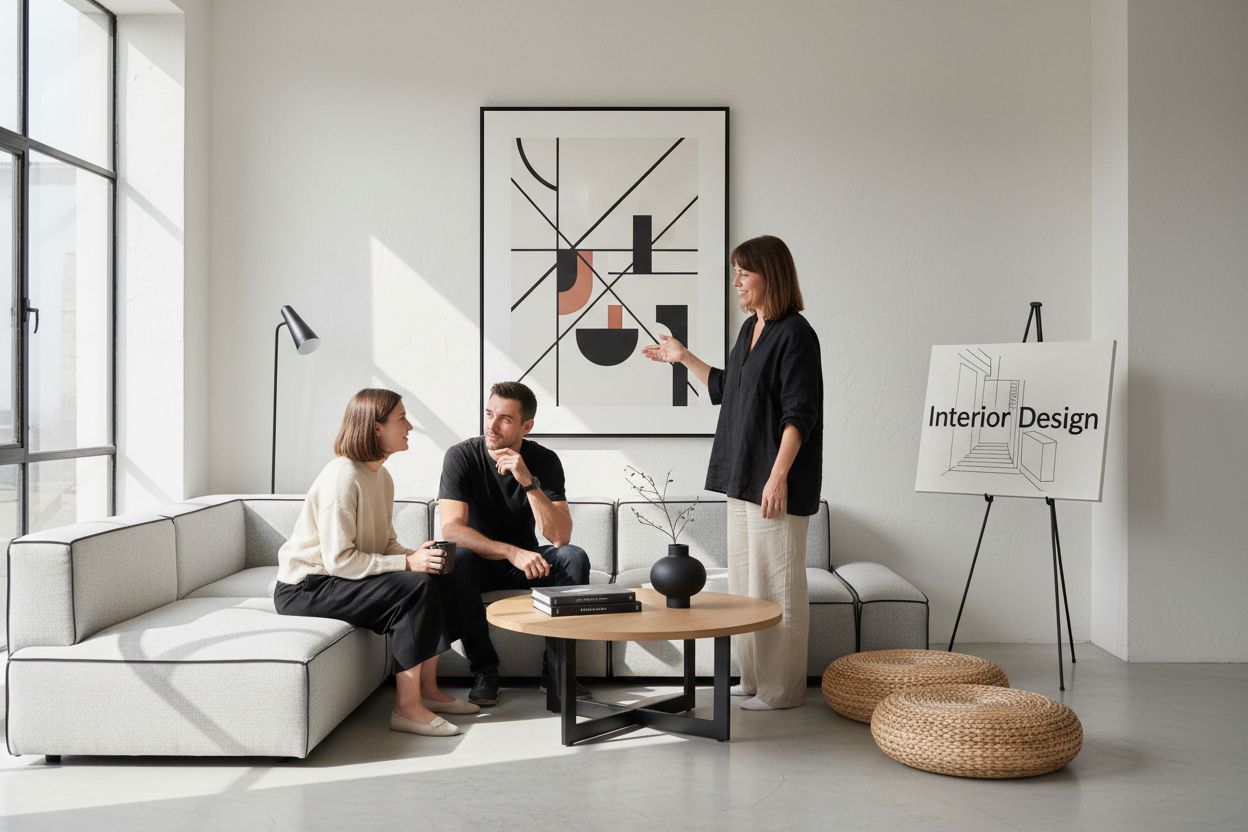
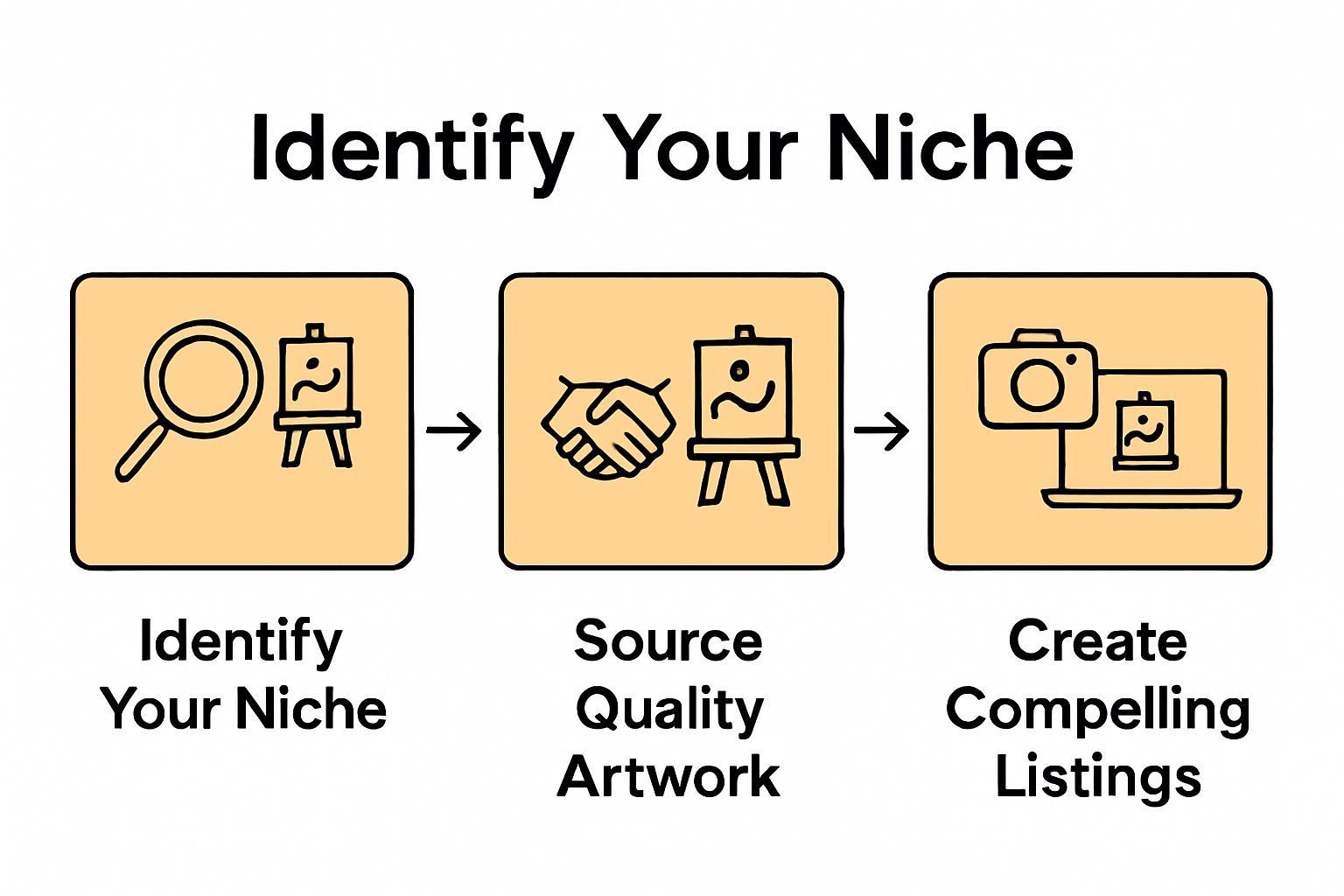
Significant contextual factors included:

  • Post World War II economic reconstruction
  • Increasing mechanization and mass production
  • Growing global interconnectedness
  • Shifting perspectives on individual expression

By rejecting ornamental complexity and embracing fundamental geometric forms, minimalist artists challenged viewers to reconsider their understanding of art, creating a new visual language that celebrated simplicity, precision, and the inherent beauty of pure form.

To deepen your understanding of how minimalism borrowed from earlier movements and philosophies, this table compares the foundational influences that shaped minimalist art as described in the article.

Precursor Movement / Philosophy Contribution to Minimalism
Constructivism (Russia) Emphasis on geometric precision and abstraction
De Stijl (Netherlands) Commitment to pure abstraction, focus on primary forms and colours
Bauhaus School (Germany) Integration of art with industrial design and functionality
Zen Buddhism (Asia) Value of simplicity and emptiness in both aesthetic and philosophy

The Philosophy Behind Minimalist Art: Meaning and Interpretation

Minimalist art philosophy represents a profound reimagining of artistic expression, challenging traditional notions of aesthetic experience by emphasizing pure visual perception and phenomenological engagement. Unlike previous art movements that sought to communicate narrative or emotional content, minimalism invites viewers to experience art as an immediate, unmediated encounter with form, space, and material.

Conceptual Foundations of Minimalist Interpretation

Objective experience stands at the core of minimalist philosophical thinking. Artists deliberately create works that exist independently of external references, encouraging viewers to engage directly with the artwork’s physical presence. This approach rejects the idea that art must represent something beyond itself, instead celebrating the intrinsic qualities of form, material, and spatial relationships.

Key philosophical principles include:

  • Rejection of symbolic or representational meaning
  • Emphasis on direct perceptual experience
  • Exploration of artwork as an autonomous object
  • Privileging viewer’s subjective interaction

Experiential Phenomenology in Minimalist Art

Minimalist art transforms the traditional relationship between artwork and viewer by making spatial perception and physical interaction central to aesthetic experience. The artwork becomes less about what is depicted and more about how it is experienced in real time and space. Each piece invites viewers to become active participants, moving around sculptures, perceiving shifts in light, and understanding art through bodily awareness.

Critical aspects of this experiential approach involve:

  • Creating interactive spatial relationships
  • Challenging traditional passive art viewing
  • Highlighting viewer’s perceptual processes
  • Exploring the phenomenology of perception

By stripping away narrative complexity and ornamental elements, minimalist artists create a radical framework for understanding art as a direct, unmediated encounter with pure visual and spatial experience. The philosophy demands that viewers engage intellectually and physically, transforming art from a passive visual consumption to an active, embodied exploration.

Practical Applications of Minimalist Art in Interior Design

Minimalist art principles have dramatically transformed contemporary interior design, offering a sophisticated approach to creating serene, purposeful living spaces. By embracing simplicity, functionality, and carefully curated aesthetic elements, minimalist art provides designers and homeowners with powerful tools for crafting environments that are both visually striking and emotionally calming.

Spatial Composition and Design Philosophy

Minimalist art’s influence on interior design extends far beyond mere decoration. Spatial arrangement becomes a deliberate art form, where each element is strategically positioned to create balance, harmony, and visual breathing room. Designers leverage minimalist principles to strip away unnecessary clutter, focusing on the essential qualities of form, texture, and negative space.

Key design strategies include:

  • Prioritizing functional furniture with clean lines
  • Maintaining open, unobstructed spatial flow
  • Selecting a restrained color palette
  • Emphasizing quality over quantity

Material Selection and Aesthetic Approach

In minimalist interior design, material selection becomes a critical artistic statement. Surfaces, textures, and colors are chosen not just for their visual appeal, but for their ability to communicate simplicity and intentionality. Natural materials like wood, stone, and metal are often employed to create subtle, sophisticated environments that connect art with interior design.

Critical considerations in material selection involve:

  • Using high-quality, authentic materials
  • Creating visual harmony through subtle texture variations
  • Maintaining a consistent design language
  • Allowing individual materials to express their inherent beauty

By translating minimalist art’s core principles into interior design, creators craft spaces that transcend traditional decorative approaches. These environments become meditative, offering inhabitants a sense of clarity, purpose, and aesthetic sophistication that reflects the profound simplicity at the heart of minimalist philosophy.

minimalist interior art

Minimalist art’s profound influence extends far beyond its original historical context, fundamentally reshaping contemporary artistic practices across multiple disciplines. By challenging traditional notions of representation and artistic expression, minimalism has become a crucial philosophical and aesthetic framework that continues to inspire artists, designers, and creative practitioners worldwide.

Interdisciplinary Artistic Transformation

Contemporary art practices have been deeply transformed by minimalist principles, with artists across various mediums adopting its core tenets of simplification, essential form, and conceptual clarity. This approach has transcended traditional artistic boundaries, influencing everything from visual arts and sculpture to digital media, performance art, and architectural design.

Key areas of artistic transformation include:

  • Reduction of complex visual elements
  • Emphasis on conceptual over representational art
  • Integration of industrial materials and techniques
  • Exploration of spatial relationships

Global Artistic Dialogue and Philosophical Shift

Minimalism introduced a radical reimagining of art’s fundamental purpose, challenging artists to reconsider the relationship between object, space, and viewer. Contemporary art trends continue to reflect this philosophical shift, with artists exploring how minimal interventions can create profound aesthetic and intellectual experiences.

Critical contemporary artistic developments include:

  • Expanding boundaries of artistic representation
  • Challenging traditional art consumption methods
  • Promoting viewer interaction and phenomenological experience
  • Integrating technological and digital perspectives

By stripping art to its essential components, minimalism has created a lasting framework for understanding creative expression as a dialogue between form, perception, and conceptual understanding. Its legacy continues to inspire artists to explore the powerful simplicity that lies at the heart of artistic innovation.

Experience Authentic Minimalist Art in Your South African Space

If this article made you realise how minimalist art can transform a room or how pure artistic form invites calm and clarity into your daily life, you might still be wondering where to find genuine pieces that fit these principles. Many South Africans struggle to find original, carefully curated minimalist pieces that reflect essential beauty and elevate their interiors, as discussed in the sections on material selection and spatial arrangement. When you want more than mass-produced prints, but seek the real touch of skilled artists who understand simplicity, Art Online can make that vision a reality.

https://art-online.co.za

Browse Art Online to discover the finest selection of authentic South African art, featuring work by the country’s most celebrated minimalist artists. Whether you are an interior designer in need of impactful simplicity or a homeowner ready to bring a fresh sense of serenity to your living space, our curated gallery offers artworks with the precision and tranquility you have learned about. The chance to own original minimalist art is right here. Visit Art Online now and bring purposeful art into your home before exclusive new works move into private collections.

Frequently Asked Questions

What are the key characteristics of minimalist art?

Minimalist art is defined by its use of essential geometric shapes, a restricted colour palette, and a focus on spatial relationships. It emphasizes simplicity and eliminates unnecessary decorative elements to create a direct visual experience.

How did minimalist art emerge as a movement?

Minimalist art emerged in the 1960s as a response to the emotional complexity of abstract expressionism. It reflects broader cultural shifts towards industrial design, technological innovation, and a desire for rational artistic expression.

What is the philosophy behind minimalist art?

The philosophy of minimalist art focuses on objective visual experiences, rejecting emotional or representational content. It encourages viewers to engage with the artwork’s inherent qualities rather than looking for symbolic meaning.

How can minimalist art principles be applied in interior design?

Minimalist art principles can be applied in interior design by prioritizing functional furniture with clean lines, using a restrained colour palette, and emphasizing quality materials. The focus is on creating serene, clutter-free spaces that promote a sense of clarity and purpose.

Posted on Leave a comment

Master Reselling Art Online: Profit from Your Passion

reselling art online workspace

Everyone wants to make money doing what they love, and reselling art online is turning heads with real results. Professional art dealers agree that depth beats breadth, with focused expertise leading to far greater success than trying to sell everything under the sun. Most people think they need to know everything about art or have deep pockets to even start. Actually, your personal connection and a clear niche can mean you outshine big competitors right from day one.

Table of Contents

Quick Summary

Key Point Explanation
1. Focus on Your Art Niche Specialization enhances competitive advantage and attracts serious collectors by showcasing your expertise.
2. Source Quality Artwork Build strong connections in the art community to access unique pieces and ensure quality in your collection.
3. Establish a Professional Online Platform Your digital storefront must be well-planned, showcasing your art effectively while ensuring easy navigation for buyers.
4. Create Engaging Art Listings Compelling narratives and high-quality images in your listings create emotional connections, increasing buyer interest.
5. Analyze Sales Data Regularly Use sales metrics to understand market trends and adapt your strategies for better performance and customer satisfaction.

Step 1: Identify Your Niche in the Art Market

Successful reselling art online begins with pinpointing your unique market position. Understanding your niche determines how effectively you can transform your passion into a profitable venture. Selecting the right art category requires strategic research and self-reflection.

Every successful art reseller recognizes that specialization creates competitive advantage. Rather than attempting to sell every type of artwork, focus on areas where you have genuine expertise or personal connection. This might mean concentrating on specific genres like contemporary African art, local landscape paintings, or emerging South African artists. Your authentic passion will translate into more compelling sales narratives and attract serious collectors.

To determine your niche, start by evaluating your existing knowledge and network. Consider your personal art collection, professional background, or cultural connections that give you unique insights. Professional art dealers understand that depth of understanding matters more than breadth of offerings. Analyze market trends by exploring current collector interests. Learn more about emerging art market trends to refine your strategy.

Critical factors to consider when selecting your art reselling niche include:

  • Market demand and potential buyer interest
  • Your personal expertise and credibility
  • Profit margins within specific art categories
  • Accessibility of artworks in your chosen genre

Researching potential niches requires persistent investigation. Attend local art exhibitions, connect with galleries, join online art communities, and study auction results. Track which types of artworks consistently sell and at what price points. Your niche should balance your passion with market viability.

Infographic showing three main steps for reselling art online

Successful niche selection means understanding not just what art you want to sell, but who wants to buy it. Develop a clear profile of your ideal art collector. Are they corporate buyers seeking statement pieces? Interior designers looking for specific color palettes? Young collectors interested in emerging artists? The more precisely you can define your target audience, the more effectively you can curate and market your art collection.

Step 2: Source Quality Artwork for Reselling

Sourcing exceptional artwork requires a strategic approach that blends art appreciation with business acumen. Quality determines your success in reselling art online, making this step crucial for building a reputable collection that attracts serious collectors and generates consistent revenue.

Begin by establishing robust connections within the art community. Local art galleries, artist studios, university art departments, and regional exhibitions provide excellent opportunities to discover unique pieces. Personal relationships often unlock access to artworks not available through standard commercial channels. Network extensively and develop genuine relationships with artists, gallery owners, and local art curators who can recommend emerging talent or provide insider knowledge about potential acquisitions.

Explore captivating painting types and their market values to understand pricing dynamics and investment potential. Developing a keen eye for quality involves more than aesthetic appreciation. Examine artwork condition, provenance, artist reputation, and market trends. Authenticity documentation, artist signatures, and professional appraisals add significant value to your resellable pieces.

Critical factors for artwork selection include:

  • Technical skill and artistic innovation
  • Condition and preservation quality
  • Rarity and limited availability
  • Potential appreciation in market value
  • Alignment with your identified market niche

Expand your sourcing strategies beyond traditional channels. Online platforms, artist websites, social media, and international art marketplaces offer diverse opportunities for discovering exceptional artworks. Consider participating in art auctions, both physical and digital, which can provide access to unique pieces from established and emerging artists.

Verifying artwork quality requires thorough research and sometimes expert consultation. Develop relationships with art authenticators, conservators, and experienced collectors who can provide insights into artwork valuation. Always request comprehensive documentation, including certificates of authenticity, previous ownership history, and detailed condition reports. Your diligence in sourcing will directly translate into trust and credibility among potential buyers.

Step 3: Set Up Your Online Selling Platform

Establishing a professional online platform transforms your art reselling ambition from a casual hobby into a serious business venture. The digital marketplace requires strategic planning and thoughtful presentation to attract serious collectors and distinguish your brand from competitors.

Your online platform serves as the digital storefront for your art collection, representing your unique curatorial vision. While numerous options exist, selecting the right platform demands careful consideration of functionality, user experience, and marketing potential. Professional art sellers often choose between dedicated art marketplaces, custom websites, and established ecommerce platforms that offer integrated sales and marketing tools.

Comprehensive online platforms enable seamless art selling experiences by providing critical features like secure payment processing, high-resolution image galleries, and detailed artwork descriptions. Invest time in creating compelling visual presentations that showcase each artwork’s unique characteristics. Professional photography matters immensely art buyers make purchasing decisions based on digital representations.

Critical platform selection criteria include:

  • Ease of use for both seller and buyer
  • Commission rates and transaction fees
  • Quality of integrated marketing tools
  • Payment security and processing options
  • Customer support infrastructure

Develop a consistent brand identity across your chosen platform. This means creating professional profiles, writing engaging artist and artwork descriptions, and maintaining a cohesive visual aesthetic. Your platform should communicate expertise, authenticity, and passion for the art you are reselling.

Below is a table comparing key online platform options for art reselling, summarising functionality, costs, and unique considerations to help you choose the best fit for your business.

Platform Type Features Advantages Considerations
Dedicated Art Marketplace Integrated gallery, artist profiles Art-focused audience, exposure Often charge commission rates
Custom Website Full customisation, own branding Total control, unique vision Requires setup and ongoing management
Ecommerce Platform Payment processing, templates Easy setup, broad reach Generic experience, competition
Social Media Shop Direct sales via Facebook, Instagram Wide reach, social discovery Limited branding, less control

Consider implementing additional features that build trust with potential buyers. Detailed artwork provenance, artist biographies, condition reports, and transparent pricing strategies demonstrate professionalism. Include clear shipping information, return policies, and authentication processes. Potential collectors appreciate transparency and comprehensive information that reduces purchasing uncertainties.

Step 4: Create Compelling Listings for Your Art

Crafting compelling art listings transforms simple product descriptions into immersive storytelling experiences that capture potential buyers’ imagination and emotional connection. Successful art reselling hinges on your ability to communicate each artwork’s unique narrative and intrinsic value.

Photography represents the critical foundation of exceptional art listings. Professional, high-resolution images that capture artwork details, texture, and context are non-negotiable. Invest in quality lighting and multiple angle shots that showcase the piece comprehensively. Include close-up images revealing brushwork, canvas texture, and signature details.

Learn how to professionally showcase your creative works to maximize visual presentation.

Your artwork description should transcend mere technical specifications. Craft a narrative that provides context about the artist, inspiration behind the piece, and its potential significance to collectors. Describe the artwork’s emotional resonance, artistic techniques employed, and cultural or historical relevance. Potential buyers seek more than a visual object they want a connection, a story that resonates with their personal aesthetic and emotional landscape.

Critical elements for compelling art listings include:

  • High-quality, professional photography
  • Detailed, emotionally engaging descriptions
  • Clear provenance and authenticity information
  • Transparent pricing and condition details
  • Artist background and artistic context

Pricing strategy demands careful consideration. Research comparable artworks in your niche, factor in artist reputation, artwork condition, and market trends. Be transparent about pricing rationale. Include information about artwork dimensions, medium, year of creation, and any unique characteristics that justify the price point.

Verify your listing’s effectiveness by seeking feedback from fellow art professionals or potential collectors. A compelling listing should generate interest, prompt questions, and create an emotional connection that transforms casual browsers into serious art collectors.

This checklist helps ensure each artwork listing is complete and compelling, boosting buyer confidence and increasing sales potential in your online art business.

Checklist Item Description Completion Status
High-quality, professional photography Images from multiple angles, clear close-ups
Detailed, emotionally engaging description Story behind the artwork, artist context
Provenance and authenticity information Certificates, history, or supporting documents
Transparent pricing and condition Clarity on price, artwork size, year, medium, condition
Artist background and artistic context Brief artist bio and unique selling points

photographing artwork reselling Remember that each listing is an opportunity to not just sell an artwork but to share a profound artistic experience.

Step 5: Promote Your Art to Targeted Audiences

Effective art promotion requires strategic targeting and multi-channel communication that connects your curated collection with passionate collectors. Successful art resellers understand that marketing is an art form itself, demanding creativity, persistence, and nuanced understanding of audience psychology.

Social media platforms offer powerful opportunities for visual storytelling and audience engagement. Instagram, Pinterest, and Facebook provide ideal environments for showcasing artwork, sharing artist narratives, and building community around your collection. Create consistent, visually compelling content that offers glimpses into your artistic selections, artist backgrounds, and the unique stories behind each piece. Explore professional strategies for art commissions and marketing to enhance your promotional approach.

Networking remains fundamental in art reselling. Attend local art exhibitions, gallery openings, and cultural events to establish personal connections with potential buyers, artists, and collectors. Virtual networking through specialized art forums, online collector groups, and professional platforms like LinkedIn can expand your reach beyond geographical limitations. Develop a professional persona that communicates expertise, passion, and curatorial vision.

Critical promotion strategies include:

  • Consistent, high-quality visual content
  • Targeted social media advertising
  • Personal networking and relationship building
  • Email marketing to collector databases
  • Participation in art community events

Email marketing offers a direct communication channel with potential buyers. Build a curated mailing list of art enthusiasts, collectors, and interior designers interested in your specific art niche. Design newsletters that provide value beyond sales pitches. Share insights about artistic trends, artist spotlights, and exclusive preview opportunities that make subscribers feel part of an exclusive community.

Measure your promotional efforts through engagement metrics, conversion rates, and direct feedback. Track which marketing channels generate the most interest and sales. Continuously refine your approach, experimenting with different content strategies and audience targeting to optimize your art reselling business.

Step 6: Analyze Sales and Adapt Your Strategy

Sales analysis transforms raw data into actionable insights that drive strategic decision making in art reselling. Successful art entrepreneurs view sales metrics not as static numbers, but as dynamic narratives revealing deeper market trends and buyer preferences.

Implement comprehensive tracking systems that capture more than just transaction volumes. Monitor metrics like average artwork price, time-to-sale, customer demographic information, and seasonal purchasing patterns. These insights reveal nuanced understanding of your market beyond simple revenue calculations. Research indicates systematic data analysis can significantly improve sales strategies across digital marketplaces.

Utilize digital analytics tools integrated with your selling platform to generate detailed reports. Platforms offering advanced reporting capabilities help you understand customer journey, from initial artwork viewing to final purchase. Pay attention to engagement metrics like artwork views, time spent on listing pages, and conversion rates.

This table summarises key sales metrics to track and how each one informs better business decisions, making it easier to analyse and adapt your strategy as your art resale business grows.

Sales Metric What It Measures Why It Matters
Average Artwork Price Mean sale price of artworks Informs pricing and profit margins
Time-to-Sale Time between listing and sale Identifies demand and listing effectiveness
Customer Demographics Buyer age, location, profession etc. Helps target marketing and inventory choices
Seasonal Trend Analysis Patterns in sales over time Spot peak periods and adjust promotions
Artwork Category Performance Which art types sell most Guides future sourcing and curation
Marketing Channel Effectiveness Sales by social, email, in-person Optimises where to focus outreach efforts

Critical sales analysis elements include:

  • Comprehensive transaction tracking
  • Customer demographic profiling
  • Seasonal purchasing trend identification
  • Artwork category performance metrics
  • Marketing channel effectiveness

Regular strategy adaptation requires flexible thinking. If certain artwork categories consistently underperform, reassess your curation approach. Consider factors like pricing, presentation, or market demand. Conversely, identify high-performing artwork types and develop strategies to source similar pieces. Your ability to pivot quickly distinguishes successful art resellers from passive sellers.

Client feedback represents another invaluable analytical tool. Encourage post-purchase reviews, conduct periodic surveys, and maintain open communication channels with buyers. Their insights can reveal unexpected preferences, potential improvements in your selling process, and emerging market trends that data alone might not capture.

Ready to Profit from Your Passion for Art?

You have explored every critical step to master reselling art online in South Africa from identifying your market niche, to sourcing quality artwork, and presenting compelling listings. Still, the toughest part is building trust and reaching serious collectors who genuinely value authentic South African art. The market can be overwhelming, and standing out with a credible platform is essential for your growth and success.

https://art-online.co.za

Join Art Online, South Africa’s largest online art gallery, and connect your curated vision with real buyers looking for extraordinary talent. With our expert support and a vast audience, your collection gains the credibility and exposure you need. Take advantage of our easy-to-use platform and detailed artist resources to showcase your art to collectors who are actively searching for the next remarkable piece. Do not let your passion stay hidden act now to start your journey on Art Online and watch your art business thrive.

Frequently Asked Questions

What is the first step to becoming a successful art reseller?

To become a successful art reseller, start by identifying your niche in the art market. Focus on specific genres or styles where you have expertise or personal connection, as this will help you connect with potential buyers more effectively.

How can I source quality artwork for reselling?

You can source quality artwork by building relationships within the art community, visiting local galleries, participating in art exhibitions, and exploring online platforms for unique pieces. Authentication and condition verification are crucial when selecting art to ensure its value.

What should I include in my online art listings?

Your online art listings should feature high-quality images, detailed descriptions that narrate the artwork’s story and context, and clear information about the artist, artwork provenance, and pricing. Include any necessary documents to establish authenticity.

How can I effectively promote my art to potential buyers?

To promote your art effectively, utilize social media platforms, network at art events, and engage in email marketing. Create visually appealing content and share insights about your art niche to connect with your target audience.

Posted on Leave a comment

What is Graffiti Art? Understanding its Cultural Impact

graffiti art urban

Graffiti art is everywhere in South African cities, taking over railway bridges and forgotten alleyways. Most people see only bold colours and wild shapes, but they miss the real story beneath the paint. Street artists in South Africa used graffiti as a voice of resistance during and after apartheid, turning walls into powerful messages of protest and hope. This is not just urban decoration. It is a living record of identity, struggle, and survival, where every tag and mural has a story waiting to come out.

Table of Contents

Quick Summary

Takeaway Explanation
Graffiti art is a dynamic expression. It combines visual communication with personal identity, allowing artists to express themselves in public spaces.
Graffiti challenges social frameworks. This art form functions as a platform for marginalized voices, engaging with political and cultural issues.
Techniques include tagging and stencils. Artists employ methods like tagging, wildstyle, and stencil techniques to create unique and impactful visuals.
Graffiti captures community narratives. Through urban storytelling, graffiti documents local histories, societal struggles, and cultural identities.
It evolves with technology and trends. Graffiti has transformed from vandalism to an accepted art form, utilizing modern techniques and digital platforms for wider reach.

The Definition of Graffiti Art: What It Is

Graffiti art represents a powerful form of urban visual communication that transcends traditional artistic boundaries. At its core, graffiti art is a rebellious and dynamic artistic expression created by painting, drawing, or marking surfaces in public spaces, often without official authorization.

Origins and Cultural Significance

Unlike traditional art forms confined to galleries and museums, graffiti art emerges directly from street culture, transforming urban landscapes into canvases of social commentary and personal identity. This art form originated in marginalized communities, providing a voice to individuals who historically lacked mainstream artistic platforms.

Key characteristics of graffiti art include:

  • Spontaneous and unauthorized creation
  • Strong emphasis on personal style and individual expression
  • Use of public spaces as the primary medium
  • Typically created with spray paint, markers, or stencils
  • Often reflects social, political, or cultural messages

Artistic Technique and Style

Graffiti artists develop unique techniques that distinguish their work. These might include elaborate tagging (stylized signatures), wildstyle (complex, interlocking letters), or stencil art that allows for rapid, precise image creation. The art form demands significant skill, requiring artists to work quickly, understand spatial dynamics, and manage complex color blending techniques.

What sets graffiti art apart is its raw, unfiltered nature. Unlike commissioned artwork, it represents an immediate, visceral response to urban environments, challenging conventional artistic norms and providing a platform for voices often overlooked in traditional art spaces. Its power lies not just in visual aesthetics, but in its ability to communicate complex social narratives through public spaces.

This table highlights the differences between traditional art and graffiti art, providing clarity on their cultural context, settings, and societal impact.

Feature Traditional Art Graffiti Art
Usual Setting Galleries, museums, private spaces Public spaces, city walls, trains
Artistic Platform Mainstream, often exclusive Democratic, open, marginalised voices
Permission Usually commissioned or authorised Usually unauthorised, often spontaneous
Intended Audience Art patrons, collectors, critics The general public, local communities
Social Function Celebration, critique, cultural display Protest, resistance, community commentary
Longevity Preserved, permanent Temporary, subject to removal/overpainting

Cultural Importance: Why Graffiti Art Matters

Graffiti art transcends mere visual decoration, serving as a profound medium of social communication and cultural resistance. According to Britannica, this art form plays a significant role in expressing marginalized voices, functioning as a powerful platform for political commentary, social protest, and community identity.

Voice of the Voiceless

In urban environments worldwide, graffiti art emerges as a democratic art form that breaks traditional artistic barriers. It provides marginalized communities with a visual language to articulate experiences often silenced by mainstream narratives. Street artists transform public spaces into canvases of resistance, challenging social hierarchies and giving visibility to underrepresented perspectives.

Key social impacts of graffiti art include:

  • Documenting community histories and struggles
  • Challenging systemic oppression through visual storytelling
  • Creating dialogue around complex social issues
  • Reclaiming public spaces for community expression
  • Disrupting dominant cultural narratives

Cultural Preservation and Transformation

Beyond protest, graffiti art serves as a critical form of cultural documentation. Artists capture zeitgeist moments, preserving societal tensions, hopes, and collective memories through their work. Read more about South African artistic traditions to understand how visual expression connects communities.

The significance of graffiti art lies in its ability to democratize artistic expression. Unlike traditional art spaces that often exclude marginalized voices, street art creates an open platform where anyone can communicate powerful messages. It challenges the notion that art is a privileged domain, instead positioning creativity as a universal human right of self-expression and social commentary.

Techniques and Styles: How Graffiti Art Is Created

According to the Museum of Modern Art, graffiti art encompasses a complex array of techniques and styles that require significant skill and creativity. Artists develop unique approaches to transforming urban landscapes into vibrant visual narratives.

Fundamental Techniques

Graffiti artists employ diverse methods to create their artwork. Spray paint remains the primary medium, offering artists rapid application and dynamic color blending capabilities. The techniques range from simple tags to intricate, large-scale murals that demand precise spatial understanding and technical expertise.

Core graffiti art techniques include:

  • Tagging: Quick, stylized signature-like markings
  • Throw-ups: Simplified, bubble-like letter designs
  • Stencil art: Precise, repeatable image creation
  • Wildstyle: Complex, interlocking letter designs
  • Piece work: Elaborate, multi-color comprehensive artworks

Tools and Materials

Professional graffiti artists invest considerable time in mastering their tools.

Learn more about essential art materials that support creative expression. Beyond spray paint, artists utilize specialized nozzles, markers, rollers, and digital design tools to create intricate compositions.

The technical complexity of graffiti art extends beyond mere visual creation. Artists must simultaneously manage multiple challenges: working quickly to avoid detection, understanding architectural surfaces, managing color interactions, and creating visually compelling narratives that resonate within urban environments. This requires a unique combination of artistic vision, technical skill, and performative courage.

To help readers distinguish between the main techniques and styles of graffiti art in South Africa, the table below summarises their key features and characteristics.

Technique/Style Description Difficulty Level Common Purpose
Tagging Stylised signature or quick name marking Basic Personal branding/identity
Throw-ups Bubble-style, quickly filled letters Basic-Intermediate Visibility and territory
Stencil Art Use of cut-outs for precise, repeatable images Intermediate Political/social messaging
Wildstyle Complex, interlocking letters often hard to read Advanced Artistic skill and impact
Piece Work Detailed, multi-colour murals with artistic depth Advanced Urban storytelling/mural work

According to the Brooklyn Museum, graffiti has transformed dramatically from its underground origins to a recognized global art movement. What began as marginalized urban expression has progressively evolved into a sophisticated form of artistic communication with complex cultural significance.

Origins and Early Development

Graffiti emerged in the late 1960s and early 1970s, primarily in urban centers like New York City. Initially, it was a form of territorial marking and rebellion among youth in marginalized communities. Young artists used subway trains and city walls as their primary canvases, developing intricate signature styles that would distinguish their work and establish personal identities within subcultures.

Key evolutionary stages of graffiti include:

  • Underground subway and street markings
  • Development of distinctive personal styles
  • Transition from local subculture to global artistic movement
  • Increasing technological and digital influences
  • Recognition in mainstream artistic spaces

Contemporary Transformations

Today, graffiti has transcended its rebellious origins, gaining significant artistic legitimacy. Explore contemporary South African art trends to understand how visual art forms continuously evolve. Modern graffiti artists now collaborate with municipalities, create commissioned murals, and exhibit in prestigious galleries worldwide.

The contemporary graffiti landscape represents a dynamic fusion of street culture, social commentary, and professional artistic practice. Digital technologies have further expanded artists’ capabilities, enabling more complex designs, global collaboration, and instant sharing of artwork through social media platforms. What was once considered vandalism is now recognized as a powerful medium of cultural expression and urban storytelling.

Graffiti Art in South Africa: A Local Perspective

According to The Conversation, graffiti in South Africa represents far more than aesthetic urban decoration. It emerges as a profound medium of social dialogue, political resistance, and cultural expression deeply rooted in the country’s complex historical landscape.

Historical Context and Resistance

South African graffiti art carries significant political weight, emerging from a history of social struggle and systemic oppression. During and after apartheid, street artists used public spaces as platforms to challenge dominant narratives, document community experiences, and visualize hopes for social transformation. Urban walls became canvases of resistance, communicating messages of solidarity, identity, and cultural resilience.

Key characteristics of South African graffiti include:

  • Powerful social and political commentary
  • Representation of marginalized community voices
  • Reflection of complex national identity
  • Intersection of traditional and contemporary artistic expressions
  • Critique of ongoing social inequalities

Contemporary Urban Expressions

Explore the broader landscape of South African artistic creativity to understand the rich context of visual storytelling. Contemporary South African graffiti artists continue to push boundaries, transforming urban landscapes in cities like Johannesburg, Cape Town, and Durban into vibrant galleries of social discourse.

Modern South African graffiti transcends mere visual art, functioning as a dynamic form of community dialogue. Artists incorporate local languages, cultural symbols, and contemporary social issues into their work, creating layered narratives that speak to both historical struggles and current social dynamics. This art form represents a powerful mechanism of cultural preservation and progressive social commentary.

South Africa graffiti

Bring Urban Voices to Your Collection through Art Online

Do you feel inspired by the cultural power and raw authenticity of graffiti art described above? Graffiti is more than just urban decoration. It gives life to hidden stories and social movements, using public spaces as a powerful voice for change. The emotional force, history, and unique expression of South African street art represent a chance for you to connect with meaningful art that documents real community stories and resilience. If you are passionate about supporting local creativity and want to bring these vibrant energy and social messages into your own space, you are not alone. Many art lovers struggle to find truly authentic South African art that aligns with these values.

https://art-online.co.za

Join the movement of collectors who believe art can transform lives and cities. Visit Art Online to experience South Africa’s largest selection of original artworks by visionary artists, including those who celebrate the rebellious spirit and deep cultural roots found in graffiti. Explore South African artistic traditions and trends to see how urban and street influences blend with heritage styles. Let your walls become a canvas of social commentary and urban storytelling. Don’t wait, bring the textures and voices of our streets into your space now with authentic South African art from Art Online.

Frequently Asked Questions

What is graffiti art?

Graffiti art is a form of urban visual communication that involves painting, drawing, or marking public surfaces, often without official permission. It serves as an expression of personal style, social commentary, and cultural identity.

What techniques are used in graffiti art?

Graffiti artists use various techniques such as tagging, throw-ups, stencil art, wildstyle, and piece work. Each method varies in complexity and style, requiring significant skill and creativity.

How does graffiti art express social and political issues?

Graffiti art serves as a platform for marginalized voices, allowing artists to tackle social, political, and cultural messages. It can challenge systemic oppression, document community struggles, and create dialogue around pressing social issues.

Why is graffiti art significant in contemporary culture?

Graffiti art has evolved from its rebellious roots into a recognized global art form. It democratizes artistic expression, transforming public spaces into galleries that reflect diverse community narratives and cultural histories.

Posted on Leave a comment

What is Modern Art? Understanding Its Essence and Impact

modern art museum

Modern art shook the foundations of what we thought art could be, swapping strict rules for wild experimentation and emotional freedom. Many still believe art should look like something in real life. That idea got left far behind more than a century ago. More than 60 percent of the most valuable paintings today come from modern movements that once shocked the world, showing just how powerful breaking the rules can really be.

Table of Contents

Quick Summary

Takeaway Explanation
Modern art prioritises experimentation and subjectivity Artists reject traditional norms to explore personal and collective emotions through innovative methods.
Key movements redefine artistic expression Movements like Impressionism and Cubism challenge conventional aesthetics, pushing boundaries of visual representation.
Art serves as a medium for social commentary Modern artists address societal issues, amplifying marginalized voices and stimulating cultural discourse.
Integrating art enhances personal spaces Carefully selected modern art can transform environments, creating emotional resonance and reflecting individual identities.
Artistic selections impact emotional well-being The right artwork can stimulate curiosity and create a dynamic atmosphere in living spaces, enhancing personal experiences.

Defining Modern Art: Key Features and Characteristics

Modern art represents a radical transformation in artistic expression that emerged during the late 19th and early 20th centuries. Unlike traditional art forms, modern art breaks away from established representational techniques and embraces experimentation, subjectivity, and conceptual approaches. Modern art explores innovative ways of perceiving and interpreting the world around us.

Philosophical Foundations of Modern Art

The emergence of modern art was deeply rooted in significant societal and cultural shifts. Artists began challenging conventional aesthetic norms, rejecting realistic representation in favor of expressing inner emotional landscapes and abstract interpretations. These artists sought to:

  • Question traditional artistic conventions
  • Explore personal and collective psychological experiences
  • Represent complex human emotions beyond literal depiction

Key philosophical movements like existentialism, psychoanalysis, and phenomenology profoundly influenced artists’ perspectives, encouraging them to deconstruct established visual language and create entirely new modes of artistic communication.

Characteristics of Modern Art

Modern art distinguished itself through several distinctive characteristics that fundamentally transformed artistic expression. Experimentation became a core principle, with artists exploring unconventional materials, techniques, and conceptual frameworks. They deliberately challenged viewers’ perceptions by:

  • Rejecting naturalistic representation

  • Emphasizing subjective interpretations

  • Incorporating abstract and symbolic elements

Artists like Pablo Picasso, Wassily Kandinsky, and Marcel Duchamp pioneered radical approaches that redefined artistic boundaries. Their work demonstrated that art could be a powerful medium for intellectual and emotional exploration, transcending mere visual reproduction.

For art collectors and decorators interested in understanding these nuanced artistic movements, our guide on South African artists provides deeper insights into how local artists interpreted and integrated global modern art trends.

The Historical Context: How Modern Art Evolved

Modern art emerged as a profound cultural response to the transformative social, technological, and philosophical changes of the late 19th and early 20th centuries. According to historical research, this artistic movement represented a radical departure from traditional representational techniques, reflecting the rapidly changing world around artists.

Origins and Societal Transformations

The roots of modern art are deeply intertwined with significant global shifts. The Industrial Revolution, urbanization, and technological advancements created unprecedented social dynamics that challenged existing artistic paradigms. Artists began to question established aesthetic conventions, seeking new ways to represent human experience in an increasingly complex world.

Key historical triggers for modern art’s evolution included:

  • The emergence of photography, which challenged traditional representational painting
  • Rapid industrialization and its impact on human perception
  • Growing intellectual movements like psychoanalysis and existentialism

Artistic Movements and Revolutionary Approaches

Different artistic movements emerged as artists sought to redefine visual expression. Impressionism, Cubism, Surrealism, and Abstract Expressionism represented distinct approaches to understanding and representing reality. Pioneering artists like Pablo Picasso, Wassily Kandinsky, and Marcel Duchamp fundamentally reimagined artistic boundaries, challenging viewers to reconsider their understanding of art.

These movements shared a common thread: rejecting literal representation in favor of exploring subjective experiences, emotional landscapes, and conceptual interpretations.

Below is a table outlining major modern art movements and their defining characteristics, helping you quickly compare how each movement reshaped artistic expression.

Modern Art Movement Time Period Defining Features
Impressionism Late 19th Century Captured fleeting light, momentary impressions, outdoor scenes
Cubism Early 20th Century Deconstructed objects, multiple perspectives, geometric shapes
Surrealism 1920s–1940s Explored the unconscious, dream imagery, symbolic content
Abstract Expressionism 1940s–1950s Emphasised emotional spontaneity, non-representational forms
Modern South African Art 20th Century–Today Integrated global trends, reflected cultural and social change

Explore our collection of South African tribal art to understand how global artistic movements influenced local creative expressions and cultural representations during this transformative period.

The Importance of Modern Art in Today’s Society

Modern art continues to play a critical role in shaping cultural discourse, challenging societal perspectives, and stimulating intellectual engagement. Far beyond aesthetic appreciation, contemporary art serves as a powerful medium for social commentary, personal expression, and collective understanding.

Cultural and Social Significance

In an increasingly complex global landscape, modern art provides a unique platform for addressing profound social issues. Artists use their work to explore themes of identity, inequality, technological transformation, and human experience. Creative expression becomes a nuanced language that communicates complex emotions and experiences that traditional communication methods cannot capture.

Modern art’s social importance is evident through:

  • Challenging established power structures
  • Amplifying marginalized voices
  • Promoting cross-cultural understanding
  • Encouraging critical thinking and dialogue

Economic and Intellectual Impact

Beyond cultural significance, modern art contributes substantially to economic and intellectual ecosystems. Creative industries generate substantial economic value, while artistic innovations stimulate broader intellectual and technological developments. Museums, galleries, and cultural institutions serve as crucial platforms for preserving and disseminating artistic knowledge.

Intellectual contributions of modern art include:

  • Pushing boundaries of creative expression
  • Introducing innovative conceptual frameworks
  • Inspiring interdisciplinary collaborations
  • Documenting contemporary social experiences

Artists function as cultural interpreters, translating complex societal dynamics into visual narratives that provoke thought, challenge perceptions, and generate meaningful conversations. Their work reflects and simultaneously shapes collective understanding of human experiences.

Explore South African artistic creativity to understand how local artists contribute to this global artistic dialogue, demonstrating the profound power of creative expression in representing cultural identity and social transformation.

Understanding Key Movements and Artists in Modern Art

Modern art movements represent revolutionary approaches to artistic expression, each challenging conventional aesthetic norms and introducing groundbreaking perspectives on visual representation. These movements were not merely stylistic choices but profound intellectual and emotional explorations of human experience.

Pioneering Artistic Movements

Several transformative artistic movements emerged during the modern art era, each with unique characteristics and philosophical foundations:

Simple icons showing modern art movement differences

  • Impressionism: Focused on capturing momentary visual impressions and light
  • Cubism: Deconstructed objects into geometric shapes, presenting multiple perspectives simultaneously
  • Surrealism: Explored unconscious mental processes and dream-like imagery
  • Abstract Expressionism: Emphasized spontaneous, emotional creation and non-representational forms

These movements represented more than artistic styles. They were radical intellectual statements that challenged existing perceptions of reality, representation, and human consciousness.

Revolutionary Artists and Their Contributions

Groundbreaking artists fundamentally transformed artistic language through their innovative approaches. Figures like Pablo Picasso, Henri Matisse, and Wassily Kandinsky did not simply create art but redefined what art could be. They:

  • Challenged traditional representational techniques
  • Introduced revolutionary conceptual frameworks
  • Expanded the boundaries of artistic expression
  • Reflected complex psychological and social dynamics

Picasso’s Cubist works fragmented visual reality, Matisse revolutionized color usage, and Kandinsky created entirely non-representational compositions that expressed pure emotional and spiritual experiences.

Explore our guide to South African artists to understand how global modern art movements influenced local artistic expressions and contributed to a rich, diverse creative landscape.

Connecting Modern Art to Personal and Interior Spaces

Modern art transcends traditional aesthetic boundaries, offering individuals powerful opportunities to transform personal environments and express complex emotional landscapes through visual narratives. Artistic selections become more than decorative choices they represent profound statements of personal identity and intellectual engagement.

Psychological Impact of Art in Personal Spaces

The strategic placement of modern art within interior environments can fundamentally alter spatial perception, emotional atmosphere, and personal well-being. Carefully chosen artworks communicate individual narratives, creating dynamic interactions between physical spaces and personal experiences.

Key psychological benefits of integrating modern art include:

  • Stimulating intellectual curiosity
  • Creating emotional resonance within living spaces
  • Reflecting personal growth and transformative experiences
  • Generating conversational focal points

Artworks function as emotional anchors, transforming mundane environments into deeply personal landscapes that reflect individual complexity and creative sensibilities.

modern art home decor

Practical Considerations for Art Integration

Selecting modern art requires thoughtful consideration of spatial dynamics, color interactions, and personal aesthetic preferences. Successful art integration involves understanding how different artistic styles communicate with existing interior elements.

Effective art selection strategies involve:

  • Analyzing room lighting and color schemes
  • Considering scale and spatial proportions
  • Understanding personal emotional responses
  • Exploring complementary artistic styles

The relationship between artwork and interior space becomes a nuanced dialogue, where visual elements communicate beyond traditional decorative boundaries.

Explore landscape art perspectives to understand how different artistic approaches can transform interior environments and create deeply personal visual narratives.

Bring the Power of Modern Art Into Your Home

Are you inspired by the new ideas and emotional depth of modern art, but unsure how to make it part of your life? Many readers wonder how these complex movements and bold expressions translate from the canvas to personal spaces. Maybe you want your walls to reflect your individuality, or to experience that sense of transformation discussed in the article on the essence and impact of modern art. At Art Online, we help South Africans bridge the gap between artistic theory and everyday living by connecting you directly with works from our nation’s most celebrated artists.

https://art-online.co.za

Let your home celebrate South African creativity and bold expression. Browse our curated collections, discover artists who interpret modern art with a uniquely local voice, and transform your interiors into spaces that challenge and inspire. Start your journey today at Art Online, where each piece is ready to make an impact. Not sure where to begin? Explore our guide to South African artists and find the perfect work for your style and story. Now is the time to turn inspiration into action. Modern art is closer than you think.

Frequently Asked Questions

What are the main characteristics of modern art?

Modern art is characterized by experimentation, subjective interpretations, and the use of abstract and symbolic elements. It breaks away from traditional representational techniques to explore innovative artistic expressions.

How did societal changes influence the emergence of modern art?

The emergence of modern art was influenced by significant societal shifts such as the Industrial Revolution, urbanization, and advancements in technology, prompting artists to reject traditional aesthetic norms in favor of exploring personal and collective psychological experiences.

What role does modern art play in contemporary society?

Modern art plays a critical role in addressing cultural and social issues, challenging established perspectives, and promoting dialogue. It serves as a powerful medium for personal expression and social commentary, reflecting complex human experiences.

Who are some pioneering artists associated with modern art movements?

Pioneering artists like Pablo Picasso, Wassily Kandinsky, and Marcel Duchamp are associated with modern art movements. They fundamentally transformed artistic language by introducing revolutionary conceptual frameworks and redefined the boundaries of artistic expression.