
What is Impressionism? Understanding Its Impact and Style
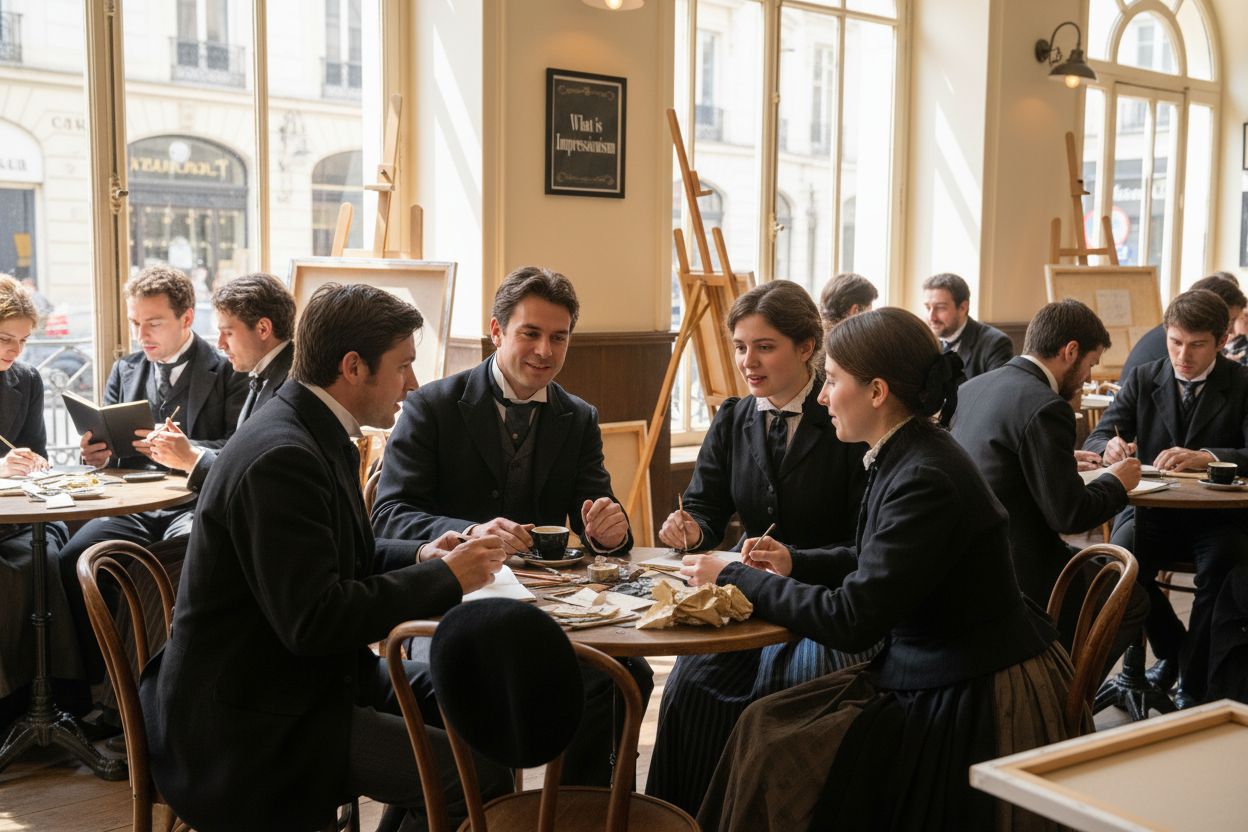
Impressionism completely reshaped the art world in the late 1800s and turned painting techniques on their head. You might think art movements come and go with little real impact, but Impressionism sparked changes that ripple through art even today. Modern artists still borrow from the bold brushwork and vibrant colours that shocked galleries over 150 years ago and the story behind that surprise is anything but ordinary.
Table of Contents
- Defining Impressionism: Key Features And Characteristics
- The Historical Context: When And Why Impressionism Emerged
- Influential Artists: Who Shaped The Impressionist Movement
- The Techniques Of Impressionism: How Artists Created Their Works
- Impressionism’s Relevance Today: Its Influence On Modern Art
Quick Summary
| Takeaway | Explanation |
|---|---|
| Impressionism redefined visual art | This movement challenged traditional stylistic conventions by focusing on personal perception and spontaneity in paintings. |
| Innovative techniques revolutionised painting | Impressionist artists used optical mixing and broken color methods to enhance luminosity and depict transient moments. |
| Capturing everyday life became essential | Artists turned to simple, relatable subjects depicting modern life rather than grand historical narratives, emphasizing real experiences. |
| Outdoor painting (en plein air) was crucial | This method allowed artists to observe and represent natural light and atmosphere directly, enhancing their work’s authenticity. |
| Impressionism influences contemporary art | The legacy of capturing immediate sensations continues to inspire modern artists in various forms of visual expression today. |
Defining Impressionism: Key Features and Characteristics
Impressionism emerged as a revolutionary art movement in the late 19th century, challenging traditional artistic conventions and redefining how artists perceived and represented visual experiences. According to the Metropolitan Museum of Art, this artistic style fundamentally transformed how painters captured light, color, and momentary visual sensations.
Origins and Philosophical Approach
The Impressionist movement began in France during the 1860s and 1870s, representing a radical departure from the rigid academic painting styles of the time. Artists like Claude Monet, Pierre-Auguste Renoir, and Edgar Degas sought to capture immediate visual perceptions rather than meticulously detailed representations. Their approach emphasized spontaneity and personal interpretation of scenes.
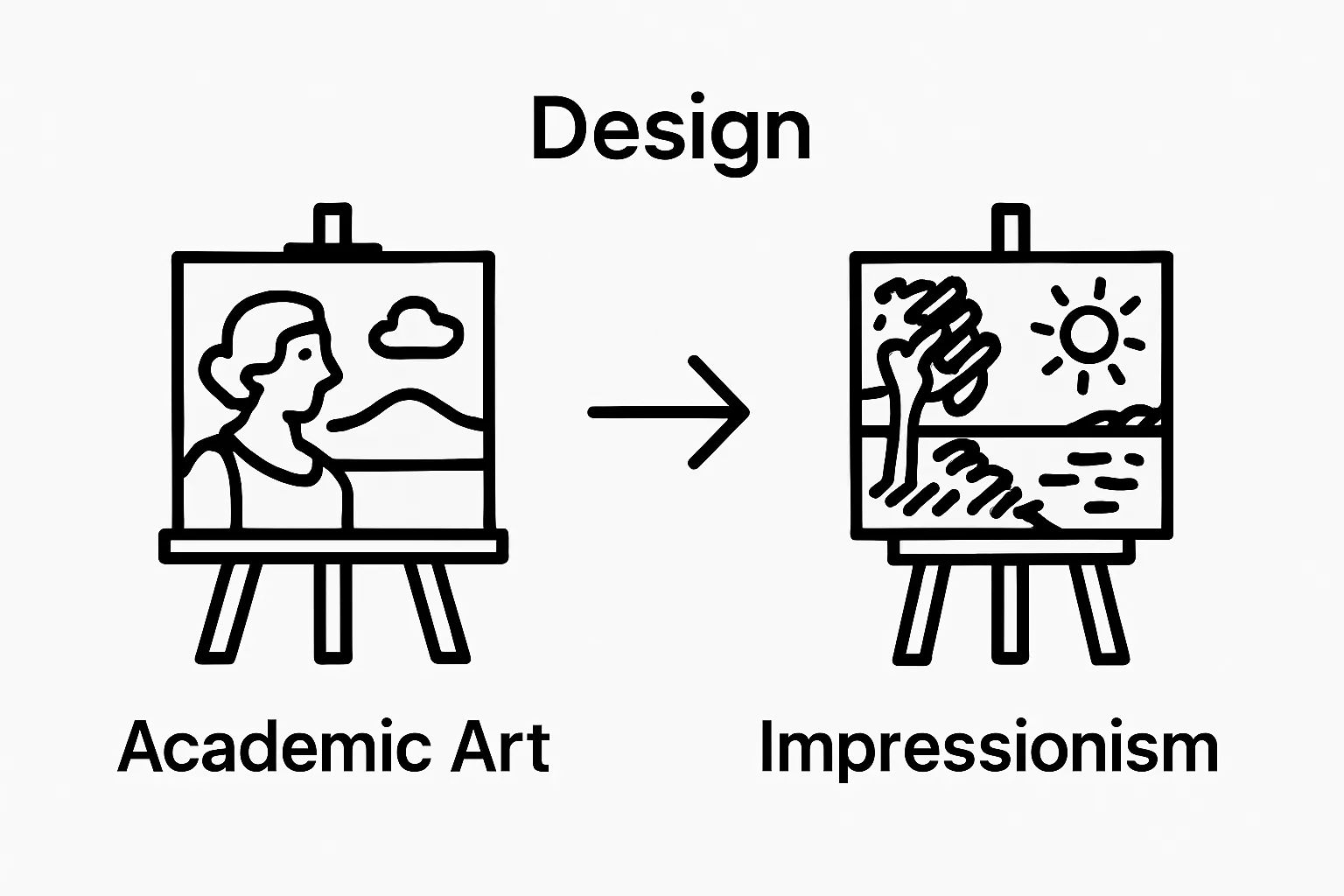
Key characteristics of Impressionist art include:
- Visible and loose brushstrokes that emphasize the painting’s texture
- Focus on capturing transient effects of light and atmosphere
- Preference for painting outdoors (en plein air) to directly observe natural conditions
- Use of vibrant, unmixed colors to create luminous visual experiences
Technical Innovations
Impressionist painters developed groundbreaking techniques that distinguished their work from previous artistic traditions. They often used broken color methods, applying pure colors side by side to create optical mixing when viewed from a distance. This technique allowed viewers to perceive color and light in a more dynamic, interactive manner.
The movement also challenged traditional compositional rules by:
- Rejecting formal studio settings
- Choosing everyday subjects over grand historical or mythological scenes
- Embracing asymmetrical and seemingly spontaneous compositions
- Capturing moments of ordinary life with extraordinary visual sensitivity
Through these innovative approaches, Impressionists transformed art from a precise representational practice to an emotional and perceptual experience that celebrated the fleeting nature of visual perception.
The following table presents a comparison of key technical innovations and everyday-life artistic choices made by Impressionist painters, highlighting how these elements set the movement apart from earlier traditions.
| Technique/Theme | Impressionist Approach | How it Differs from Tradition |
|---|---|---|
| Colour Application | Used pure, unmixed colours side by side (broken colour) | Traditional blending on palette or canvas |
| Brushwork | Loose, visible, often rapid | Smooth, hidden, meticulous |
| Subject Matter | Everyday modern life, leisure, ordinary scenes | Grand historical, mythological, staged |
| Painting Location | Outdoors (en plein air), natural light | Indoors, controlled studio conditions |
| Composition | Asymmetrical, spontaneous, cropped | Formal, balanced, planned |
The Historical Context: When and Why Impressionism Emerged
According to the Encyclopedia Britannica, Impressionism emerged during a transformative period in European art history, representing a profound rebellion against the established artistic norms of the mid-19th century. This revolutionary movement arose in France during a time of significant social, technological, and cultural transitions.
Social and Cultural Dynamics
The emergence of Impressionism was deeply intertwined with the rapid urbanization and industrialization of Paris during the 1860s and 1870s. Artists began to reject the formal, idealized representations championed by the French Academy of Fine Arts, seeking instead to capture the authentic experiences of modern life.
Key societal factors that influenced the movement included:
- The rise of a new middle class with different aesthetic preferences
- Increased leisure time and urban recreational activities
- Technological advancements like photography, which challenged traditional artistic representations
- Growing interest in capturing immediate, fleeting moments of contemporary existence
Artistic Rebellion and Innovation
Impressionist painters fundamentally challenged the established artistic hierarchies of their time. The Paris Salon, the official art exhibition of the French Academy, traditionally favored meticulously detailed, historically or mythologically themed paintings. In contrast, Impressionist artists sought to represent the world as they personally experienced it.
The movement was characterized by several groundbreaking approaches:
- Rejection of formal academic painting techniques
- Emphasis on painting outdoors to capture natural light and atmospheric conditions
- Using lighter color palettes and more spontaneous brushwork
- Focusing on everyday subjects rather than grand historical narratives
These artists were not merely creating art but were making a powerful statement about perception, experience, and the evolving nature of visual representation in an increasingly dynamic and rapidly changing world.
Influential Artists: Who Shaped the Impressionist Movement
According to the Metropolitan Museum of Art, the Impressionist movement was driven by a group of innovative artists who fundamentally transformed visual art through their radical approach to painting and perception.
Pioneering Masters of Impressionism
The movement was primarily led by a core group of French artists who challenged traditional artistic conventions. Claude Monet emerged as the most iconic figure, often considered the quintessential Impressionist painter. His famous series of water lily paintings and haystacks demonstrated the movement’s core principles of capturing transient light and atmospheric conditions.
Key pioneering Impressionist artists included:
- Claude Monet: Master of light and landscape painting
- Pierre-Auguste Renoir: Renowned for capturing social scenes and portraits
- Edgar Degas: Specialized in movement and human figures, particularly dancers
- Camille Pissarro: Considered the “dean of the Impressionist painters”
Distinctive Artistic Contributions
Each artist brought unique perspectives and techniques to the Impressionist movement. Pierre-Auguste Renoir focused on capturing the joy and vibrancy of human interactions, often painting scenes of leisure and social gatherings. His soft, luminous style contrasted with Degas’ more structured approach to representing human movement.
To help clarify the unique contributions of different Impressionist painters, the table below summarises the distinctive artistic approaches and focus areas of each pioneering artist mentioned in the article.
| Artist | Artistic Focus | Distinctive Approach |
|---|---|---|
| Claude Monet | Landscapes, water, light | Mastery of transient light and atmospheric effects |
| Pierre-Auguste Renoir | Social scenes, portraits | Joyful depiction of human interactions |
| Edgar Degas | Movement, human figures (especially dancers) | Structured study of movement and composition |
| Camille Pissarro | Rural and urban scenes | Consistent plein air technique, luminous palettes |
The artists shared several fundamental characteristics:
- Commitment to painting outdoors (en plein air)
- Rejection of academic painting techniques
- Emphasis on capturing immediate visual impressions
- Use of lighter, more vibrant color palettes
While initially met with significant criticism, these artists ultimately revolutionized visual art, paving the way for modern artistic expressions and challenging viewers to perceive the world through a more immediate, sensory lens.
The Techniques of Impressionism: How Artists Created Their Works
According to Tate Art Terms, Impressionist artists developed groundbreaking techniques that radically transformed how visual experiences were captured and represented. Their innovative approach challenged traditional painting methods and perception itself.
Color and Light Techniques
Impressionist painters revolutionized color usage through optical mixing and broken color techniques. Instead of blending colors on a palette, they applied pure, vibrant colors directly onto the canvas, allowing viewers’ eyes to blend them optically. This approach created a sense of luminosity and movement that was unprecedented in art history.
Key color and light techniques included:
- Placing complementary colors side by side
- Using short, visible brushstrokes
- Capturing the immediate impression of light and atmosphere
- Avoiding traditional shading and blending methods
Painting Methods and Practices
The en plein air (outdoor) painting approach was fundamental to Impressionist techniques. Artists like Claude Monet would set up their easels outside, directly confronting natural light and atmospheric conditions. This practice allowed them to capture instantaneous visual sensations that studio painting could not reproduce.
Critical painting practices encompassed:
- Rapid, spontaneous brushwork
- Prioritizing visual perception over detailed representation
- Using lighter, more transparent paint layers
- Embracing natural light and its ephemeral qualities
For artists interested in exploring these techniques further, our guide on art materials provides insights into the tools Impressionists used to create their revolutionary works. These innovative approaches ultimately transformed artistic expression, challenging viewers to perceive art as a dynamic, immediate experience rather than a static representation.
Impressionism’s Relevance Today: Its Influence on Modern Art
According to the Tate Art Terms, Impressionism continues to profoundly influence contemporary artistic practices, demonstrating its enduring significance in the evolution of visual expression.
Philosophical and Aesthetic Legacy
The Impressionist movement fundamentally transformed how artists perceive and represent visual experiences. Modern artists continue to draw inspiration from the movement’s core principles of capturing immediate sensations, challenging viewers’ perceptions, and prioritizing emotional interpretation over precise representation.
Key philosophical contributions that persist in contemporary art include:
- Rejection of rigid artistic conventions
- Emphasis on personal perception and emotional experience
- Celebration of spontaneity and individual artistic vision
- Liberation of color and form from traditional constraints
Contemporary Artistic Manifestations
Modern artists across various disciplines have internalized Impressionist techniques and philosophies. Contemporary painters, photographers, and digital artists continue to explore the movement’s foundational concepts of light, color, and momentary perception. Abstract expressionism, street photography, and digital art frequently demonstrate clear lineages to Impressionist principles.
Contemporary artistic approaches reflecting Impressionist influences include:
- Using fragmented visual techniques
- Prioritizing emotional resonance over literal representation
- Experimenting with non-traditional color applications
- Capturing fleeting, ephemeral moments
For art enthusiasts interested in exploring the nuanced connections between historical and contemporary art, our guide to painting values offers fascinating insights into how artistic movements translate into cultural and economic value. The Impressionist legacy ultimately represents more than a historical art movement it symbolizes a radical reimagining of artistic perception that continues to inspire creative expression worldwide.
Discover the Essence of Impressionism in Local Art
Are you intrigued by how Impressionist artists captured fleeting moments and transformed simple scenes into emotional masterpieces? If you enjoyed learning about visible brushstrokes and the celebration of light in the Impressionism movement, imagine experiencing these same qualities in the creations of South Africa’s top talents. Many art lovers struggle to find pieces that reflect the vibrancy and spontaneity described in the article. At Art Online, you can explore an extraordinary range of contemporary and classic works that echo the spirit of Impressionism.

Ready to bring this unique energy into your space? Start browsing our trusted online art gallery, where each piece is carefully curated to inspire the same emotional connection discussed in our guide. Do not miss your chance to discover and own artworks that connect the values of Impressionism with South Africa’s dynamic art scene. Visit Art Online now and transform your appreciation into lifelong artistry.
Frequently Asked Questions
What is Impressionism in art?
Impressionism is an art movement that emerged in the late 19th century, characterized by a focus on capturing light, color, and the fleeting impressions of a moment through visible brushstrokes and vibrant colors. It often includes outdoor scenes and everyday subjects.
Who are the main artists associated with the Impressionist movement?
Key figures of the Impressionist movement include Claude Monet, Pierre-Auguste Renoir, Edgar Degas, and Camille Pissarro. Each artist made significant contributions through their unique techniques and perspectives.
What are the main techniques used by Impressionist artists?
Impressionist artists commonly employed techniques like broken color, optical mixing, loose brushwork, and plein air painting to capture light and atmosphere, allowing viewers to experience a moment as perceived by the artist.
How does Impressionism influence modern art today?
Impressionism has had a lasting impact on modern art by promoting individual perception, spontaneity, and emotional expression. Contemporary artists often incorporate Impressionist principles in various forms, such as abstract expressionism and street photography.