
Understanding Art Market Trends 2025: What You Need to Know
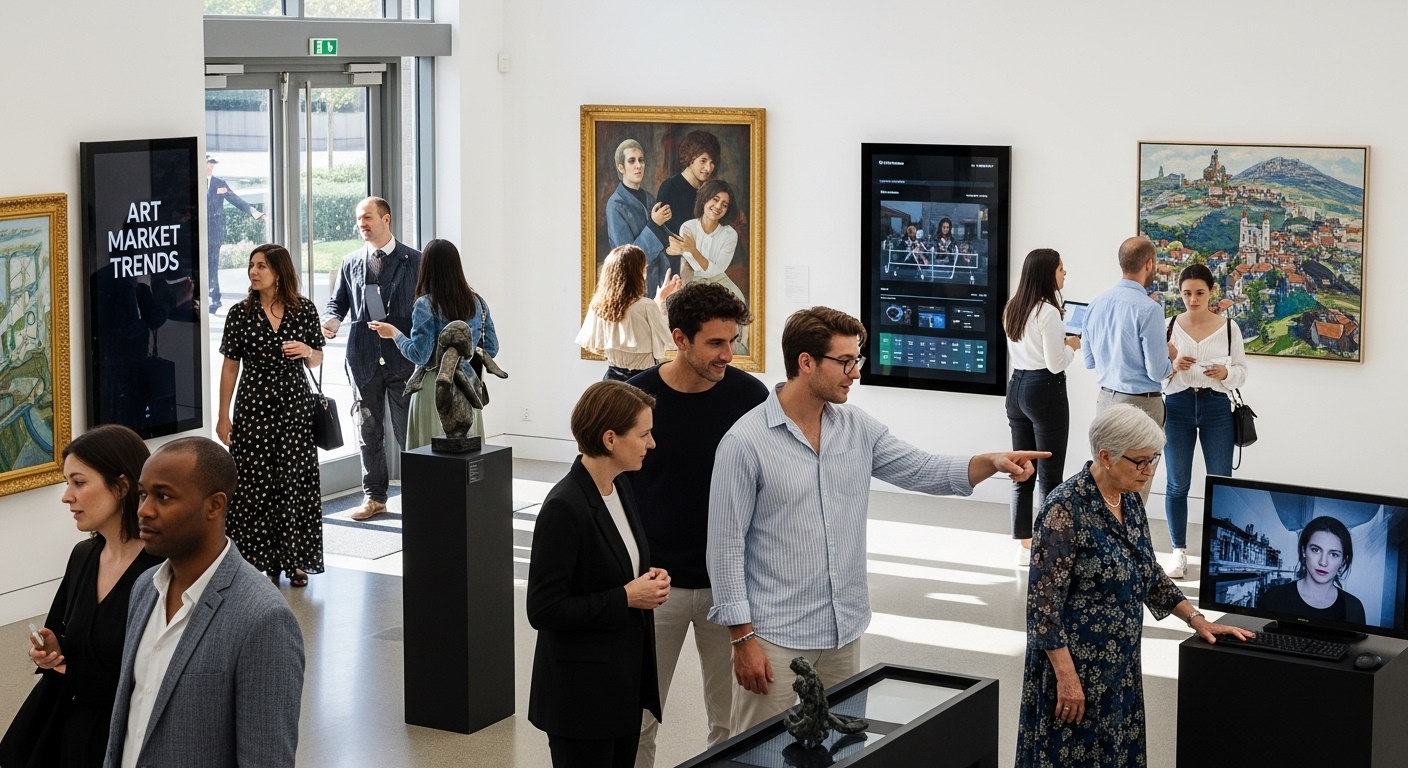
Art market trends shape everything from the price of a painting to which artists end up on gallery walls. Most people think art is all about taste and beauty, not numbers or strategy. But look at this: the creative economy is so vital that it’s recognised as a key sector for national development in South Africa. So art is not just about creative expression. Art market trends can shift economies, influence culture, and even affect how you invest your money.
Table of Contents
- What Are Art Market Trends And Why Do They Matter?
- Key Influences On The Art Market In 2025
- Understanding The Rise Of Digital Art And Nfts
- The Role Of Sustainability In Art Collecting
- Future Predictions: What Collectors Should Watch For
Quick Summary
| Takeaway | Explanation |
|---|---|
| Art market trends reflect cultural and economic dynamics. | They highlight how aesthetic values interact with economic factors, influencing buying and selling behaviours. |
| Tech innovations are reshaping art transactions. | Digital platforms and technologies like blockchain are changing how art is valued, authenticated, and purchased. |
| Emerging collectors prioritise diversity and ethics. | Younger generations focus on artists from underrepresented backgrounds, valuing social consciousness and transparency in their acquisitions. |
| Sustainability is crucial in art collecting. | Collectors are increasingly aware of the environmental and social impacts of art, driving demand for sustainable practices. |
| NFTs democratise art ownership and access. | Non-Fungible Tokens enable artists to sell directly to collectors, bypassing traditional gallery systems and fostering financial independence. |
What are Art Market Trends and Why Do They Matter?
Art market trends represent the complex dynamics of buying, selling, and valuing artworks within global and regional markets. These trends reflect more than simple price fluctuations they capture the intricate interplay of cultural preferences, economic conditions, collector interests, and artistic innovations.
Understanding Market Dynamics
At its core, art market trends reveal how aesthetic and economic values intersect. Collectors, investors, and art enthusiasts track these trends to understand which artists, styles, and mediums are gaining prominence. Explore our guide on understanding art valuations to gain deeper insights into this fascinating ecosystem.
Key characteristics of art market trends include:
- Cultural significance of specific artistic movements
- Economic investment potential of artworks
- Emerging artist recognition and market positioning
- Shifts in collector preferences and demographic interests
According to the Mzansi Golden Economy strategy, the creative economy represents a critical sector for national economic development. This underscores why understanding art market trends goes beyond aesthetic appreciation.
Why Trends Matter for Different Stakeholders
For artists, market trends provide critical feedback about their work’s reception and potential market value. Galleries and collectors use these trends to make strategic purchasing decisions, identifying emerging talents and potentially valuable artworks.
Investors view art not just as a cultural asset but as a potential financial instrument. Market trends help them assess potential returns, understand price volatility, and make informed investment choices. The art market offers unique opportunities for diversification beyond traditional financial instruments.
Cultural institutions and policymakers also benefit from tracking these trends. They gain insights into artistic innovation, cultural preferences, and the economic potential of creative industries. By understanding these dynamics, they can develop supportive policies and infrastructure for artists and cultural producers.
To help clarify how different stakeholders in the art world are impacted by market trends, the following table outlines their key concerns and responses.
| Stakeholder | Main Focus | How Market Trends Affect Them |
|---|---|---|
| Artists | Visibility, recognition, and income | Inform creative and commercial strategies |
| Galleries | Artist selection, sales, and reputation | Influence which artists and art forms they showcase |
| Collectors | Art value, cultural and ethical alignment | Shape acquisition and investment choices |
| Investors | Financial returns, market volatility | Aid in risk assessment and portfolio management |
| Policymakers/Institutions | Supporting creative industries, economic development | Guide cultural and economic support policies |
Key Influences on the Art Market in 2025
The art market in 2025 is experiencing unprecedented transformation driven by technological innovation, global economic shifts, and evolving collector preferences. Understanding these dynamic influences becomes crucial for artists, investors, and cultural professionals navigating this complex landscape.
Technological Disruption and Digital Platforms
Digital technologies are fundamentally reshaping art market interactions. Online platforms, blockchain authentication, and virtual galleries are creating new avenues for art discovery and investment. Explore our insights on painting values to understand how technology impacts art economics.
Key technological influences include:
- Artificial intelligence in art valuation and authentication
- Blockchain-based provenance tracking
- Virtual and augmented reality exhibition spaces
- Cryptocurrency and digital payment systems for art transactions
According to research on South African creative industries, technological integration represents a critical strategy for economic development and global competitiveness.
Demographic and Collector Behavior Shifts
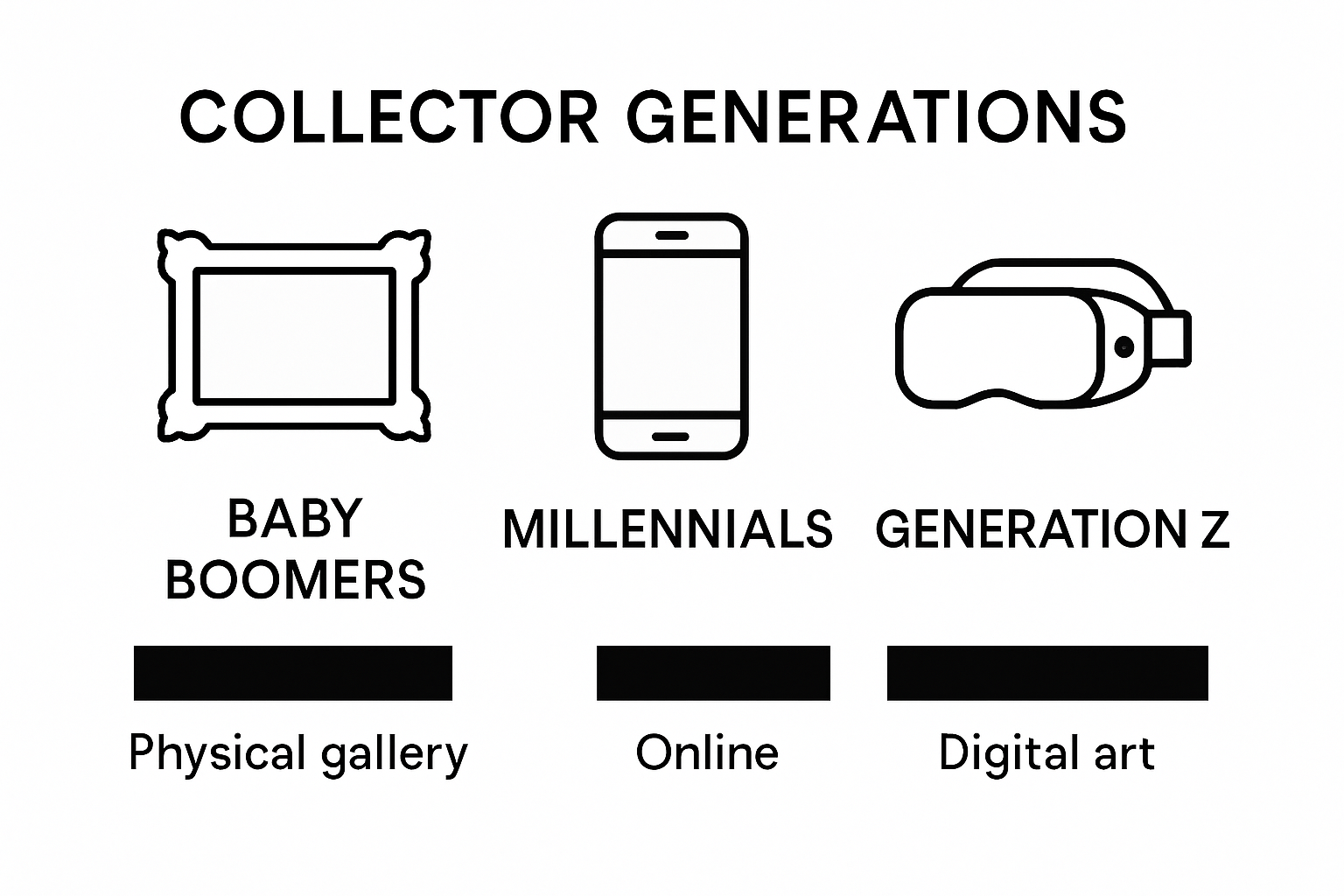
Emergent collector demographics are dramatically transforming market dynamics. Younger generations like Millennials and Generation Z are approaching art collection differently. They prioritize digital accessibility, social consciousness, and investment potential over traditional collecting models.
Collector preferences in 2025 demonstrate:
- Increased interest in emerging and underrepresented artists
- Demand for art with explicit social and environmental narratives
- Preference for transparent, ethically sourced artworks
- Greater willingness to engage with digital and new media art forms
These shifts indicate a more inclusive, socially aware art market that values diversity and meaningful storytelling beyond pure aesthetic appreciation.
The table below highlights how technological and demographic shifts are influencing the art market landscape in 2025, providing a side-by-side comparison of their major effects.
| Influence Type | Key Changes | Impact on Art Market |
|---|---|---|
| Technological | Blockchain, AI, digital platforms, NFT marketplaces | New modes of buying, selling, and verifying art |
| Demographic (Gen Z, Millennials) | Social consciousness, digital fluency, diversity focus | Shift in collector priorities, growth of inclusive markets |
| Combined Effect | Blending technology and values-driven collecting | Rapid transformation towards a more accessible market |
Understanding the Rise of Digital Art and NFTs
Digital art and Non-Fungible Tokens (NFTs) represent a groundbreaking evolution in artistic creation, ownership, and value exchange. This emerging landscape is transforming how artists monetize their work and how collectors engage with art in the digital realm. Discover our exploration of contemporary art trends to understand this dynamic shift.
What Are NFTs and Digital Art?
Non-Fungible Tokens are unique digital assets verified through blockchain technology, providing irrefutable proof of ownership and authenticity. Unlike traditional digital files, NFTs cannot be replicated or exchanged on a like-for-like basis. Each token represents a distinct, verifiable piece of digital content.
Key characteristics of NFTs include:
- Unique digital certificates of ownership
- Blockchain-based authentication
- Potential for ongoing artist royalties
- Global accessibility and immediate transferability
According to research from the University of Cape Town, NFTs are creating unprecedented opportunities for digital artists to monetize their creative work directly.
Economic and Creative Implications
Digital art and NFTs are disrupting traditional art market structures. Artists now have direct access to global markets, bypassing traditional gallery systems and intermediaries. This democratization allows creators to retain greater control over their work and potential earnings.
The economic model of NFTs introduces revolutionary concepts:
- Programmable royalties enabling continuous artist compensation
- Transparent transaction histories
- Reduced barriers to entry for emerging artists
- New forms of digital collectibility and investment
These innovations represent more than a technological trend they signal a fundamental reimagining of artistic value, ownership, and creative expression in the digital age.
The Role of Sustainability in Art Collecting
Sustainability has emerged as a transformative concept in art collecting, extending beyond environmental considerations to encompass social responsibility, ethical practices, and long-term cultural preservation. Discover insights about notable artists making sustainable contributions to understand this evolving landscape.
Environmental and Ethical Considerations
Modern art collectors are increasingly prioritizing sustainability as a critical factor in their acquisition strategies. This approach involves evaluating artworks not just for aesthetic and financial value, but also for their environmental impact and the ethical practices of their creators.
Key sustainable art collecting principles include:
- Carbon footprint of art production and transportation
- Use of environmentally friendly materials
- Support for artists practicing sustainable techniques
- Preservation and conservation strategies
According to the Art Bank of South Africa, contemporary art acquisition should consider broader societal and environmental implications beyond traditional valuation metrics.
Socio-Economic Impact of Sustainable Art Collecting
Sustainable art collecting represents a holistic approach to cultural investment. It goes beyond mere acquisition, focusing on supporting artists who demonstrate commitment to social responsibility, community development, and environmental stewardship.
Important dimensions of sustainable art collecting encompass:
- Promoting artists from marginalized communities
- Supporting local and indigenous artistic practices
- Investing in art that addresses social challenges
- Creating economic opportunities for emerging artists
This approach transforms art collecting from a transactional experience into a meaningful contribution to cultural and environmental sustainability.
This table outlines the major principles and priorities of sustainable art collecting as discussed in the article.
| Principle/Priority | Description |
|---|---|
| Environmental Impact | Assessing material use and production footprint |
| Ethical Sourcing | Ensuring fair and responsible acquisition processes |
| Support for Marginalised Communities | Promoting artists from underrepresented backgrounds |
| Local & Indigenous Practices | Investing in art rooted in community and tradition |
| Long-term Cultural Preservation | Ensuring art endures and benefits future generations |
| Social & Economic Responsibility | Choosing art that supports economic opportunities |
Future Predictions: What Collectors Should Watch For
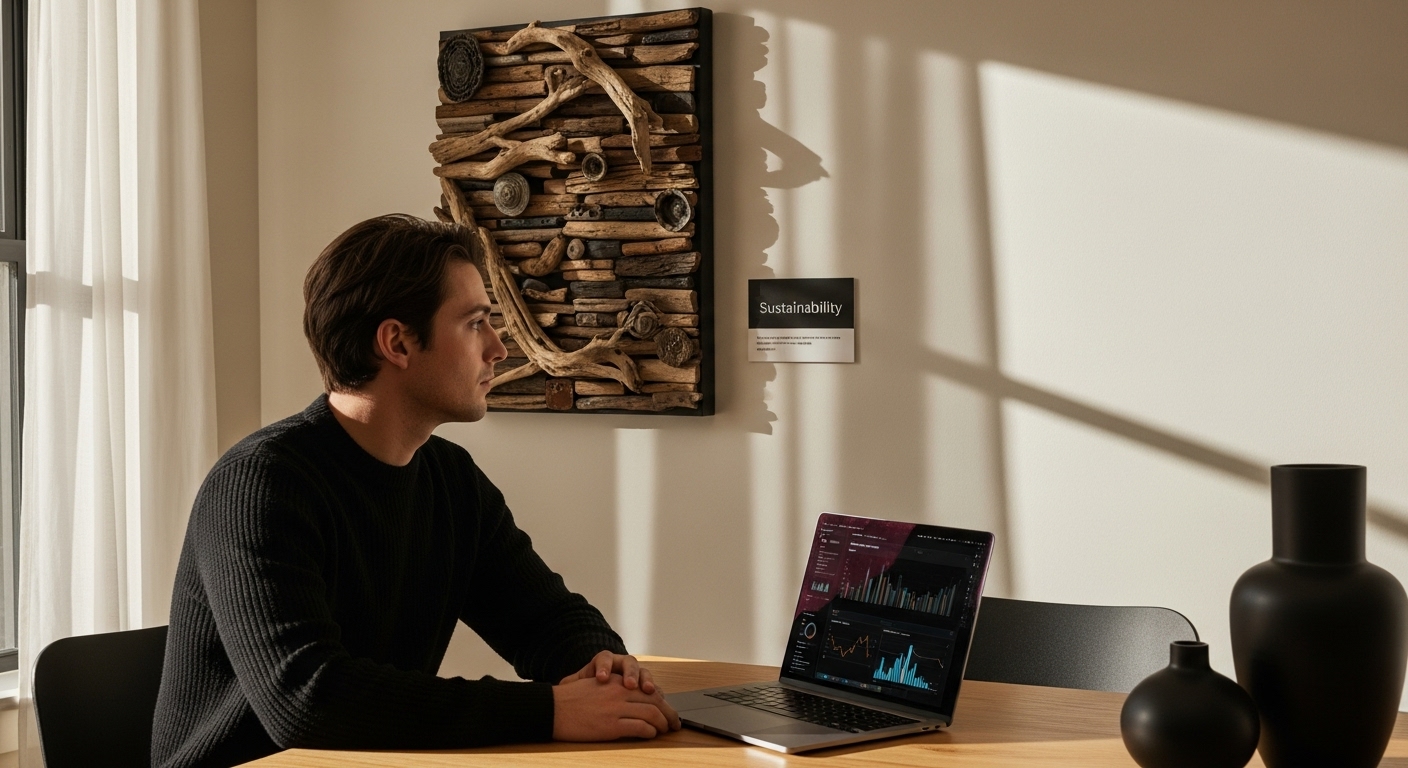
The art market in 2025 is experiencing rapid transformation, driven by technological advancements, shifting demographic preferences, and global economic dynamics. Collectors must stay informed and adaptable to navigate these complex emerging trends. Learn more about upcoming art market developments to refine your collecting strategy.
Technological and Market Evolution
Collectors should anticipate significant disruptions in art acquisition, valuation, and authentication processes. Emerging technologies like artificial intelligence, blockchain, and advanced digital platforms are fundamentally reshaping how art is discovered, verified, and traded.
Key technological trends collectors must monitor include:
- Advanced AI-powered art authentication systems
- Increased use of blockchain for provenance tracking
- Virtual and augmented reality exhibition platforms
- Algorithmic art valuation methodologies
According to the Investec Cape Town Art Fair insights, the South African art market is positioning itself at the forefront of these transformative technologies.
Demographic and Cultural Shifts
The next generation of art collectors will dramatically reshape market dynamics. Younger collectors from Generation Z and Millennials are entering the market with distinctly different priorities compared to previous generations.
Critical emerging collector characteristics include:
- Strong emphasis on social and environmental impact
- Preference for digital and multimedia art forms
- Interest in supporting emerging and diverse artists
- Demand for transparent and ethical art acquisition processes
These predictions suggest a more inclusive, technologically integrated, and socially conscious art collecting landscape that prioritizes innovation, diversity, and meaningful cultural engagement.
Ready to Navigate the 2025 Art Market?
Are you feeling uncertain about the fast-changing dynamics in the art world? From understanding art market trends and the rise of digital art to new expectations around sustainability, these shifts can make it tough to know which artworks hold value and how to invest confidently. If you want to make informed decisions and access South Africa’s most renowned artists, Art Online is your dedicated partner in staying ahead of the curve.

Explore our collection and discover artworks that reflect the emerging trends discussed in the article. Whether you are searching for pieces with sustainable practices, digital innovation, or unique South African heritage, Art Online connects you directly with what’s shaping the 2025 art landscape. Visit Art Online now and take your next step into the future of art collecting while these trends are at their strongest impact.
Frequently Asked Questions
What are the key factors driving art market trends in 2025?
Art market trends in 2025 are influenced by technological innovations, demographic shifts, evolving collector preferences, and economic developments. Understanding these factors helps stakeholders navigate this complex landscape.
How are digital platforms impacting the art market?
Digital platforms are transforming the art market by enhancing art discovery and investment opportunities. Technologies such as blockchain for provenance tracking and virtual galleries are crucial for modern art transactions.
What role do sustainability and social responsibility play in art collecting?
Sustainability and social responsibility are gaining importance among art collectors. Many now prioritize artworks that reflect ethical practices, environmentally friendly production methods, and social impact, making these principles integral to modern art acquisition strategies.
How are NFTs changing the art market?
NFTs are revolutionizing the art market by enabling direct monetization for digital artists and providing unique, verifiable ownership of digital artworks. They open new avenues for investment and challenge traditional gallery systems.
Recommended
- Why Buy Original Art in South Africa: Key 2025 Insights – Art-Online
- South African Tribal Art: Trends and Decor Ideas for 2025 – Art-Online
- Painting Prices Unveiled: Explore 5 Types of Captivating Paintings and Their Exceptional Values – Art-Online
- Famous South African Artists: 2025 Guide for Collectors & Decorators – Art-Online