Understanding Texture in Contemporary Art: A Complete Guide
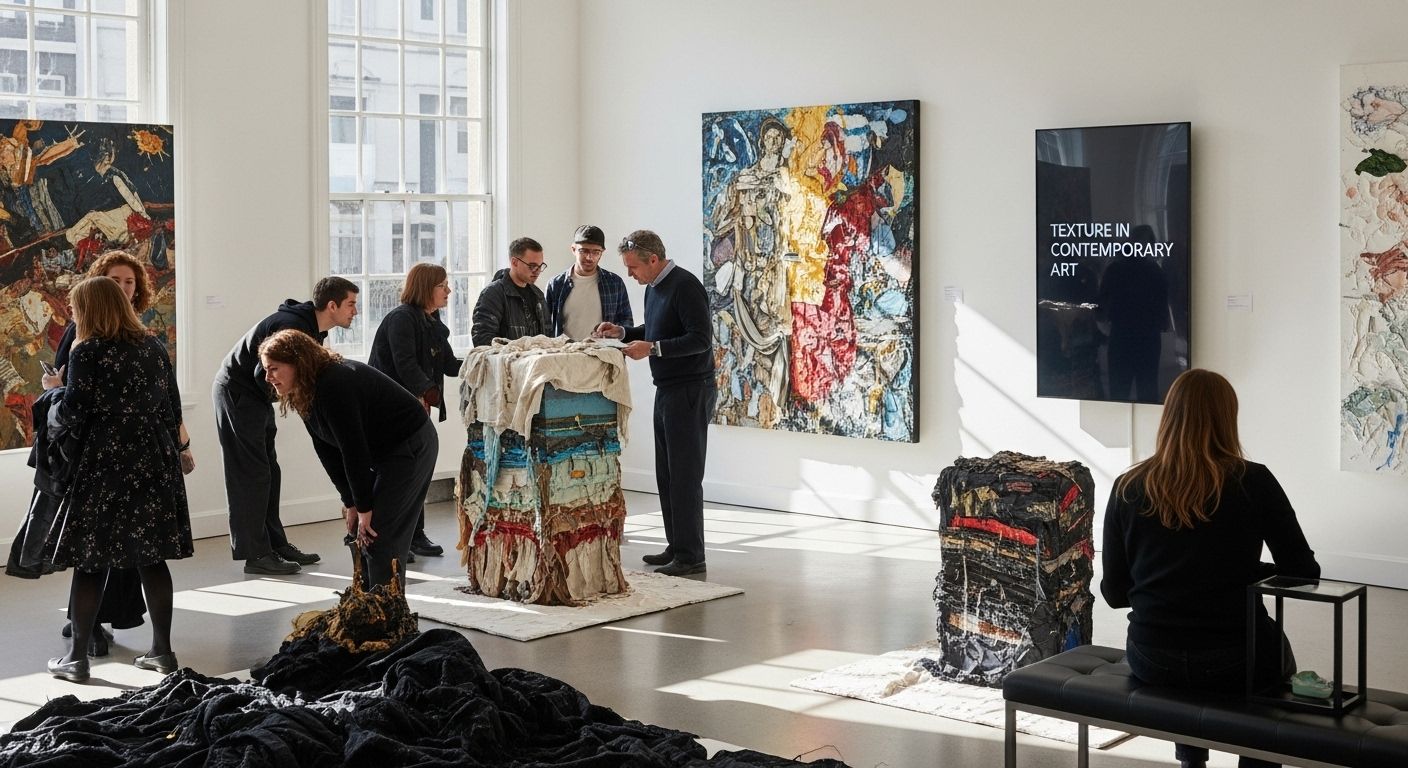
Texture in contemporary art is not just about what you see on the canvas. It is about what you feel, remember, and even imagine. Think texture is just raised paint and rough surfaces? Think again. Some artists now use unexpected materials like pantyhose and mixed media, completely breaking the rules of tradition. This shift means texture becomes more than a visual trick. It turns into a living conversation between you, the artwork, and the world around you.
Table of Contents
- Defining Texture In Contemporary Art: Key Characteristics
- The Importance Of Texture: Emotional And Visual Impact
- The Role Of Materiality In Crafting Texture
- Exploring Textural Techniques: Methods And Styles
- Case Studies: Texture In The Works Of Contemporary Artists
Quick Summary
| Takeaway | Explanation |
|---|---|
| Texture transcends visual elements | Contemporary texture engages emotional, sensory, and conceptual dimensions, enhancing artistic communication. |
| Material selection is strategic | Artists choose materials based on their emotional and narrative properties to convey deeper meanings. |
| Texture evokes psychological responses | Different textural elements trigger memories and emotions, creating immersive sensory experiences for viewers. |
| Innovative techniques redefine traditional boundaries | Techniques like layering and deconstruction transform texture into a dynamic part of artistic dialogue and interpretation. |
| Artists use everyday materials creatively | Through unique manipulation, artists convert common materials into complex narratives and rich sensory experiences. |
Defining Texture in Contemporary Art: Key Characteristics
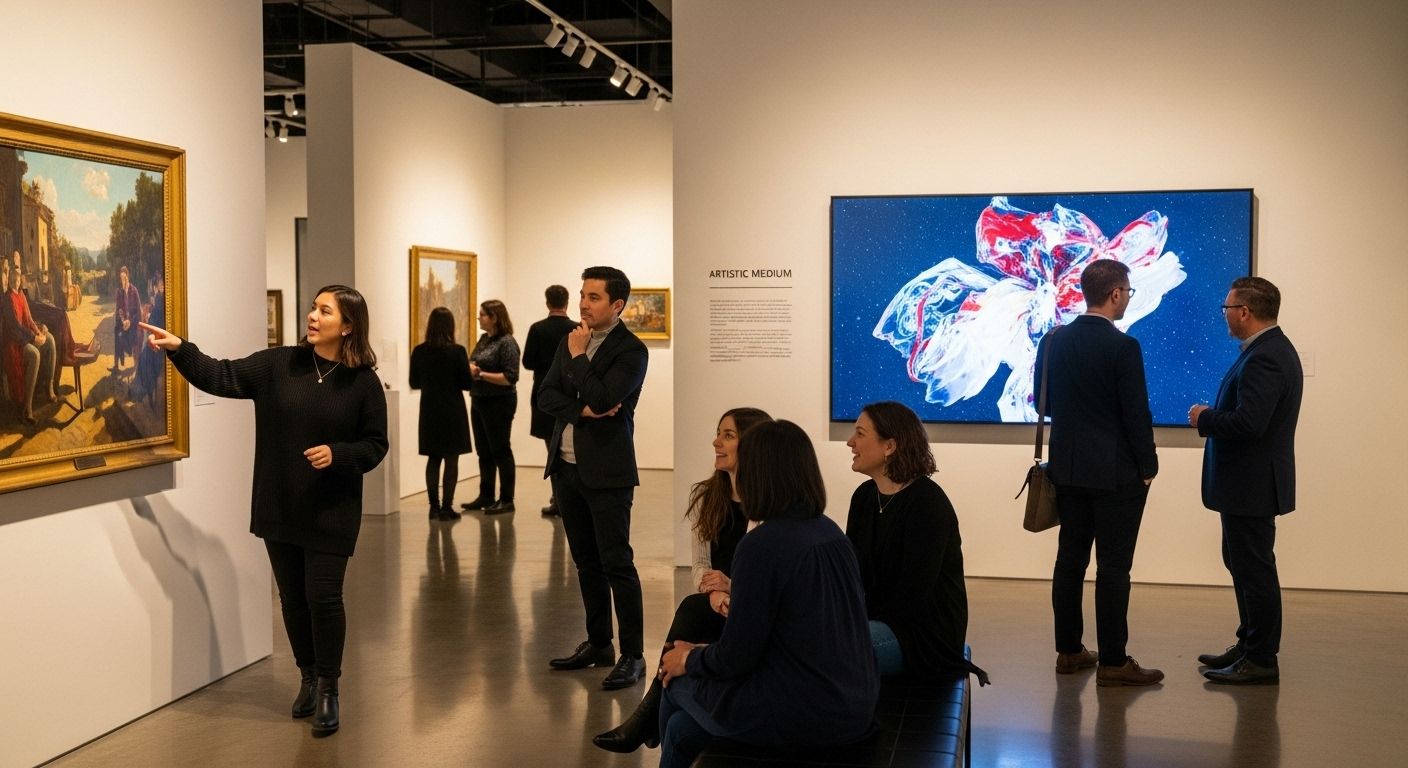
Texture in contemporary art represents a complex and nuanced concept that goes far beyond traditional visual perception. Unlike historical artistic approaches, contemporary artists explore texture as a multidimensional experience that engages sensory, emotional, and conceptual layers.
The Conceptual Nature of Artistic Texture
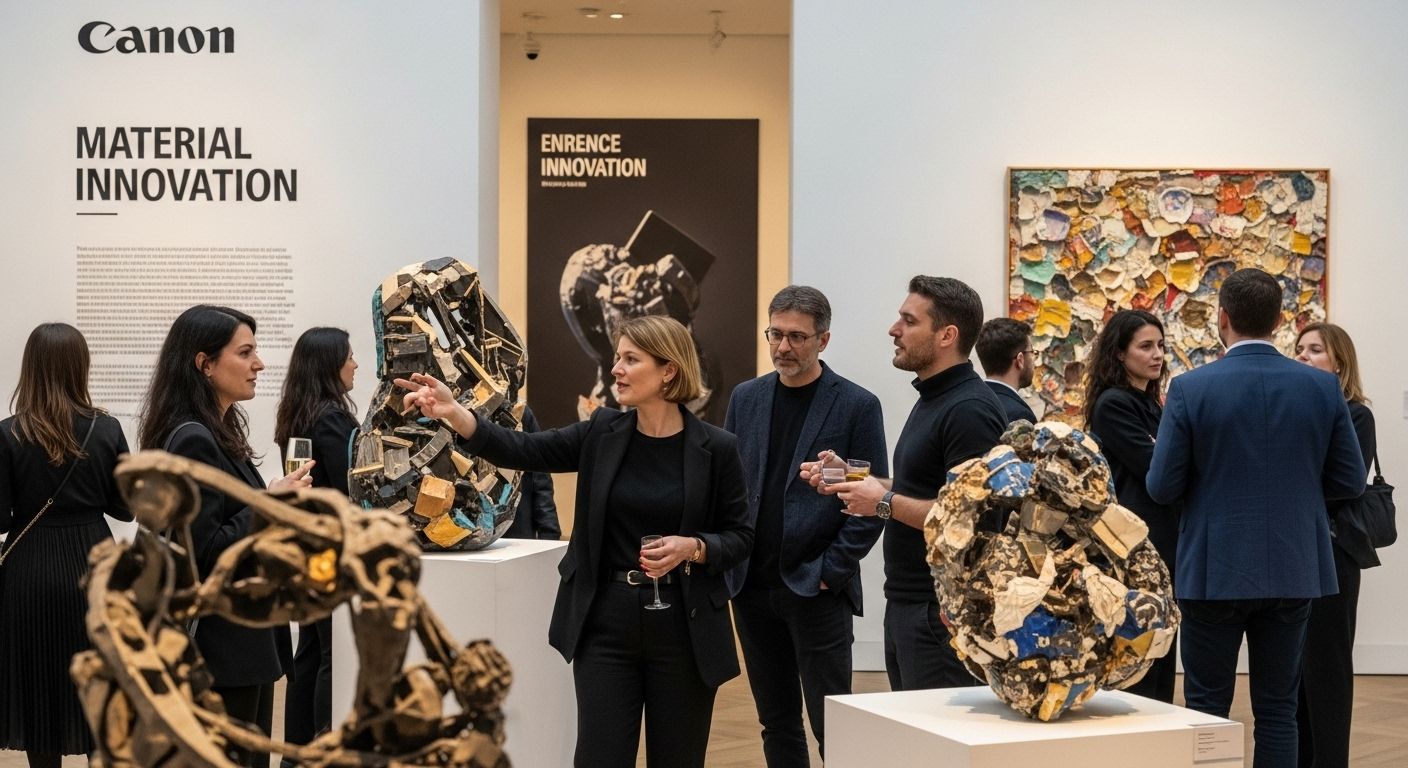
Contemporary art redefines texture not merely as a physical surface quality but as an intricate language of artistic expression. Artists manipulate materials, techniques, and perceptual strategies to create experiences that challenge viewers’ understanding of materiality and representation. Explore our guide on contemporary art techniques to understand these innovative approaches.
Key characteristics of texture in contemporary art include:
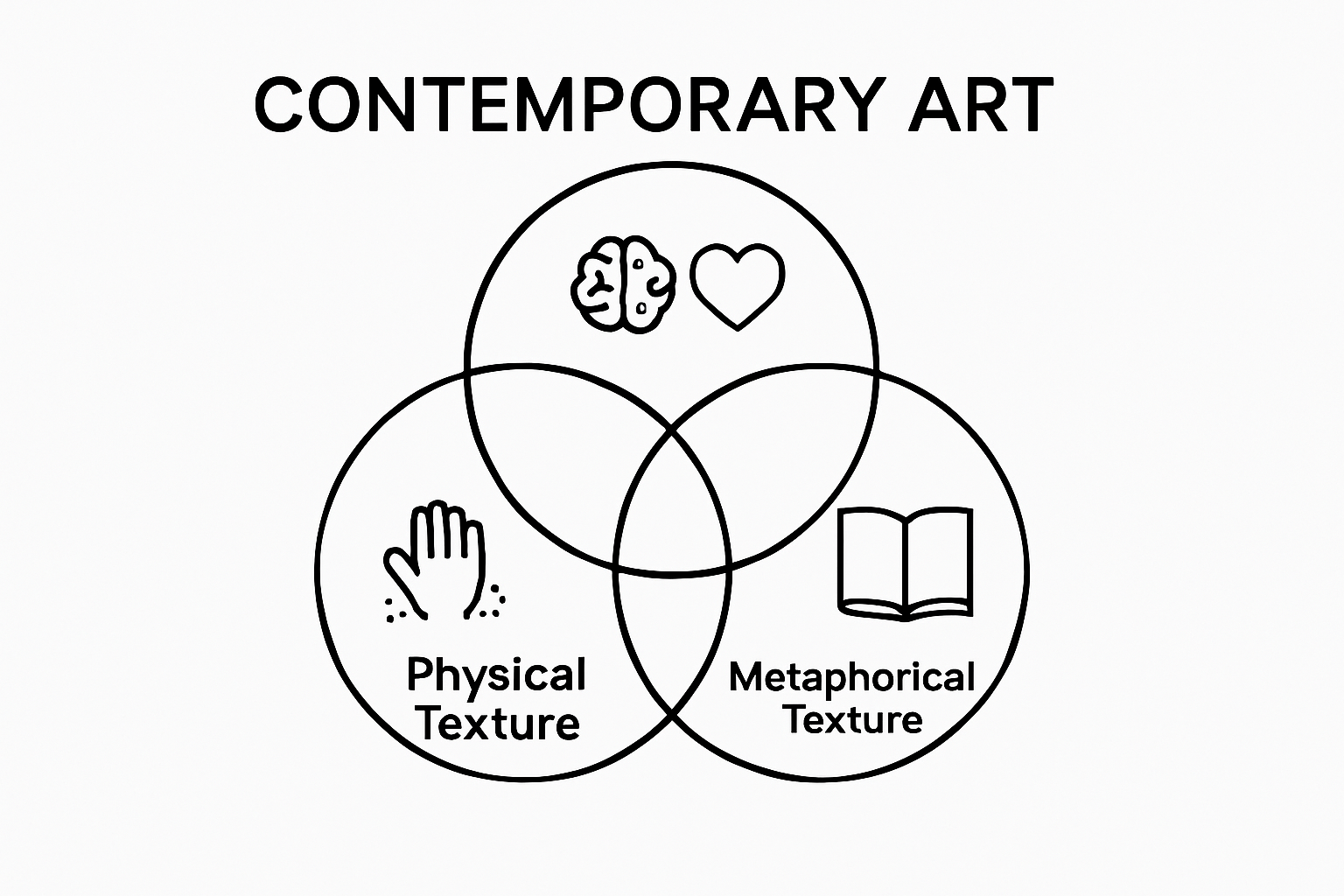
- Physical Dimensionality: Actual surface variations created through techniques like impasto, collage, or mixed media assemblages
- Psychological Texture: Emotional and conceptual layers that evoke sensory memories or psychological responses
- Metaphorical Texture: Representational strategies that suggest deeper meanings beyond visual appearance
Material Experimentation and Sensory Engagement
According to research from Wits University, contemporary artists increasingly blur boundaries between design, material exploration, and artistic creation. This approach transforms texture from a passive visual element into an active participant in artistic dialogue.
Artists achieve this through innovative techniques such as:
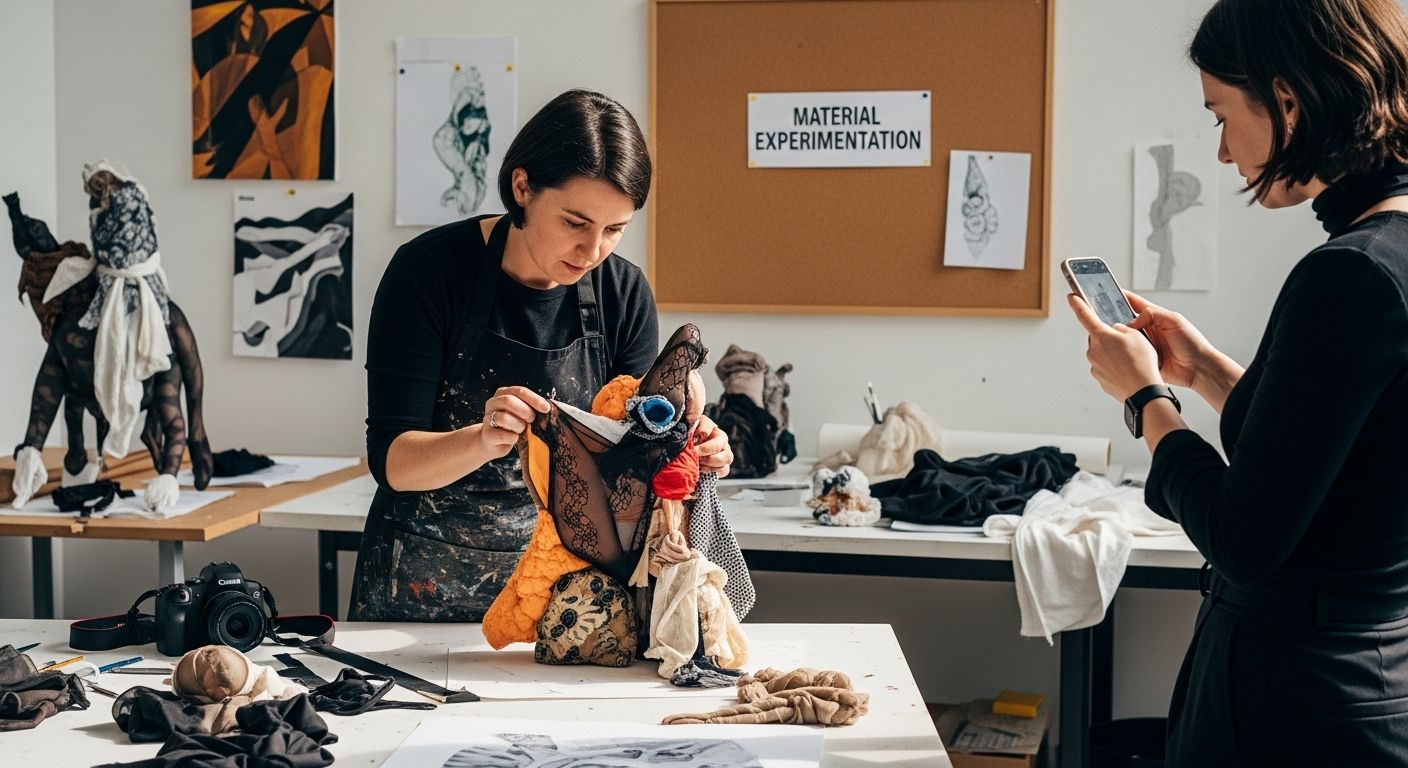
- Incorporating unconventional materials
- Challenging traditional medium boundaries
- Creating immersive sensory experiences
Modern texture in art becomes a dynamic conversation between material, artist, and viewer, transcending simple visual representation to provoke deeper intellectual and emotional engagement.
Below is a table comparing key types of texture in contemporary art, helping to clarify their distinctive roles and characteristics as discussed in the article.
| Texture Type | Description | Example Techniques |
|---|---|---|
| Physical Dimensionality | Refers to actual surface variations created by material build-up or manipulation | Impasto, collage, assemblage |
| Psychological Texture | Engages the viewer on an emotional or conceptual level, invoking memories or feelings | Evocative material choices, contrasts |
| Metaphorical Texture | Utilises representation to suggest deeper meanings and narratives | Symbolism, narrative layering |
The Importance of Texture: Emotional and Visual Impact
Texture in contemporary art functions as a profound communication tool that transcends mere visual representation, serving as a critical medium for expressing complex emotional landscapes and perceptual experiences.
Psychological Dimensions of Artistic Texture
Texture operates as a powerful psychological conduit, enabling artists to communicate intricate emotional states and sensory experiences through material manipulation. By strategically employing different textural elements, artists can evoke specific psychological responses, transforming passive visual observation into an immersive sensory journey. Learn more about contemporary art interpretation to understand these nuanced techniques.
Key psychological impacts of texture include:
- Emotional Resonance: Triggering memories and deep-seated emotional connections
- Sensory Stimulation: Engaging multiple perceptual channels simultaneously
- Narrative Complexity: Creating layered meanings beyond surface appearances
Texture as Expressive Language
According to research from the Western Cape Education Department, texture functions as a sophisticated visual language that communicates beyond traditional representational methods. Artists strategically employ textural variations to:
- Communicate abstract emotional states
- Challenge viewer expectations
- Create multisensory artistic experiences
By transforming materials into complex sensory experiences, contemporary artists invite viewers into profound dialogues about perception, emotion, and human experience. Texture becomes more than a visual element it emerges as a dynamic, interactive medium of artistic expression.
The Role of Materiality in Crafting Texture
Materiality represents the fundamental essence through which contemporary artists transform abstract concepts into tangible sensory experiences, serving as a critical bridge between conceptual imagination and physical representation.
Material Selection as Artistic Strategy
Contemporary artists approach material selection as a deliberate and sophisticated process of conceptual communication. Each chosen material carries inherent properties that contribute to the artwork’s emotional and visual narrative. Explore our collection of material-driven artworks to understand these nuanced approaches.
Key considerations in material selection include:
- Structural Integrity: Understanding material properties and limitations
- Symbolic Potential: Selecting materials with inherent cultural or historical significance
- Sensory Interaction: Exploring materials that provoke multi-dimensional perceptual experiences
Materiality as Narrative Medium
According to research from University of Pretoria, materiality transcends mere physical composition, functioning as a complex narrative mechanism that embeds historical, social, and personal contexts within artistic creation.
Artists leverage materiality through techniques such as:
- Deliberate material transformations
- Unconventional material combinations
- Exposing material vulnerabilities and imperfections
By treating materials as active participants in artistic dialogue, contemporary artists challenge traditional boundaries between object, representation, and lived experience, transforming texture from a passive visual element into a dynamic storytelling mechanism.
Exploring Textural Techniques: Methods and Styles
Contemporary art texture techniques represent a sophisticated landscape of creative expression, where artists manipulate materials and processes to create complex sensory experiences that challenge traditional artistic boundaries.
Innovative Material Manipulation
Artists today employ diverse techniques that transform materials into dynamic textural landscapes. These approaches go beyond conventional artistic methods, turning texture into a powerful communication tool. Discover contemporary artistic innovations to understand these groundbreaking approaches.
Significant textural manipulation techniques include:
- Layering: Building complex visual depth through strategic material overlays
- Deconstruction: Breaking traditional material boundaries
- Hybrid Processing: Combining unconventional materials and techniques
Contextual Textural Strategies
According to research from the University of Cape Town, contemporary artists like Turiya Magadlela demonstrate remarkable textural innovation by transforming everyday materials such as pantyhose through cutting, stitching, and stretching.
Key textural exploration methods involve:
- Experimental material interactions
- Cultural narrative embedding
- Sensory boundary pushing
These techniques transform texture from a passive visual element into an active, dynamic medium of artistic communication, inviting viewers to experience art through multiple perceptual dimensions.
Case Studies: Texture in the Works of Contemporary Artists
Contemporary artists transform texture from a passive visual element into a dynamic storytelling mechanism, using materiality as a profound language of artistic expression and emotional communication.
Innovative Textural Approaches
Artists today employ sophisticated strategies that transcend traditional artistic representation, creating immersive experiences that challenge viewers’ perceptual boundaries. Explore remarkable textural artworks to understand these groundbreaking techniques.
Key characteristics of contemporary textural art include:
- Material Subversion: Transforming everyday materials into complex artistic narratives
- Sensory Complexity: Creating multi-dimensional perceptual experiences
- Conceptual Depth: Using texture to communicate abstract emotional states
Artist Case Studies in Textural Innovation
According to research from the University of Pretoria, contemporary South African artists demonstrate remarkable approaches to textural exploration:
- Turiya Magadlela transforms pantyhose through intricate cutting and stitching techniques
- Willem Boshoff uses unconventional materials to critique social and political narratives
- Asemahle Ntlonti integrates cultural textiles to explore historical memory
These artists reveal texture as more than a visual phenomenon transforming it into a complex language of artistic dialogue that connects material, emotion, and cultural experience.
The following table summarises how various contemporary South African artists approach texture, highlighting their chosen materials and conceptual focus.
| Artist | Material Approach | Conceptual Focus |
|---|---|---|
| Turiya Magadlela | Pantyhose, cutting, stitching | Transformation, identity, sensory engagement |
| Willem Boshoff | Unconventional materials, assemblage | Social critique, political narratives |
| Asemahle Ntlonti | Cultural textiles, mixed media | Historical memory, cultural exploration |
Experience True Texture: Bring Contemporary Art to Your Space
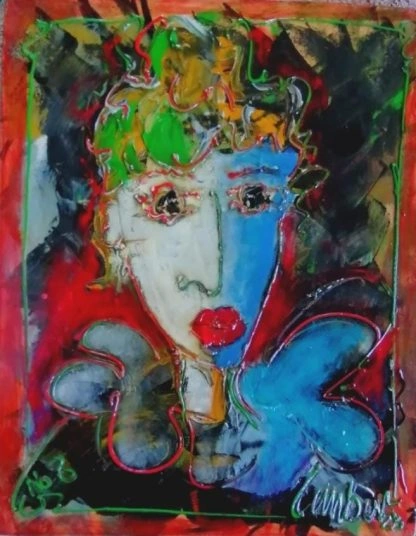
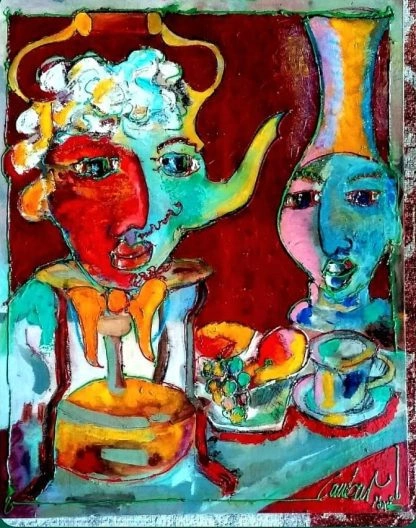
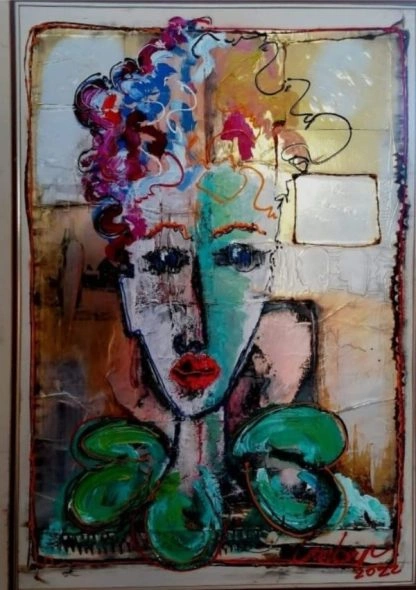
Have you ever felt that traditional artworks do not capture the multi-dimensional texture and emotional depth you truly seek? When reading about the innovative ways that South African artists use physical, psychological, and metaphorical texture, it is natural to crave art that goes beyond the surface. You want pieces that stimulate your senses and create meaningful impact in your space. That is exactly what inspired our collection at Art Online.

You can move from observing to owning. Explore artworks that turn complex ideas of texture into stunning visual stories for your home or office. Ready to discover art that speaks to the heart of contemporary creativity? Visit Art Online today and find your next conversation piece. For a taste of material-driven masterpieces, see our famous South African artists collection or experience the energy of texture through our Life Textures Mixed Media Triptych. Experience the art of texture right here and add dimension to your world.
Frequently Asked Questions
What role does texture play in contemporary art?
Texture in contemporary art serves as a profound communication tool that expresses complex emotional landscapes and perceptual experiences, transforming passive observation into an immersive sensory journey.
How do artists manipulate texture in their works?
Artists manipulate texture through various techniques, such as layering, deconstruction, and hybrid processing, to create dynamic textural landscapes that communicate deeper meanings beyond mere visual representation.
What are the key characteristics of texture in contemporary art?
Key characteristics include physical dimensionality, psychological texture that evokes emotional responses, and metaphorical texture that suggests deeper meanings beyond visual appearance.
How does material selection impact the texture of an artwork?
Material selection is a deliberate artistic strategy that allows artists to choose materials with inherent properties that contribute to the artwork’s emotional and visual narrative, enhancing its overall impact.