
Why Buy Original Art in South Africa: Key 2025 Insights
Original art in South Africa is making waves for more than just its good looks. Here is something you might not know. Fine art prices in South Africa have climbed a staggering 33 percent over the past decade, nearly double the global average. Most folks think art is only about decoration or investment. The real magic sits in its power to capture culture, connect people and turn a room into a living story.
Table of Contents
- Unique Value And Story Behind Original Art
- How Original Art Elevates South African Interiors
- Investment Benefits For Local Art Collectors
- Supporting South African Artists And Culture
Quick Summary
| Takeaway | Explanation |
|---|---|
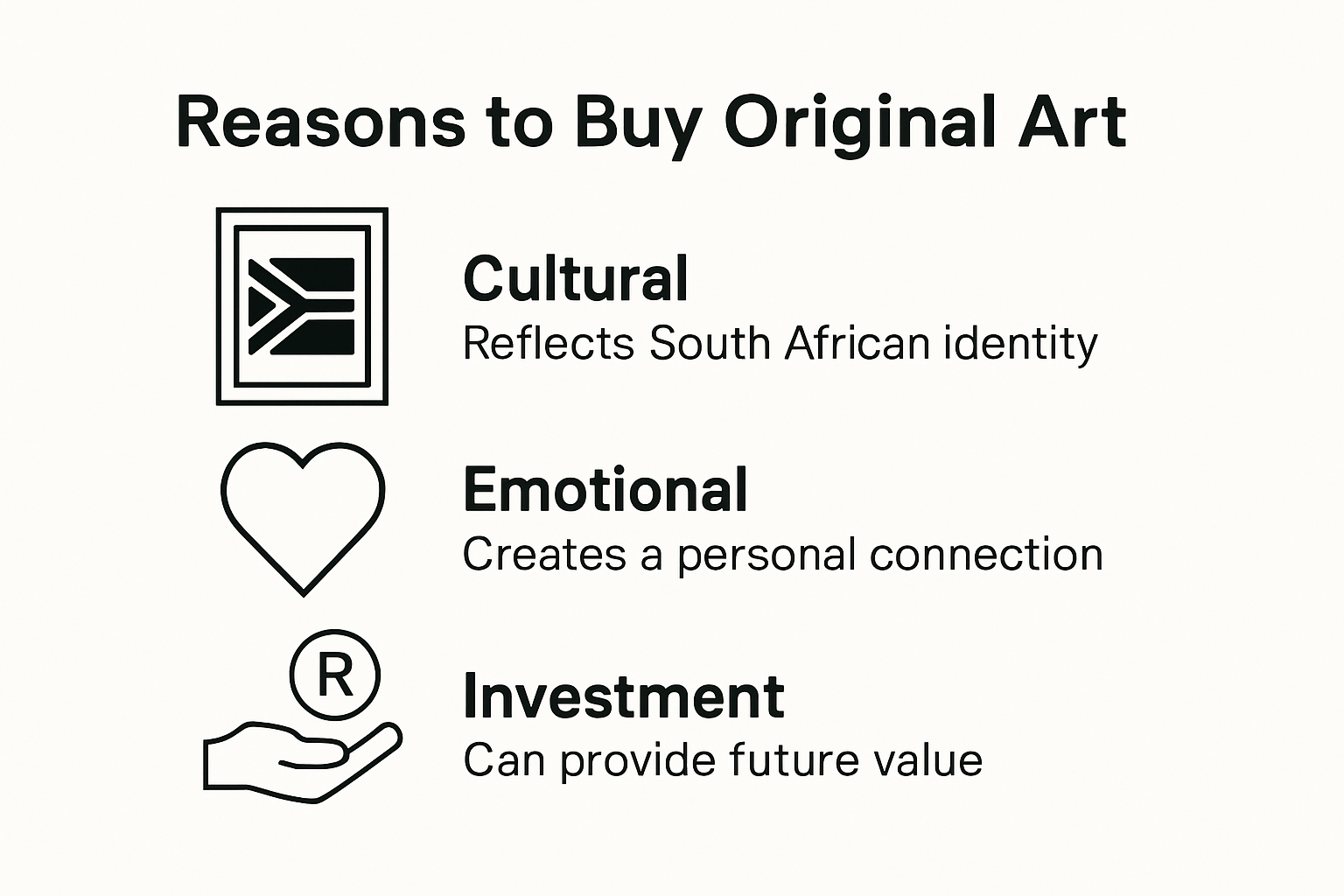
| Emotional and Cultural Value of Original Art | Acquiring original art provides a unique connection to cultural narratives and personal stories, as each piece reflects the artist’s perspective and the societal context it originates from. |
| Investment Potential | Original art not only holds emotional value but also presents financial opportunities, with pieces like Georgina Gratrix’s work demonstrating significant value appreciation over time. |
| Support for Local Artists | Investing in original artwork directly supports South African artists, providing them with essential resources to continue their creative practices and preserving traditional artistic expressions. |
| Enhancement of Interior Spaces | Integrating original South African art into interiors elevates design, offering a cohesive narrative that connects cultural heritage to personal identity while supporting sustainability through the use of local materials. |
| Tax Advantages for Collectors | Collecting art can provide tax benefits, such as estate duty exemptions for donations to public benefit organizations, making it a strategic financial investment as well as a cultural one. |
Unique Value and Story Behind Original Art
Original art represents far more than a decorative element. It embodies cultural narrative, personal expression, and an investment that transcends monetary value. South African art carries unique significance that connects collectors to deeper historical and emotional experiences.
The Emotional Investment in Artistic Expression
When you acquire an original artwork, you are not simply purchasing a physical object but acquiring a piece of human creativity and cultural memory. South African artists often use their work to communicate powerful stories about identity, struggle, transformation, and hope. Explore our curated collection of narrative art that captures the essence of south-african experiences.
According to research from Baobab Africa Online, the contemporary African art market has experienced remarkable growth. Ultra-contemporary works by African-born artists saw sales increase from $16.2 million in 2020 to $40.6 million in 2021, demonstrating the increasing global recognition of African artistic talent.
Investment Potential Beyond Monetary Returns
Original art offers compelling financial opportunities alongside emotional value. Consider the remarkable appreciation of South-African artist Georgina Gratrix’s work as an example. As documented by Business Brief, her painting “I Love You All the Time” appreciated from R45,000 in 2012 to R591,000 by 2018 – representing an extraordinary 1,211% return on investment.
Below is a table summarising notable art market growth and investment examples highlighted in this section:
| Statistic / Example | Value / Description |
|---|---|
| Increase in Fine Art Prices (SA, last decade) | 33% |
| Global Average Art Price Increase | 18% |
| Growth in Ultra-Contemporary African Art Sales | $16.2m (2020) to $40.6m (2021) |
| Market Value of African Art (Annual, 2024) | $72 million |
| Georgina Gratrix painting value (2012) | R45,000 |
| Georgina Gratrix painting value (2018) | R591,000 |
| Return on Gratrix painting investment | 1,211% |
Beyond financial metrics, original art represents a connection to cultural heritage. Each piece tells a story of its creator’s perspective, environmental context, and historical moment. Artists capture nuanced emotions and societal dynamics that photographs or mass-produced images cannot replicate.
The global art market, valued around $68 billion, includes African artists whose combined annual value now exceeds $72 million – more than double its 2016 value. This growth underscores the increasing recognition and value of original art from diverse cultural backgrounds.
Collecting original art is an act of cultural preservation. By supporting local artists, collectors contribute to maintaining artistic traditions, encouraging creative expression, and providing economic opportunities for talented creators. Each artwork becomes a tangible piece of cultural narrative, preserving stories that might otherwise be forgotten.
When you choose an original artwork, you are making a statement. You are declaring your appreciation for unique creativity, supporting individual artists, and becoming a custodian of cultural memory. The value extends far beyond wall decoration – it is an investment in human expression, cultural understanding, and personal connection.
How Original Art Elevates South African Interiors
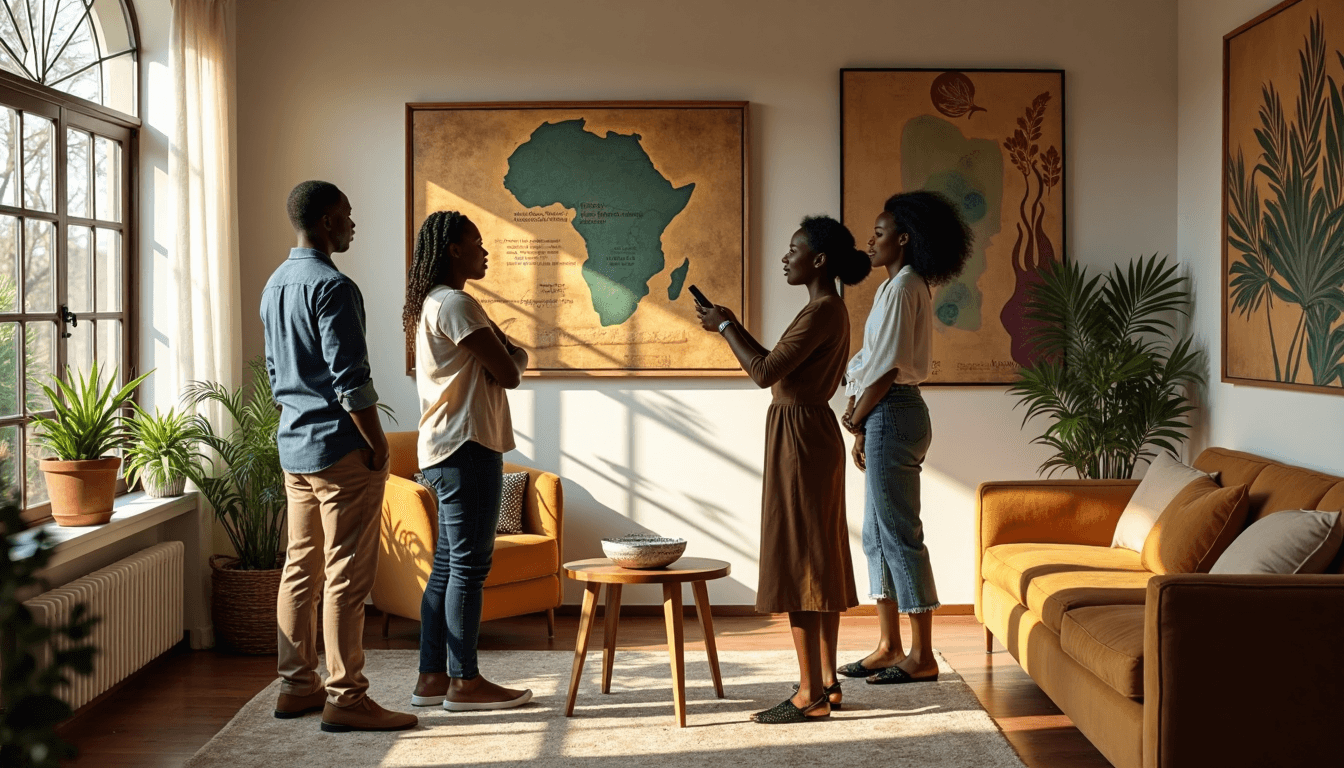
Original art transforms interior spaces from mere functional environments into vibrant narratives of cultural expression and personal identity. South African interiors gain depth, character, and emotional resonance through carefully selected artworks that reflect the rich tapestry of local creativity.
Cultural Authenticity Through Artistic Design
Integrating original art into interior spaces goes beyond aesthetic decoration. Explore our insights into artistic cultural power to understand how art becomes a transformative design element. According to research from the Technical Knowledge Institute, incorporating local art and craftsmanship into interior design adds unique cultural significance while supporting local artisans and preserving traditional artistic expressions.
Traditional African art elements such as intricate scripts, symbolic patterns, and indigenous color palettes can dramatically elevate interior spaces. These artistic elements create visual interest that connects occupants with deeper cultural narratives. By selecting original artworks, designers and homeowners communicate stories of resilience, creativity, and heritage through visual language.
Sustainable Design and Material Connection
Original art serves as more than decorative elements. As Zuvara Gallery research indicates, incorporating indigenous artistic styles creates environments that reflect local geological and cultural histories. Utilizing materials like sandstone, indigenous timber, and clay in art pieces establishes a profound connection between interior spaces and south-african natural environments.
By choosing original artworks, interior designers and homeowners make powerful statements about sustainability, cultural appreciation, and aesthetic sophistication. Each artwork becomes a conversation piece that tells a unique story about south-african creativity, environmental context, and artistic innovation.
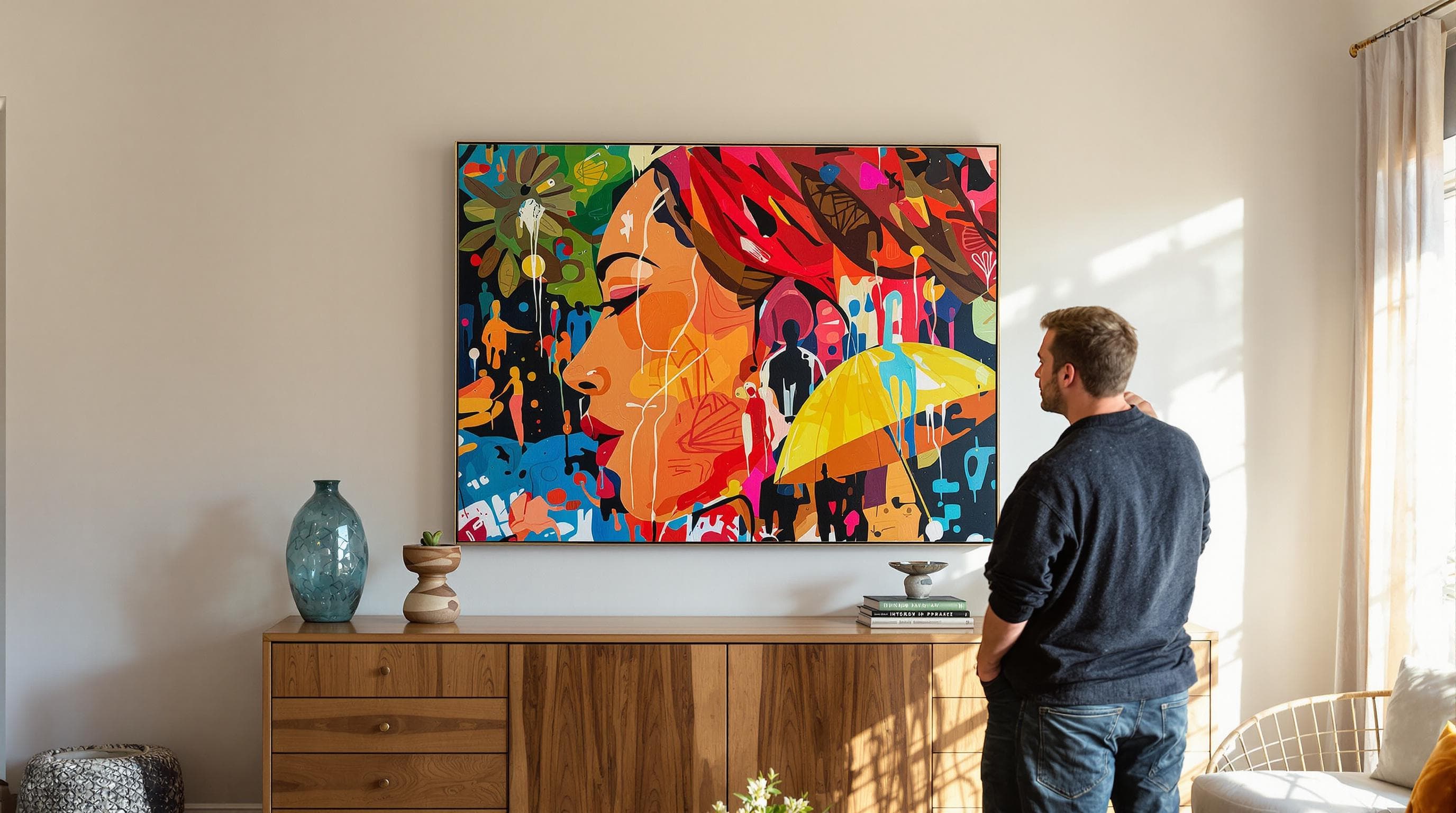
The strategic placement of original art can transform ordinary spaces into extraordinary experiences. A carefully selected painting in a living room can become a focal point that defines the entire room’s emotional atmosphere. In corporate environments, south-african artworks communicate organizational values, cultural awareness, and commitment to supporting local creative talent.
Original art also offers remarkable versatility. Whether your interior design leans towards minimalist, contemporary, traditional, or eclectic styles, south-african artworks can be seamlessly integrated. The diversity of artistic expressions ensures that every space can find its perfect artistic complement.
Moreover, investing in original art for interior spaces supports the broader artistic ecosystem. Each artwork purchased represents direct support for south-african artists, enabling them to continue creating, experimenting, and pushing creative boundaries. This economic support ensures the continued vibrancy and evolution of south-african artistic traditions.
Ultimately, original art transforms interior spaces from mere physical environments into dynamic, emotionally charged narratives. It connects occupants with deeper cultural experiences, supports local creativity, and creates living spaces that are truly unique and meaningful.
Investment Benefits for Local Art Collectors
Art collecting in South Africa represents more than aesthetic appreciation. It offers strategic financial opportunities, cultural investment, and potential long-term wealth generation for discerning collectors. Understanding the nuanced investment landscape is crucial for making informed art acquisition decisions.
Market Performance and Value Appreciation
Learn about strategic art investment strategies before entering the market. According to the AfrAsia Bank South Africa Wealth Report, fine art prices in South Africa have demonstrated remarkable growth, rising 33% over the past decade compared to a global increase of 18%.
The south-african art market presents unique investment characteristics. While the South African Journal of Economic and Management Sciences suggests that art prices often correlate with stock market returns, strategic collectors can still identify significant value opportunities by understanding market dynamics and emerging artist potential.
Below is a comparison table highlighting key investment benefits and features for local South African art collectors discussed in this section:
| Investment Benefit | Description / Example |
|---|---|
| Price Appreciation | Fine art prices in South Africa up 33% in 10 years (global average 18%) |
| Correlation to Stock Market | Art prices often move with stock market returns |
| Emerging Artist Opportunities | Strategic collectors can find significant value with emerging artists |
| Portfolio Diversification | Recommended to include various movements, generations, and cultures |
| Research is Key | Consider artist reputation, sales, historical & cultural significance |
| Strategic Financial & Cultural Returns | Combines wealth potential with cultural engagement |
Tax and Estate Planning Advantages
Beyond direct financial returns, art collecting offers sophisticated tax planning benefits. As documented by Investec’s wealth management research, donating art to registered public benefit organizations can provide estate duty exemptions, creating potential tax mitigation strategies for high-net-worth individuals.
Smart art collectors recognize that their acquisitions serve multiple purposes. An artwork is simultaneously a cultural artifact, an aesthetic investment, and a potential financial instrument. The key is developing a nuanced approach that balances emotional connection with strategic financial planning.
Investing in south-african art also supports the broader creative ecosystem. Each purchase contributes to sustaining local artistic talent, encouraging creative innovation, and preserving cultural narratives. This approach transforms art collecting from a purely transactional experience into a meaningful cultural engagement.
Successful art investment requires comprehensive research and expert guidance. Collectors should consider factors like artist reputation, historical sales performance, cultural significance, and potential future market trends. Emerging artists with distinctive styles and compelling narratives often represent the most exciting investment opportunities.
Diversification remains critical in art investment strategies. Experienced collectors recommend building a portfolio that includes works from different artistic movements, generations, and cultural backgrounds. This approach mitigates risk and creates more robust long-term value potential.
The south-african art market continues to evolve, presenting increasingly sophisticated investment opportunities. By approaching art collecting with strategic insight, cultural appreciation, and financial acumen, collectors can build meaningful collections that appreciate in both monetary and cultural value.
Ultimately, art investment transcends traditional financial metrics. It represents a unique intersection of cultural preservation, aesthetic appreciation, and potential economic return. For south-african collectors willing to develop nuanced expertise, the art market offers an compelling alternative investment landscape.
Supporting South African Artists and Culture
Supporting south-african artists represents a profound act of cultural preservation, economic empowerment, and national identity. Art collectors play a critical role in sustaining the vibrant creative ecosystem that defines south-african cultural expression.
Economic Empowerment Through Artistic Support
Discover the impact of supporting local creativity and understand how art acquisition transforms artists’ lives. According to government cultural policy documents, investing in local art ensures traditional crafts and artistic expressions are preserved, fostering a sense of national identity and pride.
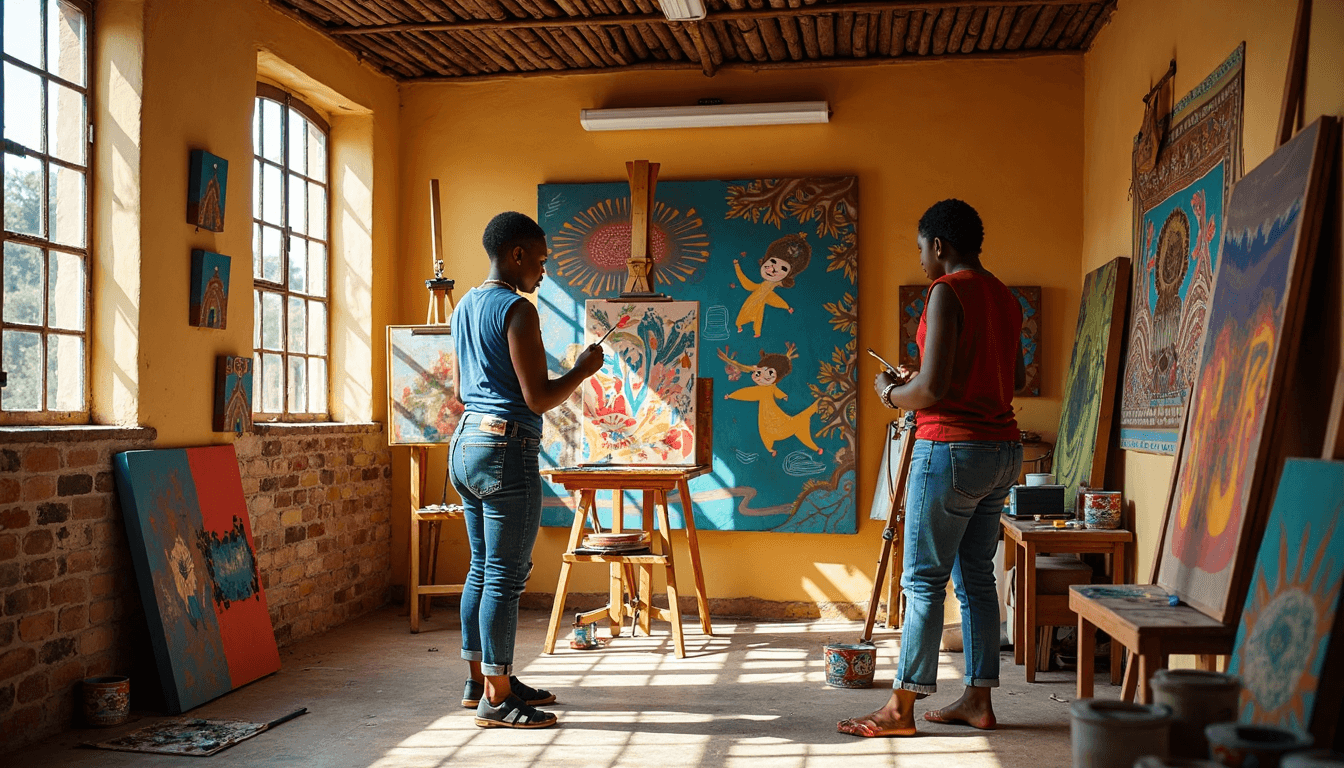
Each artwork purchased directly contributes to an artist’s ability to continue creating, experimenting, and developing their unique artistic voice. By choosing to support local artists, collectors provide essential economic opportunities that enable creative professionals to sustain their practice, invest in materials, and develop their skills.
Cultural Preservation and Social Cohesion
Art serves as a powerful medium for social dialogue and understanding. As research from The Conversation indicates, supporting south-african artists promotes social cohesion by creating a universal language that bridges diverse communities.
Traditional and contemporary south-african art forms carry deep cultural narratives. Indigenous artistic practices represent more than aesthetic expressions – they are living historical documents that communicate complex social experiences, struggles, transformations, and hopes. By collecting and celebrating these artworks, individuals become active participants in cultural preservation.
Emergent artists often face significant challenges in establishing their careers. Financial support through art purchases provides crucial momentum, enabling talented creators to develop their skills, experiment with new techniques, and contribute to the evolving south-african artistic landscape.
Supporting local artists also means investing in cultural innovation. South African art continues to evolve, reflecting the dynamic, complex nature of contemporary society. Each artwork represents a unique perspective, challenging existing narratives and creating space for new voices and experiences.
Beyond individual artist support, art acquisition contributes to broader cultural infrastructure. Revenue generated through art sales supports art education programs, community workshops, and cultural institutions that nurture future generations of creative talent.
Collectors play a crucial role in validating artistic expression. By recognizing and investing in south-african artists, they send a powerful message about the value of creativity and cultural production. This recognition extends beyond monetary transactions – it represents a commitment to cultural diversity, creative freedom, and national storytelling.
Ultimately, supporting south-african artists is an investment in cultural resilience. Each artwork purchased represents a commitment to preserving, celebrating, and evolving the rich tapestry of south-african creative expression. It is an act of cultural participation that transcends individual transactions, contributing to a more vibrant, inclusive, and dynamic national narrative.
Frequently Asked Questions
Why is original art valuable in South Africa?
Original art in South Africa holds significant value due to its unique cultural narratives, emotional connections, and increasing market appreciation. Over the last decade, fine art prices have risen 33%, nearly double the global average, making it a compelling investment.
How does buying original art support local artists?
Purchasing original artwork directly supports South African artists by providing them with essential financial resources to continue creating. This economic empowerment fosters cultural preservation and allows artists to share their unique narratives.
What are the investment benefits of collecting South African art?
Collecting South African art offers both emotional and financial returns. Art prices have appreciated significantly, and collectors can benefit from tax advantages, such as estate duty exemptions for donating artworks to public benefit organizations.
How can original art enhance interior spaces?
Integrating original South African art into interior design creates vibrant narratives and aesthetic depth. It brings unique cultural authenticity and personal identity to spaces, turning them into dynamic environments that reflect local creativity.
Transform Your Space and Invest in South African Stories
Are you searching for more than decoration? The article above reveals how original South African art connects you deeply to culture, emotion and long-term value. Many face the challenge of finding authentic pieces that capture both heritage and potential for growth. At Art Online, you do not just buy art—you preserve South African stories, support local artists, and make powerful investment choices. Our curated platform directly answers the pain points highlighted by providing access to celebrated works that shape unique interiors and futures.

Start building your collection today and become part of the legacy. Visit Art Online to discover original artwork from South Africa’s most renowned artists. Secure your next meaningful piece now and help keep our creative spirit alive—your art journey begins here. For insights on pricing and investment, explore our Painting Prices Unveiled guide.



 Essential art materials for Cape Town artists
 In essence, using high-quality art materials is not only a practical choice but also a way of honouring the craft and the artist’s own creative expression. By providing the necessary tools and support, these materials empower artists to push their boundaries, explore new techniques, and unleash their full artistic potential.
 6. Tips for Taking Care of Your Art Materials
 Tips for taking care of your art materials
 Conclusion: Embracing the creative journey in Cape Town