
Understanding the Connection Between Feng Shui and Art
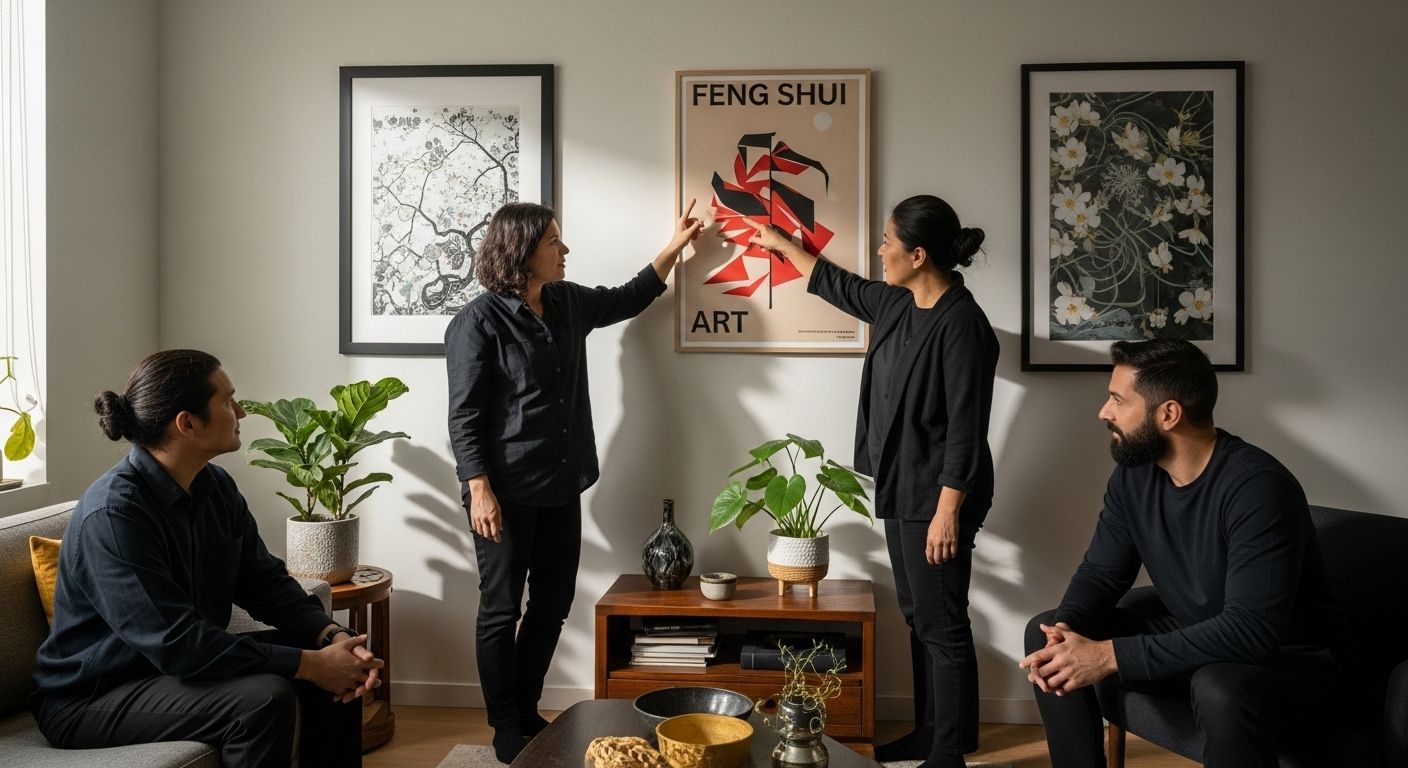
Feng Shui
Feng Shui shapes how we experience our homes and workspaces, linking our mood and productivity to the way energy moves around us. Most people think it is just about moving a couch or picking colours, but that barely scratches the surface. In fact, studies show strategic Feng Shui arrangements can genuinely reduce stress and boost well-being, which makes the artwork hanging on your wall far more powerful than you might imagine.
Table of Contents
- What Is Feng Shui And Its Principles?
- The Role Of Art In Feng Shui Philosophy
- Why Feng Shui Matters In Art Selection
- How Feng Shui Influences Interior Design Choices
- Key Concepts For Art Collectors And Decorators
Quick Summary
| Takeaway | Explanation |
|---|---|
| Feng Shui harmonizes environments and life experiences | Feng Shui promotes balance between individuals and their spaces to enhance personal success and well-being. |
| Select art to enhance emotional responses | Choose art that evokes positivity, as it impacts the Qi and overall energy flow in your environment. |
| Balance Five Elements in design | Incorporate wood, fire, earth, metal, and water elements to create harmonious living spaces that support personal growth. |
| Art serves as a tool for energy manipulation | Art is not just decorative; it influences spatial energy, ensuring it resonates with your personal aspirations and intentions. |
| Strategic furniture arrangement improves Qi flow | Thoughtful placement of furniture and decor promotes smooth energy circulation, transforming interiors into supportive environments. |
What is Feng Shui and Its Principles?
Feng Shui is an ancient Chinese philosophical system that explores the intricate relationship between humans and their surrounding environment. At its core, Feng Shui seeks to harmonize individuals with their living and working spaces by understanding and optimizing the flow of Qi (life energy) through strategic spatial arrangements and design choices.
The Fundamental Philosophy of Feng Shui
Feng Shui translates literally to “wind” and “water,” symbolizing the dynamic and fluid nature of energy movement. According to traditional architectural research, this practice emphasizes creating balanced environments that support physical, emotional, and spiritual well-being. The underlying principle suggests that our surroundings profoundly influence our life experiences, success, and overall quality of life.
Key philosophical aspects of Feng Shui include:
- Recognizing the interconnectedness between human beings and their environment
- Understanding energy flow and its potential impact on personal and professional outcomes
- Balancing natural elements to create harmonious living spaces
The Five Elements Theory in Feng Shui
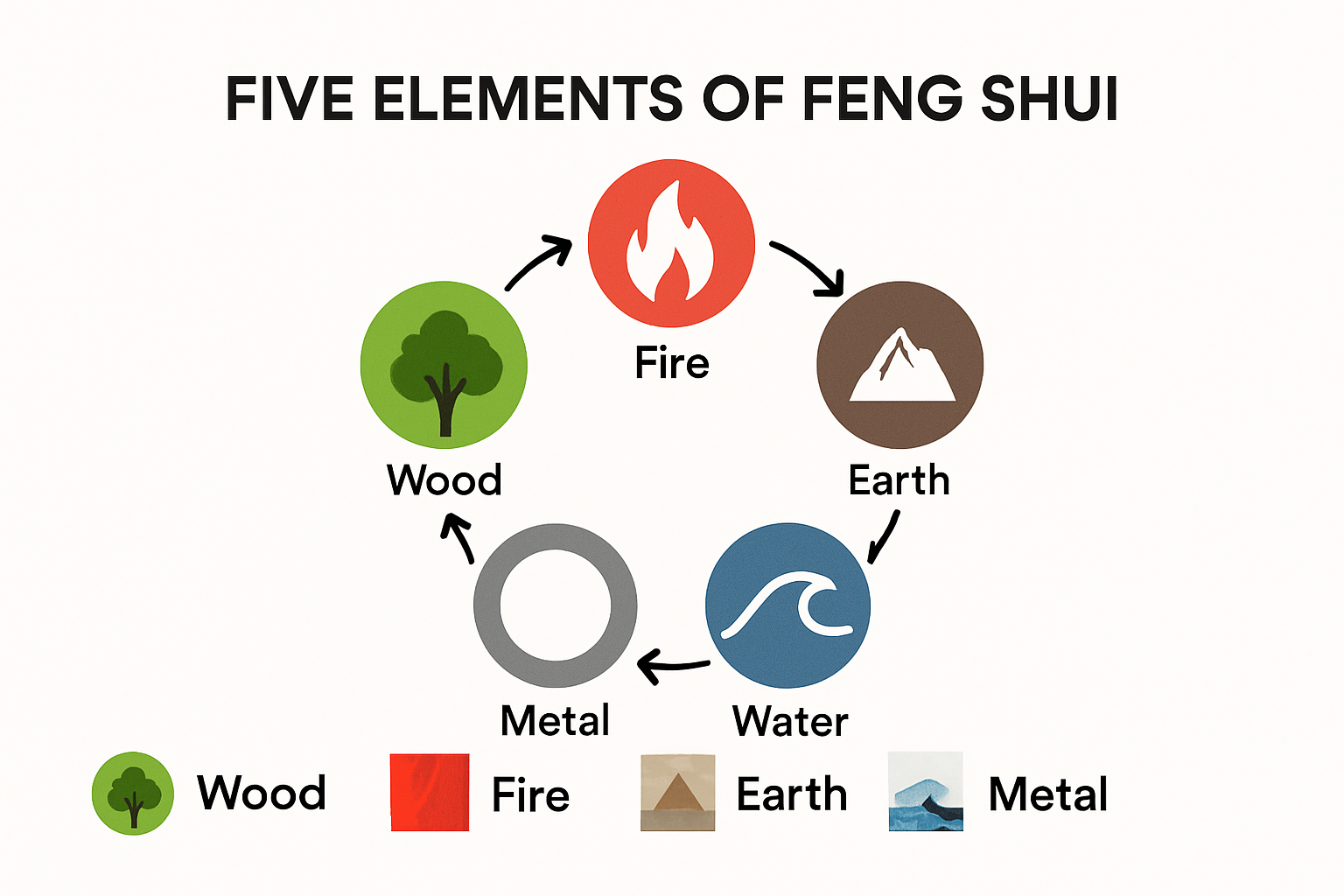
Central to Feng Shui is the Five Elements Theory, which represents different energetic qualities and interactions. Scientific studies have explored how these elements wood, fire, earth, metal, and water interact and influence spatial dynamics. Each element possesses unique characteristics and can be strategically incorporated into art and interior design to enhance positive energy.
These elements are not just physical representations but metaphorical concepts that describe various environmental and personal attributes. By understanding their interactions, practitioners aim to create spaces that support personal growth, creativity, and overall well-being. In the context of art and interior design, the Five Elements Theory provides a sophisticated framework for creating visually and energetically balanced environments.
The table below summarises the unique characteristics and influences of each of the Five Elements in Feng Shui philosophy, helping you see at a glance how they can be incorporated through art and interior choices.
| Element | Core Characteristics | Effects in Space | Example Artistic Expression |
|---|---|---|---|
| Wood | Growth, vitality, renewal | Encourages expansion and motivation | Landscape paintings, botanical themes |
| Fire | Passion, transformation | Stimulates energy and creativity | Abstract, vibrant or red-toned artworks |
| Earth | Stability, grounding | Creates calm and nurturance | Natural clay, earthy hues, geology motifs |
| Metal | Clarity, precision | Enhances focus and organisation | Metallic sculptures, minimalist designs |
| Water | Fluidity, adaptability | Promotes flow and relaxation | Blue-themed art, seascapes, wave motifs |
The Role of Art in Feng Shui Philosophy
Art plays a profound and nuanced role in Feng Shui philosophy, serving as more than a decorative element but as a powerful conduit for energy transformation and spiritual expression. Within this ancient practice, art is viewed as a dynamic medium that can significantly influence the Qi (energy flow) of a space, creating harmonious environments that support personal well-being and psychological balance.
Art as an Energy Conductor
In Feng Shui, art is not merely aesthetic but a strategic tool for manipulating spatial energy. South African arts research suggests that art forms can embody specific energetic qualities that interact with and modify the surrounding environment. Artworks are carefully selected to represent balance, movement, and positive emotional resonance, transforming living spaces into energetically supportive landscapes.
Key considerations when selecting art in Feng Shui include:
- Choosing pieces that evoke positive emotional responses
- Selecting artwork with balanced composition and harmonious color schemes
- Ensuring art aligns with the Five Elements Theory
Symbolic Representation and Energy Alignment
Artworks in Feng Shui serve as powerful symbolic representations that can attract specific energies and intentions. By understanding the deeper meanings embedded in artistic representations, practitioners can curate spaces that not only look beautiful but also support personal growth and aspiration. Read more about African art symbolism to explore how traditional art forms can enhance your living environment.
The selection of art becomes a deliberate practice of energy cultivation. Each artwork is chosen not just for its visual appeal but for its ability to resonate with the desired energy of a space. Landscape paintings might represent tranquility, abstract pieces could symbolize dynamic transformation, and traditional cultural artworks can connect spaces with deeper historical and spiritual narratives.
Why Feng Shui Matters in Art Selection
Feng Shui transcends mere aesthetic considerations in art selection, offering a sophisticated philosophical framework that connects spatial energy, personal intention, and artistic expression. By understanding the profound principles of energy manipulation, art collectors and interior designers can transform spaces from simple visual environments into dynamic, supportive landscapes that nurture personal growth and emotional well-being.
The Psychological Impact of Intentional Art Selection
Architectural research reveals that art selection is not just about visual appeal but about creating environments that resonate with psychological and energetic harmony. In Feng Shui, each artwork is viewed as an energetic conduit that can either enhance or disrupt the natural flow of Qi within a space. The careful selection of art becomes a deliberate practice of creating environments that support mental clarity, emotional balance, and personal aspirations.
Key psychological benefits of Feng Shui-informed art selection include:
- Reducing stress through balanced and harmonious visual compositions
- Creating spaces that inspire positive emotional states
- Supporting personal goals through symbolic and intentional artwork
Energy Alignment Through Artistic Choices
Art selection in Feng Shui is a nuanced process of energy alignment. Different artistic styles, subjects, and color palettes carry specific energetic qualities that can be strategically employed to achieve desired outcomes. Explore our guide on choosing art for investment to understand how thoughtful art selection can not only enhance your living space but also potentially increase the artwork’s value.
For instance, landscape paintings might introduce tranquility and expansion, abstract pieces could symbolize transformation and dynamism, while traditional cultural artworks can ground a space with historical and spiritual depth. The art becomes more than a decorative element it becomes a dynamic tool for personal and spatial transformation, reflecting the complex interplay between human intention and environmental energy.
How Feng Shui Influences Interior Design Choices
Feng Shui transforms interior design from a purely aesthetic practice into a holistic approach of creating harmonious, energetically balanced living spaces. By integrating ancient philosophical principles with contemporary design strategies, Feng Shui offers a sophisticated framework for crafting environments that support physical, emotional, and spiritual well-being.
Spatial Arrangement and Energy Flow
Residential design research demonstrates that Feng Shui profoundly influences interior design by emphasizing the critical concept of Qi circulation. The placement of furniture, selection of colors, and orientation of spaces are not random but deliberate choices aimed at facilitating smooth energy movement. This approach transforms interior spaces from static environments into dynamic landscapes that actively support human experience.
Key principles of Feng Shui in spatial design include:
- Maintaining clear pathways for energy movement
- Balancing different elemental representations in room design
- Creating visual and physical harmony between different design elements
This table organises essential Feng Shui principles and how they directly influence interior design decisions, making it easier to apply these ideas when arranging your own space.
| Feng Shui Principle | Interior Design Impact |
|---|---|
| Qi (Energy) Flow | Arrangement of furniture to maintain open, clear pathways |
| Five Elements Balance | Combining colours and materials representing each element |
| Symbolism and Intention | Selecting artworks or objects with meaningful representations |
| Harmonious Colour Palettes | Choosing calming colours to support specific moods and purposes |
| Spatial Harmony | Balancing negative and positive space in rooms |
Color and Material Selection
In Feng Shui, color and material choices transcend aesthetic preferences, becoming strategic tools for energy manipulation. Each color and material carries specific energetic qualities that can either enhance or disrupt the natural flow of Qi. Explore our guide on choosing art for your interior to understand how these principles can be applied not just to art, but to your entire interior design approach.
Wood elements might introduce growth and vitality, while earth tones can provide grounding and stability. Metal accents can bring clarity and precision, water-inspired designs can introduce fluidity and adaptability, and fire-related colors can stimulate passion and transformation. By understanding these nuanced interactions, interior designers can create spaces that are not just visually appealing but energetically supportive and psychologically nourishing.
Key Concepts for Art Collectors and Decorators
Feng Shui provides art collectors and decorators with a sophisticated philosophical framework that transforms art selection from a purely aesthetic practice into a holistic approach of creating energetically balanced living spaces. By understanding these principles, professionals can curate environments that not only look visually stunning but also support psychological well-being and personal growth.
Energetic Resonance in Art Selection
Architectural harmony research reveals that art selection in Feng Shui transcends visual appeal, focusing instead on the energetic resonance of each piece. Each artwork is considered a dynamic entity capable of influencing the Qi (energy flow) within a space. Art collectors must approach selection as an intentional process of energy cultivation, understanding that every piece contributes to the overall psychological and spiritual landscape of an environment.
Key considerations for energetically aligned art selection include:
- Choosing artworks that evoke positive emotional responses
- Selecting pieces that represent personal aspirations and growth
- Ensuring artwork harmonizes with the existing spatial energy
Balancing Elemental Representations
Feng Shui emphasizes the importance of elemental balance in art selection. Explore our guide on South African artists to understand how local artistic traditions can inform your approach to creating harmonious spaces. Different artistic styles, color palettes, and subjects carry specific energetic qualities that can be strategically employed to achieve desired outcomes.
For instance, landscape paintings might introduce tranquility and expansion, abstract pieces could symbolize transformation, while traditional cultural artworks can ground a space with historical depth. By understanding these nuanced interactions, art collectors and decorators can create environments that are not just visually compelling but also energetically supportive and psychologically nourishing.
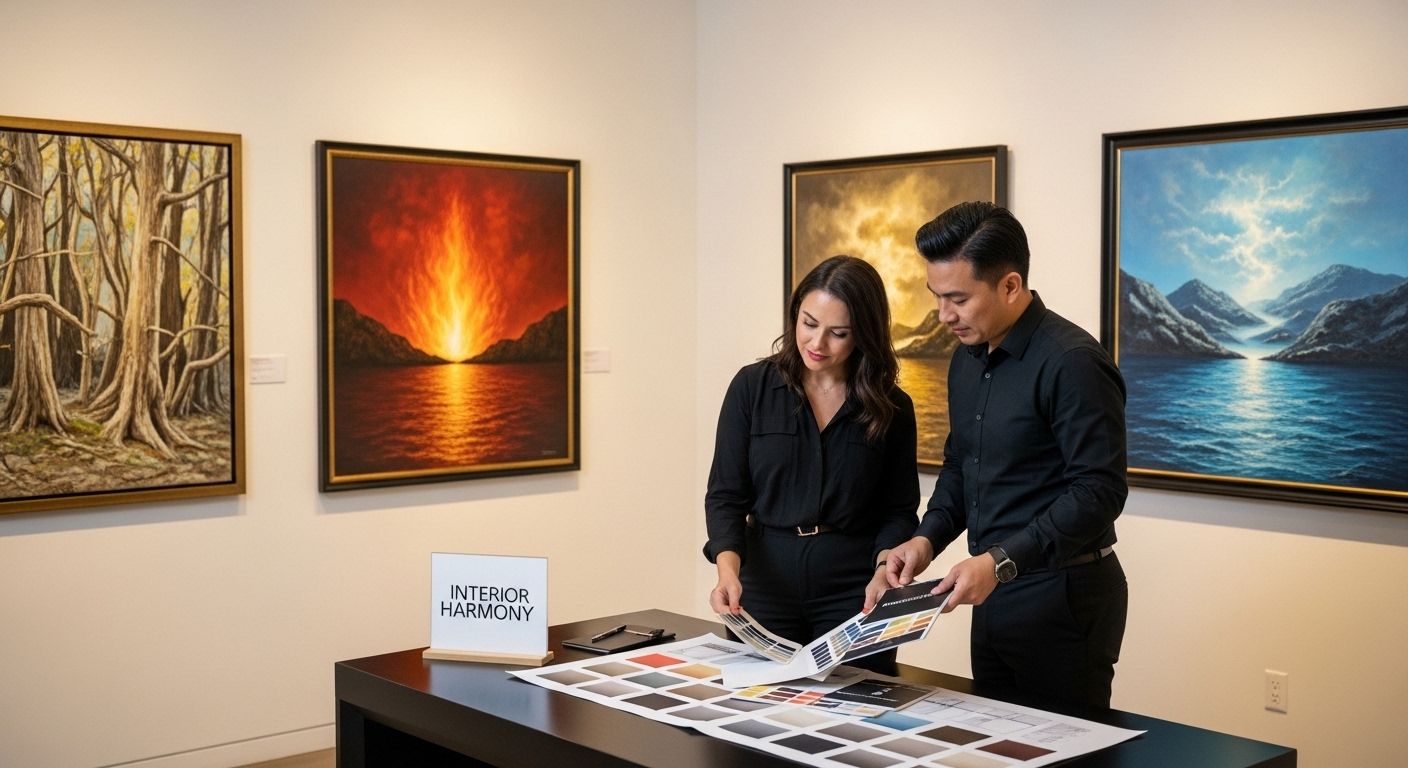
Bring Harmony to Your Space with Art Online
Are you struggling to create a living space where energy feels balanced and your spirit can thrive? The article has highlighted how making the right art choices, guided by Feng Shui principles, can profoundly influence your well-being, reduce stress and encourage personal growth. Choosing artworks that harmonise with your space according to Qi flow and the Five Elements Theory is a challenge many South Africans face daily. If you want to see your home or office transform from visually pleasing to truly nurturing, the solution is closer than you think.

Visit Art Online today to explore South Africa’s largest collection of inspiring local artworks. If you want to learn how art selection impacts value and energy, our guide on buying art for investment can help you make your decision with confidence. Need advice on picking the perfect piece? Our resource on choosing art for your interior makes it easy for you to turn theory into practice. Don’t wait for harmony to find you take the next step and make your space work for you today.
Frequently Asked Questions
What is the role of art in Feng Shui?
Art in Feng Shui serves as a powerful conduit for energy transformation and spiritual expression, helping to create harmonious environments that support personal well-being and psychological balance.
How does the Five Elements Theory relate to art selection in Feng Shui?
The Five Elements Theory in Feng Shui emphasizes the unique characteristics of wood, fire, earth, metal, and water, which can be strategically incorporated into art to enhance positive energy and create energetically balanced spaces.
What should I consider when selecting art for my home according to Feng Shui principles?
When selecting art for your home, consider choosing pieces that evoke positive emotional responses, align with the Five Elements Theory, and have balanced compositions and harmonious color schemes to support a positive energy flow.
How can art influence the energy flow (Qi) in my living space?
Art influences the energy flow (Qi) by acting as an energetic conduit that can enhance or disrupt the natural movement of energy in a space, highlighting the importance of intentional selection based on the energy you wish to cultivate.