
What is Naive Art? Understanding Its Unique Charm

Naive art grabs attention with its bright colours and almost childlike simplicity. But despite the playful style, this genre is far from basic. In fact, naive artists are self-taught and ignore formal perspectives or proportions, creating work that tells raw and powerful stories. The biggest surprise? These so-called ‘untrained’ paintings often reveal deeper emotion and honesty than gallery masterpieces by trained professionals.
Table of Contents
- Defining Naive Art: A Unique Artistic Genre
- The Historical Context: Origins and Evolution of Naive Art
- Why Naive Art Matters: Cultural and Emotional Significance
- Key Characteristics of Naive Art: Style and Techniques
- Naive Art in Modern Spaces: Practical Applications for Decor
Quick Summary
| Takeaway | Explanation |
|---|---|
| Naive art embraces unfiltered creativity | This artistic genre values raw expression over formal techniques, resulting in genuine emotional communication. |
| Key characteristics include simplicity and storytelling | Naive art often features flat representations, intuitive color use, and a strong narrative component. |
| Cultural significance extends beyond aesthetics | The movement provides important insights into personal and collective experiences, preserving stories and traditions that might otherwise be overlooked. |
| Strategic placement enhances interior design | Using naive art thoughtfully can create focal points and emotional depth, transforming ordinary spaces into engaging environments. |
Defining Naive Art: A Unique Artistic Genre
Naive art represents a fascinating artistic expression characterized by its untrained and spontaneous approach to creativity. Naive art is defined as artwork produced by individuals who lack formal artistic training, resulting in a distinctive style that challenges traditional artistic conventions.
The Essence of Naive Creativity
What sets naive art apart is its raw, unfiltered approach to visual representation. Artists working in this genre typically demonstrate:
- A profound sense of authenticity
- Spontaneous and unrestrained artistic expression
- Disregard for traditional artistic rules like perspective and proportion
These artists create works that emerge directly from personal experience and imagination, unburdened by academic artistic techniques. Their paintings often feature vibrant colors, simplified forms, and a childlike sincerity that communicates emotions and narratives with remarkable directness.
Characteristics of Naive Art
Naive art is distinguished by several key characteristics that make it a unique artistic genre. As scholars explain, these include:
- Flat, two-dimensional representations
- Limited understanding of traditional artistic techniques
- Strong emphasis on storytelling and personal narrative
- Intuitive use of color and composition
- Lack of formal perspective or sophisticated spatial relationships
This artistic approach transforms perceived limitations into strengths, creating works that are simultaneously primitive and profoundly expressive. Artists like Henri Rousseau exemplify how naive art can transcend technical constraints to produce deeply compelling visual experiences.
For art collectors and enthusiasts interested in exploring more unique artistic styles, read more about South African artistic traditions that share similar creative philosophies.
The Historical Context: Origins and Evolution of Naive Art
Naive art emerged as a distinctive artistic movement during the late nineteenth and early twentieth centuries, challenging traditional artistic paradigms and celebrating untrained creative expression. This unique genre represents more than just an artistic style it symbolizes a radical departure from academic artistic conventions.
Early Emergence and Recognition
The origins of naive art can be traced to artists who existed outside formal artistic training, creating works that were initially dismissed by mainstream art establishments. Key historical developments included:
- Increased recognition of self-taught artists
- Growing appreciation for unfiltered creative expression
- Rejection of rigid academic artistic standards
Pivotal moments in naive art’s development occurred when artists like Henri Rousseau gained international attention. Despite being ridiculed by contemporary art critics, Rousseau’s distinctive style eventually garnered significant respect and influenced subsequent artistic movements.
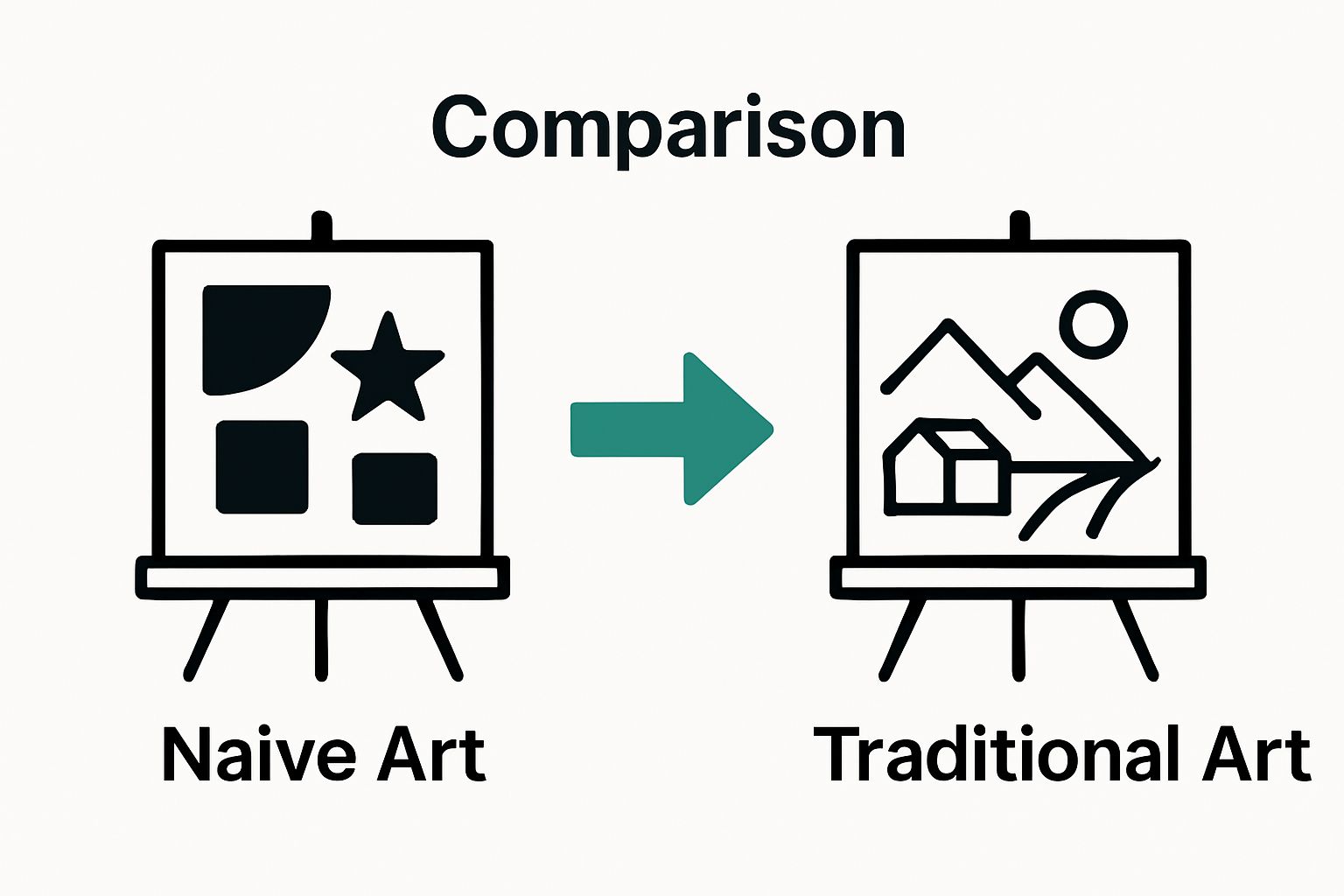
To help you quickly distinguish naive art from traditional art, here is a concise comparison of their defining features and philosophies:
| Aspect | Naive Art | Traditional Art |
|---|---|---|
| Artist Training | Self-taught, untrained | Formally trained, academic background |
| Use of Perspective | Lacks formal perspective, often flat | Uses accurate perspective and depth |
| Proportionality | Exaggerated or inconsistent proportions | Follows naturalistic proportions |
| Colour Application | Intuitive, bright, and vibrant | Often harmonious, theory-based, controlled |
| Narrative Approach | Personal, direct, often tells raw stories | Can be conceptual, interpretive, or narrative |
| Technical Precision | Emphasises expression over technical skill | Prioritises mastery of technique |
| Cultural Significance | Often documents folk traditions and local experiences | May reflect prevailing cultural, academic, or canonical ideas |
Cultural and Artistic Significance
According to scholars, naive art represents more than an artistic technique it embodies a profound cultural statement about creativity and individual expression. The movement challenged established artistic hierarchies by demonstrating that artistic value transcends formal training.
Naive artists typically produced works characterized by:
- Direct and emotionally authentic representations
- Unconventional use of perspective and proportion
- Strong narrative and personal storytelling elements
- Vibrant and unrestrained color palettes
By celebrating individual creativity outside institutional frameworks, naive art became a powerful mechanism for marginalized artists to communicate their experiences and perspectives.
Explore more about unique artistic traditions that challenge conventional artistic boundaries and celebrate individual creative expression.
Why Naive Art Matters: Cultural and Emotional Significance
Naive art represents a profound artistic movement that transcends traditional aesthetic boundaries, offering unique insights into human creativity and emotional expression. Its significance extends far beyond mere visual representation, serving as a powerful medium for storytelling and cultural preservation.
Authentic Emotional Landscapes
Naive art serves as an unfiltered window into the artist’s inner world, capturing raw emotions and personal experiences with remarkable authenticity. These artworks reveal emotional landscapes that are often overlooked by more technically sophisticated artistic approaches. Key emotional attributes include:
- Direct and unmediated emotional communication
- Vulnerability and genuine personal storytelling
- Emotional transparency without artistic pretense
By eschewing formal artistic training, naive artists create works that communicate complex feelings through simple, powerful visual language. Their art becomes a pure expression of human experience, unencumbered by academic constraints.
Here is a quick reference chart outlining the central characteristics of naive art, making it easy to identify this genre at a glance:
| Characteristic | Description |
|---|---|
| Flat, Two-Dimensional Representations | Lacks realistic depth, with scenes and figures appearing flat and stylised |
| Vibrant, Unrestrained Colour | Utilises bold, lively colours selected intuitively, not tied to traditional theory |
| Simplified Geometric Forms | Uses basic shapes and recognisable figures, similar to a childlike approach |
| Disregard for Perspective or Proportion | Foregoes formal techniques that create 3D illusions, leading to unusual or skewed compositions |
| Strong Storytelling Component | Central focus on narrative, emotion, and personal experience |
| Emotionally Transparent | Communicates feelings directly, unfiltered by academic conventions |
| Self-Taught Technical Approach | Created by those without formal artistic training, using spontaneous methods |
Cultural Preservation and Representation
According to scholarly research, naive art plays a crucial role in cultural documentation and preservation. These artworks frequently capture everyday life, local traditions, and social dynamics from perspectives that mainstream artistic movements might neglect. The genre provides:
- Documentation of marginalized community experiences
- Preservation of folk traditions and local narratives
- Alternative historical and social documentation
Naive artists often become important cultural chroniclers, recording social realities with an immediacy and intimacy that traditional historical documentation cannot achieve. Their works serve as valuable anthropological and sociological records.
Discover more about supporting original artistic expressions that celebrate individual creativity and cultural diversity. By valuing naive art, we acknowledge the profound artistic potential that exists beyond formal training and institutional frameworks.
Key Characteristics of Naive Art: Style and Techniques
Naive art emerges as a distinctive artistic genre defined by its unique visual approach and unconventional aesthetic principles. Unlike traditional art forms, naive art celebrates spontaneity, emotional authenticity, and creative freedom beyond established artistic conventions.
Visual Composition and Aesthetic Elements
The visual language of naive art is characterized by its remarkable departure from academic artistic standards. Artists working in this genre demonstrate distinctive stylistic approaches:
- Intentional disregard for traditional perspective techniques
- Flattened spatial representations
- Vibrant and unrestrained color palettes
- Simplified geometric forms
- Exaggerated proportional relationships
These artistic choices create visual experiences that are simultaneously childlike and profound, inviting viewers to engage with art through an unfiltered, emotionally direct lens. The lack of technical refinement becomes a deliberate artistic statement, challenging conventional notions of artistic skill and representation.
Technical Approach and Creative Philosophy
Naive artists fundamentally reject academic artistic training, transforming perceived limitations into powerful creative expressions. Their technical approach is distinguished by:
- Intuitive rather than learned artistic techniques
- Prioritization of emotional authenticity over technical precision
- Storytelling through direct visual representation
- Rejection of sophisticated artistic methodologies
- Celebration of individual creative impulses
By embracing technical simplicity, naive artists create works that communicate complex human experiences with remarkable clarity and emotional depth. Their art transcends traditional aesthetic boundaries, offering viewers unmediated glimpses into personal and cultural narratives.
Learn more about unique artistic expressions that challenge conventional artistic paradigms and celebrate individual creativity.
Naive Art in Modern Spaces: Practical Applications for Decor
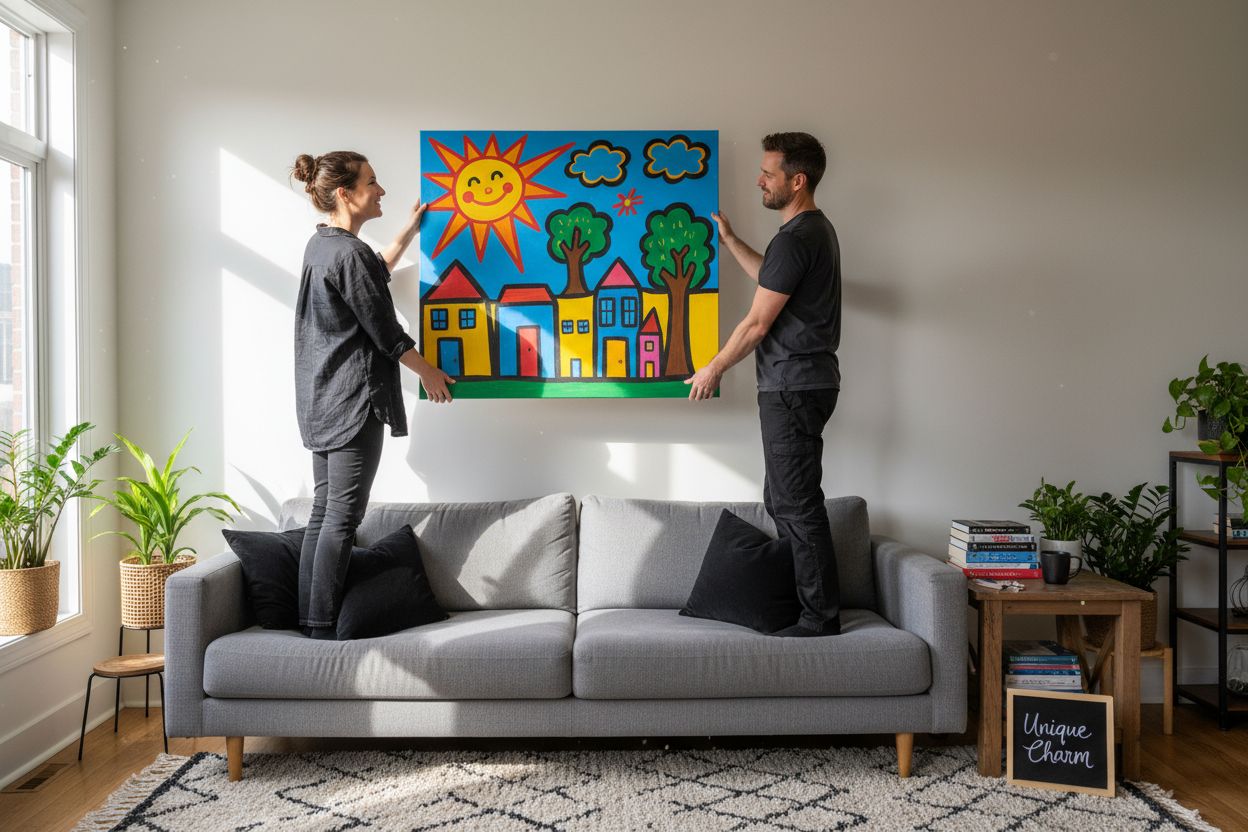
Naive art offers contemporary interior designers and homeowners a unique opportunity to infuse living spaces with genuine emotional expression and distinctive visual character. Integrating these artworks transforms ordinary environments into compelling narrative landscapes that reflect personal creativity and cultural richness.
Strategic Placement and Visual Impact
Selecting and positioning naive art requires thoughtful consideration of spatial dynamics and emotional resonance. Strategic placement can dramatically enhance interior aesthetics:
- Create focal points in minimalist living areas
- Add unexpected visual texture to neutral color schemes
- Introduce narrative elements in contemporary design contexts
- Generate conversational opportunities through unique artistic expressions
- Bridge traditional and modern design sensibilities
The inherent charm of naive art lies in its ability to disrupt conventional design expectations, introducing spontaneity and genuine emotional depth to carefully curated spaces. These artworks function not merely as decorative elements but as powerful storytelling devices that engage viewers on multiple sensory levels.
Complementing Contemporary Interior Design
Naive art emerges as a versatile design element that transcends traditional decorative boundaries. Contemporary designers recognize its potential to inject personality and authenticity into various interior environments. Key considerations for successful integration include:
- Understanding color palettes and compositional harmony
- Balancing naive art’s visual complexity with surrounding design elements
- Selecting pieces that resonate with personal or professional aesthetic narratives
- Recognizing the artwork’s emotional and cultural significance
- Creating meaningful visual dialogues within interior spaces
Explore African art symbolism to deepen your understanding of how artistic expressions can transform interior environments, connecting cultural heritage with contemporary design sensibilities.
Bring the Magic of Naive Art Home with South Africa’s Leading Online Gallery
You have discovered how naive art stands apart with its raw emotion, vibrant colour and intuitive storytelling. Maybe you are feeling the urge to add genuine energy and narrative to your own space but you do not know where to find art that breaks free from tradition. Many art lovers struggle to find pieces that move beyond polished technique and truly capture authenticity. If seeking art that evokes real emotion and individuality is your goal, you are in the right place.

Let the story of naive art inspire a new atmosphere in your home or office. Discover an unmatched selection of original South African works at Art Online and surround yourself with art that brings soulful storytelling into everyday life. Visit Art Online now and explore artworks that celebrate cultural depth and creative freedom. Do not wait. Your personal touch starts with the art you choose today.
Frequently Asked Questions
What defines naive art and how is it different from traditional art?
Naive art is defined by its untrained and spontaneous approach to creativity, often created by artists without formal artistic training. To appreciate its unique charm, explore how it departs from traditional techniques like perspective and proportion, focusing instead on emotional authenticity and personal narrative.
How can I identify characteristics of naive art in a piece?
You can identify naive art by looking for flat, two-dimensional representations, vibrant colors, and a strong emphasis on storytelling. Analyze how the artwork uses simplified forms and an intuitive color palette, making sure it communicates emotions without the constraints of traditional artistic rules.
Why is naive art significant in modern culture?
Naive art holds cultural significance as it provides valuable insights into personal experiences and local traditions that mainstream art often overlooks. To understand its impact, consider how these artworks serve as documents of marginalized voices and contribute to cultural preservation.
How can I incorporate naive art into my living space?
To incorporate naive art into your living space, choose pieces that resonate with your personal style and create focal points throughout your home. Strategically place these artworks to generate conversation and add visual texture to your design, aiming for pieces that complement your existing decor.
What emotional themes are commonly found in naive art?
Naive art often explores themes of vulnerability, emotional transparency, and genuine personal storytelling. Observe how these artworks communicate complex feelings and narratives in a straightforward manner, inviting you to connect with the artist’s inner world through their raw expression.
How do naive artists utilize color in their works?
Naive artists typically use bright, vibrant colors in an unrestrained manner, reflecting their emotional authenticity. To fully appreciate their creative choices, study how the intuitive use of color enhances the storytelling aspect of the artwork, often bringing narratives to life in bold, engaging ways.