
What Is Bronze Sculpture? Guide for South African Art Collectors 2025
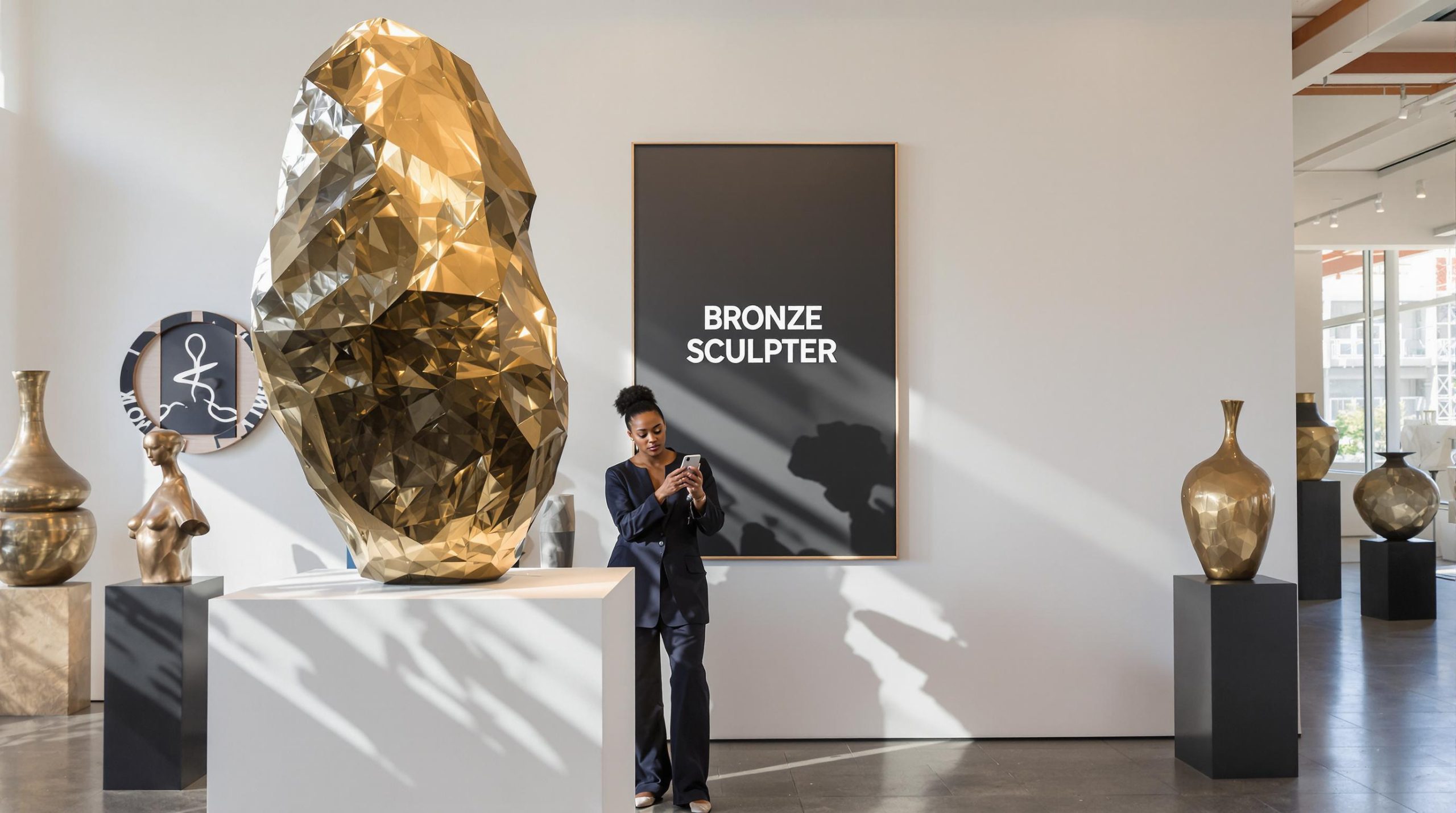
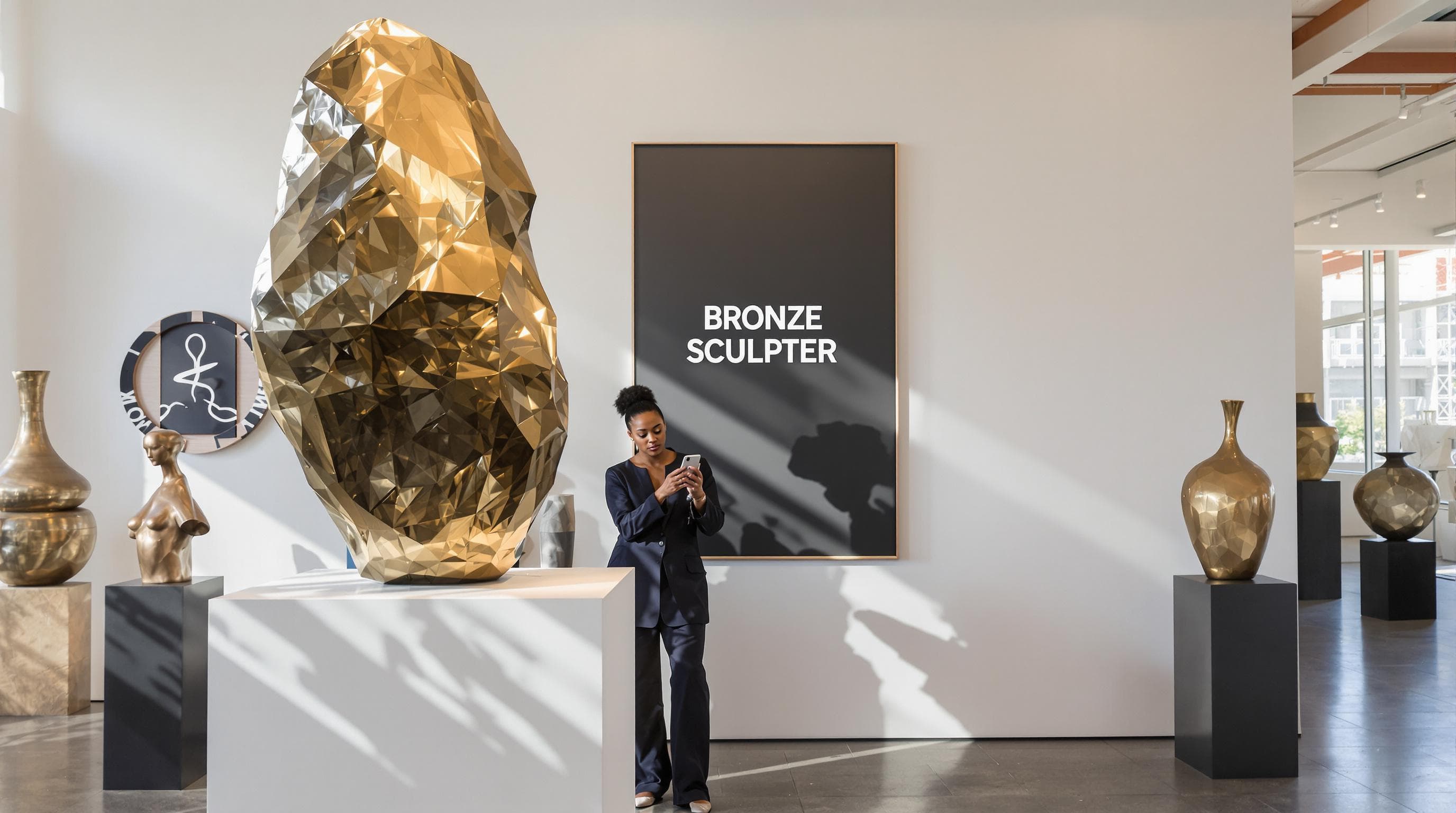
Bronze sculpture has been captivating collectors for thousands of years and it still stands as one of the most treasured artistic mediums around. You might think a metal artwork is just another shiny décor item. Yet some bronze sculptures have survived for over 4000 years and experts say fewer than 200 Greek bronze masterpieces remain from the thousands once made. That makes every bronze piece a rare bridge to ancient history and a bold statement for south-african art lovers.
Table of Contents
- The Meaning And History Of Bronze Sculpture
- How Bronze Sculptures Are Made Today
- Why Bronze Sculpture Appeals To South African Collectors
- Tips For Decorating With Bronze In South African Homes
Quick Summary
| Takeaway | Explanation |
|---|---|
| Cultural and Historical Significance | Bronze sculptures serve as tangible connections to cultural heritage, preserving complex narratives and human experiences. |
| Investment and Artistic Value | Bronze sculptures are durable and often appreciate in value, making them significant investments in artistic and cultural representation. |
| Strategic Placement Enhances Impact | Thoughtful placement of bronze sculptures within homes can transform spaces, creating focal points that highlight their intricate details and emotional narratives. |
| Maintenance is Key | Regular, gentle cleaning and avoiding direct sunlight are essential for preserving the patina and beauty of bronze pieces, ensuring their longevity in home decor. |
The Meaning and History of Bronze Sculpture
Bronze sculpture represents an extraordinary artistic medium with deep historical roots and remarkable technical complexity. This art form transforms raw metallic alloys into profound expressions of human creativity, capturing moments, emotions, and narratives through carefully crafted three-dimensional forms.
Origins and Early Development of Bronze Sculpture
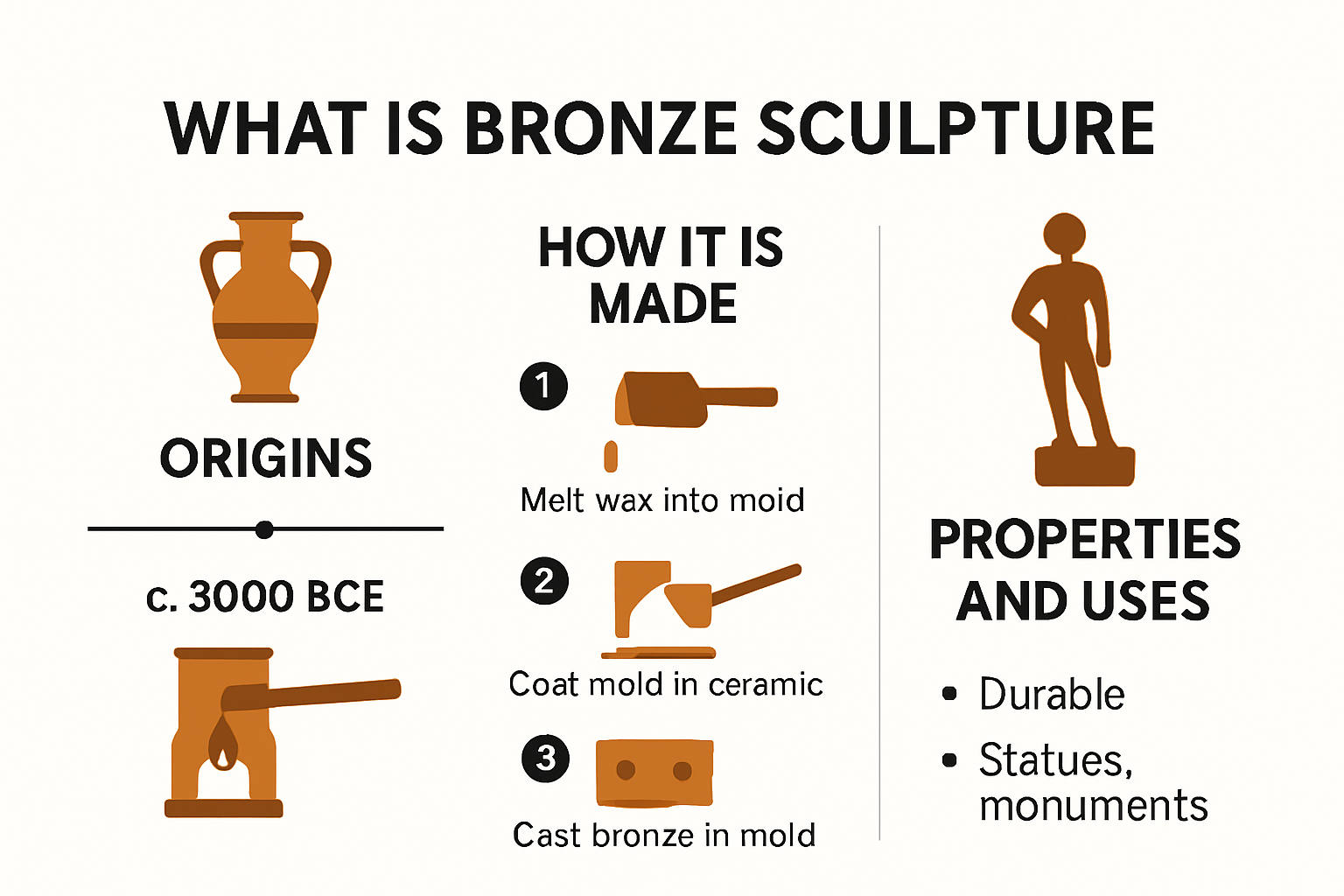
Bronze, an alloy primarily composed of copper and tin, has been a cornerstone of artistic expression for millennia. Archaeological evidence from Britannica reveals that artists have been working with bronze since before 3000 BC, initially developing techniques that would revolutionize sculptural practices. The material’s unique properties made it exceptionally valuable for artistic creation.
The technical brilliance of bronze lies in its remarkable casting characteristics. As the metal expands slightly before solidifying and then contracts upon cooling, sculptors can reproduce intricate details with extraordinary precision. This characteristic allowed artists to create sculptures with unprecedented levels of complexity and realism.
Technological Innovations in Bronze Casting
The lost-wax casting technique emerged as a groundbreaking method for creating bronze sculptures. The Metropolitan Museum of Art explains that ancient Greek artists perfected this intricate process, which involved creating a detailed wax model, encasing it in clay, and then melting the wax to leave a hollow mold for molten bronze. This technique enabled artists to craft dynamic sculptures that captured movement and human form with unprecedented accuracy.
During the Hellenistic period, bronze sculpture reached extraordinary heights of artistic achievement. Getty Research Institute notes that thousands of bronze sculptures were produced, though fewer than 200 have survived to the present day. The scarcity of these pieces underscores their historical and artistic significance.
Cultural Significance and Artistic Expression
Bronze sculptures transcend mere physical representation. They serve as powerful cultural artifacts that communicate complex narratives, preserve historical moments, and express profound human emotions. The durability of bronze allows these artistic creations to endure through centuries, offering contemporary audiences a tangible connection to past civilizations and artistic traditions.
For south-african art collectors, bronze sculpture represents more than an aesthetic acquisition. It embodies a nuanced art form that combines technical mastery, cultural storytelling, and timeless artistic vision. Each sculpture carries within its metallic form a unique narrative waiting to be discovered and appreciated.
The ongoing evolution of bronze sculpture continues to challenge and expand artistic boundaries, inviting collectors and enthusiasts to engage with a medium that bridges ancient craftsmanship and contemporary creative expression.
How Bronze Sculptures Are Made Today
Modern bronze sculpture creation represents a sophisticated blend of traditional craftsmanship and cutting-edge technological techniques. Artists and foundry specialists collaborate to transform raw materials into extraordinary three-dimensional artworks that capture imagination and emotion.
Contemporary Casting Techniques
Research from the University of Nebraska-Lincoln reveals that contemporary bronze sculpture production involves multiple intricate stages. The process begins with the artist creating an original model, typically using clay, wax, or other malleable materials. This initial sculpture serves as the primary prototype from which the final bronze piece will be developed.
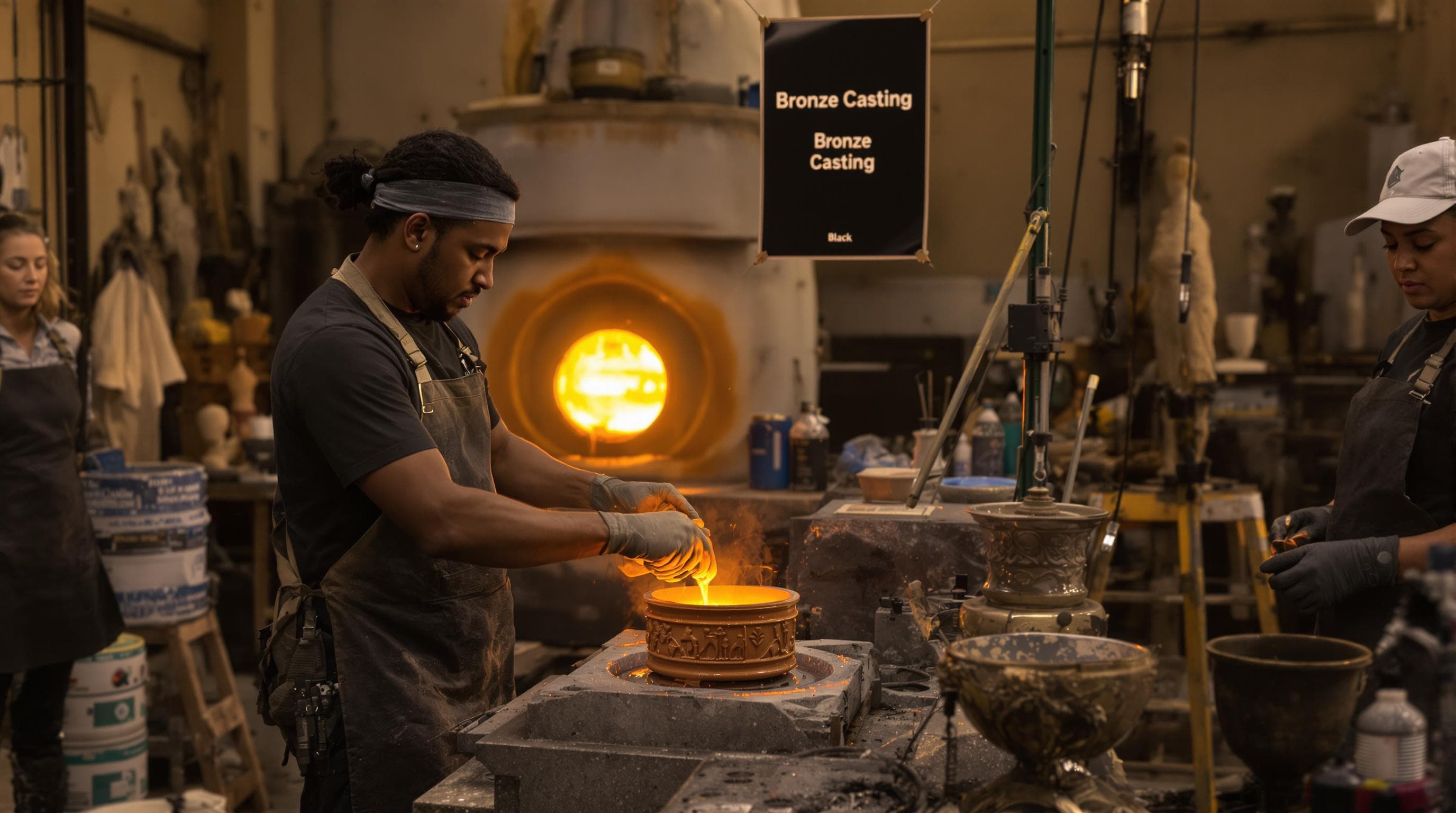
The lost-wax casting method remains the predominant technique in modern bronze sculpture production. Artists carefully create a precise wax replica of their original model, which is then encased in a heat-resistant ceramic shell. This shell acts as a mold into which molten bronze will be poured, capturing every minute detail of the original artwork.
Advanced Metallurgical Processes
Today’s bronze sculptures benefit from advanced metallurgical knowledge that allows for greater precision and artistic expression. Foundry specialists carefully control bronze alloy compositions, typically mixing copper with tin and sometimes incorporating small amounts of other metals like zinc or aluminum to enhance specific material properties.
Temperature control during the casting process is critical. Molten bronze is heated to approximately 1700 degrees Fahrenheit, ensuring complete liquefaction and optimal flow into intricate mold details. The precise temperature management allows artists to capture extraordinarily complex sculptural forms that would have been impossible in earlier eras.
Finishing and Surface Treatment
After the initial casting, bronze sculptures undergo extensive finishing processes. Skilled artisans use various techniques to refine the sculpture’s surface, including sandblasting, grinding, and polishing. Patination represents another crucial stage where chemical treatments are applied to create distinctive surface colors and textures.
Some contemporary artists experiment with innovative surface treatments, using techniques that range from traditional chemical patinas to modern electroplating methods. These approaches allow for unprecedented levels of artistic expression, transforming bronze from a mere material into a canvas for complex visual storytelling.
For south-african art collectors, understanding these intricate production processes adds depth to their appreciation of bronze sculpture. Each piece represents not just an artistic vision but a complex journey of technical skill, material transformation, and creative imagination.
The continued evolution of bronze sculpture production techniques ensures that this ancient art form remains dynamic, relevant, and capable of capturing the most nuanced human expressions through an extraordinary metallic medium.
Here is a process table summarising the main steps involved in creating a modern bronze sculpture, helping collectors understand the journey from artistic concept to finished artwork:
| Step | Description |
|---|---|
| Original Model Creation | Artist sculpts initial prototype in clay, wax, or another material |
| Wax Replica Production | A precise wax copy of the sculpture is made from the original model |
| Shell/Mold Creation | Wax model is encased in a heat-resistant ceramic shell to form the mold |
| Wax Removal | Mold is heated to melt and remove the wax, leaving a hollow space for bronze |
| Bronze Pouring | Molten bronze is poured into the mold, capturing intricate details |
| Cooling & Release | Bronze sculpture is cooled and removed from the mold |
| Finishing & Surface Treatment | Artisans refine, polish, and apply patina or other treatments |
Why Bronze Sculpture Appeals to South African Collectors
Bronze sculpture represents a profound artistic medium that resonates deeply with south-african art collectors, offering a unique blend of cultural significance, artistic complexity, and investment potential. The appeal of bronze sculptures extends far beyond mere aesthetic appreciation, encompassing rich historical narratives and contemporary artistic expressions.
Cultural and Historical Significance
The Getty Conservation Institute highlights bronze’s extraordinary ability to capture intricate details and preserve artistic vision through time. For south-african collectors, bronze sculptures are not just art pieces but tangible connections to cultural heritage and artistic traditions. These sculptures serve as powerful storytelling mediums, capturing nuanced human experiences and historical moments.
Read more about our collection of south-african artists who have masterfully utilized bronze as their primary artistic medium. The material’s versatility allows artists to explore complex themes of identity, struggle, celebration, and transformation that are particularly resonant within the south-african context.
Investment and Artistic Value
The National Trust Collections emphasizes that sculpture collections represent more than aesthetic acquisitions. They are investments in cultural learning, taste, and historical representation. Bronze sculptures offer unique advantages for collectors:
- Durability: Bronze’s remarkable resistance to corrosion ensures long-term preservation
- Value Appreciation: Historical and contemporary bronze sculptures often increase in monetary and cultural value
- Artistic Complexity: Each piece represents a sophisticated fusion of technical skill and creative vision
To help collectors quickly compare the main advantages of collecting bronze sculpture discussed above, here is a summary table:
| Advantage | What It Means for Collectors |
|---|---|
| Durability | Bronze is highly resistant to corrosion, ensuring sculptures last for centuries |
| Value Appreciation | Both historical and modern pieces can increase in value over time |
| Artistic Complexity | Pieces represent a fusion of technical skill and creative artistry |
| Cultural Significance | Tangible links to heritage and tradition; often serve as powerful storytelling objects |
| Versatility | Artists can explore diverse styles, from realistic to abstract |
Technological and Artistic Innovation
Brill’s publication on Sculpture Collections notes the prestigious status associated with bronze sculpture ownership. Contemporary south-african artists are pushing boundaries, using bronze to create works that challenge traditional representations and explore complex social narratives.
Modern bronze sculpture techniques allow for unprecedented levels of artistic expression. Artists can now create pieces that range from hyper-realistic representations to abstract conceptual works, providing collectors with diverse options that reflect personal taste and cultural understanding.
For south-african art collectors, bronze sculpture represents more than an aesthetic choice. It is an investment in cultural dialogue, artistic innovation, and a medium that captures the dynamic spirit of south-african creativity. Each sculpture tells a story, preserves a moment, and offers a window into the rich artistic landscape of the region.
The ongoing evolution of bronze sculpture ensures that collectors are not just acquiring art pieces but participating in a living, breathing artistic tradition that continues to grow, challenge, and inspire.
Tips for Decorating with Bronze in South African Homes
Decorating with bronze sculptures offers south-african homeowners a sophisticated approach to interior design that blends artistic expression with cultural narrative. These remarkable pieces transform living spaces, adding depth, texture, and a sense of refined aesthetic sophistication.
Strategic Placement and Spatial Dynamics
Eden Gallery’s expert guide emphasizes the importance of thoughtful sculpture placement. Bronze sculptures are not merely decorative objects but focal points that can dramatically alter a room’s atmosphere. Consider positioning sculptures where they can catch natural light, creating dynamic shadows and highlighting their intricate details.
In south-african homes with diverse architectural styles, bronze sculptures can serve as remarkable conversation pieces. Whether placed on minimalist console tables, nestled in contemporary living rooms, or displayed in traditional spaces, these artworks create visual intrigue and emotional resonance.
Explore our guide to south-african artist collections to find inspiration for selecting pieces that complement your home’s unique character.
Emotional and Aesthetic Impact
According to interior design experts, sculptures do more than decorate a space they create emotional landscapes within homes. Bronze sculptures add layers of texture and movement, guiding the viewer’s eye and creating intrigue. As design professional Karin Meyn notes, these pieces can be “defining elements of a room’s ambience,” capable of stirring emotions and bringing joy.
Consider the scale and proportion when selecting bronze sculptures. A large statement piece can anchor a room, while smaller sculptures can be grouped to create interesting visual narratives. In south-african homes that often celebrate natural light and open spaces, bronze sculptures can provide a grounding counterpoint to minimalist design elements.
Maintenance and Care
Design experts from 1stDibs recommend treating bronze sculptures as valuable investments. Regular, gentle cleaning with soft cloths and avoiding direct sunlight can help preserve their patina and intricate details. Understanding each piece’s unique characteristics ensures their longevity and continued aesthetic appeal.
Bronze sculptures in south-african homes are more than decorative elements they are cultural storytellers. They reflect personal taste, artistic appreciation, and a connection to rich artistic traditions. When selected and displayed thoughtfully, these pieces transform living spaces into curated, emotionally resonant environments.
Here is a simple checklist table to help south-african collectors and homeowners remember key steps for maintaining and displaying bronze sculptures:
| Checklist Item | Completed (✓/✗) | Notes |
|---|---|---|
| Clean gently with soft cloths regularly | Avoid harsh chemicals and abrasives | |
| Avoid placing in direct sunlight | Prevents damage to patina and finish | |
| Check for dust in intricate crevices | Use soft brush if needed | |
| Rotate or reposition sculptures occasionally | Keeps lighting/showcasing fresh | |
| Inspect for signs of wear or oxidation | Early detection allows prompt care |
Remember that decorating with bronze is an art form in itself. Each sculpture you choose tells a story, reflects a moment, and contributes to the broader narrative of your home’s design language. Embrace the versatility, depth, and profound beauty that bronze sculptures can bring to your living spaces.
Frequently Asked Questions
What is a bronze sculpture?
A bronze sculpture is an artwork created by casting an alloy of copper and tin, known for its durability and ability to capture intricate details, making it a respected medium in the art world.
How are bronze sculptures made today?
Modern bronze sculptures are typically created using contemporary techniques like the lost-wax casting method, which involves creating a wax model, encasing it in a ceramic shell, and then pouring molten bronze to form the final piece.
Why are bronze sculptures popular among South African collectors?
Bronze sculptures appeal to South African collectors due to their cultural significance, investment potential, and the ability to preserve artistic traditions, offering a strong connection to heritage and storytelling.
What are some tips for decorating with bronze sculptures in a South African home?
When decorating with bronze sculptures, consider strategic placement to enhance their visibility and impact, maintain them through gentle cleaning, and choose pieces that resonate emotionally with your personal aesthetic.
Own South Africa’s Finest Bronze Masterpieces Today
You have learned how rare and powerful bronze sculptures can be, serving not just as décor but as investments in heritage and culture. Like many South African collectors, perhaps you feel the urge to go beyond admiration and bring these lasting works into your own home. Yet, finding authentic bronze art that truly reflects your taste and local identity can be challenging in a crowded marketplace.

At Art Online, you can shop an extraordinary variety of bronze sculptures created by South Africa’s most celebrated artists. Each piece carries the technical mastery and cultural weight discussed in the article, offering you a direct connection to the stories and artistry found throughout our region. For more inspiration, see the full journey of our famous South African artists working in bronze and explore how you can decorate your home with unique sculptures. Visit Art Online now to discover the perfect bronze artwork and elevate your collection before these exclusive editions are gone.
Recommended
- Famous South African Artists: 2025 Guide for Collectors & Decorators – Art-Online
- South African Tribal Art: Trends and Decor Ideas for 2025 – Art-Online
- Blog – Art-Online
- Art of South Africa: Inspiring Creativity and Cultural Power – Art-Online
What Makes Art High Quality: Guide for Collectors & Decorators 2025
– Exclusive Canvas Art- Painting by Numbers is the Perfect Pastime