
Master Shipping Art Internationally with Confidence
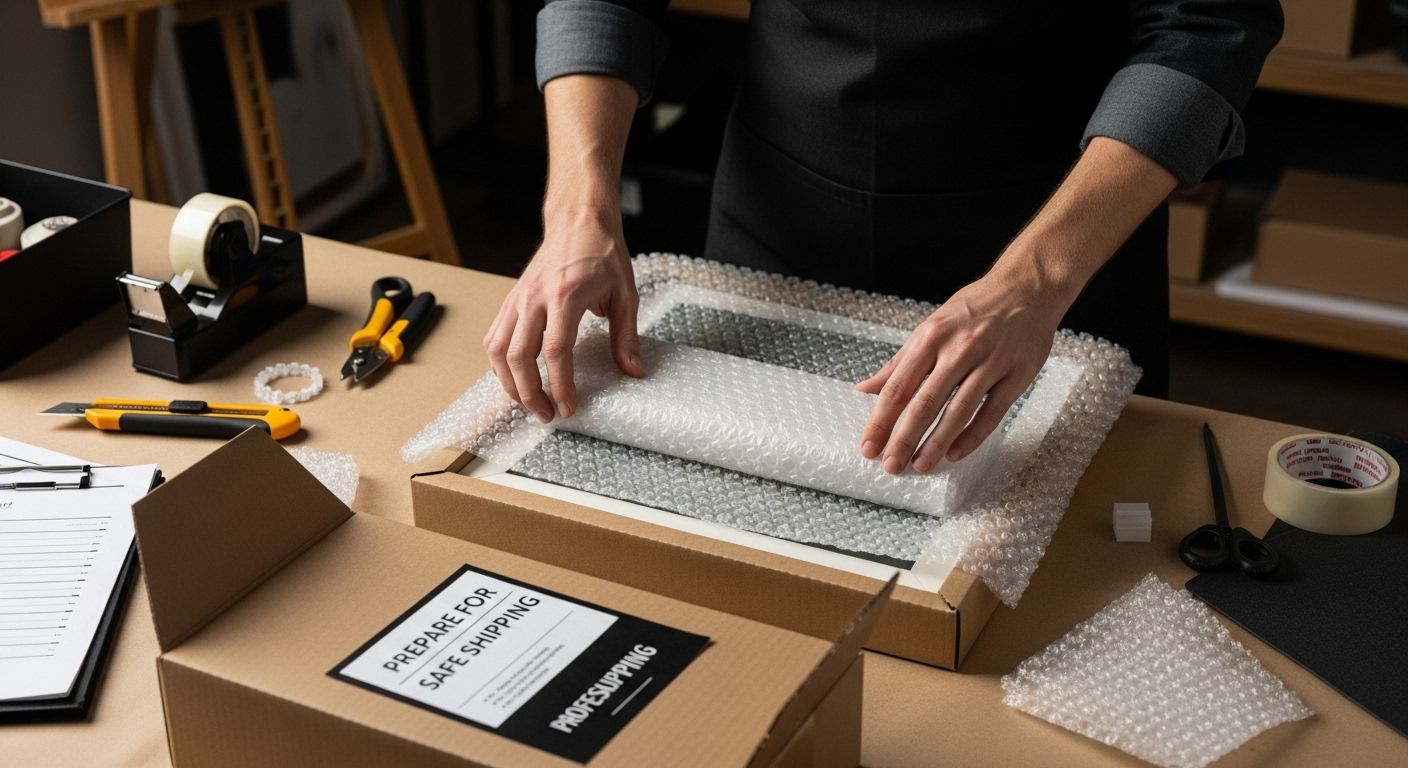
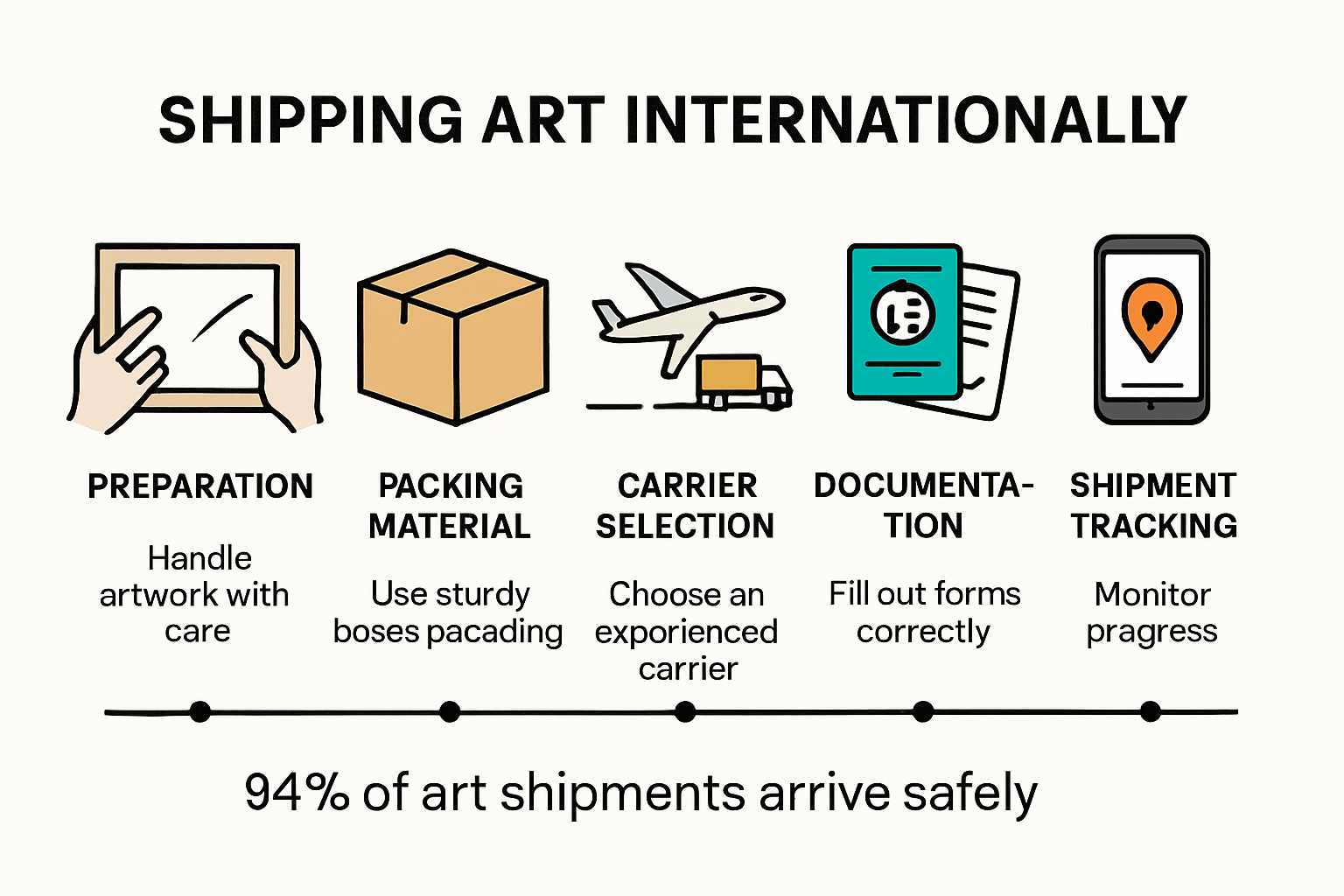
Shipping valuable artworks overseas can be nerve-wracking. No one wants their prized painting or delicate sculpture damaged before it even arrives. Yet, despite the worry, statistics show that with proper prep and packaging, over 94 percent of fine art shipments make it to their destination unharmed. That means the real risk is not the journey itself but skipping a few key steps before your art even leaves your hands.
Table of Contents
- Step 1: Prepare Your Artwork For Safe Shipping
- Step 2: Choose The Right Packing Materials
- Step 3: Select An Appropriate Shipping Carrier
- Step 4: Complete Necessary Customs Documentation
- Step 5: Track Your Shipment Until Delivery
Quick Summary
| Key Point | Explanation |
|---|---|
| 1. Assess Artwork’s Protection Needs | Different artworks require unique packaging techniques based on their medium and fragility to prevent damage during shipping. |
| 2. Use High-Quality Packing Materials | Invest in professional-grade, acid-free packing supplies designed for art transportation to ensure maximum protection. |
| 3. Choose a Specialized Shipping Carrier | Select carriers that specialize in fine art shipping, offering proper handling, climate control, and insurance options. |
| 4. Prepare Comprehensive Customs Documentation | Ensure all required paperwork is accurate and complete to avoid delays or complications when crossing international borders. |
| 5. Track Shipment Throughout Transit | Monitor your artwork’s journey with real-time tracking and maintain communication with the shipping coordinator for updates. |
Step 1: Prepare Your Artwork for Safe Shipping
Shipping art internationally requires meticulous preparation to protect your valuable pieces from potential damage during transit. The first critical step involves creating a comprehensive protection strategy that safeguards your artwork’s structural integrity and aesthetic value.
Begin by assessing your specific artwork’s unique requirements. Different mediums demand different protection approaches. Canvas paintings, delicate watercolors, fragile sculptures, and large prints each necessitate tailored packaging techniques. Your primary goal is preventing movement, absorbing potential shocks, and creating a stable microenvironment that shields the artwork from temperature fluctuations and humidity.
Essential Packing Materials
Gather high-quality packing materials specifically designed for art transportation. Your essential toolkit should include:
- Acid-free tissue paper
- Glassine paper or archival-grade protective wrapping
- Bubble wrap (with bubbles facing outward)
- Rigid cardboard or foam board
- High-quality packing tape
- Protective corner guards
- Custom-sized shipping box or crate
When wrapping your artwork, start with a layer of acid-free tissue paper to prevent direct contact with other materials. For paintings and prints, use glassine paper which provides a moisture-resistant barrier. Wrap the artwork carefully, ensuring no creases or folds create pressure points that might damage the piece.
For framed artworks, additional precautions are necessary. Apply an X-shaped piece of painter’s tape across glass surfaces to prevent shattering and potential damage to the artwork if breakage occurs. Use cardboard corner protectors to shield frame edges and prevent chipping or scratching.
If shipping a three-dimensional artwork like a sculpture, create a custom support system using foam padding and rigid containers. Ensure the piece cannot move within its packaging by filling empty spaces with additional cushioning materials. Learn more about protecting delicate art pieces using professional conservation techniques.
Documentation is equally crucial. Take clear, high-resolution photographs of the artwork from multiple angles before packaging. These images serve as evidence of the artwork’s condition before shipping and can be invaluable for insurance purposes.
Finally, select a shipping container that provides at least two inches of cushioning space around all sides of the artwork. Double-box fragile items for maximum protection, creating an additional layer of shock absorption. Label the package as FRAGILE and HANDLE WITH CARE to alert handlers to the delicate contents within.
Step 2: Choose the Right Packing Materials
Selecting appropriate packing materials is a critical step in ensuring your artwork survives international shipping without damage. The right materials create a protective environment that shields your precious pieces from potential transportation hazards like impact, moisture, temperature variations, and handling stress.
Quality packing materials are not a one-size-fits-all solution. Different artworks require specific protective strategies based on their medium, size, fragility, and unique characteristics. Professional art shippers understand that proper material selection is as important as the artwork itself.
Professional Packing Material Recommendations
For optimal protection, invest in professional-grade packing supplies specifically designed for art transportation. Your primary materials should include archival-quality options that provide maximum preservation and minimal risk. Explore professional art shipping techniques to understand the nuanced approach required for different art types.
Key materials to consider include:
- Acid-free archival tissue paper
- Professional-grade glassine paper
- Low-static bubble wrap
- High-density foam sheets
- Rigid polypropylene or corrugated plastic boards
- Museum-grade packaging tape
- Custom-sized protective containers
Consider the specific needs of your artwork when selecting materials. Delicate watercolors and prints require ultra-soft, acid-free tissue paper as the first protective layer. Oil paintings demand slightly different protection, typically involving a layer of glassine paper followed by bubble wrap with bubbles facing outward to prevent direct contact.
For three-dimensional sculptures or fragile ceramics, invest in high-density foam with precision-cut cavities that cradle the artwork perfectly. These custom foam inserts provide superior shock absorption and prevent movement during transit. Professional shipping companies often use computerized foam cutting technologies to create these precision-fit protective environments.
Temperature and humidity considerations are paramount when selecting packing materials. Use moisture-absorbing silica gel packets inside the packaging to control humidity levels. For artworks sensitive to temperature fluctuations, consider using thermal insulation materials that maintain a stable internal environment.
Remember that cheaper is not always better when protecting valuable artwork. Professional-grade materials might seem expensive initially, but they represent a fraction of the potential replacement or restoration costs. Always purchase materials from reputable art conservation and shipping supply stores that specialize in museum-quality packaging.
Before finalizing your packing, conduct a mock packaging test. Carefully wrap and package the artwork, then gently simulate transportation conditions. If the artwork feels secure and shows no signs of potential movement or stress, you’ve selected the right materials.
Step 3: Select an Appropriate Shipping Carrier
Choosing the right shipping carrier represents a critical decision in your international art transportation strategy. Not all shipping services are created equal, and selecting a carrier that understands the nuanced requirements of art transportation can mean the difference between a successful delivery and a potential disaster.
Begin by researching carriers that specialize in fine art shipping. These specialized services offer more than standard transportation. They provide climate-controlled environments, custom handling protocols, and comprehensive insurance options specifically designed for valuable and delicate artworks.
Evaluating Shipping Carrier Capabilities
When assessing potential shipping carriers, develop a comprehensive evaluation framework that goes beyond basic cost considerations. Research professional art shipping methods to understand the intricate requirements of art transportation.
Key evaluation criteria should include:
- Specialized art transportation experience
- International shipping certifications
- Climate-controlled transportation options
- Comprehensive insurance coverage
- Custom crating and handling services
- Tracking and real-time monitoring capabilities
- Documented art handling protocols
International shipping introduces complex challenges that require meticulous attention. Customs regulations and international shipping restrictions can significantly impact your art transportation strategy. Some carriers offer specialized art shipping divisions with experts who understand global import-export requirements, navigate complex documentation, and provide seamless cross-border transportation.
Carefully review each carrier’s insurance offerings. Artwork insurance is not standardized, and standard shipping insurance rarely covers the full value and potential restoration costs of fine art. Look for carriers that offer specialized art insurance with comprehensive coverage that accounts for the artwork’s intrinsic and market value.
Technology has transformed art shipping. Modern carriers provide advanced tracking systems that allow real-time monitoring of your artwork’s journey. These systems offer temperature and humidity logs, precise location tracking, and immediate notifications about any potential handling issues. Such technological capabilities provide peace of mind during international transportation.
Consider scheduling consultations with potential carriers. Reputable art shipping services often provide complimentary consultations where they assess your specific artwork and recommend the most appropriate transportation strategy. During these consultations, discuss the artwork’s specific requirements, potential challenges, and the carrier’s experience with similar pieces.
Budget is important, but it should not be the sole determining factor. Cheaper is not always better when transporting valuable artwork. A slightly higher investment in a specialized, experienced carrier can prevent potentially catastrophic damage that would far exceed the initial shipping cost.
Finally, request and verify references. Experienced art shipping carriers should readily provide case studies, client testimonials, and examples of successful international art transportations. These references offer invaluable insights into their actual performance and reliability.
Step 4: Complete Necessary Customs Documentation
Customs documentation represents the critical administrative gateway that determines whether your artwork successfully crosses international borders. Incomplete or incorrect paperwork can result in significant delays, potential seizures, or substantial financial penalties that could dramatically complicate your art shipping experience.
Preparing comprehensive customs documentation requires meticulous attention to detail and a thorough understanding of international shipping regulations. Each country maintains unique import requirements, making it essential to research and comply with specific regional documentation standards.
Essential Documentation Preparation
The foundation of successful international art shipping lies in creating precise and comprehensive documentation. Explore international export documentation guidelines to understand the intricate requirements of cross-border art transportation.
Key documents you will need to prepare include:
- Commercial Invoice
- Certificate of Origin
- Detailed Art Valuation Statement
- Export Permit
- Temporary Export Declaration
- Insurance Certificate
- Detailed Artwork Description
Your commercial invoice must provide an extremely detailed description of the artwork. Include precise measurements, medium, artist information, creation date, and exact market value. Customs officials require comprehensive information to assess potential import duties and verify the artwork’s authenticity.
For original artworks, additional documentation might be necessary. Some countries require specific export permits, particularly for pieces of significant cultural or historical value. Research the specific requirements of both the exporting and importing countries to ensure complete compliance.
Valuation represents a critical component of your documentation. Artwork valuation is not a simple process. You may need to provide professional appraisal documents from certified art valuers. These documents should include comprehensive details about the artwork’s provenance, market value, and artistic significance.
Photographic documentation plays a crucial role in your customs paperwork. Include high-resolution, multiple-angle photographs of the artwork that clearly demonstrate its condition before shipping. These images serve as both documentation and potential evidence in case of any transportation-related disputes.
Many international shipments require a temporary export declaration if the artwork is intended for exhibition or temporary relocation. This specialized documentation ensures that the artwork will be returned to its country of origin within a specified timeframe.
Consider consulting with a specialized art shipping broker or customs clearance expert who understands the nuanced requirements of international art transportation. These professionals can help navigate complex regulatory landscapes and ensure your documentation meets all necessary standards.
Finally, maintain multiple copies of all documentation. Store digital and physical copies securely, and ensure that both the shipping carrier and the receiving party have comprehensive access to these critical documents. Proper preparation can transform a potentially complex customs process into a smooth, efficient experience.
Step 5: Track Your Shipment Until Delivery
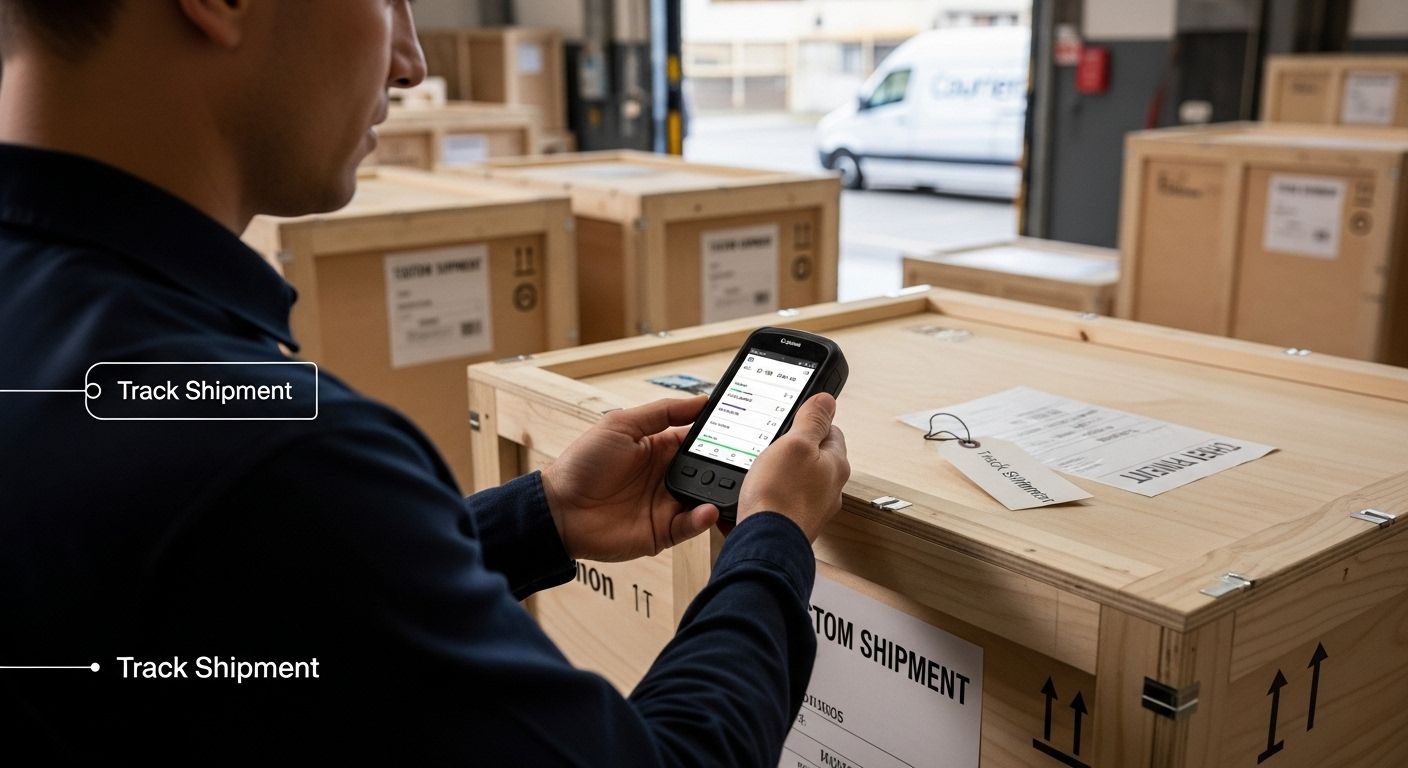
Tracking your artwork’s international journey transforms a potentially anxiety-inducing process into a transparent, manageable experience. Effective shipment tracking provides real-time insights into your valuable artwork’s location, condition, and estimated delivery timeline, offering peace of mind throughout its complex transportation process.
Modern shipping technologies have revolutionized international art transportation tracking. Professional art shipping carriers now offer sophisticated monitoring systems that provide unprecedented visibility into your artwork’s entire journey. These advanced tracking platforms go far beyond simple location updates, offering comprehensive environmental and handling data.
Strategic Shipment Monitoring Approach
Understand international shipping tracking protocols to navigate the complexities of art transportation effectively. Your tracking strategy should be proactive and comprehensive.
Key tracking considerations include:
- Obtain unique tracking number immediately after shipment
- Request detailed shipping itinerary
- Understand carrier’s specific tracking platform
- Set up automated notification alerts
- Maintain direct communication with shipping coordinator
- Verify insurance coverage during transit
- Prepare contingency plans for potential delays
Temperature and humidity monitoring becomes crucial when shipping delicate artworks. Advanced tracking systems now provide real-time environmental data, allowing you to verify that your artwork remains within acceptable preservation conditions throughout its journey. Some specialized art shipping services offer minute-by-minute climate tracking, sending immediate alerts if any parameters deviate from the predetermined safe range.
Establish direct communication channels with your shipping coordinator. While automated tracking provides valuable information, personal contact ensures a more nuanced understanding of potential challenges. Request a dedicated point of contact who can provide immediate insights into any unexpected developments during transportation.
Technology has transformed shipment tracking from a passive to an active process. Many carriers now offer mobile applications and web platforms that provide instantaneous updates. These digital tools allow you to monitor your artwork’s precise geographic location, track environmental conditions, and receive immediate notifications about customs clearance or potential handling events.
Be prepared for potential customs-related delays. International shipping often involves complex clearance processes that can temporarily interrupt tracking updates. Maintaining patience and having a comprehensive understanding of potential processing times will help manage expectations during these periods.
Carefully document every tracking update and communication. Create a dedicated digital folder where you store all tracking information, carrier communications, and shipping documentation. This comprehensive record can be invaluable if any disputes or insurance claims become necessary.
Remember that tracking is more than just watching a digital marker move across a map. It’s about ensuring the safe, controlled transportation of your valuable artwork from origin to destination. Your proactive engagement and strategic monitoring can make the difference between a successful shipment and a potential transportation mishap.
Trust Your Art’s Journey with South Africa’s Leading Online Gallery
Worried about safe and successful international art shipping? This article tackles the stress and uncertainty around proper packaging, carrier selection, and monitoring every step of your artwork’s journey. You want peace of mind that your valuable pieces are protected and delivered safely. At Art Online, we understand how important it is for both artists and collectors to ship masterpieces confidently. Our team uses museum-quality packing methods and partners with expert carriers so every artwork listed or purchased through us is handled with utmost care.

Secure your artwork’s safe passage by choosing the experts trusted by South Africa’s renowned artists and collectors. Explore our collection, showcase your own creations, or discover how we support both local and international buyers at Art Online. Let your next masterpiece travel the world with the professionals who respect every detail. Start your global art journey now before another opportunity to protect and value your art passes by.
Frequently Asked Questions
What materials are essential for packing artwork for international shipping?
To ensure safe shipping, gather high-quality packing materials including acid-free tissue paper, glassine paper, bubble wrap, rigid cardboard, packing tape, corner guards, and a custom-sized shipping box or crate.
How should I protect delicate artworks, like watercolors or prints, during shipping?
Wrap delicate works in ultra-soft acid-free tissue paper as the first layer, followed by a layer of glassine paper. Use bubble wrap for additional cushioning, ensuring no movement within the packaging.
What documentation is required for customs when shipping art internationally?
You’ll need to prepare a commercial invoice, certificate of origin, detailed art valuation statement, export permit, temporary export declaration, insurance certificate, and a detailed description of the artwork.
How can I track my artwork shipment during international transport?
Obtain a unique tracking number from your carrier and set up automated notification alerts. Utilize the carrier’s specific tracking platform for real-time updates on location, handling, and environmental conditions.
Recommended
- Eternity Triptych Gold Foil Resin Artwork by Sudisha Ruder – Art-Online
- Swan Oil on Artist Board by Zofia Szafranski – Art-Online
- Abstract II Oil on Canvas by Zofia Szafranski – Art-Online
- Everything You Need to Know About Worldwide Express Shipping
- Essential Guide to Preparing for International Shipping 2025 | Schott Removals