
8 Creative Sculpture Display Ideas for Your Space
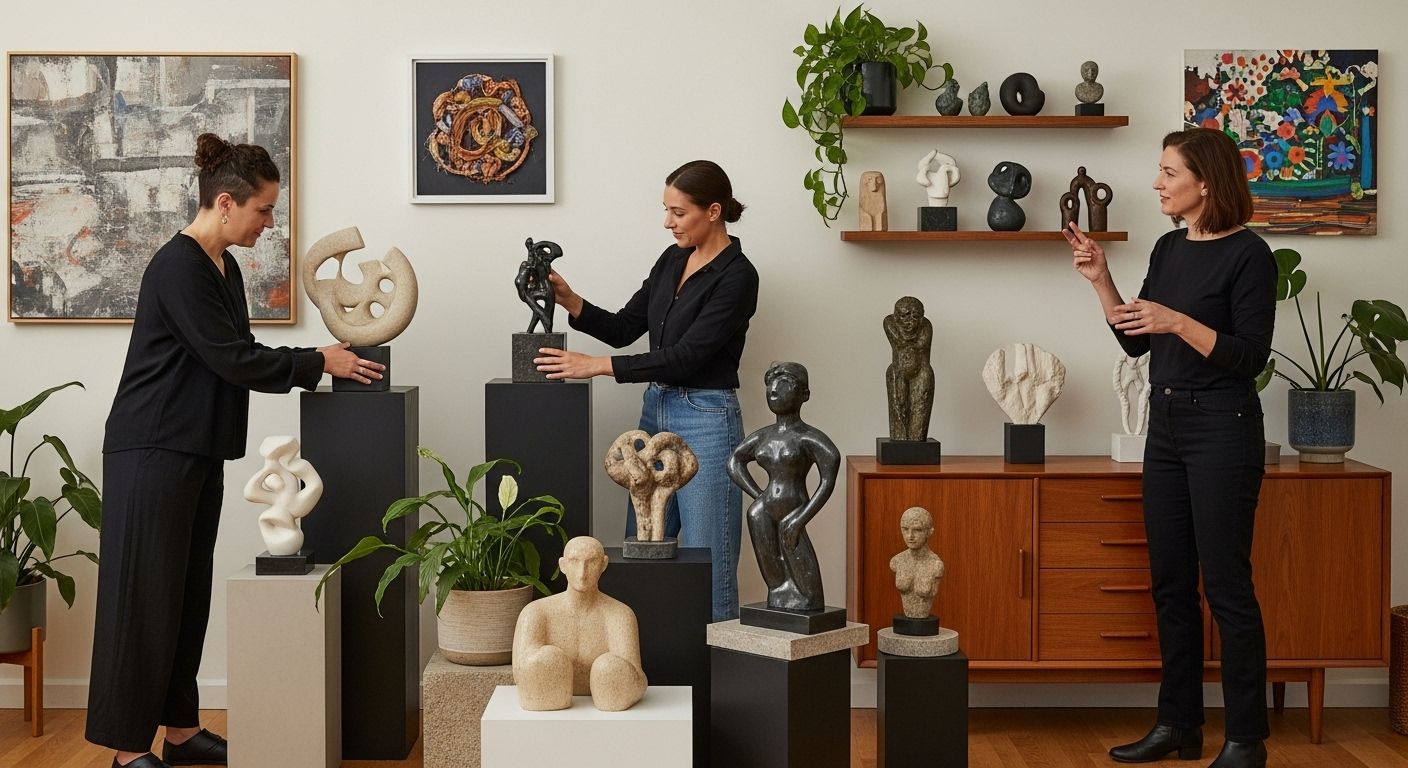
Sculpture can completely transform a room, turning an empty corner into a showpiece and giving your space a story. Most people think it is all about picking the right artwork and calling it a day. But get this. The right placement and display techniques can multiply the impact of a sculpture, making it the centrepiece that ties an entire room together. There are creative tricks interior designers use that most collectors never hear about.
Table of Contents
- Choose The Right Location For Your Sculpture
- Mix And Match Sculptures With Other Art Forms
- Create A Themed Display For Cohesion
- Use Lighting To Enhance Your Sculptures
- Consider Scale And Proportion In Your Arrangement
- Employ Different Display Surfaces For Interest
- Incorporate Plants And Natural Elements
- Change Displays Seasonally For Freshness
Quick Summary
| Takeaway | Explanation |
|---|---|
| Choose optimal sculpture locations | Ensure placements allow for viewer interaction and appreciation without hindering movement. |
| Create dynamic art combinations | Mix sculptures with other art forms for engaging visual narratives and enhanced aesthetic appeal. |
| Utilise thematic displays for cohesion | Group sculptures around shared themes to create unified stories that engage viewers. |
| Maximise lighting techniques | Use directional, ambient, and natural lighting to highlight details and enhance the viewing experience. |
| Rotate displays seasonally for variety | Refresh your art collection by changing displays to align with seasonal themes and natural light adjustments. |
1: Choose the Right Location for Your Sculpture
Selecting the perfect location for your sculpture is more than just finding an empty space. The right placement can transform an artwork from a mere object to a captivating focal point that enriches your entire environment. Your chosen location will dramatically influence how viewers perceive and interact with the sculpture.
Consider these key factors when determining the ideal sculpture placement:
-
Room Traffic Flow: Select an area that allows viewers to appreciate the sculpture without obstructing movement
-
Natural Lighting: Position the artwork where natural or strategic lighting can highlight its unique textures and details
-
Visual Balance: Ensure the sculpture complements existing design elements and doesn’t compete with other visual features
According to the Project for Public Spaces, successful art placement depends on understanding how the artwork interacts with its surrounding environment. This principle applies equally to home and professional settings.
Different rooms offer unique opportunities for sculpture display. A living room might welcome a bold, statement piece near a large window, while a study could benefit from a more contemplative sculpture positioned on a carefully curated bookshelf. Natural light and strategic positioning can dramatically enhance the sculpture’s visual impact.
Height and perspective matter significantly. A sculpture placed at eye level invites closer examination, while an elevated position can create a sense of drama and importance. Consider pedestals, shelves, or dedicated display areas that showcase your artwork’s unique characteristics.
For art collectors looking to dive deeper into sculptural display techniques, our guide on African sculptural traditions offers additional insights into contextual placement and artistic presentation.
2: Mix and Match Sculptures with Other Art Forms
Combining different art forms creates dynamic visual narratives that transform spaces from ordinary to extraordinary. Sculptures, when thoughtfully integrated with paintings, photographs, or mixed media, can generate compelling conversations and elevate the aesthetic experience of any room.
Strategic art combination requires understanding how different mediums interact and complement each other. Consider these essential principles:
-
Thematic Connections: Select artworks that share conceptual or emotional resonance
-
Color and Texture Harmony: Ensure visual elements create a cohesive and balanced composition
According to Tate’s art installation perspectives, mixing art forms challenges traditional display boundaries and encourages viewers to explore deeper interpretive relationships between different media.
Sculptural dialogue with other art forms can occur through multiple approaches. A bronze sculpture might find remarkable synergy alongside an abstract watercolor that echoes its color palette. A minimalist ceramic piece could create fascinating contrast when placed near a vibrant photographic landscape.
For collectors seeking inspiration, wall arrangements offer tremendous potential. Consider creating a gallery wall where sculptures protrude from or interact with two-dimensional artworks. A small bronze figure positioned in front of a large canvas can create depth and intrigue, drawing the viewer’s eye across the entire composition.
Texture plays a crucial role in these artistic conversations. Smooth sculptural surfaces can beautifully complement rough textile artworks or intricate graphic prints. The key is creating visual rhythm and maintaining a sense of balance.
For those interested in exploring African art’s rich sculptural traditions and display techniques, learn more about our curated collection insights that can inspire your creative display strategies.
3: Create a Themed Display for Cohesion
Themed sculpture displays transform spaces from random collections into curated narratives, telling visual stories that captivate and engage viewers. A well-conceived thematic approach allows sculptures to communicate beyond their individual forms, creating a unified artistic experience.
Consider these fundamental approaches to developing a cohesive sculptural theme:
-
Cultural Heritage: Group sculptures representing specific artistic traditions or geographical origins
-
Material Consistency: Select sculptures sharing similar materials or crafting techniques
-
Emotional Resonance: Curate pieces that evoke comparable moods or conceptual expressions
According to research on exhibition design by Public Art Teaching Methods, thematic displays enhance viewer understanding and emotional connection with artistic works.
Thematic strategies can emerge from multiple perspectives. A collection might explore African sculptural traditions, highlighting regional artistic techniques. Alternatively, you could create a display focusing on abstract forms, selecting sculptures that emphasize geometric shapes and minimalist design.
Color palettes play a crucial role in thematic cohesion. Sculptures with complementary tones or textures can create visual dialogue, even when their specific styles differ. Bronze sculptures with warm amber undertones might be grouped together, creating a sense of unified warmth and depth.
Size and scale considerations are equally important. A themed display might intentionally contrast smaller intricate pieces with larger, more commanding sculptures. This variation maintains visual interest while preserving the underlying thematic connection.
For collectors seeking deeper insights into curating meaningful sculptural collections, explore our comprehensive guide to African sculptural traditions and discover innovative display strategies that celebrate artistic heritage.
4: Use Lighting to Enhance Your Sculptures
Lighting transforms sculptures from static objects into dynamic visual experiences, revealing intricate details and creating dramatic visual narratives. Strategic illumination can dramatically alter how viewers perceive and interact with sculptural art.
Key lighting techniques for sculptural displays include:
-
Directional Spotlighting: Highlight specific sculptural features and create depth
-
Ambient Backlighting: Generate soft shadows and ethereal visual effects
-
Adjustable Intensity: Modify light levels to suit different times of day
According to the Smithsonian Institution’s Museum Conservation Institute, proper lighting is crucial for both aesthetic presentation and artwork preservation.
Natural and artificial light sources offer unique opportunities for sculptural illumination. Positioned near windows, sculptures can benefit from changing daylight conditions, with sunlight casting dynamic shadows that transform the artwork throughout the day. Artificial lighting provides more controlled environments, allowing precise manipulation of light angles and intensity.
Consider the sculpture’s material when selecting lighting approaches. Bronze sculptures might require different illumination techniques compared to ceramic or stone pieces. Metallic surfaces reflect light differently, creating opportunities for dramatic visual effects.
Track lighting and adjustable LED systems provide exceptional flexibility. These modern lighting solutions allow collectors to experiment with multiple angles and intensities, creating personalized display experiences that highlight each sculpture’s unique characteristics.
For collectors seeking deeper insights into showcasing African sculptural traditions, explore our comprehensive guide to sculptural presentation and discover innovative lighting strategies that celebrate artistic heritage.
5: Consider Scale and Proportion in Your Arrangement
Scale and proportion are the silent architects of visual harmony, transforming sculpture displays from mere collections into sophisticated artistic compositions. Understanding how different sized sculptures interact creates a dynamic and engaging visual narrative.
Key principles for managing sculptural scale include:
-
Visual Hierarchy: Create focal points by strategically placing larger sculptures
-
Balanced Composition: Mix sculptures of varying sizes to maintain visual interest
-
Spatial Relationship: Ensure sculptures complement rather than compete with each other
According to Smarthistory’s design principles, successful arrangements depend on understanding how different elements interact within a given space.
Proportion goes beyond simple size comparisons. A small, intricate sculpture can command significant visual weight when positioned thoughtfully. Consider creating visual dialogues between pieces of different scales – a tall, slender bronze sculpture might beautifully contrast with a compact, rounded ceramic piece.
Room dimensions play a critical role in sculptural arrangements. Large spaces allow for more dramatic scale variations, while smaller rooms require more nuanced approaches. Vertical arrangements can create the illusion of expanded space, with sculptures positioned at different heights to draw the viewer’s eye upward.
Collection curators often employ the rule of thirds, positioning sculptures at intersecting points to create natural visual balance. This technique prevents displays from feeling static or overly symmetrical.
For collectors seeking deeper insights into sophisticated sculptural display techniques, explore our comprehensive guide to African sculptural traditions and discover innovative approaches to spatial arrangement.
6: Employ Different Display Surfaces for Interest
Innovative display surfaces transform sculpture collections from static exhibits into dynamic visual experiences, creating layers of intrigue and engagement. By experimenting with diverse surfaces, collectors can dramatically enhance the narrative and visual impact of their sculptural arrangements.
Consider these creative display surface strategies:
-
Floating Shelves: Create clean, minimalist platforms for smaller sculptures
-
Textured Pedestals: Add visual depth and contextual complexity to sculptural presentations
-
Wall-Mounted Displays: Maximize vertical space and generate unexpected viewing perspectives
According to the Smithsonian National Museum of African American History and Culture, innovative display techniques can transform how viewers perceive and interact with sculptural art.
Material diversity becomes a powerful storytelling tool. Wooden surfaces can introduce warmth and organic texture, while glass or acrylic platforms offer transparency and a sense of weightlessness. Metal stands with sleek, industrial designs might complement contemporary sculptural pieces, creating visual dialogues between the artwork and its supporting surface.
Consider the sculpture’s material and origin when selecting display surfaces. A traditional African wooden sculpture might resonate beautifully on a handcrafted wooden base, while a modernist bronze piece could demand a more minimalist, monochromatic platform.
Rotating displays and adjustable surfaces allow for continuous reimagination of your collection. Collectors can periodically shift sculptures between different surfaces, maintaining visual freshness and encouraging repeated engagement.
For enthusiasts seeking deeper insights into sculptural presentation, explore our comprehensive guide to African sculptural traditions and discover innovative display strategies that celebrate artistic heritage.
7: Incorporate Plants and Natural Elements
Integrating plants and natural elements with sculptures creates living, breathing displays that transform static art into dynamic, evolving compositions. The organic interplay between sculptural forms and botanical elements adds depth, texture, and a sense of vibrant life to your artistic arrangement.
Strategic plant and sculpture pairings offer multiple design possibilities:
-
Contrast Textures: Pair smooth sculptural surfaces with varied plant textures
-
Color Coordination: Select plants that complement or create interesting visual tension with sculpture tones
-
Spatial Dynamics: Use plants to frame and enhance sculptural positioning
The botanical world provides remarkable opportunities for creative display. Succulents with geometric forms can mirror modernist sculptural aesthetics, while trailing plants like ivy can soften angular sculptural lines, creating a sense of organic movement.
Consider the material and origin of your sculpture when selecting accompanying plants. A bronze African sculpture might beautifully contrast with indigenous South African plants, creating a narrative that connects artistic and natural heritage. Ceramic sculptures can be nestled among delicate ferns, while stone pieces might find powerful companions in robust, architectural plants.
Lighting becomes crucial in these living displays. Natural light can create fascinating interplays of shadow and form between plants and sculptures, transforming the display throughout the day. Carefully positioned plants can also serve as natural light filters, creating subtle, ever-changing illumination effects.
For collectors seeking deeper insights into integrating art with natural elements, explore our comprehensive guide to African sculptural traditions and discover innovative presentation strategies that celebrate artistic and botanical beauty.
8: Change Displays Seasonally for Freshness
Seasonal sculpture displays breathe new life into art collections, transforming familiar spaces through dynamic, ever-changing visual narratives. By rotating and reimagining sculptural arrangements, collectors can create ongoing experiences that reflect the rhythms of nature and keep their environments vibrant and engaging.
Key strategies for seasonal sculpture display include:
-
Thematic Rotation: Align sculptural displays with seasonal color palettes and moods
-
Contextual Positioning: Adjust display locations to complement changing natural light
-
Complementary Decor: Integrate seasonal botanical or textural elements
Seasonality offers profound opportunities for artistic reinterpretation. Summer might inspire displays with light, airy arrangements and bright, open spaces, while winter could call for more intimate, concentrated sculptural groupings that create a sense of warmth and introspection.
Autumn displays might feature sculptures positioned near warm-toned textiles or accompanied by rich, earthy botanical elements. Spring could highlight renewal through delicate, emerging sculptural arrangements that mirror the season’s sense of awakening and potential.
Lighting becomes a crucial component in seasonal displays. As daylight hours and angles change throughout the year, sculptures can be repositioned to capture different illumination effects, creating fresh perspectives and visual experiences.
Collection management becomes an artistic practice in itself. Rotating sculptures not only prevents visual fatigue but also allows different pieces to take center stage, ensuring each artwork receives focused appreciation throughout the year.
For collectors seeking deeper insights into innovative display strategies, explore our comprehensive guide to African sculptural traditions and discover ways to keep your collection dynamic and engaging.
Below is a comprehensive table summarising the key sculpture display ideas, core steps, and benefits discussed in the article:
| Display Idea | Main Steps / Approaches | Benefits / Outcomes |
|---|---|---|
| Choose the Right Location | Consider traffic flow, natural lighting, and visual balance. Adjust height/perspective with pedestals or shelves. | Enhances artwork visibility, creates focal points, complements room design. |
| Mix with Other Art Forms | Combine sculptures with paintings, photos, or mixed media. Focus on theme, colour, and texture harmony. | Adds visual interest, creates narrative depth, boosts aesthetic appeal. |
| Themed Display for Cohesion | Group by culture, material, or emotional tone. Use colour and scale for unity. | Creates unified story, curated feel, boosts emotional connection. |
| Use Creative Lighting | Employ directional, ambient, and natural lighting; adjust intensity and source placement. | Highlights details, shapes mood, enhances viewer engagement. |
| Consider Scale and Proportion | Mix sizes thoughtfully, establish visual hierarchy and balance, use rules like the rule of thirds. | Maintains harmony, creates interest, avoids overcrowding or monotony. |
| Employ Different Display Surfaces | Use floating shelves, pedestals, wall-mounts; select materials to suit the artwork’s style and origin. | Introduces layers, contrast, and sophistication to the display. |
| Incorporate Plants & Natural Elements | Pair with plants for texture/colour contrast, coordinate spatial dynamics, adapt lighting for both. | Adds organic energy, depth, and dynamic composition. |
| Change Displays Seasonally | Rotate sculptures, adjust for seasonal light, and introduce complementary décor/plants. | Keeps space fresh, highlights different pieces, mirrors natural rhythms. |
Elevate Your Space With Curated South African Sculpture
Struggling to make your sculpture collection look its best? From choosing the right location to mixing art forms and playing with scale, the article has shown how display decisions shape the entire feel of your space. But many art lovers find it hard to source authentic pieces or create that perfect sense of balance and cohesion at home. Whether you are aiming for a themed display, want to enhance your room with natural elements, or need help introducing seasonal variety, sourcing quality sculptures is the first step towards transforming your interiors.

Discover the joy of collecting original South African sculptures from acclaimed artists on Art Online. Let us help you tell your story with expertly curated works that express cultural heritage, artistic style, and personal taste. Visit our homepage now and find beautiful sculptures that bring your creative display ideas to life. Start your journey towards a more inspiring space today.
Frequently Asked Questions
How can I choose the right location for displaying my sculpture?
Selecting the perfect location involves considering room traffic flow, natural lighting, and visual balance. Place the sculpture where it can be easily appreciated without obstructing movement and ensure it complements the surrounding design elements.
What are some effective ways to mix sculptures with other art forms?
To mix sculptures effectively, focus on thematic connections, color harmony, and texture balance. Choose artworks that share conceptual or emotional resonance and ensure that the visual elements create a cohesive composition.
How does lighting enhance the display of sculptures?
Lighting can transform sculptures by highlighting intricate details and creating depth. Use directional spotlighting to accent features, ambient backlighting for soft shadows, and adjustable intensity for different moods and times of day.
What are the benefits of changing sculpture displays seasonally?
Changing displays seasonally keeps your art collection fresh and engaging. It allows you to align sculptures with seasonal color palettes, adjust for changing natural light, and integrate complementary decor for a dynamic visual experience.
Recommended
- The History of African Sculpture: A 2025 Guide for Collectors – Art-Online
- Public Art in South Africa: Inspiring Collectors and Decorators 2025 – Art-Online
- Famous African Art Pieces for Collectors and Decorators 2025 – Art-Online
- African Art Symbolism: Meaningful Decor for 2025 Homes – Art-Online
Using Art in Small Spaces: Creative Display Ideas for 2025
– Exclusive Canvas Art