
How to Insure Artwork in South Africa: Step-by-Step Guide

Insuring artwork in South Africa might sound simple, just another line on your insurance policy. Not quite. Only about 1 in 5 South African collectors have specialised art insurance on their pieces. Most think their home policy will do the job, but that’s where big losses happen. The real risk is assuming you are covered when you are actually wide open to loss, theft, and even accidental damage.
Table of Contents
- Understanding Artwork Insurance Options
- Steps To Insure Your Art Collection
- Key Factors Affecting Artwork Insurance Costs
- Tips For Art Collectors And Decorators
Quick Summary
| Takeaway | Explanation |
|---|---|
| Understand your coverage options | Choose between specialized art insurance and homeowners insurance endorsements based on your collection’s value and needs. |
| Document your artwork thoroughly | Maintain detailed records, including photographs and appraisals, to ensure accurate insurance coverage and facilitate claims. |
| Select a specialized insurer | Opt for insurance providers that focus on art to receive tailored coverage and understand unique risks associated with art collections. |
| Regularly evaluate your collection | Periodically reassess artwork values and update insurance documentation to reflect market changes and maintain accurate coverage. |
| Implement robust risk management | Enhance security and conservation measures to mitigate risks which may lower your insurance costs and protect your artworks. |
Understanding Artwork Insurance Options
Protecting your valuable art collection requires a comprehensive understanding of artwork insurance options in South Africa. Art collectors and interior decorators must navigate the complex landscape of insurance to safeguard their investments against potential risks.
Types of Art Insurance Coverage
Artwork insurance is not a one-size-fits-all solution. According to the Insurance Information Institute, there are multiple approaches to insuring art pieces that cater to different needs and collection sizes.
Specialized Art Insurance Policies provide the most comprehensive protection for art collectors. These policies are specifically designed to cover unique risks associated with art, including:
- Comprehensive Protection: Coverage for theft, fire, accidental damage, and transit risks
- Agreed Value Coverage: Ensures full compensation based on a pre-determined valuation
- Worldwide Coverage: Protection that extends beyond your home or gallery
Homeowners Insurance Endorsements offer an alternative for smaller collections. While more limited, these can provide basic protection as an addition to existing home insurance policies. However, they often have significant limitations in terms of coverage amount and specific art-related risks.
To help you compare artwork insurance choices, here is a summary of the key differences between specialised art insurance policies and homeowners insurance endorsements:
| Feature | Specialised Art Insurance Policies | Homeowners Insurance Endorsements |
|---|---|---|
| Coverage Scope | Comprehensive (theft, fire, accidental damage, transit) | Basic, limited |
| Art-Specific Risks Covered | Yes | Limited/No |
| Agreed Value Option | Yes | Sometimes/No |
| Worldwide Protection | Yes | Home/local only |
| Claim Process Expertise | Fast, tailored to art collectors | Standard, less specialised |
| Recommended For | High-value or multiple artworks | Smaller collections |
Valuation and Documentation Requirements
Properly documenting your artwork is crucial for successful insurance claims. Expert appraisers recommend creating a comprehensive art inventory that includes:
- Detailed photographs of each artwork
- Professional appraisal certificates
- Provenance documentation
- Current market valuations
- Condition reports
These documents not only help in obtaining insurance but also provide critical evidence in case of loss or damage. Regular updates to your documentation ensure that your coverage remains accurate and reflects the current value of your art collection.
Below is a summary checklist of essential documentation needed for insuring artwork in South Africa. Each item is vital for accurate coverage and claims:
| Documentation Type | Purpose | Required for Insurance? |
|---|---|---|
| Photographic Records | Visual proof of each artwork | Yes |
| Professional Appraisal | Establishes current market value | Yes |
| Provenance Documentation | Proves ownership and history | Yes |
| Market Valuation | Reflects the latest artwork value | Yes |
| Condition Report | Documents physical state at time of coverage | Yes |
Selecting the Right Insurance Provider
Choosing an insurer with expertise in art insurance is critical. Look for providers who specialize in art and collectibles, understand the unique risks, and offer tailored solutions. Some key considerations include:
- Experience in insuring art collections
- Flexibility in coverage options
- Quick and fair claims processing
- Understanding of art market dynamics
To explore more about protecting your art investments, check out our comprehensive guide on art collection management.
Understanding artwork insurance is not just about financial protection but preserving the cultural and personal value of your art collection. By carefully selecting the right insurance strategy, you can ensure your artworks remain safeguarded against unforeseen circumstances.
Steps to Insure Your Art Collection
Securing comprehensive insurance for your art collection requires a strategic and meticulous approach. South African art collectors must navigate a series of critical steps to ensure their valuable artworks are adequately protected against potential risks.
Professional Art Valuation and Documentation
The foundation of effective art insurance begins with professional documentation. According to the Smithsonian American Art Museum, maintaining comprehensive records is crucial for insurance purposes. This process involves several key components:
- Detailed Photographic Documentation: High-resolution color photographs capturing every artwork from multiple angles
- Professional Appraisal Certificates: Certified valuations from recognized art appraisers
- Provenance Records: Complete history of artwork ownership and authenticity
- Condition Reports: Comprehensive assessments of each artwork’s current state
Each document serves as critical evidence in potential insurance claims, providing insurers with a clear understanding of your collection’s value and condition.
Selecting Appropriate Insurance Coverage
Choosing the right insurance coverage requires careful consideration of your collection’s unique characteristics. The Collections Trust recommends developing a comprehensive insurance strategy that addresses specific risks.
Key considerations when selecting insurance include:
- Comprehensive coverage for theft, damage, and transit risks
- Agreed value policies that protect the full market value of artworks
- Worldwide protection for artworks that may travel or be exhibited
- Specialized policies tailored to art collections
Consult with insurers who specialize in art collection insurance and understand the nuanced risks associated with valuable artworks.
Ongoing Collection Management
Insuring your art collection is not a one-time event but an ongoing process. Regular updates and maintenance are essential to ensure continuous protection. This involves:
- Annual re-evaluations of artwork values
- Updating insurance documentation
- Implementing proper storage and display techniques
- Maintaining detailed inventory records
To enhance your understanding of art investment strategies, explore our comprehensive guide to art collection management.
By following these systematic steps, South African art collectors can create a robust insurance strategy that protects their valuable investments. Remember that each artwork represents not just a financial asset but a piece of cultural heritage deserving meticulous care and protection.
Key Factors Affecting Artwork Insurance Costs
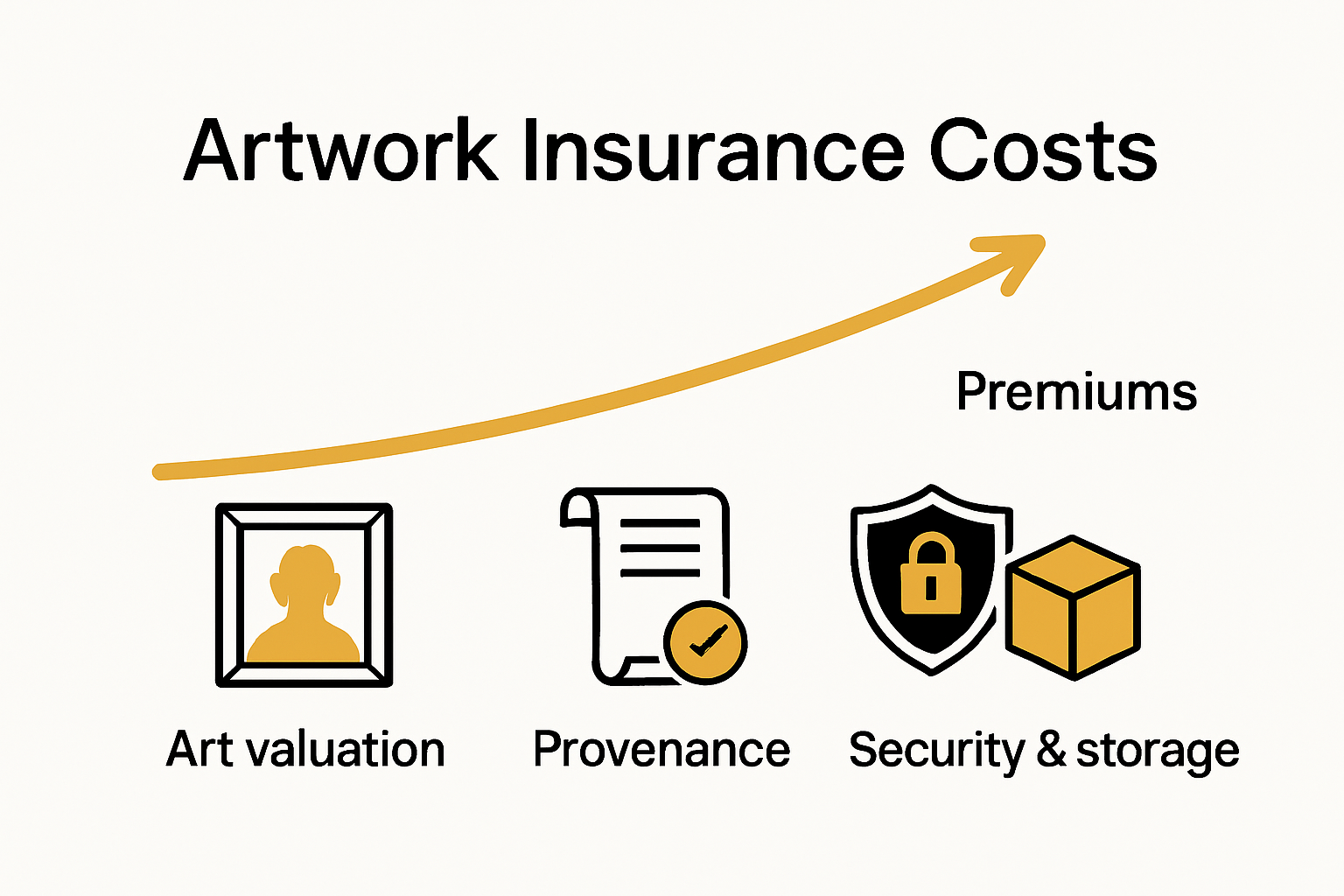
Understanding the complex landscape of artwork insurance costs is crucial for South African art collectors and interior decorators. Multiple interconnected factors influence the premium rates and overall insurance expenses for your valuable art collection.
Artwork Valuation and Provenance
The monetary value of artwork is a primary determinant of insurance costs. According to the Insurance Information Institute, several critical elements impact the insurance pricing:
- Appraised Market Value: Higher-value artworks require more comprehensive and expensive coverage
- Provenance Documentation: Well-documented artwork history can potentially reduce insurance risks
- Artist Reputation: Works by renowned artists typically command higher insurance premiums
- Rarity and Historical Significance: Unique or historically important pieces often require specialized insurance approaches
Professional appraisals play a crucial role in establishing accurate insurance valuations. Regular reappraisals ensure that your coverage reflects current market conditions and artwork appreciation.
Risk Mitigation and Security Factors
Insurers assess the potential risks associated with storing and displaying artwork. Key considerations include:
- Storage Conditions: Proper environmental controls and protection against temperature fluctuations, humidity, and direct sunlight
- Security Measures: Advanced security systems, alarm installations, and controlled access
- Transportation Risks: Additional coverage needed for artwork that travels between locations
- Exhibition and Loan Exposures: Increased risk factors when artworks are displayed publicly or loaned to galleries
Implementing robust security and preservation strategies can help negotiate more favorable insurance terms and potentially reduce premium costs.
The following table summarizes key factors affecting artwork insurance costs in South Africa to help you understand what influences your premiums:
| Factor | How It Affects Insurance Cost |
|---|---|
| Appraised Market Value | Higher value increases premiums |
| Provenance Documentation | Reduces risk, may lower cost |
| Artist Reputation | Famous artists = higher insurance costs |
| Rarity & Historical Significance | Unique/rare works often require higher coverage |
| Storage & Security Measures | Better security may lower premiums |
| Coverage Type (All-risk, Named Peril, etc.) | Comprehensive options cost more |
| Deductible Level | Higher deductible reduces monthly premium |
Coverage Type and Policy Specifics
The structure of your insurance policy significantly impacts overall costs. Different coverage options provide varying levels of protection:
- All-Risk Policies: Comprehensive coverage with higher premiums
- Named Perils Policies: More limited protection targeting specific risks
- Agreed Value Policies: Predetermined artwork valuation with fixed compensation
- Deductible Levels: Higher deductibles can lower monthly premiums
To understand more about protecting your art investments, explore our guide on art collection management.
Navigating artwork insurance costs requires a strategic approach that balances comprehensive protection with financial considerations. By understanding these key factors, South African art collectors can make informed decisions that safeguard their valuable cultural assets while managing insurance expenses effectively.
Tips for Art Collectors and Decorators
Protecting and preserving art collections requires strategic knowledge and proactive management. South African art collectors and decorators must adopt comprehensive approaches to safeguard their valuable investments while maintaining their aesthetic appeal.
Professional Conservation and Care
According to the Smithsonian American Art Museum, professional conservation is fundamental to maintaining artwork integrity. Key recommendations include:
- Environmental Control: Maintain consistent temperature and humidity levels
- Lighting Management: Use specialized museum-grade lighting to prevent artwork degradation
- Regular Professional Inspections: Schedule periodic assessments by qualified art conservators
- Careful Handling: Use professional techniques when moving or repositioning artworks
Consultation with professional conservators can prevent potential damage and extend the lifespan of your art collection. These experts understand the nuanced requirements for preserving different artistic mediums and can provide tailored advice.
Here’s a summary checklist for professional conservation and care steps for South African art collectors:
| Conservation Practice | Description |
|---|---|
| Environmental Control | Manage temperature & humidity |
| Lighting Management | Use museum-grade, non-damaging lighting |
| Regular Inspections | Professional checks by art conservators |
| Careful Handling | Use correct moving & placement techniques |
| Professional Storage | Use dedicated, climate-controlled spaces |
Documentation and Risk Management
Comprehensive documentation is crucial for protecting your art collection. The Smithsonian Associates Art Collectors Program emphasizes the importance of meticulous record-keeping:
- Maintain detailed digital and physical records of each artwork
- Create high-resolution photographic documentation
- Record purchase details, provenance, and condition reports
- Update documentation regularly to reflect current market values
Additionally, the Insurance Advocate recommends implementing robust security measures:
- Install professional security systems
- Use specialized art storage solutions
- Create dedicated display areas with controlled environments
- Consider climate-controlled storage for sensitive pieces
Strategic Display and Exhibition
Effective art display goes beyond aesthetic considerations. Collectors must balance visual appeal with preservation strategies:
- Avoid direct sunlight exposure
- Use UV-protective glass for framed artworks
- Implement rotation strategies to minimize prolonged exposure
- Consider professional installation techniques
To discover exciting opportunities for expanding your art collection, explore the top art festivals in South Africa.
Successful art collection management requires a holistic approach that combines professional conservation, strategic documentation, and thoughtful display. By implementing these expert recommendations, South African collectors and decorators can protect their artistic investments while creating stunning visual experiences.
Frequently Asked Questions
What types of art insurance are available in South Africa?
There are two main types of art insurance in South Africa: specialized art insurance policies, which offer comprehensive coverage for theft, damage, and transit risks, and homeowners insurance endorsements, which provide limited coverage for smaller collections as an extension of home insurance.
How can I properly document my artwork for insurance purposes?
To document your artwork for insurance, maintain a detailed inventory that includes high-resolution photographs, professional appraisal certificates, provenance documentation, current market valuations, and condition reports. This documentation is crucial for accurate insurance coverage and claims.
What factors influence the cost of artwork insurance?
The cost of artwork insurance is influenced by various factors, including the appraised market value of the artwork, the completeness of provenance documentation, the reputation of the artist, the rarity and historical significance of the piece, and the storage and security measures in place.
How often should I reevaluate my art collection for insurance coverage?
You should reevaluate your art collection annually to ensure the insurance coverage reflects accurate market values. Regular updates to your documentation and coverage details are essential to protect your valuable investments.
Protect Your Art Collection with Complete Peace of Mind
Have you realised how easy it is to leave your prized collection underinsured? The harsh reality explored in our guide is that most South African collectors face hidden gaps in coverage, simply because their art is not recognised properly within standard insurance policies. The risk of loss, theft, or even accidental damage is unsettling, and many art lovers only discover the problem when it is too late. If you’ve already taken the proactive steps discussed in this guide—such as proper documentation, valuation, and understanding comprehensive policies—your next move is to find a trusted source for quality South African art and helpful advice at every step.

Take action today and join South Africa’s leading community of collectors. Visit Art Online to explore exclusive works from top South African artists, or dive deeper with our trusted art collection management resources. Discover how we help protect your collection through expert advice, secure purchase channels, and ongoing support. Your art deserves the best care—start building and safeguarding your legacy with us now.
Recommended
- Buying Art for Investment in South Africa: 2025 Guide – Art-Online
- Top Art Festivals in South Africa 2025 for Collectors & Decorators – Art-Online
- Canvas vs Framed Art: Guide for South African Collectors 2025 – Art-Online
- Famous South African Artists: 2025 Guide for Collectors & Decorators – Art-Online