
Caring for Oil Paintings in South Africa: Expert Tips 2025

Looking after oil paintings in South Africa takes more than just keeping them out of the rain. Most people are shocked to hear that even a two-degree shift in room temperature or a ten percent rise in humidity can trigger paint cracking and warping. This means the real secret to preserving your art for years is not about where you hang it but about mastering the delicate balance of your home’s climate.
Table of Contents
- Understanding The Basics Of Oil Painting Care
- Protecting Oil Paintings From South African Climate
- Cleaning And Handling Your Artworks Properly
- Best Storage And Display Practices For Longevity
Quick Summary
| Takeaway | Explanation |
|---|---|
| Maintain stable temperature and humidity | Keep oil paintings in a climate range of 18-22°C and 45-55% humidity to prevent deterioration. |
| Use proper handling techniques | Always wear clean cotton gloves and support the artwork’s edges to avoid damage during handling. |
| Protect from light exposure | Minimise direct sunlight on artworks, using UV-filtering materials when displaying to avoid fading. |
| Invest in appropriate framing | Use acid-free materials and ensure proper ventilation to support and protect the artwork. |
| Store vertically in climate-controlled conditions | Position oil paintings vertically in a stable environment to avoid stress or damage when not on display. |
Understanding the Basics of Oil Painting Care
Caring for oil paintings requires a nuanced approach that protects these delicate artworks from environmental threats and potential damage. Oil paintings are complex artistic expressions that demand specialized preservation techniques to maintain their aesthetic and historical value.
Environmental Considerations for Painting Preservation
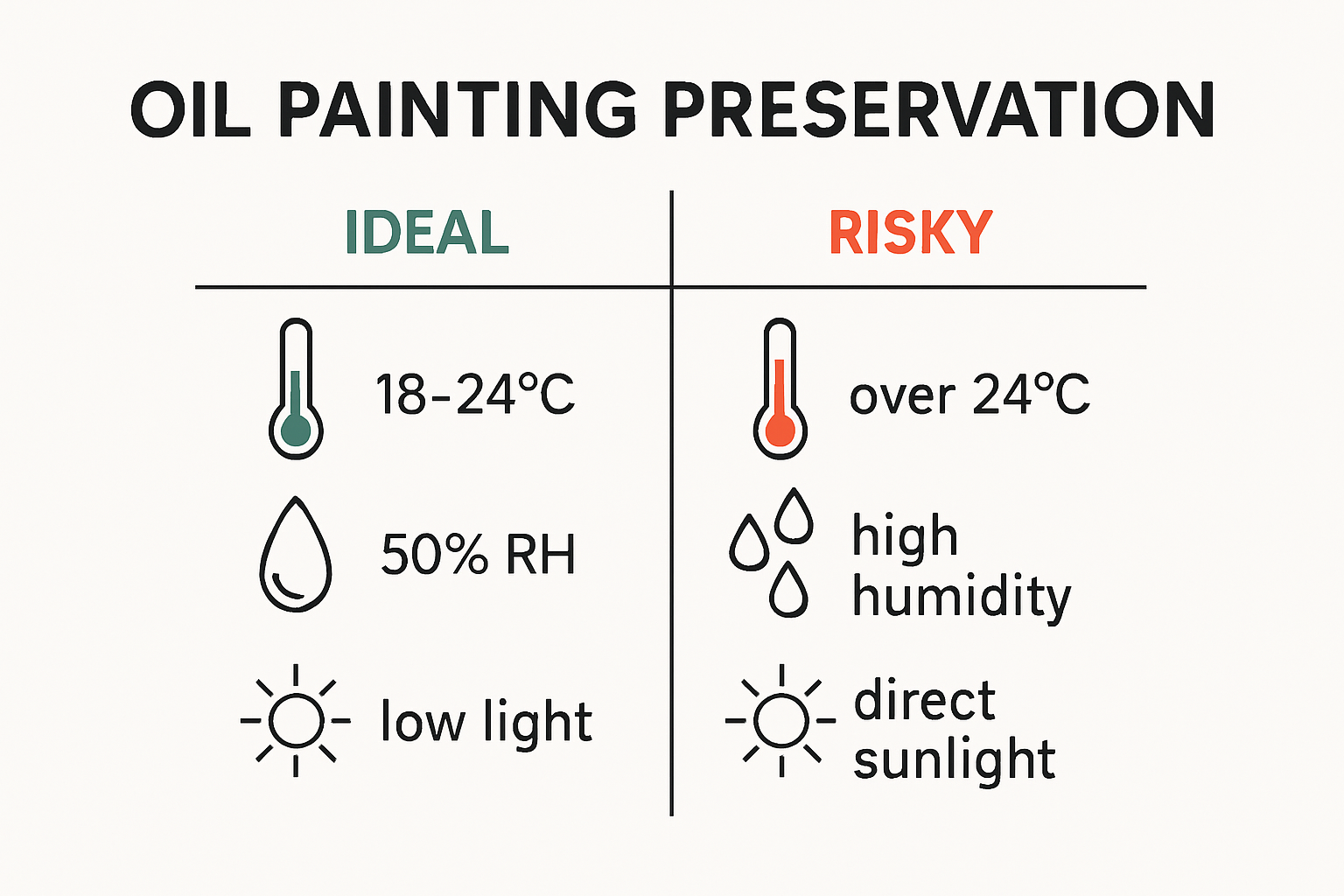
The stability of an oil painting’s environment plays a critical role in its long-term conservation. According to the Smithsonian Institution’s Museum Conservation Institute, temperature and humidity are paramount factors in preventing deterioration. Ideal storage and display conditions typically range between 18-22 degrees Celsius with relative humidity between 45-55 percent. Dramatic fluctuations can cause canvas warping, paint cracking, and structural weakening.
South African art collectors must be particularly attentive to local climate challenges. Regions with high humidity or extreme temperature variations require additional protective strategies. Direct sunlight exposure can be especially damaging, causing pigment fading and accelerated material degradation. Learn more about protecting your valuable artwork through strategic placement and conservation techniques.
Handling and Cleaning Protocols
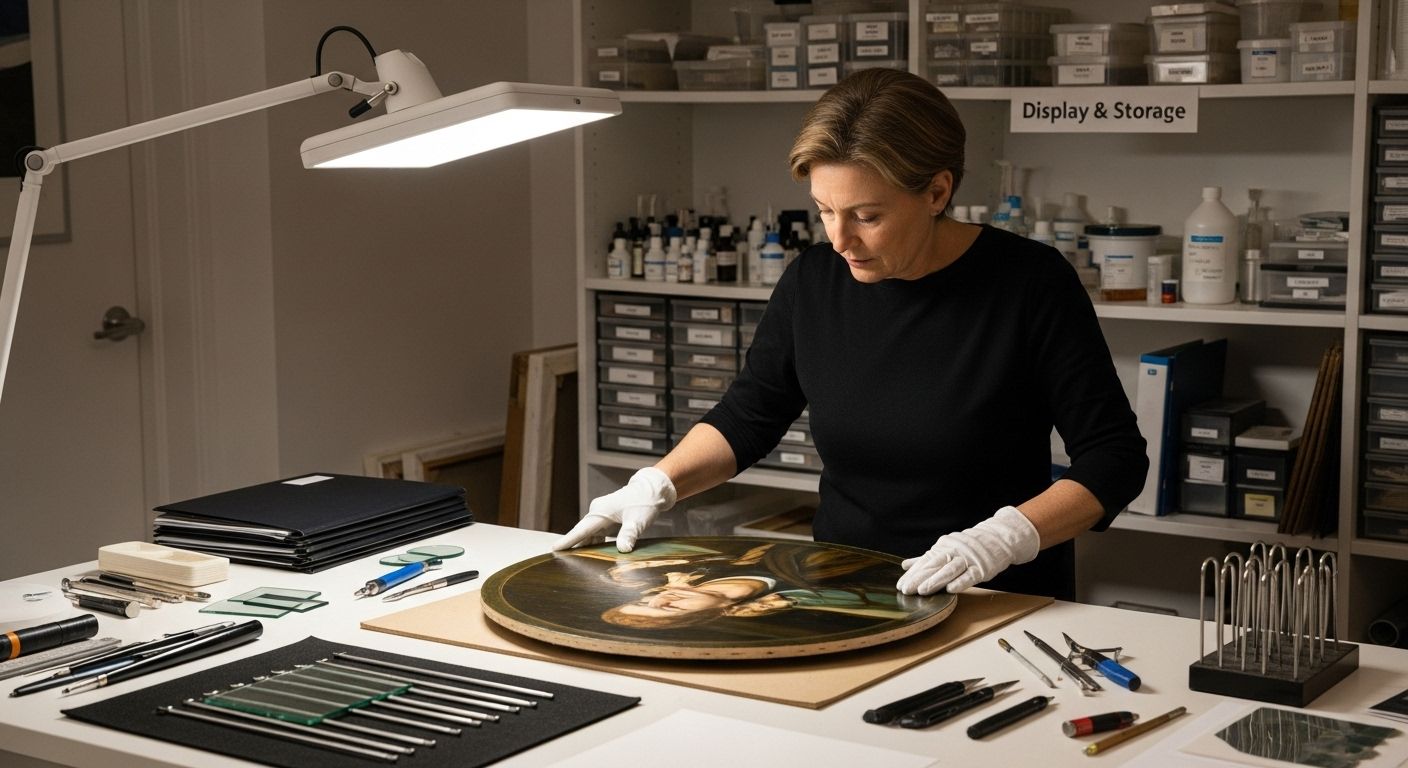
Proper handling represents another crucial aspect of oil painting preservation. The British Association of Paintings Conservator-Restorers emphasizes that minimal physical contact is essential. When handling oil paintings, always use clean cotton gloves to prevent oil transfer from skin to canvas. Support the artwork from its structural edges, avoiding direct contact with the painted surface.
Cleaning requires extreme caution. Amateur cleaning attempts can cause irreversible damage. Professional conservators recommend against using household cleaning products or water. Dust removal should be performed gently using soft, clean brushes with minimal pressure. For comprehensive cleaning and restoration, consulting a professional art conservator is strongly advised.
Framing and Storage Strategies
Appropriate framing and storage are fundamental to protecting oil paintings. The Australian Institute for the Conservation of Cultural Material recommends using acid-free backing materials and ensuring adequate air circulation. Frames should provide structural support without placing excessive pressure on the canvas.
Storage recommendations include vertical positioning in climate-controlled environments, using protective coverings that allow breathability. Avoid storing paintings in attics, basements, or areas prone to temperature and humidity fluctuations. Consider investing in specialized art storage solutions that provide archival-grade protection against environmental degradation.
By understanding and implementing these preservation principles, South African art collectors can ensure their oil paintings remain vibrant, structurally sound, and valuable for generations. Thoughtful care transforms artwork preservation from a challenge into a rewarding commitment to cultural heritage.
To help readers quickly compare how different South African regional climates impact oil painting care—and which preservation action is most important—see the table below.
| Region | Primary Climate Challenge | Key Preservation Focus |
|---|---|---|
| Cape Town (Coastal) | High humidity, salt air | Use dehumidifiers, inspect for mould |
| Johannesburg (Inland) | Extreme temperature fluctuations | Use climate control, avoid attics |
| Durban (Tropical) | High humidity, warm temperatures | Control humidity, avoid sunlight |
| Karoo (Arid Interior) | Low humidity, dust | Protect from dust, check for cracks |
Protecting Oil Paintings From South African Climate
South Africa presents unique environmental challenges for oil painting preservation, with diverse climatic conditions ranging from coastal humidity to arid interior regions. Understanding and mitigating these regional climate risks is crucial for maintaining the integrity and longevity of valuable artworks.
Humidity and Temperature Management
The diverse South African climate demands sophisticated preservation strategies. According to Museums Galleries Scotland, controlling environmental factors is paramount in artwork conservation. South African art collectors must be particularly attentive to regional temperature and humidity variations that can cause significant damage to oil paintings.
Coastal regions like Cape Town experience high humidity levels that can promote mold growth and canvas deterioration. Inland areas such as Johannesburg encounter extreme temperature fluctuations, which can cause canvas expansion and contraction. Investing in climate control systems becomes essential. Dehumidifiers, air conditioning, and specialized art storage solutions help maintain stable environmental conditions between 18-22 degrees Celsius with relative humidity around 45-55 percent.
Light Exposure and UV Protection
South Africa’s intense sunlight poses significant risks to oil paintings. The Canadian Conservation Institute recommends minimizing direct light exposure to prevent pigment fading and material degradation. UV-filtering glass or acrylic protective covers can mitigate sunlight damage when displaying artworks.
Strategic placement is critical. Avoid hanging paintings near windows or in areas with direct sunlight. Use indirect lighting techniques and consider rotating artwork periodically to prevent prolonged exposure. Learn more about protecting your artwork’s display to ensure optimal preservation in challenging South African environments.
Regional Preservation Strategies
Different South African regions require tailored conservation approaches. The British Association of Paintings Conservator-Restorers emphasizes the importance of regular inspections and proactive maintenance. Coastal environments demand more frequent monitoring for salt-induced corrosion and moisture damage, while dry interior regions require protection against dust and potential structural stress.
Implement a comprehensive preservation strategy that includes:
- Regular professional assessments
- Controlled storage environments
- Appropriate framing with archival-grade materials
- Minimal handling and careful transportation
Professional art conservators can provide specialized guidance for managing artwork in South Africa’s challenging climatic conditions. By understanding regional environmental nuances and implementing targeted preservation techniques, collectors can protect their valuable oil paintings from potential climate-related deterioration, ensuring these artistic treasures remain vibrant and structurally sound for generations to come.
Cleaning and Handling Your Artworks Properly
Proper cleaning and handling represent critical aspects of preserving oil paintings, requiring meticulous care and specialized knowledge. South African art collectors must understand that improper techniques can cause irreversible damage to valuable artworks.
Professional Handling Techniques
Handling oil paintings demands extreme caution and precision. According to the Smithsonian Institution’s Museum Conservation Institute, professional conservators recommend several fundamental handling protocols. Always use clean cotton gloves to prevent direct skin contact, which can transfer oils and potentially damage delicate paint surfaces. When moving artwork, support the entire canvas frame from beneath, avoiding pressure on the painted surface.
Transportation requires additional considerations. Use specialized art transport cases that provide cushioning and climate control. Maintain a consistent vertical position to prevent canvas warping or structural stress. Learn more about artwork transportation techniques to ensure your valuable pieces remain protected during movement.
Dust Removal and Surface Maintenance
Dust accumulation can significantly compromise an oil painting’s appearance and longevity. The Canadian Conservation Institute strongly advises against amateur cleaning attempts. Specialized soft-bristled brushes designed for art conservation should be used with minimal pressure, gently sweeping away surface dust.
Never use household cleaning products, water, or commercial cleaning solutions. These can dissolve paint, damage pigments, or create irreversible chemical reactions. Compressed air or specialized art conservation tools provide safer alternatives for delicate surface maintenance. Professional conservators recommend periodic professional cleaning and assessment to maintain artwork integrity.
When to Seek Professional Intervention
Recognizing when professional intervention is necessary represents a crucial skill for art collectors. The British Association of Paintings Conservator-Restorers emphasizes that certain conditions require expert assessment. Signs indicating professional cleaning or restoration include:
- Visible paint flaking or cracking
- Discoloration or unusual surface changes
- Structural frame damage
- Mold or moisture-related deterioration
- Accumulated environmental pollutants
Qualified art conservators possess specialized training and equipment to diagnose and address complex preservation challenges. They can provide targeted treatments that prevent further deterioration while maintaining the artwork’s original aesthetic and historical value.
By implementing these careful handling and maintenance strategies, South African art collectors can protect their oil paintings from potential damage. Understanding that preservation is an ongoing process requiring knowledge, patience, and professional expertise ensures these artistic treasures remain vibrant and structurally sound for future generations to appreciate.
Below is a checklist table outlining actions to keep oil paintings safe during handling and cleaning.
| Action | Recommended Practice (Yes/No) |
|---|---|
| Wear clean cotton gloves when handling | Yes |
| Support painting from the frame’s edges | Yes |
| Touch painted surface with bare hands | No |
| Use household cleaning products | No |
| Use soft art-specific brushes for dusting | Yes |
| Attempt removal of flaking paint yourself | No |
| Consult a professional for serious issues | Yes |
Best Storage and Display Practices For Longevity
Preserving oil paintings requires strategic storage and display techniques that protect artworks from environmental degradation and potential damage. South African art collectors must develop comprehensive approaches that safeguard their valuable artistic investments through careful placement and storage methodologies.
Optimal Display Environment
Creating an ideal display environment is crucial for oil painting preservation. According to the Canadian Conservation Institute, maintaining stable environmental conditions is paramount. Ideal display areas should maintain consistent temperature between 18-22 degrees Celsius and relative humidity around 45-55 percent.
Strategic placement becomes essential in preventing artwork deterioration. Avoid hanging paintings near windows, heating vents, air conditioning units, or areas with significant temperature fluctuations. Direct sunlight can cause irreversible pigment fading and material stress. Learn more about protecting your artwork’s display to ensure optimal preservation in challenging environments.
Storage Strategies for Art Preservation
The British Association of Paintings Conservator-Restorers emphasizes the importance of proper storage techniques. When not on display, oil paintings require specialized storage conditions that protect them from environmental risks. Use acid-free archival materials for wrapping, ensuring breathability and preventing moisture accumulation.
Vertical storage is recommended to minimize canvas stress. Specialized art storage racks or custom-designed storage systems provide ideal solutions. Maintain consistent environmental conditions in storage areas, avoiding basements, attics, or spaces prone to humidity fluctuations. Use climate-controlled storage units if home storage becomes challenging.
Advanced Protection Techniques
The Western Australian Museum recommends additional protective measures for long-term artwork preservation. Use UV-filtering glass or acrylic when framing paintings to reduce light damage. Consider rotating displayed artworks periodically to minimize continuous light exposure.
Implement these advanced protection strategies:
- Use museum-quality hanging hardware
- Install indirect lighting systems
- Maintain a dedicated art storage environment
- Conduct regular visual inspections for potential damage
- Use professional art transportation services when moving pieces
Professional conservators can provide personalized guidance for managing art collections in South Africa’s unique climate. By understanding and implementing comprehensive storage and display practices, art collectors can ensure their oil paintings remain pristine, preserving their aesthetic and historical value for future generations.
The key to successful artwork preservation lies in consistent, knowledgeable care. Each carefully considered decision contributes to protecting these delicate artistic expressions against environmental challenges and potential deterioration.
Frequently Asked Questions
What is the ideal temperature and humidity for preserving oil paintings in South Africa?
Maintaining a stable environment is crucial. The ideal temperature range is between 18-22°C with a relative humidity of 45-55% to prevent deterioration of oil paintings.
How can I effectively remove dust from oil paintings without damaging them?
Use soft-bristled brushes designed for art conservation. Gently sweep away surface dust without applying pressure, and avoid using household cleaning products or water.
What materials should I use for framing oil paintings to ensure their longevity?
Use acid-free backing materials and ensure the frame provides adequate ventilation. This can prevent moisture buildup and protect the artwork from environmental damage.
When should I seek professional help for my oil paintings?
If you notice visible paint flaking, cracking, discoloration, or any signs of mold or moisture damage, it’s crucial to consult a professional art conservator for assessment and restoration.
Your Oil Painting Deserves World-Class Care
If you feel overwhelmed by South Africa’s climate and the challenge of keeping your treasured oil paintings safe, you are not alone. The article highlighted real risks such as humidity, temperature shifts, and light exposure, which threaten the beauty and value of your collection. Let the expertise and solutions provided by Art Online, South Africa’s largest online art gallery, guide you to peace of mind.

You have invested in remarkable art, now secure its future. Visit Art Online for collector tips, recommendations on the best framing and storage materials, and professional support to help your artwork withstand local weather. Browse our guides about protecting valuable artwork or explore our insights on canvas vs framed art in South Africa to keep every piece in its best condition. Discover how Art Online helps your paintings outlast the climate. Take the next step and safeguard your collection today.
Recommended
- Canvas vs Framed Art: Guide for South African Collectors 2025 – Art-Online
- Top Art Festivals in South Africa 2025 for Collectors & Decorators – Art-Online
- Buying Art for Investment in South Africa: 2025 Guide – Art-Online
- Famous South African Artists: 2025 Guide for Collectors & Decorators – Art-Online
- Essential Painting Techniques for Beginners in South Africa 2025 – Blue Pea Online Market