
Top Art Education Resources for Collectors and Decorators
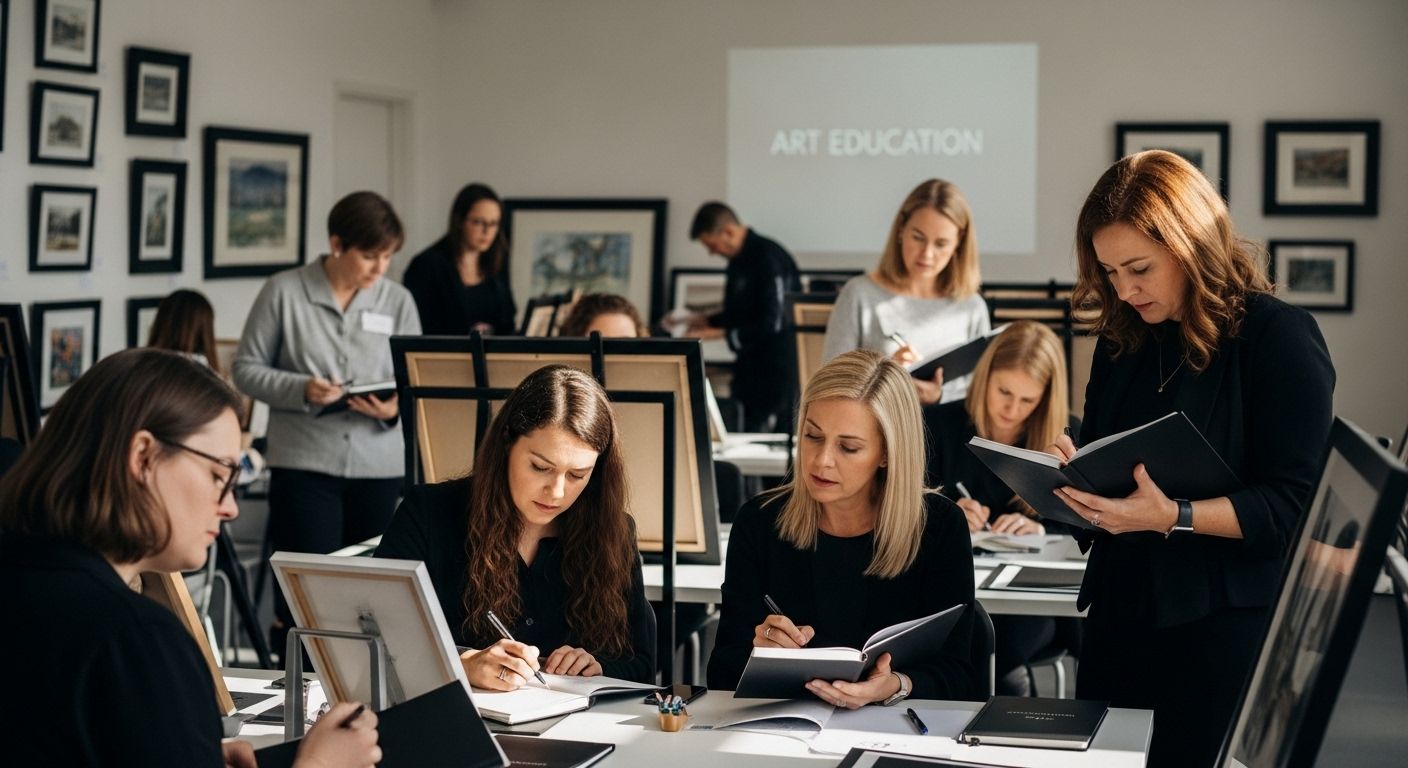
Art collectors and interior decorators often think the secret lies in having a good eye for beautiful pieces. Yet over 70 percent of successful art buyers credit structured education or digital resources as the real gamechanger. Most people still believe art appreciation is an instinct, but it is actually a skill that gets stronger with the right learning tools and the right networks.
Table of Contents
- Essential Art Education Resources In South Africa
- Workshops, Networks, And Local Opportunities
- Tips For Using Art Resources For Interiors
Quick Summary
| Takeaway | Explanation |
|---|---|
| Art education enhances collector skills | Engaging with art education improves understanding of artistic techniques and historical contexts, crucial for collectors and decorators. |
| Digital platforms offer flexible learning | Online courses and resources provide accessible art education, allowing for self-paced learning tailored to individual interests. |
| Networking boosts professional growth | Participating in art networks and workshops facilitates knowledge exchange and connects collectors with artists and experts. |
| Art placement requires spatial awareness | Understanding spatial dynamics and design principles is essential for effective art integration in interior spaces. |
| Cultural context enriches narrative design | Considering cultural narratives in art selection creates meaningful and engaging environments that reflect personal and artistic stories. |
Essential Art Education Resources in South Africa
Art education is a crucial pathway for collectors and decorators to develop sophisticated understanding and appreciation of artistic expressions. South Africa offers a rich ecosystem of art education resources designed to support professionals and enthusiasts in deepening their knowledge and skills.
Institutional Learning and Professional Development
Professional art education in South Africa encompasses multiple avenues for skill enhancement and knowledge acquisition. The National Arts Council plays a pivotal role in supporting artistic initiatives and providing educational opportunities. Their programs focus on developing artistic talent and promoting cultural understanding through structured learning experiences.
Iziko Museums represents another significant institution offering comprehensive art education programs. Their educational department delivers workshops, lessons, and teacher enrichment initiatives specifically aligned with the South African CAPS curriculum. These programs are particularly valuable for collectors and decorators seeking structured learning environments that provide deep insights into artistic techniques, historical contexts, and contemporary practices.
Online Learning and Digital Resources
Digital platforms have revolutionized art education, making knowledge accessible beyond traditional classroom settings. Specialized online courses, webinars, and virtual workshops provide flexible learning opportunities for art professionals. Platforms like Coursera and Udemy offer comprehensive courses covering art history, criticism, and practical skills relevant to collectors and decorators.
Local institutions are increasingly developing online resources that cater specifically to the South African art landscape. These digital platforms provide insights into indigenous artistic traditions, contemporary art movements, and the unique cultural narratives embedded in South African art. Read more about professional art resources for collectors that can enhance your understanding and appreciation of local artistic expressions.
Professional Networking and Continuous Learning
Professional associations and networking platforms offer another critical dimension of art education. Organizations like the South African Art Association host conferences, symposiums, and networking events that facilitate knowledge exchange and professional development. These platforms enable collectors and decorators to engage directly with artists, curators, and academic experts, providing unparalleled opportunities for continuous learning.
Attending art fairs, gallery exhibitions, and workshops becomes an educational experience in itself. These events offer practical insights into artistic trends, market dynamics, and the intricate relationships between artistic creation and cultural context. By actively participating in such professional networks, collectors and decorators can continually refine their understanding and expertise.
Understanding art is a lifelong journey of discovery. The art education resources available in South Africa provide structured, comprehensive, and innovative pathways for professionals to deepen their knowledge, refine their skills, and develop a nuanced appreciation of artistic expressions. Whether through institutional programs, digital platforms, or professional networks, these resources offer rich opportunities for continuous learning and professional growth.
Below is a comparison table summarising the key features and benefits of leading institutional and digital art education resources available to South African collectors and decorators:
| Resource Type | Example Institutions/Platforms | Key Features | Benefits |
|---|---|---|---|
| Institutional Learning | National Arts Council, Iziko Museums | Structured curricula, in-person workshops, expert guidance | Deep insights, credentialed learning, networking |
| Online Courses & Workshops | Coursera, Udemy | Flexible, self-paced, expert-led, interactive assignments | Accessible, comprehensive, global perspectives |
| Virtual Gallery & Exhibition Platforms | Google Arts & Culture, local digital galleries | Virtual tours, detailed artwork infos, curated displays | Immersive exploration, no geographic constraint |
| Specialized Digital Art Networks | ArtStation, ResearchGate | Niche communities, webinars, research sharing | Continuous learning, global networking |
| Professional Associations | South African Art Association, International Association of Art Critics | Networking events, symposiums, professional development | Knowledge exchange, collaborative opportunities |
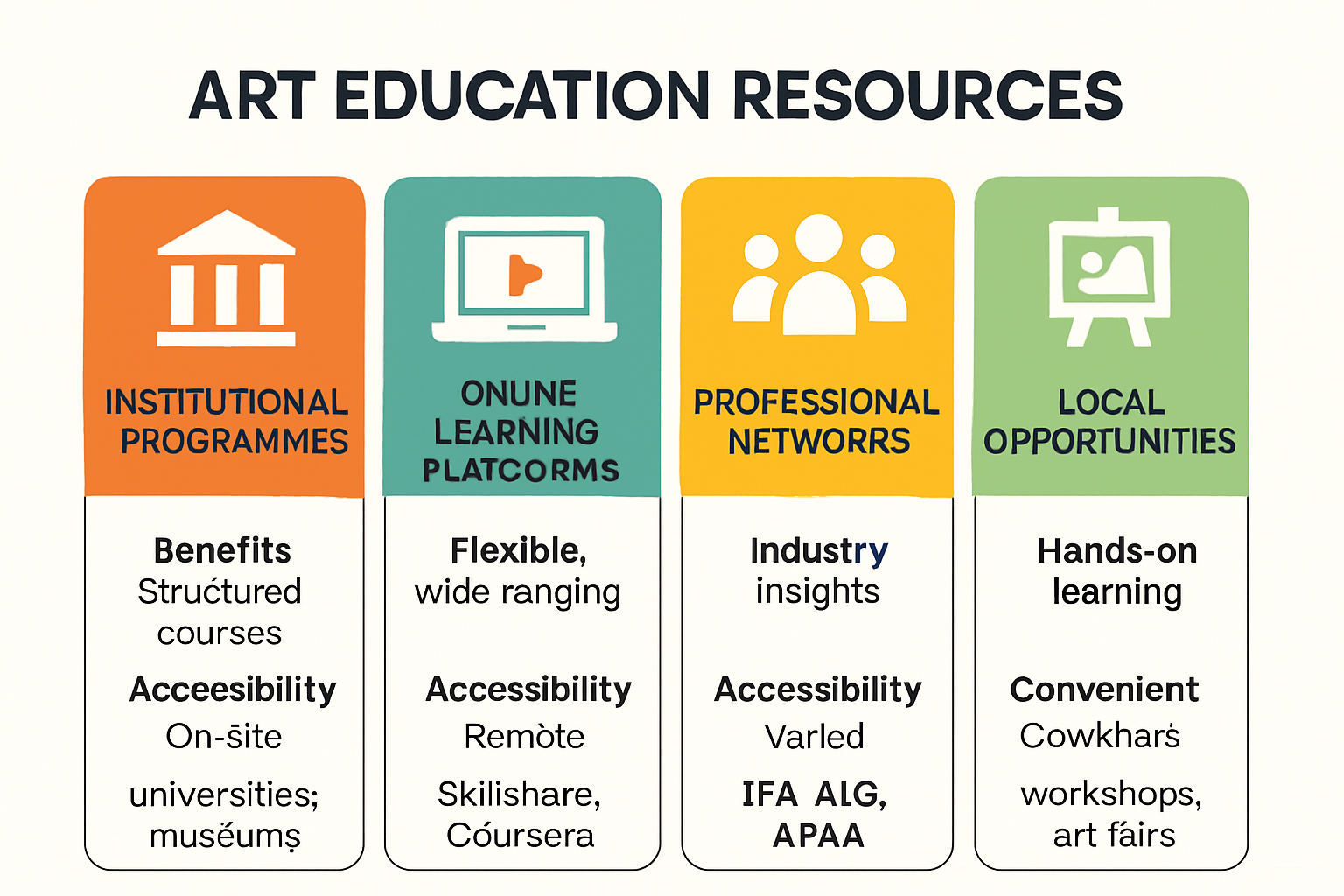
Online Learning Platforms and Digital Galleries
Digital technology has transformed art education and appreciation, creating unprecedented opportunities for collectors and decorators to explore, learn, and engage with artistic content from anywhere in the world. Online learning platforms and digital galleries have become essential tools for expanding artistic knowledge and understanding.
Interactive Online Art Courses and Workshops
Online learning platforms provide flexible and comprehensive art education resources for professionals and enthusiasts. Coursera and Udemy offer extensive courses covering art history, criticism, and practical skills. These platforms feature expert-led courses that range from introductory lessons to advanced professional development programs.
These digital learning environments enable collectors and decorators to access high-quality educational content at their own pace. Courses often include video lectures, interactive assignments, peer discussions, and comprehensive resources that provide deep insights into artistic techniques, historical contexts, and contemporary art practices.
Virtual Gallery Experiences and Digital Exhibitions
Digital galleries have revolutionized how art is experienced and appreciated. Google Arts & Culture provides an extraordinary platform that offers virtual tours of world-renowned museums, high-resolution artwork images, and curated online exhibitions. This platform allows collectors and decorators to explore global art collections without geographical limitations.
Local and international digital galleries are increasingly developing immersive online experiences. These platforms not only showcase artworks but also provide contextual information, artist biographies, and detailed descriptions that enhance understanding. Browse our curated online art collections to discover unique perspectives and expand your artistic knowledge.
Specialized Digital Art Resources and Networking Platforms
Beyond traditional learning platforms, specialized digital resources have emerged that cater specifically to art professionals. Platforms like ArtStation for contemporary digital art and ResearchGate for academic art research provide niche communities where collectors and decorators can access specialized content, engage with experts, and stay updated on emerging artistic trends.
These digital networks facilitate global connections, allowing professionals to participate in international discussions, attend virtual conferences, and access cutting-edge research and artistic developments. Webinars, online symposiums, and interactive workshops hosted on these platforms provide continuous learning opportunities that transcend traditional educational boundaries.
The digital landscape has democratized art education, making sophisticated learning resources accessible to collectors and decorators worldwide. By leveraging online learning platforms and digital galleries, professionals can continuously expand their artistic knowledge, develop critical insights, and stay connected with global artistic movements. These digital resources represent a dynamic and evolving ecosystem that supports lifelong learning and artistic appreciation.
Workshops, Networks, and Local Opportunities
Art education extends far beyond digital platforms and online resources. Workshops, professional networks, and local opportunities provide invaluable experiential learning experiences for collectors and decorators seeking to deepen their artistic understanding and professional connections.
Professional Art Workshops and Skill Development
Workshops represent a critical component of art education, offering hands-on learning experiences that go beyond theoretical knowledge. The South African National Arts Council supports numerous professional development workshops that enable art professionals to enhance their skills and understanding of contemporary artistic practices.
These workshops cover diverse domains including artistic techniques, curatorial practices, art market dynamics, and preservation strategies. Participating artists, curators, and academic experts conduct specialized sessions that provide practical insights into various aspects of art creation, collection, and appreciation. Discover professional development opportunities for art enthusiasts that can transform your artistic perspective and professional capabilities.
Local Art Networks and Professional Associations
Professional associations play a crucial role in connecting art professionals and creating collaborative learning environments. Organizations like the South African Art Association host regular networking events, conferences, and symposiums that facilitate knowledge exchange and professional growth. These platforms enable collectors and decorators to engage directly with artists, curators, and academic experts.
According to research from the International Association of Art Critics, professional networks are essential for developing comprehensive artistic understanding. These networks provide opportunities to discuss emerging trends, share insights, and build meaningful professional relationships that extend beyond traditional educational settings.
Gallery Exhibitions and Art Fair Learning Experiences
Gallery exhibitions and art fairs offer dynamic learning environments that provide practical insights into artistic trends, market dynamics, and cultural narratives. These events are not merely display platforms but serve as educational spaces where collectors and decorators can engage directly with artistic expressions and professional experts.
Iziko Museums exemplifies institutional efforts to create educational experiences through exhibitions. Their curated shows often include educational programs, artist talks, and guided tours that provide deep contextual understanding of artistic works and cultural narratives.
Local art fairs and gallery exhibitions provide unique opportunities to observe artistic techniques, understand market trends, and develop nuanced perspectives on contemporary art practices. By actively participating in these events, collectors and decorators can transform passive observation into active learning experiences.
The landscape of art education is rich and multifaceted. Workshops, professional networks, and local opportunities complement digital resources, creating a holistic learning ecosystem. For collectors and decorators, these platforms offer more than knowledge acquisition they provide pathways to develop critical insights, build professional connections, and cultivate a deeper appreciation of artistic expressions.
Tips for Using Art Resources for Interiors
Transforming interior spaces through art requires more than aesthetic selection. Collectors and decorators must leverage comprehensive art resources to create meaningful, contextually rich environments that reflect sophisticated design principles and personal narratives.
Understanding Art Placement and Spatial Dynamics
Effective art integration demands strategic understanding of spatial relationships and design principles. The Smithsonian Institution’s Decorative Arts Research Guide emphasizes the importance of considering scale, proportion, and visual balance when selecting artworks for interior spaces.
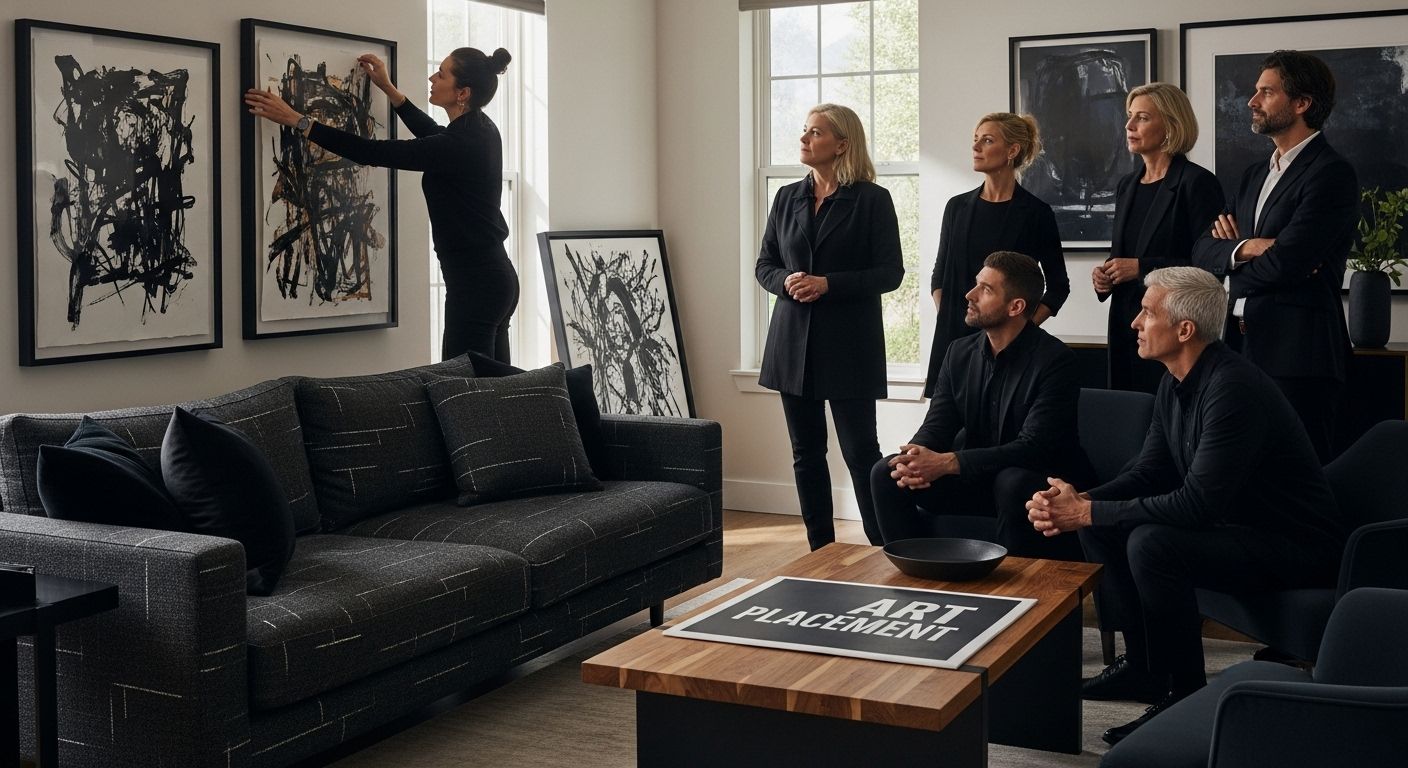
Art placement involves more than hanging a piece on a wall. Collectors should analyze room architecture, lighting conditions, color palettes, and furniture configurations. Explore professional art selection strategies for interior design to develop nuanced approaches that transform spaces from mere rooms to curated experiences.
Here is a summary table outlining key considerations for art placement and integration into South African interior design, as discussed in the article:
| Consideration | Description | Source/Example |
|---|---|---|
| Scale & Proportion | Ensures artworks match the spatial dimensions of the room | Smithsonian Institution’s Research Guide |
| Visual Balance | Maintains harmony with existing room elements | Professional selection strategies for interior design |
| Lighting Conditions | Considers how light affects visibility and longevity of the artwork | Analysis of room architecture & lighting |
| Colour Palette | Coordinates artwork with the room’s colours and moods | Professional art selection strategies for interiors |
| Cultural Narratives | Reflects personal, historical, or cultural stories through art choice | UK Government’s art and design research; narrative design advice |
Leveraging Art Educational Resources for Design Decisions
Comprehensive art education resources provide critical insights for making informed design choices. According to research from the National Gallery of Art, understanding art movements, historical contexts, and stylistic variations enables decorators to create more meaningful interior narratives.
Educational platforms offer detailed analyses of artistic styles, color theory, and cultural significance. By studying these resources, collectors can move beyond superficial aesthetic selections to create interiors that tell compelling stories through carefully curated art selections.
Cultural Context and Narrative Design
Art selection is fundamentally an exercise in storytelling. UK Government research on art and design highlights the importance of understanding cultural narratives and emotional resonance when integrating artworks into interior spaces.
Collectors should consider how artworks interact with existing design elements, reflecting personal histories, cultural backgrounds, and aesthetic preferences. This approach transforms interior spaces from static environments to dynamic, narrative-rich experiences that engage viewers on multiple sensory and emotional levels.
Successful art integration requires a holistic approach that combines technical knowledge, cultural understanding, and personal creativity. By leveraging comprehensive art education resources, collectors and decorators can transform interior spaces into sophisticated, meaningful environments that reflect complex artistic and personal narratives. The journey of art selection is an ongoing process of learning, discovery, and creative expression.
Frequently Asked Questions
What are the best art education resources for collectors and decorators in South Africa?
Art education resources in South Africa include institutional programs from the National Arts Council and Iziko Museums, as well as online platforms like Coursera and Udemy, which offer comprehensive art history and practical skill courses.
How can online learning platforms enhance my understanding of art?
Online learning platforms offer flexible and comprehensive educational resources, allowing collectors and decorators to access courses on art history, criticism, and practical skills at their own pace, often led by industry experts.
What types of professional workshops are available for art collectors?
Professional workshops typically cover diverse domains, including artistic techniques, curatorial practices, and art market dynamics, and are often supported by organizations like the South African National Arts Council.
How does understanding cultural context influence art selection for interiors?
Understanding cultural context enriches the narrative design of a space, allowing collectors to choose artworks that resonate with personal histories and cultural backgrounds, thereby creating meaningful and engaging environments.
Empower Your Art Knowledge with Real South African Collections
Have you ever found a gap between learning about art and actually making smart choices for your collection or interior spaces? The article highlights how many collectors and decorators feel overwhelmed by the sheer amount of art resources out there, especially when trying to turn theory into practice. You want more than information. You want confidence in choosing, displaying, and growing with South African art that truly speaks to your unique style and story.

Step beyond the classroom and experience artwork firsthand. By browsing the curated selection at Art Online, you get access to works from South Africa’s most respected artists, making those educational insights come alive in your space. Ready to move from learning to living with art? Dive into our collections now to select meaningful pieces and transform your environment today.
Recommended
- Famous African Art Pieces for Collectors and Decorators 2025 – Art-Online
- Top Art Festivals in South Africa 2025 for Collectors & Decorators – Art-Online
- Famous South African Artists: 2025 Guide for Collectors & Decorators – Art-Online
- Black Artists in South Africa: Top Trends and Collectors’ Guide 2025 – Art-Online