
Understanding What is Art Patronage in South Africa

People often think art survives on inspiration and talent alone, especially in South Africa where creativity thrives from every corner. But the real lifeblood of our artistic world comes from a much quieter force. Did you know that financial patronage is responsible for launching thousands of new art projects and exhibitions every year? Art patronage is far more than just buying a painting or giving a grant. The true story lies in the powerful role it plays in driving culture, creating jobs, and documenting our history in ways most people never imagine.
Table of Contents
- Defining Art Patronage: What Is It?
- The Historical Role Of Art Patronage
- Why Art Patronage Matters In The Art Community
- How Art Patronage Functions: The Relationship Between Patrons And Artists
- Current Trends In Art Patronage In South Africa
Quick Summary
| Takeaway | Explanation |
|---|---|
| Art patronage supports diverse artists. | It plays a crucial role in providing financial resources for historically marginalized voices, ensuring representation in the arts. |
| Patrons enable cultural preservation. | By funding artistic projects, patrons help document and maintain diverse cultural narratives integrated into society. |
| Investing in art fosters social dialogue. | Support for various art forms encourages discussions around social justice and community healing, enhancing public understanding. |
| Digital platforms broaden access to art. | Emerging technologies facilitate virtual exhibitions and crowdfunding opportunities that allow new artists to gain visibility. |
| Art patronage nurtures creative ecosystems. | It supports the development of entire artistic communities, fostering collaboration and sustainable practices within the arts. |
Defining Art Patronage: What is it?
Art patronage represents a fundamental relationship between art creators and their financial supporters, representing a critical mechanism for artistic development and cultural preservation. At its core, art patronage involves individuals or organizations providing financial support, resources, and opportunities to artists, enabling them to create, develop, and showcase their artistic works.
The Essence of Art Patronage
In the South African context, art patronage goes beyond mere financial transactions. It serves as a powerful mechanism for cultural expression, social transformation, and historical documentation. Patrons play a multifaceted role in the artistic ecosystem by:
- Providing direct financial resources for artistic projects
- Offering platforms for artists to exhibit their work
- Supporting artistic training and professional development
- Preserving cultural narratives and historical experiences
According to the National Arts Council, art patronage is crucial for sustaining creative industries and fostering national identity through artistic expression.
Types of Art Patronage
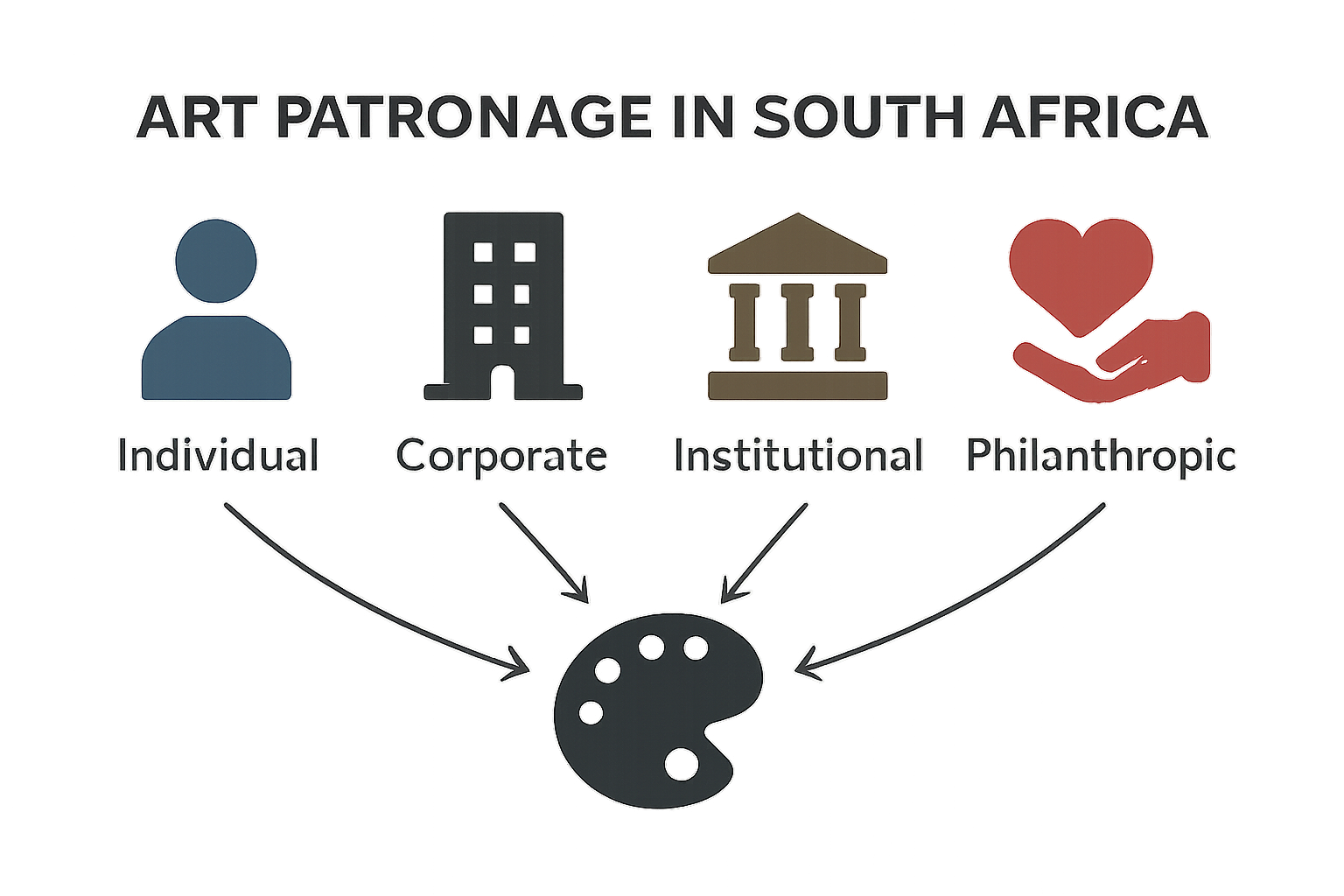
Art patronage manifests in various forms within South Africa, each contributing uniquely to the artistic landscape. These include:
- Individual Patronage: Wealthy individuals or collectors who purchase artwork, commission pieces, or provide direct financial support to artists
- Corporate Patronage: Companies investing in art through sponsorships, acquisitions, and supporting cultural events
- Institutional Patronage: Museums, galleries, and government agencies providing grants, residencies, and exhibition spaces
- Philanthropic Patronage: Non-profit organizations and trusts dedicating resources to artistic development and cultural preservation
The Arts & Culture Trust exemplifies how strategic patronage can empower artists and strengthen cultural networks across communities. By understanding art patronage as more than a transactional relationship, we recognize its profound role in nurturing creativity, preserving heritage, and driving social dialogue through artistic expression.
Below is a table comparing the different types of art patronage found in South Africa, highlighting who provides support and their primary contributions to the artistic community.
| Type of Patronage | Who Provides Support | Primary Contributions |
|---|---|---|
| Individual Patronage | Private collectors, wealthy individuals | Direct funding, commissions, personal mentorship |
| Corporate Patronage | Companies, business entities | Sponsorships, event funding, collection acquisitions |
| Institutional Patronage | Museums, galleries, government agencies | Grants, exhibition space, artist residencies |
| Philanthropic Patronage | Non-profits, trusts, foundations | Project funding, community and developmental support |
The Historical Role of Art Patronage
Art patronage in South Africa has deep historical roots, reflecting complex social, political, and cultural transformations throughout different historical periods. From colonial times to the post-apartheid era, art patronage has served as a powerful mechanism for cultural expression, social commentary, and national identity formation.
Colonial and Apartheid Era Patronage
During the colonial and apartheid periods, art patronage was predominantly controlled by white European settlers and institutions. These patrons often commissioned artworks that reinforced colonial narratives and perspectives, primarily depicting landscapes, indigenous people, and cultural scenes through a European lens. Key characteristics of this era included:
- Eurocentric artistic representations
- Limited opportunities for Black and indigenous artists
- Artworks primarily serving colonial documentation and aesthetic interests
- Restricted access to artistic platforms and resources
According to research from Wits University, public art during this period functioned as a tool for maintaining dominant cultural narratives and power structures.
Post-Apartheid Transformation
The post-1994 era marked a significant shift in art patronage, with a focus on representing diverse cultural experiences and promoting previously marginalized artistic voices. Patronage became a critical tool for national healing, cultural reclamation, and social transformation. Institutions, corporations, and philanthropic organizations began actively supporting artists from various backgrounds, enabling more inclusive and representative artistic expressions.
Interested in exploring how art investment is changing? Learn more about art investment trends that are reshaping the South African art landscape.
Key transformative elements of post-apartheid art patronage included:
- Supporting Black and indigenous artists
- Funding projects that explore social justice themes
- Creating platforms for diverse artistic narratives
- Investing in community-based art initiatives
Through strategic patronage, South Africa has not only preserved its rich cultural heritage but also created powerful mechanisms for social dialogue, healing, and collective understanding.
To illustrate the shifting context of art patronage in South Africa, the following table contrasts the characteristics and focus areas of patronage during the colonial/apartheid era with those of the post-apartheid period.
| Era | Characteristics of Patronage | Focused Support Areas |
|---|---|---|
| Colonial & Apartheid | Eurocentric, dominated by white institutions, exclusive | Colonial narratives, landscape art |
| Limited opportunities for Black artists | Documentation of settler perspectives | |
| Post-Apartheid Transformation | Inclusive, diverse patrons (corporations, institutions) | Social justice, cultural reclamation |
| Support for marginalised voices, community engagement | Community-based art, diverse narratives |
Why Art Patronage Matters in the Art Community
Art patronage serves as the critical lifeblood of artistic ecosystems, providing essential support that enables creative practitioners to transform conceptual visions into tangible artistic expressions. Beyond financial transactions, art patronage represents a profound commitment to cultural preservation, social dialogue, and individual artistic development.
Economic Sustainability for Artists
For artists, patronage represents more than monetary support – it is a lifeline that enables professional sustainability and creative freedom. Financial support through patronage allows artists to:
- Invest in high-quality materials and equipment
- Dedicate uninterrupted time to creative practice
- Develop experimental and innovative artistic approaches
- Participate in exhibitions and professional development opportunities
According to the National Arts Council, strategic patronage is fundamental to nurturing South Africa’s diverse artistic talents and maintaining a vibrant cultural landscape.
Cultural Preservation and Social Transformation
Art patronage plays a pivotal role in documenting, preserving, and reimagining cultural narratives. By supporting artists from diverse backgrounds, patrons contribute to broader social transformation processes. Patronage enables:
- Documentation of marginalized historical experiences
- Creation of platforms for underrepresented voices
- Challenging dominant cultural narratives
- Facilitating intercultural understanding and dialogue
If you are interested in understanding the broader impact of art investment, explore our comprehensive guide on supporting South African artists.
Nurturing Creative Ecosystem
Patronage extends beyond individual artist support to cultivating entire creative ecosystems. By investing in artistic infrastructure, training, and opportunities, patrons help build sustainable creative industries. This approach transforms art from an individual practice into a collective cultural resource that generates social capital, economic opportunities, and national pride.
Through strategic and thoughtful patronage, South Africa continues to develop a rich, diverse, and dynamic artistic landscape that reflects its complex social history and vibrant cultural potential.
How Art Patronage Functions: The Relationship Between Patrons and Artists
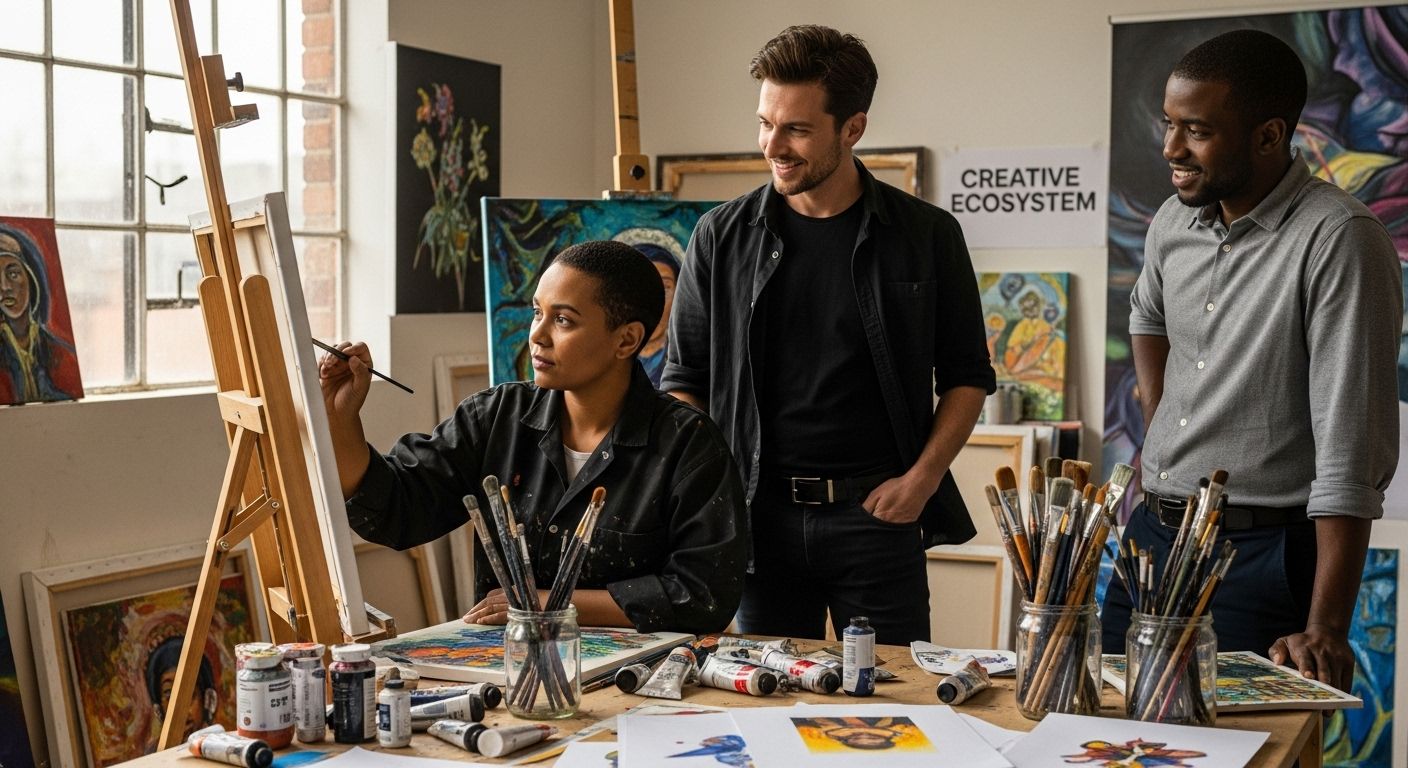
The relationship between art patrons and artists is a complex, dynamic interaction that transcends simple financial transactions. It represents a nuanced partnership where mutual interests, cultural understanding, and creative vision converge to support artistic expression and development.
Commissioning and Negotiation Processes
Art patronage typically begins with a formal or informal commissioning process, where patrons and artists engage in detailed discussions about artistic vision, project scope, and financial arrangements. Key elements of this negotiation include:
- Defining the artwork’s conceptual framework
- Establishing clear financial terms and compensation
- Determining creative autonomy and artistic limitations
- Agreeing on timeline and delivery expectations
According to research from Wits University, corporate sponsorship plays a significant role in shaping artistic production and perceived value in South Africa.
Power Dynamics and Creative Freedom
The patron-artist relationship involves complex power dynamics that can significantly impact artistic creation. While financial support provides necessary resources, it can also potentially limit creative expression. Successful patronage requires:
- Mutual respect for artistic integrity
- Transparent communication
- Balanced negotiation of creative boundaries
- Recognition of the artist’s unique perspective
If you are curious about the economic aspects of art investment, discover insights into painting valuations.
Mutual Benefits and Cultural Impact
Effective art patronage creates a symbiotic relationship where both artists and patrons benefit. For artists, patronage provides financial stability and platform expansion. For patrons, it offers cultural capital, potential investment appreciation, and the opportunity to support meaningful artistic narratives.
Through thoughtful, respectful partnerships, art patronage becomes a powerful mechanism for cultural preservation, social dialogue, and creative innovation in South Africa.
Current Trends in Art Patronage in South Africa
The landscape of art patronage in South Africa continues to transform, reflecting broader social, economic, and technological changes. Contemporary art patronage has evolved from traditional models to more dynamic, inclusive, and innovative approaches that challenge historical barriers and create new opportunities for artistic expression.
Digital and Corporate Patronage Strategies
Digital platforms and corporate initiatives are reshaping art patronage, providing unprecedented access and support for emerging artists. Key emerging trends include:
- Virtual exhibitions and online art marketplaces
- Corporate sponsorship programs targeting young artists
- Crowdfunding platforms for artistic projects
- Digital documentation and archiving of artistic works
According to the Public Art Development Programme, these strategies aim to create employment opportunities and attract investment across diverse geographical regions.
Diverse and Inclusive Patronage Models
Contemporary art patronage in South Africa increasingly emphasizes representation, diversity, and social transformation. Patrons are actively seeking to support artists from historically marginalized communities, creating platforms that challenge traditional artistic narratives. Emerging patronage approaches prioritize:
- Supporting Black and indigenous artists
- Funding projects addressing social justice themes
- Creating mentorship and professional development programs
- Promoting intersectional artistic narratives
Interested in exploring remarkable artistic talents? Discover South Africa’s most influential artists.
Sustainability and Social Impact
Modern art patronage extends beyond aesthetic appreciation to include broader social and environmental considerations. Patrons are increasingly viewing art as a catalyst for social change, supporting projects that address critical societal challenges. This approach emphasizes:
- Environmental sustainability themes
- Community engagement and development
- Cultural preservation and storytelling
- Economic empowerment through artistic initiatives
Through these innovative approaches, art patronage in South Africa continues to serve as a powerful mechanism for cultural dialogue, social transformation, and creative expression.
Support South African Art and Become a Modern Patron Today
Are you passionate about art patronage but unsure how to make a real impact? Many South Africans still face barriers when trying to support and invest in artworks from diverse, talented local artists. This article highlighted the urgent need for economic sustainability, cultural preservation and stronger, more inclusive artistic communities. Imagine if your next purchase could nurture a creative ecosystem and help underrepresented artists tell their stories.

Join Art Online, South Africa’s largest online art gallery, and take the next step in meaningful art patronage. Browse original works by renowned and emerging local talents in one trusted space. Explore how your support can bring cultural narratives to life by tapping into our guide on why buying original art supports South African artists. Start building your own legacy and invest in our rich artistic heritage now. Visit Art Online and experience the transformative power of art patronage firsthand.
Frequently Asked Questions
What is art patronage?
Art patronage involves individuals or organizations providing financial support, resources, and opportunities to artists, enabling them to create, develop, and showcase their artistic works.
What are the different types of art patronage in South Africa?
In South Africa, art patronage typically manifests as individual patronage, corporate patronage, institutional patronage, and philanthropic patronage, each contributing uniquely to the artistic landscape.
How does art patronage impact artists in South Africa?
Art patronage provides essential financial support that enables artists to invest in materials, dedicate time to their creative practice, and participate in professional development, helping sustain their careers.
Why is art patronage important for cultural preservation?
Art patronage plays a crucial role in documenting and preserving diverse cultural narratives, allowing underrepresented voices to be heard and promoting social transformation through artistic expression.