
Understanding Textures in Painting: An In-Depth Guide
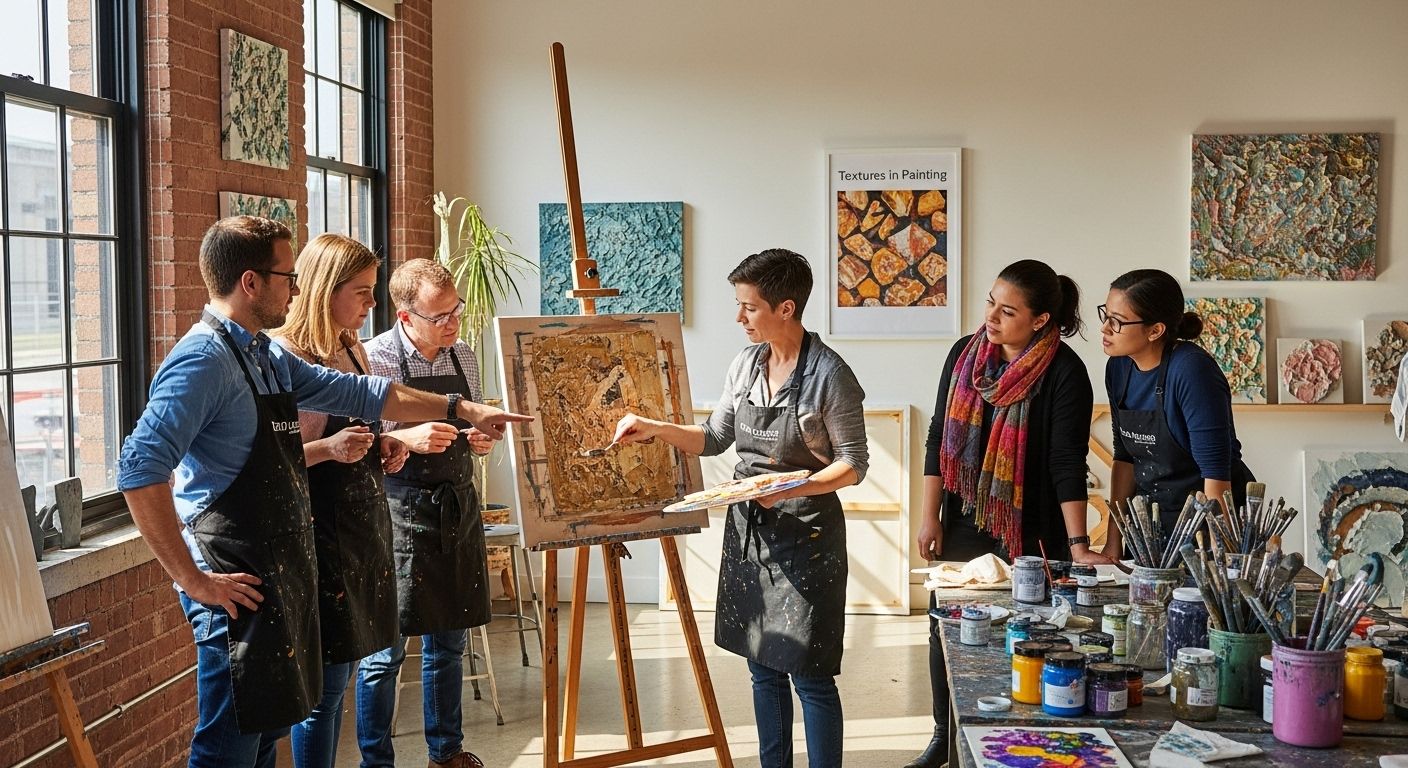
Textures in painting often get described as a background detail or just a way to make art feel less flat. Yet, here is what most people miss. Scientists found that wall textures can actually alter how you feel in a space, impacting psychological well-being and even relaxation levels. The real surprise is, texture is not just a technical trick for artists. It is a direct line to your emotions and the atmosphere around you.
Table of Contents
- Defining Textures In Painting: What They Are And Why They Matter
- The Importance Of Texture In Art: Enhancing Emotion And Depth
- Types Of Textures: A Look At Actual, Implied, And Simulated Textures
- Techniques For Creating Texture: Tools And Methods Used By Artists
- The Role Of Texture In Interior Design: Creating Atmosphere And Style
Quick Summary
| Takeaway | Explanation |
|---|---|
| Textures enhance emotional resonance. | Texture serves as a powerful communication tool, evoking emotions like calmness or tension through surface qualities. |
| Different types of texture exist. | Actual, implied, and simulated textures allow artists to engage viewers through tactile or visual sensations without physical depth. |
| Texture influences viewer perception. | Artists use texture to guide interpretation and suggest underlying emotional layers, enhancing the narrative power of artwork. |
| Art techniques create texture depth. | Various methods, from brushwork to mixed media, enrich surfaces and transform flat paintings into dynamic, interactive experiences. |
| Texture impacts interior design. | In interior spaces, texture shapes emotional responses and perceptions, influencing comfort and atmosphere through material selection. |
Defining Textures in Painting: What They Are and Why They Matter
Textures in painting represent a fundamental artistic element that transforms visual experiences from flat representations into dynamic, engaging compositions. According to the National Gallery of Art, texture is the look and feel of a surface that artists manipulate to create sensory depth and emotional resonance.
Visual and Tactile Dimensions of Texture
Texture in painting operates on two primary levels: visual and tactile. Visual texture refers to the perceived surface quality that artists create through paint application techniques, brushwork, and material manipulation. This dimension allows viewers to imagine how a surface might feel without physically touching it. Tactile texture, by contrast, involves actual physical roughness or smoothness that can be experienced through touch.
Artists employ multiple techniques to generate texture, including:
- Layering paint with varying thickness
- Using different brush sizes and stroke styles
- Incorporating unconventional materials like sand or fabric into their work
- Creating visual illusions of depth and surface complexity
The Emotional and Perceptual Impact of Texture
It transcends mere visual representation. It serves as a powerful communication tool that evokes emotional responses and guides viewer perception. By carefully manipulating surface qualities, artists can create sensations of softness, harshness, tranquility, or tension. It enables painters to communicate beyond colour and form, inviting audiences to engage more intimately with the artwork.
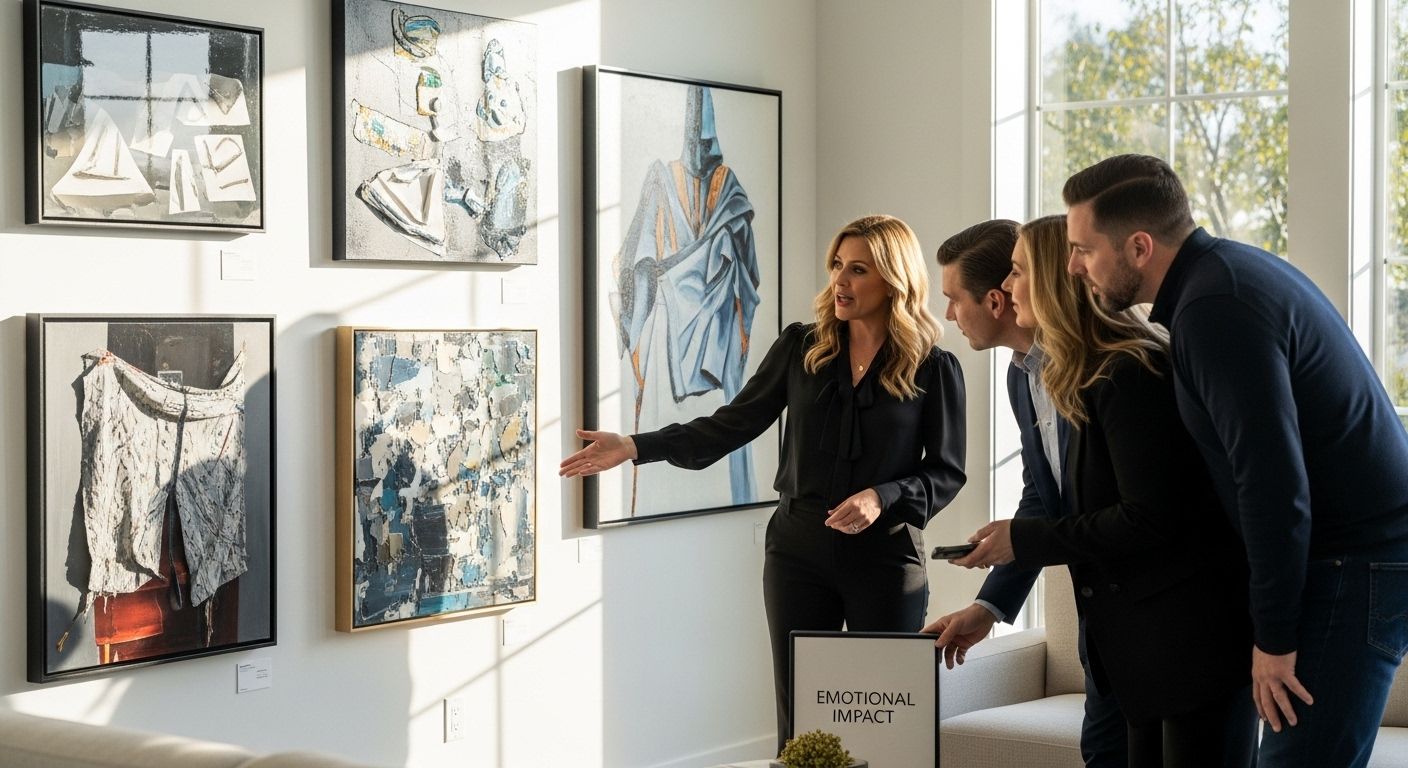
For those interested in exploring how artists select and utilise materials, check out our guide on artist material selection. Understanding texture helps collectors and art enthusiasts appreciate the nuanced techniques that transform simple paint into compelling visual experiences.
The Importance of Texture in Art: Enhancing Emotion and Depth
Texture represents far more than a visual element in art. As explored by Humanities LibreTexts, it is a profound communication mechanism that transforms two-dimensional surfaces into immersive sensory experiences.
Psychological and Emotional Connections
Artists strategically utilise texture to forge deep psychological connections with viewers. Emotional resonance emerges through carefully crafted surface qualities that trigger sensory memories and subconscious responses. Smooth textures might evoke feelings of calm and serenity, while rough, uneven surfaces can communicate tension, struggle, or complexity.
Key emotional responses generated through texture include:
- Creating a sense of intimacy
- Provoking contemplative states
- Stimulating visceral reactions
- Communicating psychological landscapes
Narrative and Representational Power
Texture transcends aesthetic decoration, functioning as a powerful narrative tool. Painters use textural variations to guide viewer interpretation, suggesting depth, movement, and underlying emotional contexts. By manipulating surface qualities, artists can represent abstract concepts like vulnerability, resilience, or transformation without relying solely on representational imagery.
Dimensionality and depth emerge through sophisticated textural techniques. Impasto methods, where paint is applied thickly, create literal and metaphorical layers of meaning. These techniques invite viewers to explore not just what is depicted, but how it is presented.
For art enthusiasts eager to understand the intricate world of artistic techniques, explore our comprehensive guide to artist materials and discover how professionals select tools that enhance textural expression.
Types of Textures: A Look at Actual, Implied, and Simulated Textures
Textures in painting are complex and multifaceted, presenting artists with diverse methods of engaging viewers. According to the California State University’s Art Foundations resource, texture represents more than surface appearance – it is a nuanced artistic language communicating depth, emotion, and sensory experience.
Actual Texture: Physical Dimensionality
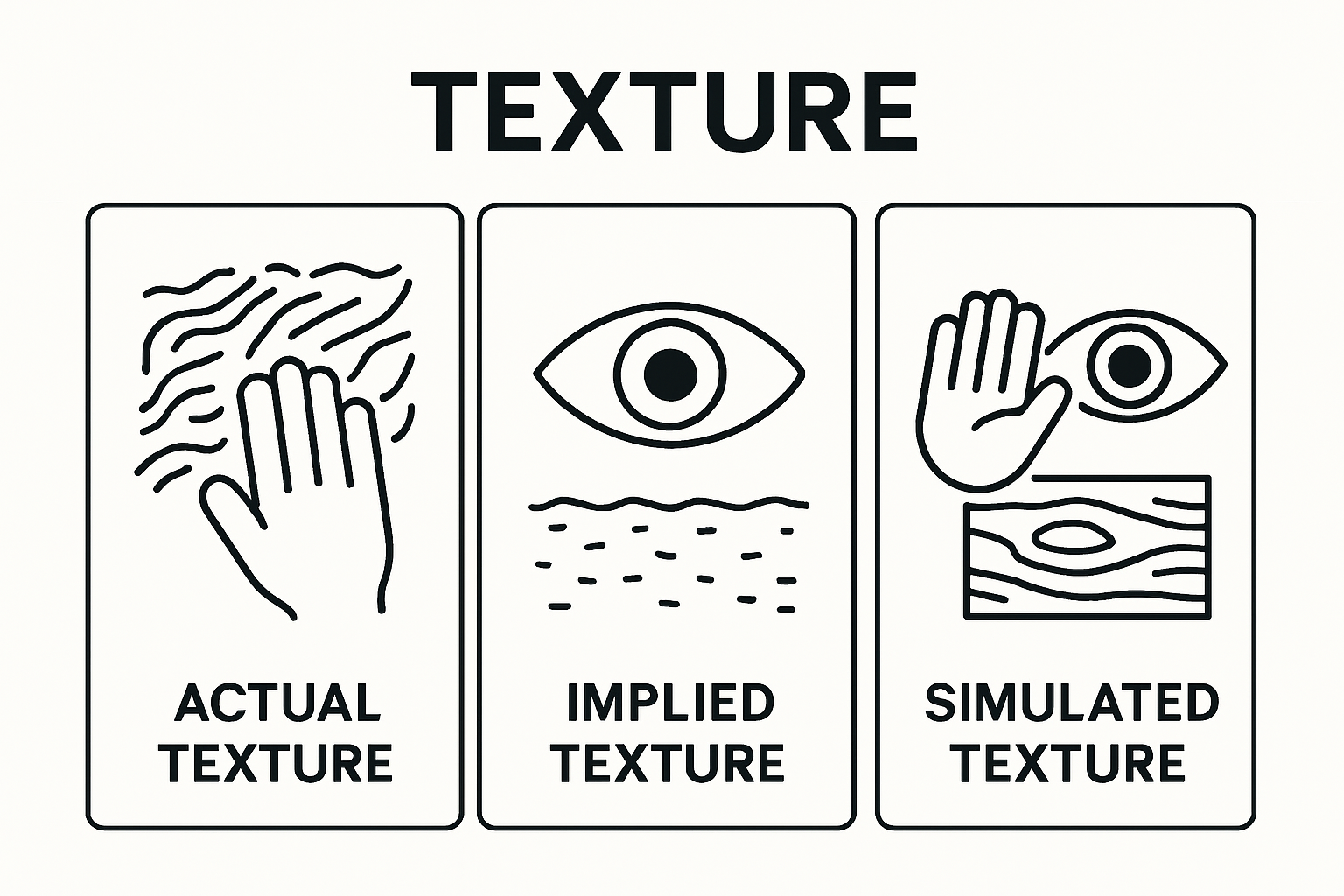
Actual texture represents the genuine, tangible surface quality that can be physically touched and experienced. Artists create actual texture through techniques like impasto, where paint is applied thickly and creates literal three-dimensional surfaces. Techniques for generating actual texture include:
- Adding physical materials like sand or fabric to paint
- Using palette knives for thick, raised paint applications
- Incorporating mixed media elements
- Creating deliberate surface irregularities
These methods transform paintings from flat representations into textured, interactive artworks that invite both visual and tactile exploration.
Implied and Simulated Textures: Visual Illusions
Unlike actual texture, implied and simulated textures are visual representations that suggest surface qualities without physical depth. Artists skillfully use brushwork, color variations, and detailed rendering to create the illusion of different surface characteristics. These techniques allow painters to communicate textural sensations through purely visual means.
Below is a comparison table that clearly distinguishes between actual, implied, and simulated textures as described in the article. This helps readers quickly grasp the differences and purposes of each texture type in painting.
| Texture Type | Definition | How It Is Created | Example in Painting |
|---|---|---|---|
| Actual Texture | Genuine, tangible surface that can be touched | Impasto, palette knife, adding materials like sand/fabric | Thick, raised paint strokes |
| Implied Texture | Visual suggestion of surface qualities without physical depth | Brushwork, detailed rendering, colour variations | Painted folds on fabric |
| Simulated Texture | Skillful illusion of texture that mimics real surfaces using visual means | Careful replication with paint to mimic real materials | Marble or stone rendered realistically |
Simulated textures might represent:
- Smooth marble surfaces
- Rough stone walls
- Soft fabric folds
- Metallic reflections
For art enthusiasts seeking deeper insights into artistic techniques, explore our comprehensive guide to artist materials and understand how professionals craft these intricate textural experiences.
Techniques for Creating Texture: Tools and Methods Used by Artists
Artists employ a sophisticated array of techniques to transform flat surfaces into rich, textural experiences. As University of Delaware’s Art Foundations program explains, texture creation is both a technical skill and an artistic expression that goes beyond simple surface manipulation.
Traditional Painting Tools and Techniques
Brushwork represents the foundational method for creating texture. Different brush types and application methods generate unique surface qualities. Artists strategically select tools to achieve specific textural effects:
- Flat brushes for smooth, even layers
- Bristle brushes for rough, visible stroke textures
- Fan brushes for blending and creating soft transitions
- Palette knives for thick, sculptural paint applications
These tools allow painters to create varied surface interactions that engage viewers visually and emotionally.
Advanced Textural Manipulation Methods
Mixed media techniques expand traditional painting boundaries. Artists incorporate unconventional materials to generate complex textures. These innovative approaches include:
- Embedding sand or fabric into paint
- Using modeling paste for three-dimensional effects
- Applying glue or gel mediums for raised surfaces
- Incorporating found objects and natural materials
By experimenting with material combinations, artists transform paintings into multisensory experiences that transcend traditional two-dimensional representations.
The following table outlines traditional and advanced methods artists use to create texture in their paintings. This overview makes it easier to distinguish between classic approaches and more experimental or mixed media techniques, aiding both new and experienced artists in technique selection.
| Technique Type | Methods and Tools | Resulting Texture Effects |
|---|---|---|
| Traditional | Flat, bristle, fan brushes; palette knives | Smooth, rough, blended, or sculptural |
| Advanced | Mixed media, sand, fabric, modeling paste, gel | Raised, complex, three-dimensional |
| Experimental | Embedding found objects, incorporating natural materials | Multisensory, unconventional, layered |
Discover the essential artist materials that professional painters use to create these intricate textural landscapes, and unlock the secrets behind compelling artistic techniques.
The Role of Texture in Interior Design: Creating Atmosphere and Style
Texture transcends visual aesthetics, functioning as a critical design element that shapes psychological experiences within interior spaces. According to research published in the International Journal of Environmental Research and Public Health, wall textures profoundly influence spatial perception and emotional responses.
Psychological Impact of Textural Environments
Sensory interactions with different materials trigger complex psychological responses. Textural choices communicate subtle emotional messages, transforming rooms from mere physical spaces into dynamic environments that evoke specific feelings and memories. Textures can:
- Create feelings of warmth and comfort
- Establish a sense of sophistication
- Generate psychological boundaries
- Communicate emotional depth
Interior designers strategically manipulate surface qualities to guide human perception and emotional experiences.
Material Selection and Emotional Resonance
Texture selection involves understanding how different materials interact with human sensory systems. Smooth surfaces might communicate modernity and simplicity, while rough textures suggest authenticity and groundedness. Research indicates that material choices significantly impact psychological well-being, with certain textures promoting relaxation and mental restoration.
Key considerations in textural design include:
- Reflective properties of materials
- Tactile sensations
- Visual complexity
- Cultural and personal associations
By carefully curating textural landscapes, designers create immersive environments that speak to deeper human experiences. Learn more about artistic material selection and understand how professionals craft compelling sensory journeys through intentional design choices.
Experience the Power of Texture in South African Art
Are you captivated by the way texture in painting creates depth and emotion but unsure how to connect this visual richness with artworks for your own space? Many art lovers struggle to find original pieces where actual and implied textures jump off the canvas and transform a room. If you want to experience these textural techniques first-hand, explore art made by South Africa’s leading artists—each piece tells a story not just through visuals, but through the tangible surface and unique brushwork described in our guide.

Discover how the right textures can shift the atmosphere of your home or office and create a lasting impact. View our full selection at Art Online, where you can browse inspiring works by local masters. Take the next step to own an artwork that brings everything you learned to life and experience the true depth of South African art today.
Frequently Asked Questions
What is texture in painting?
Texture in painting refers to the visual and tactile quality of a surface that artists create through various techniques and materials, transforming flat images into dynamic compositions.
How do artists create actual texture in their paintings?
Artists create actual texture by applying paint thickly using techniques like impasto, adding materials such as sand or fabric, and using tools like palette knives to create three-dimensional surface effects.
What are implied and simulated textures in art?
Implied and simulated textures are visual representations that suggest surface qualities without physical depth, achieved through brushwork, color variations, and detailed rendering to create the illusion of different textures.
Why is texture important in painting?
Texture enhances emotional resonance and depth in paintings. It functions as a powerful communication tool, evoking feelings and psychological responses by manipulating surface qualities that guide viewer interpretation.
Recommended
- Art Material Must-Haves: Transforming Cape Town’s Artists – Art-Online
- Painting Prices Unveiled: Explore 5 Types of Captivating Paintings and Their Exceptional Values – Art-Online
- What Is Landscape Art? A South African Perspective for 2025 – Art-Online
- Canvas vs Framed Art: Guide for South African Collectors 2025 – Art-Online