
7 Living Room Art Inspiration Ideas for Your Home
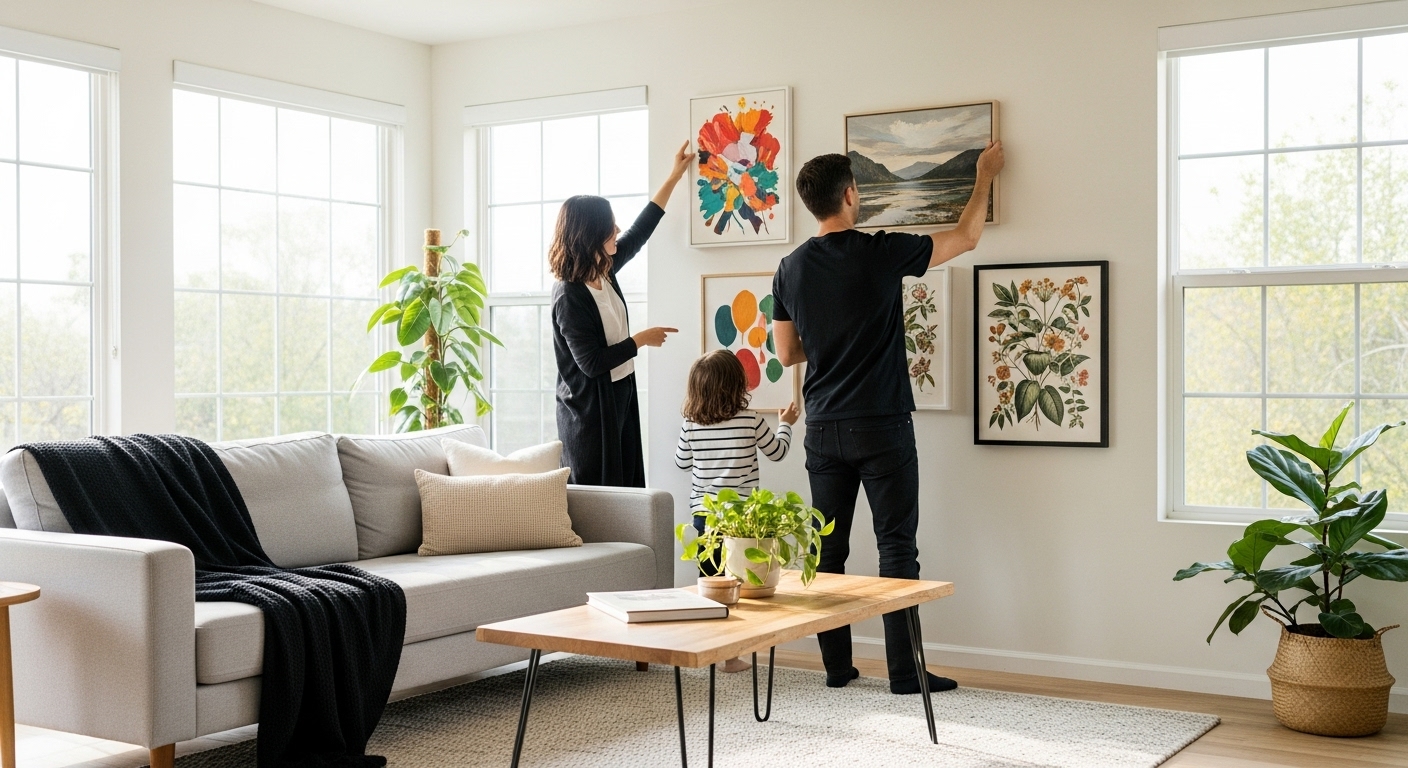
Choosing art for your living room can feel overwhelming with so many styles, colours, and options out there. But listen to this. Research from the University of Pretoria shows that understanding your own style and space is absolutely key to finding pieces that actually resonate with you. Most people think decorating is all about trends or pricey pieces. Turns out, the real secret is digging into what makes your home and taste unique before you even start browsing.
Table of Contents
- Understand Your Style And Space
- Explore Local South African Artists
- Mix And Match Art Styles
- Use Art As A Focal Point
- Incorporate Nature-Inspired Art
- Create A Gallery Wall Effect
- Consider Lighting For Art Display
Quick Summary
| Takeaway | Explanation |
|---|---|
| Understand your space’s aesthetic | Assess your living room’s color palette, furniture, and design style before selecting art pieces. |
| Support local South African artists | Choose artworks that reflect cultural narratives and support emerging talents in your community. |
| Create a visual balance | Mix different art styles while maintaining a cohesive color palette and spacing for a harmonious display. |
| Use art as a focal point | Select large, vibrant pieces strategically placed to command attention and enhance the room’s aesthetic. |
| Incorporate proper lighting | Employ adjustable lights to highlight art features, enhancing visual appeal and preventing glare. |
1: Understand Your Style and Space
Selecting art for your living room is more than just picking attractive pieces. It’s about creating a personal narrative that reflects your unique style and complements your living space’s architectural design and existing decor.
Before purchasing any artwork, take a moment to analyze your living room’s current aesthetic. Consider the fundamental elements that define your space:
- Room color palette
- Existing furniture styles
- Natural lighting conditions
- Overall room dimensions
According to research from the University of Pretoria, understanding cultural influences and personal preferences is crucial in selecting art that truly resonates with your living environment. Your living room art should not just fill wall space but tell a story about who you are.
Start by evaluating the dominant design style of your living room. Is it modern and minimalist with clean lines and neutral tones? Or perhaps it’s eclectic with vibrant colors and mixed textures? Your art selection should harmonize with these existing design elements, creating a cohesive visual experience.
Consider the scale and proportion of your artwork in relation to your wall space. Large statement pieces work brilliantly in rooms with high ceilings and expansive walls, while smaller, curated collections might be perfect for more compact living areas. The key is achieving visual balance without overwhelming the room’s existing character.
Remember that living room art inspiration comes from understanding your personal aesthetic and creating a space that feels authentically yours. Whether you’re drawn to abstract paintings, photographic prints, or traditional artworks, the most important factor is selecting pieces that spark joy and reflect your individual personality.
2: Explore Local South African Artists
South Africa boasts a rich and vibrant artistic landscape that offers extraordinary opportunities for living room art inspiration. Local artists bring unique perspectives, cultural narratives, and visual storytelling that can transform your living space into a dynamic reflection of national creativity.
In recent years, South African artists have gained international recognition for their powerful and evocative works. Explore our comprehensive guide to famous South African artists to discover talents that could perfectly complement your living room aesthetic.
According to research from The Conversation, the post-apartheid art scene has witnessed remarkable transformation, offering diverse artistic expressions that capture complex social narratives and personal experiences.
When exploring local artists for your living room, consider seeking works that offer more than visual appeal. Look for pieces that:
- Tell a compelling story
- Reflect cultural heritage
- Demonstrate exceptional technical skill
- Evoke emotional resonance
Key artistic movements to explore include contemporary abstract art, traditional landscape paintings, and mixed media compositions. South African artists like Irma Stern, William Kentridge, and Nandipha Mntambo represent diverse styles that can add significant character to your living space.
Consider supporting emerging artists from local galleries, art schools, and community art centers. These talents often create unique pieces that are not only visually stunning but also represent contemporary South African artistic innovation. By choosing local artwork, you’re not just decorating your living room but also contributing to the country’s rich artistic ecosystem and supporting creative professionals.
3: Mix and Match Art Styles
Creating a visually compelling living room requires artistic creativity and a strategic approach to combining different art styles. The key is to develop a harmonious yet dynamic visual narrative that reflects your personal taste and design sensibilities.
According to research from Decoholic, successfully mixing art styles involves understanding color relationships and maintaining a balanced visual composition. This principle extends beyond simple color matching to creating meaningful dialogues between different artistic expressions.
Consider these strategies for effectively mixing art styles:
- Maintain a consistent color palette
- Balance bold pieces with more subtle artworks
- Create visual rhythm through strategic placement
- Mix different mediums like paintings, photographs, and sculptures
When exploring different artistic styles, look for complementary visual elements that create intrigue without overwhelming the space. For instance, pair a contemporary abstract painting with a traditional landscape photograph, using similar color tones to create visual coherence.
Learn more about South African tribal art trends for 2025 to understand how traditional and contemporary styles can beautifully intersect in modern living spaces.
Texture plays a crucial role in mixing art styles. Incorporate pieces with varied textures – from smooth photographic prints to textured canvas paintings – to add depth and visual interest to your living room. The goal is to create a curated collection that feels intentional and personal, rather than a random assortment of artworks.
Remember that mixing art styles is an intuitive process. Trust your aesthetic instincts and choose pieces that genuinely resonate with you. Your living room should tell a story that reflects your unique personality and artistic appreciation.
4: Use Art as a Focal Point
Transforming your living room into a visually captivating space requires strategic placement of art that commands attention and creates a powerful visual narrative. A well-chosen focal point can dramatically elevate the entire room’s aesthetic and emotional impact.
According to research from the University of Pretoria, interior spaces are more than mere functional areas; they are opportunities to create immersive experiences through thoughtful design elements.
When selecting an art piece as a focal point, consider these critical characteristics:
- Large scale and dramatic presence
- Vibrant or unique color palette
- Compelling subject matter
- Exceptional artistic technique
Placement is paramount when establishing an art focal point. The ideal location could be directly above a central piece of furniture like a sofa, fireplace, or console table. This positioning naturally draws the eye and anchors the room’s visual composition.
Size matters significantly in creating an impactful focal point. A large statement piece can transform an ordinary wall into an extraordinary visual experience. Consider oversized canvases, dramatic photographic prints, or intricate mixed media artworks that invite viewers to pause and explore.
Color plays a crucial role in how effectively an artwork becomes a focal point. Choose pieces that either complement or intentionally contrast with your existing room color scheme. A bold, vibrant artwork can inject energy into a neutral space, while a more subdued piece can provide elegant sophistication in a colorful room.
Remember that a focal point is not just about visual appeal but about creating an emotional connection. Select artwork that resonates with you personally, telling a story that reflects your individual style and experiences. Your living room art should spark conversation, evoke memories, and reflect your unique aesthetic sensibility.
5: Incorporate Nature-Inspired Art
Nature-inspired art offers a powerful way to bring tranquility, organic beauty, and a sense of connection to the natural world into your living room. Botanical and landscape artworks can transform your space into a serene sanctuary that celebrates the intricate details and expansive landscapes of the natural environment.
According to research from Stellenbosch Business School, integrating natural elements into living spaces can significantly enhance human well-being and create a more harmonious interior environment.
When selecting nature-inspired art, consider these essential characteristics:
- Botanical illustrations with intricate plant details
- Landscape paintings capturing local terrain
- Wildlife photography
- Abstract representations of natural forms
South African landscapes offer particularly stunning inspiration. From the dramatic coastlines of the Western Cape to the sweeping savannas of the Kruger National Park, local artists capture the country’s diverse ecological beauty in breathtaking detail.
Check out our latest blog posts for ongoing inspiration on nature-themed artworks that can transform your living space.
Texture plays a crucial role in nature-inspired art. Look for pieces that not only depict natural scenes but also incorporate organic materials like pressed flowers, textured canvases, or mixed media techniques that echo natural patterns. These artworks create a multisensory experience that goes beyond visual appreciation.
Consider creating a curated collection of nature-inspired pieces that tell a cohesive story. Mix photographic prints of local landscapes with watercolor paintings of indigenous flora, or combine scientific botanical illustrations with more abstract interpretations of natural forms.
Ultimately, nature-inspired art is about more than decoration. It’s about creating a living space that reconnects you with the natural world, offering a sense of calm, wonder, and appreciation for the extraordinary beauty that surrounds us.
6: Create a Gallery Wall Effect
A gallery wall transforms an ordinary living room into a dynamic visual narrative, showcasing your artistic sensibilities and personal storytelling through carefully curated artwork. Designing a compelling gallery wall requires thoughtful planning, creative arrangement, and a keen eye for visual balance.
According to research from Wanda Odendaal, exhibition spaces are more than mere display areas. They are intricate spatial compositions that communicate meaning through strategic placement and framing.
When creating your gallery wall, consider these essential strategies:
- Maintain a consistent color palette
- Mix different artwork sizes and orientations
- Use frames with complementary styles
- Leave consistent spacing between pieces
Frame selection is crucial in creating a cohesive gallery wall. Choose frames that share similar characteristics – whether through color, material, or width. This creates visual harmony while allowing individual artworks to retain their unique character.
Begin by laying out your artwork on the floor, experimenting with different arrangements before committing to a wall placement. This approach allows you to visualize the overall composition and make adjustments without unnecessary wall damage.
Consider incorporating a variety of art forms to add depth and intrigue. Mix photographic prints, watercolor paintings, sketch drawings, and even three-dimensional pieces like small sculptural elements or woven wall hangings. The key is to create a balanced, dynamic display that tells a personal story.
Pay attention to the negative space between artworks. Consistent spacing – typically 2-3 inches between pieces – creates a professional, intentional look. If you prefer a more eclectic approach, experiment with tighter or more irregular arrangements that challenge traditional gallery wall conventions.
Ultimately, a gallery wall is a deeply personal expression. It should reflect your journey, interests, and aesthetic sensibilities, transforming your living room into a living, breathing art installation that evolves with you.
7: Consider Lighting for Art Display
Lighting is the secret ingredient that can transform your living room art from merely decorative to truly extraordinary. Proper illumination elevates artwork, revealing subtle details, enhancing colors, and creating dramatic visual experiences that captivate and inspire.
According to the Illumination Engineering Society of South Africa, strategic art lighting goes beyond simple illumination. It’s about creating an immersive visual narrative that highlights the artwork’s inherent beauty and emotional depth.
When considering art lighting, focus on these critical elements:
- Minimize direct sunlight exposure
- Use adjustable directional lighting
- Choose color temperature carefully
- Avoid harsh, direct overhead lighting
Picture lights and track lighting offer exceptional flexibility for art display. These lighting options allow precise angle adjustment, enabling you to highlight specific artwork features or create subtle dramatic effects. Picture lights mounted directly above artwork can create a focused, gallery-like atmosphere, while track lighting provides broader, more adaptable illumination.
Color temperature plays a crucial role in artwork presentation. Warm lighting (2700-3000K) enhances artworks with rich, earthy tones, while cooler lighting (3500-4100K) works brilliantly with contemporary pieces featuring blues, greys, and metallics. LED lights are particularly advantageous, offering energy efficiency and minimal heat emission that protects delicate artwork.
Consider the distance and angle of your light sources. A general rule is positioning lights approximately 30 degrees from the artwork’s surface to minimize glare and shadows. This technique ensures optimal visibility while preventing unwanted reflections that might distract from the artwork’s intricate details.
Remember that lighting is not just technical – it’s an art form itself. Experiment with different lighting approaches, observing how various intensities and angles transform your artwork throughout the day. Your goal is to create a dynamic, ever-changing visual experience that breathes life into your living room’s artistic landscape.
Below is a comprehensive table summarising the core living room art inspiration ideas, steps, and benefits discussed in the article.
| Art Inspiration Idea | Key Steps & Approaches | Primary Benefits & Outcomes |
|---|---|---|
| Understand Your Style & Space | Assess room colours, existing furniture, lighting, and dimensions. Align art with your unique design aesthetic and architectural features. | Achieves cohesive, personalised décor reflecting your identity and maximising balance. |
| Explore Local South African Artists | Select artworks by local creators, consider diverse styles and narratives. Support local galleries and emerging talent. | Brings cultural depth, supports community art, adds unique South African perspective. |
| Mix & Match Art Styles | Combine different art forms (paintings, photos, sculpture), maintain consistent palette and spacing, use complementary textures. | Builds dynamic, visually intriguing displays that show off personal taste. |
| Use Art as a Focal Point | Choose large, bold or dramatic pieces; place above focal furniture like a sofa or fireplace for maximum impact. | Establishes a central visual anchor, adding vibrancy and interest to the room. |
| Incorporate Nature-Inspired Art | Utilise botanical prints, landscape art, natural textures, and local scenery. Display a blend of mediums and organic materials. | Invokes tranquillity, connects space to nature, and enhances well-being indoors. |
| Create a Gallery Wall Effect | Curate artworks of multiple sizes and formats, maintain consistent or creative spacing, select harmonious frames, lay arrangements before hanging. | Provides a personalised visual narrative and transforms walls into storytelling spaces. |
| Consider Lighting for Art Display | Use directional, adjustable, and appropriate colour temperature lighting. Avoid direct sunlight and glare, experiment with placement and angles. | Elevates artwork presence, enhances detail, and protects pieces while creating mood. |
Turn Your Living Room Art Dreams Into a Masterpiece
Struggling to find artwork that truly captures your personal style or brings life to your living room? Maybe you feel overwhelmed by the many choices or worry about selecting art that fits both your space and identity. If you crave nature-inspired canvases, want to showcase local South African talent, or need help creating that gallery wall effect, you are not alone. Your space deserves art that tells your story and sparks emotion every day.

Now is the perfect time to explore Art Online, South Africa’s largest online art gallery. Here you will find inspiring works from our country’s most renowned artists who celebrate everything from contemporary styles to breathtaking landscapes. Discover living room art from top and emerging creatives or gain tips on bringing nature and local culture into your home by visiting our latest blog posts. Each piece is carefully selected to help you find harmony, achieve visual balance and create a powerful narrative that matches your lifestyle. Do not wait to elevate your home with real artistry. Visit Art Online and begin transforming your living room into a space that feels truly your own.
Frequently Asked Questions
How can I choose art that complements my living room style?
Understanding your living room’s aesthetic is key. Analyze elements like color palette, furniture styles, and lighting to select art that reflects your personality and fits cohesively with the existing decor.
What are effective ways to mix different art styles in my living room?
To successfully mix art styles, maintain a consistent color palette, balance bold pieces with subtler works, and strategically arrange them to create visual rhythm. Consider using different mediums to enhance depth and interest.
How can I create a focal point using art in my living room?
Choose a large, dramatic piece with vibrant colors or unique subject matter to serve as a focal point. Position it above central furniture like a sofa or fireplace to draw attention and anchor the room’s visual composition.
What role does lighting play in displaying art in my living room?
Proper lighting enhances the visual appeal of artwork, revealing details and colors. Use adjustable directional lighting, avoid direct sunlight, and choose the right color temperature to create a captivating art display.