
How to Research an Artist for Your Collection

Researching an artist can feel overwhelming with all the biographies, market stats, and expert opinions floating about. Yet, most people do not realise that simply defining your research goals upfront can cut your workload in half. In fact, studies reveal that having clear objectives makes your entire search much more focused and effective. So why do so many overlook this simple trick and end up drowning in useless details?
Table of Contents
- Step 1: Define Your Research Goals
- Step 2: Gather Basic Information About The Artist
- Step 3: Investigate The Artist’s Background And Style
- Step 4: Analyze Market Trends And Value
- Step 5: Evaluate Artwork Authenticity And Condition
- Step 6: Compile Your Findings And Make Informed Decisions
Quick Summary
| Key Point | Explanation |
|---|---|
| 1. Define clear research goals | Establish specific objectives to guide your artist investigation and focus your research efforts effectively. |
| 2. Gather foundational artist information | Collect essential biographical details to understand the artist’s background and context for deeper research. |
| 3. Explore artistic background and style | Delve into the artist’s training and creative influences to reveal their unique artistic expression. |
| 4. Analyze market trends for investment | Assess sales history and market fluctuations to make informed decisions about an artist’s potential value. |
| 5. Evaluate artwork authenticity and condition | Conduct thorough provenance research and physical examination to ensure the artwork is genuine and in good condition. |
Step 1: Define Your Research Goals
Researching an artist requires a strategic approach that begins with clearly defining your research goals. This initial step serves as the foundation for a comprehensive and meaningful investigation into an artist’s background, artistic style, and significance. Understanding precisely what you want to achieve will help you focus your efforts and prevent becoming overwhelmed by the vast amount of potential information.
Your research goals might vary depending on your specific purpose. Art collectors often seek to understand an artist’s market value, historical context, and unique artistic contributions. Interior decorators might focus on understanding an artist’s style, color palette, and how their work might complement specific design aesthetics. Regardless of your motivation, establishing clear objectives will streamline your research process.
Start by asking yourself specific questions about what aspects of the artist you want to explore. Are you interested in their biographical details? Their artistic evolution? The cultural or historical context of their work? Perhaps you want to understand their techniques, preferred mediums, or the themes that recur in their art. According to research from the University of North Carolina at Pembroke, defining clear research goals provides critical direction and prevents aimless investigation.
Consider creating a structured research plan that outlines your specific objectives. This might include:
- Identifying the primary sources you’ll explore
- Determining the depth of research you require
- Setting realistic timelines for your investigation
- Establishing specific questions you want to answer about the artist
Remember that your research goals should be flexible and adaptable. As you delve deeper into your investigation, you might discover unexpected insights that reshape your initial objectives. The key is to remain open to new information while maintaining a structured approach to your research.
Verify that your research goals are concrete and actionable. A well-defined goal might sound like “Understand the artistic influences of [Artist Name] during their formative years” rather than a vague statement like “Learn about the artist.” This specificity will guide your research and help you locate the most relevant information efficiently.
Step 2: Gather Basic Information About the Artist
Once you have defined your research goals, the next critical step is gathering foundational information about the artist. This initial research phase serves as the cornerstone for a deeper understanding, providing context and essential background that will guide your subsequent investigation. Think of this stage as building the first layer of your artistic knowledge framework.
Begin with the most accessible and fundamental sources of information. Art gallery websites, museum catalogues, artist monographs, and comprehensive art encyclopedias can offer reliable biographical details. Online platforms like artist websites, professional portfolios, and reputable art databases can provide quick insights into an artist’s background, birth year, nationality, primary artistic periods, and notable achievements.
According to the Library of Congress research guidelines, documenting basic biographical information requires systematic and thorough documentation. Key details to collect include the artist’s full name, date and place of birth, artistic training or education, primary artistic movements or styles they represent, and significant career milestones.
Consider exploring multiple information sources to cross-reference and verify the details you uncover. Reliable sources might include:
- Official artist websites
- Academic art publications
- Museum and gallery archives
- Professional artist registries
- Comprehensive art history books
Your research should aim to construct a comprehensive yet concise profile of the artist. Pay attention to chronological progression and significant turning points in their artistic journey. Look for information about their early influences, formal training, breakthrough moments, and the evolution of their artistic style.
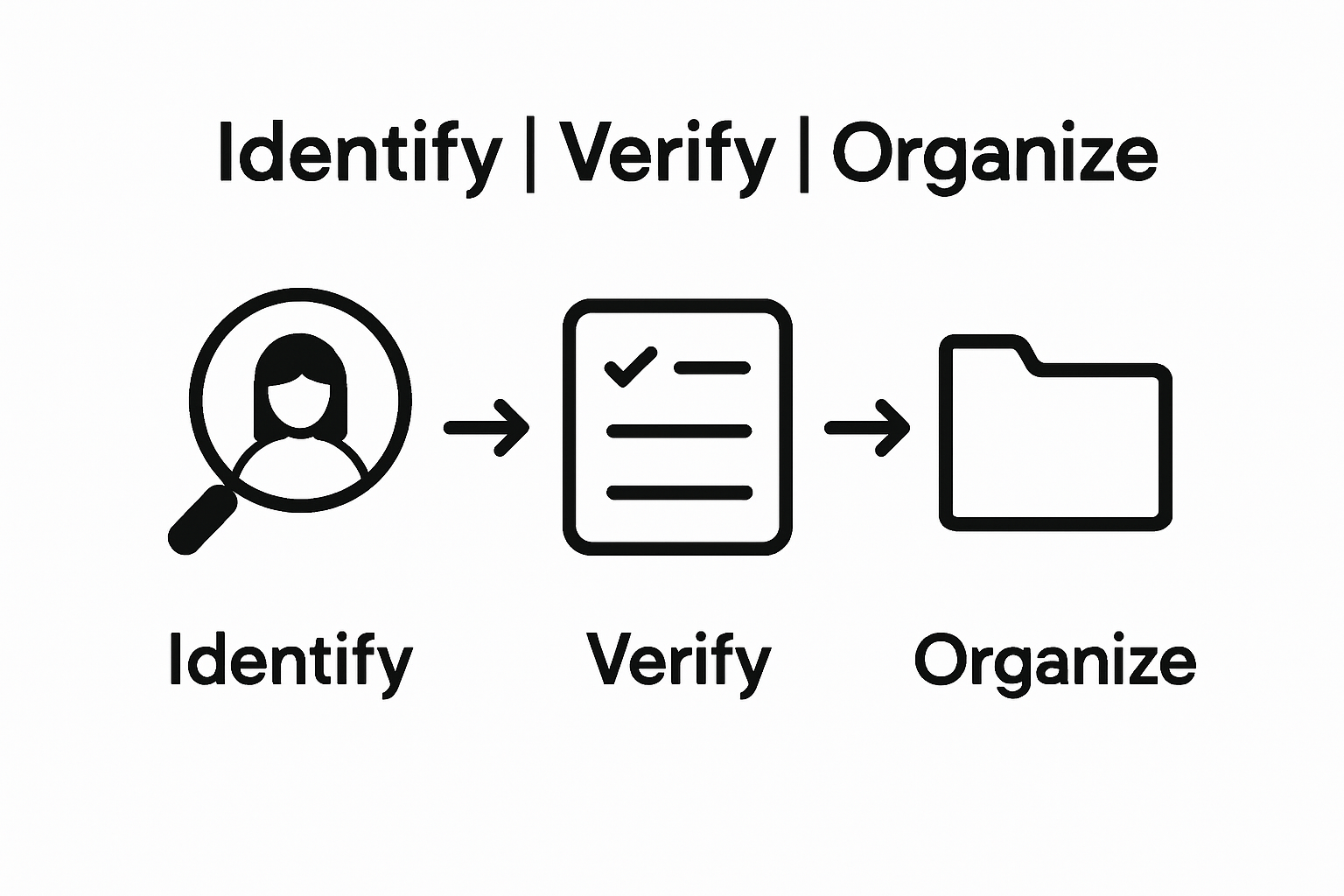
As you gather information, create a structured document or digital folder to organize your findings. This will help you track sources, cross-reference information, and build a coherent narrative about the artist. Verify the credibility of each source, prioritizing academic and professional publications over casual online content.
Successful completion of this step means you have a clear, factual overview of the artist’s basic biographical information, setting the stage for more in-depth research into their artistic practice and significance.
Step 3: Investigate the Artist’s Background and Style
Delving deeper into an artist’s background and style requires a nuanced approach that goes beyond basic biographical information. This step involves understanding the artistic DNA that defines the artist’s unique creative expression, exploring the cultural, historical, and personal contexts that shape their work.
Begin by examining the artist’s formal training and educational background. Art schools, mentors, and early artistic influences often provide crucial insights into the development of their distinctive style. Look for patterns in their artistic journey that reveal how their technique, subject matter, and creative approach have evolved over time. According to research from the National Gallery of Art, understanding an artist’s educational and professional trajectory helps contextualize their artistic contributions.
Artistic style investigation involves more than simply categorizing their work. Pay attention to the unique visual language the artist employs. Examine their preferred mediums, color palettes, recurring themes, and the emotional or conceptual underpinnings of their artwork. Some artists draw inspiration from personal experiences, cultural heritage, or specific historical movements. Learn more about exploring artist backgrounds in our comprehensive guide to South African artists.
Consider the following approaches to understand an artist’s style:
- Analyze a comprehensive collection of their works
- Study critical reviews and scholarly writings about their art
- Explore interviews or artist statements
- Compare their work with contemporaries in similar artistic movements
Contextual research is paramount. Look into the historical and cultural environment that influenced the artist’s work. This might include political movements, social changes, or artistic trends prevalent during their most active periods. Understanding these broader contexts can provide deeper insights into the motivations and significance of their artistic expression.
Verify the depth of your investigation by creating a comprehensive profile that captures not just the technical aspects of their style, but the emotional and intellectual essence of their artistic practice. A successful investigation reveals the artist’s unique perspective, the evolution of their creative journey, and the distinctive qualities that set their work apart from other artists in their genre.
Step 4: Analyze Market Trends and Value
Analyzing the market trends and value of an artist’s work is a critical step for collectors and art enthusiasts seeking to make informed investment decisions. This process involves a comprehensive examination of the artist’s current market position, historical pricing trends, and potential future value appreciation.
Begin by tracking the artist’s sales history through reputable art auction houses, galleries, and online art marketplaces. Pay close attention to recent sale prices, frequency of sales, and the trajectory of the artist’s market performance. According to research from Artnet’s Market Analysis, understanding these patterns provides crucial insights into an artist’s economic potential.
Research the artist’s representation and exhibition history. Prestigious gallery affiliations, museum exhibitions, and critical acclaim significantly impact an artist’s market value. Artists featured in renowned institutions or with consistent representation by top-tier galleries often demonstrate more stable and potentially appreciating value. Look for patterns of recognition such as awards, critical reviews, and inclusion in important art collections.
Consider the following key factors when assessing market value:
- Total number of works produced
- Rarity of specific pieces or series
- Historical sales performance
- Critical reception and artistic reputation
- Current market demand
Utilize specialized art market databases and price tracking tools to gather comprehensive market data. Comparative analysis is crucial – examine how similar works by the artist or comparable artists in the same genre have been valued over time. This approach helps you understand the potential long-term investment potential of the artist’s work.
Pay attention to broader art market trends that might impact the artist’s value. Economic conditions, shifts in artistic preferences, and emerging art market dynamics can significantly influence an artist’s market position. Learn more about current art market insights for South African artists.
Verify your market analysis by compiling a comprehensive report that includes sales history, current market valuation, potential growth indicators, and a clear assessment of the artist’s market position. A successful market analysis provides a strategic overview that supports informed collecting and investment decisions.
Step 5: Evaluate Artwork Authenticity and Condition
Evaluating the authenticity and condition of an artwork is a critical step that requires meticulous attention to detail and expert-level scrutiny. This process protects your investment and ensures you are acquiring a genuine, high-quality piece that meets professional collecting standards.
Provenance research forms the foundation of artwork authentication. Trace the artwork’s complete ownership history, examining documentation such as certificates of authenticity, previous sale records, gallery receipts, and exhibition catalogs. These documents provide critical evidence of the artwork’s origin and legitimacy. According to the Smithsonian Museum Conservation Institute, comprehensive provenance verification is essential in determining an artwork’s authenticity.
Physical examination requires a systematic approach. Inspect the artwork meticulously for signs of age, original materials, and potential restoration. Look for the artist’s signature, examine the artwork’s surface under different lighting conditions, and check for consistent aging patterns. Professional art conservators can provide detailed technical assessments using specialized equipment like ultraviolet light, infrared reflectography, and microscopic analysis. Discover more about acquiring original artworks with confidence.
Consider the following key evaluation criteria:
- Signature authenticity and placement
- Material consistency with the artist’s known work
- Evidence of professional conservation
- Structural integrity of the artwork
- Preservation of original artistic elements
Seek expert validation through professional appraisers and authentication experts specializing in the specific artist or artistic period. These professionals can provide comprehensive reports that validate the artwork’s authenticity, assess its condition, and estimate its market value. Their expertise goes beyond visual inspection, incorporating scientific analysis and deep art historical knowledge.
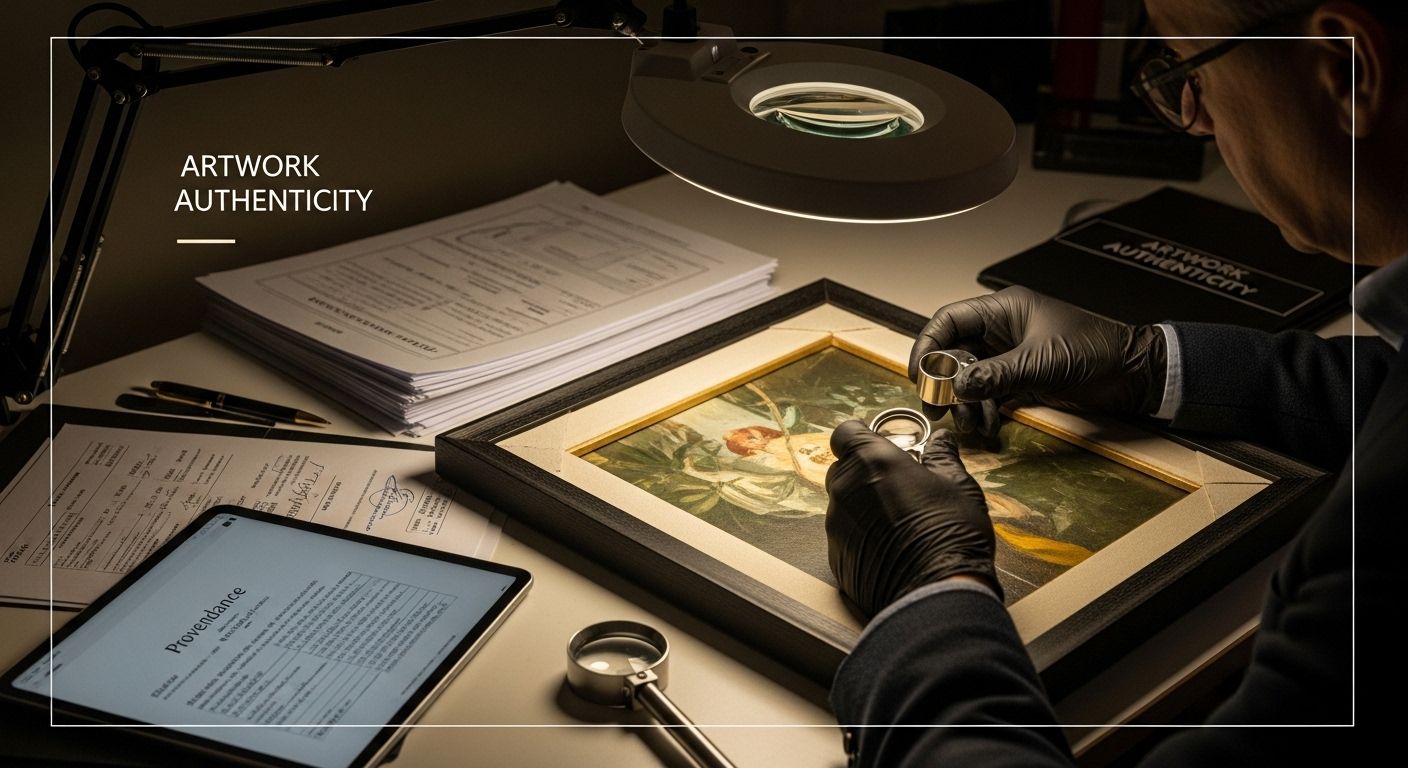
Documentation is crucial throughout this process. Maintain a detailed record of all examinations, expert consultations, and supporting evidence. This comprehensive documentation not only protects your investment but also provides valuable information for future provenance research and potential resale.
This table presents common evaluation criteria to keep in mind when assessing artwork authenticity and condition.
| Criteria | What to Look For | Why It Matters |
|---|---|---|
| Signature authenticity | Artist signature matches known examples | Confirms provenance |
| Material consistency | Materials used align with artist’s typical practice | Detects forgeries or substitutions |
| Professional conservation | Evidence of proper restoration techniques | Indicates quality care and value |
| Structural integrity | No major damage or repairs | Ensures investment is sound |
| Preservation of artistic elements | Original paint, canvas, or support is intact | Maintains artistic and market value |
Successful artwork evaluation means you have a thoroughly vetted piece with clear documentation of its authenticity, condition, and historical significance. This meticulous approach ensures you are making an informed and confident addition to your art collection.
Step 6: Compile Your Findings and Make Informed Decisions
Compiling your research findings and transforming them into a strategic decision-making framework is the culmination of your comprehensive artist investigation. This final step synthesizes all the information you’ve gathered, creating a holistic view that enables confident and intelligent art collection decisions.
Create a comprehensive research portfolio that organizes all collected information systematically. This digital or physical dossier should include biographical details, artistic style analysis, market value assessments, provenance documentation, and authentication reports. A well-structured portfolio allows you to review and cross-reference information efficiently, revealing nuanced insights that might not be immediately apparent. According to research from the College of New Jersey, consulting scholarly references and systematically organizing information is crucial for thorough art research.
Develop a decision matrix that weighs multiple research dimensions. Consider factors such as artistic significance, market potential, personal aesthetic preference, and investment potential. Assign weighted scores to each criterion, creating an objective framework that transcends emotional impulses. This analytical approach transforms your research from mere information gathering to strategic decision-making.
Consider the following key evaluation criteria:
- Alignment with your collection’s overall vision
- Potential for value appreciation
- Artistic authenticity and condition
- Personal emotional connection to the artwork
- Long-term preservation requirements
Consult with art professionals, including curators, gallery owners, and independent art advisors, to validate your findings. Their expert perspectives can provide additional context, challenge your assumptions, and offer nuanced insights that might have escaped your initial research. Learn more about making informed art collection decisions.
Remember that research is an iterative process. Your initial findings might evolve as you dig deeper, and remaining flexible is key. Document your decision-making process, including any modifications to your original research strategy. This transparency not only supports your current decision but also creates a valuable reference for future art acquisition endeavors.
Successful compilation means you have a well-documented, thoroughly analyzed research portfolio that provides clear guidance. Your systematic approach transforms complex research into a confident, informed art collection strategy.
Ready to Find South Africa’s Next Iconic Artist for Your Collection?
You have just learned how to confidently research an artist — from setting clear research goals to verifying provenance and understanding market value. Yet, finding authentic works by South Africa’s most celebrated names can still feel overwhelming. You do not want to make an uninformed choice or risk missing out on truly valuable pieces. If you are seeking everything from artist history to secure provenance and market data all in one place, why not let the experts help?

Take the last step towards building a remarkable art collection. Explore Art Online and browse South Africa’s largest online gallery of original artworks. Enjoy full details on artist backgrounds, transparent market insights and an easy way to verify authenticity for every piece. Discover why buying original art in South Africa gives your collection true value. Begin your search now on Art Online — where informed research meets trusted curation.
Frequently Asked Questions
What are the first steps in researching an artist for my collection?
Start by defining your research goals. Determine what specific aspects of the artist you want to explore, such as their biography, artistic style, or historical significance. This will help you focus your research and streamline the process.
How can I gather basic information about an artist?
You can collect foundational information from reliable sources such as art gallery websites, museum catalogs, artist monographs, and reputable art encyclopedias. Key details to gather include the artist’s full name, date of birth, artistic training, and career milestones.
What should I analyze when investigating an artist’s style?
When analyzing an artist’s style, consider their preferred mediums, color palettes, themes, and emotional or conceptual elements of their work. Additionally, examine their formal training, artistic influences, and the cultural context that shaped their creative expression.
How do I assess the market trends and value of an artist’s work?
To assess market trends and value, track the artist’s sales history through auction houses and galleries, analyze their exhibition history, and consider factors such as rarity, critical reception, and current market demand. Utilize art market databases for comprehensive insights.