
10 Essential Tips for Choosing Art for Dining Rooms
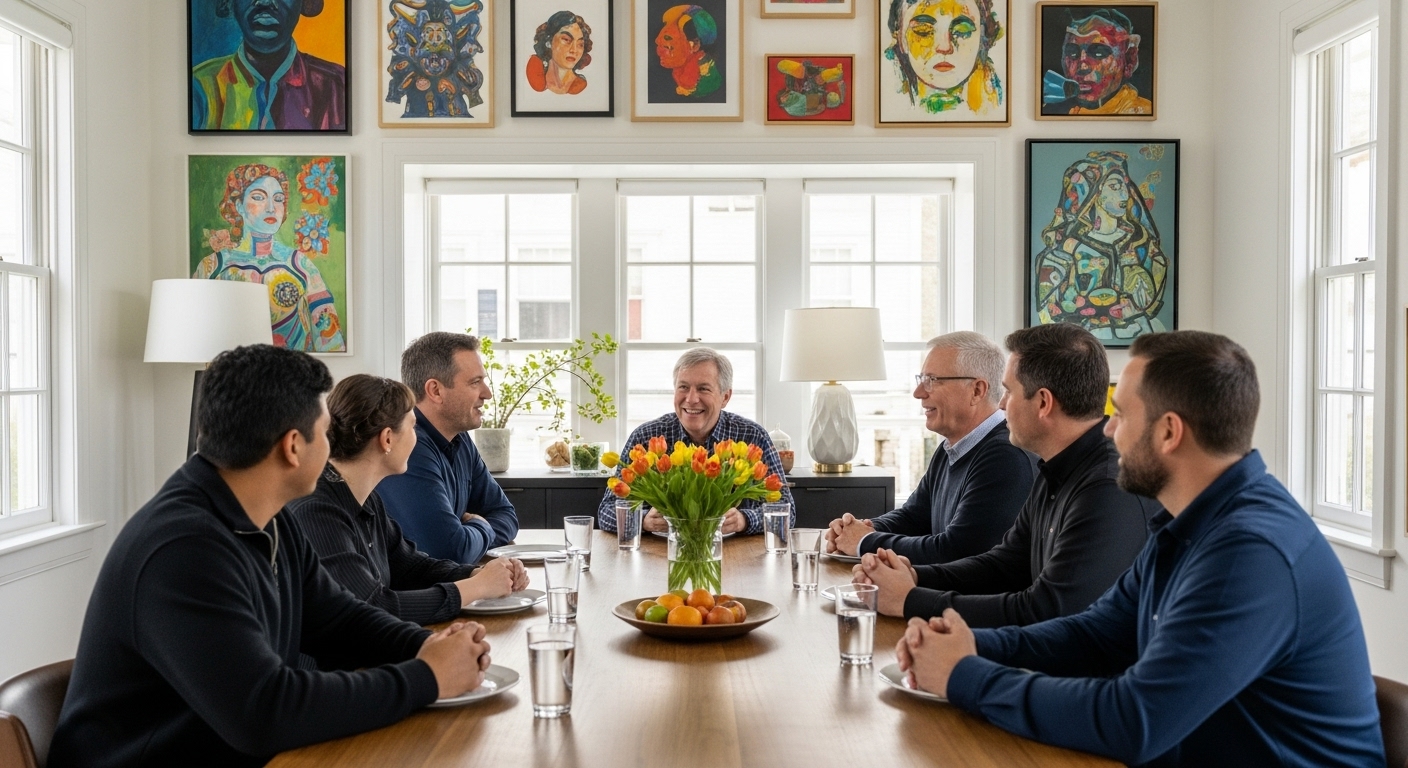
Dining rooms are more than just places to eat. They set the stage for family memories, celebration, and connection. Most people think a simple table and chairs will do the trick, but that is just the start. Research shows that curated art in dining spaces can actually improve how people perceive the taste and quality of food. The real magic? The right artwork can turn any dinner into an experience people will never forget.
Table of Contents
- Understanding The Role Of Art In Dining Rooms
- Choosing A Theme Or Style For Your Art
- Selecting The Right Size For Art Pieces
- Considering Color Schemes And Moods
- Mixing Different Art Mediums And Textures
- Ensuring Proper Lighting For Your Artwork
- Positioning Art For Maximum Impact
- Incorporating Local South African Artists
- Creating A Gallery Wall With Dining Room Art
- Rotating Art For A Fresh Dining Experience
Quick Summary
| Takeaway | Explanation |
|---|---|
| Art enriches dining environments | Thoughtfully selected art transforms dining spaces into vibrant, engaging areas that reflect personal style and cultural narratives. |
| Choose artwork that resonates emotionally | Select pieces that create a welcoming atmosphere, making guests feel comfortable and inspired during meals. |
| Size matters for visual balance | Artwork should occupy 50-75% of the wall space above furniture to maintain harmony and aesthetic appeal. |
| Lighting enhances artwork impact | Proper lighting, like warm whites and directional placement, significantly improves the visibility and emotional resonance of art pieces. |
| Rotate art for fresh experiences | Regularly changing artworks prevents aesthetic fatigue and keeps the dining area dynamic and reflective of evolving tastes. |
1: Understanding the Role of Art in Dining Rooms
Art transforms dining rooms from mere eating spaces into vibrant, emotionally engaging environments that reflect personal style and cultural narratives. When thoughtfully selected, art pieces can elevate the entire dining experience, creating conversations, setting moods, and expressing the homeowner’s unique aesthetic sensibilities.
Understanding art’s role in dining rooms goes beyond simple decoration. Art serves multiple critical functions that impact both the visual and emotional atmosphere of the space. Explore our guide on South African artistic styles to understand the nuanced ways art can enhance interior spaces.
Key considerations when integrating art into dining rooms include:
-
Visual Balance: Art should complement the room’s existing design elements without overwhelming the space
-
Emotional Resonance: Choose pieces that evoke feelings and create a welcoming, comfortable dining environment
-
Scale and Proportion: Select artwork that fits proportionally with your dining room’s dimensions and furniture
The strategic placement of art can dramatically transform dining experiences. Whether you prefer contemporary pieces, traditional landscapes, or abstract expressions, each artwork tells a story and contributes to the room’s overall ambiance. According to research on dining environment design, carefully curated art can enhance perception of food quality and dining enjoyment.
Ultimately, art in dining rooms is about creating a personal narrative – a visual representation of your taste, memories, and aesthetic preferences that invites conversation and creates memorable dining experiences.
2: Choosing a Theme or Style for Your Art
Selecting the right theme or style for dining room art is a crucial decision that reflects your personal aesthetic and creates a cohesive visual narrative. Your chosen art style sets the tone for the entire dining space, influencing how guests perceive and experience the room. Explore unique South African art styles to find inspiration for your dining room decor.
Art styles can range from contemporary minimalism to traditional landscapes, each bringing a distinct atmosphere to your dining environment. Contemporary styles often feature clean lines and abstract representations, creating a modern and sophisticated ambiance. Traditional styles, such as realistic landscapes or classical portraits, can evoke a sense of timeless elegance and cultural heritage.
Consider these key factors when selecting an art theme:
-
Room’s Existing Color Palette: Choose art that complements or thoughtfully contrasts with your current interior design
-
Personal Emotional Connection: Select artwork that resonates with your personal experiences and evokes positive feelings
-
Architectural Style: Align your art theme with the architectural character of your dining space
According to research on design harmony, the most successful interior spaces create a seamless dialogue between art, furniture, and architectural elements. The right art theme can transform a dining room from a simple eating area into a narrative-rich environment that tells a story and invites conversation.
Remember that your art theme is not just about visual appeal but about creating an emotional connection that enhances the dining experience. Whether you prefer bold, statement pieces or subtle, understated artwork, the key is selecting pieces that authentically represent your personal style and create a welcoming atmosphere.
3: Selecting the Right Size for Art Pieces
Selecting the appropriate art piece size is critical in creating a harmonious dining room aesthetic. The wrong size can disrupt visual balance, making the space feel either cluttered or uncomfortably sparse. Proportionality is key when choosing art for your dining area. Explore our comprehensive guide on painting values to understand how size impacts artwork selection.
The general rule of thumb for art sizing involves understanding the relationship between wall space and artwork dimensions. For dining rooms with standard wall configurations, artwork should typically occupy approximately two-thirds to three-quarters of the wall space above furniture like sideboards or buffet tables.
Key considerations for art sizing include:
-
Wall Space: Measure the width of your wall and furniture to determine appropriate artwork dimensions
-
Furniture Placement: Ensure artwork does not extend beyond the width of underlying furniture pieces
-
Viewing Distance: Consider how far viewers will be from the artwork when seated at the dining table
According to research on spatial design, successful art placement creates visual harmony by establishing a balanced relationship between artwork, furniture, and architectural elements. A single large statement piece can be more impactful than multiple smaller artworks, especially in dining rooms with limited wall space.
For smaller dining areas, consider vertical orientation pieces that create an illusion of height and spaciousness. In larger rooms, multiple coordinated pieces or a gallery wall can add visual interest and dynamic energy. The goal is to select art that enhances the room’s atmosphere without overwhelming the space, creating a sophisticated and inviting dining environment.
4: Considering Color Schemes and Moods
Color plays a transformative role in dining room art, serving as a powerful tool for creating emotional atmosphere and visual harmony. Psychological impact of color cannot be understated, with different hues capable of evoking specific feelings and setting distinct dining experiences. Understanding color relationships and their emotional resonance is crucial for selecting art that enhances your dining space.
Warm colors like reds, oranges, and yellows create energetic, stimulating environments that encourage conversation and social interaction. Cool colors such as blues, greens, and purples introduce calming, reflective qualities that can make dining spaces feel more serene and contemplative. Learn more about contemporary art color trends to refine your color selection strategy.
Key color considerations for dining room art include:
-
Complementary Colors: Select artwork that either matches or thoughtfully contrasts with existing room color palettes
-
Emotional Tone: Choose colors that reflect the mood you want to create during meals
-
Lighting Interaction: Consider how natural and artificial light will interact with artwork colors
According to research on interior design and cultural production, color choices are not merely aesthetic decisions but profound methods of creating meaning within spaces. Neutral artworks with subtle color variations can provide sophisticated flexibility, while bold, vibrant pieces can serve as dramatic focal points.
Remember that color is a nuanced language of emotion. The right artwork can transform your dining room from a simple eating space into a dynamic environment that stimulates conversation, reflects personal style, and creates memorable dining experiences.
5: Mixing Different Art Mediums and Textures
Mixing art mediums and textures in dining room decor creates visual depth, intrigue, and sophistication. Textural diversity transforms ordinary walls into dynamic, multisensory experiences that engage viewers beyond simple visual appreciation. Explore our collection of mixed media artwork to understand how different textures interact.
Art mediums like oil paintings, watercolors, sculptures, metal installations, and textile art offer unique textural experiences. Combining these mediums allows for a rich, layered aesthetic that reflects complexity and personal artistic taste. A smooth abstract canvas might beautifully contrast with a rough ceramic sculpture, creating visual tension and interest.
Key strategies for mixing art mediums include:
-
Complementary Textures: Select pieces that enhance rather than compete with each other
-
Visual Weight: Balance smooth and rough textures to create visual harmony
-
Lighting Considerations: Choose textures that interact interestingly with both natural and artificial light
According to research on design principles, texture is not just a visual element but a sensory experience that can dramatically transform spatial perception. Tactile diversity in art pieces invites viewers to imagine touching and experiencing the artwork, making dining rooms more engaging and memorable.
Successful texture mixing requires a thoughtful approach. Consider the overall room aesthetic, existing furniture textures, and the emotional response you want to evoke. A carefully curated collection of mixed-medium artworks can turn your dining room into a sophisticated, multilayered artistic statement that stimulates conversation and visual exploration.
6: Ensuring Proper Lighting for Your Artwork
Lighting transforms artwork from mere visual objects into dynamic, emotionally resonant experiences. Strategic illumination can dramatically enhance the perceived depth, color, and texture of art pieces, turning your dining room into a sophisticated gallery-like environment. Explore professional art lighting techniques to elevate your dining space.
Proper artwork lighting requires careful consideration of light intensity, angle, and color temperature. Direct lighting can create harsh shadows and potential damage to delicate artworks, while indirect or diffused lighting preserves the artwork’s integrity while creating a warm, inviting atmosphere.
Key lighting considerations for dining room art include:
-
Light Placement: Position lights to minimize glare and shadows
-
Color Temperature: Use warm white lights (2700-3000K) to enhance artwork’s natural colors
-
Light Intensity: Select adjustable lighting that can be dimmed for different dining moods
According to municipal lighting regulations, effective illumination should not create visual nuisance or interference. LED picture lights and adjustable track lighting offer excellent options for art illumination, providing focused, energy-efficient solutions that protect and highlight your artwork.
Consider using multiple light sources to create layers of illumination. A combination of ambient room lighting, targeted artwork spotlights, and soft background illumination can create a dynamic, sophisticated dining environment that showcases your art collection while maintaining a comfortable, inviting atmosphere.
7: Positioning Art for Maximum Impact
Positioning art strategically transforms dining rooms from ordinary spaces into captivating visual narratives. Spatial arrangement determines how artwork engages viewers, creates focal points, and influences the room’s overall emotional atmosphere. Discover insights about original art placement to elevate your dining room’s aesthetic.
The fundamental principle of art positioning is creating visual balance. Artwork should complement furniture and architectural elements without overwhelming the space. Typically, pieces should be hung at eye level, approximately 57-60 inches from the floor, ensuring comfortable viewing for most individuals seated at the dining table.
Key positioning strategies include:
-
Proportional Placement: Ensure artwork width is 50-75% of underlying furniture width
-
Vertical Spacing: Maintain consistent distance between multiple art pieces
-
Focal Point Creation: Use larger pieces or gallery arrangements to draw visual attention
According to historical design documentation, traditional dining room designs often incorporated picture rails and strategic shelving to display art and decorative items. Asymmetrical arrangements can create dynamic visual interest, breaking monotony while maintaining overall compositional harmony.
Consider the dining room’s architectural features when positioning art. Avoid placing artwork where it might be obstructed by dining chairs, light fixtures, or doorways. The goal is to create a seamless visual flow that enhances the dining experience, inviting conversation and appreciation of both the art and the surrounding environment.
8: Incorporating Local South African Artists
Incorporating artwork from local South African artists transforms dining rooms into vibrant spaces that celebrate national creativity and cultural heritage. Supporting indigenous artists not only enriches your interior design but also contributes to the broader artistic ecosystem. Explore the rich tapestry of South African art to discover unique artistic expressions.
South African artists bring diverse perspectives reflecting the country’s complex social landscape, offering artwork that tells compelling stories through visual narratives. From contemporary urban interpretations to traditional rural scenes, local artists capture the nuanced experiences of South African life with remarkable depth and authenticity.
Key considerations when selecting local artists include:
-
Cultural Representation: Choose artists who authentically represent different regional and cultural backgrounds
-
Artistic Diversity: Explore various styles from realistic landscapes to abstract contemporary pieces
-
Emerging Talent: Support up-and-coming artists alongside established names
According to government initiatives supporting creative industries, investing in local artists contributes to national cultural development. Emerging artists often provide more affordable yet equally compelling artwork, allowing collectors to build meaningful collections while supporting the local art ecosystem.
By selecting artwork from South African artists, you transform your dining room into more than just a space for meals. You create a narrative environment that celebrates national creativity, supports local talent, and offers guests a unique visual experience that goes beyond mere decoration.
9: Creating a Gallery Wall with Dining Room Art
A gallery wall transforms dining rooms into dynamic visual narratives, offering a curated collection that reflects personal style and artistic appreciation. Strategic composition turns blank walls into compelling storytelling spaces that engage and inspire dinner guests. Discover inspiring gallery wall techniques to elevate your dining room’s aesthetic potential.
Gallery walls require thoughtful planning to achieve visual harmony. Begin by selecting artworks with complementary color palettes, varying sizes, and cohesive themes. Mix different mediums like photographs, paintings, sketches, and prints to create visual texture and depth. Consider incorporating local South African artists to infuse cultural narrative into your display.
Key strategies for creating compelling gallery walls include:
-
Layout Planning: Use paper templates to experiment with arrangement before hanging
-
Visual Balance: Distribute artwork weights evenly across the wall space
-
Frame Consistency: Choose frames with similar color tones or consistent material
According to design placement research, successful gallery walls maintain visual rhythm through careful spacing. Professional designers recommend maintaining 2-3 inches between artwork pieces and anchoring the arrangement around a central focal point.
Remember that a gallery wall is more than a decorative element. It is a personal museum that tells your unique story, inviting conversation and reflection during dining experiences. Each piece contributes to a larger narrative, transforming your dining room into a living, breathing artistic statement.
10: Rotating Art for a Fresh Dining Experience
Art rotation transforms dining rooms from static environments into dynamic, ever-evolving spaces that continuously stimulate conversation and visual interest. Periodic art refreshment prevents aesthetic fatigue, ensuring your dining area remains engaging and reflective of changing personal tastes and experiences. Explore strategies for art rotation to maintain a vibrant dining environment.
Rotating artwork allows you to showcase different pieces from your collection, creating seasonal or thematic displays that reflect current moods, celebrations, or personal milestones. This approach not only keeps the dining space visually exciting but also provides opportunities to support multiple local artists by featuring their work at different times.
Key considerations for successful art rotation include:
-
Seasonal Themes: Align artwork with seasonal changes or cultural celebrations
-
Storage Solutions: Invest in proper art storage to protect pieces when not displayed
-
Rotation Frequency: Establish a consistent schedule for changing artworks
According to national art development initiatives, supporting dynamic art display contributes to the broader cultural ecosystem. Emerging artists benefit from increased visibility, while collectors enjoy a continuously refreshed aesthetic experience.
Rotating art is more than a design strategy. It is a living practice that keeps your dining room dynamic, tells an evolving story, and creates memorable experiences for everyone who shares meals in your space. Each rotation brings new perspectives, conversations, and emotional resonances to your dining environment.
Below is a comprehensive table summarising the core points and actionable tips from the article, giving you an at-a-glance overview for choosing art for your dining room.
| Key Tip / Theme | What to Consider | Outcome / Benefit |
|---|---|---|
| Role of Art in Dining Rooms | Art brings personal narrative, emotional resonance, and visual balance | Transforms dining room into a vibrant, memorable space |
| Selecting Art Theme & Style | Align with personal taste, room decor, and architectural style | Creates cohesive narrative and inviting mood |
| Art Size & Proportion | Art should occupy 2/3 to 3/4 of wall space above furniture | Achieves harmony; prevents clutter or sparse appearance |
| Colour Schemes & Moods | Use colours to match mood (warm for energy, cool for calm) | Sets emotional tone and enhances conversation |
| Mixing Art Mediums & Textures | Combine paintings, sculptures, textiles for depth and variety | Adds sophistication and visual interest |
| Proper Artwork Lighting | Use warm white adjustable lighting, avoid harsh shadows | Enhances visibility, ambience, emotional impact |
| Art Positioning | Hang at eye level, maintain balance with furniture | Maximises impact and integrates art into dining experience |
| Incorporating Local South African Artists | Support diverse, authentic voices and emerging talent | Enriches space with culture; supports SA creative ecosystem |
| Creating Gallery Walls | Plan layout, balance sizes and themes, keep frames consistent | Turns blank walls into dynamic, personal storytelling displays |
| Rotating Art for Freshness | Change artworks seasonally or for events; use secure storage | Keeps the dining room dynamic, relevant, and visually engaging |
Curate Your Dream Dining Room With Art Online
Choosing the perfect art for your dining room isn’t easy. You want artwork that matches your style, fits your space, balances colours, and supports local South African artists. As you read, you may worry about getting the right size, combining different textures, or finding pieces that start conversations but feel unsure where to begin finding authentic, visually powerful works that fit your vision. The challenge is about more than just decoration – it’s about shaping an inspiring environment for your family and guests.
Explore exclusive South African artworks and find handpicked pieces that match every tip described in the article. Art Online features a massive selection directly from the country’s most renowned and emerging talents. Enjoy easy browsing, expert guides on painting values, and fresh inspiration for mixing mediums, colour schemes, and seasonal displays.

Make your dining room the best-loved space in your home. Visit Art Online now to secure statement pieces that reflect your personal story. The right artwork can transform every meal – start curating your collection today and let us help you bring your vision to life.
Frequently Asked Questions
How can I effectively choose art for my dining room?
Choosing art for your dining room involves understanding your personal style, the room’s color palette, and the emotional atmosphere you want to create. Consider selecting pieces that complement existing décor and contribute to a cohesive visual narrative.
What is the ideal size for art pieces in a dining room?
Art should occupy about two-thirds to three-quarters of the wall space above furniture in your dining room. It’s important to ensure that the dimensions of the artwork are proportional to the wall and furniture to maintain visual balance.
How can colors in art affect the dining room’s atmosphere?
The colors in your artwork can set the mood of your dining room. Warm colors can create an energetic environment, while cool colors tend to evoke calmness. Choose art that aligns with the emotional tone you wish to establish during meals.
What are the benefits of rotating artwork in a dining room?
Rotating artwork periodically keeps the dining area dynamic and visually engaging. It allows for seasonal themes or personal milestones to be reflected in your art display, preventing aesthetic fatigue and enhancing the overall dining experience.