
Unique Frame Ideas for South African Art Collectors
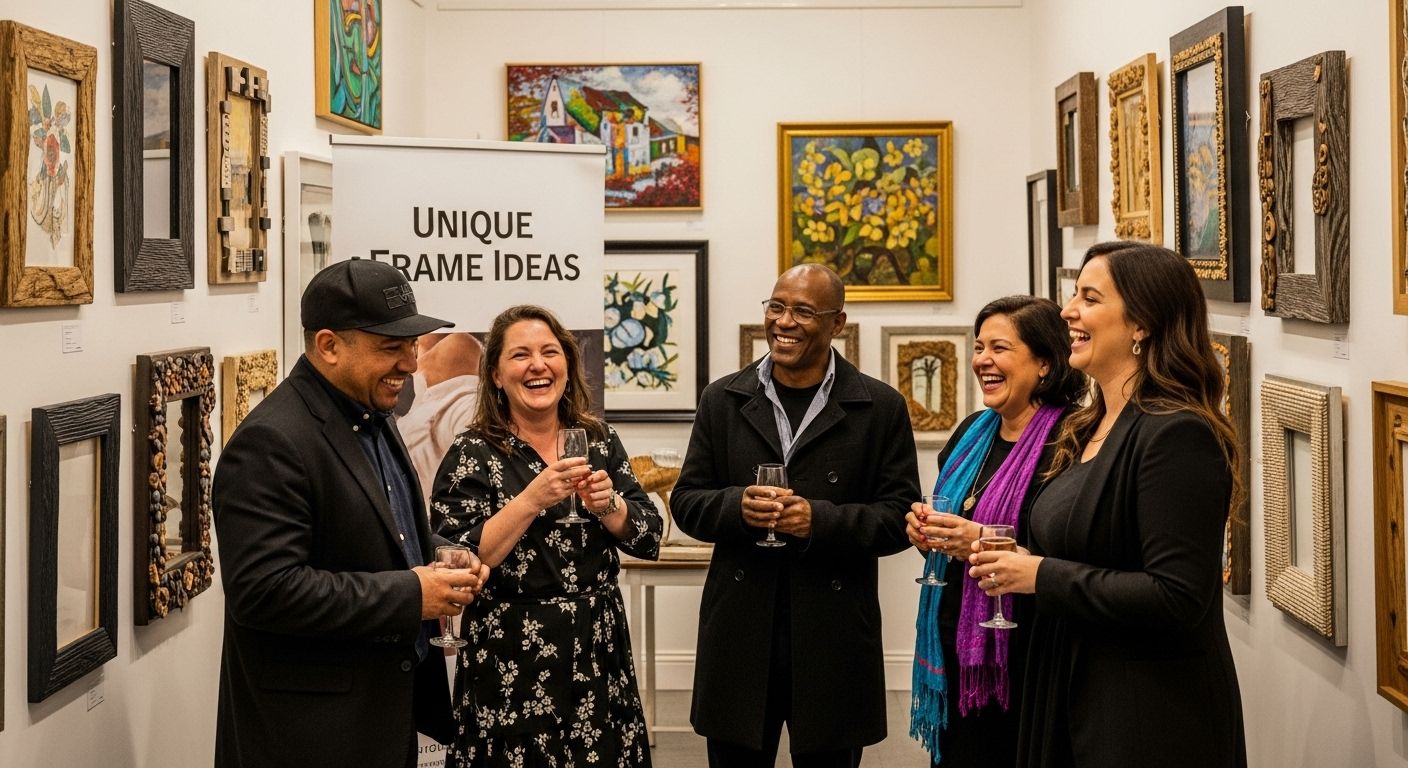
South African art collectors are changing the way local artworks are displayed and protected. You might expect most galleries to stick with classic gold leaf or ordinary wooden frames. But collectors are now shifting toward options like reclaimed wine barrel wood and compressed bamboo fibres that turn the frame itself into a bold piece of art. The freshest trend is not just about matching a painting to a wall. It is about using the frame to tell a deeper South African story that nobody else on earth could replicate.
Table of Contents
- Creative Framing Materials And Textures
- Showcasing Local South African Artworks
- Custom Framing For Modern Interiors
- Sustainable Framing Ideas For Eco-Friendly Homes
Quick Summary
| Takeaway | Explanation |
|---|---|
| Explore unique framing materials | Use indigenous woods or reclaimed materials to create distinctive frames that enhance your art’s emotional impact. |
| Incorporate textiles in framing | Integrate traditional South African textiles to add cultural significance and narrative depth to your frames. |
| Adopt sustainable framing practices | Choose recycled, biodegradable, or low-impact materials to present art while minimizing environmental impact. |
| Utilize innovative mounting techniques | Employ floating frames or acid-free materials to preserve artworks and enhance their visual presentation. |
| Create contextual exhibition spaces | Develop narrative-driven displays that educate viewers about the cultural and historical aspects of the artworks. |
Creative Framing Materials and Textures
Framing is more than just protecting artwork it is an artistic statement that can transform the visual and emotional impact of a piece. South African art collectors are increasingly exploring unique framing materials and textures that reflect both cultural heritage and contemporary design sensibilities.
Indigenous Materials and Textural Innovation
Traditional south-african framing approaches are being reimagined through innovative material selections. According to the Smithsonian Institution, contemporary framers are experimenting with unconventional materials that tell a richer narrative about the artwork. Locally sourced materials like indigenous wood species such as yellowwood, stinkwood, and mahogany provide organic textures that connect the frame directly to south-african natural environments.
Reclaimed wood from old buildings, wine barrel staves, or driftwood from coastal regions offer frames with inherent historical character. These materials bring unique grain patterns, weathered surfaces, and subtle color variations that make each frame a distinctive artistic element. The imperfections and natural variations become part of the artwork’s storytelling, creating a dialogue between the frame and the piece it encompasses.
Textile and Mixed Media Framing
Textile integration represents another exciting frontier in unique frame design. South African textile traditions offer rich possibilities for framing, incorporating elements like traditional Ndebele beadwork, Xhosa mohair weaves, or Basotho blanket textures into frame borders. These textile applications transform frames from mere boundaries into cultural artifacts that extend the artwork’s narrative.
Mixed media approaches allow collectors to combine materials like metal, wood, and fabric to create multi-dimensional frames. Copper wire embellishments, brass inlays, or woven grass elements can add tactile complexity to frame designs. These techniques not only enhance visual interest but also provide a more immersive viewing experience that speaks to south-african artistic diversity.
Contemporary Sustainable Framing Approaches
Sustainability is increasingly driving innovative framing choices among south-african art collectors. Recycled materials like industrial metals, repurposed architectural elements, and eco-friendly composites are being transformed into stunning frame designs. Conservation experts suggest that these approaches not only reduce environmental impact but also introduce unique textural qualities to art presentation.
Frames made from compressed agricultural waste, bamboo composites, or reclaimed industrial materials offer collectors opportunities to make environmentally conscious aesthetic choices. These materials provide unexpected textures and colors that can dramatically alter an artwork’s perceived context, turning the frame into a statement of both artistic and environmental commitment.
For south-african art collectors seeking to elevate their collection’s presentation, exploring these creative framing materials represents an exciting journey of artistic discovery. Each frame becomes more than a boundary it becomes an integral extension of the artwork’s emotional and cultural landscape.
To help readers understand the diverse and innovative materials being used for frames by South African art collectors, the table below compares key framing material options, their sources, and unique characteristics.
| Framing Material | Source/Example Uses | Unique Features |
|---|---|---|
| Indigenous Wood (yellowwood, stinkwood, mahogany) | Locally sourced; connects to South African environments | Organic textures, natural grain, regional character |
| Reclaimed Wood (wine barrel, old buildings) | Salvaged from buildings, wine barrels | Weathered surfaces, historical significance |
| Driftwood | Gathered from coastal regions | Unique shapes, natural weathering |
| Textile Integration (beadwork, mohair, blankets) | Traditional Ndebele, Xhosa, Basotho textiles | Adds cultural narrative, tactile dimension |
| Mixed Media (copper, brass, woven grass) | Combined wood, metal, and fabric | Multi-dimensional, visually and texturally rich |
| Recycled/Eco-Composites (bamboo, compressed fibres) | Agricultural waste, industrial materials | Eco-friendly, unexpected textures, sustainability |
Showcasing Local South African Artworks
Presenting south-african artworks requires thoughtful consideration beyond mere display techniques. The presentation of local art reflects not just aesthetic choices but cultural narrative and artistic integrity. Art collectors understand that how an artwork is showcased can profoundly impact its perceived value and emotional resonance.
Cultural Context and Presentation Strategies
Local south-african artworks demand presentation methods that honor their intrinsic cultural significance. Contemporary research from ResearchGate highlights the importance of framing and display techniques that communicate deeper narratives about south-african artistic traditions. These strategies go beyond visual appeal to create immersive experiences that connect viewers directly with the artwork’s historical and cultural context.
Museum-quality presentation techniques involve careful consideration of lighting, spatial arrangement, and complementary background colors that enhance the artwork’s inherent qualities. For instance, artworks depicting rural landscapes might benefit from earthy tone backgrounds that echo the natural environment, while urban-themed pieces could utilize more neutral, contemporary settings.
Mounting and Display Innovations
Innovative mounting techniques have emerged as powerful tools for south-african art collectors. Floating frame methods allow artworks to appear suspended, creating visual depth and drawing attention to the piece’s intricate details. This approach works particularly well with mixed media works or pieces that incorporate traditional south-african textile and craft elements.
Specialized conservation-grade mounting materials protect delicate artworks while maintaining their visual integrity. Acid-free mounting boards, UV-protective glass, and archival-quality adhesives ensure that fragile works remain preserved for future generations. These technical considerations are crucial for collectors who view art not just as decoration but as cultural heritage.

Contextual Exhibition Techniques
South African art collectors are increasingly adopting exhibition techniques that provide rich contextual storytelling. Learn more about curating south-african art collections through innovative display methods that go beyond traditional presentation. This might involve creating narrative spaces that connect individual artworks, using supplementary visual materials like historical photographs or artist statements to provide deeper understanding.
Multi-sensory exhibition approaches are gaining popularity. Some collectors incorporate subtle ambient sounds, carefully selected music, or even scent elements that complement the artwork’s thematic elements. These immersive strategies transform art viewing from a passive experience into an engaging, emotional journey that connects viewers more deeply with south-african artistic expressions.
The art of showcasing south-african artworks is a nuanced practice that balances technical preservation with creative presentation. Collectors who approach display as an extension of artistic storytelling create spaces that celebrate not just individual pieces but the rich cultural tapestry of south-african artistic heritage.
Custom Framing for Modern Interiors
Modern interior design demands more than traditional framing approaches. Custom framing has evolved from a simple protective mechanism to a sophisticated design element that bridges artistic expression and architectural aesthetics. South African art collectors are increasingly viewing frames as integral components of their interior design strategy.
Minimalist and Contemporary Frame Designs
According to design experts at ArchDaily, contemporary frames are transforming how art integrates with living spaces. Minimalist frame designs featuring slim metallic profiles, monochromatic finishes, and geometric silhouettes have become particularly popular in south-african modern interiors. These frames create visual continuity between artwork and surrounding architectural elements, allowing pieces to seamlessly blend with clean, contemporary spaces.
Black metal frames with ultra-thin edges provide a dramatic contrast against white walls, while brushed aluminium frames offer a sophisticated, understated elegance. The key is selecting frames that complement rather than compete with the artwork, creating a harmonious visual dialogue within the interior environment.
Integrated Design and Spatial Considerations
Custom framing for modern interiors requires a holistic approach that considers spatial dynamics, lighting conditions, and overall room aesthetics. Designers are moving beyond traditional rectangular formats, experimenting with asymmetrical frames, multi-panel configurations, and innovative mounting techniques that transform artwork presentation.
Frames can be designed to extend beyond traditional boundaries, incorporating architectural elements like built-in lighting, floating shelves, or integrated wall treatments. This approach turns artwork into a dimensional design feature that interacts dynamically with the surrounding space. For south-african collectors seeking comprehensive art display solutions, these innovative techniques offer unprecedented creative possibilities.
Material Innovation and Technological Integration
Technological advancements are revolutionizing custom framing for modern interiors. Smart frames with integrated digital displays, adjustable lighting, and even environmental sensors represent the cutting edge of art presentation. These frames can modify their appearance based on ambient conditions, allowing artworks to interact more dynamically with their surroundings.
Sustainable materials are also driving innovation in frame design. Recycled composites, responsibly sourced woods, and eco-friendly finishes appeal to environmentally conscious collectors. These materials not only reduce environmental impact but also introduce unique textures and visual characteristics that enhance the artwork’s presentation.
Custom framing for modern interiors is no longer about simply protecting and displaying art. It has become a sophisticated design language that communicates aesthetic sensibilities, personal stories, and architectural vision. South African art collectors are at the forefront of this transformative approach, treating frames as integral design elements that extend the emotional and visual narrative of their chosen artworks.
Sustainable Framing Ideas for Eco-Friendly Homes
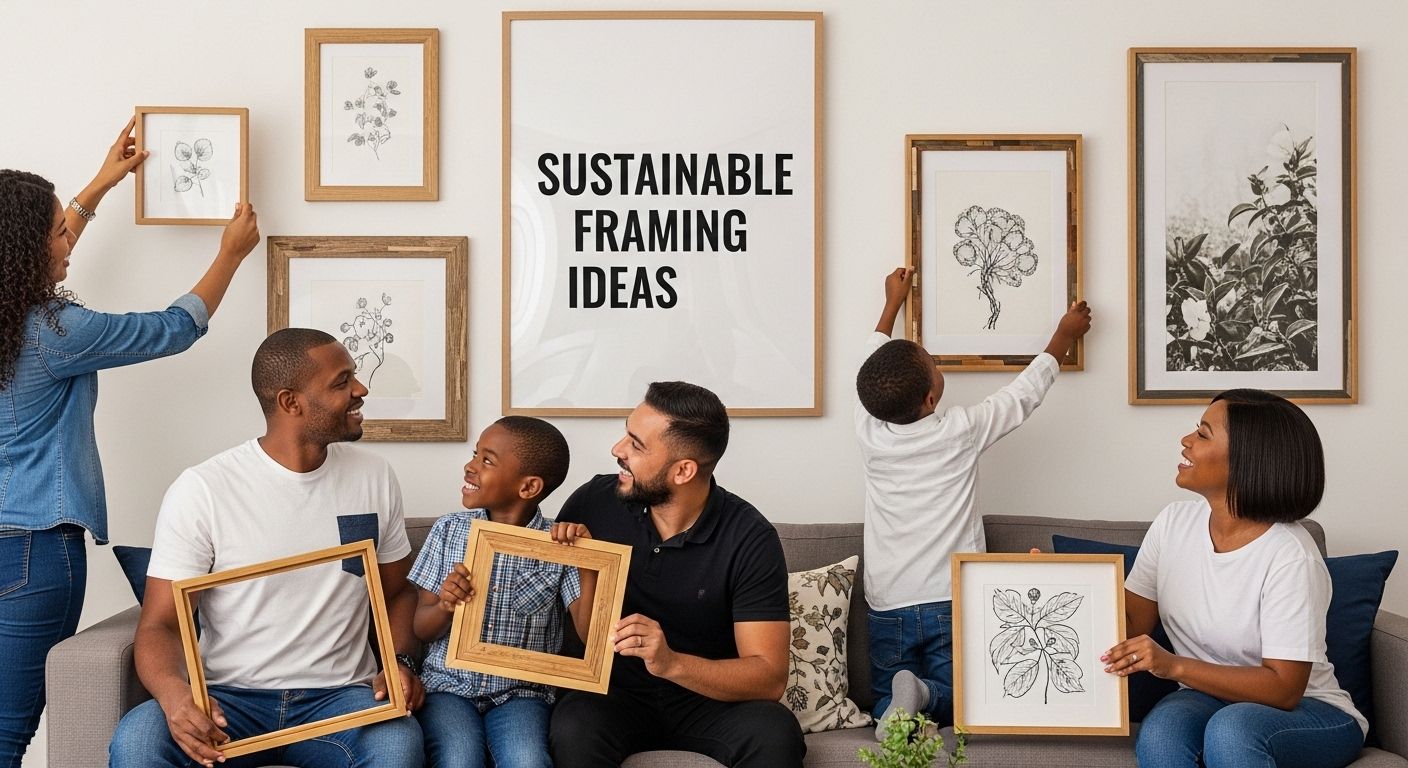
Sustainability has become a critical consideration for south-african art collectors who are increasingly prioritizing environmental consciousness in their design choices. Eco-friendly framing represents an innovative approach that combines artistic appreciation with responsible consumption, allowing collectors to showcase artwork while minimizing ecological impact.
Recycled and Reclaimed Material Innovations
According to the Smithsonian Magazine, contemporary art practices are embracing sustainable material solutions that transform waste into beautiful design elements. Reclaimed wood from old buildings, fallen trees, and industrial sites offers unique framing opportunities that each tell a distinct environmental story. These materials bring inherent character with weathered textures, varied grain patterns, and historical significance that standard manufactured frames cannot replicate.
Agricultural waste materials like compressed bamboo fibers, hemp composites, and cork provide additional sustainable framing alternatives. These materials not only reduce environmental impact but also introduce distinctive natural textures that complement south-african artistic traditions. Each frame becomes a statement of ecological responsibility and artistic innovation.
Biodegradable and Low-Impact Framing Technologies
Emerging framing technologies are pushing the boundaries of sustainable design. Bioplastic frames manufactured from organic compounds like corn starch or algae offer completely biodegradable alternatives to traditional petroleum-based materials. These innovative solutions provide art collectors with frames that can be responsibly disposed of or composted at the end of their lifecycle.
Low-impact manufacturing processes that minimize water consumption, reduce chemical treatments, and utilize renewable energy sources are becoming increasingly important. Collectors can now explore eco-conscious art display solutions that align with global sustainability standards while maintaining exceptional aesthetic quality.
Circular Economy and Artistic Preservation
The concept of a circular economy is transforming how south-african art collectors approach framing. Instead of treating frames as disposable accessories, designers are creating modular, adaptable frames that can be easily repaired, repurposed, or fully recycled. This approach extends the lifecycle of framing materials and reduces overall environmental waste.
Collaborations between artists, designers, and environmental scientists are generating innovative frame designs that serve multiple purposes. Some frames incorporate integrated planters, allowing artwork spaces to become living ecosystems. Others feature modular components that can be disassembled and reused in different configurations, promoting a more dynamic and sustainable approach to art presentation.
Sustainable framing is more than an aesthetic choice it represents a commitment to environmental stewardship and responsible consumption. South African art collectors who embrace these innovative approaches are not just preserving artwork they are contributing to a broader movement of ecological consciousness and creative innovation.
This table summarises eco-friendly framing options discussed in the article, highlighting the material used, its sustainable qualities, and the artistic effect it brings to South African art collections.
| Eco-Friendly Material | Sustainable Qualities | Artistic Effect |
|---|---|---|
| Reclaimed Wood | Reduces waste, reuses existing resources | Weathered textures, unique grain patterns |
| Compressed Bamboo & Hemp Fibres | Renewable, agricultural byproduct | Natural textures, lightweight |
| Cork | Rapidly renewable, biodegradable | Distinctive visual texture |
| Bioplastics (corn starch, algae) | Fully biodegradable, compostable | Clean finish, innovative material |
| Modular/Adaptable Frames | Designed for reuse or recycling, long lifespan | Dynamic displays, reduced waste |
| Integrated Planters | Encourages living ecosystems, reuse of frames | Combines art and greenery, eco-statement |
Frequently Asked Questions
What materials are recommended for framing South African art?
Using indigenous woods like yellowwood and stinkwood, as well as reclaimed materials like wine barrels and driftwood, can enhance the emotional impact of South African art.
How can textiles be integrated into framing designs for South African art?
Incorporating traditional South African textiles, such as Ndebele beadwork or Basotho blanket textures, can add cultural significance and depth to the artwork’s narrative when used in frame borders.
What are sustainable framing options for South African art collectors?
Eco-friendly options include frames made from recycled materials, biodegradable composites, and reclaimed wood, all of which help reduce environmental impact while preserving artistic integrity.
How do mounting techniques affect the presentation of South African artwork?
Innovative mounting techniques, such as using floating frames or acid-free materials, can enhance the visual presentation and protect the integrity of the artwork over time.
Transform Your Art Collection with Distinctive Framing Solutions
Are you struggling to find frames that do justice to your South African artworks? Many collectors worry that off-the-shelf frames flatten the meaning, ignoring local culture, unique textures, or sustainable materials. Our article explored real pain points like finding frames crafted from indigenous wood, infused with heritage textiles, or designed for environmental responsibility. When your art holds stories of place and identity, standard solutions usually fall short.

You deserve frames that honour the emotional and cultural power of your collection. Discover how you can elevate your collection with professional framing that reflects your personal style and South African heritage. Visit Art Online to explore an extensive selection of framed works directly from renowned South African artists. If you are looking for more guidance on choosing between canvas and framed options or want to see how framing transforms presentation, learn from our in-depth guide on canvas vs framed art in South Africa. Take the next step to turn your home or gallery into a space where every frame tells a richer story—browse and order today before these exclusive pieces are gone.
Recommended
- Famous South African Artists: 2025 Guide for Collectors & Decorators – Art-Online
- Black Artists in South Africa: Top Trends and Collectors’ Guide 2025 – Art-Online
- Canvas vs Framed Art: Guide for South African Collectors 2025 – Art-Online
- Top Art Festivals in South Africa 2025 for Collectors & Decorators – Art-Online
Canvas vs Framed Prints: Choosing the Right Art for 2025
– Exclusive Canvas Art