
Understanding Contemporary Art: Key Concepts Explained

Contemporary art is everywhere you look, turning blank walls and public spaces into playgrounds for fresh ideas. Most people think art stopped at pretty portraits or perfect landscapes, yet it now spans everything from digital installations to performance pieces, with some artists using VR and even AI to create their work. What’s wild is that these artists are less worried about beauty and much more interested in getting you to question everything you know about society, identity, and culture.
Table of Contents
- Defining Contemporary Art: What Is It And Its Scope?
- The Importance Of Contemporary Art: Why It Matters
- Key Movements And Styles In Contemporary Art
- How Contemporary Art Reflects Society And Culture
- The Role Of Art Collectors And Decorators In Contemporary Art
Quick Summary
| Takeaway | Explanation |
|---|---|
| Contemporary art is fluid and global. | This art form breaks traditional boundaries, incorporating diverse cultural perspectives and addressing complex societal themes. |
| Focus on conceptual meaning over aesthetics. | Contemporary artists prioritize ideas and messages rather than simply perfecting visual appearance, challenging viewers to think critically. |
| Acts as a tool for social commentary. | Artists use their work to address issues like identity inequality and human rights, provoking dialogue about societal challenges. |
| Encourages emotional and psychological engagement. | Contemporary art allows individuals to process feelings and fosters empathy by connecting with shared human experiences. |
| Collectors shape the contemporary art landscape. | Art collectors and decorators influence which artists gain recognition and help integrate art into broader cultural narratives. |
Defining Contemporary Art: What Is It and Its Scope?
Contemporary art represents a dynamic and complex realm of artistic expression that transcends traditional boundaries and challenges conventional understanding. Unlike historical art movements defined by specific aesthetic approaches, it is characterized by its fluid nature, global perspective, and commitment to exploring complex social, political, and personal narratives.
The Essence of Contemporary Art
At its core, it is understood as artwork produced in our present time, typically from the late 20th century onwards. Learn more about modern artistic movements reveals that this art form goes beyond mere visual representation. Contemporary artists engage with critical themes such as identity, globalization, technological advancement, and cultural transformation.
Key characteristics include:
- Interdisciplinary approach, blending multiple mediums and techniques
- Strong emphasis on conceptual meaning over aesthetic perfection
- Reflection of current societal challenges and personal experiences
- Engagement with diverse cultural perspectives
Global Context and Artistic Diversity
According to research from the Getty Education, contemporary art is not confined by geographical or cultural limitations. It represents a global conversation where artists from different backgrounds contribute unique perspectives, challenging traditional art world hierarchies.
It utilises an expansive range of media including traditional painting and sculpture, digital art, performance, installation, video, and interactive technologies. This diversity reflects the complex, interconnected nature of our modern world, where artistic expression serves as a powerful medium for understanding and critiquing social realities.
Understanding it requires an open mind and willingness to engage with challenging, sometimes uncomfortable narratives that push the boundaries of traditional artistic representation.
The Importance of Contemporary Art: Why It Matters
It serves as more than aesthetic expression—it functions as a critical lens through which societies examine, challenge, and understand complex human experiences. By transcending traditional artistic boundaries, it provides profound insights into cultural dynamics, social challenges, and individual perspectives.
Social Commentary and Cultural Reflection
Explore influential South African artists who demonstrate how contemporary art acts as a powerful tool for social discourse. Artists utilise their work to address critical issues such as identity, inequality, political transformation, and human rights. These creative expressions become visual narratives that document societal changes and provoke meaningful conversations about systemic challenges.
Key roles in social context include:
- Challenging established power structures
- Representing marginalized voices
- Encouraging critical thinking
- Promoting cross-cultural understanding
Psychological and Emotional Impact
According to research from the National Endowment for the Arts, arts engagement is directly linked to enhanced psychological well-being. Contemporary art offers emotional catharsis, allowing individuals to process complex feelings, experience empathy, and connect with broader human experiences through visual storytelling.
Moreover, it provides a unique platform for personal and collective healing. By representing diverse narratives and experiences, it creates spaces for dialogue, understanding, and emotional reconciliation. Artists transform personal and collective traumas into powerful visual statements that resonate across different communities and cultural backgrounds.
Ultimately, contemporary art matters because it serves as a dynamic, evolving language of human expression—challenging viewers to look beyond surface-level aesthetics and engage with deeper, more nuanced understanding of our shared human experience.
Key Movements and Styles in Contemporary Art
Contemporary art encompasses a rich tapestry of movements and styles that reflect the complexity of our global cultural landscape. These diverse approaches challenge traditional artistic conventions and offer innovative ways of understanding visual expression, technology, and human experience.
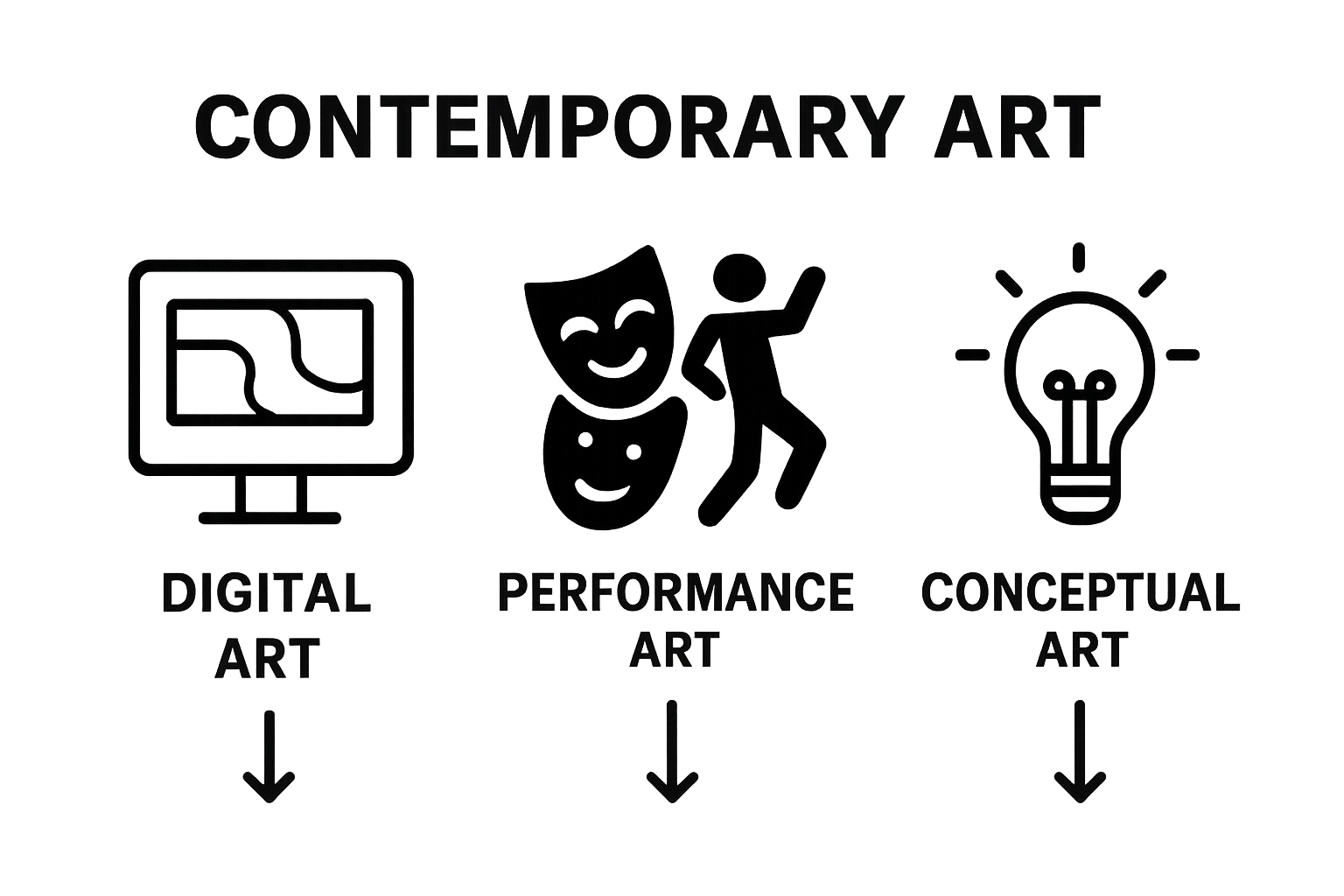
Digital and New Media Art
Discover emerging artistic techniques reveal how digital and new media art represent a groundbreaking approach to contemporary artistic practice. This movement leverages digital technologies, interactive platforms, and computational techniques to create immersive, dynamic artistic experiences that transcend traditional media boundaries.
Key characteristics of digital and new media art include:
- Integration of emerging technologies
- Interactive and participatory experiences
- Dynamic, often algorithmically generated content
- Exploration of virtual and augmented realities
Performance and Conceptual Art
According to research from the National Gallery of Art, conceptual art emerged as a transformative movement prioritizing ideas and intellectual engagement over traditional aesthetic considerations. Performance art extends this philosophy by using the human body and live actions as artistic mediums, challenging viewers to reconsider the boundaries between art, experience, and social commentary.
These movements fundamentally reimagine artistic creation by:
- Emphasising intellectual and philosophical concepts
- Challenging traditional art market structures
- Using the artist’s body and actions as primary artistic material
- Blurring lines between art performance and lived experience
Contemporary art movements demonstrate that artistic expression is no longer confined to static visual representations. Instead, they offer dynamic, interactive platforms for exploring complex human experiences, technological innovations, and social dynamics. By embracing diverse styles and approaches, contemporary artists continue to expand our understanding of creativity and communication.
To help you quickly compare two major contemporary art movements discussed, here is a table outlining their core characteristics and significance.
| Movement | Key Characteristics | Significance |
|---|---|---|
| Digital and New Media Art | Integration of technology, interactive/immersive experiences, algorithmic content, exploration of virtual/augmented realities | Showcases technological innovation in art; breaks traditional media boundaries |
| Performance and Conceptual Art | Focus on intellectual ideas over aesthetics, use of artist’s body/actions, challenges to art market, blurring life and art | Prioritises concepts and social commentary; transforms art into lived experience |
How Contemporary Art Reflects Society and Culture
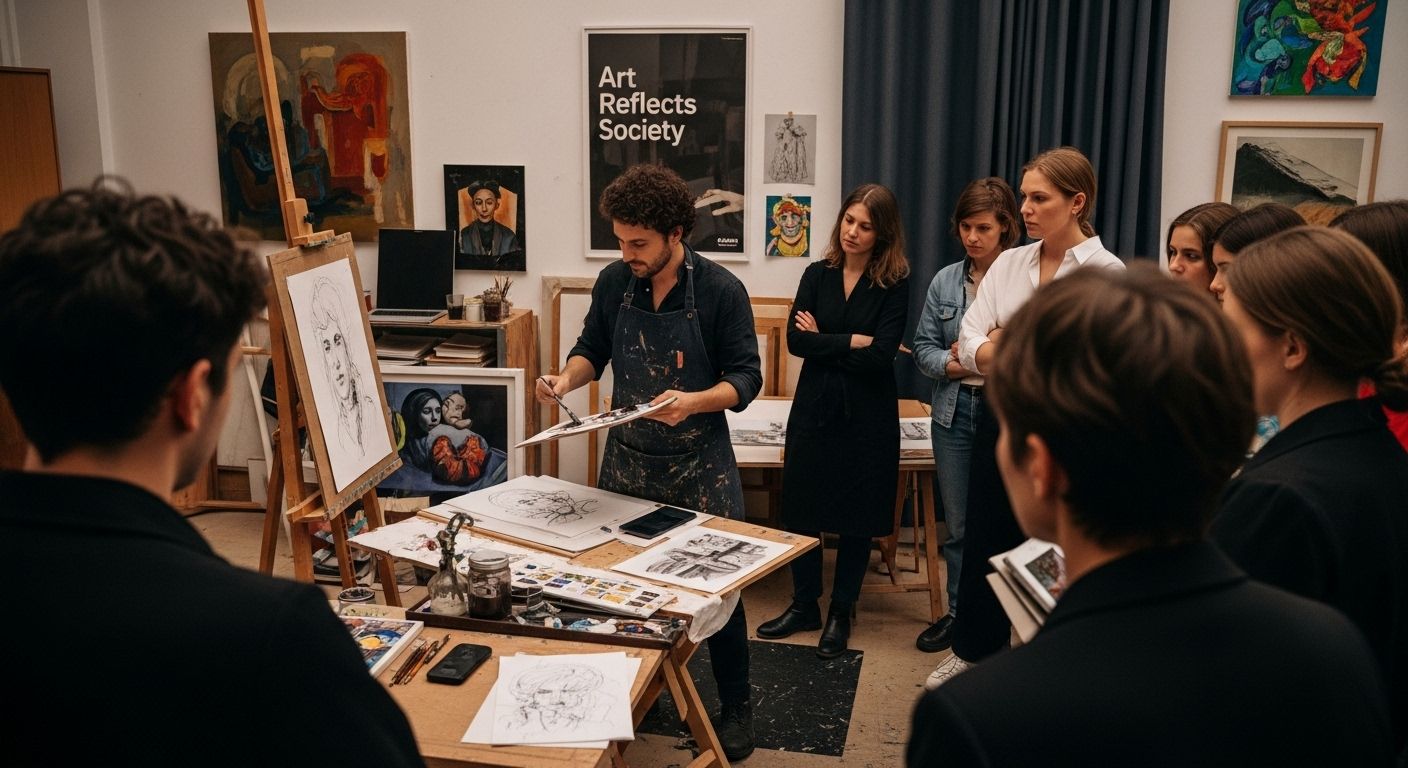
It functions as a powerful mirror, capturing and interrogating the complex dynamics of human experience, social structures, and cultural transformations. By transcending traditional aesthetic boundaries, artists create visual narratives that challenge, critique, and illuminate the intricate relationships between individual experiences and broader societal contexts.
Documenting Social Movements and Transformation
Explore contemporary artistic perspectives reveal how artists serve as critical documentarians of social change. Contemporary art becomes a potent medium for addressing systemic inequalities, political tensions, and collective struggles, providing nuanced insights into collective human experiences that traditional historical documents often overlook.
Keyways it reflects societal dynamics include:
- Amplifying marginalized voices
- Challenging dominant historical narratives
- Visualising complex social transformations
- Creating spaces for collective healing and understanding
Cultural Identity and Representation
According to research from the National Endowment for the Arts, contemporary art plays a crucial role in exploring and expressing cultural identities. Artists increasingly use their work to negotiate complex narratives of belonging, heritage, migration, and intercultural experiences.
Through diverse mediums, contemporary artists:
- Interrogate colonial histories
- Celebrate cultural diversity
- Challenge stereotypical representations
- Create dialogues across cultural boundaries
Contemporary art transcends mere aesthetic expression, functioning as a dynamic form of social commentary. By presenting alternative perspectives, challenging established narratives, and creating immersive experiences, artists invite audiences to critically engage with the complex, multifaceted nature of human society and cultural experience.
Below is a table that summarises ways in which contemporary art reflects and shapes society and cultural identity in South Africa and beyond.
| Aspect | How Contemporary Art Contributes |
|---|---|
| Documenting Social Movements | Visualises societal change, amplifies marginalised voices, challenges history |
| Addressing Systemic Inequality | Provides critique of inequality, promotes collective healing and awareness |
| Exploring Cultural Identity | Interrogates heritage, represents migration, celebrates diversity |
| Promoting Cross-Cultural Dialogue | Creates conversations across boundaries, challenges stereotypes |
| Creating Space for Emotional Healing | Represents personal and collective trauma, fosters understanding |
The Role of Art Collectors and Decorators in Contemporary Art
Art collectors and decorators play a pivotal role in shaping the contemporary art landscape, functioning not merely as passive consumers but as active participants in cultural discourse and artistic preservation. Their engagement transforms it from a purely creative expression into a dynamic ecosystem of cultural exchange and aesthetic interpretation.
Cultural Gatekeepers and Market Influencers
Discover art world dynamics reveal how collectors and decorators serve as critical intermediaries between artists and broader audiences. By selecting, acquiring, and displaying artworks, they determine which artistic voices gain visibility, financial support, and long-term cultural significance.
Key contributions of art collectors include:
- Providing financial support for emerging artists
- Preserving cultural and artistic heritage
- Creating platforms for innovative artistic expressions
- Establishing artistic and market trends
Curating Aesthetic and Intellectual Experiences
According to research from the Smithsonian American Art Museum, collectors are not passive acquirers but active interpreters who contribute to the narrative and understanding of contemporary art. Decorators, similarly, transform spaces by strategically integrating artworks that communicate complex cultural and personal narratives.
Their sophisticated approaches involve:
- Contextualizing artworks within broader cultural conversations
- Creating immersive aesthetic environments
- Bridging artistic innovation with spatial design
- Promoting dialogue between art and architectural spaces
Contemporary art collectors and decorators are more than traditional purchasers or interior designers. They are cultural architects who actively participate in creating meaningful artistic dialogues, supporting creative ecosystems, and translating complex artistic expressions into tangible, accessible experiences that enrich our collective cultural understanding.
Discover Contemporary Art Where It Comes Alive in South Africa
Are you inspired by the vibrant ideas and diverse expressions found in contemporary art but struggling to find authentic artworks that reflect these very concepts? Many South Africans want to support artists who tackle powerful themes like identity, social change, and cultural heritage, yet finding a trusted source that represents genuine talent and groundbreaking styles is a real challenge.

Experience the impact of contemporary creativity directly from South Africa’s best artists on Art Online. Our online collection brings to life the narratives and innovative movements discussed in “Understanding Contemporary Art: Key Concepts Explained.” Every artwork tells a story, offering you a chance to connect with the voices shaping today’s art scene. Visit Art Online now to immerse yourself in a curated selection and bring a piece of this dynamic conversation into your home. The latest original works from renowned and emerging talents are waiting for you—explore them before they are gone.
Frequently Asked Questions
What defines contemporary art?
Contemporary art refers to artwork produced in the present time, particularly from the late 20th century onwards, characterized by its interdisciplinary approach, conceptual emphasis, and reflection of current societal challenges and personal experiences.
How does contemporary art reflect societal issues?
Contemporary art serves as a powerful medium for social commentary, addressing critical issues such as identity, inequality, and political transformation, allowing for visual narratives that document societal changes and provoke meaningful conversations around these topics.
What are some common styles in contemporary art?
Common styles in contemporary art include digital and new media art, performance art, and conceptual art. Each of these styles incorporates innovative techniques and approaches that challenge traditional artistic conventions and encourage engagement with complex human experiences.
Why is contemporary art considered important?
Contemporary art is important because it provides profound insights into cultural dynamics, social challenges, and individual perspectives. It serves as a dynamic language of human expression, inviting viewers to engage with deeper narratives that reflect our shared human experience.
Recommended
- Famous South African Artists: 2025 Guide for Collectors & Decorators – Art-Online
- What Is Still Life? Guide for South African Collectors 2025 – Art-Online
- Black Artists in South Africa: Top Trends and Collectors’ Guide 2025 – Art-Online
- Public Art in South Africa: Inspiring Collectors and Decorators 2025 – Art-Online