
Famous South African Artists: 2025 Guide for Collectors & Decorators

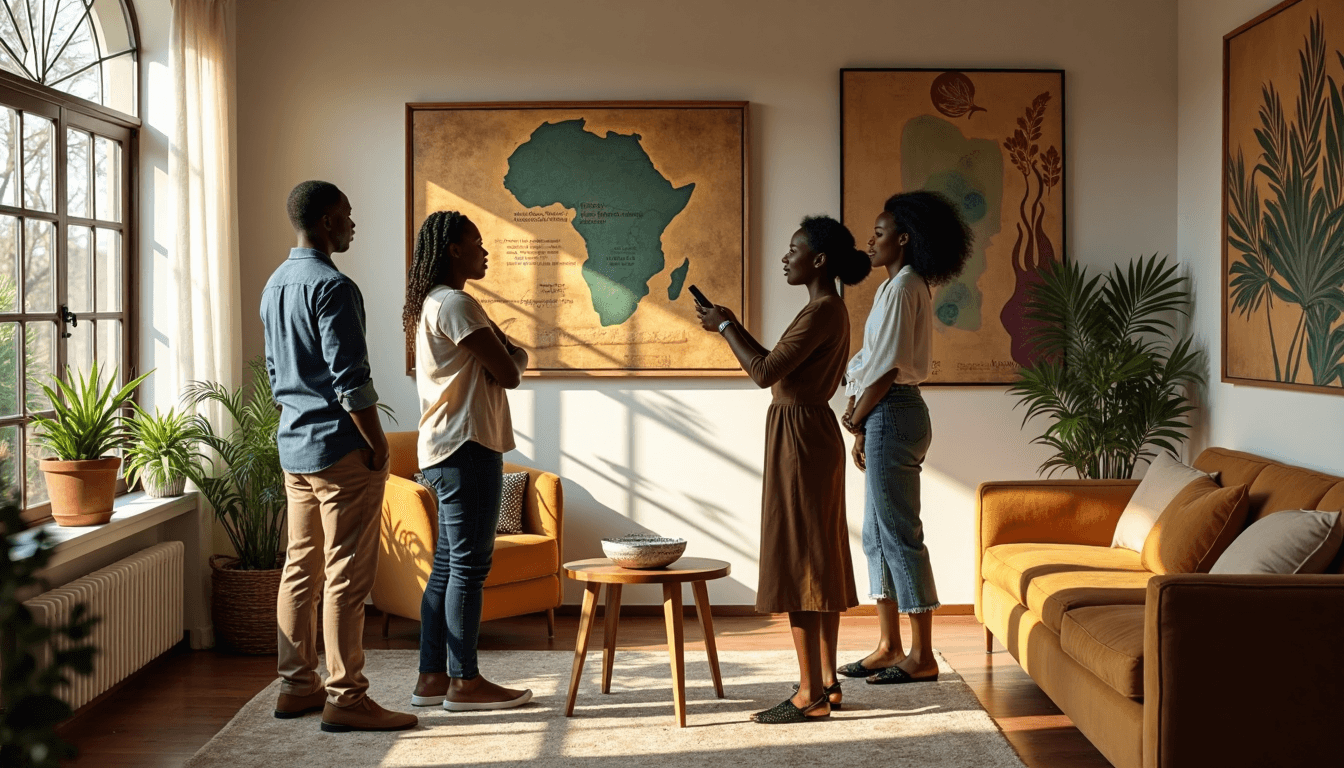
South African art is far more than just a splash of colour on a wall. Get this. The Wits Art Museum houses over 12,000 pieces, making it the largest collection of African art in southern Africa. Yet you might think all this art is locked away in galleries, out of reach of daily life. Actually, it is transforming homes, shaping national conversation and connecting people to deep stories every day. Expect a guide that flips ordinary decorating on its head and shows how famous South African artists are reshaping both collections and interiors.
Table of Contents
- Celebrated South African Artists To Know
- Art Styles And Signature Works Explained
- Collecting And Displaying African Art Locally
- Tips For Using Art In South African Interiors
Quick Summary
| Takeaway | Explanation |
|---|---|
| Emphasize Cultural Authenticity | Choose artworks that genuinely reflect cultural origins and tell stories, moving beyond mere decoration to connect with historical traditions. |
| Explore Diverse Art Styles | Familiarize yourself with various South African art styles, from traditional Ndebele designs to contemporary mixed-media works, to appreciate their complex narratives and meanings. |
| Engage with Local Art Institutions | Utilize resources like the Zeitz Museum and Wits Art Museum to gain insights into the local art scene and the cultural context of potential acquisitions. |
| Prioritize Spatial Harmony | Integrate art into interiors by selecting materials and design elements that complement the artwork, enhancing the overall narrative and cultural connection of the space. |
| Invest in Artist Narratives | When building a collection, consider the broader cultural narratives represented by each artist, focusing on works that resonate with significant social and historical themes. |
Celebrated South African Artists to Know
South African art represents a profound narrative of cultural expression, resilience, and transformative storytelling. These artists transcend traditional boundaries, creating works that capture the complex social and emotional landscapes of their nation.
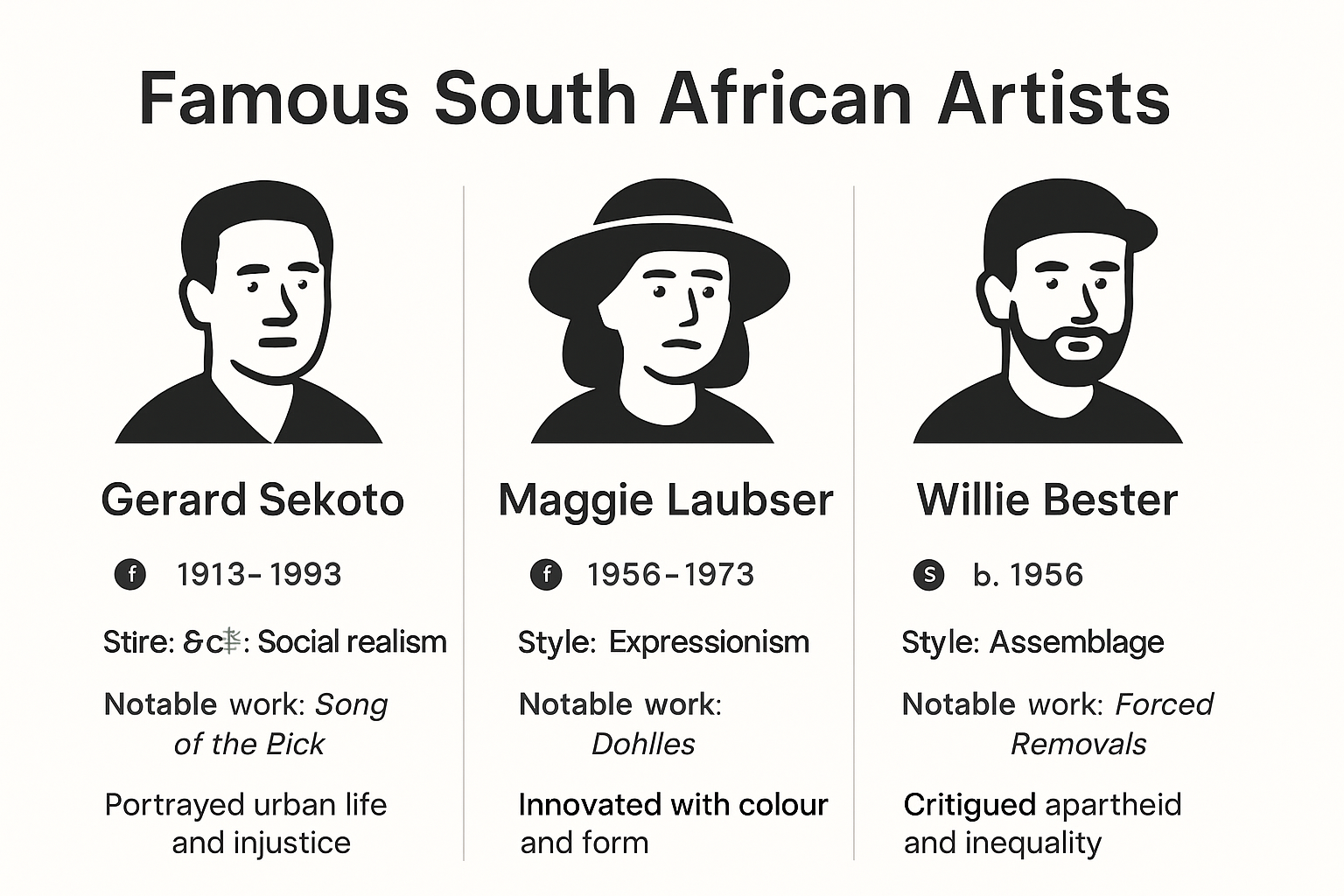
To help readers quickly understand the impact and key achievements of the most celebrated South African artists mentioned, here’s a summary table highlighting their art forms, thematic focus, and significant global milestones.
| Artist | Art Form | Thematic Focus | Notable Achievement/Recognition |
|---|---|---|---|
| Zanele Muholi | Photography | Black LGBTQ+ visibility, social activism | Redefined contemporary photography; major international exhibitions |
| Willie Bester | Mixed-media | Anti-apartheid critique, life in townships | Won French Prix de l’Aigle (1992); global recognition for originality |
| Esther Mahlangu | Ndebele painting | Traditional Ndebele culture, geometric design innovation | First non-Western artist to paint a BMW Art Car (1991); brought Ndebele art worldwide |
Pioneering Visual Storytellers
Some of the most remarkable famous South African artists have emerged as powerful voices of social commentary and cultural preservation. Zanele Muholi, a groundbreaking visual activist, has revolutionized contemporary photography by documenting the lives and experiences of Black LGBTQ+ individuals. Their work goes beyond mere documentation, challenging societal norms and creating visibility for marginalized communities.
Willie Bester stands as another extraordinary example of artistic resistance. Born in 1956, Bester creates mixed-media artworks that provide searing critiques of apartheid and social injustices. His technique of utilizing found objects to depict life in South African townships represents a powerful form of artistic rebellion. In 1992, Bester received international recognition with the French Prix de l’Aigle for his most original work, highlighting the global significance of his artistic vision.
Cultural Heritage and Contemporary Innovation
The artistic landscape of South Africa is remarkably diverse, with artists like Esther Mahlangu bridging traditional cultural practices with contemporary artistic expression. Mahlangu, born in 1935, is celebrated for transforming traditional Ndebele mural art into a globally recognized art form. Her most iconic achievement came in 1991 when she became the first woman and first non-Western artist to create a BMW Art Car, painting a BMW 525i with intricate Ndebele geometric patterns.
These artists represent more than individual creative achievements. They embody the resilience, complexity, and profound artistic spirit of South Africa. Their works are not just visual representations but powerful narratives that speak to historical struggles, cultural identity, and ongoing social transformations.
For art collectors and interior decorators, understanding these artists means recognising pieces that are not merely decorative but carry deep cultural significance. Each artwork tells a story of resistance, hope, and the incredible human capacity to create beauty even in challenging circumstances.
The diversity of these artists demonstrates that famous South African artists cannot be confined to a single style or approach. From photography that challenges societal norms to mixed-media works that critique historical injustices, these creators represent a vibrant, dynamic artistic ecosystem that continues to evolve and inspire global audiences.
Collectors seeking to invest in meaningful art will find these artists offer not just aesthetic value but profound cultural narratives. Their works are windows into the soul of South Africa – complex, nuanced, and endlessly fascinating.
Art Styles and Signature Works Explained
South African art represents an extraordinary tapestry of cultural expression, where traditional techniques merge seamlessly with contemporary perspectives. Each artistic style tells a unique story of heritage, struggle, and creative innovation.
To simplify the understanding of the key traditional and modern South African art styles described, here is a comparative table outlining their defining features and examples.
| Art Style | Key Features | Representative Artists | Signature Subjects/Mediums |
|---|---|---|---|
| Litema (Sotho mural art) | Intricate geometric patterns, symbolic meanings | – | Painted/engraved walls, motifs linked to nature |
| Ndebele art | Bold geometric patterns, use of vivid colours | Esther Mahlangu | Mural art, geometric patterns, painted objects |
| Modernist Landscape Painting | Simplified landscape forms, geometric composition | J.H. Pierneef | South African terrain, stylized highveld scenes |
| Contemporary Mixed-Media | Social commentary, use of found objects & new media | Willie Bester | Assemblages, township life, political critique |
| Documentary Photography | Visual activism, challenging social norms | Zanele Muholi | Portraits, LGBTQ+ experience, civil rights |
Traditional Cultural Art Forms
Traditional South African art forms offer profound insights into indigenous artistic practices. Litema, a traditional Sotho mural art, exemplifies this rich cultural heritage. These intricate geometric patterns are not merely decorative but carry deep symbolic meanings. Artists meticulously engrave or paint designs that mimic ploughed fields and plant life, reflecting the community’s profound connection to agricultural landscapes.
Ndebele art, popularized by artists like Esther Mahlangu, represents another remarkable cultural art form. Characterized by bold, geometric patterns traditionally used to decorate homesteads, this style has evolved from architectural decoration to a globally recognized art movement. Mahlangu’s transformative work demonstrates how traditional techniques can be adapted to contemporary mediums, from canvas to automobile design.
Modern Interpretative Landscapes
Landscape painting in South Africa has its own distinctive character, often reflecting the country’s diverse and dramatic terrain. J.H. Pierneef, a seminal figure in South African art, developed a unique approach to depicting natural environments. His signature style simplifies landscape forms into geometric structures, presenting the South African highveld as a harmonious, almost architectural composition. These works go beyond mere representation, offering a stylized interpretation that emphasizes order and geometric precision.
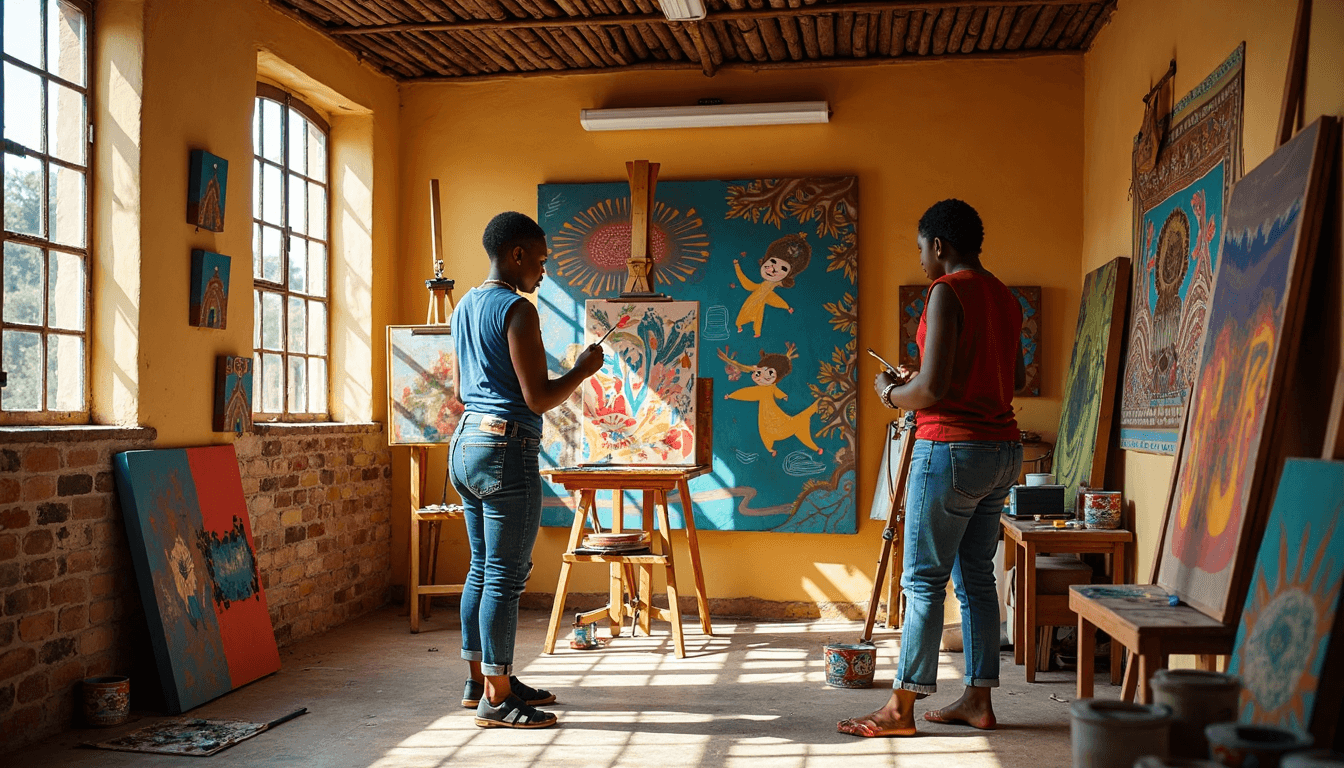
Contemporary South African artists continue to push these boundaries, incorporating elements of social commentary, personal narrative, and global artistic trends. Their works often explore themes of identity, transformation, and cultural resilience. By exploring modern painting techniques, collectors can appreciate the nuanced layers of meaning embedded in these artistic expressions.
The diversity of art styles reflects South Africa’s complex social history. From traditional mural designs that communicate community stories to modernist interpretations of natural landscapes, these artistic approaches provide windows into the nation’s soul. Each brushstroke, pattern, and composition carries layers of meaning – historical struggles, cultural pride, and ongoing social dialogues.
For art collectors and interior decorators, understanding these styles means more than aesthetic appreciation. It represents an opportunity to engage with profound cultural narratives. A single artwork can communicate volumes about South African experiences, making these pieces not just decorative elements but powerful storytelling instruments.
Whether you are drawn to the geometric precision of Pierneef’s landscapes, the vibrant cultural expressions of Ndebele art, or the symbolic complexity of Litema murals, South African art offers an unparalleled artistic journey. These styles demonstrate that art is never just about visual pleasure – it is a dynamic, living conversation about identity, history, and human experience.
Collecting and Displaying African Art Locally
Building a meaningful collection of African art requires more than financial investment – it demands cultural understanding, strategic research, and a nuanced appreciation of artistic heritage. For collectors and interior decorators, navigating the local art landscape offers unique opportunities to engage with powerful narratives and exceptional creativity.
Understanding Local Art Institutions
South Africa boasts world-class art institutions that serve as critical resources for collectors. The Zeitz Museum of Contemporary Art Africa in Cape Town represents a pivotal landmark for contemporary African art. Established in 2017, it is the largest museum dedicated to contemporary African art and its diaspora, providing invaluable insights into current artistic trends and emerging talents.
The Wits Art Museum further demonstrates the depth of local artistic collections. Housing over 12,000 items, it stands as the most significant collection of African arts in southern Africa. These institutions not only preserve artistic heritage but also offer collectors critical context about the provenance and significance of potential acquisitions.
Strategic Collection Development
Successful art collecting requires a strategic approach. The University of Cape Town’s Works of Art Collection provides an excellent model. Their curatorial strategy focuses on addressing historical gaps by actively acquiring works from black South African and African artists, particularly emphasizing women artists who have been historically underrepresented.
Collectors should consider similar principles when developing their collections. This means looking beyond aesthetic appeal and understanding the broader cultural narrative each artwork represents. Exploring the cultural foundations of South African creativity can guide more meaningful acquisition strategies.
When displaying African art, context is paramount. Interior decorators and collectors should consider creating spaces that honor the artwork’s cultural origins. This might involve understanding the historical context of specific art styles, the artist’s background, and the social narratives embedded within each piece.
Practical considerations are equally important. Proper preservation techniques, appropriate lighting, and thoughtful placement can transform an art collection from a mere assemblage of objects to a powerful storytelling environment. Consider consulting local conservationists and art historians who can provide expert guidance on maintaining and presenting African artworks.
The local art market offers remarkable diversity. From traditional craftworks to contemporary mixed-media installations, collectors can find pieces that range from affordable to high-end investments. Attending local art fairs, visiting galleries, and engaging with artist communities can provide invaluable insights and networking opportunities.
Ultimately, collecting African art is about building connections – with artists, with cultural histories, and with the profound stories that each artwork carries. It is an ongoing dialogue between collector, artist, and the rich, complex narrative of African artistic expression. Whether you are a seasoned collector or a newcomer to the art world, approaching African art with respect, curiosity, and genuine appreciation will always yield the most meaningful collections.
Tips for Using Art in South African Interiors
Designing interior spaces with South African art transforms rooms from mere living areas into powerful cultural narratives. These design strategies go beyond aesthetic considerations, offering profound connections to heritage, creativity, and social storytelling.
Cultural Authenticity in Design
Incorporating traditional African art into modern interiors requires thoughtful approach. Research from architectural studies suggests that authentic representation matters deeply. This means selecting artworks that genuinely reflect cultural origins rather than superficial decorative elements.
When selecting pieces, prioritize works that tell stories. A Ndebele geometric painting or a Zulu beadwork piece does more than decorate a wall – it communicates generations of artistic tradition. Collectors should seek pieces that resonate with personal or familial connections to South African artistic heritage.
Spatial Harmony and Material Selection
Material selection plays a crucial role in creating cohesive South African interior designs. Exploring the cultural foundations of creativity reveals how natural materials like wood, clay, and stone can create profound spatial connections. These materials not only complement artistic pieces but also reflect South Africa’s diverse ecological landscapes.
Consider displaying art against textured walls that echo traditional building techniques. Rough-plastered surfaces or exposed brick can provide magnificent backdrops for contemporary and traditional artworks. The interplay between artwork and architectural elements creates a rich, narratively dense environment.
Lighting becomes another critical design element when showcasing South African art. Soft, warm lighting that mimics natural sunlight can enhance the depth and texture of paintings, sculptures, and mixed-media pieces. Strategic placement near windows or using adjustable track lighting allows collectors to dramatically transform how artworks are perceived throughout the day.
The government’s cultural policy emphasizes that integrating local art and craftsmanship into interior spaces supports not just aesthetic goals but also preserves cultural traditions and stimulates the local economy. This means every artwork selection becomes an act of cultural preservation and economic support.
For interior decorators, creating a balanced display involves understanding scale, color, and thematic connections. A large Pierneef landscape might anchor a living room, while smaller pieces by contemporary artists create visual dialogues across the space. Group artworks with similar color palettes or thematic connections to create cohesive visual narratives.
Remember that South African art is not static. Contemporary pieces by artists like Zanele Muholi or Willie Bester can provocatively challenge traditional design expectations. These works invite conversation, making interior spaces dynamic platforms for cultural expression.
Ultimately, using art in South African interiors is about creating spaces that breathe with cultural memory, personal history, and contemporary creativity. Each artwork becomes more than a decorative element – it is a storyteller, a conversation starter, a piece of living heritage carefully curated within your personal environment.
Frequently Asked Questions
What are some famous South African artists to know?
Prominent South African artists include Zanele Muholi, known for their photography advocating for Black LGBTQ+ visibility; Willie Bester, recognized for his mixed-media works critiquing apartheid; and Esther Mahlangu, celebrated for transforming traditional Ndebele art into contemporary contexts.
How can I start collecting South African art?
Begin by understanding the local art landscape through museums like the Zeitz Museum of Contemporary Art Africa and Wits Art Museum. Attend local art fairs, engage with artists, and prioritize works that resonate with cultural narratives and personal connections.
What types of art styles are prevalent in South African art?
South African art features various styles, including traditional forms like Litema and Ndebele art, as well as modern styles such as contemporary mixed-media and landscape painting. Each style carries its own unique cultural significance and storytelling.
How can I use South African art in my interior design?
Incorporating South African art into interiors involves prioritizing cultural authenticity, selecting meaningful artworks, and ensuring spatial harmony with the selected materials and colors. Consider the context and narrative each piece brings to your space.
Transform Your Space With Authentic South African Art
Tired of searching for art that truly speaks to your heritage and reflects the powerful stories behind every piece? The article highlighted how South African art connects deep cultural roots with bold contemporary voices. Many collectors and decorators struggle to find original works that go beyond decoration and carry a genuine narrative of identity, struggle and beauty. If you want to bring that same depth into your own space, look no further.

Art Online opens the door to a curated selection of South Africa’s most celebrated artists. Discover works by icons like Esther Mahlangu, Willie Bester and new trailblazers whose pieces bring living history into any home or office. Whether you are building a meaningful collection or searching for the centrepiece that gives your interior true South African soul, everything you need is at your fingertips. Visit Art Online today and explore the largest online gallery dedicated only to South African artistry. Find your next original and experience the impact of real stories on your walls. The best time to invest in authentic art is now while these incredible pieces are available.