
Black Artists in South Africa: Top Trends and Collectors’ Guide 2025
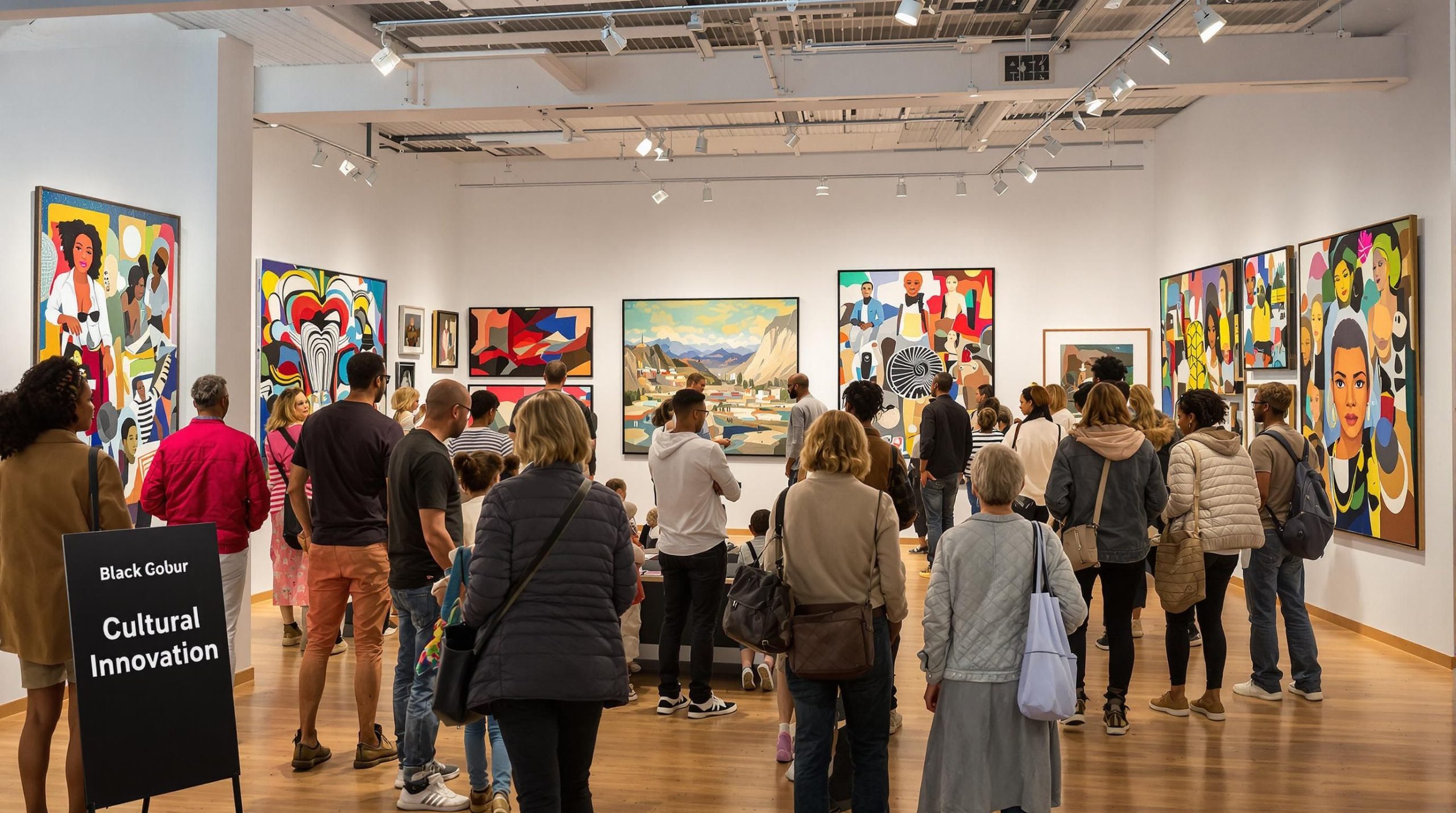
South African Black artists are making waves like never before, shifting both local and global perceptions of what art can be. Just think, sales of contemporary African art surged by 46 percent between 2013 and 2023 and the demand still keeps climbing. Yet, it is not just about investment numbers or headlines. The real story is how these artists use their work as a bold response to social issues, blending heritage with innovation in ways that surprise even seasoned collectors and designers.
Table of Contents
- Influential Black Artists In South Africa
- Emerging Trends In South African Black Art
- Collecting South African Black Art: Tips And Resources
- Incorporating Local Art Into Interior Spaces
Quick Summary
| Takeaway | Explanation |
|---|---|
| Support Black Artists Through Collection | Invest in the works of influential Black South African artists to enrich your collection and preserve cultural narratives. |
| Embrace Intersectional Identity in Art | Look for artworks that explore the complexities of identity and social commentary, reflecting diverse perspectives in society. |
| Utilize Technology for Global Engagement | Leverage digital platforms to discover new artists and participate in the evolving global conversation around Black art. |
| Understand Art’s Cultural Context | Research the cultural significance and history behind each artwork to appreciate its deeper meaning and relevance. |
| Create Cultural Narratives in Design | Curate art in interior spaces that communicate impactful stories, elevating the dialogue between art and environment. |
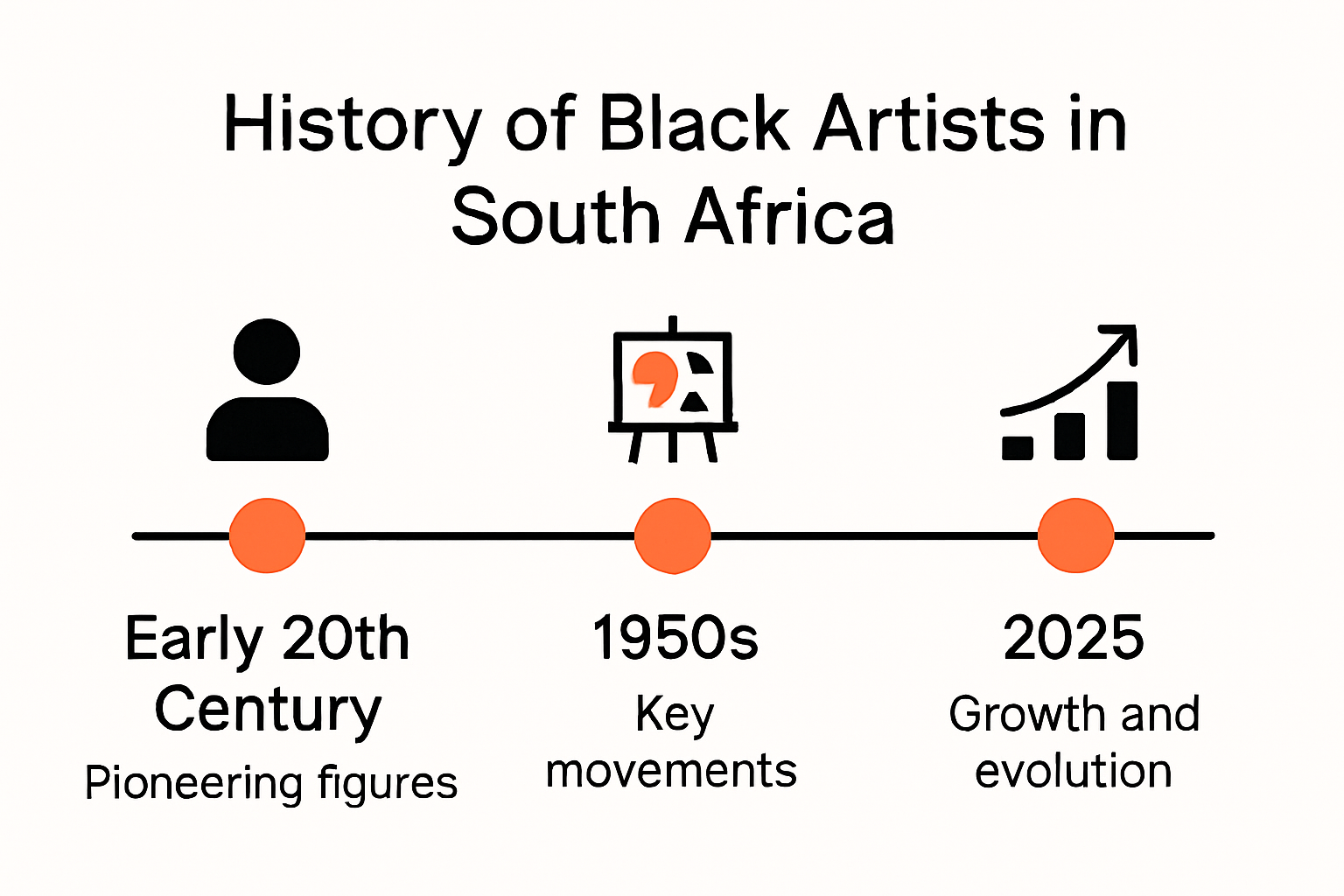
Influential Black Artists in South Africa
South African art has been profoundly shaped by extraordinary Black artists who have transformed visual narratives and challenged historical oppression through their creative expressions. These artists not only capture the complex social landscapes of their time but also redefine artistic representation and cultural identity.
Pioneers of Visual Resistance
Zanele Muholi stands at the forefront of visual activism, challenging societal norms through powerful photographic documentation. According to Time Magazine, Muholi has spent nearly two decades documenting the lives of Black LGBTQIA+ individuals in South African townships, creating an essential visual archive that resists marginalization. Their work transcends traditional photography, serving as a critical form of social documentation and resistance.
Dumile Feni represents another pivotal figure in south-african art history. Known for his profound drawings and sculptures, Feni’s work eloquently communicated the brutal realities of apartheid. His artistic legacy demonstrates how Black artists transformed personal suffering into powerful artistic statements that challenged systemic oppression.
Contemporary Artistic Innovators
Esther Mahlangu exemplifies the continuation of cultural artistic traditions while simultaneously pushing contemporary boundaries. As reported by Associated Press, her work not only preserves Ndebele cultural painting techniques but also transforms them into globally recognized art forms. Her internationally commissioned BMW artwork represents a remarkable intersection of traditional craft and modern artistic expression.
These artists share a common thread: their ability to use art as a medium for social commentary, cultural preservation, and personal empowerment. They challenge viewers to reconsider established narratives about identity, struggle, and resilience. Their work goes beyond aesthetic appreciation, serving as powerful historical documents that capture the nuanced experiences of Black south-africans during and after apartheid.
The diversity of their artistic approaches underscores the richness of Black artistic expression in South Africa. From Muholi’s photographic activism to Mahlangu’s traditional painting techniques, these artists demonstrate that art is never just about visual representation but about telling stories that have been historically silenced.
Collectors and art enthusiasts recognize the profound significance of these artists. Their works are not merely decorative pieces but critical cultural artifacts that document social transformation, challenge historical narratives, and celebrate the complexity of Black south-african experiences.
As we move into 2025, the legacy of these influential Black artists continues to inspire new generations of creatives who understand art’s potential as a transformative social tool. Their contributions ensure that south-african art remains a dynamic, evolving expression of cultural identity and resistance.
To provide a concise overview, the following table highlights key influential Black South African artists and their notable contributions:
| Artist | Art Form | Notable Contribution |
|---|---|---|
| Zanele Muholi | Photography | Visual activism, LGBTQIA+ documentation, social resistance |
| Dumile Feni | Drawing, Sculpture | Expressing realities of apartheid, resistance through art |
| Esther Mahlangu | Painting | Preserving Ndebele tradition, innovating global commissions |
| Mary Sibande | Sculpture, Visual Art | Exploring identity and postcolonial narratives |
| iQhiya Collective | Mixed Media | Collaborative practice, amplifying marginalised voices |
Emerging Trends in South African Black Art
The contemporary south-african art scene is experiencing a dynamic transformation, with Black artists pushing boundaries and redefining artistic expression through innovative approaches that challenge traditional narratives and institutional constraints.
Collective Movements and Collaborative Strategies
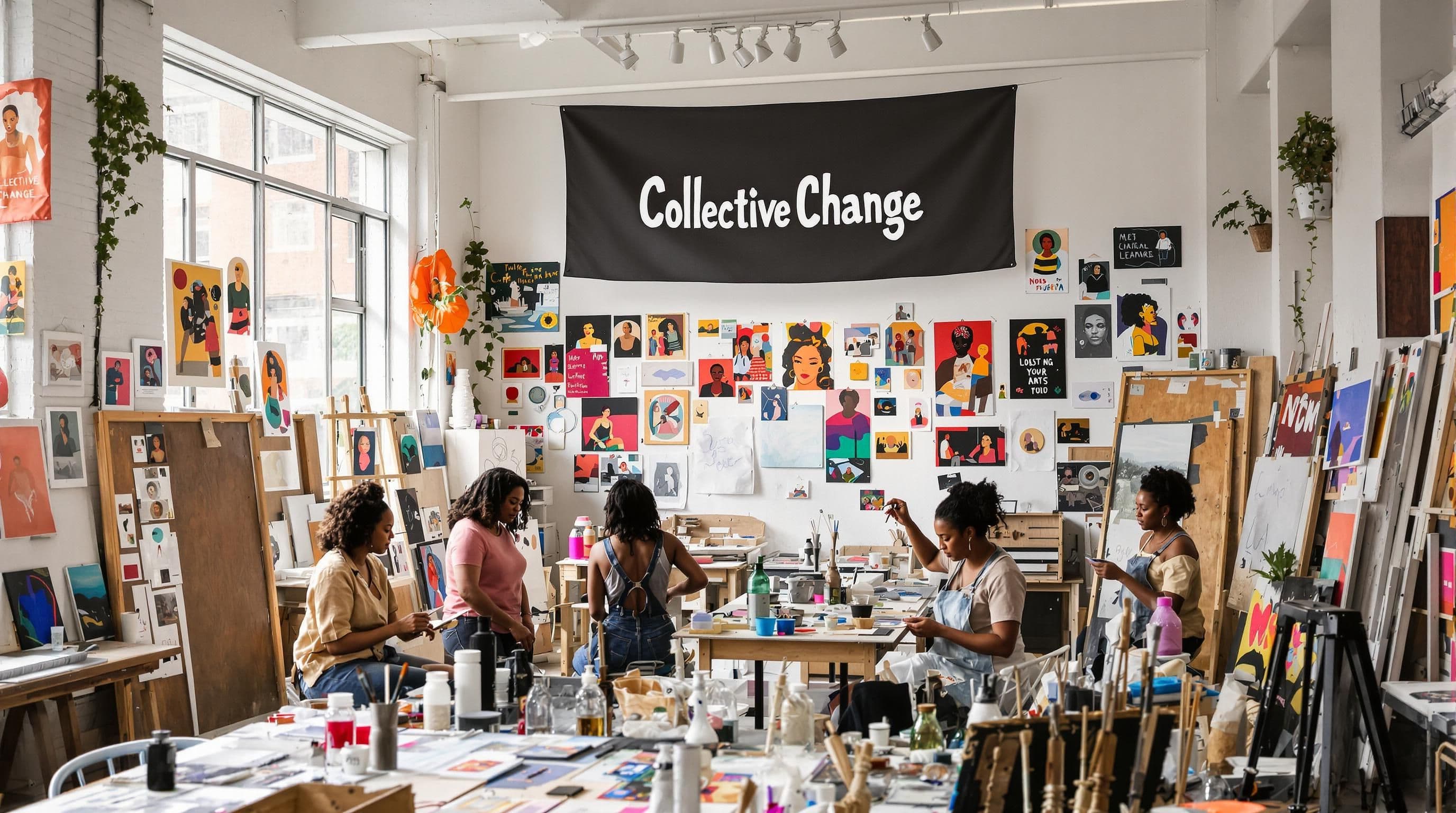
The iQhiya Collective, formed in 2015, represents a powerful emerging trend of collaborative artistic engagement. This network of young Black women artists demonstrates a strategic approach to art-making that transcends individual practice. By working across disciplines including performance art, video, photography, and sculpture, they create collaborative platforms that amplify marginalized voices and contest institutional barriers.
These collective strategies signify more than artistic collaboration. They represent a deliberate political and social intervention, challenging systemic exclusions within the art world. By creating safe spaces for shared conceptual exploration, these collectives redefine how art is created, perceived, and valued.
Intersectional Identity and Visual Activism
Contemporary Black south-african artists are increasingly employing intersectional approaches that explore complex identities. As documented by research, artists like Mary Sibande create profound visual narratives that critique stereotypical representations and explore postcolonial experiences. Her work exemplifies how south-african artists use visual art as a powerful medium for social commentary and personal storytelling.
Zanele Muholi’s groundbreaking photographic series ‘Somnyama Ngonyama’ further illustrates this trend. Through provocative self-portraits, Muholi challenges oppressive beauty standards and reimagines Black identity. Their work demonstrates how contemporary Black artists are using visual mediums to reclaim narrative agency and challenge historical misrepresentations.
Technological Integration and Global Dialogue
Emerging trends also reveal significant technological integration in artistic practices. Digital platforms, social media, and global connectivity are enabling south-african Black artists to reach international audiences, share their narratives, and participate in global conversations about identity, representation, and social justice.
This technological engagement allows for unprecedented artistic dialogue, breaking down geographical and institutional barriers. Artists can now showcase their work, connect with global audiences, and participate in international artistic discourse with unprecedented ease and immediacy.
The emerging trends in south-african Black art are characterized by collective resistance, intersectional storytelling, and technological empowerment. These artists are not merely creating art but constructing powerful narratives of identity, resilience, and transformation.
Collectors and art enthusiasts are increasingly recognizing the profound significance of these emerging artistic practices. The works emerging from this new generation of Black south-african artists are more than aesthetic objects. They are complex cultural artifacts that document social experiences, challenge historical narratives, and imagine alternative futures.
As we move towards 2025, these trends suggest a vibrant, dynamic future for south-african art. The continuous evolution of artistic expression promises ongoing innovation, critical engagement, and powerful storytelling that centers Black experiences and perspectives.
Collecting South African Black Art: Tips and Resources
Collecting Black south-african art requires nuanced understanding, strategic approach, and deep respect for the cultural significance embedded within each artwork. As the art market evolves, collectors must develop sophisticated strategies that go beyond mere aesthetic appreciation.
Understanding Artwork Provenance and Cultural Context
According to Iziko Museums, understanding the cultural context is fundamental when collecting African art. Their extensive collection of approximately 3,000 works demonstrates the importance of comprehending the historical and social narratives behind each piece. Collectors should invest time in researching the artist’s background, the artwork’s historical context, and the specific cultural traditions that influence its creation.
When evaluating potential acquisitions, consider more than visual appeal. Examine the artwork’s documentation, artist’s reputation, exhibition history, and potential future value. Authenticity certificates, provenance records, and documentation from reputable institutions can significantly enhance an artwork’s collectibility and investment potential.
Strategic Acquisition and Market Insights
The Northeast Louisiana Delta African-American Heritage Museum recommends building relationships within the art community as a critical strategy for collectors. This involves engaging with Black-owned galleries, attending exhibitions, and connecting with artists and fellow collectors.
Develop a comprehensive understanding of the south-african art market by:
- Attending art fairs and exhibitions specializing in contemporary Black art
- Following emerging artists and their career trajectories
- Understanding pricing trends and market dynamics
- Networking with curators, gallery owners, and established collectors
Institutional Resources and Educational Approaches
The Wits Art Museum offers valuable insights into collecting south-african art through their comprehensive collections. Their approach emphasizes the importance of continuous learning and engagement with institutional archives and exhibitions.
Collectors should leverage institutional resources such as:
- Museum archives and collection catalogs
- Academic publications on south-african art history
- Curator-led talks and artist conversations
- Online databases and research platforms
Effective collecting is not merely about acquisition but about creating a meaningful dialogue with artistic heritage. Each artwork represents a complex narrative of cultural expression, historical struggle, and creative resilience.
As the south-african art market continues to evolve, collectors must remain adaptable, informed, and committed to supporting and understanding Black artistic expression. The most successful collectors approach their collection as an ongoing conversation with artists, their communities, and the broader cultural landscape.
By 2025, the landscape of Black south-african art collecting will likely become increasingly sophisticated, with greater emphasis on digital platforms, global connectivity, and nuanced understanding of artistic contexts. Collectors who invest in education, build genuine relationships, and approach their acquisitions with respect and curiosity will be best positioned to build meaningful and valuable collections.
To summarise key actions for aspiring and established collectors, the following table organises practical tips and resources mentioned in this section:
| Step or Resource | Purpose / Benefit |
|---|---|
| Research artist background and cultural context | Appreciate artwork’s deeper meaning and relevance |
| Review provenance and authenticity documentation | Ensure value, authenticity, and future collectibility |
| Engage with Black-owned galleries and exhibitions | Build relationships and support local art communities |
| Attend art fairs and follow emerging artists | Identify trends and future investment opportunities |
| Utilise museum archives and academic publications | Gain institutional knowledge and historical context |
| Attend curator talks and artist events | Deepen understanding through expert perspectives |
| Monitor pricing trends and network with collectors | Make informed market decisions and acquisitions |
Incorporating Local Art into Interior Spaces
Incorporating Black south-african art into interior spaces transcends mere decoration. It represents a profound cultural dialogue that transforms living environments into meaningful narratives of identity, resistance, and artistic expression.
Cultural Storytelling through Art Placement
According to Financial Times, African modernist artists are experiencing unprecedented global recognition. This shift provides interior designers and homeowners with opportunities to curate spaces that celebrate south-african artistic heritage. Strategic art placement can create powerful visual narratives that honor cultural complexity and artistic innovation.
When selecting artworks, consider pieces that communicate more than aesthetic appeal. Look for works that represent different artistic movements, generational perspectives, and regional diversity. A carefully curated collection can transform a room from a simple living space into a dynamic cultural statement.
Market Trends and Investment Considerations
As reported by Insurance Chat, the African art market has seen remarkable growth. Sales surged by 46% between 2013 and 2023, with contemporary African art emerging as a lucrative investment opportunity. This trend suggests that incorporating local art is not just an aesthetic choice but a potentially valuable financial decision.
Consider these strategies when integrating south-african art into interior spaces:
- Mix different mediums like paintings, sculptures, and textile art
- Create focal points that draw attention to specific pieces
- Balance contemporary and traditional artistic styles
- Consider lighting that enhances artwork presentation
Design Philosophy and Authenticity
From Gauteng News, the concept of Afrothencity emphasizes celebrating authentic African identity through design. This philosophy extends beyond fashion into interior spaces, encouraging designers and homeowners to use indigenous materials, traditional craftsmanship, and storytelling elements.
Authentic incorporation means more than hanging an artwork. It involves understanding the context, respecting the artist’s narrative, and creating an environment that allows the art to breathe and communicate. Consider complementary design elements like traditional textiles, handcrafted furniture, or color palettes inspired by south-african landscapes.
Successful art integration requires thoughtful curation. Each artwork should feel intentionally placed, creating conversations between different pieces and the surrounding environment. Consider the emotional and cultural resonance of each piece, not just its visual compatibility.
By 2025, interior design is increasingly about creating spaces that tell stories. Black south-african art offers a rich, complex narrative of resilience, creativity, and cultural transformation. Whether in residential spaces, corporate environments, or public institutions, these artworks serve as powerful cultural ambassadors.
For collectors and design enthusiasts, incorporating south-african art is an opportunity to support living artists, preserve cultural heritage, and create spaces that are simultaneously beautiful, meaningful, and transformative. The most compelling interiors are those that invite dialogue, challenge perspectives, and celebrate the profound depth of south-african artistic expression.
Frequently Asked Questions
What are the key trends among Black artists in South Africa for 2025?
Emerging trends include collective movements that challenge mainstream narratives, intersectional identity exploration, and the integration of technology to facilitate global dialogue.
Who are some influential Black artists in South Africa?
Notable Black artists include Zanele Muholi, known for their visual activism in photography; Dumile Feni, recognized for depicting apartheid realities; Esther Mahlangu, who merges traditional Ndebele techniques with contemporary art; and Mary Sibande, who explores identity and postcolonial themes through sculpture.
How can I effectively collect South African Black art?
Successful collecting involves understanding artwork provenance, building relationships within the art community, attending galleries and exhibitions, and staying informed on market trends and artists’ trajectories.
What is the significance of incorporating Black South African art into interior spaces?
Integrating Black South African art into interiors enhances cultural storytelling, creates meaningful visual narratives, and can also serve as a valuable investment as the contemporary African art market continues to grow.
Bring the Story of Black South African Art to Your Space
For many collectors and design lovers, the biggest challenge is finding authentic works by influential Black artists that truly reflect the heritage, innovation, and bold narratives discussed in our guide. Perhaps you have been searching for meaningful pieces that add both cultural value and investment strength to your collection or interiors. Maybe you want to support living artists and become part of the growing movement of empowered collecting.

Now is the perfect time to take action. With Art Online, South Africa’s largest online art gallery, you can access a curated selection of works from some of the country’s most renowned Black artists and exciting contemporary voices. Discover how easy it is to build a collection that combines authentic storytelling, strategic investment, and visual impact. Visit Art Online today to experience the next generation of South African art for yourself. Start your journey and let each piece become a lasting testament to identity, resilience, and transformation.