
Significance of Art
Art has shaped cultures for thousands of years and stretches far beyond something beautiful to hang on a wall. Most people see a painting or sculpture and think of it as just decoration but that barely scratches the surface. The real story is this: artworks can capture and preserve entire histories and values that would otherwise be lost forever and in South Africa you can see how these visual stories have helped communities make sense of identity and keep their memories alive.
Table of Contents
- What Is The Cultural Significance Of Art?
- Why Does Art Hold Cultural Significance?
- How Art Reflects And Shapes Cultural Identity
- Art’s Role In Social And Political Movements
- The Impact Of Art On Personal And Communal Experiences
Quick Summary
| Takeaway | Explanation |
|---|---|
| Art preserves cultural memory. | Art functions as a historical archive, capturing narratives and documenting social transformations across time. |
| Art challenges societal norms. | Artists provoke dialogue by exposing inequalities, encouraging audiences to question cultural assumptions and power structures. |
| Art facilitates personal and communal healing. | Through emotional expression and shared experiences, art fosters connections and promotes mental well-being within communities. |
| Art reflects and shapes identity. | Artistic expressions capture and communicate unique cultural characteristics, reinforcing a sense of belonging and understanding of communal history. |
| Art acts as a tool for social change. | Artistic works amplify marginalized voices and provide critical commentary on systemic injustices, fostering social awareness and transformation. |
What is the Cultural Significance of Art?
Art serves as a profound medium of human expression, transcending mere visual representation to become a powerful vehicle for cultural communication, historical documentation, and social understanding. The cultural significance of art extends far beyond aesthetic appreciation, representing a complex language through which societies communicate their deepest values, struggles, and collective experiences.
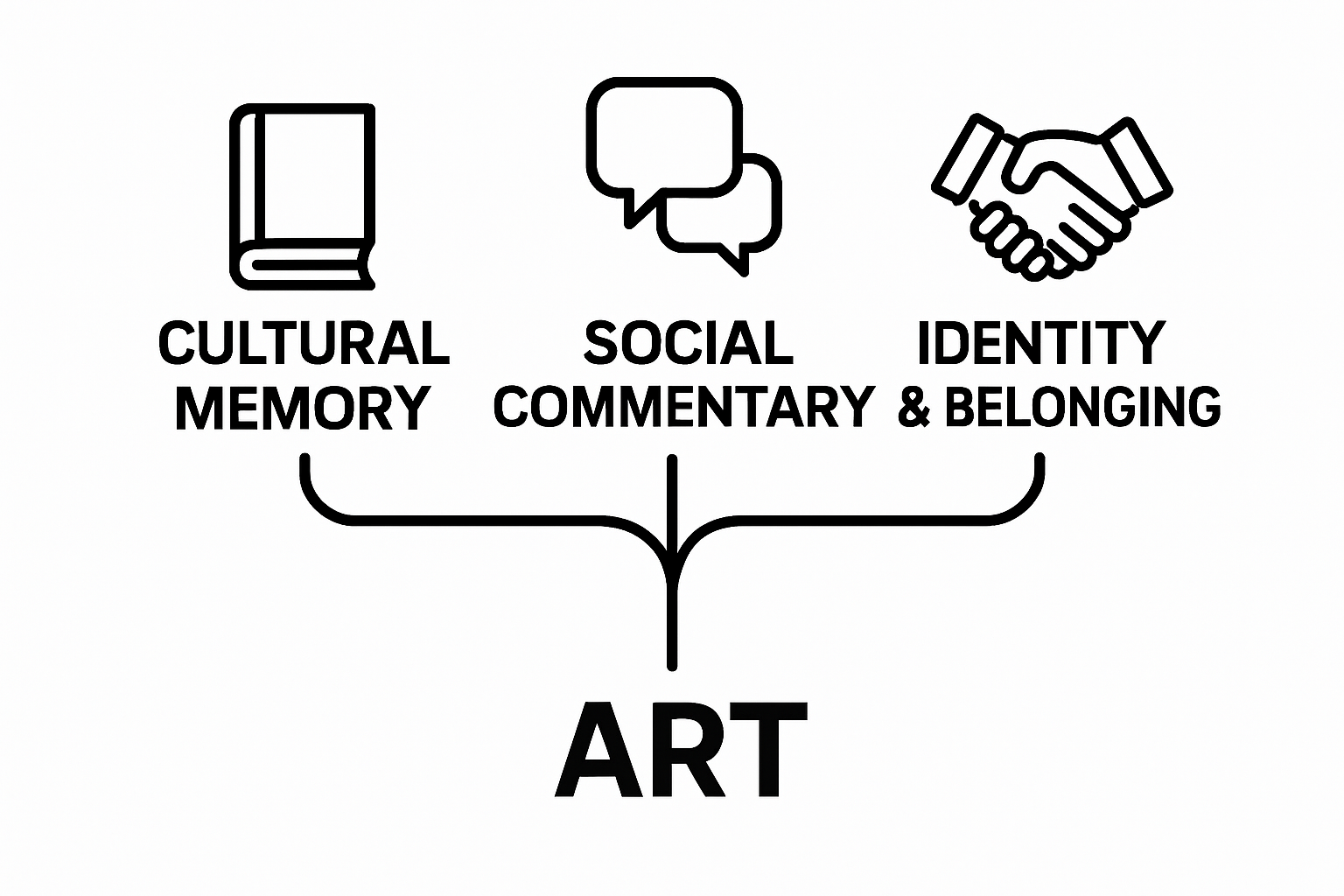
Art as Cultural Memory
Every artwork tells a story deeper than its visual elements. Art captures the essence of human experiences, preserving cultural narratives that might otherwise be lost to time. From prehistoric rock paintings to contemporary installations, artworks function as historical archives, documenting social transformations, political movements, and individual human perspectives. Our guide on South African artists provides insight into how local artists have used their craft to chronicle societal changes.
Key aspects of art as cultural memory include:
- Documenting historical events and social movements
- Preserving traditional knowledge and practices
- Representing collective cultural identities
- Transmitting intergenerational experiences
Art as Social Commentary
Artists function as society’s critical observers, using their work to challenge existing norms, expose inequalities, and provoke meaningful dialogue. Through visual narratives, art can communicate complex social issues more powerfully than written or spoken words. By presenting alternative perspectives, artists encourage viewers to question established systems, cultural assumptions, and power structures.
According to research from the South African National Gallery, art plays a crucial role in national identity formation, helping communities understand their shared history and diverse cultural experiences. Whether through painting, sculpture, or performance, artists create platforms for social reflection and transformation.
By interpreting cultural significance, art becomes more than a decorative object. It emerges as a dynamic, living testament to human creativity, resilience, and collective imagination, bridging individual experiences with broader societal narratives.
To enhance understanding, the table below compares how art functions as both cultural memory and social commentary, summarising their purposes, focus areas, and roles within society.
| Function of Art | Primary Purpose | Focus Areas | Role in Society |
|---|---|---|---|
| Cultural Memory | Preserve historical and cultural narratives | Documenting events, traditions, identity | Serves as a historical archive |
| Social Commentary | Challenge norms and provoke dialogue | Inequality, power structures, assumptions | Fosters critical reflection and change |
Why Does Art Hold Cultural Significance?
Art represents a profound mechanism through which societies communicate, understand, and preserve their complex human experiences. Far more than aesthetic objects, artworks function as powerful conduits of collective memory, emotional expression, and cultural identity, allowing communities to articulate their deepest narratives and transformative journeys.
Identity and Belonging
Art serves as a critical tool for defining and reinforcing cultural identity. Through visual representations, artistic works capture the unique characteristics, values, and experiences of specific communities. Paintings, sculptures, and installations become tangible expressions of shared heritage, allowing individuals to connect with their roots and understand their collective history. Learn more about tribal art trends to explore how traditional artistic expressions communicate cultural identity.
Key dimensions of art’s role in identity formation include:
- Representing communal experiences
- Symbolizing cultural traditions
- Preserving historical narratives
- Reflecting social transformations
Emotional and Psychological Significance
Beyond historical documentation, art provides a profound emotional outlet for individual and collective experiences. Artists translate complex emotions, societal challenges, and personal struggles into visual languages that transcend verbal communication. According to research from the South African National Gallery, art enables communities to process trauma, celebrate resilience, and imagine alternative social realities.
Art acts as a therapeutic and reflective medium, allowing societies to:
- Explore unspoken emotional landscapes
- Challenge existing social narratives
- Create spaces for empathy and understanding
- Facilitate dialogue about complex human experiences
By presenting alternative perspectives and emotional depths, art becomes a transformative force that connects individuals, challenges perceptions, and ultimately contributes to broader social understanding and human connection.
How Art Reflects and Shapes Cultural Identity
Art serves as a dynamic mirror and catalyst for cultural identity, representing a powerful mechanism through which communities articulate, negotiate, and transform their collective understanding of themselves. It goes beyond simple representation, functioning as an active agent in constructing and reimagining cultural narratives, social experiences, and collective memory.
Representation and Narrative Construction
Visual art provides a unique platform for communities to tell their stories, document their experiences, and challenge dominant historical narratives. Artists become storytellers who translate complex social realities into visual languages that communicate deeper truths about cultural existence. Explore our blog for insights into artistic storytelling and understand how creative expressions capture nuanced cultural experiences.
Key ways art represents cultural identity include:
- Documenting historical experiences
- Challenging oppressive narratives
- Celebrating community resilience
- Preserving traditional knowledge systems
Symbolic Language and Cultural Memory
Artworks function as symbolic repositories of cultural memory, encoding intricate layers of meaning that extend beyond visual aesthetics. Symbols, motifs, and visual metaphors embedded in art communicate profound cultural insights, transmitting generational knowledge and preserving collective experiences. According to research from The Conversation, artistic expressions are critical mechanisms through which communities understand and negotiate their evolving identities.
Art’s role in cultural memory preservation involves:
- Translating unspoken collective experiences
- Creating visual archives of social transformations
- Connecting past traditions with contemporary realities
- Facilitating intergenerational dialogue
By creating visual narratives that reflect complex cultural landscapes, art becomes more than an aesthetic object.
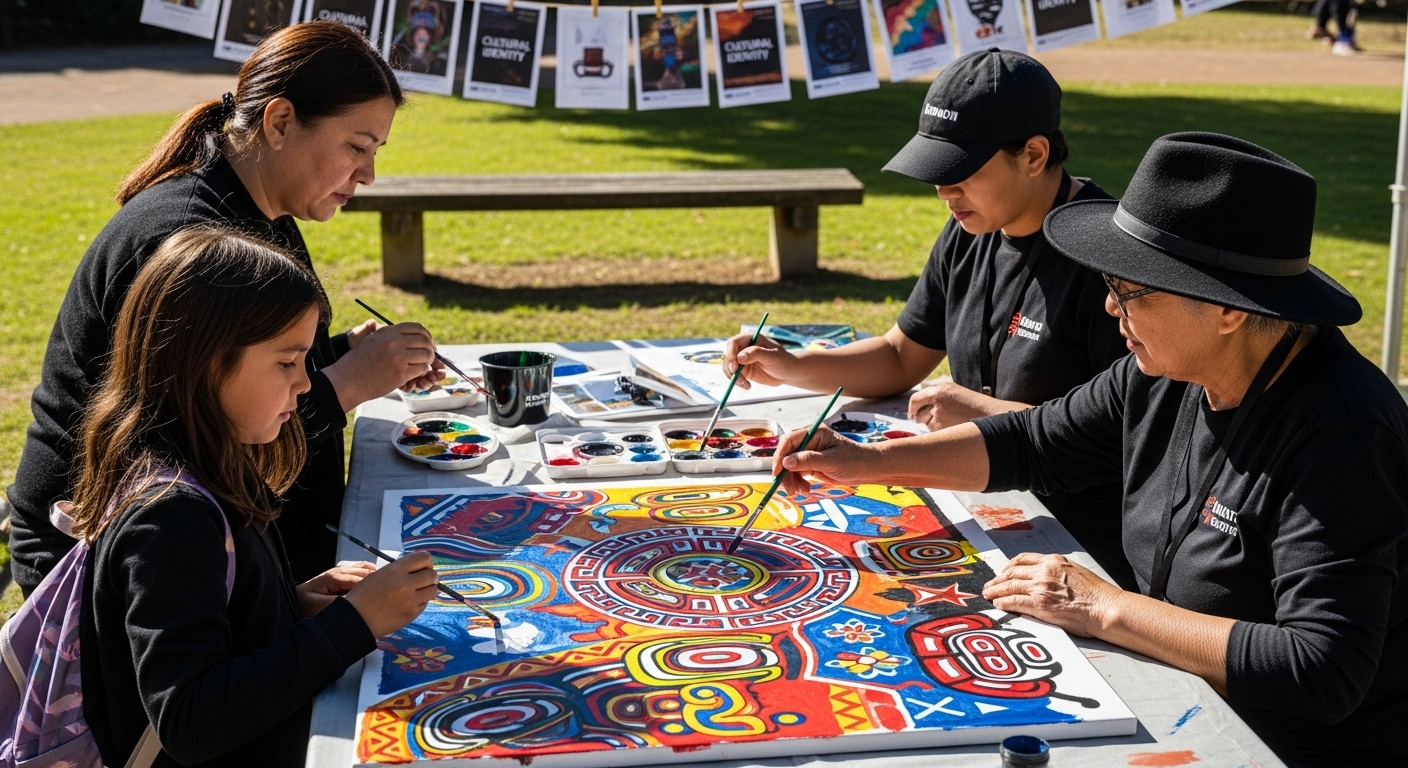 It emerges as a dynamic dialogue between individual creativity and collective experience, continuously shaping and reshaping how communities understand themselves and their place in the broader social context.
Art’s Role in Social and Political Movements
Art has consistently emerged as a potent instrument of social transformation, challenging established power structures, amplifying marginalized voices, and creating critical spaces for political discourse. Beyond aesthetic expression, art functions as a revolutionary medium through which communities articulate resistance, challenge oppression, and reimagine social possibilities.
Visual Resistance and Protest
Artistic expressions become powerful tools of political commentary, enabling communities to communicate complex social narratives that might otherwise be silenced. Paintings, photographs, murals, and installations serve as visual languages of resistance, documenting historical struggles and challenging dominant narratives. Discover the power of South African creative expression to understand how art transforms social landscapes.
Key mechanisms of artistic political resistance include:
- Documenting systemic injustices
- Challenging oppressive narratives
- Creating visibility for marginalized experiences
- Generating collective emotional solidarity
Transformative Storytelling
Artists function as critical social narrators, using their creative platforms to reframe historical experiences and challenge established power dynamics. Through visual storytelling, art provides alternative perspectives that challenge official historical accounts, giving voice to experiences often overlooked by mainstream narratives. According to research from The Conversation, artistic expressions are crucial mechanisms for understanding complex social transformations.
The transformative potential of art involves:
- Reinterpreting historical experiences
- Challenging dominant power structures
- Creating spaces for collective healing
- Imagining alternative social realities
By presenting nuanced, emotionally resonant narratives, art transcends traditional political communication.
It becomes a dynamic force that not only reflects social realities but actively participates in reshaping collective consciousness and inspiring social change.
The Impact of Art on Personal and Communal Experiences
Art transcends mere visual representation, functioning as a profound medium of emotional communication, personal exploration, and communal connection. It serves as a transformative force that bridges individual experiences with broader social narratives, creating powerful channels of understanding, healing, and collective imagination.
Emotional Landscape and Personal Growth
Artistic engagement provides individuals with unique opportunities for introspection, emotional processing, and personal development. By interacting with artistic expressions, people explore complex feelings, confront internal struggles, and gain deeper insights into their own experiences. Explore why original art matters and understand how personal art acquisition can enhance emotional understanding.
Key dimensions of art’s personal impact include:
- Facilitating emotional self-discovery
- Providing therapeutic emotional outlets
- Encouraging personal reflection
- Supporting mental health and well-being
Communal Connection and Shared Understanding
Art creates powerful spaces for collective experiences, enabling communities to communicate complex emotions and shared histories beyond verbal language. According to research from the South African Government, artistic expressions possess extraordinary potential to build empathy, raise social awareness, and drive meaningful behavioral transformations.
The communal impact of art involves:
- Fostering collective emotional experiences
- Creating platforms for dialogue
- Promoting cross cultural understanding
- Healing collective trauma
By providing nuanced emotional landscapes, art becomes more than an aesthetic experience. It emerges as a dynamic social technology that connects individuals, challenges perceptions, and generates profound pathways for personal and collective understanding.
The following table outlines the key dimensions of art’s impact on both personal and communal experiences, capturing their emotional and social benefits as described in the article.
| Impact Area | Personal Experience | Communal Experience |
|---|---|---|
| Emotional Growth | Facilitates self-discovery and reflection | Creates collective emotional experiences |
| Therapeutic Value | Supports mental health and well-being | Fosters healing of collective trauma |
| Connection | Enhances introspection and emotional understanding | Builds empathy and promotes shared understanding |
Transform Your Space with South African Art that Speaks to Culture
Are you moved by how art shapes cultural identity, preserves collective memory, and inspires social change? The journey to own meaningful art often starts with a desire to connect with something deeper than simple aesthetics. Many readers grapple with how to bring authentic South African stories into their homes or offices. If you long for artworks that represent resilience, identity, and emotional depth—just as described in our article on the cultural significance of art—then now is the perfect time to discover the power of locally crafted originals.

Bring culture home today. At Art Online, you have access to the largest collection of art from the country’s most renowned artists. Browse exceptional works that capture the spirit and history of South African communities. Let your space tell a powerful story of heritage and transformation by exploring our carefully curated selection here. If you need guidance selecting a piece that reflects your personal story or cultural interests, visit our blog for inspiration. Start your journey with us now and invest in art that truly means something.
Frequently Asked Questions
What is the cultural significance of art?
Art holds cultural significance as a medium for expressing human experiences, preserving cultural narratives, and fostering social understanding. It serves not only as aesthetic representation but also as a vital communication tool for cultural identity and collective memory.
How does art preserve cultural memory?
Art preserves cultural memory by documenting historical events, social movements, and traditional practices. Artistic works capture and convey communal experiences, allowing future generations to connect with their heritage and understand collective histories.
In what ways can art function as social commentary?
Art functions as social commentary by challenging existing norms and exposing inequalities through visual narratives. Artists use their work to provoke dialogue, question power structures, and inspire audiences to reflect on social issues and cultural assumptions.
How does art impact personal and communal experiences?
Art impacts personal and communal experiences by facilitating emotional self-discovery, supporting personal growth, and fostering connections within communities. It creates spaces for shared understanding and collective healing, allowing individuals to articulate complex feelings and experiences beyond verbal communication.